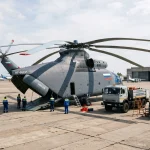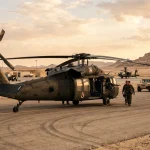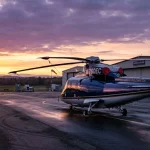
When most people dream of soaring through the sky, they envision helicopters effortlessly gliding to breathtaking heights. However, have you ever wondered why these remarkable machines can’t reach the top of Mount Everest, the world’s highest peak? At over 29,000 feet, Everest presents a unique challenge due to the extreme altitude and thin air, which severely limits helicopter performance. Understanding the physics of flight reveals the intricate balance of lift, weight, and engine power that makes such high-altitude flights nearly impossible. In this article, we’ll explore the fascinating reasons behind this limitation, unlocking the mysteries of aviation physics while inviting you to consider the broader impacts of altitude on flight. Whether you’re an aviation enthusiast or simply curious, you’ll gain insights into both the capabilities and constraints of helicopters, fueling your passion for the skies.
Why Helicopters Can’t Reach Everest’s Summit
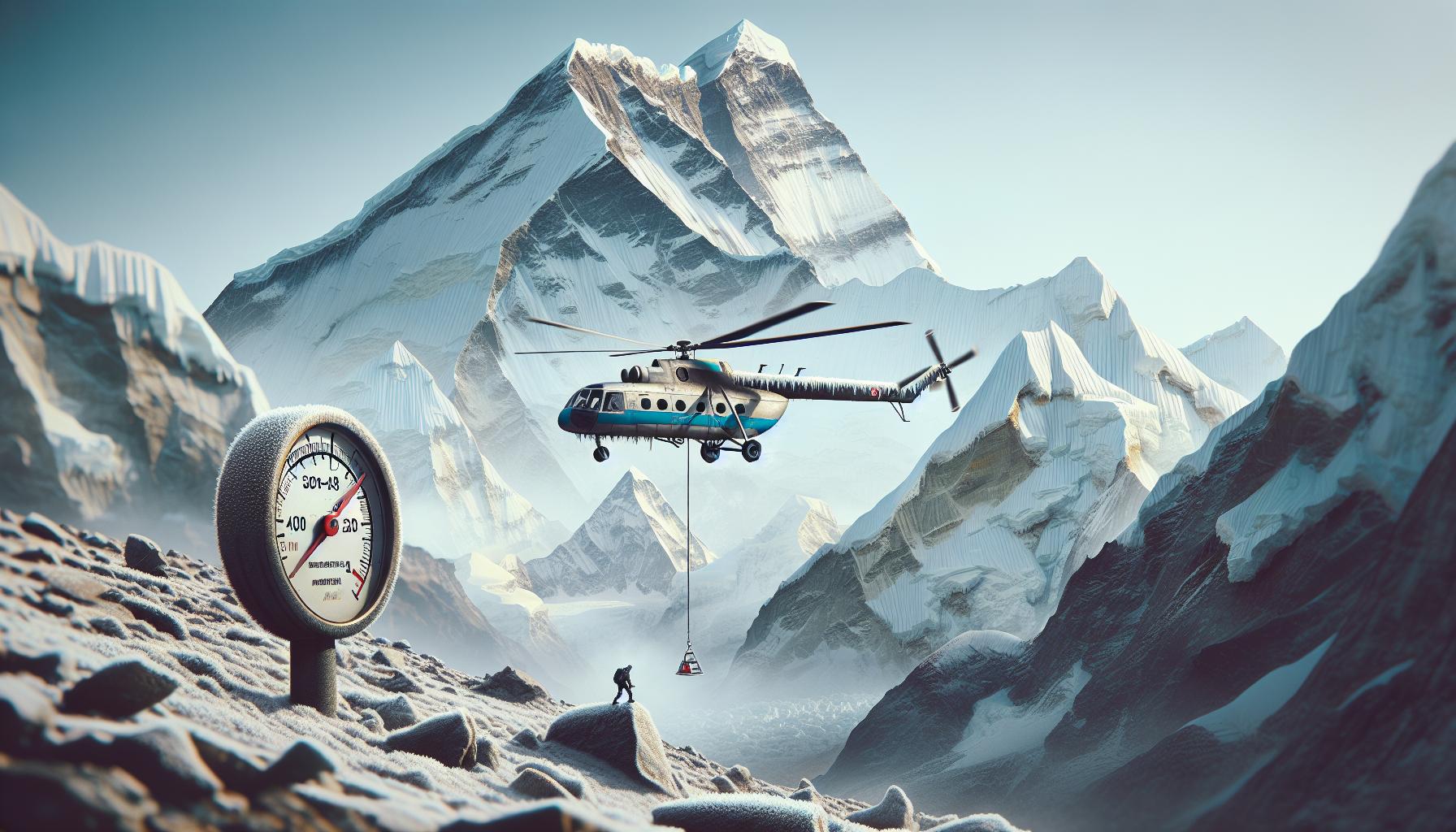
Despite their impressive capabilities, helicopters face significant challenges when attempting to reach the summit of Mount Everest. One of the primary factors limiting their altitude is the phenomenon known as density altitude. As helicopters rise, the air becomes thinner, making it increasingly difficult for the rotor blades to generate the lift necessary for flight. At Everest’s summit, which stands at 29,029 feet (8,848 meters), the air density is only about one-third of that at sea level. This reduced density means that the helicopter’s rotors must work harder, leading to a dramatic decrease in their performance and ultimately making sustained flight impossible at such heights.
Furthermore, the engine performance of helicopters is heavily impacted by altitude. Most helicopter engines lose power as they ascend, struggling to maintain the necessary thrust to keep the rotor blades turning effectively. For instance, many commonly used helicopters top out around 15,000 feet under normal operating conditions, and beyond this elevation, engine performance can drop sharply. This limitation is exacerbated by the extreme weather conditions found on Everest, including high winds and rapid temperature changes, which can further hinder engine efficiency and stability.
The design of helicopters also poses specific challenges in such a harsh environment. Helicopters are typically built for versatile, multi-terrain operation rather than extreme altitudes. The materials used and the mechanics involved are more attuned to handling varied conditions rather than the severe conditions at the “Roof of the World.” Even if a helicopter were able to climb to Everest’s heights, the extreme cold could lead components to ice up or result in mechanical failures, further endangering the pilot and any potential passengers.
Innovative engineering might hold the key to overcoming these obstacles. Research into specialized rotor blade designs, advanced materials, and more powerful engines could yield helicopters capable of venturing higher than ever before. However, until such advancements are realized, Everest will remain an elusive summit for helicopter flight, a testament to the combined power of nature and the physics governing aviation.
Understanding Helicopter Flight Mechanics
The intricate dance of mechanics that allows helicopters to soar through the skies is both fascinating and complex. At the heart of helicopter flight is the ability of rotor blades to create lift, which is fundamentally influenced by several physical laws. Helicopters utilize rotating blades that generate lift by altering the pressure of the air above and below them. When the blades spin, they create a difference in air pressure: higher pressure beneath the blades pushes the helicopter upwards, while lower pressure above them pulls it up. This basic principle of aerodynamics works effectively at lower altitudes where air density is sufficient.
As altitude increases, however, this delicate balance changes dramatically. The air gets thinner, meaning fewer air molecules are available to interact with the rotor blades. This phenomenon is known as density altitude, which severely limits a helicopter’s ability to generate lift. At the summit of Mount Everest, the air density is approximately only one-third of that at sea level, compelling the rotor blades to work much harder. Consequently, helicopters may find themselves unable to maintain altitude or perform essential maneuvers, placing both the aircraft and pilot at risk.
Another critical aspect to consider is the helicopter’s engine performance. Helicopter engines, particularly those that rely on standard combustion processes, lose power as altitude increases. This power reduction is a direct result of lower air density, which decreases the amount of oxygen available for combustion. For example, most helicopters are designed to operate efficiently up to about 15,000 feet; beyond this threshold, engine performance declines significantly, complicating ascents into extreme altitudes like those of Everest. Coupled with harsh conditions, such as frigid temperatures and high winds, these mechanical limitations illustrate the profound challenges helicopters face when navigating high altitudes.
Ultimately, understanding how lift is generated and how helicopter mechanics function under varying atmospheric conditions not only enhances our appreciation of these remarkable machines but also underscores the importance of innovative engineering. Advances in technology that focus on optimizing rotor design, enhancing engine efficiency, and developing materials that withstand extreme environments might one day enable helicopters to conquer new heights-perhaps even the towering peaks of Everest.
For aspiring helicopter pilots and aviation enthusiasts, grasping these principles is vital not just for flight safety but also for future advancements in helicopter technology. Understanding the mechanics behind rotorcraft empowers individuals to explore careers in aviation with a deep appreciation for the challenges that lie in operating near the edges of our planet’s atmosphere.
The Role of Density Altitude in Aviation
High above sea level, the challenges of aviation become starkly apparent, particularly when it comes to helicopter flight. One of the most critical factors affecting a helicopter’s performance is density altitude, a concept that encapsulates the relationship between altitude, temperature, and air pressure. As a helicopter ascends, the air becomes thinner-meaning there are fewer oxygen molecules available for both the rotor blades to generate lift and for the engine to function effectively. This is especially pronounced at extreme altitudes, such as the summit of Mount Everest, where the atmospheric density is roughly one-third that of sea level.
Understanding Density Altitude
Density altitude is not merely a measure of height above sea level; it directly impacts helicopter flight capabilities. Pilots must consider how these conditions affect the helicopter’s performance parameters, including lift production, engine power, and overall maneuverability. As temperature increases or humidity changes, density altitude can rise even at lower physical altitudes, compounding the challenges faced by pilots.
Practical Implications for Helicopter Flight
When flying in high-altitude environments, a helicopter’s ability to maintain altitude becomes precarious. For instance, typical helicopters are designed to operate efficiently up to about 15,000 feet, but conditions on Everest can push density altitude far beyond this limit, severely limiting lift. It can result in helicopters being unable to perform necessary maneuvers or maintain stable flight. Additionally, the fuel efficiency of the engine may decline, leading to increased vulnerability during flight.
Considering this, aspiring pilots and aviation enthusiasts must appreciate how pivotal density altitude is in flight training and operational planning. Understanding these principles can help prepare pilots for eventualities in challenging environments and foster a deeper respect for the technical intricacies of helicopter operation. Ultimately, the demanding physics of flight at altitude presents not just obstacles but also exciting opportunities for innovation and growth in aviation technology.
Physical Limits: Engine Power at High Altitude
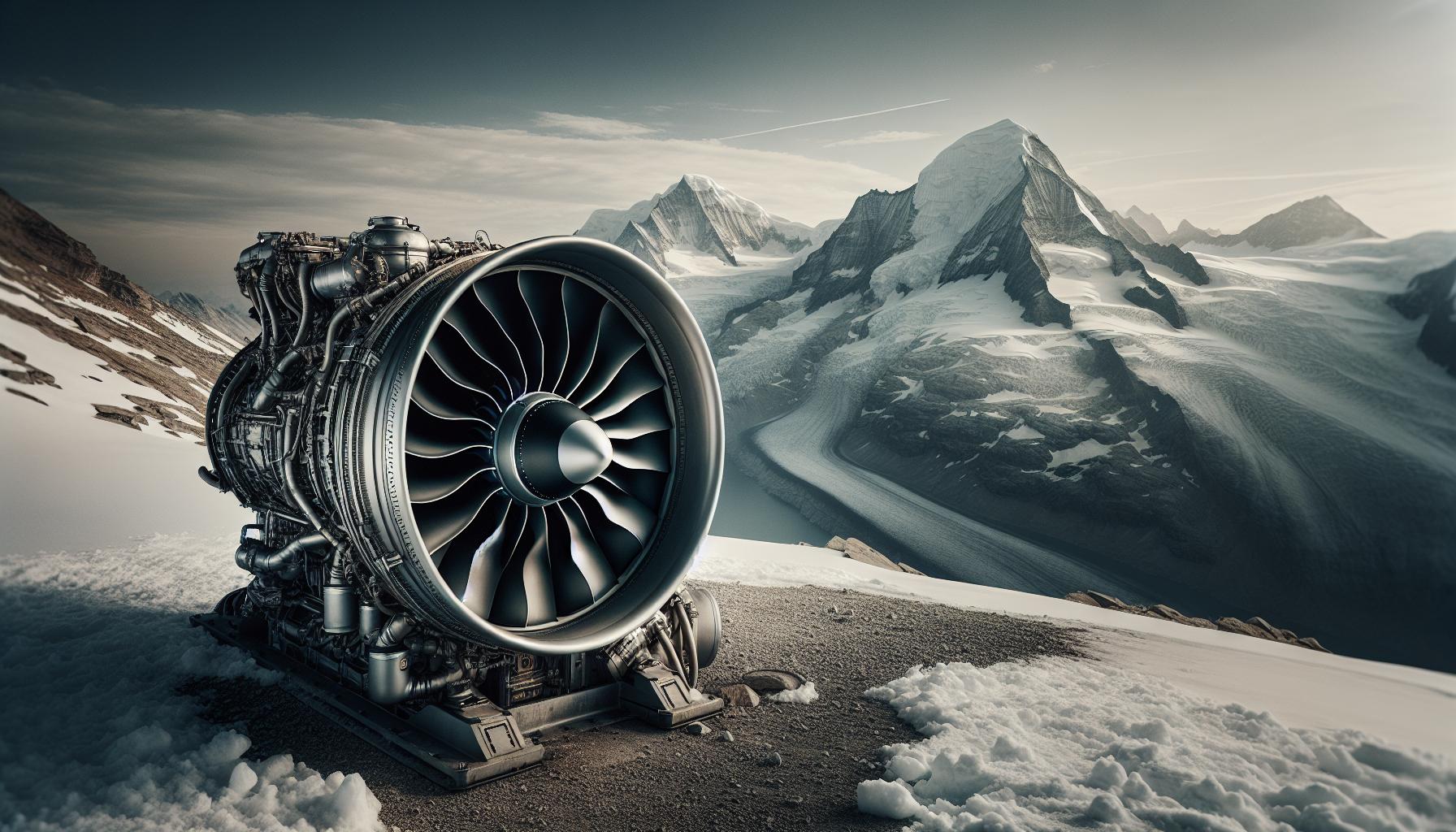
Reaching the summit of Mount Everest presents a formidable challenge not just in terms of terrain, but also due to the harsh atmospheric conditions that dramatically affect helicopter engine performance. At extreme altitudes, such as 29,032 feet, the reduction in atmospheric pressure and air density critically impacts how helicopters generate lift, as well as the power available to their engines. Conventional helicopter engines, which often rely on internal combustion mechanics, struggle to operate effectively in such thin air. The oxygen content available for combustion decreases significantly, leading to a loss of thrust and power.
Understanding how engine power diminishes at high altitudes is crucial. As elevation increases, every inch of altitude exerts pressure on the air beneath a helicopter’s rotors, making it increasingly difficult to maintain lift. For instance, a typical helicopter may be rated for performance up to 15,000 feet, beyond which it begins to experience drastic declines in efficiency. Beyond this altitude, the rotor system requires more power to generate the necessary lift, yet the engines produce less power due to insufficient oxygen for combustion. This creates a catch-22: as altitude rises, the required power increases while the available power decreases.
Moreover, the performance limitations extend to fuel consumption, which becomes a critical factor in high-altitude operations. In such environments, helicopters may not only struggle to maintain elevation but also face challenges in sustaining flights for any significant duration. With engines working harder for less return, the risk of engine failure increases, presenting serious safety concerns for pilots. There’s also a limit to how much weight a helicopter can carry at such altitudes; a lower load can mean more power for lift, but this isn’t always feasible given rescue or transport missions.
In light of these realities, helicopter manufacturers and engineers continue to explore innovative solutions. Some are looking into turbine engines, which operate more efficiently at higher altitudes compared to traditional piston engines, while others are focusing on augmenting rotor blade designs to optimize lift in thinner air. These developments could open new avenues for high-altitude operations, but for now, the combination of atmospheric conditions and engine limitations keeps Everest’s summit out of reach for standard helicopters.
Design Challenges: Copters vs. Everest’s Environment
The challenges faced by helicopters when attempting to reach the summit of Everest are as daunting as the mountain itself. At extreme altitudes, the environment presents unique obstacles that significantly hinder rotary flight. The most critical factor is the severe drop in air density, which impacts both lift generation and engine performance. Helicopters rely on rotor blades to create lift by rotating through the air, but as altitude increases, the available air molecules for lift diminish sharply. This means that the rotor system can struggle to produce the same amount of lift it achieves at lower altitudes.
Understanding this interaction between rotors and air is fundamental for anyone interested in aviation. The rotor blades require clean, dense air to function effectively. As helicopters ascend, not only does the air become thinner, but the engine also faces a reduced capacity to generate power due to lower oxygen levels for combustion. This creates a critical design challenge: the rotor system’s demand for increased power at higher altitudes coincides with a notable decrease in engine efficiency. For helicopters designed primarily for performance in urban environments, the modifications necessary for tackling Everest’s unique conditions often exceed practical limits.
Another significant design challenge is temperature. The altitudes associated with Everest are not only cold but exceptionally cold, often plunging below freezing. This can affect both fuel viscosity and mechanical operation, making it more challenging for helicopters to function reliably. Innovative solutions are needed to insulate critical components and ensure engines and systems can operate in such extreme conditions.
Historical attempts to use helicopters for high-altitude missions on Everest illustrate these challenges vividly. While some missions have succeeded at lower elevations, as teams attempted higher ascents, they often encountered limitations that grounded them well below the summit. The ongoing pursuit of advanced technologies, such as lightweight materials and improved turbine engine designs, seeks to address these issues. These advancements could eventually enable future helicopters to operate effectively at high altitudes, offering more reliable options for rescue missions and scientific research in the perilous environment of Everest.
Historical Attempts: Helicopter Flights on Everest
The history of helicopter flights on Everest is a testament to human ingenuity and the relentless pursuit of overcoming nature’s challenges. In the early 1970s, a significant milestone was achieved when the first helicopter, a modified Sikorsky S-58T, successfully reached an elevation of around 8,000 meters (approximately 26,247 feet). This historic flight conducted by an experienced team was less about reaching the summit and more about setting a record at high altitudes. Such attempts illuminated the profound difficulties helicopters face as they ascend into the thin air that envelops Everest.
Despite these successes, helicopters have frequently been grounded by the forbidding conditions at extreme altitudes. Notably, in 1980, a daring attempt by French pilot Jean-Marc Boivin aimed for a higher altitude, but the helicopter struggled in the dangerously thin air characterized by an extreme drop in lift capability and engine performance. The rotor blades required sufficient air density to generate lift, but as Boivin pushed the limits, he discovered the frailty of mechanical performance at such heights. The helicopter’s systems began to fail under the strain, demonstrating the risks involved in high-altitude flight.
One of the most poignant moments in the history of high-altitude helicopter operations came during the early 1990s when helicopters were deployed for rescue missions on Everest. Tragically, one such mission ended in catastrophe when a helicopter was lost along with its crew during an attempt to reach stranded climbers. This incident underscored not only the perilous nature of helicopter operations in these unforgiving environments but also the respect and admiration for those who dare to fly in such extreme conditions. The lives lost are honored by the aviation community, serving as reminders of the bravery involved in high-altitude rescue efforts.
As technological advancements continue to evolve, future possibilities for helicopter flights on Everest may become more viable. Research into specialized turbine engines and enhanced rotor designs aims to address the unique challenges presented by high altitudes. Moreover, the exploration of innovative materials that blend strength with lightweight properties could propel helicopters into previously inaccessible realms. While helicopters may still struggle to conquer Everest’s summit today, the cumulative knowledge and experiences from past attempts pave the way for future endeavors in high-altitude aviation.
Altitude Survival: The Impact on Pilots
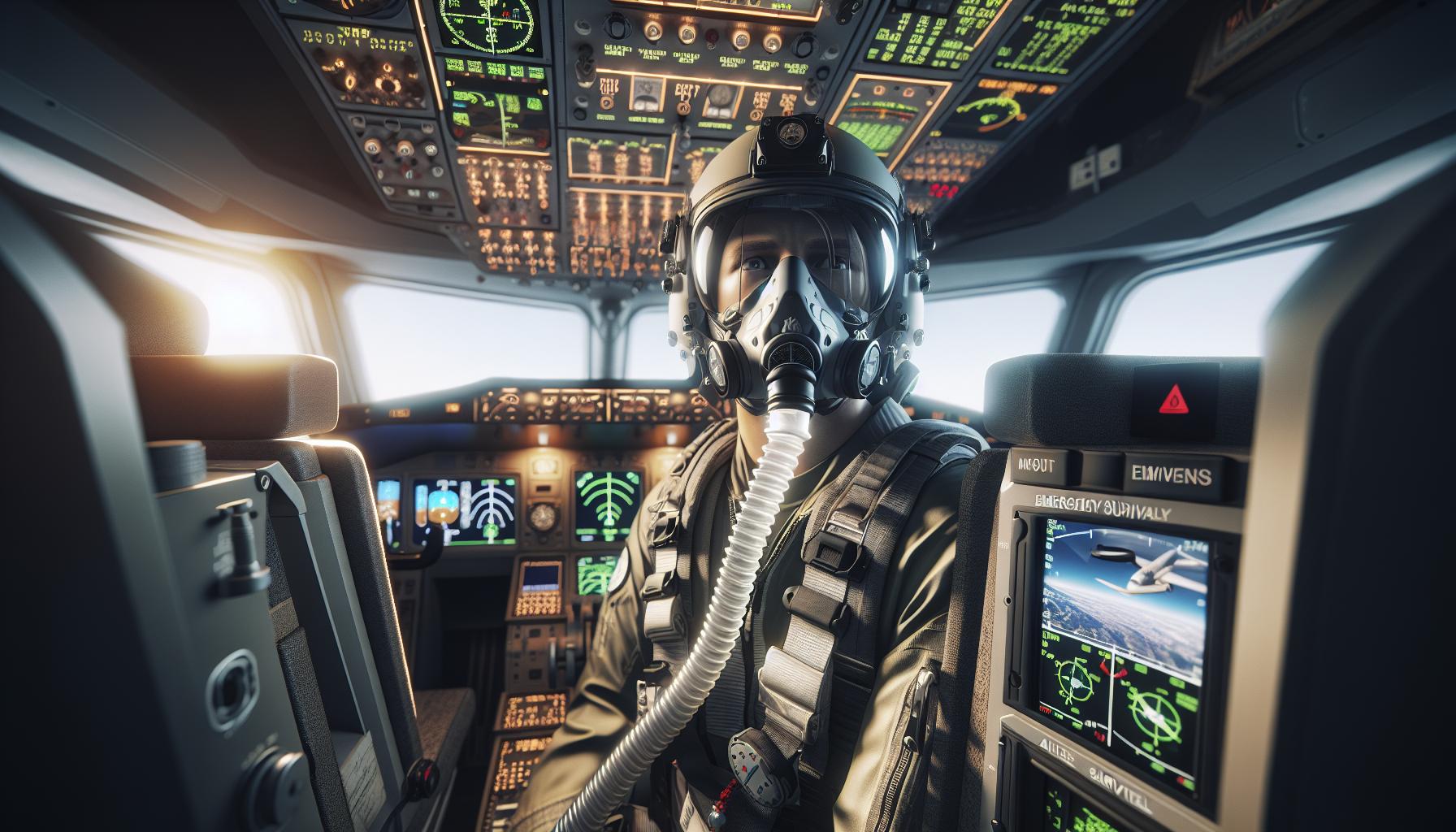
As pilots ascend to extreme altitudes, their bodies face significant challenges due to the thinning atmosphere and decreased oxygen levels. At Everest’s lofty elevations, the altitude can severely impact pilot performance and decision-making. Above 8,000 meters (26,247 feet), the oxygen levels are less than one-third of what is available at sea level, leading to potential symptoms of hypoxia, which can manifest as dizziness, confusion, and impaired judgment. This physiological response necessitates that pilots undergo rigorous training and acclimatization before attempting flights in such hostile environments.
Physiological Effects of High Altitude
In addition to hypoxia, pilots may experience other altitude-related challenges, such as altitude sickness, which can present with headaches, nausea, and fatigue. These symptoms can hinder a pilot’s ability to operate the helicopter safely. Training in high-altitude environments often includes the use of supplemental oxygen systems, enabling pilots to maintain cognitive function and physical well-being during flight. Proper acclimatization helps pilots adjust to lower oxygen levels, reducing the risks associated with sudden exposure to extreme altitudes.
The Importance of Preparation
Successful helicopter operations at high altitudes demand meticulous planning and preparation. Pilots must be well-versed in the aircraft’s performance capabilities, especially in relation to the environment they are flying in. For instance, understanding how density altitude affects lift and engine performance is crucial. Many seasoned pilots recommend flying with a co-pilot during high-altitude missions to ensure shared workload and enhance situational awareness, which can be vital in critical rescue scenarios.
Moreover, the psychological impacts of operating at extreme heights cannot be understated. The stresses of potential mechanical failures, unpredictable weather conditions, and the critical nature of rescue missions add tremendous pressure. Pilots must not only be skilled aviators but also resilient problem solvers, capable of making split-second decisions while managing their own physiological responses.
While helicopter operations in challenging environments like Everest can be perilous, the bravery and dedication of pilots who take on these missions inspire respect in the aviation community. Their experiences highlight the delicate balance between human capability and natural limitations, making every successful flight a remarkable achievement in human endeavor.
Innovative Helicopter Technologies and Everest
Despite the challenges posed by extreme altitudes, innovative helicopter technologies are continually being developed to enhance performance in high-mountain environments like Everest. A striking example is the utilization of advanced rotor designs and materials that allow for greater lift efficiency and decreased drag. Helicopters designed for high-altitude operations often feature turbocharged engines and enhanced rotor blades made from lightweight composites, which help maintain power and maneuverability where traditional designs might falter.
Additionally, vertical flight systems are integrating sophisticated avionics and systems that monitor real-time atmospheric conditions, allowing pilots to adapt their flying techniques instantaneously. This technological advancement helps mitigate some of the risks associated with unexpected weather changes and other hazards present in the high-altitude environment. Fly-by-wire systems, central to modern aviation, enable more precise control under fluctuating lift conditions, enhancing safety margins for both pilots and the aircraft.
Another critical innovation is the development of pressurized cabins in specialized helicopters, which can significantly improve pilot performance at high elevations. By controlling the cabin pressure, these helicopters can effectively combat hypoxia, allowing crews to perform their duties with a sharper focus and reduced fatigue. This technological leap not only preserves pilot health but also increases the chances of successful rescue operations in treacherous terrains where minute decisions can make a life-saving difference.
Research and collaboration among aviation engineers, pilots, and mountain rescue teams continue to push the boundaries of what is achievable with helicopter technology in extreme environments. Aspiring aviators interested in rescuing climbers or conducting operations in such locations should explore specializations that focus on high-altitude flight and the emerging technologies that make these daring missions possible. The future of helicopter operation in high-altitude rescues appears promising as technology continues to evolve, blending safety and capability into one remarkable package.
Future Prospects: Helis and High-Altitude Rescue
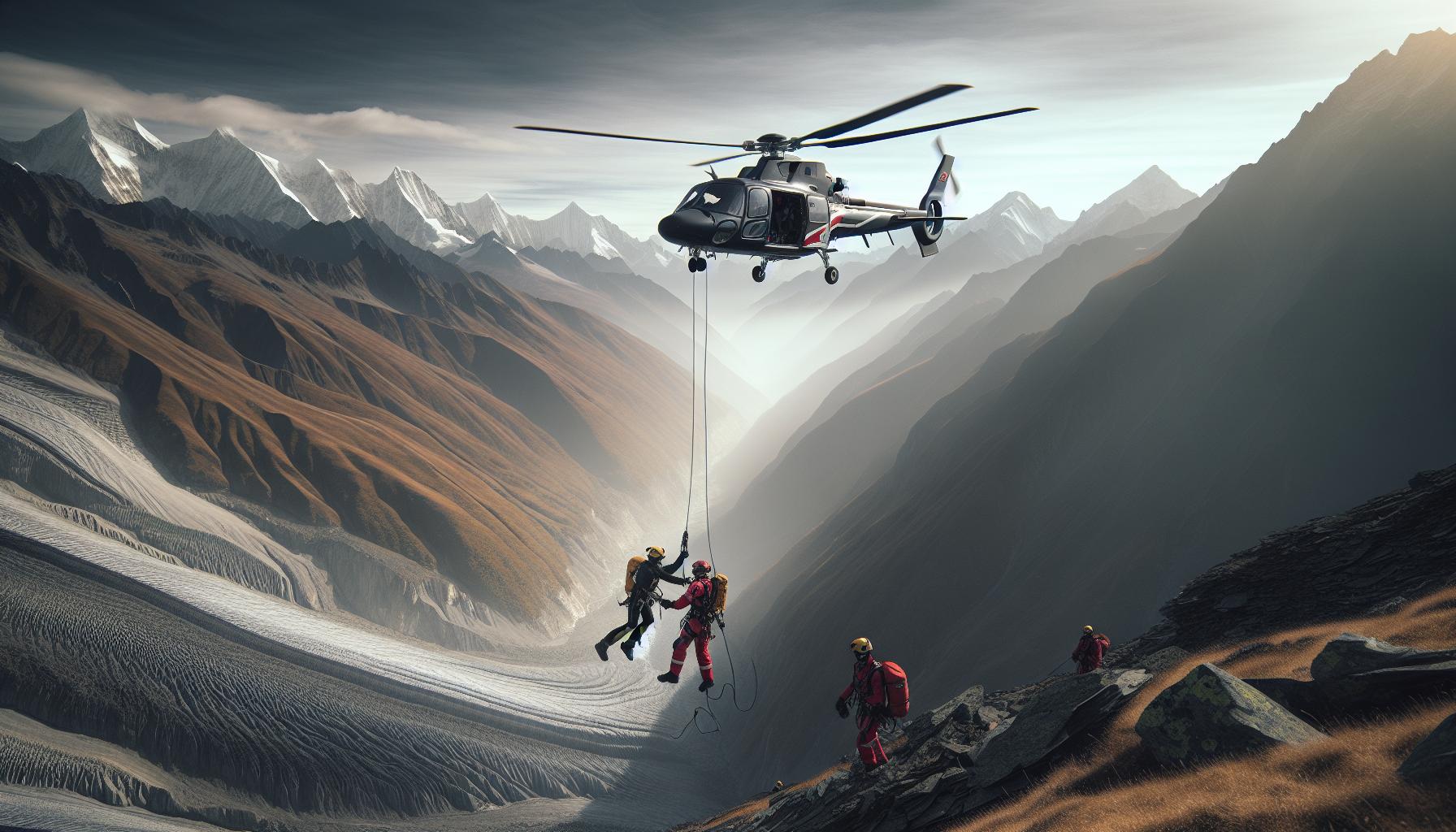
Helicopters have always captured the imagination thanks to their ability to hover, maneuver, and operate in ways that fixed-wing aircraft cannot. Yet, the Everest summit presents unique challenges that have sparked innovation in helicopter technology. As aerospace engineers and helicopter manufacturers focus on high-altitude capabilities, the future of helicopter rescue operations at extreme elevations looks increasingly promising.
Recent advancements in helicopter design, such as turbocharged engines and lightweight composite materials, are paving the way for safer operations in harsh mountain environments. These developments enhance lift efficiency, which is crucial where traditional rotorcraft might struggle. The integration of sophisticated avionics offers real-time monitoring of atmospheric conditions, enabling pilots to adapt their flight strategies to ever-changing weather patterns that are common at high altitudes. Such real-time data can prove invaluable in rescue operations, where timely decision-making is critical.
Helicopters are also evolving to combat the physiological challenges encountered during high-altitude flights. For instance, the emergence of pressurized cabins helps mitigate altitude sickness, allowing pilots and rescue crews to operate effectively without the debilitating effects of hypoxia. This advancement not only protects the health of the crew but also increases the possibility of successful rescues in notoriously dangerous terrains.
Furthermore, collaborations amongst aviation practitioners, rescue organizations, and technology developers are highly encouraging. These partnerships aim to refine equipment and protocols for high-altitude operations. Aspiring pilots are encouraged to seek specialized training related to mountain flying and high-altitude rescue techniques, as these skills are increasingly in demand. As technology continues to advance, the capability of helicopters to conduct missions at extreme altitudes, like the peaks of Everest, remains a thrilling frontier of aviation. With ongoing innovations, the dream of reaching previously unreachable heights may soon become a reality, making life-saving missions more feasible and effective in the future.
Exploring Alternatives: Other Aircraft Options
While helicopters are the go-to aircraft for many challenging rescue operations, their performance limitations at extreme altitudes render them unsuitable for reaching the summit of Everest. However, other aircraft options present exciting possibilities for operations in high-altitude environments.
Fixed-wing aircraft, such as mountain STOL (Short Takeoff and Landing) planes, are often more efficient in high-altitude regions due to their ability to maintain speed and lift in thinner air. These planes can take advantage of their greater airspeed, helping them to stay aloft longer and cover more ground than helicopters, which can struggle with reduced lift capacity. Aircraft like the Cessna 172 Skyhawk and the Piper Super Cub are notable for their small size and agility in challenging terrain, making them valuable assets for aerial surveillance and support in mountainous areas.
In the world of unmanned vehicles, drones are becoming increasingly popular for high-altitude operations. They can reach elevations that traditional piloted aircraft cannot due to their lightweight structure and lack of crew, eliminating concerns about hypoxia. Advanced drones, equipped with high-resolution cameras and sensors, are used for surveying terrain, conducting search missions, and even delivering supplies to stranded climbers, offering a safe alternative for high-altitude operations.
Moreover, experimental technologies are emerging, such as electric and hybrid aircraft designs that seek to enhance performance in high-altitude conditions. These aircraft may provide solutions to the limitations faced by current models, with capabilities that include enhanced lift and reduced weight, potentially revolutionizing how we approach high-altitude rescue missions in the future.
As technology advances and more specialized aircraft models come to the forefront, the possibilities for overcoming the challenges posed by Everest’s extreme environment will expand. Combining fixed-wing craft, drones, and innovative technologies holds the key to safer and more effective missions in the world’s highest regions.
Epic Rescue Missions: Helicopters and Mountaineering
In the realm of mountaineering, helicopters often act as a vital lifeline, performing daring rescue missions in the most treacherous terrains. The breathtaking heights of the Himalayas, particularly Everest, present unique challenges that stretch these machines to their limits. Despite their remarkable capabilities, helicopters face significant hurdles that prevent them from reaching the highest altitudes, primarily due to the extreme atmospheric conditions found on Everest.
Helicopters utilize rotor blades to generate lift, but as altitude increases, air density decreases, diminishing the effectiveness of those blades. At about 18,500 feet, helicopters struggle to maintain enough lift to hover or land safely, and by the time they approach Everest’s summit at 29,029 feet, the lack of oxygen drastically limits both rotor performance and engine efficiency. This dynamic illustrates the critical intersection of physics and aviation, showcasing why helicopters, while formidable in many rescue operations, cannot ascend to Everest’s peak.
Historical attempts to reach Everest by helicopter have met with varying degrees of success, although none have achieved a landing at the summit. Notably, in 1978, Dr. R. K. Dany took a helicopter to 23,000 feet, setting a record, but the mission was fraught with danger, highlighting the risks involved in these extreme endeavors. For helicopters to perform at such altitudes, pilots require specialized training and equipment, often employing pressurized suits and supplemental oxygen to survive the harsh conditions.
Rescue missions, however, remain a crucial application for helicopters in the lower elevations leading up to Everest. They can effectively transport climbers in distress from camps to safer locations or medical facilities. This role underlines the importance of understanding helicopter limitations, as effective rescue strategies often rely on a combination of helicopter support and innovative technologies, such as drones and lightweight fixed-wing aircraft, capable of operating at higher altitudes.
As technology continues to evolve, so too do the prospects for enhancing helicopter capabilities. Developing lighter materials, more powerful engines, and advanced rotor designs could one day enable these machines to tackle higher altitudes more effectively, potentially reshaping rescue operations in the most demanding environments. Until such advancements materialize, helicopters will remain steadfast in their critical role below the towering summits, providing indispensable support for mountaineers around the world.
The Physics Behind High-Altitude Aerodynamics
The physics of high-altitude aerodynamics reveals why helicopters struggle in extreme elevation environments like Mount Everest. As altitude increases, several physical principles come into play, significantly impacting helicopter performance. One of the primary challenges is the reduction of air density. At sea level, air has a certain density that allows rotor blades to generate adequate lift. However, as a helicopter ascends, the thinning atmosphere reduces the number of air molecules interacting with the blades, leading to diminished lift.
A key factor in helicopter aerodynamics is the concept of lift, achieved through rotor blades creating a pressure differential between the upper and lower surfaces. This lift is highly dependent on air density-when a helicopter approaches Everest’s peak at approximately 29,029 feet, the air density is less than a third of that at sea level. As a result, rotor blades must work harder to generate the same amount of lift, and they quickly reach a point where hover capability is lost.
Understanding Critical Altitude Limits
The practical implications of this phenomenon are evident in the critical altitude limits for helicopter operations. Standard helicopters typically operate efficiently up to around 10,000 to 18,500 feet, depending on their make, model, and environmental conditions. Beyond this threshold, they encounter performance limitations. For example, a common altitude limit for many helicopters is around 20,000 feet, where hovering becomes impossible. Consequently, at elevations like Everest’s, helicopters can only fly a limited distance and often cannot ascend to such heights.
Another critical aspect is engine performance. Helicopters rely on combustion engines that need oxygen to function effectively. At high altitudes, the thin air not only decreases the oxygen available for combustion but also reduces engine efficiency. This is why some helicopters use altitude compensating systems, yet these solutions still have their limitations-or they may add complexity that risks reliability in emergency scenarios.
Challenges and Innovations
In response to these challenges, some helicopters are equipped with advanced systems designed to optimize lift in thin air. Technologies such as modified blade shapes or improved engine designs aim to counteract altitude-related performance issues. Innovations in materials and aerodynamics are crucial for future advancements, potentially enabling helicopters to reach higher altitudes safely.
Examples in aviation history have shown the incredible limits pilots are pushed to when operating in demanding environments. Although some helicopters have reached altitudes exceeding 25,000 feet, as in the case of Dr. R. K. Dany’s attempt, these flights remain perilous and are rarely replicated. The ongoing evolution of helicopter technology holds promise, yet until breakthroughs occur, the physics of altitude will continue to define the operational ceiling for these remarkable machines.
Frequently Asked Questions
Q: Why is the air density lower at the top of Mount Everest?
A: The air density decreases with altitude due to the reduction of atmospheric pressure. At the summit of Mount Everest (8,848 meters), the pressure is significantly lower than at sea level, resulting in thinner air. This affects helicopter lift, making it impossible for them to maintain flight.
Q: What are the limitations of helicopter engines at high altitudes?
A: Helicopter engines rely on air for combustion and generating lift. At high altitudes like Everest, the lower air density means less oxygen is available for combustion. This results in reduced engine power, limiting the helicopter’s ability to take off and maintain altitude.
Q: How does altitude affect helicopter rotor performance?
A: At higher altitudes, the helicopter rotors encounter thinner air, which reduces lift. The rotor blades need more speed to generate the necessary lift, which may not be feasible, as less power is available from the engine due to lower oxygen levels.
Q: Have there been any successful helicopter rescues on Everest?
A: Yes, there have been a few notable helicopter rescues on Everest at lower altitudes. Helicopters generally operate successfully below 7,500 meters, but high-altitude conditions present challenges that can limit helicopter operations to specific emergency scenarios closer to base camps.
Q: What alternative aircraft can reach high altitudes like Everest?
A: Fixed-wing aircraft, such as specially modified airplanes, are more capable of reaching higher altitudes than helicopters due to differences in lift mechanics and propulsion. They can operate at higher speeds and in thinner air, making them suitable for high-altitude missions.
Q: Why can’t helicopters hover effectively at high altitudes?
A: Helicopters struggle to hover at high altitudes due to insufficient lift generated by rotor blades in thin air. The power needed to sustain hover exceeds the engine’s output, making hovering impossible at elevations like those found on Mount Everest.
Q: What is the impact of altitude on pilot performance?
A: At extreme altitudes, pilots may experience hypoxia, which affects cognitive functions and physical coordination. This can hinder decision-making and lead to serious safety concerns while operating aircraft in high-altitude environments like Everest.
Q: How does weather affect helicopter flight near Everest?
A: Weather conditions in the Everest region can be unpredictable, with strong winds and abrupt changes in visibility. These factors complicate helicopter operations and pose additional risks, further limiting their ability to fly safely at high altitudes.
To Conclude
Understanding why helicopters can’t reach the top of Everest sheds light on the intricate balance between physics and aviation capabilities. Despite their incredible design and maneuverability, factors like altitude, air density, and rotor efficiency pose significant challenges. If you found this exploration fascinating, don’t miss our related articles on how helicopters operate in extreme conditions and the engineering advancements pushing their limits.
Now is the perfect time to delve deeper into the world of aviation! Sign up for our newsletter for exclusive insights or explore our resource section for DIY helicopter projects and career paths in the industry. Your curiosity fuels our passion-share your thoughts in the comments or check out our aviation community for engaging discussions. Let’s keep the conversation going and uncover the wonders of flying together!
Get our latest guides, news, and insights highlighted in your Google Search & AI Overviews.