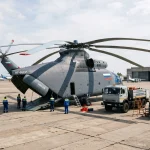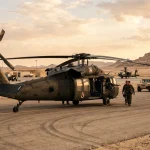
What is the operational helicopter altitude ceiling? The maximum service ceiling for standard civilian helicopters ranges between 10,000 and 14,000 feet, while high-performance turbine utility helicopters operate up to 18,000 to 23,000 feet. The absolute world altitude record for a helicopter was set at 40,820 feet (12,442 m) by pilot Jean Boulet in an Aérospatiale SA 315B Lama in 1972.
Aerodynamic Limit: Helicopter ceilings are limited by air density decay: thinner air reduces blade lift and triggers retreating blade stall at significantly lower airspeeds.
Did you know that helicopters can soar to impressive altitudes, yet each model has a unique ceiling limit that defines its operational capabilities? Understanding the ceiling of a helicopter-the maximum altitude it can reach-provides valuable insights for aspiring pilots, aviation enthusiasts, and those curious about flight mechanics. This limit is not just a technical specification; it affects mission capabilities, safety protocols, and rescue operations in critical situations. Whether you dream of flying high or are fascinated by the intricate engineering behind these machines, exploring the altitude limits of helicopters reveals the marvels and challenges of vertical flight. Join us as we delve into what influences these limits and discover the fascinating world of helicopter performance.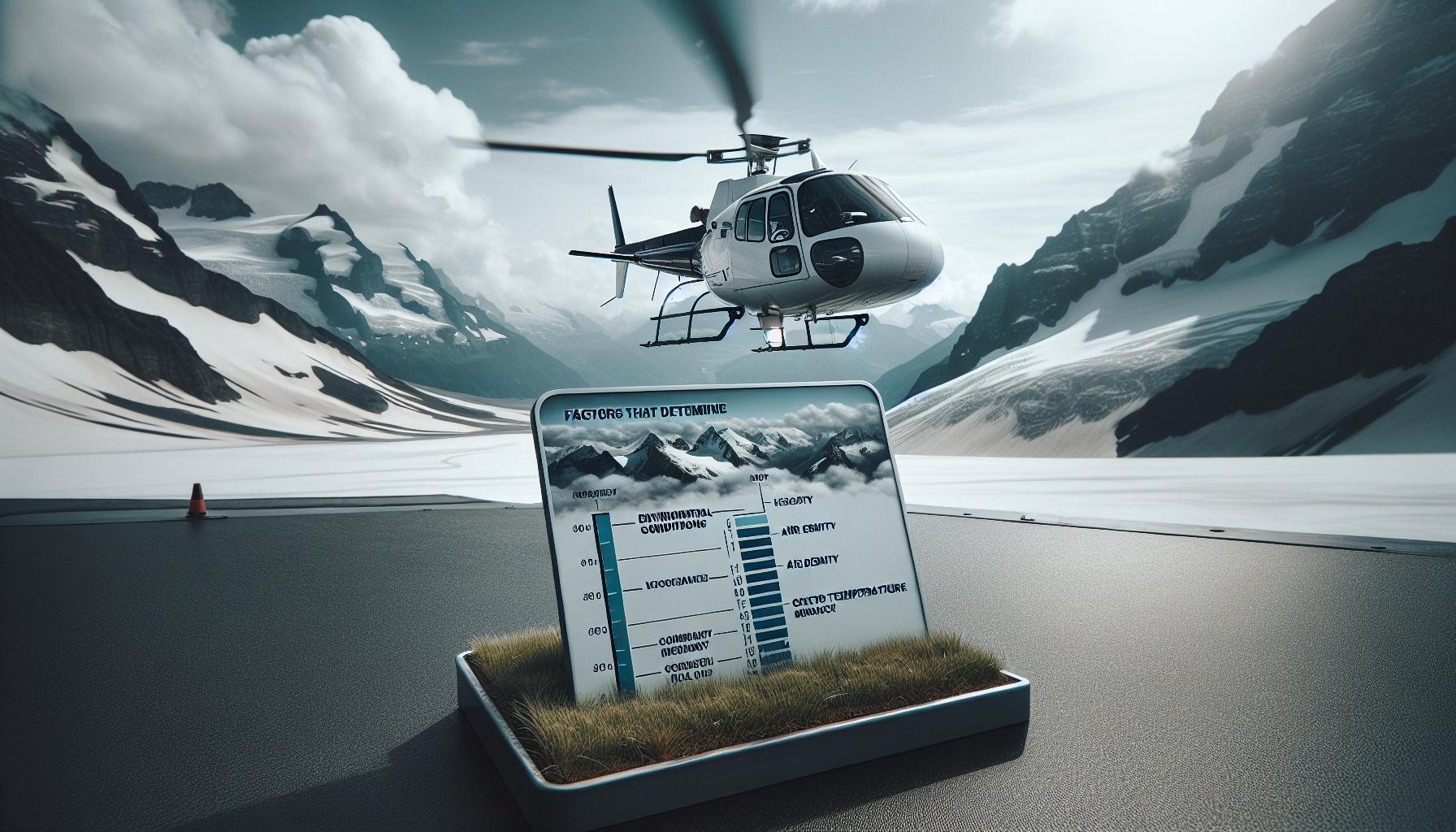
What Determines a Helicopter’s Ceiling?
Helicopters are remarkable machines, capable of hovering, taking off, and landing vertically, but their altitude performance-the ceiling-is influenced by several critical factors. A helicopter’s ceiling, or the maximum altitude it can safely achieve, is primarily determined by its design, engine power, rotor system, and environmental conditions. At the heart of these factors lies the concept of lift, which is essential for achieving and maintaining flight at high altitudes. As a helicopter ascends, the air density decreases, leading to a corresponding reduction in lift. This means that even the most powerful helicopter has an altitude limit where it can no longer generate sufficient lift to stay airborne.
The specific design and configuration of a helicopter play a significant role in its ceiling capabilities. For instance, helicopters with more powerful engines and advanced rotor designs typically achieve higher altitudes. The rotor blade length, shape, and material also contribute to efficiency and lift generation. Additionally, helicopters designed for specific roles, such as search and rescue, are often optimized for performance at higher altitudes where such missions might be necessary.
Environmental conditions cannot be overlooked when discussing a helicopter’s ceiling. Factors like air temperature, humidity, and wind can significantly affect helicopter performance. Hotter air is less dense, leading to a decrease in lift capabilities. Therefore, helicopters will have a lower ceiling in hot, high-altitude environments compared to cooler, denser air. Pilots must take these conditions into account during flight planning to ensure safe operation.
By understanding these aspects, aspiring pilots and aviation enthusiasts can appreciate the engineering challenges faced in helicopter design and operation. As technology continues to evolve, we may see innovations that push the boundaries of helicopter altitude capabilities even further, potentially allowing for new applications in challenging environments.
The Physics of Helicopter Altitude Limits
As helicopters ascend into the sky, the challenges posed by altitude become apparent, primarily due to the principles of physics at play. Lift, the upward force that allows helicopters to fly, is intricately linked to air density, which exponentially decreases as altitude increases. This relationship means that a helicopter operating at higher altitudes encounters thinner air, resulting in reduced lift generation. The maximum altitude a helicopter can safely reach-its ceiling-ultimately hinges on multiple factors that interact with these physical laws.
At the heart of a helicopter’s lift capabilities are its rotor blades. The design, size, and pitch of the blades affect how effectively they can displace air. For instance, longer rotor blades can generate more lift by increasing the area through which air is pushed downwards. However, as a helicopter climbs, the decreased air density necessitates more energy for the rotor system to sustain lift. This is why helicopters equipped with powerful engines and advanced rotor designs, such as those featuring variable pitch capabilities, can attain higher ceilings compared to their less advanced counterparts.
Environmental Factors
Apart from design elements, environmental conditions significantly impact a helicopter’s performance at various altitudes. Temperature plays a critical role; hot air is less dense than cold air, which can considerably lower lift capacity. Thus, a helicopter may reach its altitude ceiling on a warm day much sooner than on a cooler day. Additionally, factors like humidity and wind can affect flight stability and lift efficiency, necessitating careful planning and consideration from pilots. For example, flying in humid conditions may lead to an increase in lift requirements due to the added moisture in the air, thereby affecting performance and ceiling limits.
Understanding these physics helps aspiring pilots grasp why and when a helicopter might struggle at higher altitudes, particularly in mountainous regions or during hot weather. This knowledge is also vital for developing flight plans that account for these variables, ensuring both safety and efficiency during operations. The interplay of design elements and environmental factors illustrates the dynamic challenges of helicopter flight, emphasizing the importance of continual research and innovation in helicopter technology for altitude performance.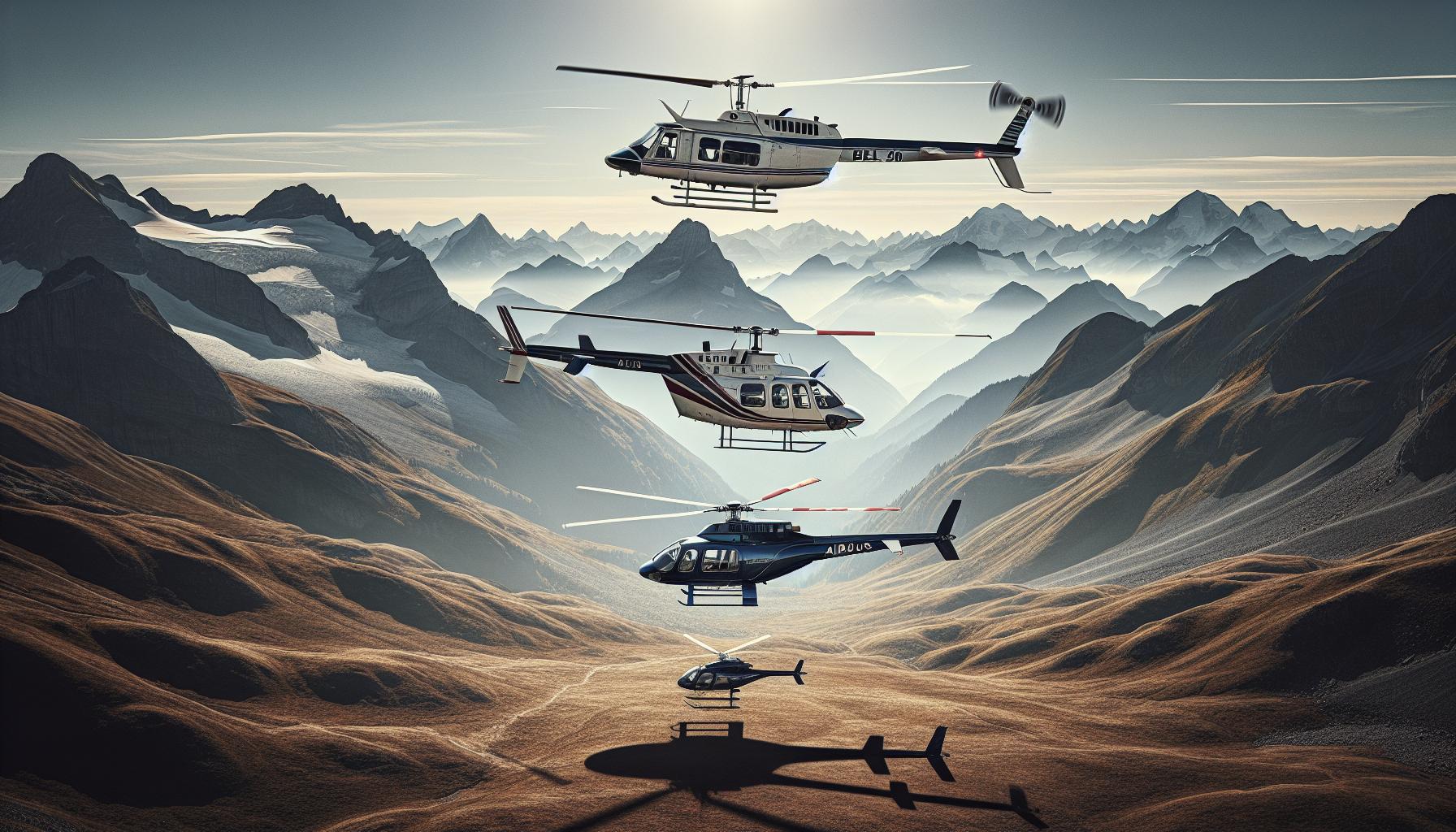
Common Helicopter Models and Their Altitude Specs
Several helicopter models illustrate the diversity in altitude capabilities, showcasing how various designs meet specific operational needs. Understanding these specifications is essential for pilots and aviation enthusiasts alike, as it reveals the technical limits and potential of each model.
One popular utility helicopter is the Bell 206 JetRanger, known for its reliability and versatility. It typically boasts a service ceiling of around 13,500 feet, making it suitable for various missions, including aerial photography and law enforcement. The JetRanger’s rotor blades are designed to provide efficient lift, yet its performance can be affected by added weight, like passengers or equipment.
Another noteworthy model is the Eurocopter EC120 Colibri, an excellent choice for tours and training. With a service ceiling also close to 13,500 feet, its lightweight construction and powerful engine allow it to climb effectively in thin air. This model demonstrates how design elements can optimize altitude performance while ensuring safety and passenger comfort.
High-performance helicopters, such as the Sikorsky S-76, reach substantial altitudes, with a service ceiling of approximately 15,000 feet. The S-76 is frequently used in corporate transport and medical evacuation, showcasing its reliability in high-altitude environments where efficiency and power are critical. This helicopter’s robust engines and specialized rotor systems are tailored to maintain lift despite environmental challenges.
Comparatively, the Robinson R44 is favored for its practicality in private aviation and training scenarios. Its maximum ceiling is around 14,000 feet, though pilots often find its effective operational ceiling lower, especially under high-load conditions. This emphasizes the influence of payload on a helicopter’s performance, reaffirming the need for pilots to account for weight in flight planning.
In summary, common helicopters like the JetRanger, EC120, S-76, and R44 provide insight into the various factors that determine altitude capabilities. From weight considerations to the design of rotor blades and engine power, each model serves unique needs while highlighting the complexities of helicopter aerodynamics and performance restrictions.
Impact of Weight and Load on Ceiling Performance
The performance of a helicopter’s ceiling is profoundly influenced by its weight and load. As pilots know, a helicopter’s ability to ascend and maintain altitude is a delicate balance between lift generated and the total weight it carries. When a helicopter is loaded beyond its optimal weight limits, both its climb rate and maximum altitude capabilities can be significantly compromised. This means that to operate safely and efficiently, pilots must meticulously calculate the weight of passengers, cargo, and fuel before each flight.
One of the primary factors affecting a helicopter’s performance at height is its power-to-weight ratio. A helicopter with a high power-to-weight ratio can climb more effectively and reach higher altitudes. For example, the Bell 206 JetRanger, commonly used for various missions, can achieve impressive heights, but when heavily loaded, its effective ceiling will be lower. Pilots might find themselves unable to reach the typical service ceiling of 13,500 feet if the load approaches the helicopter’s maximum capacity. Thus, understanding how to balance cargo weight with performance metrics is essential for operational safety and success.
Effective weight management isn’t just about safety; it also impacts operational flexibility. For instance, if a flight requires transporting heavy equipment in mountainous areas, pilots must consider that with increased weight, the helicopter may take longer to climb to a safe flying altitude or may need to fly at a more conservative speed. Certain helicopters, like the Sikorsky S-76, although designed for higher performance with a ceiling of around 15,000 feet, may still struggle in altitude/weight scenarios, particularly in hotter, thinner air.
To summarize, every flight requires careful load planning. As pilots gain experience, they learn to recognize the signs of excessive weight, such as sluggish acceleration or reduced climb rates, and can adjust their cargo and fuel strategies accordingly. By honoring the inherent limitations brought on by weight, pilots not only enhance their safety margins but also ensure that their helicopters operate within optimal performance parameters. Knowing these principles helps aspiring aviators unlock the full capabilities of their machines while respecting the physics at play.
Environmental Factors Affecting Helicopter Altitude
The ability of helicopters to reach significant altitudes is heavily influenced by environmental conditions. One of the most critical factors is air density, which decreases with elevation and temperature. As a helicopter climbs higher, the thinner air exerts less aerodynamic lift on the rotors, which can hinder ascension capabilities. For instance, at higher altitudes or during warm weather, pilots may find their helicopters struggle to achieve expected ceilings due to reduced lift.
These environmental variables come into play especially in mountainous regions or during hot weather conditions. Pilots flying in such areas must be particularly cautious, as the altitudinal capabilities of their helicopters can differ greatly due to local conditions. For example:
- High Altitude Operations: In the Rocky Mountains, where altitudes can exceed 14,000 feet, the Bell 407 helicopter may find its maximum performance significantly compromised if flying in warmer months.
- Temperature Effects: Helicopters perform differently in high temperatures. Hot air is less dense, which reduces lift even further. This means that a helicopter that might typically reach 10,000 feet under standard conditions may only reach 8,000 feet when the temperature climbs.
Furthermore, wind conditions are another critical factor. Helicopters are particularly vulnerable to downdrafts and gusty winds, which can adversely affect flight stability and control at altitude. Pilots often adjust their flight paths and operation strategies based on current weather conditions, which may involve waiting for more favorable circumstances or choosing lower altitudes to ensure safety.
Lastly, humidity can also play a subtle role. High humidity levels can impact engine performance and contribute to lower overall lift performance. It’s not just about the weather on the day of the flight; seasonal changes and climate trends also influence operational decisions.
In summary, pilots must conduct comprehensive pre-flight assessments to gauge environmental conditions accurately. They should utilize tools such as weather forecasting and data on local air density to make informed decisions, ultimately ensuring safe and effective operations at various altitudes. Understanding one’s helicopter’s limitations in different environments not only enhances safety but also elevates overall flying proficiency.
Real-World Examples of Helicopter Ceiling Limitations
Helicopters are remarkable machines that can perform extraordinary feats, but they also have their limitations, particularly when it comes to altitude. Understanding real-world examples emphasizes the challenges these aircraft face in their quest to reach maximum elevation. Notably, the operational ceiling of helicopters is influenced by their design, environmental factors, and payload, often revealing the stark realities of flight in varying conditions.
For instance, consider the Sikorsky S-76, a popular model used for offshore transport and executive travel. Under optimal conditions, the S-76 can reach a service ceiling of approximately 15,000 feet. However, during operations in high-heat scenarios, such as in desert regions, this ceiling can drop significantly. Pilots have reported that on particularly hot days, they might only achieve around 12,000 feet, constrained by the hot air’s less dense characteristics impacting lift. This reality becomes critical when assessing operational routes, especially where high-altitude DJOO (Dewpoint Junction Operations) is required.
Another compelling example is the Eurocopter EC130, commonly used for tours and aerial photography. It boasts a maximum operational altitude of around 10,000 feet in standard conditions. However, when transporting heavy loads, or even extra passengers, the performance capabilities diminish. Flight teams typically conduct rigorous weight and balance calculations before taking off to ensure they remain within safe operational limits. Failing to do so could leave the helicopter struggling to gain altitude, leading to potential safety hazards.
Visibility and weather also play essential roles in determining helicopter ceiling limitations. Incidents have been noted where pilots attempted to ascend through clouds at high altitudes, only to find their helicopters restricted by increased wind shear and turbulence, which can radically alter flight stability and control.
Ultimately, awareness of real-world limitations empowers pilots, enhancing safety and efficiency. It also illustrates the importance of proper training, as understanding these factors allows for informed decision-making that respects the inherent capabilities and restrictions of their machines. Whether it’s an aspiring pilot or a seasoned professional, grasping these numbers and conditions fosters a culture of safety and accountability in the sky, ensuring that every flight is both a thrill and a triumph.
Innovations in Helicopter Design and Altitude Capabilities
Innovations in helicopter design have significantly impacted their altitude capabilities, transforming what was once thought possible in rotorcraft flight. Advanced materials, improved aerodynamics, and cutting-edge technology are enabling helicopters to reach greater heights and perform in more challenging environments than ever before.
One of the most notable advancements is the use of composite materials in helicopter construction. Traditional metals are heavy and can limit the overall performance of the aircraft. By incorporating composite materials, manufacturers reduce weight without sacrificing strength. This reduction in mass directly affects the helicopter’s ability to climb and maintain altitude. For instance, the Bell 525 Relentless, a leading example of this innovation, boasts an impressive service ceiling thanks to its lightweight design and powerful engines.
Aerodynamic design has also evolved dramatically. Innovations in rotor blade technology, such as advanced rotor shaping and the use of active blade control systems, enable helicopters to maintain lift efficiently even at high altitudes. These systems adjust the pitch and angle of the blades in real-time, improving performance in turbulent air and at extreme altitudes. The Sikorsky S-92, used extensively in offshore oil transport and search and rescue missions, exemplifies how these innovations improve reliability and safety in high-altitude operations.
Technological advancements are not limited to materials and aerodynamics; they also extend to avionics and flight navigation systems. Newer helicopters are equipped with sophisticated navigation and control systems that enhance pilots’ situational awareness. This technology allows pilots to operate more effectively in low-visibility conditions and navigate challenging environments, thus maximizing their operational altitude. The Airbus H160, for example, features state-of-the-art avionics that give pilots better control at higher altitudes and in varied weather conditions.
Lastly, understanding and leveraging environmental data plays a critical role in altitude performance. Innovations in weather monitoring systems are enabling better assessments of atmospheric conditions that affect helicopter flights. By integrating real-time weather data into flight planning, pilots can make informed decisions that optimize their altitude performance based on current conditions.
As these advancements continue to develop, they promise to push the ceilings of helicopter flight even higher. With better designs and smarter technology, the future of rotorcraft will not only enhance operational capabilities but also improve safety and efficiency in high-altitude aviation.
Understanding FAA Regulations on Helicopter Altitude
Navigating the complex world of helicopter operations requires a solid understanding of the regulations governing altitude limits. The Federal Aviation Administration (FAA) establishes critical guidelines for helicopter flight, ensuring not only the safety of pilots and passengers but also that of those on the ground. One of the most significant regulations pertains to the maximum altitude, or “ceiling,” that a helicopter can safely achieve. This ceiling is influenced by several factors, including weight, atmospheric conditions, and operational requirements.
To begin with, the FAA outlines specific altitude limits through regulations such as 14 CFR Part 91, which sets the baseline for altitude operation in general aviation. For instance, helicopters must operate at least 500 feet above the surface unless they are taking off or landing. This requirement is crucial to avoid hazards such as buildings, vehicles, and individuals on the ground. Furthermore, helicopters are restricted from flying over densely populated areas or open-air assemblies of persons unless they adhere to specific altitudes established to minimize risks.
Factors Affecting Altitude Regulations
The altitude a helicopter can achieve is not solely determined by mechanical capabilities; environmental factors also play a crucial role. The FAA encourages pilots to account for temperature, humidity, and barometric pressure, all of which can significantly impact helicopter performance. For example, a higher temperature can reduce air density, affecting lift and engine performance, thus potentially limiting operational altitude.
Additionally, the FAA mandates that pilots adhere to visual flight rules (VFR) and instrument flight rules (IFR) when navigating. These regulations require pilots to maintain specific minimum altitudes depending on their flight environment and avoid hazardous weather conditions. Pilots are trained to evaluate these factors and make necessary adjustments to their flight plans to comply with the FAA’s regulations and ensure safe operations.
In conclusion, comprehending the FAA regulations on helicopter altitude is fundamental for safe flight operations. Aspiring pilots and aviation enthusiasts should familiarize themselves with these guidelines, recognizing their importance not only in ensuring regulatory compliance but also in promoting safety and efficiency in helicopter operations. By adhering to the established altitude norms, pilots can confidently explore the skies while prioritizing safety for themselves and their surroundings.
Comparative Analysis: Helicopter vs. Airplane Ceiling
Helicopters and airplanes both soar through the skies, but their ceilings-the maximum altitude they can reach-differ significantly due to their design and operational purposes. Helicopters possess unique vertical lift capabilities that allow them to hover and maneuver in tight spaces, but this can come at the cost of altitude limitations when compared to traditional fixed-wing aircraft. Understanding these differences reveals not only the mechanical aspects but also the practical implications for pilots and aviation enthusiasts.
When examining helicopter ceilings, many models have operational limits between 10,000 and 25,000 feet, depending largely on their design and mission. For instance, the Bell 206 has a service ceiling of about 13,500 feet, while more advanced military helicopters like the Sikorsky CH-53K can reach ceilings near 18,000 feet. In contrast, commercial airplanes, like the Boeing 737, can cruise at altitudes of 30,000 feet and above, with maximum operating altitudes often exceeding 40,000 feet. This disparity arises from the fundamental differences in how these aircraft generate lift. Airplanes generate lift through their wings, which provide more efficient aerodynamics at higher speeds, whereas helicopters rely on rotating blades with a size and power ratio that limits their height capabilities.
Moreover, weight plays a crucial role in how each type of aircraft handles altitude. Helicopters can be sensitive to changes in load, meaning as more weight is added-whether from passengers, cargo, or fuel-their service ceiling decreases. This limitation influences mission planning, particularly in search and rescue operations in mountainous terrain. Airplanes, while also affected by weight, often have higher power-to-weight ratios and can adjust their performance more flexibly.
Environmental conditions further complicate the altitude landscape for both helicopters and airplanes. In high-altitude or hot environments, helicopters face challenges as reduced air density diminishes rotor effectiveness, leading to lower achievable ceilings. Conversely, airplanes can still maintain performance in high-density altitudes due to their wings’ design but must contend with reduced engine efficiency. Understanding these nuances is essential for pilots in both fields and informs the strategic decisions they must make in various flight environments.
Ultimately, recognizing the distinctions in ceilings helps aspiring pilots and aviation enthusiasts appreciate the strengths and limitations inherent in helicopter and airplane design. Whether you’re drawn to the thrill of hovering at low altitudes or the expansive vistas available at cruising altitudes in fixed-wing aircraft, both options offer unique experiences in the rich world of aviation.
Future Trends in Helicopter Altitude Technology
As the aviation industry evolves, so too does the technology behind helicopters, paving the way for heightened altitude capabilities and operational efficiencies. With advancements in materials and aerodynamics, future helicopters are expected to push the boundaries of traditional altitude limits. This means exploring new designs and engineering feats aimed at achieving higher ceilings-and safely operating in more challenging environments.
One major area of focus is the development of next-generation rotor systems that enhance lift and performance. Innovations in blade design, such as variable-pitch rotor systems, allow for greater flexibility in various flight conditions. These rotor advancements can drastically improve altitude performance by optimizing the lift generated during ascent and hover. Additionally, lightweight composite materials are increasingly being used in helicopter construction. These materials not only reduce overall weight but also enhance durability and reduce maintenance costs, contributing to improved ceiling performance.
Furthermore, the integration of hybrid and electric propulsion systems is set to revolutionize helicopter operations. These technologies promise to reduce fuel consumption and emissions, while potentially improving power-to-weight ratios. With increased power output from electric motors, helicopters could achieve higher ceilings without the typical weight penalties associated with traditional fuel systems. Companies like Joby Aviation and Archer Aviation are at the forefront of this shift, developing electric vertical takeoff and landing (eVTOL) aircraft that emphasize efficiency and environmental responsibility.
Given the increasing focus on urban air mobility, innovations in autonomous flight technologies will also play a crucial role in the future of helicopter operations. Autonomous systems can optimize flight paths and performance metrics, enabling helicopters to perform at their best, even at altitude. For aspiring pilots, this could mean a shift in training paradigms to include skills relevant to operating in an automated environment, ensuring that future aviators are prepared for the evolving landscape of aviation.
As helicopters continue to develop, we can expect to see not only advancements in altitude capabilities but also how these machines integrate with broader aviation ecosystems. With continuous research and innovation, the sky is quite literally the limit for the next generation of helicopters.
Helicopter Ceiling: Myths vs. Facts
Helicopters are fascinating machines, capable of vertical flight and complex maneuvers, yet even they have altitude limits based on various factors. Understanding the common myths surrounding helicopter ceilings is essential for enthusiasts and aspiring pilots alike. One prevalent myth is that helicopters can hover indefinitely at any altitude. In reality, a helicopter’s ability to maintain altitude diminishes with increasing altitude due to thinner air, which reduces lift. Each helicopter model has a specific performance ceiling-typically ranging from 10,000 to 20,000 feet-dictated by its rotor design and power output.
Another misconception is that weight has a minimal impact on performance. Conversely, weight and load significantly affect a helicopter’s ability to reach its ceiling. When a helicopter is fully loaded, it requires more power to achieve lift. This means that on hot days, when the air density is even lower, a helicopter’s capacity for carrying weight decreases, concurrently limiting its ceiling. Pilots are trained to calculate weight and balance meticulously, often using performance charts provided by manufacturers to determine safe operational limits.
Moreover, many believe that environmental factors, such as temperature and altitude, affect helicopter performance uniformly. However, these elements interplay in complex ways. For instance, at higher altitudes, not only is the air less dense, but warmer temperatures exacerbate lift issues, complicating operations even further. Therefore, a helicopter that performs well at sea level may struggle significantly in mountainous regions during peak heat.
Lastly, it’s crucial to dispel the myth that modern advancements have eliminated altitude limitations. While innovations such as electric and hybrid propulsion systems are indeed pushing boundaries, they do not negate the physical laws of aerodynamics. Even with enhanced technologies, understanding the fundamental principles governing helicopter flight remains vital. As aspiring pilots look to the horizon, they must appreciate not just what helicopters can do, but also the reality of their capabilities-a balance of ambition and respect for the forces of nature.
Faq
Q: What factors affect the ceiling of a helicopter?
A: The ceiling of a helicopter is influenced by several factors, including engine performance, rotor design, weight and load, and environmental conditions like altitude, temperature, and air density. Each of these elements plays a crucial role in determining how high a helicopter can effectively operate.
Q: How does altitude impact a helicopter’s performance ceiling?
A: As altitude increases, air density decreases, which means there is less lift generated by the rotor blades. This can significantly reduce a helicopter’s operational ceiling, making it harder for the craft to maintain flight and perform maneuvers effectively at higher elevations.
Q: What is the typical service ceiling for most helicopters?
A: Most helicopters have a service ceiling ranging from 10,000 to 20,000 feet, depending on the model and design specifics. For instance, advanced helicopters, like the Sikorsky UH-60 Black Hawk, can operate above these altitudes, while others are limited closer to sea level due to performance constraints.
Q: Can helicopters fly above their published ceilings?
A: While helicopters can occasionally exceed their published ceilings under specific conditions, doing so poses significant risks. Factors like weight, environmental changes, and pilot skill play critical roles in whether such flights are successful and safe. Exceeding these limits may lead to loss of control or insufficient performance.
Q: How do environmental factors like temperature affect helicopter altitude limits?
A: High temperatures lead to reduced air density, which negatively impacts lift. In hot weather, a helicopter’s maximum altitude capability may be lower than in cooler conditions. Understanding these effects helps pilots adjust operations according to real-world conditions described in the article’s environmental factors section.
Q: Are there any innovations in helicopter design enhancing altitude capabilities?
A: Yes, recent advancements like improved rotor blade materials, design optimization, and engine performance enhancements are increasing helicopter altitude capabilities. Innovations in aerodynamics and control systems are also helping to push the limits higher, allowing helicopters to operate effectively in various environments.
Q: How does the FAA regulate helicopter altitude operations?
A: The FAA sets regulations that define the altitude limits for helicopter operations to ensure safety. These regulations vary based on the helicopter’s mission, environment, and airspace. Pilots must be aware of these guidelines and adhere to them as outlined in the article’s FAA regulations section.
Q: What are common misconceptions about helicopter ceilings?
A: A common misconception is that all helicopters have the same altitude limits; in fact, each model has specific performance characteristics governed by the design, engine power, and intended use. The article’s myths vs. facts section elaborates on these clarifications for a better understanding of helicopter performance.
In Retrospect
As we’ve explored the intricate details of helicopter altitudes, you now understand the limits and capabilities that define these remarkable machines. With a clear grasp of why ceilings matter in aviation, you might be wondering how these restrictions impact various flight operations or what it takes to become a pilot. Don’t miss our related articles on “The Science of Helicopter Flight” and “Essential Helicopter Pilot Skills” for deeper insights and crucial tips that can assist you on your journey.
If you found this exploration enlightening, consider subscribing to our newsletter for the latest updates in aviation insights, tips, and trends. You can also check out our online resources to learn more about related tools and training programs. Share your thoughts below and let us know how this knowledge will shape your understanding of aviation! Remember, every question you have leads to new discoveries, so don’t hesitate to dive deeper. Your next flight is just a click away!
Helicopter Altitude Ceiling: Service Ceiling, Hover Limits, and World Records
When evaluating a helicopter altitude ceiling, pilots and aerospace engineers must distinguish between three completely different altitude limitations: Hover In-Ground-Effect (HIGE), Hover Out-of-Ground-Effect (HOGE), and Service Ceiling. Unlike fixed-wing aircraft that can climb simply by generating continuous forward speed, a helicopter’s ability to maintain altitude is tightly constrained by ambient atmospheric density and engine shaft horsepower.
Helicopter Altitude Ceilings by Aircraft Category
Performance metrics vary substantially between piston trainers, commercial utility rotorcraft, and military gunships:
| Helicopter Model | Powerplant Class | Hover Ceiling (HOGE) | Certified Service Ceiling | High-Altitude Mission Role |
|---|---|---|---|---|
| Robinson R44 Raven II | Piston (Lycoming IO-540) | 4,500 ft (1,372 m) | 14,000 ft (4,267 m) | Low-altitude flight training, sight-seeing, cattle mustering |
| Bell 206L-4 LongRanger | Turbine (Rolls-Royce 250-C30P) | 6,500 ft (1,981 m) | 15,000 ft (4,572 m) | Corporate transport, electronic news gathering (ENG), charter |
| Airbus H125 (AS350 B3e Écureuil) | Turbine (Safran Arriel 2D) | 18,210 ft (5,550 m) | 23,000 ft (7,010 m) | Himalayan search and rescue, high-altitude alpine construction |
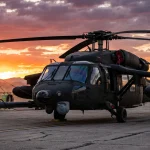
| Sikorsky UH-60M Black Hawk | Twin Turbine (GE T700-GE-701D) | 9,800 ft (2,987 m) | 19,000 ft (5,791 m) | Tactical combat troop insertion, alpine disaster relief |
| Aérospatiale SA 315B Lama | Turbine (Turbomeca Artouste IIIB) | 15,000 ft (4,570 m) | 40,820 ft (World Record) | Specialized mountain rescue, historical high-altitude benchmark |
Why Do Helicopters Experience Density Altitude Ceilings?
As altitude increases, air molecules become increasingly spread out, causing two insurmountable physical barriers: (1) Lift Loss: The rotor blades must bite into less dense air, requiring higher collective pitch angles that increase aerodynamic drag; and (2) Retreating Blade Stall: At high density altitudes, the retreating rotor blade must operate at extreme angles of attack to match the lift of the advancing blade, eventually causing airflow separation and high-frequency vibrations that force the helicopter to descend. Explore rotary aerodynamic limits in our helicopter flight physics and learn more in our flight fundamentals guide.
Get our latest guides, news, and insights highlighted in your Google Search & AI Overviews.