Did you know that the range of a helicopter can greatly vary depending on its type, payload, and fuel efficiency? Understanding how far a helicopter can fly is not just an aviation enthusiast’s curiosity-it’s crucial for pilots, emergency responders, and even adventure seekers. Whether you’re considering a career as a pilot, pondering a helicopter charter for a special event, or simply fascinated by these remarkable machines, grasping their flight range can deepen your appreciation and inform your decisions. In this article, we’ll break down the maximum ranges of different helicopter models, exploring the factors that influence their capabilities. Get ready to soar into the world of helicopter flight and discover how far they can truly take you!
How Helicopters Achieve Their Maximum Range
To achieve maximum range, helicopters must balance a variety of technical and operational factors that influence their performance. One of the primary elements is the helicopter’s aerodynamics, which determines how efficiently it maneuvers through the air. By optimizing rotor blade design, manufacturers can minimize drag and improve lift, allowing helicopters to maintain altitude while consuming less fuel. Advanced control systems further enhance stability and performance, enabling pilots to fly at optimal angles and speeds that extend flight distance.
Additionally, fuel management plays a crucial role in maximizing range. Helicopters typically carry a limited amount of fuel, making it vital to gauge consumption rates accurately. Pilots can maximize their flight range by managing power settings during flight. For instance, operating at a reduced power setting or during calm weather can enhance fuel efficiency, thus extending how far they can travel before needing a refill. A clear understanding of the helicopter’s fuel capacity and consumption patterns, often provided in the operational manuals, is essential for flight planning.
The helicopter’s weight, including the cargo and passenger load, also heavily influences range. Each aircraft has specific weight limits, and exceeding these limits can significantly reduce performance metrics. By carefully assessing the load beforehand and removing unnecessary items, pilots can optimize their helicopter’s weight for extended travel distances. Moreover, during emergency situations, where quick decisions about load and fuel may be necessary, pilots trained in weight management can navigate these challenges more effectively.
Incorporating innovative technologies, such as more efficient engines and advanced avionics, can also enhance range capabilities. For example, newer rotorcraft designs often utilize lightweight materials to reduce overall weight while improving structural integrity. This innovation translates to better fuel economy and longer operational ranges, making newer models a popular choice for long-distance missions. Looking forward, ongoing research in hybrid propulsion systems aims to push the boundaries of helicopter flight efficiency, promising exciting advancements in the future.
Factors Influencing Helicopter Flight Range
A helicopter’s maximum flight range is an intricate balance of numerous factors that can significantly impact its performance in the air. At the forefront is the helicopter’s aerodynamics, which plays a critical role in how efficiently it can glide through varying air currents. Factors such as rotor blade design-specifically shape and pitch-are engineered to minimize drag while maximizing lift. For instance, advancing technology has led to the development of blended airfoil-shaped rotor blades, which allow helicopters to operate more efficiently at higher altitudes and speeds, effectively extending their range.
Another major factor influencing range is fuel management. Helicopters typically have limited fuel capacities, so understanding the dynamics of fuel consumption is essential for maximizing flight distance. Pilots often employ various strategies to optimize fuel efficiency, such as selecting the best cruising altitude and speed, which can lead to significant savings in fuel usage. For example, flying at a slower speed during calm weather conditions can dramatically enhance fuel efficiency and, consequently, flight range. Despite the capabilities of modern helicopters, pilots still need to rely on comprehensive pre-flight plans that consider expected operational conditions and fuel burn rates.
Weight also substantially affects a helicopter’s operational range. Each helicopter model comes with specific maximum takeoff weight limits, including payload, passengers, and additional cargo. Exceeding these limitations can lead to a decrease in performance and range. Therefore, meticulous pre-flight weight assessments are crucial. Pilots are encouraged to remove any non-essential items and rigorously calculate their load before takeoff. This diligence not only improves fuel efficiency but also ensures that the helicopter handles safely during flight.
Environmental conditions present another layer of complexity. Factors like temperature, humidity, and wind can all impact a helicopter’s range. For instance, flying into a headwind increases drag and requires more power, thus consuming more fuel and reducing overall range. Conversely, flying with a tailwind can extend range by allowing pilots to use less power. Therefore, understanding these real-world scenarios is essential for pilots looking to maximize their distance in the air.
In summary, aerodynamics, effective fuel management, weight considerations, and environmental conditions collectively dictate how far a helicopter can fly. By mastering these factors, pilots can not only enhance their flight experience but also ensure operational safety and efficiency, paving the way for successful long-distance missions.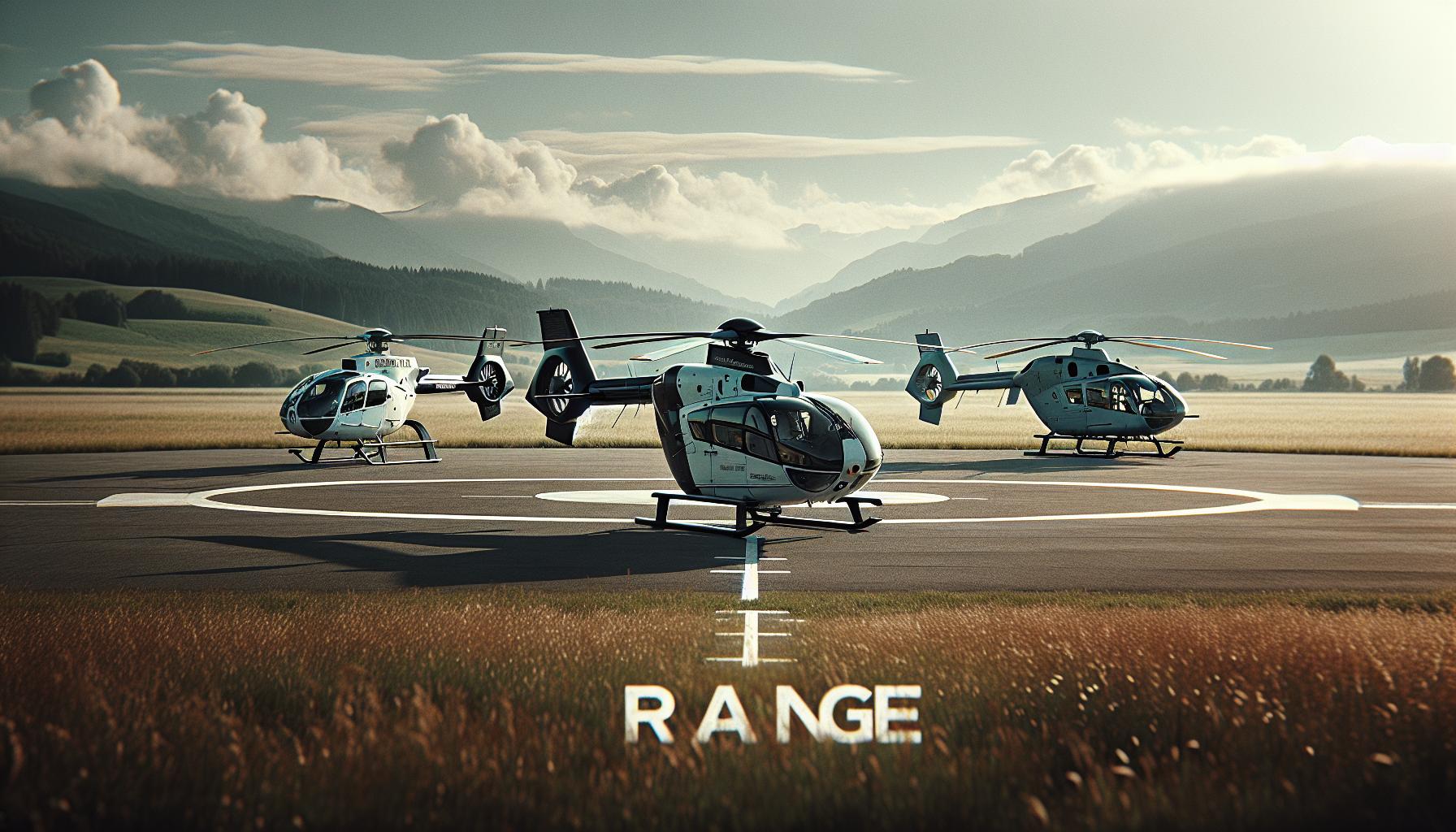
Comparing Different Helicopter Models and Their Ranges
When considering how far a helicopter can fly, it’s crucial to compare the various models available, as each one possesses unique range capabilities influenced by design, engine power, and intended use. For example, the Robinson R44, a popular light helicopter, boasts a maximum range of about 300 nautical miles (nm) due in part to its efficient fuel consumption and lightweight design. On the other hand, the Bell 206 JetRanger, commonly used for both civilian and military purposes, offers a similar range but utilizes a more powerful engine, allowing it to carry heavier payloads while still achieving impressive distances.
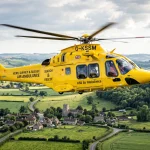
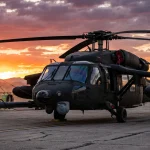
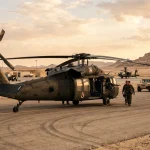
Another notable model, the Airbus H145, stands out for its range of approximately 600 nm, making it suitable for longer missions such as air ambulance services or offshore transport. The H145’s advanced avionics and twin-engine design enhance safety and performance, particularly on longer flights. In contrast, military helicopters like the Sikorsky UH-60 Black Hawk have an operational range of around 600 nm as well, but they are specifically engineered for different mission profiles, such as troop transport or search and rescue, showcasing their versatility and robust engineering.
To better illustrate the range comparisons, here’s a simple table summarizing the maximum ranges of popular helicopter models:
| Helicopter Model | Maximum Range (nm) | Purpose |
|---|---|---|
| Robinson R44 | 300 | General Aviation |
| Bell 206 JetRanger | 400 | Utility/Commercial |
| Airbus H145 | 600 | Air Ambulance/Utility |
| Sikorsky UH-60 Black Hawk | 600 | Military Operations |
These comparisons highlight how the intended use of a helicopter influences its design and capabilities. Pilots must select a helicopter that aligns with their mission requirements, considering factors such as range, payload capacity, and environmental conditions for maximum efficiency. As helicopter technology continues to evolve, newer models promise enhanced ranges and efficiencies, providing exciting prospects for aviation enthusiasts and professionals alike.
Helicopter Range vs. Speed: What You Need to Know
The relationship between helicopter range and speed is a fascinating balance that pilots must constantly navigate. Understanding this connection is essential for optimizing flight plans, especially when missions demand both distance and efficiency. In helicopters, speed can significantly impact range, often leading operators to make critical decisions about how to best utilize their aircraft for various scenarios.
Flying at higher speeds can result in increased fuel consumption. The faster the helicopter flies, the more power the engine requires to overcome drag, which can lead to a decrease in overall range. For instance, a helicopter cruising at its maximum speed might reach a distance of 400 nautical miles, but if it reduces speed to a more economical cruise, it could potentially cover over 500 nautical miles on the same amount of fuel. This concept emphasizes the importance of finding the “sweet spot” for speed, where the helicopter can travel efficiently without sacrificing range.
Helicopter flight characteristics also vary by model, affecting how speed translates to range. Lighter models, like the Robinson R44, are designed for agility and efficiency at lower speeds, while heavier helicopters, such as the Sikorsky UH-60 Black Hawk, may prioritize payload capacity, which can affect speed and range dynamics. For pilots, understanding these specifications allows for strategic planning when it comes to missions that may require rapid response times or extended flight durations.
In practical terms, aspiring pilots and operators can maximize helicopter range by using tactics such as:
- Flying at or near the recommended cruise speed to balance fuel efficiency and speed.
- Minimizing unnecessary weight by carefully considering cargo loads and fuel needs.
- Planning for optimal wind conditions that can enhance range, such as using tailwinds during travel.
By appreciating the intricate interplay between speed and range, helicopter enthusiasts and operators can make informed decisions that help achieve mission objectives effectively while conserving fuel resources and extending their operational reach.
Understanding Fuel Capacity and Consumption
Fuel capacity and consumption are crucial factors that directly impact a helicopter’s range and efficiency. A helicopter’s ability to fly long distances hinges on how much fuel it can carry and how efficiently it consumes that fuel. For instance, lightweight helicopters like the Robinson R44 typically have smaller fuel tanks, accommodating about 50 gallons, which translates to a maximum range of around 300 nautical miles under ideal conditions. In contrast, heavy-lift helicopters such as the Sikorsky CH-53E Super Stallion can carry significantly more fuel-up to 1,200 gallons-allowing them to achieve much greater ranges, often exceeding 600 nautical miles.
The relationship between fuel consumption and operational performance cannot be overstated. Fuel efficiency varies widely among helicopter models, largely due to engine type, rotor design, and weight. Generally, helicopters consume fuel more rapidly during takeoff and landing phases, where power demands are highest. Cruising at optimal speeds can enhance fuel efficiency; for example, flying at a more conservative 60-70% of maximum speed often leads to lower fuel consumption and longer ranges. Pilots are continuously advised to monitor their fuel flow and adjust their flight profiles accordingly to maximize efficiency.
Another significant aspect to consider is the impact of environmental conditions on fuel consumption. Factors like wind direction, altitude, and temperature can all affect how much fuel a helicopter needs for a particular flight. A headwind, for example, can significantly increase fuel burn, while tailwinds may allow for more economical fuel use. Planning for these variables is essential for pilots looking to extend their flight duration or make the most of their fuel reserves.
Understanding the specifics of fuel capacity and consumption not only helps current operators refine their flying strategies but also aids aspiring pilots in grasping the fundamentals of flight planning. By appreciating how these factors interplay within different helicopter models and conditions, pilots can better prepare for missions, ensuring safety and efficiency in the skies.
Real-World Conditions That Affect Flight Range
Real-world conditions play a crucial role in determining how far a helicopter can fly effectively. Unlike fixed-wing aircraft, helicopters operate under a unique set of dynamics that can significantly influence their range during flight. Factors such as weather, altitude, terrain, and air density can either enhance or impede a helicopter’s ability to cover long distances.
Weather Variability
Weather conditions have a profound effect on helicopter flight capabilities. For instance, strong wind can be a double-edged sword. While a tailwind can help extend range by reducing fuel consumption, a headwind can dramatically increase resistance, leading to higher fuel burn rates. Additionally, adverse weather, including rain, snow, or fog, may limit visibility and necessitate more cautious flying, potentially leading to reduced operational capacities. Therefore, pilots must always check weather forecasts and adjust their flight plans accordingly.
Altitude and Terrain
The altitude at which a helicopter operates significantly impacts its performance. At higher altitudes, the air becomes thinner, which reduces lift and can hinder an engine’s power output. This phenomenon is particularly pronounced in mountainous regions, where altitude fluctuations can dramatically affect flight range and safety. Pilots must be adept at understanding their helicopter’s performance curves and adjust their expectations, especially in elevated terrains.
Air Density and Temperature
Air density is another vital parameter that affects helicopter performance. Hot temperatures lead to lower air density, resulting in diminished lift and increased hover power requirements. As a result, helicopters may face reduced maximum weight limits during hot weather, which can ultimately reduce range. Pilots need to consider these environmental factors during pre-flight planning, particularly in regions known for high temperatures or significant variations in climate.
By understanding and anticipating these real-world conditions, pilots can optimize their flight plans to ensure maximum efficiency and safety. Whether assessing weather forecasts or calculating how altitude might impact their craft, informed decision-making is key to successfully managing helicopter range. Continued education and adaptation in response to these factors not only enhance performance but also contribute to a pilot’s overall confidence and skill in the cockpit.
Role of Weight and Cargo on Helicopter Performance
The weight of a helicopter, including its cargo, plays a critical role in determining how far and efficiently it can fly. When loading a helicopter, understanding the relationship between weight and performance is essential. Each helicopter has a specific maximum takeoff weight (MTOW), which includes the weight of the aircraft itself, fuel, passengers, and any additional cargo. Exceeding this weight can negatively impact lift, maneuverability, and fuel efficiency, directly affecting the helicopter’s operational range.
Impact of Weight on Performance
The basic principle of flight is that a helicopter must generate enough lift to overcome its weight. As the total weight increases, the amount of lift required also increases. This means that a heavier helicopter will need to use more power to take off and maintain altitude, leading to increased fuel consumption. For example, if a helicopter is loaded close to its MTOW, it may have difficulty climbing to higher altitudes and could face limitations in range due to the added load on its engine.
- Power-to-Weight Ratio: A critical factor to consider is the power-to-weight ratio, which is the aircraft’s total power output divided by its weight. A higher ratio generally translates to better performance, allowing for quicker ascents and more efficient cruising.
- Fuel Efficiency: When a helicopter carries excess weight, not only does it consume more fuel to maintain altitude, but it can also cause the aircraft to fly at a less efficient speed, further depleting fuel reserves.
Cargo Considerations
The nature and distribution of cargo can also influence a helicopter’s flight profile. Cargo that is improperly distributed can lead to uneven weight balance, which could make control challenging. Pilots must be knowledgeable about weight and balance calculations to ensure that the helicopter operates within its safe limits. For instance, if critical equipment or personnel are loaded in a way that shifts the center of gravity, it can lead to difficulties in control and stability.
It’s important for pilots and operators to conduct thorough planning before each flight. This includes loading bags, equipment, or other items not just based on weight but considering how they are positioned. Pre-flight checklists often emphasize the significance of adhering to weight limits and ensuring that the helicopter remains within its performance envelope.
Ultimately, understanding the role of weight and cargo in helicopter performance not only enhances flight safety but also optimizes operational efficiency, allowing for longer ranges and more effective missions. From emergency response to cargo transport, every flight is a testament to the careful balance between capability and capacity, showcasing the intricacies involved in aviation.
Helicopter Range in Emergency Situations
In emergency situations, helicopters can be lifesaving resources, capable of reaching isolated areas quickly, but their operating range is significantly influenced by various factors. When piloting a helicopter in a crisis, the urgency of the mission often leads pilots to maximize the available range. Several elements, such as fuel load, weather conditions, and payload, can dramatically affect how far a helicopter can fly before needing to refuel.
To begin with, fuel management is critical. In emergencies, a pilot may prioritize the urgent transport of patients or equipment over optimal fuel efficiency. This may lead to increased fuel consumption, especially if the helicopter is heavily loaded or flying in adverse weather conditions. Pilots must balance the need for speed with the realities of fuel capacity and consumption, which can be particularly challenging in high-pressure scenarios. Compounding this, if the helicopter encounters turbulence or gusty winds while trying to cover distance quickly, the resultant fuel usage can exceed initial estimates.
Real-World Examples
Consider rescue operations in remote or mountainous regions where traditional ground transportation could take hours. Helicopters like the Sikorsky S-76, often used for search and rescue missions, can reach difficult locations quickly. However, their effective range in such situations can vary widely based on how much fuel they carry and the weight of patients or gear they transport.
Experienced pilots often utilize strategies to extend their range during emergencies, such as:
- Route Planning: Optimizing flight paths around natural obstacles to minimize fuel burn.
- Altitude Management: Flying at optimal altitudes to benefit from better airflow and reduced drag, which helps conserve fuel.
- Weight Considerations: Adjusting the load by taking only essential personnel or equipment to extend flight duration.
Ultimately, the operational effectiveness of helicopters in emergencies hinges on thorough planning, adaptability, and a complete understanding of the aircraft’s capabilities. By maintaining a flexible approach and employing sound aviation principles, pilots can ensure they provide timely aid, even under the most challenging circumstances.
Innovative Technologies to Extend Helicopter Range
Innovative technologies are transforming how far helicopters can fly, pushing the boundaries of their operational range while maximizing efficiency and safety. With advancements in materials, aerodynamics, and power systems, helicopters are becoming more capable of longer flights without compromising performance.
One significant innovation is the development of advanced rotor systems. Modern rotor blades are designed with aerodynamic profiles that reduce drag and enhance lift. For example, technologies such as active rotor control systems allow pilots to optimize blade pitch in real-time, improving fuel efficiency and range. These systems can automatically adjust adjustments based on external conditions, such as wind speed and aircraft load, ensuring that the helicopter operates within its optimal performance envelope.
Fuel Efficiency and Hybrid Technologies
Another exciting area of development is the integration of hybrid propulsion systems. By combining traditional turbine engines with electric motors, helicopters can achieve unprecedented fuel efficiency. These hybrid systems allow for reduced fuel consumption during cruise flight and can even enable short electric-only flights during certain conditions, reducing environmental impact. For instance, designs that incorporate battery packs are being tested to supplement the main engine, allowing for extended range capabilities and new operational strategies, particularly in urban environments.
Real-World Implementations
Real-world applications of these technologies are already in place. The Bell 525 Relentless, for example, utilizes advanced rotor technology and a fly-by-wire control system to enhance efficiency and increase range. Similarly, the Sikorsky S-92 has incorporated innovations that improve its operational range and reliability, particularly in offshore oil and search-and-rescue missions.
As these technologies continue to evolve, the future holds even more promise for helicopter range. Innovations in sustainable fuels, such as biofuels and hydrogen, could further extend flight capabilities while adhering to environmental standards. Additionally, the increasing use of data analytics via predictive maintenance solutions will enable operators to monitor their aircraft in real-time, optimizing operations for maximum range efficiency.
In conclusion, the continual push for innovations in helicopter technology is not just about flying farther; it’s about enhancing safety, efficiency, and capabilities. For aspiring pilots and aviation enthusiasts alike, understanding these advancements opens exciting pathways for the future of helicopter aviation.
Future Trends in Helicopter Range and Aviation
As the aviation industry embraces the future, helicopters are at the forefront of innovation and transformation. With technological advancements, the potential for extending operational range and enhancing overall capabilities is unprecedented. Innovations such as advanced materials and smart aerodynamics are not just improving performance; they are reshaping the future of rotary flight.
One of the most exciting developments is the push toward sustainable aviation fuels (SAF), including biofuels and hydrogen. These fuels promise to significantly reduce the carbon footprint of helicopter operations, enabling longer flights without the environmental baggage of traditional aviation fuels. For instance, several manufacturers are exploring biofuel blends that can be used in existing helicopter engines, providing a seamless transition toward more sustainable practices.
Integration of Electric and Hybrid Systems
The integration of hybrid propulsion systems is another game changer. By combining electric engines with traditional combustion engines, helicopters can achieve remarkable fuel efficiency. While the combustion engine handles heavier lifting, electric motors can provide additional power during critical phases of flight. This dual system not only enhances range but also allows for operations in quieter, less disruptive environments-a critical factor for urban air mobility.
Moreover, electric vertical takeoff and landing (eVTOL) vehicles are gaining traction. These innovative designs aim to revolutionize urban transport, offering the ability to travel short distances quickly and efficiently. Imagine commuting in a compact, electric helicopter that makes flying around city grids practical, reducing traffic congestion along the way.
Leveraging Data and Predictive Analytics
As helicopters become equipped with smarter systems, the role of data analytics in optimizing flight operations is on the rise. Operators can now utilize predictive maintenance tools that analyze real-time data for performance metrics, helping to preemptively address potential issues that could impact flight range and safety. For instance, knowing when to adjust rotor settings based on weather conditions or pilot inputs can lead to significant fuel savings and enhanced range.
With continuing developments in both technology and operational techniques, aspiring pilots can look forward to a more exciting career landscape. New helicopter designs will demand innovative training methods and skills, opening a myriad of opportunities for those who wish to enter the field.
As helicopter aviation evolves, each leap in technology not only pushes the boundaries of how far helicopters can fly but also enhances the safety and efficiency of operations. A future filled with enhanced capabilities, sustainable practices, and smarter systems beckons, inspiring both seasoned aviators and newcomers alike.
Pilot Tips for Maximizing Helicopter Flight Duration
To extend helicopter flight duration effectively, pilots can employ a few strategic techniques that optimize performance and fuel efficiency. Understanding the basic principles of flight mechanics and operational best practices is crucial. For instance, maintaining a steady and appropriate altitude can significantly impact fuel consumption. Climbing or descending too frequently can lead to unnecessary drag and energy expenditure, which reduces overall range.
One of the most impactful decisions pilots can make involves their flight profile. A consistent cruise speed rather than frequent accelerations and decelerations can help conserve fuel. This means flying at a speed that balances time in the air with fuel efficiency. Additionally, understanding and avoiding adverse weather conditions, such as strong headwinds or turbulent air, can provide substantial benefits. Utilizing weather planning tools to chart the best route is a smart practice that can yield longer flight times.
Maintaining an optimal weight is another key factor in flight duration. The helicopter’s load should be minimized as much as possible, ensuring that unnecessary gear or passengers are not on board. Each additional pound not only affects fuel consumption but also limits the operational range of the aircraft. Pilots should perform a thorough weight and balance check before departure to maximize efficiency.
Lastly, routine maintenance and pre-flight checks are essential. Ensuring that engines and rotors are in peak condition not only ensures safe operation but also optimizes fuel usage. Staying vigilant about the health of all systems aboard helps prevent unexpected issues that could cut a flight short. By implementing these proactive strategies, pilots can maximize their helicopter’s flight duration, making every journey as long and efficient as possible while enjoying the skies.
Helicopter Adventures: Inspirational Long-Distance Flights
Have you ever imagined crossing vast landscapes with nothing but the sound of chopping rotors and the freedom of the open sky? Helicopter adventures can take you on breathtaking long-distance flights that are not just about getting from point A to point B; they can transform into unforgettable experiences filled with scenic vistas and thrilling moments. From exploring rugged mountain ranges to gliding above glistening coastlines, the possibilities of helicopter travel are as limitless as the sky itself.
One remarkable example of long-distance helicopter journeys is the airlift missions undertaken in remote areas to deliver humanitarian aid or medical supplies. For instance, helicopters have played a crucial role in disaster relief operations, flying supplies and rescue teams to hard-to-reach locations after natural disasters like earthquakes or floods. These flights not only demonstrate the helicopter’s range and versatility but also highlight their importance in saving lives and providing essential services in emergencies.
Additionally, helicopter tourism is booming, offering unique experiences that showcase the beauty of nature from a bird’s eye view. Operators around the world offer scenic tours that can elevate your perspective of iconic landmarks-think soaring above the Grand Canyon or circling around the misty peaks of the Himalayas. These adventures are catered to people of all ages, and many leading tour companies ensure safety and comfort while delivering unparalleled views that most travelers can only dream about.
For those aspiring to embark on their long-distance helicopter journeys, understanding your chosen aircraft’s range is essential. Factors such as fuel capacity, weight load, and weather conditions can all significantly affect how far you can go. Educating yourself about different helicopter models and their specialties can make your adventure not only more enjoyable but also safer. Whether you’re aiming for a weekend getaway or an epic flight across mountains and valleys, the key is to plan ahead and prepare thoroughly to make the most of your helicopter adventure.
In short, the world of long-distance helicopter flights is filled with inspiring stories and breathtaking sights that showcase the incredible capabilities of these machines. Whether you’re a seasoned pilot or just a curious enthusiast, the allure of the skies and the thrill of the journey will always beckon.
Frequently Asked Questions
Q: How far can different helicopter models fly?
A: The flight range of helicopters varies significantly by model. For instance, the Sikorsky S-76 has a maximum range of about 400 miles, while the Bell 429 can fly approximately 400-500 miles depending on configuration. Understanding these specifics can aid in selecting the right helicopter for your needs. For detailed comparisons, refer to “Comparing Different Helicopter Models and Their Ranges” in our main article.
Q: What factors limit a helicopter’s flying distance?
A: Key factors that limit a helicopter’s range include fuel capacity, weight, weather conditions, and the helicopter’s speed. Each of these elements plays a crucial role in determining how far a helicopter can effectively travel before needing to refuel or land. Explore “Factors Influencing Helicopter Flight Range” for a deeper insight.
Q: How does altitude affect a helicopter’s range?
A: Altitude can affect a helicopter’s performance and range due to changes in air density. Higher altitudes may require more power to maintain lift, which can reduce fuel efficiency and therefore limit flight distance. Refer to “Real-World Conditions That Affect Flight Range” for more details.
Q: What is the impact of load on a helicopter’s flight range?
A: A helicopter’s load directly influences its range. Carrying heavier loads requires more power, leading to increased fuel consumption and thus a shorter flight distance. For optimal performance, balance cargo weight within recommended limits, as outlined in “Role of Weight and Cargo on Helicopter Performance.”
Q: Can helicopters fly long distances in emergencies?
A: In emergencies, helicopters can often extend their range by flying at optimal speeds and altitudes, or flying without cargo. However, they may need to prioritize landing at the nearest suitable location over maximum range. For strategies and scenarios, check “Helicopter Range in Emergency Situations.”
Q: What technologies are improving helicopter range?
A: Innovations such as more efficient engines, advanced aerodynamics, and lighter materials are significantly extending helicopter ranges. These improvements allow for better fuel management and longer flights without compromising safety. For trends, see “Innovative Technologies to Extend Helicopter Range.”
Q: How can pilots maximize helicopter flight duration?
A: Pilots can maximize flight duration by optimizing flight speed, weight management, and using flight planning tools to avoid adverse weather. Adhering to these best practices enhances safety and efficiency. For more tips, refer to “Pilot Tips for Maximizing Helicopter Flight Duration.”
Q: What future trends could affect helicopter flight ranges?
A: Future trends include the use of electric and hybrid propulsion systems, which promise improved efficiency and reduced emissions, potentially extending range. Keeping abreast of these developments can help users adapt and make informed decisions. Explore “Future Trends in Helicopter Range and Aviation” for insights.
Closing Remarks
As we’ve explored, the maximum range of a helicopter varies significantly depending on its type and design. Understanding these limits not only enhances your aviation knowledge but also equips you with the insights necessary for planning and executing effective flight missions. Whether you’re keen on charter flights, emergency services, or simply curious about aerial travel, knowing how far a helicopter can fly opens up exciting possibilities.
For those looking to dive deeper, check out our articles on the different types of helicopters and how they operate-every detail adds value to your understanding. Don’t forget to subscribe to our newsletter for the latest insights and updates in the world of aviation. If you have any questions or want to share your experiences, we’d love to hear from you in the comments below!
Continue your journey with us by exploring more about helicopter technologies and perhaps consider your own flying career. The sky’s the limit-let’s uncover it together!
Get our latest guides, news, and insights highlighted in your Google Search & AI Overviews.