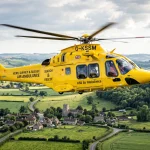
Did you know that while helicopters can take off and land vertically, they can’t just touch down anywhere? Understanding the legal restrictions on helicopter landings is crucial for pilots and aviation enthusiasts alike. From safety regulations to property rights, there are specific guidelines governing where a helicopter can land. Whether you’re dreaming of a career in aviation or simply fascinated by the capabilities of these remarkable machines, knowing these laws helps ensure safe and responsible flying. Join us as we explore the ins and outs of helicopter landing restrictions, and discover what it takes to navigate this vital aspect of aviation!
Understanding Helicopter Landing Regulations Across Regions
Helicopters have an incredible ability to maneuver and land in confined spaces, but this versatility is tempered by a complex web of regulations that vary by region. Understanding these regulations is essential for pilots and operators who wish to land legally and safely. Each country, and often each state or locality within a country, has its own set of laws governing helicopter operations, which can include specific landing permissions and protocols. This patchwork of regulations can create confusion, particularly for those new to helicopter flying or those unfamiliar with the legal landscape in different areas.
In many regions, landing permissions are influenced by factors such as airspace classification, proximity to urban centers, and land ownership. For instance, in the United States, the Federal Aviation Administration (FAA) outlines general rules, but local municipalities can impose additional restrictions. A pilot might find that while they have the right to land on private property with the owner’s permission, local noise ordinances or zoning laws could complicate matters. Similarly, in countries like Canada or the UK, regulations often require pilots to adhere to specific protocols, including notifying authorities before conducting landings in populated areas.
It’s also vital to consider special circumstances, such as emergency landings. In most jurisdictions, pilots are generally granted leeway to land in emergencies, but the legal protections can vary. Pilots must be aware of any potential liabilities that may arise from landing on private or restricted properties, regardless of the emergency situation. This emphasizes the importance of thorough planning and knowledge of local regulations before setting out on a flight, as ignorance of the law can lead to unintended legal consequences.
Furthermore, technological advancements in navigation systems and communication tools have provided a means to mitigate regulation challenges. Pilots can now access real-time information about airspace restrictions and local regulations through various aviation apps. Integrating these resources into flight planning allows pilots to make informed decisions and enhance their understanding of where and how they can land legally. This proactive approach to understanding helicopter landing regulations not only aids in compliance but also encourages safe flying practices all around.
Key Factors Affecting Helicopter Landing Permissions
Helicopter landing permissions can often feel like navigating a maze, filled with intricate rules that vary by location. This complexity stems from a variety of key factors, each influencing where and when a helicopter can legally touch down. Understanding these elements is crucial for both commercial operators and private pilots who wish to avoid legal pitfalls while maximizing the helicopter’s unique capabilities.
One primary factor impacting landing permissions is airspace classification. In many countries, different airspace classifications-such as Controlled, Uncontrolled, and Special Use Airspace-dictate the conditions under which helicopters can operate. For instance, in Controlled airspace, pilots must adhere to strict communication and navigation requirements, which can include obtaining clearance from air traffic control before landing. Furthermore, proximity to urban centers is critical, as densely populated areas often have additional regulations aimed at minimizing noise disturbances and ensuring public safety.
Land ownership and the specific rights associated with it play another significant role. While you may be authorized to land on private property with the owner’s consent, local regulations often introduce additional challenges. For example, some municipalities may impose restrictions based on local zoning laws or noise ordinances, which could prevent operations during certain hours or under specific conditions. Understanding these local nuances is vital for maintaining compliance and avoiding damaging fines.
Finally, pilot awareness of emergency procedures and legal protections during unscheduled landings cannot be overstated. While many jurisdictions grant pilots latitude during emergencies, the details around liability and responsibility can vary widely. It’s beneficial for pilots to familiarize themselves with regulations applicable in various states or countries, as staying informed is essential to both legal operation and operational safety. Leveraging technology-such as aviation apps that provide real-time information on airspace restrictions-can help pilots navigate the complexities of landing permissions more effectively.
Popular Myths About Where Helicopters Can Land
Many enthusiasts envision helicopters as the ultimate flying machines, capable of landing just about anywhere-a misconception rooted in a mix of pop culture glamor and a fundamental misunderstanding of aviation regulations. While helicopters indeed enjoy the flexibility of vertical takeoff and landing, this does not equate to unrestricted freedom in choosing landing sites. Understanding the myths surrounding this topic is crucial for aspiring pilots, aviation fans, and anyone curious about helicopter operations.
One prevailing myth is that landing a helicopter is as simple as finding an open space and descending. In reality, legal restrictions exist that define where and when pilots can land. These rules vary widely based on local laws, airspace classification, and property rights. For instance, while a helicopter can hover over a property, it cannot land without the landowner’s permission. Furthermore, urban areas often have stringent requirements due to noise ordinances and safety regulations that restrict helicopter landings during certain hours or in specific zones.
Additionally, there is a common belief that emergency situations provide carte blanche for landing anywhere. Although many jurisdictions allow for emergency landings without pre-clearance, the pilot must still consider the potential legal repercussions. In an actual emergency, the priority is safety; however, pilots could face scrutiny from authorities post-landing, particularly if the landing site is deemed inappropriate or if property was damaged.
Finally, some might think that commercial operators have more leeway than private pilots when it comes to landing options. This is misleading, as commercial pilots are often subject to even stricter regulations regarding landing permissions. They must navigate not only local laws but also federal aviation regulations, which can impose additional limitations based on the nature of their operation and the areas they service.
In conclusion, while helicopters are incredibly versatile, they are not free from the legal constraints that govern all aircraft operations. Understanding the facts behind these popular myths is essential for anyone looking to engage with helicopter flight responsibly and legally.
Safety Considerations for Helicopter Landings
Landing a helicopter safely is influenced by a range of critical considerations that go beyond finding an open space. Unlike fixed-wing aircraft, helicopters have the unique ability to take off and land vertically, but this flexibility comes with a significant responsibility to adhere to safety protocols and legal regulations. Understanding these aspects not only protects the crew and passengers but also ensures the safety of those on the ground.
One of the primary safety considerations is the surrounding environment. Pilots must evaluate the landing area for obstacles such as power lines, tall buildings, and trees. These hazards pose serious risks during landing and can lead to catastrophic accidents if not properly assessed. Additionally, environmental factors such as wind conditions and weather patterns play a vital role in making landing decisions. Strong winds can create turbulence that makes it difficult to control the helicopter during descent or landing.
Moreover, communication is key in helicopter operations. Pilots must maintain open lines of communication with air traffic control and, when necessary, local authorities. This ensures that they are informed of any restrictions or advisories related to their landing space. In urban areas, where regulations may be stricter due to noise ordinances or safety regulations, clear communication can facilitate smoother operations and prevent misunderstandings that could lead to fines or even legal action.
Finally, aspiring helicopter pilots should be aware of the importance of legal permissions before landing. A common misconception is that emergency situations grant the freedom to land anywhere. While it’s true that pilots may have some leeway in genuine emergencies, they must still weigh the potential legal repercussions of their choice. It’s essential to follow established protocols, including obtaining the necessary permissions from property owners whenever possible.
In summary, while helicopters can operate in diverse environments, safety and legal considerations are paramount. Pilots must be knowledgeable about their surroundings, maintain effective communication, and secure the appropriate permissions to ensure safe and compliant landings. By prioritizing these factors, pilots can enhance safety for everyone involved and navigate the complexities of helicopter operations with confidence.
Commercial vs. Private Helicopter Landing Rights
When it comes to helicopter landings, the distinction between commercial and private landing rights is significant and can dictate where and how pilots operate. Commercial helicopter operators, including those providing services such as air taxi, medical evacuation, or aerial surveying, are typically subject to more stringent regulations compared to private pilots. This is primarily because commercial operations involve transporting passengers or cargo for a fee, necessitating higher safety and regulatory compliance standards.
Commercial Landing Rights
Commercial pilots are required to secure specific landing rights that are often governed by local laws and airport regulations. They must obtain permission to land on private property or in designated areas, which usually involves formal agreements with landowners or local authorities. For instance, a commercial operator might need to file for a landing permit at a business site, ensuring that the location adheres to safety regulations and noise ordinances. Additionally, many commercial operations must comply with FAA regulations, which set standards for landing sites to ensure safety and minimize disruption to the surrounding community.
Private Landing Rights
In contrast, private helicopter pilots have more flexibility in where they can land. However, this does not mean they are free to land anywhere without restrictions. Private pilots should also seek permission from property owners before landing on private land. Moreover, areas such as residential neighborhoods may have specific local regulations that limit helicopter traffic. While private pilots can take advantage of their helicopter’s vertical take-off and landing capabilities, they still bear the responsibility of being aware of and adhering to legal constraints.
Key Considerations
Both commercial and private pilots should be aware of the implications of choosing their landing sites, including:
- Local Government Regulations: Different regions have distinct regulations governing helicopter operations.
- Noise Abatement Procedures: Many urban areas have policies in place to minimize noise pollution from helicopters.
- Insurance Implications: Landing without proper permissions can lead to liability issues in case of accidents or property damage.
Ultimately, understanding the nuances between commercial and private landing rights is essential for ensuring safety and legality in helicopter operations. Whether for leisure or business, pilots must navigate these regulations carefully. Preparing for a helicopter flight includes not only technical readiness but also a thorough understanding of where and how they are legally permitted to land, making the distinction between commercial and private operations a critical component of successful helicopter flying.
Analyzing No-Fly Zones and Their Impact
In the context of helicopter operations, understanding no-fly zones is crucial for both safety and legal compliance. These designated areas are often established for national security, safety, or local regulations, and they can significantly impact where helicopters may legally operate. No-fly zones can include locations around airports, military installations, government buildings, and certain urban areas depending on the risk and traffic. Pilots must be thoroughly acquainted with these zones before planning their flights to avoid potentially severe legal repercussions and ensure the safety of all involved.
No-fly zones are typically categorized into several types, such as Temporary Flight Restrictions (TFRs) and Special Use Airspace (SUA). TFRs may be implemented for specific events, like high-profile visits from government officials, while SUAs can denote military training areas or other restricted environments. A critical aspect for pilots is to regularly check updates to these zones, as they can change frequently due to various factors like airspace management or threats to public safety. Tools such as aviation apps and FAA advisories can provide real-time information, ensuring that pilots remain compliant with the latest restrictions.
Understanding the implications of no-fly zones extends beyond legal limitations; it also pertains to safety concerns. For example, flying near a military base without proper clearance could inadvertently put a pilot and their passengers at risk, leading to misidentifications or interceptions by military aircraft. Moreover, landing in restricted areas can lead to hefty fines or loss of flying privileges, further emphasizing the importance of diligent pre-flight planning.
To navigate these complexities, pilot training programs often cover airspace classifications, including no-fly zones, allowing aspiring aviators to develop a solid foundation in responsible flight management. Engaging in community forums or local pilot groups can also provide insights into navigating these regulations effectively, as sharing experiences and tips contributes to collective safety awareness. Ultimately, knowledge of no-fly zones not only enhances a pilot’s ability to operate legally but also fosters a culture of safety and respect for the airspace regulations that protect lives on the ground and in the air.
Local Government Rules for Helicopter Landings
When it comes to landing a helicopter, local government regulations can significantly impact where and how these aircraft can touch down. Unlike fixed-wing aircraft, which typically rely on established airports, helicopters have the unique ability to land in a variety of locations, provided they comply with specific legal constraints. It’s essential to understand that each municipality may have its own set of rules governing helicopter landings, often influenced by safety, noise abatement, and zoning laws.
To begin with, many local governments require permits for helicopter landings, especially in urban areas where space is limited and noise can be a concern for residents. For instance, in cities like New York or Los Angeles, operators must navigate complex regulatory frameworks that dictate where they can land-often restricting access to designated heliports or specific landing zones. Failing to obtain the necessary approvals can result in fines or legal action, underscoring the importance of thorough pre-flight planning.
Key Considerations for Local Regulations:
- Permits: Always check if a landing permit is required for your area.
- No-Zone Areas: Be aware of restricted zones, such as near hospitals, schools, or densely populated neighborhoods.
- Noise Regulations: Local ordinances may impose noise limitations on helicopter operations, affecting landing areas.
- Public Safety: Landing near emergency services or during community events can raise safety concerns.
Moreover, local governments often collaborate with aviation authorities to establish comprehensive guidelines that enhance public safety and community relations. Residents in densely populated areas may be particularly sensitive to helicopter noise, leading to stricter limitations on flight paths and landing sites. For example, it’s common for cities to implement “quiet hours” during which helicopter landings are prohibited to minimize disturbances.
Being informed about these regulations not only promotes compliance but also helps maintain a positive relationship between helicopter operators and local communities. Engaging with local aviation authorities or participating in community forums can provide valuable insights into the nuances of local regulations and best practices for landing legally and responsibly. Ultimately, whether you’re a daily commuter or an aspiring pilot, understanding your local airspace rules will enhance your flying experience and help avoid potential conflicts on the ground.
Navigating Airport Regulations for Helicopter Operations
Understanding the maze of airport regulations for helicopter operations is crucial for both aspiring pilots and seasoned aviators. Helicopters are uniquely versatile, capable of landing in varied environments, but this flexibility comes with specific legal obligations that must be adhered to, particularly at airports. Navigating these regulations is essential to ensure safe and legal operations.
At airports, whether public or private, the Federal Aviation Administration (FAA) has established strict guidelines regarding helicopter landings. Unlike their fixed-wing counterparts, helicopters can often land in smaller designated zones or even adjacent to buildings within the airport premises, but this is contingent upon prior coordination with airport management. Airports typically have published guidelines that outline designated helicopter landing zones (HLS) and any associated restrictions. It’s essential to refer to these published materials before planning a landing to prevent any operational missteps.
- Check Airport Zoning: Always consult the airport’s operations office for specific landing zones and any necessary permissions.
- Communication is Key: Establish contact and communicate your landing intentions early with air traffic control (ATC) to ensure safe operations within the airport environment.
- Adhere to Traffic Patterns: Helicopters must follow specific traffic patterns established by the airport to ensure smooth operations, especially around busy terminals.
- Understand Weight Limits: Be aware of the maximum weight restrictions of the helicopter landing zones to prevent structural damage or safety hazards.
Additionally, airport regulations often involve compliance with noise abatement procedures. Many airports, particularly those in or near urban areas, have strict noise regulations aimed at minimizing the impact of helicopter operations on local communities. Operators may be required to avoid certain approaches or use specific landing techniques to reduce noise levels. Awareness of these regulations is not just a legal obligation but also a courtesy to the surrounding community.
In emergency situations, pilots must also consider airport regulations regarding diversion or emergency landings. Pre-planning for unexpected situations can help ensure a safe outcome and compliance with legal requirements. Engaging with airport and aviation authorities can further enhance understanding and adherence to local customs and regulations.
By being proactive and informed about airport regulations, helicopter operators can foster positive relationships with air traffic control and local communities, enhancing safety and efficiency in their operations. This diligence not only makes for smoother flight experiences but also contributes to a more harmonious integration of helicopter operations within the broader aviation landscape.
Emergency Landings: Legal and Safety Guidelines
In the world of aviation, the ability to land a helicopter in various locations can be both a tremendous advantage and a significant challenge. Emergency landings, in particular, require swift decision-making and a solid understanding of legal and safety protocols. Unlike fixed-wing aircraft, helicopters can often land in tighter spaces, but this freedom is accompanied by strict regulations.
When faced with an emergency, the first consideration for any pilot is safety. The FAA mandates that pilots must develop and adhere to procedures that prioritize the well-being of passengers and crew. Emergency landings can be performed in various settings, yet pilots must assess the landing area for potential hazards, ensuring it is free from obstacles such as power lines or unstable terrain. It’s essential to maintain situational awareness and communicate with air traffic control (ATC) as soon as feasible-this not only aids in safely managing the emergency but also keeps authorities informed about the flight status, which is crucial for post-incident investigations.
Legal regulations play a pivotal role in emergency landings. While the FAA allows for landings in unexpected circumstances, pilots must be mindful of local laws that may govern where they can land. Even in emergencies, landing in unauthorized areas, such as private property without permission, can lead to legal ramifications. Pilots are encouraged to familiarize themselves with local ordinances and have contingency plans. One useful strategy is to establish solid relationships with local authorities and landowners, enabling better communication and potential landing permissions when needed.
Additionally, thorough training and continuous education on emergency procedures are vital. Pilots should regularly participate in simulator training and refresher courses focusing on emergency scenarios. This preparation can save lives, as it supports quick, confident responses during actual emergencies. For example, a helicopter pilot unprepared for engine failure might waste precious seconds determining whether to land on a busy highway or a nearby field.
In summary, while helicopters provide the flexibility to land in diverse environments, navigating emergency landings involves careful consideration of both legal requirements and safety protocols. Being informed, prepared, and communicative can significantly enhance a pilot’s ability to manage emergencies effectively and safely.
Planning Your Helicopter Flight: What You Need to Know
When planning a helicopter flight, understanding the legal landscape governing where you can land is crucial. This knowledge not only enhances safety but also ensures compliance with regulations that may vary by region and situation. While helicopters offer the versatility to access remote locations and airspace that fixed-wing aircraft cannot, the freedom comes with a series of legal restrictions that pilots must carefully navigate.
Navigating landing permissions involves several key factors. First, familiarize yourself with local regulations. Every state and municipality may have different laws regarding helicopter landings, especially in urban environments or near populated areas. It’s advisable to contact local aviation authorities or municipalities to confirm any specific landing regulations or required permits. Establishing a good rapport with local law enforcement or other community leaders can facilitate smoother operations.
Another critical component is understanding private property laws. Even if a location appears suitable for landing, it does not mean you have the legal right to do so without obtaining permission from property owners. Accidental landings on private land without consent can lead to legal disputes or fines. Always approach private landowners respectfully, and consider formal agreements or notifications when planning to land.
You should also be aware of no-fly zones and restricted areas. Areas surrounding airports, military installations, or environmental protection zones typically have stringent regulations. Pilots are encouraged to consult FAA resources or use aviation maps to ensure compliance with airspace restrictions. Familiarize yourself with the latest charts and any temporary flight restrictions that might be in place due to events or other activities.
Planning your flight with a comprehensive approach not only prepares you for legal aspects but enhances the overall experience. Consider creating a pre-flight checklist, which might include:
- Checking local landing regulations
- Communicating with landowners
- Reviewing no-fly zones and airspace restrictions
- Documenting required permits or permissions
This checklist will help ensure that every aspect of your flight is legally compliant and conducted with safety as the priority. Ultimately, while the thrill of helicopter flight may allow access to astonishing locations, the responsibility of understanding where and how you can land rests squarely with the pilot. Adhering to these guidelines not only makes your journey smoother but also promotes a positive image of helicopter operations within the communities you fly over.
Advice for New Helicopter Pilots on Landing Legally
As a new helicopter pilot, the allure of landing your aircraft in scenic or remote locations is undeniable. However, along with this freedom comes the responsibility to understand and navigate the legal framework governing helicopter landings. It’s essential to equip yourself with knowledge about local regulations, property rights, and no-fly zones, as your ability to land legally can vary significantly based on your location and circumstances.
Firstly, become familiar with the specific regulations that apply in your area. This might involve researching local ordinances around helicopter operations, which can differ not only from state to state but also from one municipality to another. For instance, urban areas frequently impose stricter rules compared to rural settings due to density and noise concerns. It’s prudent to contact local aviation authorities to clarify any potential landing restrictions or necessary permits. Engaging positively with local law enforcement can also aid in ensuring that your landings remain compliant and welcomed by the community.
Moreover, understanding private property rights is crucial. Always seek permission from property owners before landing on private land. Even in seemingly open spaces, failing to obtain consent could lead to conflicts or legal repercussions. Building a respectful relationship with landowners can promote goodwill and facilitate easier negotiations for landing rights. Furthermore, pilots should be diligent in checking for no-fly zones or restricted airspace that typically surrounds sensitive areas such as military facilities or important public landmarks. Utilizing resources like FAA charts and regularly updating your knowledge on airspace restrictions will help you avoid unintended violations.
When preparing for a flight, developing a comprehensive pre-flight checklist can significantly enhance your awareness and compliance regarding landing permissions. This checklist might include:
- Identifying local landing regulations
- Securing permissions from landowners
- Checking for no-fly zones and airspace restrictions
- Documenting all required permits or communications
By taking these proactive steps, you not only ensure that your flights are conducted legally but also foster a reputation of professionalism in the aviation community. Remember, while the joy of flying a helicopter allows access to breathtaking landscapes, the commitment to legal and ethical landing practices is a key part of being a responsible pilot. Embrace the adventure, but do so with respect for the airspace and communities you engage with during your aerial journeys.
Helicopter Landing Fees: What to Expect and Budget For
Landing a helicopter is not just about finding the perfect spot; it’s also about being prepared for potential fees associated with the landing. Depending on the location and circumstances, helicopter landing fees can vary widely and should be considered a crucial part of your flight planning. Understanding these costs can help you budget appropriately and avoid surprises after your journey.
When planning a landing, it’s important to know that many airports and helipads charge landing fees. These can range from a nominal fee at smaller or private facilities to significantly higher charges at busy urban airports or popular tourist destinations. Here are some key factors that influence helicopter landing fees:
- Location: Landing in a metropolitan area usually incurs higher fees due to increased demand and operational costs.
- Type of Facility: Private helipads may have different pricing structures compared to public airports, often without the extensive services provided at larger airports.
- Duration of Stay: Some locations charge based on how long you stay on the helipad, with hourly tariffs that can add up quickly.
- Peak vs. Off-Peak Hours: Fees may be higher during busy times, often as a result of increased operational demand for air traffic control and services.
Additionally, don’t overlook possible ancillary costs such as service fees for fuel, parking of your helicopter, or even the need for ground support. Always check in advance what services and costs are associated with your landing sites. If you plan to land frequently at particular locations, it might be worth negotiating a flat rate with the facility operators.
Budgeting for these costs not only includes the landing fees themselves but also any additional logistical expenses. Being familiar with typical fees in your preferred regions can make your planning more efficient and financially sound. Always look to engage with local operators or consult your helicopter rental agency to gain insight into expected landing costs at your desired destinations, ensuring that your aerial adventures remain enjoyable and hassle-free.
FAQ
Q: What are the main legal restrictions for landing a helicopter?
A: Helicopter landings are primarily restricted by local laws, no-fly zones, and private property rights. It’s crucial to obtain permission from landowners and comply with FAA regulations. Ignoring these restrictions can lead to legal action and penalties.
Q: Can you land a helicopter on private property?
A: Yes, but you must obtain permission from the property owner. Landing on private property without consent is considered trespassing and can have legal consequences. Always check local regulations before landing.
Q: What are no-fly zones, and how do they affect helicopter landings?
A: No-fly zones are designated areas where aircraft, including helicopters, are not permitted to fly or land due to security, safety, or environmental concerns. Violating these zones can result in severe penalties. Familiarize yourself with these areas before planning your flight.
Q: Are there special permits needed for helicopter landings in urban areas?
A: Yes, urban areas often require specific permits for helicopter landings due to population density and safety regulations. It’s essential to contact local authorities to understand the required permits and restrictions in your intended landing area.
Q: Can you perform emergency landings anywhere?
A: In emergencies, pilots may land a helicopter in unapproved areas if absolutely necessary for safety. However, post-landing, the pilot must report the incident to authorities, and liability issues may arise. Always prioritize safety while adhering to legal obligations.
Q: How do weather conditions affect helicopter landing permissions?
A: Adverse weather conditions can restrict helicopter landings. Pilots should ensure visibility and safe landing conditions according to regulations. If conditions worsen unexpectedly, be prepared to redirect to a safer location.
Q: What is the role of local government in helicopter landing regulations?
A: Local governments often enforce zoning laws and specific regulations on where helicopters can land. It’s important to research these regulations, as they can vary significantly between regions. Consult local ordinances and regulations before flight.
Q: Are there commercial versus private landing restrictions?
A: Yes, commercial helicopter operations face stricter regulations compared to private landings. Commercial operators must often obtain more licenses, adhere to additional safety standards, and secure specific landing permissions that private users might not.
For more on helicopter landing regulations and guidelines, check out the relevant sections in our main article.
Wrapping Up
Understanding the legal restrictions on helicopter landings is crucial for any aspiring pilot or helicopter enthusiast. Remember, while the allure of landing a helicopter anywhere is enticing, regulations are in place to ensure safety and compliance. If you’re intrigued by the nuances of helicopter operation, don’t miss our detailed guides on types of helicopters and their unique capabilities.
Ready to dive deeper? Subscribe to our newsletter for the latest insights or explore our resources on aviation careers to find your path in this thrilling field. Have any questions or experiences to share? We’d love to hear from you in the comments below! Your next adventure in the skies is just a click away-explore more now and enhance your helicopter knowledge today.
Get our latest guides, news, and insights highlighted in your Google Search & AI Overviews.