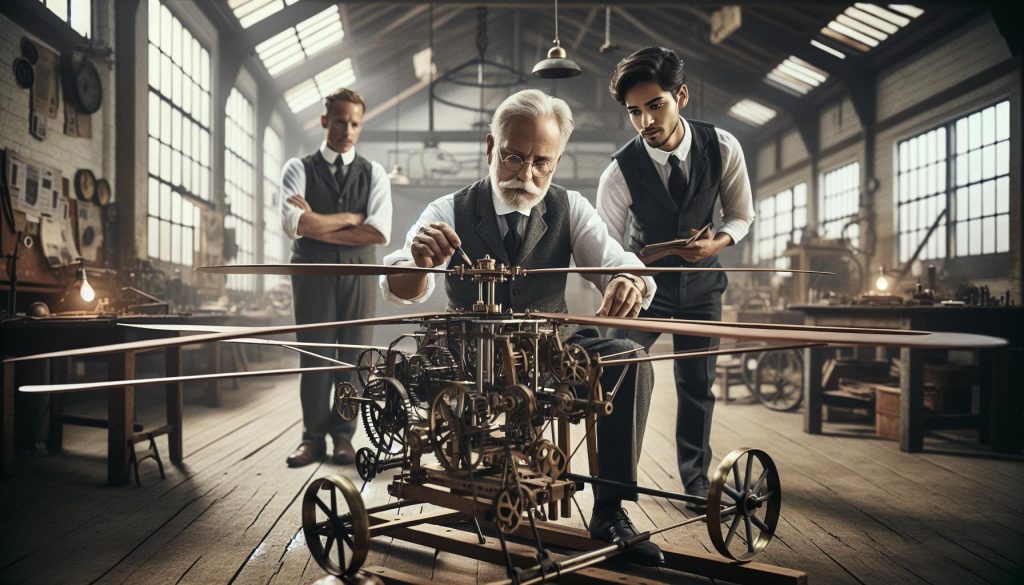
Did you know that the first practical helicopter flight took place in 1939, revolutionizing aviation and forever changing how we navigate our skies? This groundbreaking achievement belongs to Igor Sikorsky, a true pioneer whose innovations paved the way for today’s modern helicopters. Understanding the story behind this invention is not just about technology; it’s about human ingenuity and the relentless pursuit of flight. Whether you’re an aspiring pilot curious about the journey of aviation or simply fascinated by the capabilities of helicopters, this exploration of Sikorsky’s legacy will inspire you. Join us as we delve into the remarkable journey of the first helicopter – a story of dreams, trials, and triumphs that continues to shape flying today.
Who Were the Early Helicopter Pioneers?
The journey to creating the helicopter is a captivating story filled with visionary inventors and groundbreaking designs. Early pioneers in vertical flight dreamed of creating machines that could defy gravity and operate anywhere. The concept of vertical flight first gained traction in the 15th century, through inventions like Leonardo da Vinci‘s sketches of a “flying screw.” While not functional, these ideas laid the foundation for the modern helicopter.
Notable Early Pioneers
Among the key figures in early helicopter development, Paul Cornu, a French engineer, made significant strides in 1907 with his twin-rotor design. Cornu’s helicopter, which successfully lifted off the ground, was a pivotal moment that proved vertical flight was possible. His achievement marked a notable milestone, yet it was still limited in control and stability.
Another important pioneer was Igor Sikorsky, whose work in the 1930s revolutionized helicopter design. Sikorsky’s VS-300 became the first practical helicopter, featuring a single main rotor and a tail rotor for stabilization. This design addressed key challenges that previous inventors faced, paving the way for future advancements in rotary-wing aircraft.
Building on Their Legacy
The efforts of these pioneers contributed to a growing interest in vertical flight technology. Each innovation built upon the last, introducing new concepts such as cyclic and collective pitch controls, which enhance pilot maneuverability and control. The dreams and trials of these early inventors reflect the relentless pursuit of innovation in aviation, inspiring future generations of engineers and aviation enthusiasts.
As we look back at the contributions of early helicopter pioneers, it’s clear that their vision transcended their time, leading to the sophisticated helicopters we rely on today for everything from medical transport to aerial firefighting. Each of these figures has left an indelible mark on aviation history, fostering a spirit of innovation that continues to propel the field forward.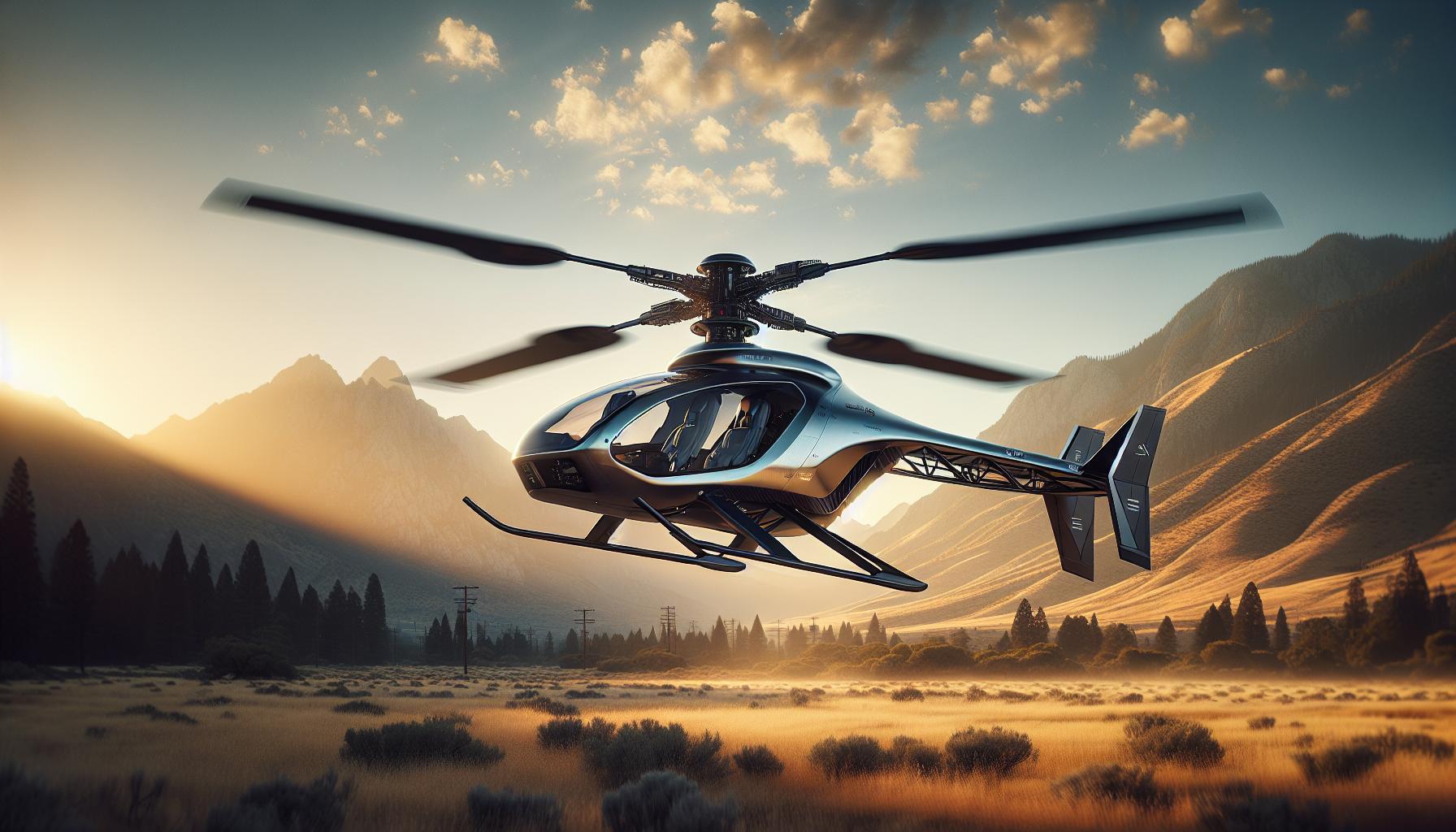
The Revolutionary Concept of Vertical Flight
The dream of vertical flight has inspired inventors for centuries, transforming how we think about aviation. This revolutionary concept began taking shape in the imagination of geniuses like Leonardo da Vinci, whose 15th-century sketches of the “flying screw” captured the essence of what would eventually become the helicopter. Though impractical at the time, Da Vinci’s visionary ideas hinted at the possibility of machines capable of rising vertically into the air, setting the stage for future inventors to explore this tantalizing frontier.
Fast forward to the early 20th century, and the foundations of helicopter technology began to materialize. French engineer Paul Cornu made history in 1907 by achieving the first vertical flight with his twin-rotor helicopter, flying a modest 20 feet off the ground. This moment represented a significant breakthrough, demonstrating that controlled vertical flight was indeed feasible. However, stability and control remained challenges that would need to be addressed for helicopters to become practical.
Igor Sikorsky, the father of modern helicopter design, addressed these challenges head-on in the 1930s. His innovative VS-300 introduced a single main rotor and a tail rotor, a design that enhanced stability and control-key elements that past inventors had struggled to perfect. The VS-300’s success was not just a technological achievement; it marked the transition from experimental designs to practical aircraft that could be used in a range of applications, paving the way for the diverse and versatile helicopters we rely on today.
The evolution of vertical flight technology exemplifies a remarkable journey filled with persistent exploration and innovation. Each incremental advancement has not only pushed the boundaries of what is possible but has also equipped future generations of engineers and aviators with the tools and insights necessary for further evolution in the field of aviation. The concept of vertical flight, once a distant dream, has become a critical element of modern transportation and emergency response, illustrating how visionary ideas can change the course of history.
Tracing the Invention Timeline of Helicopters
The journey of helicopter invention is a captivating saga that intertwines creativity, engineering, and sheer determination. Sketches from the great minds of the past laid the groundwork for what would become a revolutionary mode of transport. A significant milestone occurred in 1483 when Leonardo da Vinci conceptualized the “aerial screw,” an early vision of vertical flight. Although this design never took to the skies, it sparked intrigue and ambition in future aviators and inventors who sought to conquer the challenges of lifting an object straight up into the air.
Fast forward to the late 19th and early 20th centuries, when innovators such as Gustave de Ponton d’Amécourt and Emile Berliner experimented with actual prototypes. Berliner’s 1907 helicopter demonstrated the potential of vertical flight, albeit briefly. However, it was French engineer Paul Cornu who captured the first true flight with a helicopter in 1907, managing to ascend approximately 20 feet for a fleeting few seconds. These early attempts showcased the excitement and potential of helicopter technology, despite the ongoing issues of control and stability that would challenge their progress.
The timeline took a more definitive turn in the 1930s, highlighting Igor Sikorsky’s pivotal contributions. In 1939, Sikorsky unveiled the VS-300, marking a significant advancement in helicopter design with its innovative single main rotor and tail rotor configuration. This design revolutionized rotorcraft by enhancing stability and making vertical flight more controllable. The success of the VS-300 not only validated the viability of helicopter technology but also set the stage for developments in military and civilian aviation, ultimately transforming how we think about transportation, rescue operations, and urban mobility.
Key Milestones in Helicopter Development
- 1483: Leonardo da Vinci sketches the “aerial screw.”
- 1907: Paul Cornu achieves the first vertical flight with a helicopter.
- 1939: Igor Sikorsky’s VS-300 successfully demonstrates practical helicopter flight.
As we explore the fascinating timeline of helicopter invention, it’s clear that each breakthrough built upon the last, paving the way for the advanced rotorcraft we rely on today. Whether you’re an aspiring pilot or a curious enthusiast, understanding the roots of helicopter technology not only provides insight into its complexities but also inspires a future of innovation in vertical flight.
Key Technologies that Enabled Helicopter Flight
The evolution of helicopter technology is a fascinating tale of innovation, engineering skill, and the relentless pursuit of vertical flight. Central to this narrative are several key technologies that enabled the development of helicopters as we know them today. Among these, the rotor system stands out as the most crucial element, allowing these machines to lift off the ground. The introduction of the single main rotor with a tail rotor configuration, pioneered by Igor Sikorsky in his VS-300 design, provided stability and control, which were significant hurdles in earlier designs.
Another essential advancement was the development of efficient power plants. The transition from early steam engines to internal combustion engines allowed for greater power-to-weight ratios, enabling helicopters to achieve better lift and maneuverability. This shift was instrumental in transforming helicopters from experimental models into functional aircraft capable of carrying passengers and cargo, as evidenced by Sikorsky’s work in the 1930s and beyond.
Fuel storage and management technology also played a pivotal role. As helicopters required reliable fuel systems to sustain flight, innovations that improved fuel efficiency and weight distribution made significant impacts. The use of lightweight materials in helicopter construction – such as aluminum and composite materials – contributed to the overall reduction of weight, further enhancing flight performance and safety.
Lastly, advancements in avionics and control systems have transformed how pilots operate helicopters. The integration of gyroscopic instruments and electronic flight control systems has made helicopters more user-friendly and safer to fly. These technologies ingrained a new level of precision and responsiveness, catering not only to military applications but also to rescue missions and civilian transport, paving the way for the multifunctional rotorcraft we rely on today.
In summary, the key technologies that laid the foundation for helicopter flight include innovative rotor designs, powerful yet lightweight engines, advanced fuel management systems, and cutting-edge avionics – each contributing to the remarkable capabilities of modern helicopters.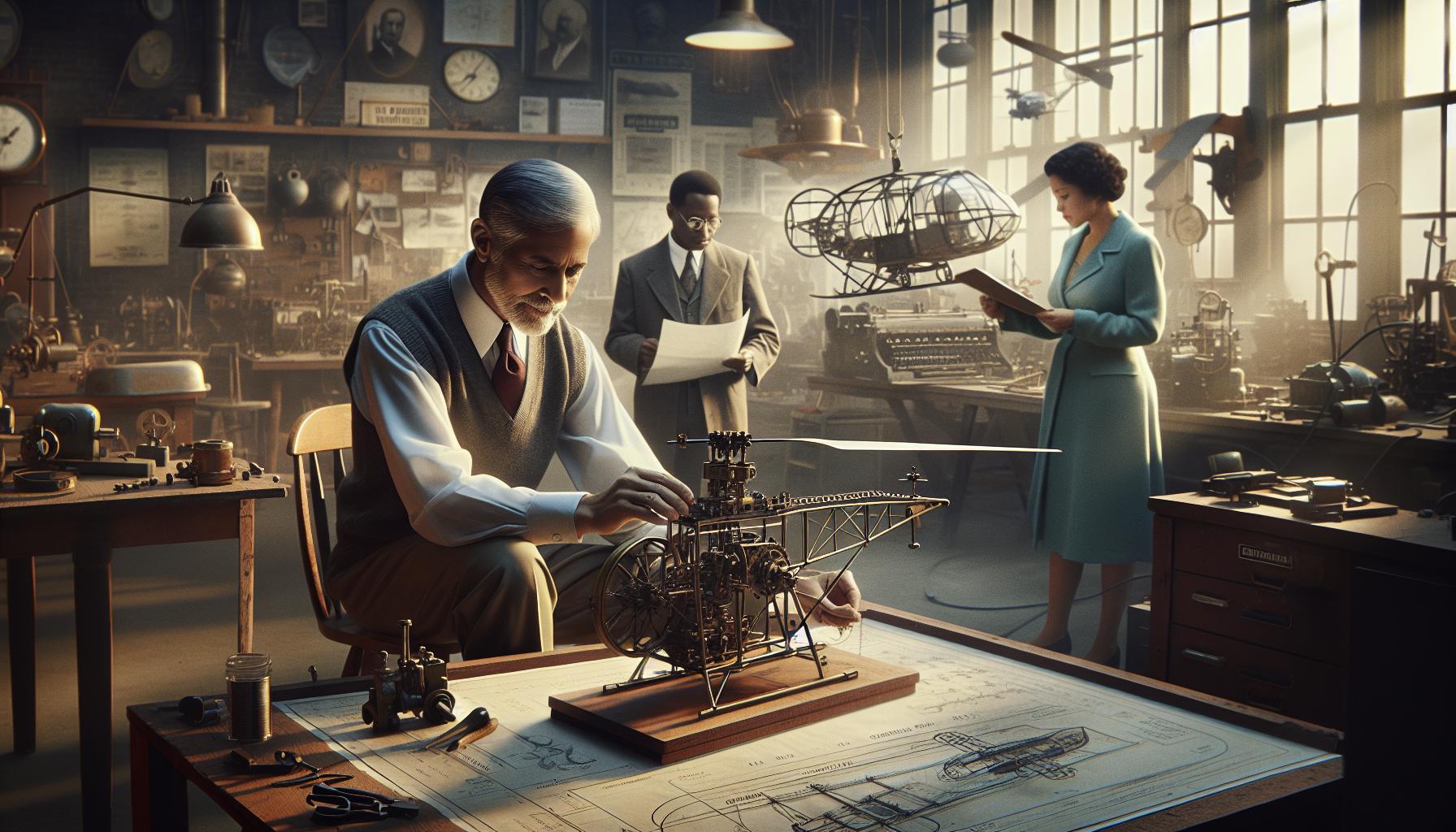
The Role of Igor Sikorsky in Helicopter Development
Igor Sikorsky’s contributions to helicopter development stand as monumental achievements in aviation history. Born on May 25, 1889, in Kiev, Sikorsky was fascinated by flight from a young age. He began building model aircraft and later sought formal education in engineering, which set the stage for his future innovations. Sikorsky is best remembered for developing the world’s first successful production helicopter, the VS-300, which took its inaugural flight in 1939. This design not only demonstrated the feasibility of helicopter flight but also paved the way for the modern rotorcraft we see today.
One of Sikorsky’s most significant innovations was the introduction of the single main rotor with a tail rotor, a design that offered enhanced stability and control. Prior to this, helicopters suffered from issues of balance and maneuverability, often leading to crashes and failed projects. By successfully stabilizing the aircraft, Sikorsky addressed a critical hurdle in helicopter technology. His work laid the foundation for future developments, and his rotor system remains the dominant configuration used in helicopters today.
Sikorsky’s ambition didn’t stop with the VS-300; he continued to push the boundaries of what helicopters could do. In response to military needs during World War II, he developed the XR-4, which became the first helicopter to be put into mass production and used for military operations. This helicopter not only served various combat missions but also began the tradition of helicopters playing vital roles in rescue operations and humanitarian efforts, showcasing their versatility and life-saving capabilities.
Igor Sikorsky’s legacy is marked not only by his innovative spirit but by his ability to inspire generations of engineers and aviators. His designs transformed the perception of vertical flight and opened new avenues for helicopter applications that extend far beyond military use. Today, aspiring pilots and engineers can look to Sikorsky’s pioneering work as a model of creativity and determination in the field of aviation.
Famous Early Helicopter Models and Their Features
The evolution of helicopter design features remarkable innovations that have laid the groundwork for the modern rotorcraft we see today. Among the earliest notable models, the VS-300, developed by Igor Sikorsky in 1939, marked a significant turning point in the history of vertical flight. This helicopter was the first to successfully incorporate a single main rotor coupled with a tail rotor, a configuration that provided stability and control, crucially overcoming previous design challenges. The VS-300’s ability to achieve controlled flight demonstrated the viability of helicopters, paving the way for future advancements in the field.
Another pioneering model was the XR-4, which followed the VS-300 and became the first helicopter to enter mass production. Designed to meet U.S. military needs during World War II, the XR-4 showcased features that enhanced its operational capabilities. It was equipped with a more powerful engine and a streamlined design, allowing for better performance in diverse missions, including search and rescue operations. This helicopter not only established the precedent for military use but also illustrated the versatility of rotorcraft in various functions.
In the realm of international development, the Focke-Wulf Fw 61 emerged as the world’s first series production helicopter, designed by German engineer Heinrich Focke in the 1930s. Taking flight in 1936, this innovative design featured a twin rotor system mounted on the top of the aircraft, which contributed to impressive stability during flight. The Fw 61’s successful demonstration of maneuverability and control further validated the helicopter concept, inspiring further exploration into vertical flight across the globe.
As you explore the fascinating world of early helicopter models, it’s essential to acknowledge the human stories that accompany these technological advancements. Behind each design was a team of dedicated engineers and pilots who worked tirelessly to create a safer, more efficient mode of transportation. Their perseverance and commitment have turned the dream of vertical flight into a vital aspect of modern aviation, influencing everything from military operations to civilian air travel and rescue missions.
Significant Milestones in Helicopter History
The journey of helicopter innovation is marked by a series of groundbreaking milestones that significantly altered aviation history. One pivotal moment occurred on September 14, 1939, when Igor Sikorsky’s VS-300 conducted its first successful flight in Stratford, Connecticut. This model was notable for introducing the single main rotor and tail rotor configuration, which provided the stability and control that previous helicopter designs lacked. The VS-300’s successful flight represented a proof of concept that paved the way for future helicopter advancements, revolutionizing the concept of vertical flight and proving that pilots could navigate through the air using rotorcraft effectively.
Another significant milestone came in January 1941 when the U.S. Army Air Corps contracted the XR-4 helicopter, the world’s first mass-produced helicopter, to fulfill military needs during World War II. This helicopter demonstrated operational versatility, being used for various missions, including medical evacuations and reconnaissance. The successful deployment of the XR-4 not only helped establish helicopters as valuable military assets but also set the stage for expanding roles in civilian applications post-war, ranging from law enforcement to search and rescue operations.
The introduction of the Focke-Wulf Fw 61 in the 1930s stands out as another critical milestone. As the first series production helicopter, it showcased a twin-rotor design that enhanced stability and control, demonstrating the potential for helicopters to perform effectively in diverse environments. This model sparked interest in rotorcraft across Europe and inspired engineers worldwide to explore helicopter possibilities, thereby broadening the scope of vertical flight technology further.
These milestones collectively highlight how helicopter development is interwoven with military and civilian advancements, showcasing the dual-use nature of this innovative technology. The dedication and ingenuity of early pioneers like Sikorsky and Focke not only laid the groundwork for modern helicopters but also transformed how we think about air travel, making vertical flight an integral component of both rescue operations and everyday transport.
How Helicopters Transformed Aviation and Transport
Helicopters have revolutionized the way we think about transportation and emergency response, carving a unique niche in the aviation world that traditional airplanes cannot replicate. One of the most compelling aspects of helicopter technology is its ability to take off and land vertically, allowing access to areas otherwise unreachable. This ability is not merely a convenience; it has been transformative in various sectors, from medical emergencies to search and rescue operations.
In healthcare, helicopters are a lifeline. MedEvac helicopters can reach patients in remote locations, providing critical care much faster than ground vehicles. The speed of a helicopter can mean the difference between life and death, especially in time-sensitive situations such as trauma or stroke care. For example, many regions have seen a dramatic increase in survival rates thanks to the ability to transport patients quickly from accident scenes to hospitals equipped to handle severe trauma.
In the world of public safety and law enforcement, helicopters have proven invaluable. They are used in search and rescue missions, police surveillance, and firefighting efforts. Their ability to hover over locations provides law enforcement with a clear view of criminal activities while ensuring a rapid response can be initiated if necessary. Firefighting helicopters drop water or fire retardants on active wildfires, often preventing them from spreading further and saving lives and property in the process.
The commercial sector also benefits from helicopter innovations. Industries such as tourism have embraced helicopters for scenic flights, offering breathtaking views and experiences that traditional forms of transport simply can’t match. Additionally, helicopters are increasingly used in oil and gas industries for transportation to offshore rigs, delivering workers efficiently while reducing travel time substantially.
As we appreciate these transformative capabilities, it is essential to remember the human stories behind helicopter use. Every flight carries the weight of responsibility and the potential to change lives, underscoring the profound impact that rotary-wing aviation has had on society. Helicopter technology continues to evolve, promising even greater advancements in the future, fueling our enthusiasm as we look ahead to what lies on the horizon for this remarkable mode of transport.
Debunking Myths About Helicopter Inventions
Many people often believe that the invention of the helicopter is solely credited to a single inventor or a specific design. However, the truth is much more intricate, involving multiple pioneers and a variety of concepts over centuries. One of the most common myths is that Leonardo da Vinci invented the first helicopter. While he designed the Aerial Screw in the late 15th century-a fascinating concept that looked somewhat like a helicopter-it was never built or flown. Da Vinci’s vision was ahead of his time, but he did not contribute to the practical development of helicopter technology.
Another misconception lies in the timeline of helicopter invention. Some may think Igor Sikorsky was the first to create a functional helicopter, which may lead to overlooking earlier experiments. Before Sikorsky’s successful VS-300 in 1939, others attempted to build flying machines with vertical lift capabilities. Notable contributions include Sir George Cayley and W. H. Phillips, who constructed their models in the late 18th and early 19th centuries, respectively, showcasing the long journey of innovation leading to the helicopter as we know it today.
Additionally, it’s a common myth that helicopters operate purely on the principles of lift like fixed-wing aircraft. In reality, they are complex machines that rely on a combination of thrust, lift, and drag. The rotor blades create lift, but the pilot’s control over rotor speed and pitch dramatically influences flight dynamics. This nuanced understanding is crucial for aspiring pilots and engineers to grasp, as it highlights the sophisticated mechanics behind rotary-wing aircraft.
It’s essential to appreciate that the development of helicopters involved collaboration and advancements from numerous inventors over time. The evolution of this remarkable flying machine represents an ongoing quest for innovation and effective design, rather than the achievement of a single individual. By recognizing these truths, we can celebrate the collective achievements of those who contributed to the fascinating world of helicopter flight.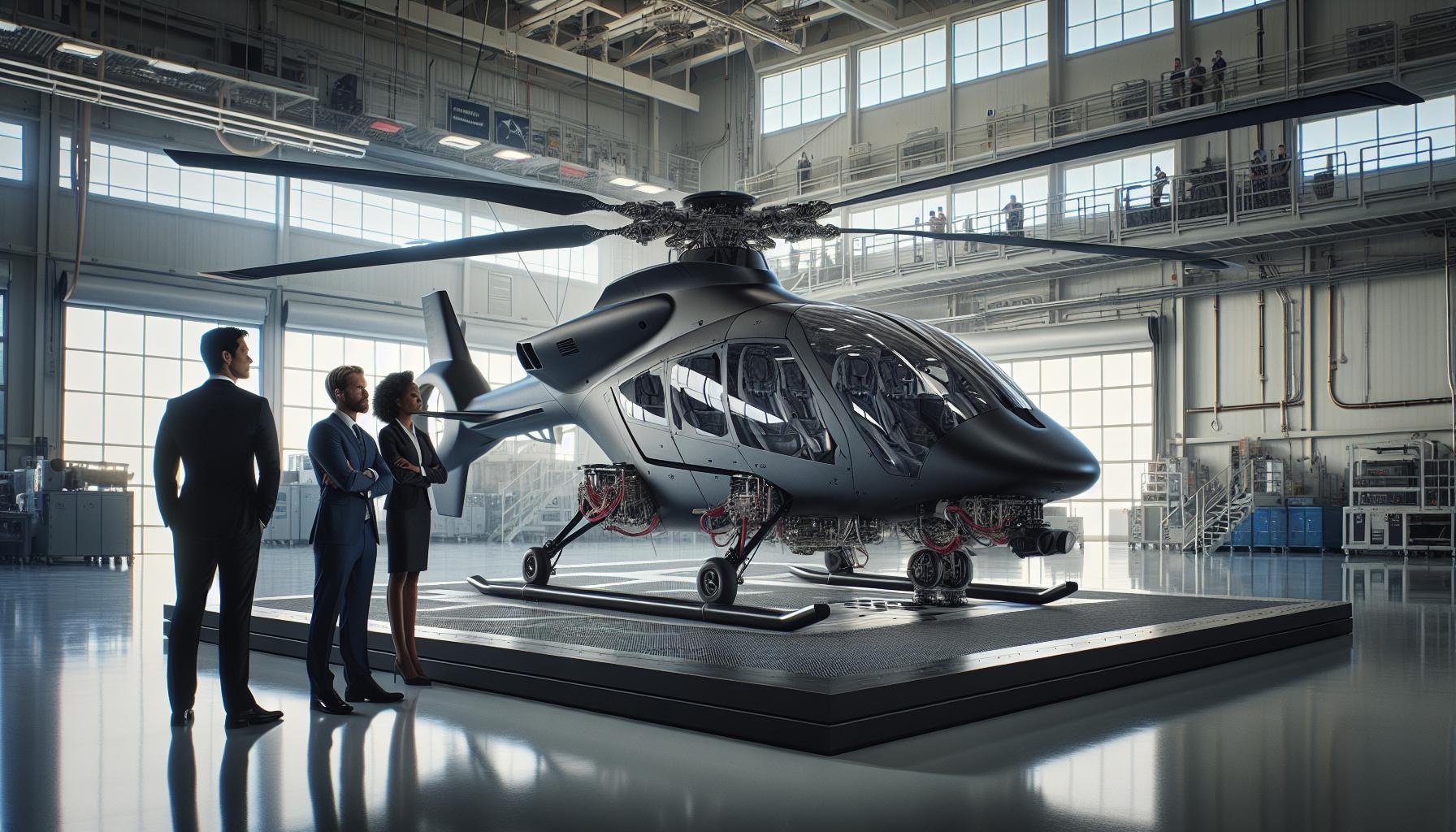
The Future of Helicopter Innovation and Design
As we look to , it’s essential to note that this sector stands on the brink of a technological revolution. Advances in artificial intelligence, autonomous flight capabilities, and sustainable energy sources are reshaping how helicopters will operate and serve diverse industries in the years to come.
The integration of AI in flight operations is particularly exciting. Imagine helicopters equipped with smart systems that can predict mechanical issues before they arise, improving safety and efficiency. Autonomy means that helicopters could perform missions without a pilot on board, which could revolutionize sectors like emergency services, where every second counts in critical situations. These innovations promise to enhance not only operational capabilities but also safety, ensuring that lives saved during emergency operations are matched by decreased risks for both crew and passengers.
Sustainability and Fuel Efficiency
Another focal point for future developments is sustainability. With increasing pressure to reduce carbon footprints, helicopter designers are pioneering electric and hybrid models. These new designs aim to lessen reliance on fossil fuels, thus promising greener alternatives for transportation. Embedding more robust fuel-efficient technologies will be at the forefront, giving operators flexibility to choose environmentally friendly options without compromising performance.
Advanced Technologies Shaping Design
Technological advancements, such as Augmented Reality (AR) and Heads-Up Displays (HUD), are set to alter pilot experiences drastically. These technologies can enhance situational awareness dramatically, allowing pilots to visualize critical flight parameters without diverting their attention from the environment outside. Such tools can effectively reduce pilot workload and enhance decision-making during complex operations.
Career Opportunities in Helicopter Innovation
For those looking to enter the aerospace industry, the future of helicopter innovation also spells exciting career opportunities. Fields like aerodynamics, robotics, and sustainable engineering will likely see growth, and skilled professionals in these areas will be in high demand. Aspiring pilots can look forward to new training programs focused on operating advanced technologies and understanding the complexities of autonomous systems.
As we embrace this pivotal moment in helicopter history, it’s clear that the innovations on the horizon will not only redefine how we perceive helicopter travel but also significantly enhance safety and efficiency in air transport. With an enthusiastic eye on the future, both seasoned helicopter enthusiasts and newcomers can look forward to witnessing a new era in aviation that honors the pioneers of the past while boldly charting a path toward sustainable and intelligent flight.
The Impact of Helicopters in Popular Culture
The versatility and dynamic functionality of helicopters have captured the imagination of filmmakers, authors, and the general public, embedding these machines deeply in popular culture. From adrenaline-pumping action sequences in movies to their symbolic representation of freedom and exploration in literature, helicopters have become synonymous with excitement and innovation. Iconic films like Apocalypse Now showcased the helicopter’s ability not just as a mode of transport but as a pivotal element in storytelling, often representing both empowerment and chaos.
In music, helicopters have made their mark through empowering anthems like Bob Dylan’s “Knockin’ on Heaven’s Door,” where the sound of a helicopter signifies a looming threat or urgency. Meanwhile, animated shows like Chip ‘n Dale: Rescue Rangers feature helicopters as key vehicles for solving crimes, illustrating their role in rescue and heroism. These representations help demystify helicopters, shifting them from mere machines into characters that can engage with the audience emotionally.
Beyond entertainment, the depiction of helicopters in daily life has influenced public perception and aspirations. Helicopters often symbolize cutting-edge technology and elite lifestyles, from news helicopters covering breaking stories to the aerial views in real estate showcases. This allure drives not only a fascination with aviation but also encourages young dreamers to pursue careers in aviation and engineering.
Ultimately, reflects their broader significance in society-bridging reality with imagination, utility with excitement, and fear with safety. Whether it’s through a thrilling chase scene, heartfelt rescue mission, or a nod to human ingenuity, helicopters continue to inspire and invoke a sense of wonder in all who encounter them.
Q&A
Q: Who is credited with inventing the first successful helicopter?
A: Igor Sikorsky is credited with inventing the first successful helicopter. In 1939, he designed and flew the VS-300, which featured a single main rotor and a tail rotor, successfully demonstrating the principles of vertical flight.
Q: When did the first helicopter flight take place?
A: The first full-scale helicopter flight occurred on September 14, 1939, when Igor Sikorsky successfully piloted the VS-300 prototype, marking a pivotal moment in aviation history.
Q: What was the significance of the VS-300 helicopter?
A: The VS-300 was significant because it was the first practical helicopter to achieve controlled flight. Its design included a single main rotor and a tail rotor for torque compensation, setting the foundation for modern helicopter designs.
Q: What challenges did early helicopter pioneers face?
A: Early helicopter pioneers faced numerous challenges, including rotor design, stability during flight, and engine power. These obstacles made achieving controlled flight a significant technical hurdle until advances were made by pioneers like Igor Sikorsky.
Q: How did Igor Sikorsky’s design influence modern helicopters?
A: Igor Sikorsky’s design introduced the concept of a single main rotor paired with a tail rotor, which is fundamental in modern helicopters. This configuration pioneered stability and control, influencing countless helicopter models that followed.
Q: Who were other notable figures in helicopter development besides Sikorsky?
A: Other notable figures include Juan de la Cierva, who created the autogyro, and Leonardo da Vinci, who conceptualized early flying machines. However, Sikorsky’s practical designs played a crucial role in helicopter evolution.
Q: What innovations emerged in helicopters after the first flight?
A: After the first flight of the VS-300, innovations included advances in rotor technology, the introduction of turbine engines, and improvements in aerodynamics and materials, greatly increasing efficiency and safety.
Q: How did the invention of the helicopter change aviation?
A: The invention of the helicopter transformed aviation by enabling vertical takeoff and landing capabilities, significantly expanding applications in military, medical, and transportation sectors, and enhancing access to hard-to-reach areas.
In Retrospect
Discovering the origins of the helicopter not only illuminates a pivotal moment in aviation history but also inspires curiosity about future innovations in flight. The pioneers of helicopter design faced immense challenges, yet their determination has paved the way for the incredible machines we see today. If you’re excited to learn more about the evolution of helicopters, don’t miss our in-depth exploration of “The Best Helicopter Models of All Time” and “How Helicopters Have Transformed Emergency Services.”
Ready to take your aviation knowledge to the next level? Sign up for our newsletter for exclusive insights and updates directly to your inbox! And if you’re considering a career in aviation or want to share your thoughts on helicopter technology, we invite you to leave a comment below. Your journey into the fascinating world of flight continues here-let’s keep exploring together!
Get our latest guides, news, and insights highlighted in your Google Search & AI Overviews.