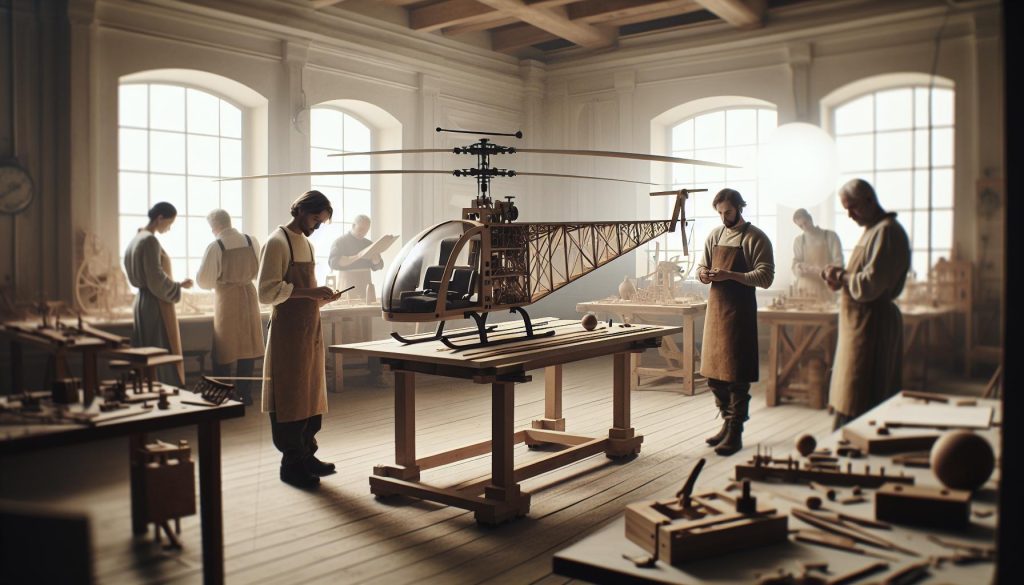
Have you ever marveled at the genius of Leonardo da Vinci? His visionary sketches of flying machines, particularly the iconic “Aerial Screw,” laid the groundwork for modern aviation. In this tutorial, we will guide you through the fascinating process of building a model of da Vinci’s helicopter. Not only will you gain hands-on experience in assembling a piece of history, but you’ll also develop a deeper appreciation for the creativity and ingenuity that shaped the future of flight. Whether you’re a seasoned model enthusiast or just starting out, this project promises to engage your curiosity and spark your imagination. So, grab your materials and let’s embark on an exciting journey through time and innovation!
How Da Vinci Inspired the Helicopter Design
Leonardo da Vinci’s visionary ideas about flight extend far beyond the art and inventions of his time; they laid the groundwork for modern aviation, particularly in the design of helicopters. His sketches of an “aerial screw,” a precursor to the helicopter, represent theoretical designs that continue to inspire engineers and inventors today. Da Vinci imagined a device resembling a large screw or spiral, which, when rotated rapidly, would lift off the ground-a fascinating concept well ahead of its time.
Da Vinci’s deep understanding of mechanics and aerodynamics is evident in his notes and drawings. He believed that the materials used were crucial for the success of his aerial screw, advocating for lightweight fabrics treated to fill their pores with starch. This consideration for material selection parallels modern engineering practices, which emphasize lightweight components for flight efficiency. His work showcases not only artistic brilliance but also a scientific approach to solving complex problems related to flight.
The principles embedded in Da Vinci’s designs reveal a profound awareness of lift and motion, fundamental concepts still applicable in today’s aviation technology. His innovative spirit inspires hobbyists and engineers alike, encouraging them to explore and create. By examining his sketches, one can appreciate the early musings of aerospace innovation and how they bridged the gap between imagination and reality, ultimately leading to the helicopters we see soaring today.
As we delve deeper into building a model based on Da Vinci’s concepts, it’s essential to recognize how his approaches to engineering and material science can inform our creations. His legacy continues, not just in the realm of art but as a foundation for scientific exploration and technological advancement that pushes the boundaries of what is possible in flight.
Materials You Need for Your Model
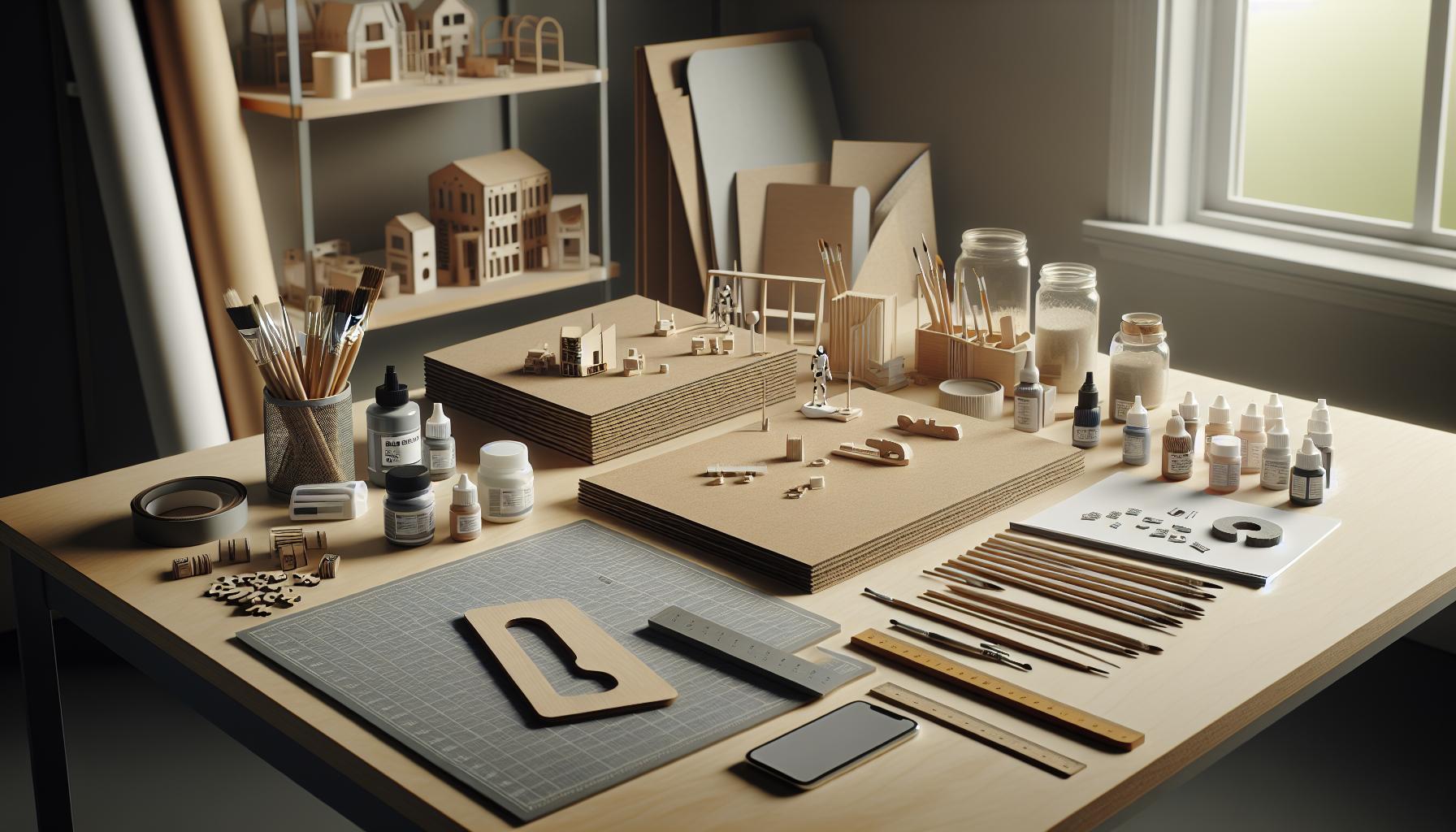
To construct a model inspired by Leonardo da Vinci’s innovative helicopter design, it’s essential to select materials that reflect the ingenuity of his work. Da Vinci’s concepts highlight the importance of lightweight yet durable materials that could mimic his original vision of the aerial screw. Understanding the optimal materials not only elevates your model’s quality but also allows you to appreciate the historical significance behind each piece.
Start with a sturdy frame material such as balsa wood or lightweight plywood, which was commonly used in model building due to its excellent strength-to-weight ratio. This will serve as the backbone of your helicopter, providing the necessary support without adding excessive weight. For the rotors, consider utilizing cardstock or plastic sheets; these materials are pliable enough to be crafted into the spiral shapes similar to what Da Vinci envisioned while still being sufficiently rigid to capture their intended form.
In addition to the main structural components, you’ll want to include various finishing materials such as string for the rotor mechanism and glue to secure everything in place. A translucent plastic film can simulate the lightweight fabric he might have imagined, enhancing the visual appeal while staying true to his design ethos. If you’re aiming for authenticity, consider using natural fibers or thin linen treated similarly to how Da Vinci suggested treating fabric in his sketches.
Lastly, to add detail, paint or wood stain can be employed to bring out the colors and textures of historical models, making your creation visually captivating. This thoughtful selection of materials will not only enhance your model’s authenticity but also connect you to the creative spirit of Da Vinci, making the building process both educational and enjoyable.
Step-by-Step Guide to Building the Helicopter

To embark on a thrilling journey of building a model that pays homage to Leonardo da Vinci’s visionary aerial screw, you’ll follow a structured and creative step-by-step process. Each stage not only fosters hands-on skills but also deepens your understanding of engineering principles that Da Vinci himself championed.
Begin by constructing the frame of your helicopter. Using lightweight yet sturdy materials like balsa wood or lightweight plywood, cut out a base for your model that reflects the circular design of Da Vinci’s original sketches. Aim for a diameter of around 30-40 centimeters, as this size strikes a balance between manageability and visual impact. Once your bases are in place, ensure all cuts are smooth and edges are sanded down to prevent splinters.
Next, focus on crafting the rotors, central to the helicopter’s unique look. Cut pieces from cardstock or plastic sheets into long, narrow strips, which can be shaped into the spiral formations inspired by Da Vinci’s designs. Aim for four rotors, ensuring they are identical in size and shape for balance. Secure them at right angles to the base frame using strong adhesive or small screws, keeping in mind their initial positioning will affect the model’s balance and stability.
Assemble the Components
After the rotors are secured, attach the central shaft that will represent the mechanism through which the rotors will conceptually rotate. This can be created using a sturdy dowel or even a straight piece of leftover wood. Make sure it is mounted vertically above the frame and is able to freely move if you intend to demonstrate the rotation. Use string to mimic the rotor drive mechanism Da Vinci envisioned, crafting a simple pulley system if desired.
Finally, personalize your model. Use paint or wood stain to give your helicopter a realistic look, reflecting the natural materials Da Vinci might have utilized. Adding small details, like fabric or treated natural fibers to represent his fabric suggestions, can bring authenticity. Once everything is assembled and dried, you have not only built a model based on Da Vinci’s ideas but also connected with the historical narrative of aviation innovation through hands-on creativity.
This process serves not just as an engineering exercise, but also as a celebration of human ingenuity, connecting today’s builders with the dreams of a Renaissance master. Celebrate your achievement and share your creation with fellow enthusiasts, further exploring the world of aviation design!
Understanding Da Vinci’s Engineering Concepts
Leonardo da Vinci’s concepts laid the groundwork for various engineering principles that continue to resonate in modern aviation design. One of his most innovative sketches is the aerial screw, which he envisioned as an early attempt at human flight. This design wasn’t merely a whimsical fantasy; it demonstrated a profound understanding of aerodynamics and mechanics that was far ahead of his time. The concept of a rotating blades structure that lifts off the ground has become synonymous with helicopter technology today.
At the heart of da Vinci’s engineering genius is his ability to observe nature and translate those observations into mechanical designs. He meticulously studied birds in flight, which informed his understanding of lift and thrust. By emphasizing the importance of spiral motion, he designed his aerial screw with a conical shape that maximized airflow over the surfaces-a principle that modern rotor designs still utilize. The use of lightweight materials and the need for balance in his sketches highlight the critical factors that engineers consider when building aircraft today.
To truly grasp da Vinci’s engineering mindset, aspiring builders and aviation enthusiasts should embrace his iterative approach to design. He believed in the power of experimentation, often sketching multiple variants of a single design before settling on the most effective one. This practice is foundational in contemporary engineering and prototyping. When creating your model of the aerial screw, think of it as an opportunity to innovate-experiment with different rotor shapes, weights, and configurations to understand how these variables interact and affect flight dynamics.
Understanding these concepts not only enriches your construction process but also connects you to the legacy of an inventor who dreamt of the skies. His holistic view of science and art encourages builders to blend creativity with engineering, making the process of constructing a model both a technical challenge and a creative endeavor. Engaging with da Vinci’s principles can inspire a new generation of innovators to push the boundaries of what is possible in aviation and beyond.
Essential Tools for Crafting Historical Models
To embark on creating a model of Leonardo da Vinci’s helicopter, or aerial screw, having the right tools at your disposal is essential for achieving an accurate and satisfying build. Da Vinci’s designs were not just artistic; they demanded precision and craftsmanship, which can be mirrored in your model-making process.
First and foremost, basic crafting tools are imperative. A good set of scissors, a craft knife, and cutting mats will help you shape materials accurately without damaging your work surface. Additionally, a ruler and pencil are vital for measuring and marking your materials, ensuring that every piece fits together seamlessly.
When it comes to assembling your model, consider using glue or wood adhesives suitable for the materials you’re working with, whether they’re wood, plastic, or cardboard. For a sturdier build, small screws or nails may be necessary, especially for larger pieces or when creating a functional rotor mechanism.
Specialized Tools and Materials
Incorporate more specialized tools as your model progresses. A soldering iron can be indispensable if you’re including electrical components, like LED lights, to enhance your model’s visual appeal. If you’re crafting intricate parts that require fine detail, files and sandpaper will allow you to smooth edges and perfect shapes.
For the materials, it’s recommended to utilize balsa wood or lightweight plastic for the airframe. These materials echo Da Vinci’s emphasis on creating lightweight designs that would be essential for flight. You might also want to explore using composite materials if you’re aiming for a more modern touch, with functionalities like strength and flexibility in mind.
Finally, having access to a 3D printer could significantly elevate your project. If you have the skills or access to digital design software, you can create custom, detailed parts that capture da Vinci’s intricate designs more accurately than traditional methods.
Cultivating a workspace that integrates these tools and materials fosters not only a respect for Da Vinci’s original concepts but also a spirit of creativity and innovation as you craft your own interpretation of his vision.
Troubleshooting Common Issues During Construction

Building a model of Leonardo da Vinci’s helicopter can be an exhilarating journey into the history of aviation, but the process often comes with its challenges. Common issues during construction can arise from several factors, including material choice, alignment, and assembly techniques. Understanding how to troubleshoot these problems can not only save you time but also enhance the overall quality of your model.
One frequent challenge is dealing with misaligned parts, which can occur during assembly. To prevent this, always double-check measurements before cutting or gluing. If pieces do get misaligned, carefully apply heat or humidity (depending on your material) to soften and reposition them, allowing for better fit. It’s crucial to let adhesive fully cure before moving on to the next step to maintain stability. If the structure seems weak, reinforce joints with additional adhesive or support with small brackets or pins made from sturdy materials like wire.
Another common issue is the structural integrity of the rotor assembly. Da Vinci’s design relies heavily on the balance of its rotor system, which can be tricky. Ensure that any moving components are not overly tight, as this can impact functionality. If your rotor does not spin freely, check for any obstructions or apply a small amount of lubricant. Should the rotor assembly collapse during testing, take a step back: it might be wise to rethink the weight distribution throughout the model, ensuring that the center of gravity aligns correctly for balanced rotation.
Finally, if you encounter difficulties with the aesthetics of your model-like uneven surfaces or lack of smoothness-don’t despair. Carefully sanding your materials at the right stages can greatly improve the finish. If working with wood, consider using fine-grit sandpaper for delicate areas and a sanding block for larger surfaces. Additionally, painting can cover minor imperfections, so don’t hesitate to get creative with finishes to reflect Da Vinci’s artistic legacy while ensuring your model preserves a historical touch.
By troubleshooting these common issues and employing effective strategies, you can enjoy a smoother building experience and create a more authentic representation of Da Vinci’s visionary flight design. Each obstacle overcome not only adds to your skills but also brings you closer to understanding the genius behind an idea that inspired generations of aviators.
Enhancing Your Model with Detail and Accuracy
Crafting a detailed replica of Leonardo da Vinci’s helicopter is not just about accuracy in construction; it’s also about infusing your model with historical context and artistic flair. This can enhance both the visual appeal and the educational value of your project. By adding meticulous details and ensuring accuracy, you bring the ingenuity of da Vinci’s vision to life on your workbench.
One effective way to enhance your model is by using authentic materials that reflect the era in which da Vinci lived. While modern kits may use plastic, consider incorporating wood, as it was a primary material during the Renaissance. This not only makes your model more historically accurate but also feels more in tune with the craftsmanship of the time. Use fine-grain wood for a more refined finish, and experiment with techniques such as staining and varnishing to mimic the look of aged wood, which can evoke the spirit of da Vinci’s time.
Another key aspect is to pay attention to the details of the rotor assembly. Da Vinci’s design included unique features that reflect his understanding of aerodynamics. To enhance this part of your model, study the mechanics of the original sketches and try to replicate the intricate designs as closely as possible. For instance, adding supporting struts, hinges, or accurate fastening techniques will not only improve the aesthetic but also demonstrate an understanding of his engineering concepts. You can use thin wire or lightweight materials for these elements to maintain balance while achieving a more authentic look.
Lastly, don’t forget to incorporate artistic elements that capture the essence of da Vinci’s vision. Consider painting your model in muted colors that reflect the palettes of Renaissance art. Adding small touches, such as etching designs onto the wooden surfaces or applying a wash to highlight details, can transform a simple model into a stunning showcase piece. Moreover, placing your model in a context-like a backdrop of a Renaissance landscape or alongside sketches of da Vinci’s other inventions-can create a narrative that elevates the entire project.
By focusing on these enhancements, your model will not only represent a historical innovation but will also embody the artistic and engineering spirit of one of history’s greatest minds. With careful attention to detail and a touch of creativity, you can create a remarkable tribute to Leonardo da Vinci’s visionary exploration of flight.
The Science Behind Da Vinci’s Helicopter Mechanics
The concept behind Leonardo da Vinci’s helicopter, often referred to as the “aerial screw,” is a fascinating intersection of art and science that continues to inspire aviation enthusiasts today. Da Vinci’s design, drafted in the late 15th century, sought to emulate the natural mechanics of flight, specifically observing how birds used their wings to take advantage of air currents. His vision consisted of a tubular construct made from reeds and linen, positioned to create a screw-shaped rotor that would theoretically lift off the ground when spun rapidly.
To understand the mechanics behind this ingenious idea, one must first grasp the principles of lift, drag, thrust, and weight-key elements in any flight mechanism. The rotor of Da Vinci’s helicopter was designed to function much like a screw, with the intention that as the rotor rotated, it would push against the air, creating lift. In practice, the shape and angle of the rotor blades would generate a difference in air pressure above and below the blades, much like modern helicopter rotors do today. This concept of generating lift through rotational motion illustrates Da Vinci’s advanced understanding of aerodynamics, paving the way for future innovations.
Despite the creativity and foresight reflected in his designs, the materials available during Da Vinci’s time limited the practical application of such flying machines. The lightweight materials such as linen and wood he envisioned would struggle under the weight necessary for human flight. To better appreciate this, consider how modern materials, like carbon fiber and lightweight metals, have transformed aviation, making what was once merely a dream into a reality. Da Vinci’s designs, while never constructed in his lifetime, laid foundational ideas that would eventually lead to the development of powered flight centuries later.
When crafting a model of Da Vinci’s helicopter, it’s essential to emulate these mechanical concepts practically. Constructing a rotor that mimics the incline and curvature noted in Da Vinci’s sketches can enhance the model’s realism and educational value. Engaging with his ideas not only enriches the modeling experience but also nurtures an understanding of the principles that govern flight today. By diving deeper into the science behind Da Vinci’s helicopter design, hobbyists not only honor his pioneering spirit but also gain insights into the mechanics that enabled humanity’s eventual mastery of the skies.
Historical Context: Da Vinci and Aviation Dreams
Leonardo da Vinci, a name synonymous with innovation and creativity, envisioned concepts of flight over four centuries before the first powered helicopters took to the skies. His fascination with human flight was not merely a scientific endeavor; it was a profound exploration of nature and its mechanics. The aerial screw, often hailed as a precursor to the modern helicopter, reveals not only Da Vinci’s genius but also the context of his time, rich with curiosity and a quest for understanding.
During the Renaissance, a period marked by an explosion of knowledge and artistic expression, Da Vinci applied his meticulous observational skills to nature. He understood the importance of studying birds in flight, analyzing their wing movements and the aerodynamics involved. His sketches illustrate a device that resembles a modern helicopter, with a screw-like rotor intended to lift off the ground through rapid rotation. Da Vinci’s insights into lift, drag, and thrust laid the groundwork for future aviation, although the limitations of 15th-century materials meant that his ideas remained theoretical.
Da Vinci’s vision of flight was not just about creating machines; it was also deeply philosophical. He believed that understanding and mimicking the natural world could unlock new possibilities for humanity. His writings reflect a desire to transcend earthly limitations, a dream that resonates with contemporary aviation enthusiasts and engineers striving for innovation. The dream of flight has inspired countless individuals throughout history-from early inventors to modern aeronautical engineers-illustrating a shared ambition to conquer the skies.
In learning about Da Vinci’s aerial screw, model builders and history enthusiasts alike gain more than just insight into a historical figure; they tap into the spirit of creativity and exploration that defined the Renaissance. Such projects allow individuals to not only appreciate the complexities of engineering but to engage with the same curiosity that drove Da Vinci to imagine a world where humans could soar through the skies. From crafting a model of his helicopter to understanding the principles of flight, every interaction with Da Vinci’s work is an homage to the enduring legacy of human ambition and creativity.
Incorporating Art into Your Helicopter Project
Creating a model of Da Vinci’s helicopter, known as the aerial screw, offers a unique opportunity to blend engineering with artistic expression. Da Vinci himself was not just an inventor; he was an artist who understood that aesthetics and functionality coexist. When building your model, consider not only the mechanics but also the artistry that reflects the Renaissance spirit.
To incorporate art into your helicopter project, start by selecting materials that resonate with Da Vinci’s era. Use natural woods or paints that mimic the tones found in his sketches. Such choices not only enhance the visual appeal but also connect your model to its historical roots. Adding intricate details, such as engraved patterns or decorative elements inspired by Da Vinci’s own art, can provide a personal touch, transforming your model into a piece of art.
Focus on the presentation of your model as well. Consider creating a diorama that contextualizes the helicopter within a Renaissance landscape. This setting can be as simple as a painted backdrop or as elaborate as a recreated environment showcasing other inventions of the time. Use this opportunity to tell a visual story that pays homage to Da Vinci’s imagination, showing how his ideas fit within the broader tapestry of his life and work.
Lastly, remember that art is also about sharing your vision. When your model is complete, consider sharing your creative process. Document and showcase your work on social media or local hobby forums. Engage with others who share your passion for aviation and history; this community can provide feedback, ideas, and inspiration. By sharing your project, you not only celebrate Da Vinci’s legacy but also inspire others to explore the fusion of art and engineering in their own projects.
Sharing Your Finished Model: Tips and Ideas
Completing a model of Da Vinci’s helicopter is not just an accomplishment in craftsmanship; it’s also a gateway to sharing knowledge and inspiring creativity within your community. One of the best ways to present your model is through visual storytelling. Capture a series of photographs that highlight different aspects of your build process, from initial sketches and material selection to finished details and presentation settings. Utilize natural light for the best effect and consider various angles, emphasizing unique features of your model that resonate with Da Vinci’s original design.
To engage with fellow enthusiasts, consider creating a dedicated post on social media platforms, showcasing your model alongside a narrative of your experience. You can include the challenges you faced during the build, the techniques you used to overcome them, and any artistic additions you made to personalize your model. This approach not only serves as a rich source of inspiration but also allows you to connect with other hobbyists who may have tips or alternate perspectives to share. Use hashtags relevant to model building, DIY projects, and aviation history to reach a broader audience.
Participating in Community Events
Participating in local hobby shows or exhibitions can significantly enhance your experience. These gatherings often welcome model displays and provide opportunities for direct feedback from other builders and the public. Bringing your Da Vinci helicopter model to such events can foster engaging conversations about its historical significance and Da Vinci’s visionary ideas. You might even find workshops where you can learn new skills or share your own techniques with aspiring builders, fostering a spirit of collaboration and creativity.
Documenting Your Journey
Another meaningful way to share your finished model is through tutorials or blog posts detailing your building process. Whether you’re a seasoned builder or a beginner, sharing your insights can help others navigate their projects. Consider writing step-by-step guides featuring tips on materials, techniques, and troubleshooting common issues. This educational aspect not only enriches the hobby community but also honors Da Vinci’s legacy of inquiry and learning.
Incorporating your model into educational settings, such as history or science classes, can also broaden the impact of your project. Presenting your model alongside discussions on Da Vinci’s contributions to engineering and art can captivate students’ imaginations, linking past innovations to future possibilities in technology and creativity. Sharing your journey doesn’t just celebrate your workmanship; it opens doors for dialogue and discovery, inspiring others to continue exploring the remarkable intersection of history and aviation.
Exploring Modern Impacts of Da Vinci’s Designs
The visionary concepts explored by Leonardo da Vinci centuries ago continue to resonate profoundly in modern engineering and aviation. His ideas about flight, particularly encapsulated in his design for a helicopter-like device known as the “Aerial Screw,” inspired countless innovations in helicopter design, aerodynamics, and materials. Even today, engineers and designers draw on the principles that Da Vinci laid down, emphasizing creativity, experimentation, and a deep understanding of nature’s mechanics.
One clear impact of Da Vinci’s designs is seen in modern educational approaches. STEM (Science, Technology, Engineering, and Mathematics) curricula around the world incorporate projects inspired by his inventions, allowing students to engage with complex problem-solving tasks in an inspiring context. Building models of Da Vinci’s flying machines, like helicopters, encourages hands-on learning and fosters interest in careers in engineering and aviation. These projects not only honor a historical figure but also enable students to explore how design and creativity intersect with scientific principles.
Moreover, contemporary aviation engineers often reference Da Vinci’s meticulous observations of nature-particularly the mechanics of bird flight-as foundational in developing rotorcraft technologies. Innovations in rotor design, materials science, and aerodynamic principles echo his early sketches. For instance, the lightweight materials and efficient, rotatable blades used in modern helicopters can trace their conceptual lineage back to Da Vinci’s explorations. His belief that form follows function is a principle that remains central in today’s high-tech aviation development.
As we appreciate his legacy, it is essential to connect Da Vinci’s historical insights with modern technological advancements. His works spur conversations on how art and science can coexist, prompting designers to consider aesthetics alongside functionality. Incorporating Da Vinci’s perspective into contemporary design processes not only honors his genius but also encourages a holistic view that can lead to innovative breakthroughs today. Such an interplay between history and modernity exemplifies the timelessness of Da Vinci’s genius and its lasting impacts on our creative and engineering landscapes.
FAQ
Q: What materials are best for building a Da Vinci helicopter model?
A: The best materials for building a Da Vinci helicopter model include lightweight wood, cardboard, or plastic for the frame, and thin paper or fabric for the wings. These materials ensure stability while maintaining the model’s authenticity. Check the section on “Materials You Need for Your Model” for a detailed list.
Q: How can I improve the accuracy of my Da Vinci helicopter model?
A: To improve accuracy, pay close attention to proportions and details as depicted in Da Vinci’s sketches. Use fine tools for precision, and consider referring to the “Enhancing Your Model with Detail and Accuracy” section for specific techniques.
Q: What are common mistakes when building a Da Vinci helicopter model?
A: Common mistakes include miscalculating dimensions, using the wrong materials, and neglecting structural support. To avoid these errors, refer to “Troubleshooting Common Issues During Construction” for helpful tips and solutions.
Q: Where can I find additional resources on Da Vinci’s inventions?
A: You can find additional resources in historical books, documentaries, and online databases that focus on Da Vinci’s work. The section on “Historical Context: Da Vinci and Aviation Dreams” provides insights and references to further explore his inventions.
Q: Why is understanding the mechanics of the Da Vinci helicopter important?
A: Understanding the mechanics enhances your modeling experience and offers insights into early aviation concepts. This knowledge helps in appreciating Da Vinci’s genius, as discussed in the “The Science Behind Da Vinci’s Helicopter Mechanics” section.
Q: When was the Da Vinci helicopter designed, and what influences did it have?
A: The Da Vinci helicopter was designed in the late 15th century. Its concept influenced future aviation designs, bridging art and engineering. You can explore more in the “How Da Vinci Inspired the Helicopter Design” section to comprehend its lasting impact.
Q: How do I share my completed Da Vinci helicopter model online?
A: Sharing your model online can be done through social media platforms or model-building forums. Be sure to post clear images and include a description of your build process, as suggested in the “Sharing Your Finished Model: Tips and Ideas” section for audience engagement.
Q: What should I consider when choosing a scale for my Da Vinci helicopter model?
A: When choosing a scale, consider the space you have for display and the level of detail you want. Smaller scales can focus on overall design, while larger scales allow for intricate details. Review relevant guidelines in the “Step-by-Step Guide to Building the Helicopter” for more on scale selection.
In Summary
Congratulations on creating your own Da Vinci helicopter model! We hope you enjoyed this fascinating journey through history and craftsmanship. Remember, while you’ve unlocked the basics of this iconic design, the exploration doesn’t stop here. Dive deeper into the world of aviation with our articles on “Famous Helicopter Innovations” and “Understanding How Helicopters Work” for more insights and inspiration.
Don’t forget to share your completed models-your creativity could inspire others! Plus, sign up for our newsletter to stay updated with the latest in aviation tutorials and projects. If you have questions or feedback, feel free to drop a comment below; we love hearing from fellow enthusiasts. Keep building and experimenting, and continue to explore the wonders of helicopter engineering!
Get our latest guides, news, and insights highlighted in your Google Search & AI Overviews.