When a helicopter climbs, it’s not just a simple increase in altitude; it’s a fascinating interplay of aerodynamics and pilot skill. Understanding what this ascent means is crucial for aviation enthusiasts and aspiring pilots alike. Did you know that helicopter flight dynamics differ significantly from fixed-wing aircraft? This distinction underscores the importance of mastering the mechanics behind vertical takeoffs and controlled climbs. As you dive into the intricacies of flight dynamics, you’ll discover not only how helicopters achieve lift but also the impact of various factors such as weight, engine power, and rotor design. Explore these elements further to enhance your knowledge and appreciation of rotary wing flight. Knowing what happens during a climb can deepen your understanding of safety, performance, and the incredible capabilities of helicopters. Let’s embark on this journey to uncover the science behind helicopter climbs and its significance in aviation!
What Makes a Helicopter Climb? Key Factors Explained
Helicopters possess a remarkable ability to ascend vertically, a feat that captivates aviation enthusiasts and lays the foundation for countless practical applications, from search and rescue missions to aerial photography. At the heart of a helicopter’s climbing capability is the principle of lift. This lift is generated through the main rotor blades, which act as airfoils to create a pressure difference between the upper and lower surfaces as air flows over them. The critical aspect of this process lies in the manipulation of both the angle of attack and the rotor speed, allowing pilots to control the amount of lift produced.
When a helicopter climbs, several key factors come into play. Collective pitch adjustments, which alter the pitch angle of all rotor blades simultaneously, enable the pilot to increase or decrease lift instantaneously. Conversely, cyclic pitch adjustments allow for more nuanced control during flight, providing the ability to tilt the rotor disc and thus change the helicopter’s direction. These adjustments require a delicate balance, as any error in pitch can lead to a loss of altitude or unwanted lateral movement.
Weight and load also significantly influence climbing performance. A helicopter’s maximum weight limit dictates how much cargo, fuel, and passengers it can carry. The more weight being lifted, the more power is required from the engine to generate sufficient lift, often resulting in reduced climb rates. Additionally, factors such as air density, which can be affected by altitude and temperature, play a crucial role; less dense air yields less lift, making climbs more challenging at higher elevations or on hot days.
In summary, a helicopter’s climb involves a complex interplay of aerodynamic principles, piloting skills, and environmental conditions. Understanding these factors equips aspiring pilots and aviation enthusiasts with the knowledge to appreciate the nuances of helicopter flight. By mastering the art of climbing, pilots can ensure not only the effectiveness of their missions but also the safety and reliability of their aircraft.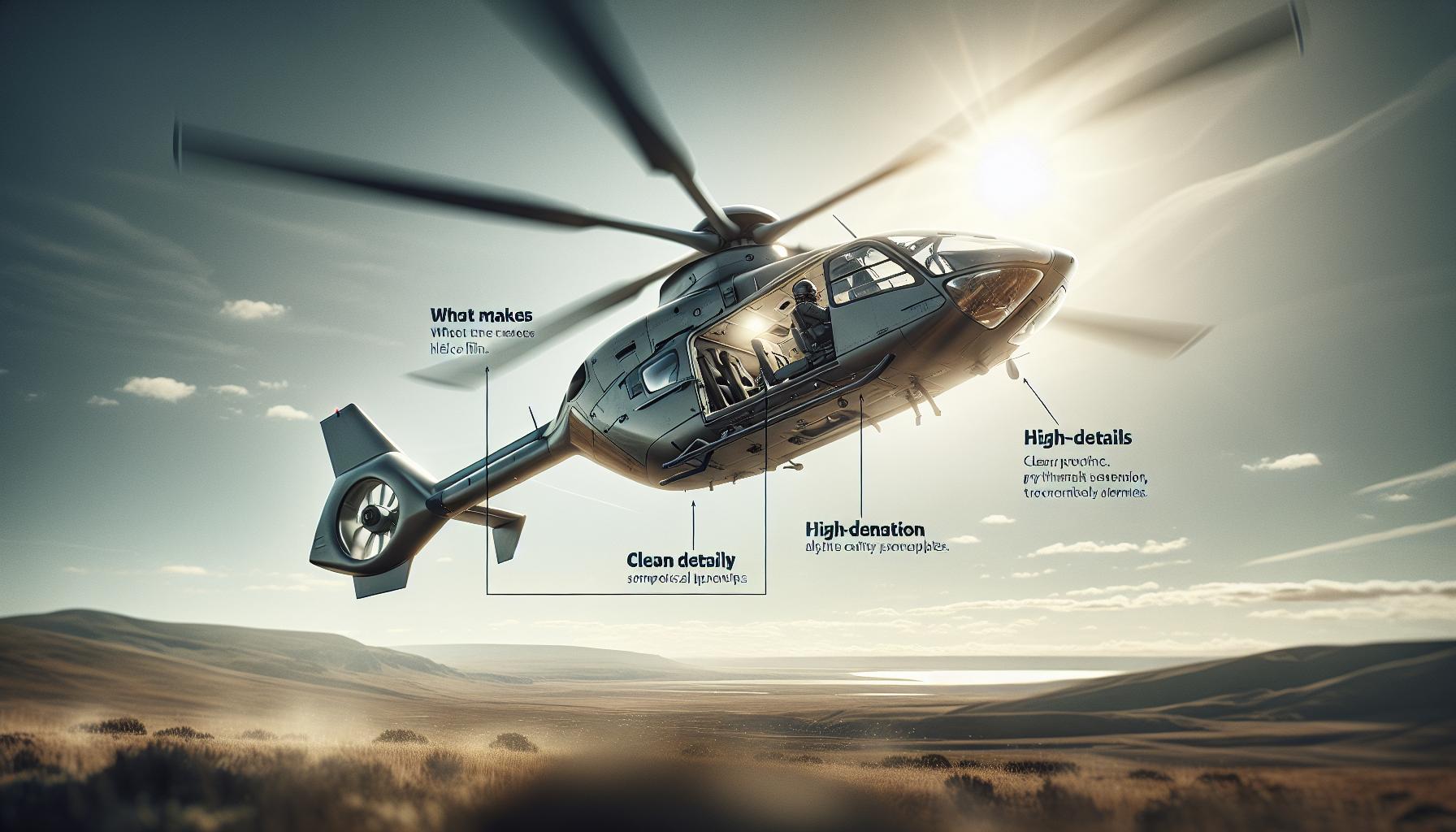
The Physics Behind Helicopter Climb Dynamics
The mechanics of a helicopter’s ascent are a fascinating interplay of physics, engineering, and piloting skill. When a helicopter climbs, it’s not just about going upwards; it’s a complex dance of forces that manipulate lift, drag, and thrust. At the core of climb dynamics is the generation of lift, which occurs when the rotor blades slice through the air, creating differences in air pressure above and below them. This effect is fundamentally different from how fixed-wing aircraft generate lift through their wings.
To achieve a successful climb, pilots adjust the pitch of the rotor blades. These adjustments are crucial and can be categorized into two main types: collective pitch and cyclic pitch. Collective pitch changes the angle of all blades simultaneously, allowing for an immediate increase or decrease in lift. In contrast, cyclic pitch allows for directional control by tilting the rotor disc, enabling the helicopter to ascend while moving forward or sideways. This nuanced control of rotor blade angles is vital for maintaining stability and achieving efficient climbs.
Several external factors also influence climb performance, among which weight and load are the most significant. A helicopter’s climbing capacity is limited by its maximum takeoff weight, including passengers, cargo, and fuel. The heavier the load, the greater the demand for engine power to produce enough lift. Coupled with this is the impact of air density on performance; as altitude increases, air becomes thinner, reducing the lift generated by the rotor blades. Therefore, pilots must carefully consider weight distribution and environmental conditions when planning ascents, especially in high-altitude or hot weather scenarios where climb performance can degrade.
In summary, the climb dynamics of helicopters illustrate a perfect blend of physics and mechanical artistry. By understanding how lift is generated and the critical role of rotor adjustments, aspiring pilots can better appreciate the skill required to perform these extraordinary aerial maneuvers. Whether navigating through urban landscapes or ascending over rugged terrains, mastering the physics of helicopter climbs opens the door to a world of aviation possibilities.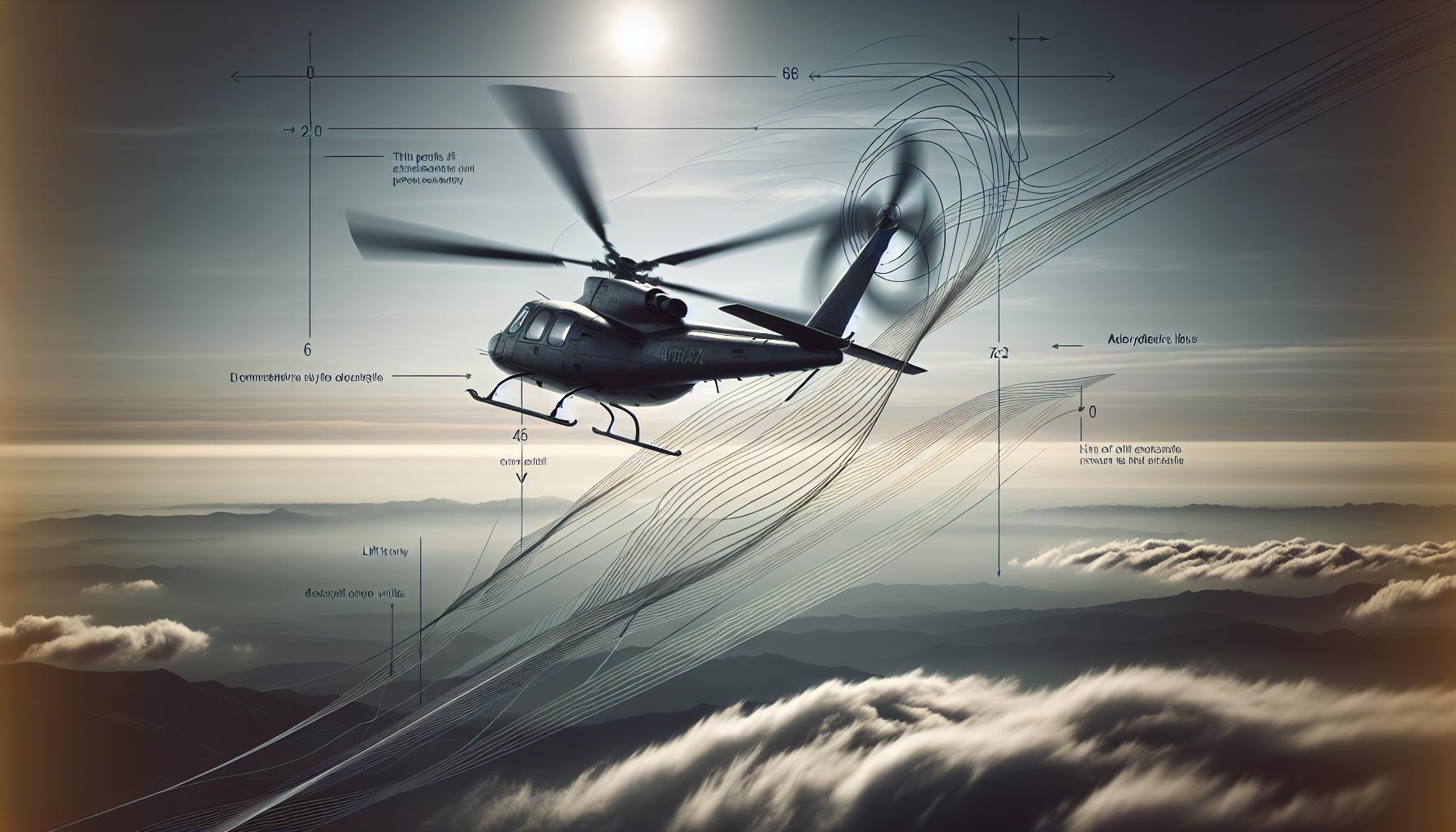
Understanding Collective and Cyclic Pitch Adjustments
To truly appreciate how a helicopter climbs, one must delve into the pivotal adjustments made to its rotor blades: collective and cyclic pitch control. These adjustments are not merely technical; they are essential for maneuvering through diverse flying conditions, making them fundamental to helicopter dynamics. Understanding how these two models of pitch control interact can illuminate the intricacies not only of flight mechanics but also of effective piloting.
Collective pitch refers to the simultaneous adjustment of the angle of all rotor blades. By changing this angle, pilots can alter the total lift produced by the rotors. For instance, increasing collective pitch leads to additional lift, enabling the helicopter to ascend, while reducing it allows for descent. This shift is particularly critical during takeoff and climb phases, where immediate lift increases can significantly impact safety and performance. The responsiveness of collective pitch adjustments highlights why helicopters can hover in place, unlike fixed-wing aircraft, which require speed to generate lift.
On the other hand, cyclic pitch allows pilots to tilt the rotor disc by altering the angle of individual blades as they rotate around the mast. This capability not only facilitates lateral movement but also enhances climb efficiency by affecting the helicopter’s trajectory. For example, by adjusting the cyclic pitch, a pilot can climb at an angle while moving forward, effectively creating a path that combines altitude gain with horizontal flight. This precision is crucial for navigating obstacles or executing tactical maneuvers during missions, showcasing the helicopter’s versatility in various flying environments.
Both adjustments are influenced by several external factors, such as air density and the helicopter’s weight load. At higher altitudes, where air density is lower, pilots must be particularly adept at fine-tuning both collective and cyclic pitch to maintain optimal performance. By mastering these adjustments, aspiring pilots can enhance their climbing proficiency and ensure safer, more effective flights. Understanding the balance and interaction between collective and cyclic pitch not only builds a deeper knowledge of flight mechanics but also fosters a more intuitive piloting technique-a skill that is invaluable in the world of aviation.
Ultimately, the harmonious interplay of collective and cyclic pitch adjustments transforms a helicopter’s ascent into a display of engineering brilliance and piloting acumen. With practice and experience, pilots can execute climbs that exemplify the extraordinary capabilities of helicopters, opening avenues for exploration and adventure in the skies.
Influence of Weight and Load on Climb Performance
The ability of a helicopter to climb effectively is profoundly influenced by its weight and load. When a helicopter is overloaded, it requires additional lift to ascend, which can strain the rotor system and affect overall performance. This dynamic illustrates a fundamental principle in aviation: the relationship between weight, lift, and power. Understanding how these factors interplay allows both pilots and enthusiasts to appreciate the complexities of helicopter flight dynamics.
A helicopter’s maximum takeoff weight (MTOW) is critical in determining its climbing performance. Every helicopter comes with specifications that detail its MTOW, which includes the weight of the aircraft itself, fuel, cargo, passengers, and any other equipment. If the combined weight exceeds this limit, the helicopter may struggle to gain altitude or, in extreme cases, fail to take off altogether. Light utility helicopters, for example, are designed to carry smaller loads, whereas transport helicopters are built to handle significantly heavier payloads.
When assessing how weight impacts climb performance, consider these key points:
- Lift Generation: The rotor blades generate lift by moving through the air. An increase in the helicopter’s weight requires a corresponding increase in lift, necessitating a higher angle of attack and greater power from the engine.
- Climb Rate: As the weight increases, the climb rate decreases. This is particularly noticeable at higher altitudes, where the thinner air reduces lift efficiency. Pilots must carefully monitor weight distribution to optimize climbing performance.
- Fuel Management: Efficient fuel management is crucial. Pilots should calculate fuel weight and potential cargo optimally to ensure they do not exceed MTOW at any point during flight.
For those interested in pursuing a career in aviation or enhancing their piloting skills, understanding these dynamics is vital. Training programs often emphasize load calculations and proper weight management strategies to ensure safe and efficient operation.
In real-world scenarios, cargo helicopters illustrating the consequences of exceeding weight limits offer valuable lessons. For instance, during humanitarian missions, a helicopter loaded with supplies must carefully calculate its payload to ensure successful climbs to remote locations, demonstrating how crucial weight considerations are in operational contexts.
Ultimately, a helicopter’s climb performance exemplifies the delicate balance between power, weight, and aerodynamic efficiency. By mastering these concepts, aspiring pilots and aviation enthusiasts can deepen their knowledge of flight dynamics and improve their capabilities in the skies.
How Air Density Affects Helicopter Climb Rates
As a helicopter ascends, one of the most critical environmental factors influencing its climb rate is air density. At sea level, air is denser and provides ample lift for the rotor blades, allowing the aircraft to achieve optimal performance. However, as altitude increases, air density decreases, presenting significant challenges for both pilots and the aircraft’s capabilities. Understanding how this phenomenon affects helicopter climb rates is vital for safe and efficient operations, particularly in emergency scenarios or mountainous regions.
Air density is influenced by several key factors, including altitude, temperature, and humidity. At higher altitudes, the atmospheric pressure drops, causing the air molecules to spread out. This reduction in density means that helicopter rotors encounter fewer air molecules, resulting in less lift being generated for the same rotor speed. To compensate for this loss, pilots may need to adjust their flying techniques or reduce the helicopter’s weight by shedding cargo or fuel. The effects can be particularly pronounced in hot weather, where high temperatures further reduce air density, exacerbating lift challenges.
When planning a flight, pilots must consider the aircraft’s performance charts, which detail how varying conditions affect climb capabilities. Here are some practical considerations:
- Performance Tables: Consult performance charts that specify how climb rates change with temperature and altitude. This can help anticipate challenges during ascent.
- Monitoring Weight: Keeping the helicopter within its weight limits is even more crucial at higher elevations where air density is lower. Overloading can lead to significant climb issues.
- Utilizing Ground Effect: During takeoff from a flat, solid surface, pilots can take advantage of ground effect, which occurs when the helicopter is close to the ground, enhancing lift and increasing climb rates.
Ultimately, mastering the relationship between air density and climb performance prepares pilots to make informed decisions, ensuring safe and effective flight operations. For aspiring pilots, understanding these dynamics is essential not only for passing examinations but also for real-world flying experiences where safety and performance must always be balanced.
Comparing Climb Performance: Different Helicopter Models
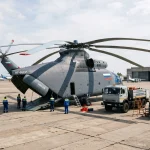
When evaluating the climb performance of various helicopter models, it becomes clear that not all helicopters are created equal. Design, rotor size, engine power, and weight distribution play pivotal roles in how well a helicopter can ascend. For example, the Bell 206, a popular light helicopter, is known for its smooth climb and efficiency, making it a favorite among flight schools and tour operators. In contrast, the Sikorsky S-76, with its twin-engine setup, offers higher climb rates at maximum weight, showcasing the advantage of greater power in larger models.
Understanding the specifics of climb performance can help pilots choose the right helicopter for their needs. Some helicopters, like the Robinson R44, excel in weight-sensitive operations due to their lower empty weight and efficient climb rates in calm air conditions. Conversely, models such as the Eurocopter EC135, with advanced avionics and robust engine performance, can maintain effective climb rates at higher altitudes, making them ideal for innovative roles such as air medical transport and search and rescue missions.
One fascinating aspect of comparing climb performance across helicopters is the influence of technology. Modern advancements, including composite materials and sophisticated rotor designs, have significantly enhanced climb capabilities. It’s not just about raw power; the integration of technology also allows pilots to optimize ascent techniques in real-time. For instance, many current models provide data feedback, enabling adjustments to flight parameters on the fly, which boosts climb efficiency.
When assessing different helicopter models, it’s essential to also consider mission requirements. A helicopter designed for agricultural operations may prioritize short vertical climbs in demanding environments, while one used for executive travel may focus on speed and altitude efficiency. By recognizing these differences, aspiring pilots or enthusiasts can better appreciate the unique strengths and limitations of each model, helping them to make informed decisions based on their specific needs and operational contexts.
Common Factors Leading to Climbing Issues
Challenges can arise when a helicopter struggles to gain altitude, and understanding these issues is vital for pilots and aviation enthusiasts alike. Mechanical failures, environmental factors, and pilot decisions play crucial roles in climbing dynamics. Recognizing these factors can help mitigate risks and improve overall performance in flight.
One of the primary concerns affecting climb performance is weight and load. Each helicopter has a maximum takeoff weight (MTOW), and exceeding this limit can severely impair climbing capability. As fuel burns off, a helicopter may gain the ability to climb, but improper load distribution can lead to instability and compromise performance. For example, unevenly distributed cargo can cause a helicopter to tilt, decreasing lift and complicating ascent. Pilots must consistently evaluate weight and balance before takeoff, ensuring that loads are within safe parameters.
Environmental conditions also significantly influence climb performance. High-density altitudes, caused by elevated temperatures, high elevations, and humidity, can lessen the effectiveness of a helicopter’s rotor system. In such conditions, the air is less dense, providing less lift. For instance, flying in hot weather over a mountain might pose greater challenges than in cooler, denser air. Pilots should always consult density altitude charts and be prepared to adjust their flight plans based on weather conditions.
Pilot technique is another critical aspect of effective climbing. Mismanagement of rotor blade pitch can lead to inadequate thrust. The collective pitch control mechanism adjusts the angle at which the rotor blades meet the air; if the pitch is set incorrectly, the helicopter may stall instead of climbing. Training on how to effectively manipulate both collective and cyclic controls is essential for achieving optimal performance during ascent.
Ultimately, climbing issues in helicopters can stem from a mix of mechanical, environmental, and piloting factors. By focusing on proper weight management, recognizing how the environment affects performance, and mastering flight controls, pilots can enhance their climbing efficiency, increasing safety and effectiveness in varied operational contexts. As always, continual education and experience are paramount in navigating these challenges successfully.
Pilot Techniques for Efficient Helicopter Climb
To achieve a successful climb, pilots must develop a keen understanding of both the mechanical and aerodynamic intricacies of their helicopters. One pivotal technique involves mastering the manipulation of rotor blade pitch through the use of collective and cyclic controls. The collective pitch lever adjusts the pitch of all rotor blades simultaneously, allowing for an increase or decrease in lift. This adjustment is critical during the initial stages of ascent. By smoothly raising the collective while maintaining a steady airspeed, pilots can attain an optimal climb rate. Conversely, if the collective is raised too quickly, the helicopter may lose airspeed and stall, underscoring the need for careful, deliberate inputs.
Understanding Power Management
Effective pilots also understand the vital relationship between power and climb performance. In helicopter operations, power is not just a matter of throttle but encompasses how the engine performance interacts with the rotor system. A sudden increase in collective pitch demands an appropriate increase in engine power to avoid a drop in rotor RPM, which would adversely affect lift. During climb, pilots should continually monitor engine gauges and adjust throttle inputs to match the demands of the ascent. Practicing this power management both in simulator training and real-time flight is essential for developing instincts that will help ensure safe and efficient climbs.
Situational Awareness and Adjustments
In addition to technical skills, situational awareness is a cornerstone of climbing efficiency. Pilots should be attuned to rapidly changing environmental conditions, such as wind shear or temperature variations, that can drastically affect lift. For instance, ascending in a headwind can provide additional lift, while a tailwind might require adjustments to maintain a safe climb rate. Being proactive-such as altering the climb angle or adjusting airspeed in response to weather changes-enables pilots to utilize available resources to enhance performance. Furthermore, understanding the helicopter’s specific operational envelope will allow them to optimize climb rates based on the helicopter’s configuration, load, and environmental conditions.
Ultimately, the combination of precise control inputs, effective power management, and high situational awareness will empower pilots to master the art of climbing and improving flight safety and efficiency. By continuously refining these techniques, pilots not only enhance their climb capabilities but also foster a deeper respect for the complex dynamics at play in helicopter flight.
Aerodynamic Concepts Every Helicopter Pilot Should Know
Understanding the aerodynamics behind helicopter flight is crucial for any pilot who aspires to climb efficiently and safely. One of the first principles every aspiring aviator should grasp is the concept of lift, which is generated through the interaction of rotor blades with air. As a helicopter ascends, the rotor blades must cut through the air at a specific angle to produce sufficient lift, which relies heavily on the lift-to-drag ratio. A higher ratio indicates that the rotor is efficiently converting energy into lift, a vital factor in achieving optimal climbing rates.
Another essential element to consider is the phenomenon of induced drag, which increases as the helicopter gains altitude. When climbing, the angle of attack of the rotor blades increases, which initially boosts lift but also raises drag. Pilots must adeptly manage this balance-maintaining adequate airspeed while minimizing drag to enhance climb performance. Managing collective pitch correctly is fundamental here; if the pitch is increased too abruptly, the helicopter can experience a rapid decrease in airspeed known as helicopter stall.
A crucial aerodynamic concept is ground effect, which significantly influences climbing performance during takeoff and initial ascent. Ground effect occurs when a helicopter is close to the ground, where the presence of the surface alters the airflow patterns around the rotor system, effectively enhancing lift without a corresponding increase in power. Pilots can often exploit this effect during takeoff by remaining in ground effect for as long as possible before transitioning to a full climb, thereby improving their climb rate.
To summarize these concepts into actionable advice, pilots should focus on the following key areas:
- Mastering Rotor Pitch Adjustments: Understanding how collective and cyclic pitch affect lift and drag is vital. Smooth, incremental adjustments lead to more controlled and efficient climbs.
- Utilizing Ground Effect: During takeoff, remain low to the ground to maximize lift gain from ground effect before transitioning to a full climb.
- Monitoring Airspeed and Drag: Keep a close eye on your airspeed and make gradual adjustments to the pitch to avoid stalling conditions, especially in dense air or while climbing.
By familiarizing themselves with these aerodynamic principles, helicopter pilots can enhance their effectiveness in climbing maneuvers and improve overall flight safety. This knowledge not only builds confidence in handling the aircraft but also deepens the appreciation for the engineering marvels that allow helicopters to perform their dynamic flights.
The Role of Engine Power in Climb Capability
The engine power of a helicopter plays a critical role in determining its climbing capability, directly influencing how effectively the aircraft can generate lift and overcome various challenges during ascents. Helicopter engines, whether turbine or piston-driven, are designed to provide the necessary horsepower to rotate the rotor blades at optimal speeds, allowing for sufficient lift generation. A helicopter’s ability to climb is contingent on this power output, coupled with other factors such as weight and environmental conditions.
When a pilot initiates a climb, the engine must produce enough torque to counteract the helicopter’s weight while also overcoming induced and profile drag. The relationship between engine power and climbing performance becomes evident during heavy load conditions or at high altitudes, where engine performance can degrade due to thinner air. Pilots need to understand their helicopter’s power-to-weight ratio, as a higher ratio typically results in better climb performance. For instance, a light aircraft with a powerful engine can climb more swiftly than a heavier helicopter struggling under the weight of cargo or passengers.
To optimize climb rates, pilots can adjust their strategies based on engine power availability:
- Throttle Management: Efficient use of throttle helps maintain optimal rotor speed without unnecessary fuel consumption, ensuring maximum power is available when needed.
- Weight Considerations: Pilots should be aware of weight limits and balance as excessive load can tax the engine, reducing effective climb performance.
- Performance Charts: Consulting the helicopter’s performance charts can provide insights on how engine power affects climb rate under specific conditions.
Understanding the engine’s limitations is vital, as well. If the engine is underperforming due to mechanical issues or environmental factors, such as high temperatures, pilots must adapt their flight plans. They may need to perform shallower climbs or reconsider their payload to ensure safe and efficient flight.
Moreover, advancements in helicopter technology are continuously enhancing engine efficiency, which is crucial for future climb capabilities. Innovations in materials, design, and engine performance are set to not only improve climbing dynamics but also broaden the operational envelope for helicopters, allowing for safer and more versatile flying experiences.
In summary, engine power is a fundamental aspect of helicopter climb dynamics that pilots must grasp. By leveraging this power intelligently and understanding its implications on flight performance, aspiring aviators can enhance their skills and navigate the challenges of climbing safely and effectively.
Safety Considerations During Helicopter Ascents
When a helicopter climbs, it engages in one of the most dynamic phases of flight where the balance between lift and weight must be managed with precision. Safety during these ascents is paramount, as this stage of flight can pose unique challenges for pilots. A thorough understanding of potential hazards and careful planning can significantly mitigate risks, ensuring both the safety of passengers and the integrity of the aircraft.
One of the primary safety considerations is monitoring engine performance. During ascent, a helicopter’s engine is pushed to its limits to generate the necessary lift. Pilots must be vigilant about fuel levels and engine indicators, as degradation in engine performance can lead to insufficient lift. Maintaining a close watch on temperature gauges and RPMs is essential; overheating or unusual fluctuations can indicate an impending malfunction, necessitating immediate corrective actions or a precautionary landing.
Another critical factor is awareness of environmental conditions. Helicopters are particularly sensitive to changes in air density, which can occur with altitude variations and temperature shifts. At higher altitudes, the thinner air can significantly affect climb performance and handling characteristics. Pilots should utilize performance charts before flights to understand climb performance under varying temperature and altitude conditions, allowing them to make informed decisions about weight limits and flight paths to minimize risk.
In addition, load management plays a vital role in safe ascents. Overloading a helicopter can compromise its climbing ability and stability. It’s crucial for pilots to thoroughly assess the weight of cargo and passengers and distribute it evenly. The concept of the helicopter’s center of gravity is critical-an improper balance can result in reduced control effectiveness, especially during climbs. Pilots should always prepare for under-performance situations by ensuring that they do not exceed weight limits specified in the aircraft’s flight manual.
Finally, pilot training and preparedness for emergency scenarios are indispensable. In the event of an engine failure during a climb, a pilot must know how to execute an immediate descent safely without inducing additional dangers such as a tail rotor strike. Regular simulation training and maintenance of emergency protocols are vital components of a pilot’s preparation, providing them with the skills to respond calmly and effectively during unexpected situations.
In essence, helicopter ascents, while thrilling, require a serious commitment to safety and an understanding of the dynamics involved. By prioritizing engine performance monitoring, environmental awareness, load management, and emergency preparedness, pilots can navigate the complexities of climbing with confidence, ensuring their flights are not only successful but also safe.
Exploring the Future of Helicopter Climb Technologies
As the aviation industry continues to innovate, the future of helicopter climb technologies is an exciting field that promises to reshape how these remarkable machines ascend into the skies. Emerging advancements are focused not only on increasing efficiency and safety but also on enhancing the environmental sustainability of helicopter operations.
Advancements in Rotor Design
Recent developments in rotor design are key to improving climb rates. Engineers are experimenting with composite materials and innovative blade shapes that reduce drag and enhance lift. For instance, active rotor control systems, which adjust the pitch of the blades in real time, allow helicopters to optimize their performance during climbs. This technology can react dynamically to changes in weight or weather, ensuring that the helicopter maintains a safe and efficient ascent even under challenging conditions.
Enhanced Engine Technologies
Another major focus is on hybrid and electric propulsion systems that offer greater power-to-weight ratios. These engines not only assist in achieving higher climb rates but also promise to lower emissions and fuel consumption. For example, some manufacturers are developing systems that incorporate electric motors to assist traditional turbine engines, providing a boost in power during critical phases of flight without significantly increasing overall weight.
Integrating Artificial Intelligence
Artificial intelligence (AI) is revolutionizing helicopter operations, particularly in climb management. By analyzing data from various sensors in real-time, AI can optimize flight paths, monitor engine performance, and predict potential climbing issues before they arise. This technology enhances pilots’ situational awareness, allowing for proactive management of ascent factors such as load distribution and environmental conditions.
Future Prospects and Training Implications
As these technologies advance, pilot training programs will need to adapt to incorporate new systems effectively. Understanding how to utilize AI and advanced rotor technologies will become crucial for effective climb management. Moreover, with a growing emphasis on safety through automation, it is likely that future helicopters will include features that assist pilots during critical climbing phases, potentially reducing the workload and allowing them to focus more on overall flight safety.
The future of helicopter climb technologies holds immense potential to enhance performance, safety, and sustainability. As the industry continues to evolve, both manufacturers and pilots must stay informed about these advancements to ensure they can make the most of what modern technology has to offer. Embracing these changes will not only improve operational efficiency but also redefine the capabilities of helicopters in the years to come.
Frequently asked questions
Q: What does climbing mean in helicopter flight dynamics?
A: Climbing in helicopter flight dynamics refers to the ability of the helicopter to gain altitude. This occurs when the lift generated by the rotor system exceeds the weight of the helicopter, allowing it to ascend. Understanding this process is crucial for pilots aiming to optimize climb performance.
Q: How do pilots control a helicopter’s climb rate?
A: Pilots control a helicopter’s climb rate primarily through the collective pitch control, which adjusts rotor blade angles to increase lift. Additionally, cyclic pitch adjustments can help manage the helicopter’s attitude and energy state, enhancing climb efficiency. For more details on controls, see our section on Understanding Collective and Cyclic Pitch Adjustments.
Q: What factors affect the climb performance of a helicopter?
A: Several factors affect a helicopter’s climb performance, including air density, weight load, engine power, and rotor configuration. For instance, higher temperatures and altitudes reduce air density, impacting lift generation. Further insights can be found in the section titled How Air Density Affects Helicopter Climb Rates.
Q: Why do some helicopters perform better at climbing than others?
A: Helicopter climb performance varies due to design differences, such as rotor size, engine power, and weight distribution. Advanced models often feature enhanced aerodynamics and more powerful engines, contributing to superior climbing abilities compared to older or lighter helicopters.
Q: How does cargo weight influence helicopter climb rates?
A: Increased cargo weight reduces the climb rate because it requires more lift to overcome the helicopter’s total weight. Pilots must carefully manage weight to ensure safe and efficient climbs, especially in heavy-lift operations. For more about weight effects, see Influence of Weight and Load on Climb Performance.
Q: When should a pilot abort a climb?
A: A pilot should consider aborting a climb if they experience unusual vibrations, loss of engine power, or if the climb rate falls below safety margins. Monitoring these parameters is crucial for ensuring safety during ascent, especially in challenging conditions.
Q: What is the role of engine power in a helicopter’s climb capability?
A: Engine power plays a vital role in a helicopter’s climb capability. More powerful engines provide greater lift, enabling the helicopter to ascend quickly and efficiently, even when carrying heavy loads. For deeper insights, refer to the section on The Role of Engine Power in Climb Capability.
Q: How does altitude affect helicopter climbing?
A: Climbing at higher altitudes poses challenges due to decreased air density, which reduces lift. Helicopters may experience diminished climb rates as they ascend, prompting pilots to adjust their ascent strategies accordingly to maintain optimal performance.
For further exploration into helicopter flight dynamics, feel free to check other sections related to climb performance and safety considerations!
Insights and Conclusions
Understanding helicopter climbing dynamics not only enhances your appreciation for aviation but also deepens your knowledge of flight mechanics. As you explore how helicopters ascend, consider diving deeper into related topics such as “Helicopter Control Techniques” and “Understanding Rotorcraft Lift”. These resources will further enrich your grasp of flight dynamics.
If you’re curious about becoming a pilot or wish to learn more about helicopter operations, don’t hesitate to check out our career guides and training resources.
Join our newsletter for the latest insights, tips, and news from the world of aviation! Your feedback is valuable-share your thoughts in the comments below and connect with fellow helicopter enthusiasts. Keep exploring, and soon you’ll be navigating the skies with confidence!
Get our latest guides, news, and insights highlighted in your Google Search & AI Overviews.