Did you know that unlike fixed-wing aircraft, helicopters can stall in a unique and complex way? Understanding how this phenomenon occurs is essential for both aspiring pilots and aviation enthusiasts. Stalls in helicopters don’t just mean losing altitude; they can lead to dangerous situations if not properly managed. In the world of rotorcraft, stalling involves the loss of lift due to a variety of factors, including rotor angle and speed. This topic is crucial, as it dives into the physics behind flight and safety, empowering readers to grasp how helicopters operate under various conditions. Whether you aspire to become a pilot, are fascinated by aviation technology, or want to ensure safe flying practices, exploring the concept of helicopter stalls will provide valuable insights. Join us as we unravel the physics behind this captivating subject and learn how to navigate the skies safely and confidently.
Can Helicopters Really Stall? Understanding the Basics
Helicopters, with their unique ability to hover and perform agile maneuvers, inherently face challenges that fixed-wing aircraft do not. One such challenge is the risk of stalling, a phenomenon often misunderstood in the realm of rotorcraft. It’s vital to understand that while the concept of stalling is commonly associated with airplanes, helicopters can stall too-but the mechanics and implications differ significantly.
In essence, a helicopter stall occurs when the rotor blades fail to generate sufficient lift due to inadequate airflow, often linked to excessive angles of attack or abrupt maneuvers. Unlike airplanes, where stalling typically leads to a loss of control in straight flight, helicopters experience stalls primarily when they are in a vertical or near-vertical descent. Additionally, the pilot must consider the aircraft’s configuration, as a heavy load or improper balance can exacerbate the risk of stalling.
The dynamic nature of helicopter flight means that understanding the stall characteristics is crucial for pilot training and operational safety. It is not just about recognizing that stalls can happen but also knowing how to prevent them through sound flying techniques and recognizing the signs that indicate an impending stall. By mastering these skills, aspiring pilots can enhance their safety and operational efficiency, making them well-equipped to handle the intricacies of rotorcraft aviation.
Overall, demystifying the concept of stalls in helicopters helps foster a deeper understanding of their flight dynamics and the importance of thorough training. Whether you are a student pilot or an aviation enthusiast, appreciating these nuances contributes to a greater respect for the capabilities and limitations of these remarkable machines.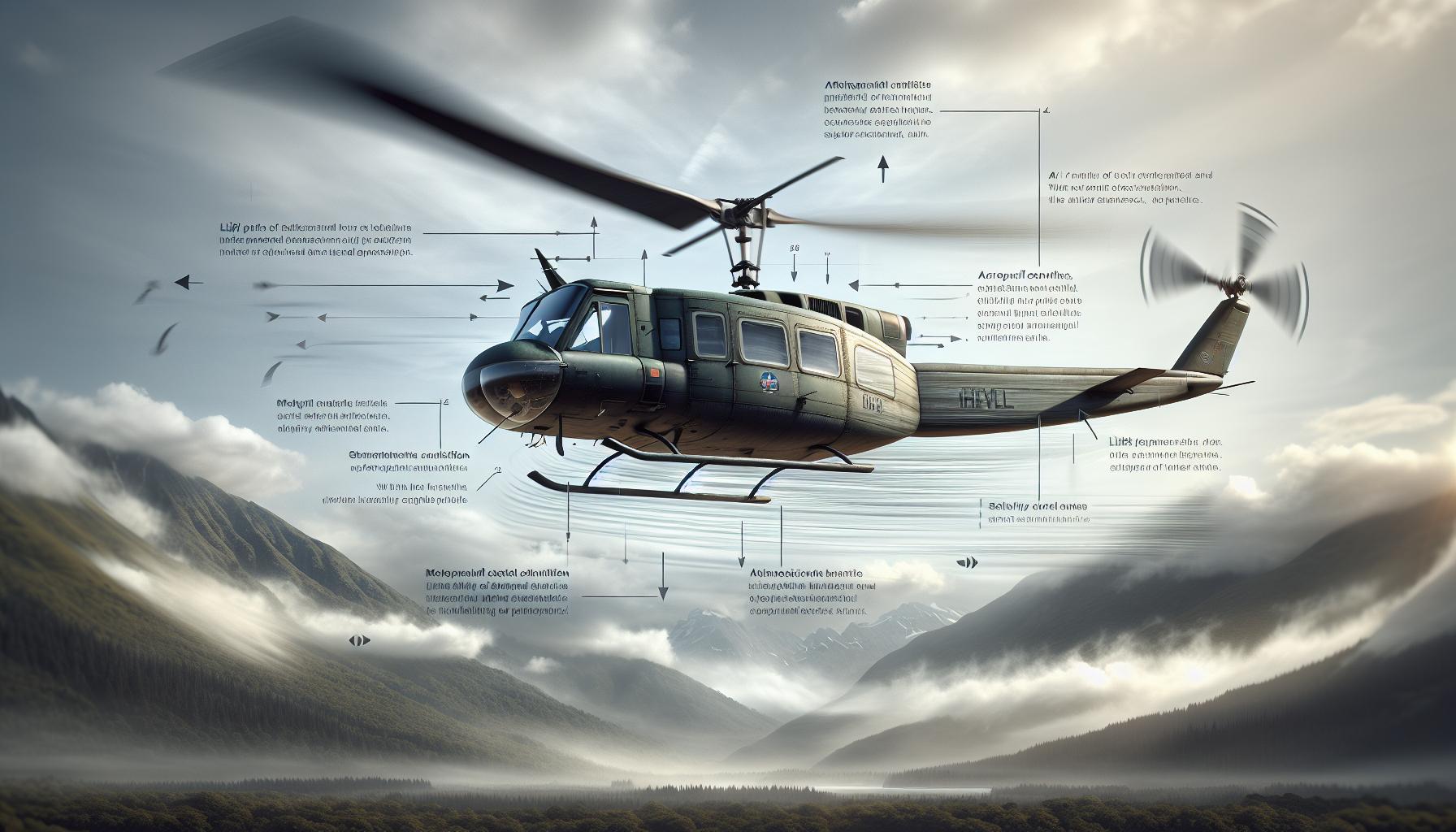
How Does Helicopter Stall Occur? The Physics Behind It
A helicopter’s ability to hover and maneuver against the forces of gravity is a marvel of engineering, but it also introduces unique challenges, such as the risk of stalling. In fundamental terms, a helicopter stall occurs when the rotor blades can no longer generate enough lift to support the aircraft’s weight, primarily due to an insufficient airflow around the blades. This phenomenon can manifest under specific conditions that pilots must be vigilant about.
When a helicopter ascends or hovers, the rotor blades must maintain an optimal angle of attack-essentially the angle between the incoming air and the blade. If this angle becomes too steep, the airflow over the blades can separate, leading to a significant drop in lift. Several factors can contribute to this excessive angle of attack, including sudden maneuvers, abrupt changes in speed, or even environmental influences like turbulence or wind shear. Unlike fixed-wing aircraft, which typically stall during level flight, helicopters can stall while descending due to excessive loading or improper pilot inputs, especially when flying too close to the ground or attempting to hover under heavy load.
Once a stall occurs, recovery is crucial and must be executed promptly. Understanding the physics behind the rotorcraft’s lift dynamics allows helicopter pilots to prevent stalls through proper training and careful handling during flight. Continuous monitoring of rotor speed and aircraft configuration is essential, as even small changes can lead to significant variations in performance. Moreover, pilots learn to anticipate and recognize early signs of an impending stall, such as changes in vibration or unusual sounds, enabling them to take necessary corrective actions swiftly.
The interplay of rotor speed, load factors, and pilot input makes the study of helicopter stalls both complex and fascinating. Pilots must not only be knowledgeable about their aircraft but also skilled in making quick decisions based on real-time flight dynamics. With proper training and awareness, the risks associated with stalling can be effectively managed, ensuring safe and sensational rotorcraft experiences.
Types of Helicopter Stalls: Dynamic vs. Power Stalls
Understanding the nuances of helicopter stalls is crucial for any pilot, especially when navigating the dynamic environment in which these machines operate. Helicopters can experience two primary types of stalls: dynamic stalls and power stalls. Each type presents unique characteristics and challenges that pilots need to comprehend to maintain control and safety during flight.
Dynamic stalls often occur during high-speed maneuvers or abrupt changes in flight direction. When the helicopter transitions from a high-speed forward movement to a hover or when executing a sharp turn, the rotor blades may reach a critical angle of attack where airflow begins to separate. This separation drastically reduces lift, causing the helicopter to experience a sudden drop in altitude. Key factors contributing to dynamic stalls include excessive load factors and rapid changes in flight attitude. Pilots must maintain a smooth and controlled application of cyclic and collective inputs to avoid these situations.
On the other hand, power stalls are primarily connected to the loss of power from the engine, particularly during low-speed operations such as hovering. In this scenario, if the helicopter’s rotor begins to slow down due to insufficient engine power or improper throttle management, the lift generated by the rotor blades diminishes. As a result, the angle of attack may increase to a point where a stall occurs, often leading to a loss of control. Pilots should be vigilant when operating near the helicopter’s power margin and ensure that the throttle is adequately managed, especially in critical phases of flight.
In preparation for incidents of either type, pilots are trained to recognize the signs of impending stall conditions, including changes in rotor noise, vibrations, and a noticeable feel in the cyclic control. Awareness, proactive monitoring, and correct piloting techniques are essential strategies that can significantly reduce the likelihood of encountering these potentially hazardous stall situations. By understanding the differences between dynamic and power stalls, pilots can enhance their flying skills and ensure safer operations in a variety of flight conditions.
Impact of Weight and Balance on Helicopter Stability
Weight and balance are critical factors in determining the stability and overall performance of a helicopter. Unlike fixed-wing aircraft, where weight distribution is relatively straightforward, helicopters present unique challenges. The placement of weight significantly affects the center of gravity (CG), which, in turn, influences flight characteristics. For instance, if a helicopter is loaded incorrectly-with too much weight at the front or back-it can lead to adverse handling qualities, affecting the pilot’s ability to maintain control.
When the helicopter’s CG is outside its operating limits, it can become prone to stalling. A nose-heavy condition might cause the helicopter to respond sluggishly to inputs, while a tail-heavy configuration can increase the risk of dynamic stalls, especially during aggressive maneuvers. This imbalance may lead to difficulty in maintaining rotor speed and lift, particularly during critical phases of flight such as takeoff and landing.
Practical Tips for Maintaining Weight and Balance
To ensure optimal performance and safety, pilots and operators should:
- Conduct Regular Weight and Balance Checks: Prior to every flight, evaluate the cargo, fuel, and passenger weights. Always refer to the helicopter’s flight manual for specific weight limits and loading recommendations.
- Use Load Calculators: Many modern helicopters come with load calculation tools, either built into the avionics or as external applications. Utilizing these can simplify the process of determining proper weight distribution.
- Understand Load Shifts: Be mindful that loading conditions can change during flight. Fuel consumption alters the weight distribution as fuel is burnt, which can shift the CG and affect stability.
- Training and Simulation: Engage in training sessions that simulate loading scenarios and their effects on flight dynamics. This can help pilots recognize and adapt to potential issues during actual flights.
By being vigilant about weight and balance, pilots can enhance their helicopter’s stability, reducing the risk of entering stall conditions. This knowledge not only contributes to safer operations but also builds confidence in handling complexities during flight, an essential trait for any aspiring helicopter pilot.
Signs of an Impending Stall: What to Look For
Recognizing the signs of an impending stall is crucial for the safety and control of a helicopter. As the rotorcraft begins to approach stall conditions, pilots may notice subtle changes in the aircraft’s response. One of the most common indicators is a decrease in responsiveness to control inputs. If a helicopter feels sluggish or unresponsive, particularly during maneuvers that require quick adjustments, it may be a sign that the aircraft is getting close to stalling. During these moments, attention must be heightened, as the next actions taken can significantly impact the flight.
Additionally, pilots should be aware of changes in rotor speed and engine performance. A noticeable fluctuation in rotor RPM, particularly if combined with an increase in collective pitch without adequate power, can be an alarming sign. This scenario often leads to ‘power stalls’, where insufficient power is available to maintain lift. Similarly, a gradual loss of altitude or an unusual decrease in climb performance can signal that the helicopter’s lift is becoming compromised.
Another vital sign includes changes in the aircraft’s sound. Experienced pilots often develop an acute sense of hearing for their helicopter’s nuances; any unusual noise-like a deepening or straining engine sound-can indicate a problem. Visual cues also play a role; if a pilot begins to see an unsteady or bouncing flight path, it might indicate that the helicopter is no longer flying on a steady airflow, further compounding the risk of a stall.
To prepare for these situations, pilots must engage in regular training and simulations that emphasize recognizing the early signs of stall conditions. Mindfulness about weight distribution and center of gravity can also aid in maintaining control. Staying vigilant and responsive to the helicopter’s behavior can help mitigate risks, allowing for timely interventions before a stall becomes critical.
Pilot Training: Preventing and Recovering from a Stall
Understanding how to prevent and recover from helicopter stalls is crucial for every pilot, as the stakes in rotorcraft aviation are inherently higher. Helicopters can stall, often leading to dangerous situations if not managed correctly. Comprehensive training that emphasizes both prevention and recovery techniques can significantly enhance safety and pilot confidence.
Key Prevention Strategies
Effective pilot training begins with a solid grasp of the helicopter’s aerodynamic principles. Pilots must learn to recognize the conditions that predispose a helicopter to stall, such as excessive bank angles, abrupt altitude losses, or abrupt collective movements. Regularly practicing these scenarios in a controlled environment is essential. Training should include:
- Simulator Exercises: Use simulators to rehearse stall scenarios without risking safety. Simulations allow pilots to explore recovery techniques and develop muscle memory for critical responses.
- Weight and Balance Awareness: Pilots should familiarize themselves with their helicopter’s weight limits and distribution, as improper loading can adversely affect performance and stall characteristics.
- Maneuvering Skills: Practice low-speed maneuvers like hovering and takeoff in various load conditions to understand how adjustments in control inputs affect stability.
Recovery Techniques
In the event of an impending stall, quick and decisive action is necessary. Training must emphasize the following recovery techniques:
- Lowering Collective Pitch: Reducing collective pitch initiates a decrease in lift, allowing the rotor speed to increase and regain control.
- Leveling the Wings: Ensuring that the helicopter is level can help minimize the risk of an uncontrollable descent.
- Accelerating Forward: Transitioning to forward flight can alleviate stall conditions as the rotor system generates more airflow across the blades.
With real-life examples and incidence analysis, the importance of comprehensive training becomes clear. Historical data shows that many helicopter accidents arise from stalls occurring in critical flight phases, underscoring the need for proactive training. By emphasizing a mindset focused on prevention and rapid recovery, pilots can navigate the complexities of helicopter flight with greater assurance and skill. The aviation community continually learns from past incidents, fostering an environment where safety measures are regularly updated and reinforced within training programs.
For aspiring pilots and enthusiasts alike, understanding these principles not only enhances flight safety but also enriches the overall flying experience. Whether you’re in flight school or simply passionate about helicopter aviation, this knowledge arms you with the skills needed to face challenges head-on while honoring the legacy and safety of the craft.
Real-Life Helicopter Stall Incidents: Lessons Learned
In the world of aviation, few incidents garner as much attention and concern as helicopter stalls. These events can lead to catastrophic consequences, making it essential for pilots to learn from past experiences. One notable case is the tragic incident involving a multi-rotor helicopter that crashed during a public demonstration, leading to the loss of several lives. Investigators determined that the pilot, in a bid to showcase the helicopter’s capabilities, initiated a rapid descent at an extreme angle, which caused the aircraft to exceed its critical angle of attack and ultimately stall. This incident serves as a grave reminder of the importance of adhering to safety protocols and the inherent risks of pushing boundaries during flights.
Lessons in Training and Procedure
These real-life events highlight several critical lessons that pilots and instructors must prioritize in their training programs. First, understanding the fundamental principles behind helicopter stalls is crucial. For instance, pilots should be well-versed in the signs of an impending stall, such as vibrations in the controls and a noticeable increase in engine noise. Recognizing these indicators early allows for timely corrective action and avoidance of dangerous situations.
Another significant lesson is the importance of simulated training. Many emergency scenarios, including stalls, can be practiced in a safe, controlled environment. Using flight simulators, trainees can experience stall recovery techniques without the associated risks of actual flight. This practice is invaluable, as it builds a pilot’s confidence and proficiency in executing critical maneuvers when facing real-life challenges.
Refining Operational Procedures
Furthermore, each stall incident reaffirms the necessity for strict adherence to operational protocols. In the pilot community, there’s a saying: “Fly the aircraft first, then the mission.” Pilots should always prioritize aircraft performance and safety over any external factors, whether they involve timelines, passenger expectations, or personal pride. This patient, calculated approach is crucial, especially in challenging weather conditions or high-stress flight situations.
Ultimately, learning from past mistakes can save lives. By integrating lessons from real-life stall incidents into educational paradigms, the aviation community can foster an environment of safety, awareness, and thorough training that benefits both new pilots and seasoned professionals alike. Each incident serves not just as a cautionary tale but as a stepping stone toward a more knowledgeable and proficient helicopter pilot population.
The Role of Rotor Speed in Helicopter Performance
Rotor speed plays a critical role in helicopter performance, influencing everything from lift generation to stability. To appreciate this, consider that the rotor blades of a helicopter act much like the wings of an airplane, creating lift as they spin through the air. The faster the rotor blades rotate, the greater the lift produced, allowing the helicopter to rise, hover, and maneuver effectively. However, maintaining the correct rotor speed is essential; too low, and the rotor may not generate enough lift to keep the helicopter airborne; too high, and it could lead to aerodynamic stall or mechanical failure.
A helicopter’s rotor system is designed to operate within a specific range of speeds-often referred to as the “rotor RPM.” Each helicopter has an optimal rotor speed defined by its manufacturer, which ensures the best performance and safety. For example, the rotor speed significantly influences the helicopter’s responsiveness during flight maneuvers. In situations where immediate altitude changes are necessary, like avoiding obstacles or executing rapid descents, pilots depend heavily on precise rotor speed control. Maintaining the appropriate speed not only affects lift but also the overall handling characteristics of the aircraft.
Furthermore, rotor speed is intricately linked to fuel efficiency. Higher rotor speeds require more power from the engines, often leading to increased fuel consumption. Conversely, a reduction in rotor speed can be beneficial for fuel saving, provided it remains within safe operational limits. Pilots are trained to monitor engine and rotor parameters vigilantly to optimize performance, especially during extended flights.
In adverse conditions, such as during turbulent weather or when carrying heavy loads, rotor speed adjustments become crucial. A well-trained pilot understands how to balance rotor speed with the aircraft’s weight and environmental factors, ensuring a stable flight. This intricate ballet of speed, weight, and lift is what separates experienced pilots from novices, highlighting the importance of comprehensive training and understanding of rotor dynamics in helicopter aviation.
In summary, rotor speed is not merely a technical specification; it is a fundamental aspect of helicopter operation that impacts safety, performance, and fuel efficiency. Mastery of rotor speed control is essential for pilots, influencing every aspect of flight from ordinary operations to emergency situations. This awareness of rotor dynamics is key for aspiring pilots, ensuring they appreciate the complexities of their craft while nurturing a passion for aerial adventures.
Aerodynamic Principles: Lift, Thrust, and Drag Explained
In the world of aviation, understanding the fundamental aerodynamic principles of lift, thrust, and drag is crucial for anyone interested in flying, particularly in helicopters. Unlike fixed-wing aircraft, helicopters generate lift through their rotating blades, which function similarly to airplane wings-but with unique challenges and characteristics. When piloting a helicopter, it is essential to grasp how these forces interact and influence performance.
Lift is the force that allows a helicopter to rise off the ground. It is achieved by manipulating the angle of attack of the rotor blades as they spin through the air. As the blades rotate, air pressure decreases on the top surface while increasing on the bottom, creating a differential that results in lift. This dynamic is crucial; if the angle of attack becomes too steep, the airflow can separate from the blades, leading to a stall. Pilots must be vigilant about maintaining optimal lift conditions, especially during critical phases such as takeoff and hover.
Thrust, on the other hand, is the forward force that propels the helicopter through the air and is generated by the rotation of the main rotor blades. The pilot controls thrust by adjusting the throttle and collective pitch of the rotor blades. When the pilot increases pitch, more thrust is produced, which can lead to ascent. However, increasing thrust demands attention to weight and balance; if thrust exceeds capacity, it can also precipitate a stall. Proper management of thrust is essential not only for maintaining altitude but also for ensuring safe maneuvers.
Drag, the opposing force to thrust, plays a significant role in helicopter flight. It is divided into two primary components: induced drag and profile drag. Induced drag occurs as a byproduct of lift, typically increasing at lower speeds, while profile drag is associated with the shape of the rotor blades and remains constant across various speeds. Pilots must be mindful of drag during flight planning and execution; excessive drag can hinder performance and increase the likelihood of stalling, particularly in challenging flying conditions or during sharp turns.
Collectively, these aerodynamic principles-lift, thrust, and drag-create a dynamic environment in which helicopter pilots operate. An understanding of how these forces interact and the implications for flight ensures pilots can navigate safely and efficiently, enhancing their ability to respond to various flying scenarios. With thorough training and practice, aspiring aviators can develop a mastery of these concepts, laying a strong foundation for their flying careers.
Technology in Helicopter Safety: Innovations and Tools
In an industry where safety is paramount, advancements in helicopter technology play a crucial role in preventing stalls and enhancing overall flight safety. With the complexities involved in helicopter aerodynamics, understanding how modern innovations can help mitigate risks is essential for pilots and enthusiasts alike. Innovations such as advanced avionics systems, improved rotor blade technology, and real-time flight monitoring tools are transforming how pilots approach flight safety.
Advanced Avionics Systems
Modern helicopters are increasingly equipped with sophisticated avionics systems that offer vital safety features. These systems include automatic flight control systems (AFCS), which assist pilots in maintaining stable flight conditions and managing complex maneuvers. With the ability to analyze real-time data, these technologies can alert pilots to potential stall conditions before they become critical. For instance, systems that monitor rotor speed and blade angle can provide warnings that help pilots adjust their inputs promptly to avoid exceeding stall thresholds.
Improved Rotor Blade Technology
The rotor blades of helicopters have seen significant advancements that contribute to safer flights. Designs that optimize aerodynamic efficiency reduce the likelihood of stalling by maintaining effective lift across a broader range of operating conditions. New materials have also enhanced rotor durability and performance, allowing blades to withstand greater stresses without compromising safety. These innovations allow pilots to operate with greater confidence as they can rely on blades that are less likely to stall during critical phases of flight, such as transitioning from hover to forward flight.
Real-Time Flight Monitoring Tools
Integrating real-time flight monitoring tools into helicopters can further enhance safety by providing pilots with immediate feedback on flight parameters. Systems that track airspeed, altitude, and weight and balance variables can facilitate improved decision-making during flight. Pilot training programs increasingly incorporate these tools into simulations, allowing learners to experience the feedback in controlled environments. This hands-on exposure fosters a deeper understanding of how to respond to early indicators of potential stalls, creating safer, more informed pilots.
The combination of these technologies not only enhances the safety profile of helicopters but also cultivates a culture of continuous improvement within the aviation industry. By leveraging innovations, aspiring pilots can engage more comprehensively with the complexities of helicopter flight, while established pilots can enhance their skills and reduce the risks associated with stalling. As technology continues to evolve, the future of helicopter flight promises to be safer and more efficient, making flying an exhilarating and secure experience for all involved.
Future of Helicopter Flight: Avoiding Stalls with AI
In the rapidly evolving landscape of aviation, artificial intelligence (AI) stands as a game-changer, particularly in helicopter safety. With the capability to process vast amounts of data in real-time, AI can significantly decrease the likelihood of stalls during flight, a critical concern for pilots. This technology utilizes machine learning algorithms that predict and analyze stall conditions by monitoring various flight parameters, such as rotor speeds, temperature, and atmospheric density, allowing for proactive rather than reactive measures.
AI-Powered Predictive Analytics
By employing AI-driven predictive analytics, helicopters can now be equipped to anticipate stall scenarios before they occur. For instance, these systems can analyze trends in operational data, identifying patterns associated with previous stalls. By alerting the pilot about potential stall conditions, they create more time to respond, ensuring safer and smoother operations. It empowers pilots with the essential information needed to make adjustments promptly, such as altering altitude or speed to maintain stability.
Enhanced Training Simulations
AI is not only transforming in-flight safety but also revolutionizing pilot training. Advanced flight simulators incorporating AI can replicate various stall scenarios and provide immediate feedback on pilot responses. This immersive training experience helps pilots develop their skills in recognizing the signs of an impending stall and executing recovery techniques. By embedding these AI elements into training programs, we can cultivate a generation of pilots who are more adept at managing the complexities of helicopter flight.
Integration with Existing Technologies
In future designs, AI will work in harmony with existing helicopter technologies, such as automatic flight control systems (AFCS) and real-time monitoring tools. For example, AI could enhance rotor management systems by optimizing lift distribution based on real-time data analysis. This capability would not only improve overall performance but also reduce the chances of stalling by ensuring that the helicopter operates within its safest parameters for various flight conditions.
As we look ahead, the integration of AI into helicopter flight represents a promising frontier. With its potential to advance predictive safety measures and enhance pilot training, the future of helicopter aviation is set to become significantly safer and more efficient. Innovations like these will inspire more aviation enthusiasts to explore careers in flying and contribute to a culture of safety and excellence in the aviation industry.
Understanding Helicopter Math: Speed, Density, and Altitude
Understanding the mathematical relationships between speed, air density, and altitude is crucial for helicopter pilots to maintain safe flight conditions and avoid stalling. The dynamics of flight are deeply influenced by these three factors, which together define the performance and stability of a helicopter.
At its core, a helicopter’s ability to generate lift relies significantly on the density of the air. As altitude increases, air density decreases, which can notably impact lift. For instance, at higher altitudes, a helicopter’s rotor blades move through less dense air, making it harder to generate the lift required to maintain altitude or increase speed. This drop in lift capacity requires pilots to adjust their speed and power settings accordingly.
To illustrate, consider the following factors:
- Speed: Higher speeds can increase lift due to greater airflow over the rotor blades, but there’s a threshold beyond which excess speed can lead to aerodynamic stall.
- Density: As altitude increases, density decreases, requiring a helicopter to maintain higher rotor speeds to generate equivalent lift. For example, flying at sea level is substantially different from operating at 10,000 feet.
- Altitude: Pilots must account for changes in altitude and thus air density, especially in mountainous terrains or during long flights where elevation changes significantly.
The relationship between these variables can be encapsulated in the formula for lift:
[ text{Lift} = frac{1}{2} rho v^2 A C_L ]
where ( rho ) represents air density, ( v ) is the velocity of the helicopter relative to the air, ( A ) is the area of the rotor blades, and ( C_L ) is the lift coefficient, which varies based on the rotor’s angle of attack.
Understanding how to manipulate these variables allows pilots to adapt to different flying conditions effectively. For example, in education settings-and especially in advanced flight training-understanding helicopter math can be the difference between a successful maneuver and a dangerous stall. Recognizing these dynamics not only builds a solid foundation for aspiring pilots but also emphasizes the importance of continual learning about performance adjustments based on altitude and density changes, ultimately ensuring safer flying experiences.
Q&A
Q: What happens to a helicopter during a stall?
A: During a stall, a helicopter experiences a loss of lift and becomes unable to maintain altitude. This occurs when airflow over the rotor blades is disrupted, often leading to a descent or potential loss of control. Understanding this helps pilots apply corrective measures swiftly during flight.
Q: How can rotor speed affect helicopter stalling?
A: Rotor speed directly impacts lift generation in helicopters. If the rotor speed decreases beyond the critical threshold, it can cause a stall. Pilots must monitor rotor RPM carefully, especially during maneuvers that demand high lift, to prevent such incidents.
Q: What is dynamic versus power stall in helicopters?
A: A dynamic stall occurs when a helicopter’s rotor blades exceed their critical angle of attack during maneuvers. In contrast, a power stall happens when insufficient power is supplied to maintain lift. Both types require different recovery techniques that all pilots should master.
Q: How can pilots prevent helicopter stalls?
A: Pilots can prevent helicopter stalls by maintaining appropriate airspeed and rotor RPM, monitoring weight and balance, and avoiding abrupt maneuvers. Flight training is essential for recognizing early signs of an impending stall, allowing for timely corrective actions.
Q: Are helicopter stalls similar to airplane stalls?
A: Helicopter stalls are fundamentally different from airplane stalls. While both involve loss of lift, helicopters can recover by using cyclic control to re-establish rotor airflow, unlike airplanes, which require a nose-down attitude to regain control and lift.
Q: What role does weight distribution play in helicopter stall risk?
A: Proper weight distribution is crucial for helicopter stability. An unbalanced load can increase the risk of stalling by affecting the center of gravity and overall lift dynamics. Pilots should ensure correct loading to maintain optimal performance and safety.
Q: What should a pilot look for as signs of an impending stall?
A: Signs of an impending stall include a decrease in rotor RPM, increased vibration, and changes in the helicopter’s responsiveness. Pilots must remain vigilant for these indicators during flight to execute safe maneuvers and maintain control.
Q: Can technology help prevent helicopter stalls?
A: Yes, modern helicopters are equipped with technologies such as stall warning systems and flight data monitoring that alert pilots to unsafe conditions. These innovations enhance safety by helping pilots make informed decisions and avoid stalling situations.
To Conclude
Now that you understand the physics behind stalling a helicopter, you can appreciate the intricacies involved in rotary flight and safety. Remember, while the mechanics may seem daunting, they provide crucial insights into safe flying practices and the importance of pilot skills. If you found this explanation helpful, don’t miss our article on the top helicopter safety tips or dive into the world of helicopter mechanics for an in-depth look at how these incredible machines operate.
Join our community of aviation enthusiasts by signing up for our newsletter to stay updated on the latest insights and tips. Have thoughts or questions? We encourage you to leave a comment below – your engagement enriches our community! Remember, knowledge is your best co-pilot when soaring through the sky, so keep exploring and fueling your passion for aviation.
Get our latest guides, news, and insights highlighted in your Google Search & AI Overviews.