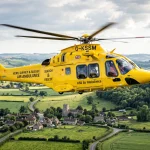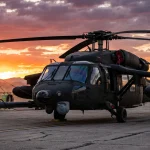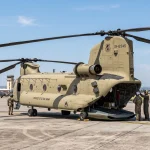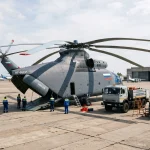
Did you know that helicopters can take off and land vertically without the need for runways? This incredible capability allows them to reach remote areas and congested urban landscapes, making them vital for emergency services, transport, and military operations. In “How Does a Helicopter Fly? Physics Made Simple,” we’ll explore the fascinating principles of lift, thrust, and control that enable these remarkable machines to soar. Whether you’re an aspiring pilot, an aviation enthusiast, or simply someone curious about how these flying wonders work, understanding the physics behind helicopter flight enriches our appreciation for this technology. Join us as we uncover the mechanics of flight, demystify common misconceptions, and highlight the vital role helicopters play in our world.
How Helicopters Generate Lift: The Science Explained
Helicopters have a unique flight capability that captivates both aviation enthusiasts and the general public. Unlike airplanes that must reach a certain speed to take off, helicopters can lift off vertically, thanks to their rotor systems. At the core of this impressive feat is the science of lift, generated by the spinning blades, or rotors, which operate similarly to airplane wings but with a few crucial differences.
The primary way helicopters generate lift is through the effect of air moving over and under the rotor blades. As the rotors spin, they create a difference in air pressure above and below the blades. This difference in pressure results in an upward force, commonly referred to as lift. The rotor blades are designed with an airfoil shape; when the rotor spins, the angle of attack (the angle between the blade and the oncoming air) changes, enhancing the lift further. Pilots can control the amount of lift by adjusting the pitch of the rotor blades, allowing for smooth takeoffs, hover maneuvers, and landings.
The Importance of Rotor Speed
The speed at which the rotor blades spin is also critical to generating lift. Each rotor blade must reach a specific rotational speed, known as the “lift-off speed,” to adequately generate enough upward force to overcome the helicopter’s weight. This is why helicopters are equipped with powerful engines designed to maintain high rotor speeds, even when carrying heavy loads.
Additionally, hovering demonstrates this lift-generating principle effectively. When a helicopter hovers, it maintains a delicate balance. The lift produced by the rotor blades matches the gravitational force pulling the helicopter down. The pilot plays a crucial role here, using the cyclic and collective pitch controls. The cyclic control adjusts the angle of attack of each rotor blade as it rotates, allowing the helicopter to tilt and move in any direction, while the collective control raises or lowers the entire rotor system’s pitch, directly affecting lift.
In summary, helicopters harness the principles of aerodynamics to achieve lift through their rotor systems. By manipulating rotor speed and blade pitch, pilots can expertly control their flight path, making helicopters invaluable in diverse roles, from search and rescue to law enforcement and medical transport. Understanding these dynamics not only enhances appreciation for helicopter technology but also inspires future aviators and engineers to explore their potential in the skies.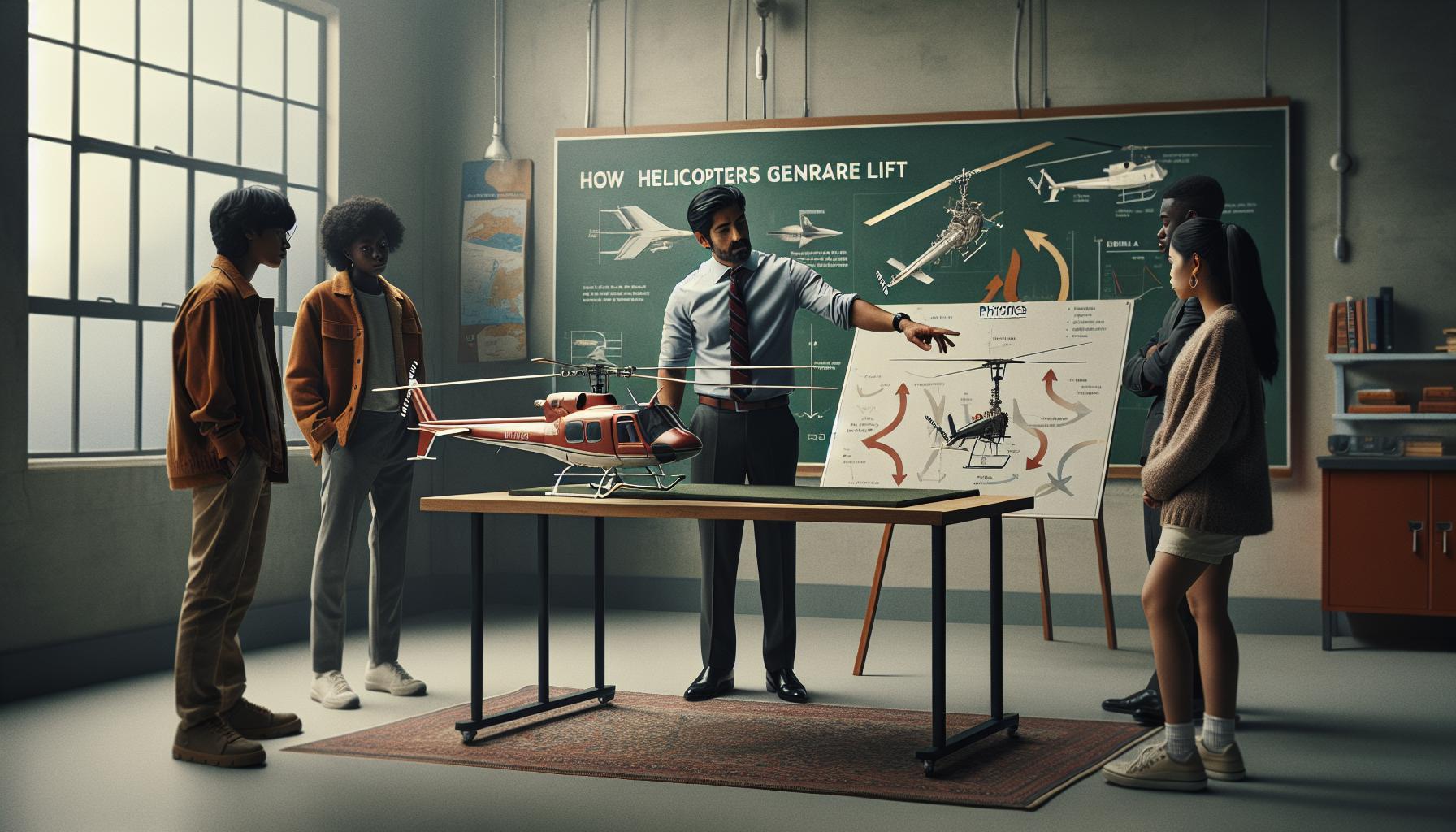
Understanding Rotor Dynamics: Why Helicopters Hover
Hovering is one of the most fascinating capabilities of helicopters, showcasing the intricate dance between physics and engineering. When a helicopter hovers, it achieves a delicate equilibrium: the lift generated by its rotor blades perfectly counteracts the force of gravity pulling it down. This balance requires precision and real-time adjustments, making hovering a complex maneuver that pilots master through extensive training.
The rotor dynamics involved in hovering hinge on the principles of aerodynamics. As the rotor blades rotate, they create a pressure differential above and below the blades, which generates lift. The shape of the blades, known as the airfoil, is designed to optimize this lift. When the rotor spins, the changing angle of attack- the angle between the blade and the oncoming air- plays a crucial role. By increasing the pitch of the blades collectively, pilots can increase the lift generated, essential for keeping the helicopter stable in a hover.
Hovering also demonstrates the significance of rotor speed and blade pitch control. Each rotor blade must reach a specific speed to produce enough lift to support the helicopter’s weight. Simultaneously, pilots adjust the pitch of the rotor blades using controls to either increase or decrease lift as needed. These adjustments allow for intricate movements, such as shifting the helicopter’s position while maintaining its altitude. The cyclic controls enable pilots to tilt the rotor system and direct the helicopter in horizontal directions, enhancing maneuverability during hovering.
Ultimately, the skill involved in hovering lies not just in the mechanics of the helicopter but also in the pilot’s ability to continuously interpret and respond to the aircraft’s behavior. Whether in emergency rescues, aerial photography, or simply entertaining the crowd at an airshow, the ability to hover opens a realm of possibilities that highlight the unique capabilities of helicopters and the expertise of their pilots.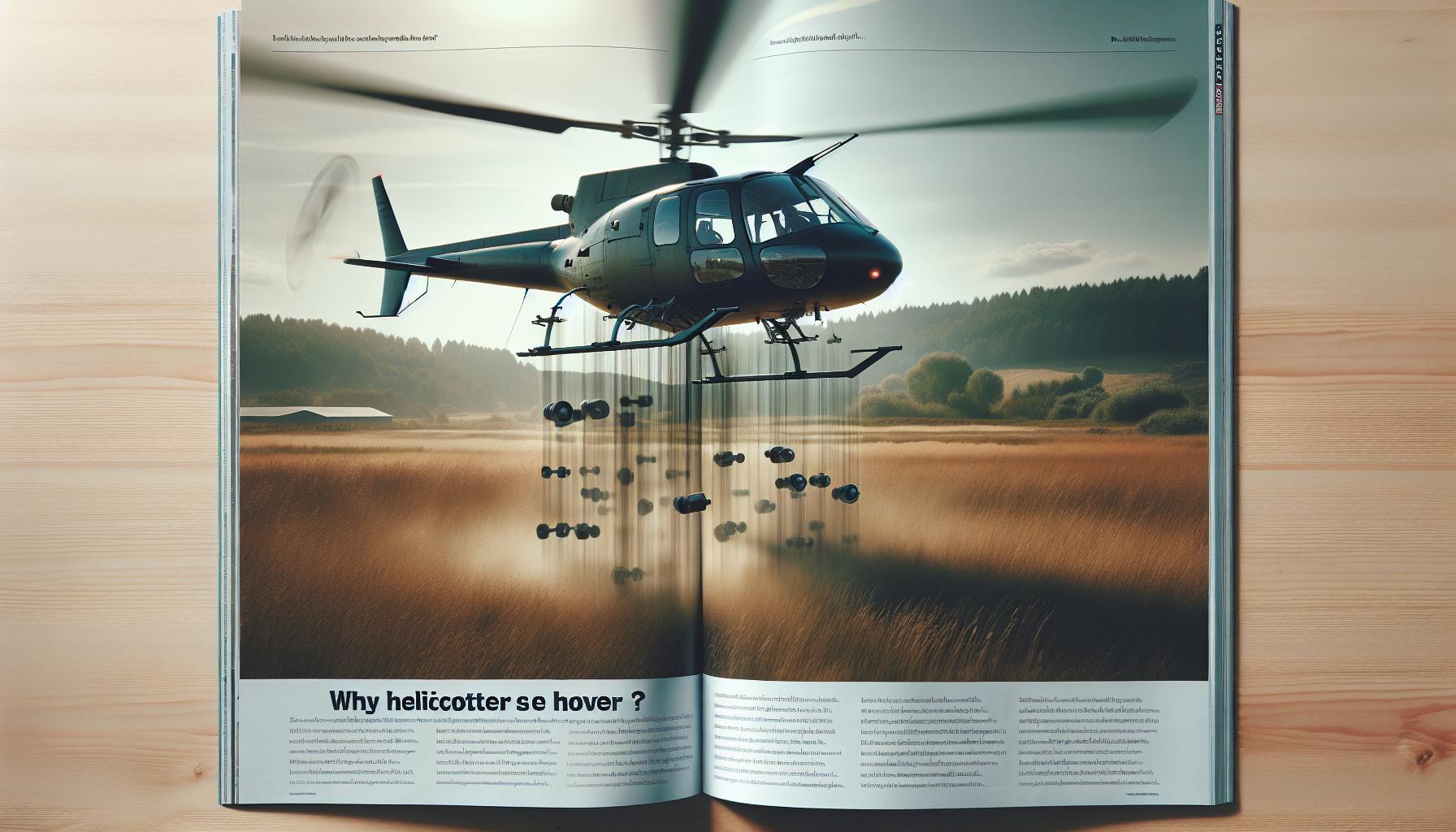
The Role of Rotor Blades in Lift and Control
The rotor blades of a helicopter are remarkable feats of engineering, pivotal to both lift and control during flight. Each blade acts as a wing, generating lift through the aerodynamic principles that govern flight. As the blades rotate, they create a pressure difference between the upper and lower surfaces, allowing the helicopter to ascend, descend, or maintain altitude. This process hinges on the blade’s shape, or airfoil, and its angle of attack-the angle between the blade and oncoming air. Pilots can modify this angle, collectively adjusting the blade pitch, to change the lift produced, which is critical for navigating various flight conditions.
The Mechanics of Lift Generation
When the helicopter’s rotor system spins, the rapid airflow over the blades generates lift. A key factor in this generation is the angle of attack, which governs how the air interacts with the blades. By increasing the pitch during ascent, the blades push more air downward, producing additional lift. Conversely, reducing the pitch enables the helicopter to descend. Understanding and manipulating this relationship is fundamental for pilots, as it allows them to perform smooth takeoffs, controlled landings, and agile maneuvers.
Controlling Direction and Stability
Rotor blades also play a crucial role in controlling the helicopter’s direction and stability. The cyclic and collective pitch controls allow pilots to adjust blade angles individually or collectively. For instance:
- Collective Pitch Control: Changes the pitch of all blades simultaneously to alter lift.
- Cyclic Pitch Control: Varies the pitch of individual blades as they rotate, enabling the helicopter to tilt in the desired direction for forward, backward, or lateral movements.
Through these controls, pilots can execute complex maneuvers, such as hovering, flying sideways, or even backward. This degree of control is what makes helicopters uniquely capable of operations in constrained environments, like search and rescue missions in urban settings or military operations in challenging terrains.
Practical Implications for Aspiring Pilots
For those considering a career in aviation, understanding rotor dynamics is crucial. Aspiring helicopter pilots must develop a deep knowledge of how rotor blades interact with airflow and how to manipulate controls effectively. This knowledge not only enhances flying skills but also contributes to safer flight operations. Training programs emphasize simulator exercises and real-flight experiences, enabling future pilots to grasp the intricacies of rotor blade dynamics in various scenarios.
In conclusion, rotor blades’ complex design and functionality are at the heart of helicopter flying. They are integral not just for achieving lift but also for providing the nuanced control necessary for responsive flight. As technology evolves, the principles of rotor dynamics remain a fascinating study for engineers and pilots alike, paving the way for future innovations in helicopter design and flight capabilities.
Exploring the Four Forces of Flight in Helicopters
Understanding the dynamics of flight in a helicopter involves a captivating interplay of four fundamental forces: lift, weight, thrust, and drag. Each of these forces interacts uniquely to enable the helicopter to maneuver in the skies. For helicopter enthusiasts and aspiring pilots alike, grasping these concepts is not just academically enriching; it’s essential for mastering the art of flying.
Lift is the force that counteracts the weight of the helicopter and is primarily generated by the rotor blades. As the rotors spin, they create a difference in air pressure above and below, allowing the helicopter to ascend. To maintain a stable hover, the amount of lift produced must equal the helicopter’s weight. This balance is pivotal, as too much lift results in an ascent, while too little can lead to a descent. Pilots learn to adjust the collective pitch of the rotor blades to modify the lift during different phases of flight, demonstrating how versatility and control are crucial in helicopter operation.
Weight, the force acting downward due to gravity, is constant for any given helicopter and must be carefully managed. Factors such as fuel load, cargo, and passengers directly influence this force. Understanding how to calculate and compensate for weight is essential, especially during load management and fuel planning. This aspect becomes particularly important in scenarios such as medical emergencies or rescue operations, where every decision can impact the helicopter’s performance and safety.
Thrust is the forward force produced by the helicopter’s engine, acting parallel to the rotor disc. It propels the helicopter forward, and can be adjusted via the cyclic control, allowing pilots to achieve directional movement. Pilots must develop a keen sense of balance between thrust and lift to ensure smooth transitions from hover to forward flight. Drag, on the other hand, is the aerodynamic resistance the helicopter encounters as it moves through the air. It opposes thrust and varies based on speed and the helicopter’s design. Minimizing drag is an ongoing focus in helicopter flying, requiring pilots to be adept at adjusting their flight path and speed.
In summary, the seamless interaction between lift, weight, thrust, and drag is critical to understanding how helicopters fly. Aspiring pilots must immerse themselves in these concepts, as they form the foundation of effective flight training. Whether you dream of piloting in scenic landscapes or engaging in critical missions, comprehending these forces will equip you with the knowledge needed to navigate the skies with confidence and precision.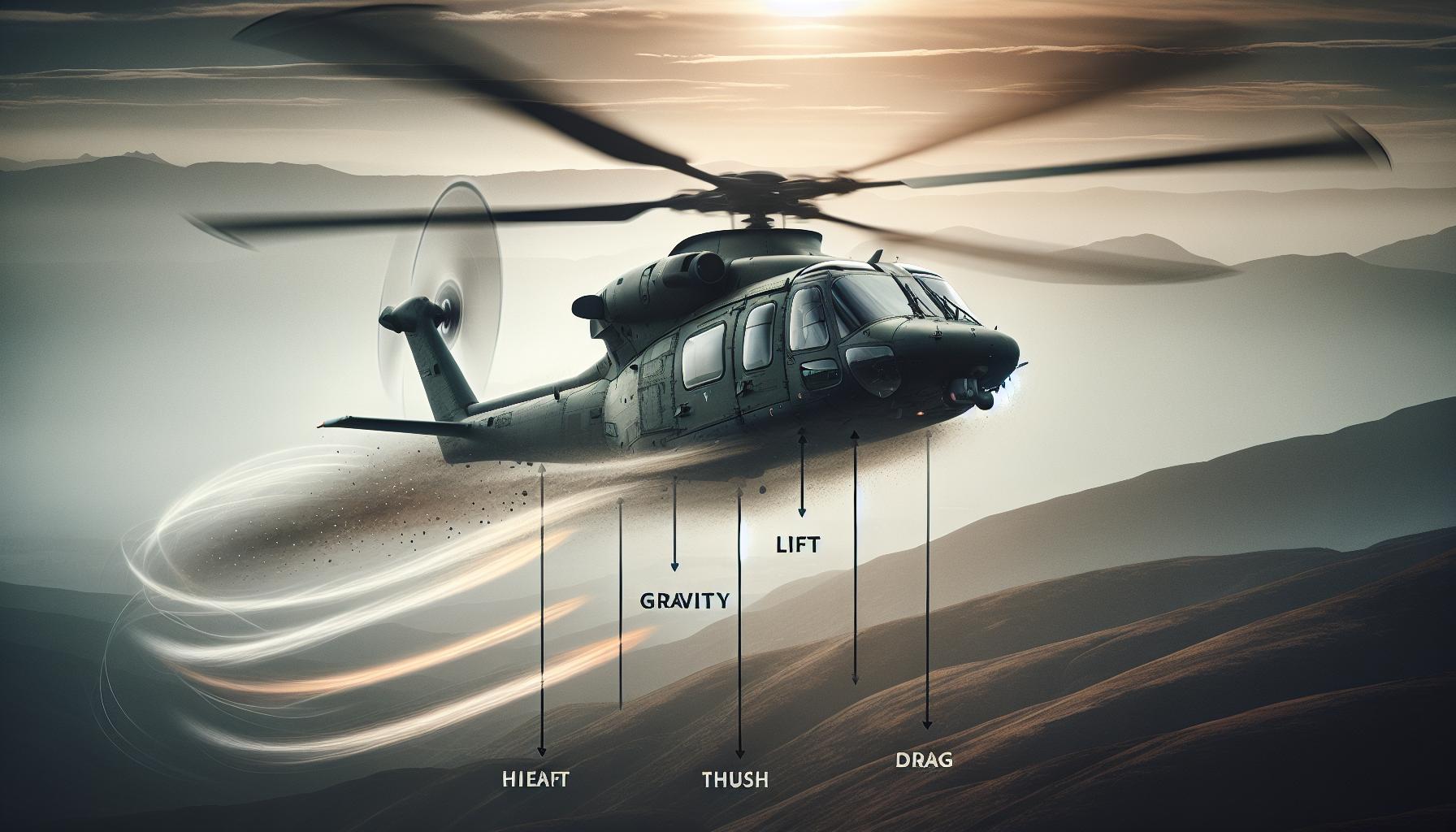
Types of Helicopters: How Design Influences Flight
Helicopters come in a variety of designs, each tailored to specific flight needs and missions. Understanding these different types is essential for anyone looking to grasp how a helicopter flies and what unique capabilities each model boasts. From agile light helicopters to robust transport variants, the design plays a crucial role in determining performance, efficiency, and application.
One of the main classifications is based on size and weight. Light helicopters, such as the Robinson R22, are perfect for training and small missions, offering agility and lower operational costs. In contrast, heavy-lift helicopters, like the CH-53 Super Stallion, are designed to carry substantial payloads, essential for military logistics and disaster relief operations. Their larger rotor systems and powerfully engineered engines enable them to manage significant weight without sacrificing stability.
The configuration of rotor systems also categorizes helicopters. The most common are single-rotor helicopters, which provide excellent maneuverability but can be susceptible to torque and require a tail rotor for balance. Conversely, tandem rotor designs, as seen in the CH-47 Chinook, distribute weight evenly, allowing for greater lift capacity and stability, especially in challenging flying conditions. Notably, some helicopters utilize a coaxial rotor system, where two rotors are stacked on top of each other, improving efficiency and eliminating the need for a tail rotor.
Fuel efficiency and range are other design considerations evident in helicopter types. For instance, the Eurocopter EC135 is widely used for medical evacuations due to its ability to fly ranges efficiently while carrying essential medical equipment and personnel. In contrast, specialized designs like the Bell 429 focus on speed and comfort, making them ideal for executive transport.
Lastly, understanding design influences extends to emerging technologies. Many current models incorporate advanced avionics, fly-by-wire controls, and enhanced rotor systems making them safer and more versatile. These advancements not only improve performance but also expand operational capabilities regarding automation and stability.
By exploring the diversity in helicopter design, enthusiasts and aspiring pilots can better appreciate how each model’s characteristics influence its flight operations. This knowledge is vital for anyone interested in pursuing a career in aviation or simply wanting to understand the marvels of these remarkable machines.
Pilot Techniques: Mastering Helicopter Flight
Mastering the art of helicopter flight is both an exhilarating and challenging endeavor. What truly sets helicopter pilots apart is their ability to perform multiple tasks simultaneously while maintaining precise control over a complex machine. A helicopter pilot’s skill lies in manipulating the cyclic, collective, and rudder pedals in harmony. Each control serves a distinct purpose, allowing pilots to maneuver gracefully through the skies.
The cyclic control tilts the rotor disk, determining the helicopter’s forward, backward, or lateral movements. For instance, pushing the cyclic forward increases the angle of attack on the rotor blades, propelling the helicopter forward while simultaneously managing lift. The collective control, typically a lever on the left side, allows pilots to change the pitch of all rotor blades collectively, which is crucial for ascending or descending. This simultaneous change ensures the helicopter maintains its balance while altering altitude. The rudder pedals, located at the pilot’s feet, are essential for controlling yaw, enabling the helicopter to turn left or right while maintaining a stable hover.
To master these controls, aspiring pilots should engage in regular flight training under experienced instructors. Real-world practice is invaluable, but simulators can also provide effective training environments. Using tools like flight simulation software helps pilots visualize different flight scenarios without the inherent risks of actual flight.
An essential aspect of learning to fly helicopters is understanding the concept of situational awareness. Pilots must develop a keen sense of their surroundings, gauging altitude, speed, and potential obstacles in the vicinity. Practicing emergency procedures is also critical; learning how to manage an engine failure or other critical situations prepares pilots for unexpected challenges that might arise during flight.
Ultimately, mastering helicopter flight involves a blend of formal training, hands-on experience, and a deep understanding of aircraft mechanics and aerodynamics. By committing to ongoing learning and practice, aspiring pilots can navigate the skies with confidence and skill, embracing both the beauty and complexity of flying helicopters.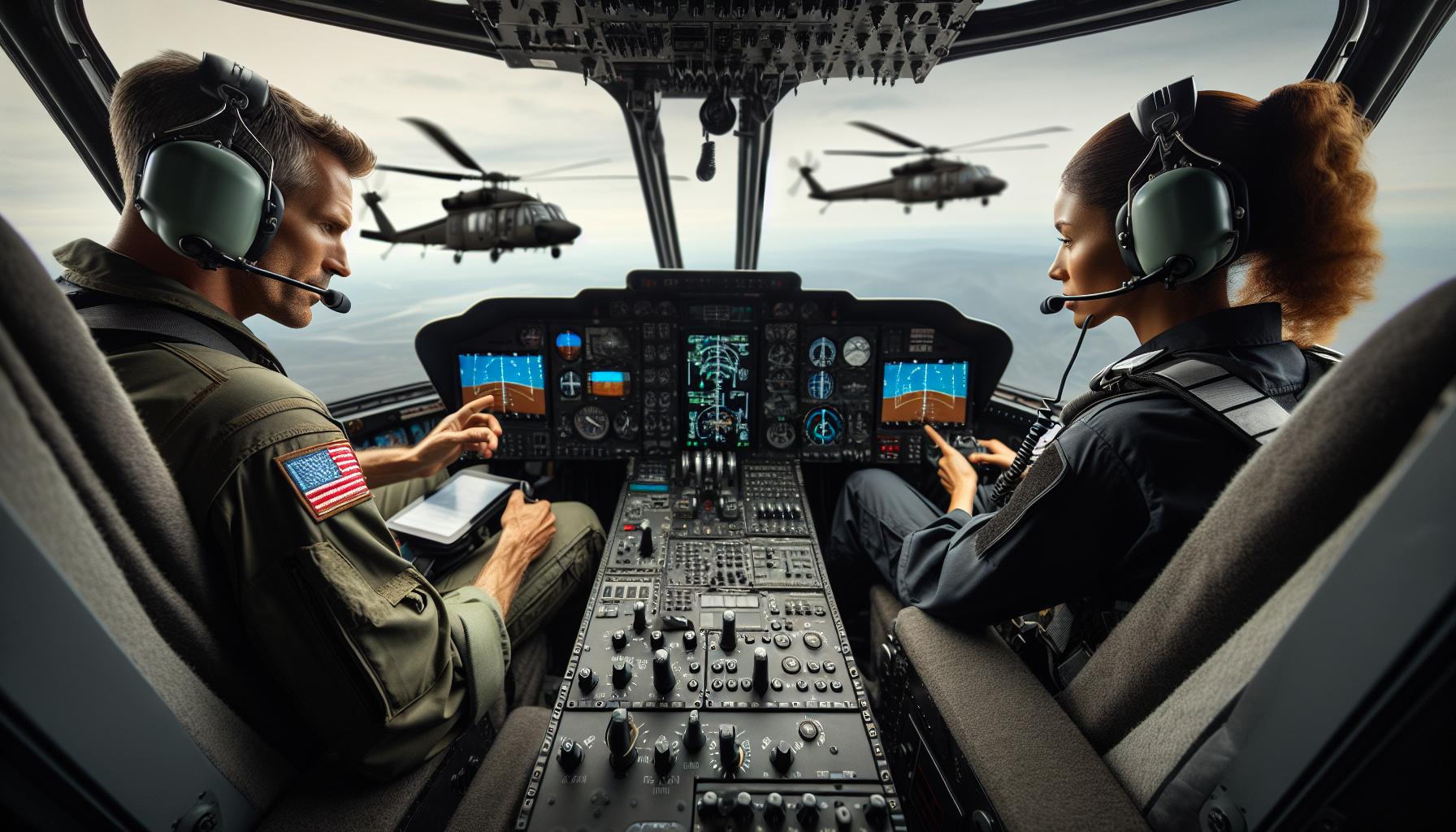
Safety Mechanisms: Understanding Helicopter Systems
Understanding the intricate safety mechanisms of helicopters is crucial for both aspiring pilots and aviation enthusiasts alike. Unlike fixed-wing aircraft, helicopters face unique challenges in flight that require robust systems to ensure passenger safety and operational integrity. A captivating fact: many modern helicopters are equipped with advanced technology that can provide essential redundancy, meaning if one system fails, another can seamlessly take over, thereby enhancing safety.
One of the primary safety features in helicopters is the dual or triple redundancy in critical flight systems. For instance, many helicopters use multiple hydraulic systems to control flight surfaces and rotor functions. In the event of a hydraulic system failure, backup systems are activated automatically, allowing the pilot to maintain control. Additionally, engine redundancy is common in larger helicopters, which ensures that if one engine fails, the other can keep the helicopter in the air long enough for a safe landing.
Crashworthy Design
Helicopters are engineered to withstand impacts better than traditional aircraft. This is primarily achieved through crashworthy designs that include energy-absorbing seats and reinforced structures. In many cases, fuel systems are designed to minimize the risk of fire during a crash. The positioning of the fuel tanks, away from the cabin area, is a strategic move to protect occupants in the event of an accident. This approach exemplifies the aviation industry’s commitment to enhancing survivability in adverse situations.
Emergency Procedures: Preparation and Training
Training plays a critical role in helicopter safety. Pilots undergo rigorous instruction not only in flying techniques but also in emergency protocols. This training encompasses a variety of potential in-flight scenarios, such as engine failures, system malfunctions, and adverse weather conditions. For instance, a common practice involves simulating an engine failure during flight, prompting pilots to execute autorotation-an emergency landing technique that utilizes the helicopter’s rotor system to descend safely without engine power.
Real-World Applications and Innovations
The application of safety mechanisms extends beyond design and training; the use of technology is revolutionizing helicopter safety. Automatic Dependent Surveillance-Broadcast (ADS-B) systems, for example, provide real-time positional information that enhances situational awareness both for pilots and air traffic control. This technology significantly reduces the risk of mid-air collisions and improves operational efficiency during flight operations.
In conclusion, as helicopter technology continues to evolve, the integration of advanced safety mechanisms, rigorous training, and innovative systems remains critical. By understanding these components, aspiring pilots and aviation enthusiasts can appreciate the complexities of helicopter flight and the measures inherently in place to ensure safer skies for everyone.
Common Misconceptions About Helicopter Flight
Many people have misconceptions about how helicopters operate, often attributing magic or mystery to their ability to hover and maneuver in ways that fixed-wing aircraft cannot. One common misconception is that helicopters fly similarly to airplanes, relying solely on forward motion to stay aloft. In reality, helicopters utilize rotating blades to create lift and thrust vertically, allowing them to ascend, hover, and move in any direction without needing substantial forward speed. This versatility is what makes helicopters essential for tasks like search and rescue, aerial firefighting, and urban transportation.
Another frequent misunderstanding is that maintaining altitude in a hover is effortless. In practice, hovering requires constant adjustments to the rotor pitch and engine power. The pilot must skillfully manage these inputs to counteract any changes in wind or weight distribution-factors that can quickly impact stability. Additionally, unlike airplanes that can glide to safety if engines fail, helicopters have a more complex emergency procedure called autorotation. This technique allows pilots to utilize the rotor system to control descent safely when power is lost, but mastering it necessitates extensive training and practice.
Many assume that driving a helicopter is akin to driving a car. However, helicopter controls are fundamentally different, incorporating cyclic and collective inputs to manage pitch, roll, and yaw. Aspiring pilots must invest time and effort into understanding these mechanics, as well as the principles of aerodynamics, weight distribution, and the four forces of flight: lift, weight, thrust, and drag. Dispelling these myths is vital for fostering a deeper appreciation of helicopter flight and the skills required to operate them proficiently.
Embracing the complexities of rotorcraft operations not only honors the lives of those who pursue helicopter aviation but also highlights the rich world of possibilities available within this field. Whether considering a career as a pilot or simply wanting to understand the engineering behind helicopter flight, being informed and curious can lead to a greater respect for these incredible machines.
The Future of Helicopter Technology and Innovations
As the aviation industry looks toward a greener, more efficient future, helicopter technology is undergoing remarkable transformations. The emergence of electric and hybrid-electric propulsion systems is revolutionizing helicopter design and operation, aiming to reduce noise levels and emissions significantly. These innovative systems not only promise enhanced fuel efficiency but also make urban air mobility more feasible, aligning with the increasing demand for helicopter services in congested metropolitan areas.
Advancements in Materials and Safety
The future of helicopters also lies in the development of advanced materials. Lightweight composites are being utilized to reduce overall weight while enhancing durability and safety. This shift not only improves the helicopter’s aerodynamics but also contributes to greater fuel efficiency. Furthermore, innovations in avionics, including autopilot systems and enhanced flight control software, are making helicopters safer to operate by providing pilots with real-time data and automated assistance in complex situations.
Urban Air Mobility and Future Applications
Urban air mobility (UAM) represents one of the most exciting applications of future helicopter technology. Many companies are investing heavily in the development of vertical takeoff and landing (VTOL) aircraft designed specifically for urban environments. These vehicles promise to alleviate traffic congestion and enhance urban transportation services. With advancements in autonomous flight, pilots may find themselves managing increasingly sophisticated aircraft systems or even transitioning to roles focused more on system oversight rather than direct control.
Impacts on Training and Pilot Careers
As technology evolves, so too will the field of helicopter flight training. Aspiring pilots will need to adapt to new systems and techniques, particularly those related to automated and electric flying. Flight schools may incorporate advanced simulators that replicate these new technologies, offering structured programs that blend traditional flight instruction with the latest innovations. This will not only prepare pilots for the helicopters of tomorrow but also enhance their qualifications in a rapidly changing job market.
is bright and full of potential, signaling a shift towards safer, faster, and more efficient aviation. As these advancements take flight, they not only change the way we think about helicopters but also pave the way for exciting new careers in the aviation sector.
Helicopter Flight Training: What You Need to Know
Embarking on a journey to become a helicopter pilot is both thrilling and demanding, and understanding the fundamental principles of how helicopters fly is crucial. This knowledge lays the foundation for mastering not only the mechanics of flying but also the safety procedures that are essential in the cockpit. As you prepare for flight training, you’ll discover various aspects and techniques that will enhance your proficiency and comfort in the air.
In flight training, students learn the intricate dance of rotor blades, pitch control, and the nuances of lift generation. This involves understanding the four forces of flight: lift, weight, thrust, and drag. Helicopter pilots must navigate these forces skillfully, balancing them to achieve smooth, safe flights. Real-world scenarios practiced during training often include hovering, turning, and transitioning from vertical to forward flight-each maneuver requiring a different focus on rotor dynamics and collective and cyclic control inputs.
Training Structure and Resources
Training typically begins with ground school, where future pilots delve into the physics of flight, helicopter systems, and regulations. Here’s what to expect:
- Ground School: You’ll learn the theories behind flight mechanics, meteorology, aerodynamics, and aircraft systems.
- Flight Instruction: Hands-on experience starts in dual-controls, where you’ll practice under an instructor’s guidance to build your flying skills progressively.
- Simulator Training: Advanced simulators replicate various flying conditions and emergencies, providing a safe environment to practice critical skills.
- Solo Flights: After demonstrating proficiency, you may transition to solo flights, allowing you to apply what you’ve learned independently.
Becoming proficient in both technical skills and decision-making under pressure is essential. Future pilots are encouraged to embrace a culture of safety, continuously evaluating risks and preparing for various flight conditions.
Career Pathways and Costs
The path to becoming a helicopter pilot can be a significant investment, but it opens doors to diverse career opportunities, from emergency medical services (EMS) to aerial firefighting and law enforcement. Costs vary widely based on the training program and location, but prospective students should budget for:
| Training Component | Estimated Cost |
|---|---|
| PPL (Private Pilot License) | $10,000 – $15,000 |
| CPL (Commercial Pilot License) | $20,000 – $35,000 |
| Instrument Rating | $8,000 – $15,000 |
Aspiring pilots should also explore scholarships and financial aid options available through flight schools and aviation organizations.
In conclusion, helicopter flight training not only equips you with the skills to fly but also fosters a deep appreciation for aviation safety and the science behind flight. Whether you’re drawn to flying for leisure or as a career, the journey is filled with endless learning and adventure.
The Impact of Weather on Helicopter Performance
Weather plays a crucial role in helicopter performance, influencing flight safety, maneuverability, and overall efficiency. From high winds to temperature changes, each weather element presents unique challenges that pilots must navigate carefully. For example, wind shear, a rapid change in wind speed or direction over a short distance, can dramatically affect a helicopter’s stability during takeoff or landing, making these phases particularly risky in turbulent conditions.
Wind and Helicopter Flight
Wind is one of the most significant factors affecting helicopter operations. Pilots need to understand how to react to headwinds, tailwinds, and crosswinds. Headwinds can enhance lift and shorten the distance needed for takeoff, while tailwinds can extend the required distance, posing a greater risk during landing. Crosswinds complicate handling, requiring skilled technique to maintain control. Pilots must continuously assess wind patterns and adjust their approach accordingly to ensure safe and efficient flights.
Visibility and Weather Conditions
Poor visibility due to fog, rain, or snow can severely impact flight operations. Helicopters rely on visual cues for navigation and obstacle avoidance, so training in instrument flying is essential. In low-visibility conditions, pilots must be adept at using instruments to remain oriented, and understanding weather patterns becomes vital for avoiding dangerous situations. During adverse weather, it’s often safer to delay flights rather than risk navigating through limited visibility.
Temperature and Performance
Temperature also affects helicopter performance significantly. In high heat conditions, air density decreases, reducing lift. This phenomenon requires more power for takeoff and climb, challenging the pilot’s ability to operate efficiently. At higher altitudes, the thinner air can compound these challenges. Pilots must know the aircraft’s performance limits and make strategic decisions about weight and fuel to ensure safe operations under varying thermal conditions.
Ultimately, effective weather management is essential for helicopter pilots. By staying informed about current weather conditions and understanding how different factors impact flight, they can enhance safety and responsiveness. Investing in comprehensive weather training is invaluable, helping navigate the skies with greater confidence and skill, and preparing for a successful, enjoyable flying experience, regardless of the weather.
Helicopters in Action: Real-World Applications and Stories
Imagine a scene where a helicopter swoops down to rescue climbers stranded on a rocky mountain ledge, or perhaps it hovers above a bustling city, surveying traffic conditions or delivering packages swiftly. Helicopters are remarkable machines, demonstrating their versatility through a variety of real-world applications that highlight their unique capabilities in both life-saving and innovative roles.
One of the most critical roles helicopters play is in emergency medical services (EMS). These flying ambulances can reach remote areas where ground transportation may take too long. Equipped with advanced medical technology, helicopters transport patients quickly to hospitals during time-sensitive situations, such as heart attacks or trauma cases. The speed and maneuverability of helicopters make them indispensable in emergencies where every second counts.
In firefighting, helicopters also shine brightly. With their ability to access hard-to-reach locations, they can quickly drop water or fire retardant on wildfires, creating fire breaks and controlling the spread of flames. The famous “Helitack” teams utilize these aircraft not just for water drops but also for transporting firefighting personnel directly to hot zones, showcasing the agility and responsiveness of helicopters in critical situations.
On another front, helicopters have become essential tools in law enforcement and search-and-rescue operations. They aid in tracking down suspects, conducting surveillance, and locating lost individuals in vast wilderness areas. The ability to hover and provide a bird’s-eye view is a game-changer, allowing officers to coordinate efforts on the ground more effectively.
Meanwhile, industries are harnessing helicopters for logistics and transportation. Companies utilize them for moving high-value goods or even essential supplies to remote job sites. This operational flexibility affords businesses a competitive edge, reducing logistical challenges that traditional vehicles might face.
As helicopters evolve, so does their role in our lives. The ongoing advancements in technology promise even more applications. From integrating drone technologies for enhanced aerial surveys to improving fuel efficiency for greener operations, helicopters are set to redefine their potential in a changing world. Whether through heroic efforts in medical emergencies or innovative logistics, these aerial vehicles exemplify human ingenuity and resilience.
As we continue to explore the mechanics of helicopter flight, it’s essential to recognize the real-world stories that demonstrate their impact and utility. With each flight, helicopters do more than just take to the skies; they change lives, facilitate progress, and inspire the next generation of aviation enthusiasts.
Faq
Q: What are the main forces acting on a helicopter during flight?
A: The four main forces acting on a helicopter are lift, weight, thrust, and drag. Lift is generated by rotor blades, opposing weight, which is the force of gravity. Thrust propels the helicopter forward, while drag resists motion, affecting speed and maneuverability. Understanding these forces is crucial for effective helicopter operation.
Q: How does a helicopter hover in place?
A: A helicopter hovers by balancing the forces of lift and weight. The rotor blades create sufficient lift to counteract gravity. Adjustments in rotor speed and blade angle allow precise control, enabling stable hovering. This technique is essential for tasks such as landing on tight spots or conducting aerial operations.
Q: Why do helicopters have different rotor blade designs?
A: Helicopters feature various rotor blade designs to optimize performance for specific missions. Each design influences lift, maneuverability, and efficiency. For instance, tapered blades reduce drag and improve efficiency, while wider blades enhance lift and stability, catering to different flight conditions and operational needs.
Q: What is the purpose of the cyclic and collective controls in a helicopter?
A: The cyclic and collective controls allow pilots to manage helicopter flight dynamics. The cyclic tilts the rotor disk to control direction and speed, while the collective adjusts the rotor blade pitch to change lift. Mastering these controls is essential for effective helicopter maneuvering and stability.
Q: How does weather affect helicopter flight performance?
A: Weather significantly impacts helicopter performance. Factors like wind speed, precipitation, and temperature influence lift, handling, and safety. For instance, strong winds can cause turbulence, while rain affects visibility and rotor efficiency. Understanding weather conditions is crucial for safe and effective flight operations.
Q: What safety systems are typically found in helicopters?
A: Modern helicopters are equipped with various safety systems, including auto-rotation, terrain awareness systems, and emergency flotation devices. These systems enhance safety during critical situations, helping prevent accidents and enabling controlled emergency landings, making helicopter operations safer for pilots and passengers alike.
Q: When did helicopters first take flight, and what were their advancements?
A: Helicopters first took flight in the early 20th century, with significant advancements occurring during and after World War II. Today, they feature sophisticated rotor technologies and avionics that enhance stability, control, and capabilities for various missions, from medical emergencies to military operations.
Q: How does a helicopter’s design affect its flight capabilities?
A: A helicopter’s design, including rotor size, weight distribution, and fuselage shape, directly impacts its flight capabilities. Larger rotors provide better lift, while streamlined designs reduce drag, leading to improved speed and efficiency. Understanding these design elements helps in selecting the right helicopter for specific tasks.
In Summary
Thank you for exploring the fascinating world of helicopter flight with us! By understanding the fundamental principles of lift, thrust, and the unique design of rotorcraft, you now have a clearer picture of how these incredible machines navigate our skies. If you’re eager to learn more about the science behind aviation, check out our articles on “The Basics of Aerodynamics” and “What It Takes to Become a Helicopter Pilot.”
Don’t miss out on future insights-subscribe to our newsletter for the latest updates and expert tips on all things aviation! Whether you’re a budding pilot or simply a curious enthusiast, there’s something here for everyone. Join the conversation by sharing your thoughts in the comments below, and explore more about helicopter innovations and exciting DIY projects suited for all skill levels. The sky’s the limit-dive deeper into these topics and keep your passion for aviation soaring!
Get our latest guides, news, and insights highlighted in your Google Search & AI Overviews.