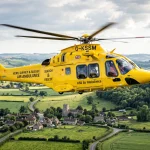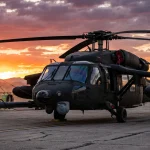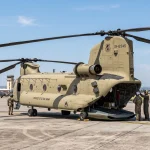
Have you ever wondered how high a helicopter can truly soar? While many envision breathtaking views from lofty heights, the reality is that helicopters, with their unique design, face significant challenges at altitude. Most helicopters operate optimally between 10,000 to 12,000 feet, where factors like rotor performance and weather conditions play a crucial role in their capabilities. Understanding the altitude limits of helicopters is essential for aspiring pilots, aviation enthusiasts, and safety-conscious passengers alike. In this article, we’ll dive into the intricacies of helicopter flight, exploring not only the technical limitations but also the specialized operations that allow some helicopters to venture even higher under certain conditions. Join us as we unveil the fascinating world of helicopter altitudes and the considerations that shape their flight paths!
How Helicopter Altitude Limits Are Determined
Helicopter altitude limits are largely determined by a combination of design, environmental conditions, and operational capabilities. The basic principle is that as a helicopter ascends, the air becomes thinner, resulting in less lift generated by the rotor blades. Conventional helicopters typically hover at altitudes up to around 10,000 feet, but some models, especially those modified for high-altitude operations, can reach higher altitudes, sometimes exceeding 13,000 feet. This performance is influenced by several factors, including the helicopter’s engine power, rotor design, and weight.
Key Factors in Determining Altitude Limits
- Aircraft Design: The rotor system’s efficiency is critical. Modern helicopters with advanced rotor technologies can operate effectively at higher altitudes compared to older models.
- Weight and Load: The weight of the helicopter and its cargo significantly impacts flight capabilities; a heavier load requires more lift, which can restrict altitude.
- Pilot Training: High-altitude flying requires specialized training. Pilots must understand the unique behaviors and handling characteristics of helicopters in thinner air.
- Weather Conditions: Adverse weather can severely restrict flying altitude. Factors like temperature, humidity, and wind can affect lift and stability.
- Engine Performance: Turbine engines are typically more efficient at higher altitudes, allowing for better performance than piston engines, which may struggle as air density decreases.
Understanding these factors helps in assessing a helicopter’s capabilities and planning missions effectively, ensuring safety and optimal performance during high-altitude operations.
Factors Influencing Helicopter Flight Altitude
As you explore the capabilities of helicopters, it’s fascinating to realize that altitude limitations are not only due to the inherent design of the aircraft but also influenced by a complex interplay of external factors. The performance of a helicopter diminishes as altitude increases, primarily because the thinning air reduces the density of lift-generating air molecules. Consequently, understanding the myriad influences on helicopter flight altitude can illuminate how far these remarkable machines can really soar.
One of the primary factors influencing altitude is aircraft design. Modern helicopters are engineered with advanced rotor systems that can function more effectively in thin air compared to older models. Innovations in rotor blade design, such as length, shape, and material, allow for improved lift characteristics, enabling helicopters to reach higher altitudes. For instance, helicopters equipped with large, high-aspect-ratio rotor blades are typically more efficient at altitude, allowing them to maintain performance where others may struggle.
Weight and load also play crucial roles. Helicopters have specific maximum weight tolerances, and each additional pound of cargo necessitates more lift to maintain elevation. As a result, operational considerations often dictate how much fuel, crew, and equipment can be taken aboard, directly affecting the helicopter’s altitude capability. For high-altitude operations, a lighter configuration can be beneficial, allowing for better performance in challenging environments, such as mountainous terrain.
Pilot proficiency cannot be overlooked, with pilot training being a significant factor. High-altitude flying requires specialized knowledge. Pilots must grasp how helicopters react differently at elevated altitudes, where air density affects not just lift but also thrust and control. Training for altitude operations involves simulations and real-world practice in handling the unique challenges presented by thinner air.
Additionally, weather conditions greatly influence altitude limits. Factors such as temperature and humidity can alter the performance parameters of a helicopter. For example, high temperatures can lead to reduced engine performance, especially in turbine engines which are more efficient at altitude compared to piston engines. Pilots must be proficient in making real-time decisions based on current weather to ensure safe and effective flight operations.
In conclusion, understanding the factors that influence helicopter flight altitude is essential for anyone interested in aviation, whether a budding pilot or an aviation enthusiast. From careful consideration of aircraft design and weight management to the importance of pilot experience and weather conditions, each element plays a vital role in determining how high a helicopter can fly.
The World’s Highest-Flying Helicopters
The ability of helicopters to soar to impressive altitudes is a testament to their engineering and technological advancements. Some helicopters are designed or modified for high-altitude operations, significantly expanding their operational limits. For example, notable models have achieved altitudes beyond 40,000 feet, classifying them as some of the highest-flying airframes in aviation history.
Several helicopters hold world altitude records, including the Eurocopter AS350 B3, which set a remarkable record by reaching 40,820 feet (12,442 meters) in 2005. This achievement highlights the potential of specialized helicopters, especially in roles such as scientific research and military operations. These machines are not only equipped with enhanced rotor designs and robust engine systems, but they also undergo rigorous testing and modifications to ensure they can thrive in the thin air of high altitudes where traditional models might falter.
The extraordinary capabilities of high-flying helicopters are driven by a combination of advanced technology and human skill. Operators often need specialized training to manage the unique challenges posed by elevated altitudes, where changes in air pressure and temperature can dramatically impact flight performance. As aviation technology continues to evolve, the quest for higher altitudes seems relentless, with advancements in materials and aerodynamics paving the way for future innovations.
Ultimately, understanding these remarkable machines offers insight into their remarkable achievements, while also inspiring future pilots and aviation enthusiasts to push the boundaries of what is possible in the skies. As they learn about these high-flying helicopters, aspiring aviators may find motivation to explore careers in aviation and contribute to the ever-growing field of helicopter technology.
Altitude Records: Who Holds the Title?
The pursuit of altitude records in helicopter aviation is both a remarkable feat and a testament to engineering excellence. Currently, the title for the highest altitude achieved by a helicopter is held by Jean Boulet, a distinguished French pilot who set an impressive record of 12,442 meters (40,820 feet) while flying an Aérospatiale SA315B Lama over Istres, France, on June 21, 1972. This record not only underscores Boulet’s skill as a pilot but also showcases the incredible capabilities of the SA315B Lama, which was specifically designed for high-altitude operations.
The SA315B Lama, renowned for its lightweight design and powerful engine, made it possible for Boulet to navigate the thin air of high altitudes where many helicopters would struggle. This helicopter variant is equipped with advanced rotor systems that improve lift and control, essential features for flying at such extreme heights. Boulet’s record flight remains a beacon of inspiration for both current aviators and aspiring pilots looking to test the limits of helicopter capabilities.
In the years since Boulet set the record, various helicopters have achieved significant altitude feats, including the Eurocopter AS350 B3, which reached similar heights in later years. Each of these helicopters benefits from technological advancements in materials and aerodynamics, pushing the boundaries of what is achievable in rotorcraft design. As the aviation industry continues to innovate, the ongoing quest for new altitude records promises to yield even greater achievements, demonstrating the relentless drive of the helicopter community to explore the skies.
This rich history of altitude records reflects not only the engineering triumphs behind helicopter flight but also the dedication and expertise of the pilots who dare to test the limits. With each new record, they inspire future generations of aviators to reach for new heights, literally and figuratively, in the field of aviation.
How Weather Affects Helicopter Altitude Limits
Weather plays a crucial role in determining how high a helicopter can safely fly, as it can significantly impact performance, stability, and pilot control. Factors like altitude, temperature, wind conditions, and visibility can all influence a helicopter’s operational limits. For instance, as altitude increases, air density decreases, which can lead to reduced lift for the rotor blades. This phenomenon is critical; if a helicopter is attempting to fly at a very high altitude on a particularly hot day, it may struggle to maintain necessary lift compared to cooler days at the same altitude.
Wind conditions are another major factor. Helicopters are more susceptible to turbulence and sudden changes in wind direction than fixed-wing aircraft. High winds can create challenging conditions such as downdrafts or updrafts that threaten stability during flight. For example, flying in mountainous regions or near large bodies of water typically increases the risk of encountering such issues, necessitating highly skilled piloting to manage altitude effectively. Pilots must remain fully aware of weather forecasts and real-time atmospheric changes to navigate safely and make informed decisions about altitude limitations.
Visibility is equally important; poor conditions such as fog, rain, or snow can hinder a pilot’s ability to assess their surroundings, complicating altitude control. Adverse weather can limit safe operational ceilings, impacting mission objectives and potentially endangering lives. Incidents involving weather factors remain poignant reminders of this reality. For example, the tragic crash of a helicopter due to sudden fog exemplifies how critical weather awareness is for pilot safety.
To prepare for varying weather conditions and understand their impact on altitude, pilots undergo rigorous training. They learn to interpret weather reports, assess real-time conditions, and adapt their flight plans accordingly. By honing their skills and relying on advanced technology, pilots can maximize safety and performance, even in challenging environments. Understanding not only informs operational readiness but also fosters a culture of safety and preparedness within the aviation community.
The Physics Behind Helicopter Flight and Altitude
Helicopters are remarkable machines that rely on the principles of physics to achieve flight. Central to their operation is the concept of lift, which is generated by the rotation of the rotor blades. As these blades spin, they create a difference in air pressure above and below them. This aerodynamic effect results in lift, allowing the helicopter to ascend and hover. The efficiency of this lift diminishes as altitude increases due to the thinning air, which contains less oxygen and produces lower pressure-critical factors that impede a helicopter’s ability to maintain altitude.
As a helicopter climbs, the surrounding air becomes less dense. At sea level, the air density is sufficient for optimal rotor performance; however, as a helicopter ascends to higher altitudes, the reduced air density means less air is available for the rotor blades to push against. This is why conventional helicopters typically achieve their best performance at lower altitudes-generally below 10,000 feet. Above this threshold, they struggle to generate enough lift to maintain safe flight levels without the aid of specialized equipment or modifications.
A significant aspect of vertical flight dynamics is the relationship between rotor speed and lift. Helicopters are designed with rotor systems optimized for particular performance parameters. As altitude increases, maintaining rotor speed becomes critical. For example, a helicopter operating at high elevations may require higher rotor speeds and longer blades to counteract the effects of lower air density. Additionally, certain helicopters are equipped with advanced technology such as modified rotor blades or turbine engines designed to enhance performance at altitude, allowing them to fly higher than standard models.
The impact of weight on lift is another vital factor. Every helicopter has a maximum allowable weight, which includes passengers, fuel, and cargo. As the aircraft’s weight increases, more lift is needed to achieve flight, further complicating operations at higher altitudes. Aspiring pilots must understand these dynamics, as the combination of weight, altitude, and atmospheric conditions can significantly influence helicopter performance and safety. Thus, comprehensive training in aerodynamics and flight physics is essential for anyone looking to master the art of helicopter flying.
Advanced Helicopter Technologies for Higher Flights
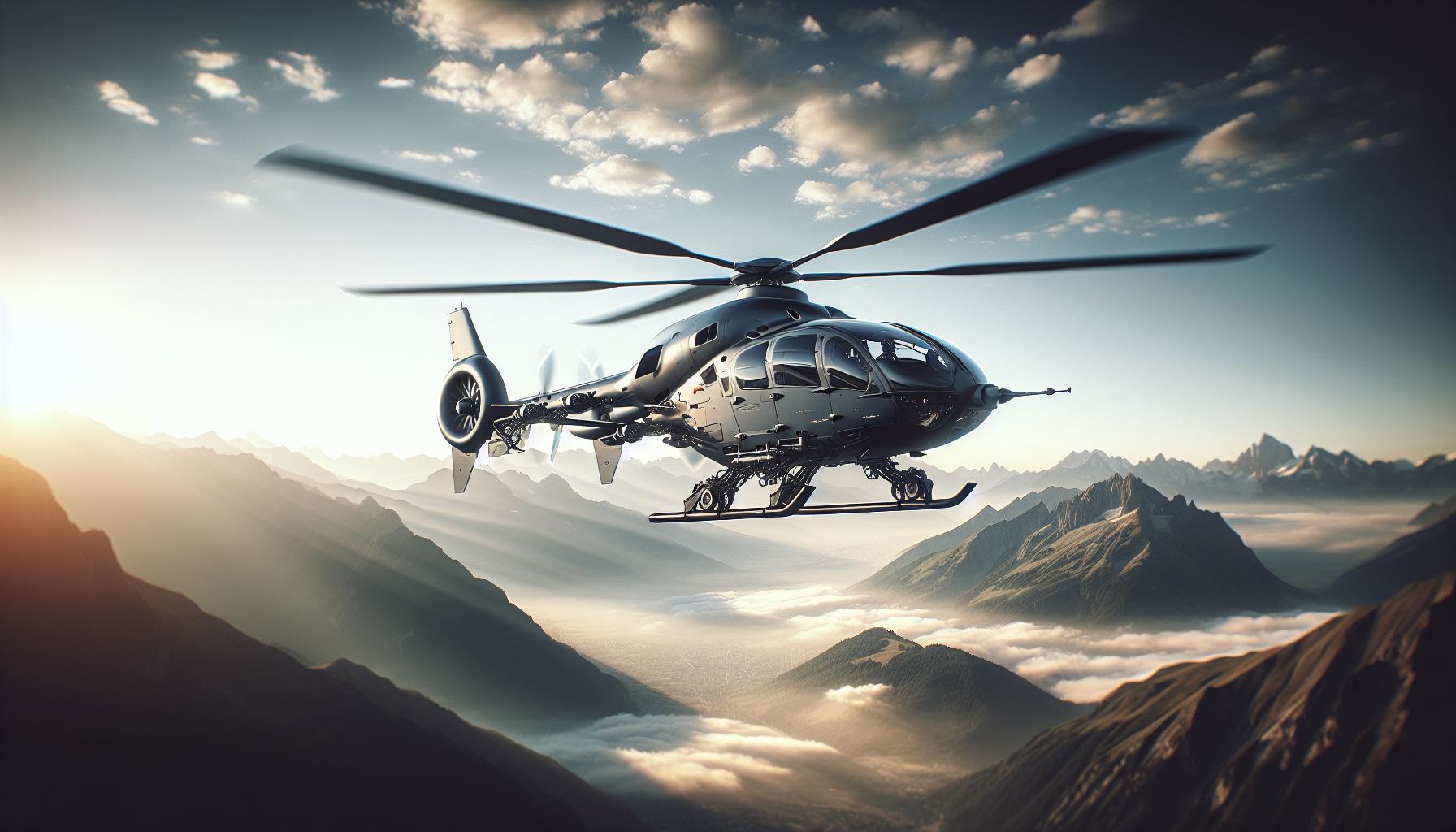
As helicopter technology advances, new innovations are enabling these remarkable machines to soar higher than ever before. One fascinating development is the enhancement of rotor blade designs, which play a critical role in a helicopter’s ability to generate lift at high altitudes. Traditionally, rotor blades are designed for optimal performance at lower elevations, but modern engineering has led to the creation of advanced materials and optimized shapes that improve aerodynamics. For instance, blades made from lightweight composite materials can reduce drag and enhance lift, allowing helicopters to operate more efficiently in the thin air of higher altitudes.
Another groundbreaking technology is the use of turbocharged or turbine engines that are specifically engineered for high-altitude performance. These engines maintain their power output even as air density decreases, which is vital for climbing to elevations above the conventional limits. By providing consistent thrust, these engines allow pilots to achieve higher altitudes safely and effectively, making them crucial for operations such as mountain rescue missions and scientific research in extreme environments.
Additionally, advancements in flight control systems, including digital and automated controls, have made it easier for pilots to manage the complexities involved in high-altitude flight. These systems can compute optimal flight paths, monitor atmospheric conditions, and adjust rotor speeds dynamically, enhancing safety and efficiency. As a result, pilots are better equipped to handle the challenges posed by altitude changes without compromising operational safety.
Finally, the integration of advanced avionics enables better situational awareness through improved navigation and weather tracking capabilities. This technology assists pilots in making informed decisions when flying at high altitudes, where weather conditions can change rapidly. Collectively, these technological advancements not only push the boundaries of how high helicopters can fly but also ensure that pilots can navigate these challenges safely. For aspiring pilots and aviation enthusiasts, understanding these innovations is essential, as they represent the future of helicopter flight and its potential in various missions around the globe.
The Role of Pilot Experience in Altitude Management

The ability of a helicopter to perform at high altitudes heavily relies on the experience of its pilot. Pilots must navigate a unique set of challenges presented by altitude, including reduced air density, which diminishes lift and engine performance. Understanding how to manage these factors can mean the difference between a successful flight and a critical situation.
Experienced pilots bring a wealth of knowledge that plays a crucial role in altitude management. They are trained to recognize and adjust for performance limitations specific to the helicopter’s design and the environmental conditions. For instance, when flying at elevations where the air is thinner, skilled pilots know to monitor rotor RPM closely and adjust the collective and cyclic inputs accordingly. This understanding is essential, as improper handling can lead to loss of control or inability to maintain altitude.
Furthermore, pilot training programs often include scenarios specifically focused on high-altitude operations. Through simulation and real-life practice, pilots learn techniques such as effective weight distribution and the importance of pre-flight planning. They must account for numerous factors, including the aircraft’s weight, the weather conditions, and potential emergency scenarios that might arise due to altitude changes. All these elements require experience and judgment, which are developed over time and through rigorous training.
In exploring the dynamic nature of helicopter flight, it’s also important to highlight that mentorship and continued education contribute to a pilot’s ongoing proficiency. Experienced pilots often share insights about best practices and strategies for altitude management, fostering a culture of safety and knowledge sharing within the aviation community. This exchange of information is invaluable, especially in a field where advancements in technology continually reshape operational standards.
Ultimately, cannot be overstated. It encompasses a range of skills that combine technical knowledge, intuitive decision-making, and an understanding of the unique challenges posed by different flying environments. Aspiring pilots should seek out comprehensive training programs and mentors who can prepare them for the complexities of high-altitude flight, emphasizing the importance of experience as they advance in their aviation careers.
Safety Regulations for High-Altitude Helicopter Flight
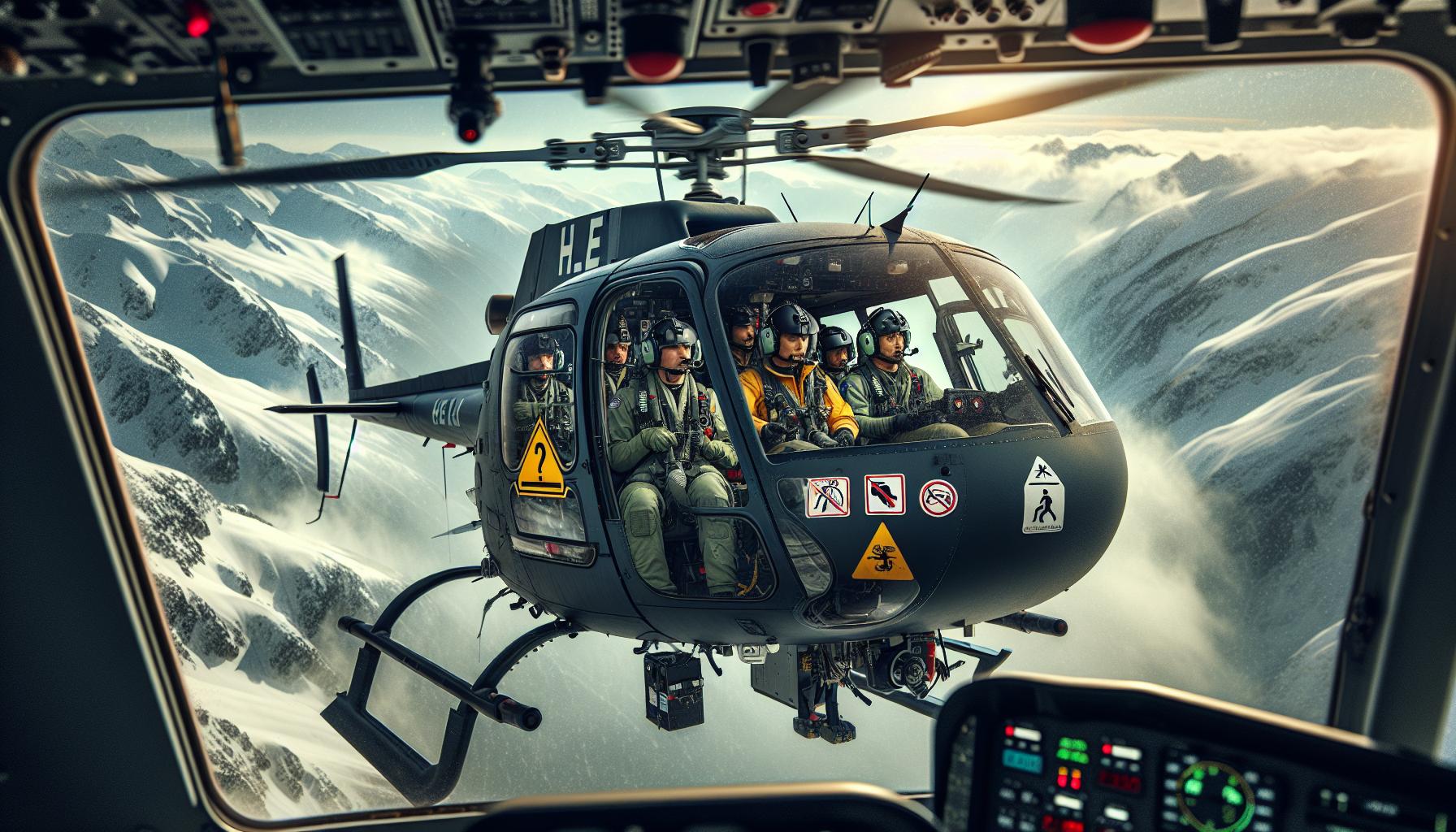
Helicopter flight safety, particularly at high altitudes, is governed by a complex set of regulations designed to ensure both pilot and public safety. The Federal Aviation Administration (FAA) has established specific operational altitudes for helicopters, recognizing their unique capabilities and the challenges posed by altitude. For instance, while the minimum altitude for most fixed-wing aircraft is 500 feet over sparsely populated areas, helicopters may operate below this threshold in certain circumstances, provided they do not pose a danger to persons or property on the ground.
One of the key safety regulations involves maintaining effective communication and situational awareness, especially at higher elevations where weather conditions can rapidly change. Pilots must be vigilant about the impacts of reduced air density on helicopter performance, particularly when flying at altitudes above 10,000 feet. At these heights, both the engine performance and rotor efficiency can be significantly compromised, necessitating adherence to strict operational procedures and altitude training.
To comply with safety regulations, helicopter pilots are required to have appropriate certifications that demonstrate their competency to operate at various altitudes. This includes extensive training in high-altitude operations, emergency protocols, and the specific performance limitations of their aircraft. Additionally, helicopter operators must regularly conduct maintenance checks to ensure their equipment is fully functional, which is critical for safe flights in challenging environments.
Moreover, emerging technologies are playing a vital role in enhancing safety at high altitudes. Advanced avionics systems can provide real-time data on altitude, airspeed, and environmental conditions, allowing pilots to make informed decisions during their flights. This integration of technology with rigorous pilot training creates a safer operational environment for high-altitude helicopter operations, ultimately helping to mitigate risks associated with flying at elevations that may challenge aircraft performance.
Comparing Helicopter Altitude Limits by Model

When it comes to helicopter flight, altitude limits vary significantly by model, influenced by factors such as design, engine power, and intended use. Understanding these differences can be essential for pilots, operators, and aviation enthusiasts alike. For instance, many conventional helicopters hover effectively up to 10,000 feet, primarily due to limitations in rotor efficiency and engine performance. However, performance can vary notably among different models.
Key Helicopter Models and Their Altitude Capabilities
- Robinson R44: This popular light helicopter typically operates best below 10,000 feet. Its functional ceiling is around 14,000 feet, but flying at such altitudes can affect performance, particularly during hot weather or with a heavy load.
- Bell 206 JetRanger: Known for its versatility, the Bell 206 can typically reach an altitude of about 13,000 feet in hover, making it suitable for various applications, from law enforcement to tourism. Its robust design allows it to maintain stability at these higher elevations.
- Eurocopter AS350: This single-engine helicopter shines at high altitudes, boasting a maximum operating altitude of around 20,000 feet. It is commonly used for search and rescue operations in mountainous regions, where such capabilities are vital.
- AS532 Cougar: As a military transport helicopter, the Cougar operates effectively at altitudes approaching 25,000 feet. Its powerful engines and advanced rotor system support high-altitude missions, making it a reliable choice for challenging environments.
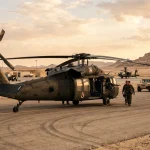
- Sikorsky UH-60 Black Hawk: This versatile military helicopter can operate at altitudes of up to 25,000 feet as well, designed specifically for logistical flexibility in various terrains, including high-altitude regions.
Understanding Model Limitations
While many helicopters have impressive altitude capabilities, it’s crucial to recognize that performance diminishes as altitude increases. Factors such as decreased air density at high altitudes can reduce both lift and engine efficiency, making training and operational awareness vital for high-altitude flights. Pilots must consider these limitations in real-world scenarios, whether it’s in resource-limited environments or during endurance missions.
In conclusion, comparing altitude limits by helicopter model illustrates the diverse capabilities within the rotorcraft industry. From the accessibility of the Robinson R44 to the rugged performance of military models like the UH-60 Black Hawk, each helicopter serves specific needs and excels in particular environments, fostering a deep appreciation for the engineering marvels that enable flight.
Future Trends: Pushing the Limits of Helicopter Altitude
The quest to push helicopters to new height limits encompasses groundbreaking advancements in technology and innovative designs. As pressure increases for helicopters to operate more effectively in extreme environments, manufacturers are exploring various enhancements that may redefine altitude capabilities. One particular focus is on optimizing rotor blade design to improve lift and efficiency at high altitudes, where air density is decreased significantly.
Modern rotorcraft are increasingly utilizing lightweight materials such as carbon fiber composites, which provide greater strength-to-weight ratios compared to traditional metal components. This reduces overall weight and allows for larger, more efficient rotor systems that can generate more lift at elevated altitudes. Moreover, advancements in engine technology, including the development of more powerful turboshaft engines that can function efficiently in thin air, enable helicopters to venture higher while maintaining optimal performance.
Emerging technologies like fly-by-wire systems and advanced avionics are also contributing to safer and more precise high-altitude flying. These systems enhance pilot control and situational awareness, allowing for better handling of the complex dynamics at elevated altitudes. For example, drones and autonomous systems are being integrated into helicopter operations, potentially allowing for safer missions in environments where human pilots might struggle.
As aviation agencies recognize the changing landscape, future regulations could adapt to accommodate these advancements, potentially allowing higher ceiling limits and new operational protocols. With the ongoing research and development dedicated to these innovative designs and technologies, the horizon for helicopter flight is expanding, promising exciting possibilities for the future of aviation.
What You Need to Know About Altitude Training
High-altitude flying is a specialized skill that demands not only technical know-how but also thorough training and preparation. For aspiring pilots, understanding the intricacies of altitude training is essential to safely navigating higher elevations. This type of training equips pilots with the tools necessary to handle the unique challenges posed by lower air density and reduced performance capabilities of helicopters at altitude.
As altitude increases, the atmosphere thins, which significantly affects helicopter lift, engine performance, and pilot physiology. Therefore, altitude training usually includes both theory and practical applications. Pilots learn about how reduced air pressure impacts rotor performance and how to manage their helicopters effectively. Instructors often emphasize the importance of weight management and understanding critical speeds, which can vary dramatically in thinner air.
Additionally, altitude training often incorporates simulated scenarios that emphasize emergency procedures unique to high-altitude operations. For instance, pilots may practice engine failure procedures at higher elevations, where options for autorotation landings can be limited. This kind of training helps build confidence and ensures that pilots are prepared to react decisively in potentially hazardous situations.
Moreover, acclimatization is a crucial aspect of altitude training. Pilots must become familiar with physiological changes they may experience at higher altitudes, including the risk of hypoxia. Training programs frequently include exercises to identify early signs of altitude sickness and techniques to mitigate these risks, such as the use of supplemental oxygen. Ultimately, effective altitude training not only enhances pilot competency but also plays a vital role in promoting safety during high-altitude operations, making it an indispensable component of helicopter pilot education.
Frequently asked questions
Q: What is the maximum altitude a helicopter can reach?
A: The maximum altitude for conventional helicopters is typically around 10,000 feet (3,048 meters) above ground level (AGL). Specialized helicopters can exceed this under specific conditions, potentially reaching up to 13,000 feet in some instances [2].
Q: How does altitude affect helicopter performance?
A: As altitude increases, air density decreases, which affects rotor efficiency and lift. Pilots must account for this reduction in performance at high elevations, requiring specialized training and aircraft design [1].
Q: What types of helicopters can fly at high altitudes?
A: High-altitude helicopters include modified models designed for specific missions, such as mountain rescue or scientific research, where performance at elevations above 10,000 feet is necessary [1].
Q: What are the safety regulations for flying helicopters at high altitudes?
A: Safety regulations include pilot experience requirements, specific flight training for high-altitude operations, and adherence to weather conditions that significantly impact helicopter performance [1].
Q: Why do helicopters have altitude limits compared to airplanes?
A: Helicopters have lower altitude limits primarily due to their reliance on rotor dynamics for lift. The diminishing air density at higher altitudes affects their rotor blades more significantly than fixed-wing aircraft [3].
Q: How do weather conditions influence helicopter flight altitudes?
A: Weather plays a crucial role in altitude limits. High winds, turbulence, and temperature variations can reduce performance and safety, particularly in helicopters flying at higher altitudes [1].
Q: Are there technology advancements that help helicopters fly higher?
A: Yes, advances such as improved rotor designs, engine efficiency, and auxiliary power units are being developed to enhance helicopter performance at higher altitudes. These technologies aim to address the challenges of reduced lift and efficiency [3].
Q: How can pilots prepare for high-altitude helicopter flights?
A: Pilots can prepare by obtaining specialized training focused on high-altitude operations, familiarizing themselves with performance limits, and practicing maneuvers in controlled settings to gain experience [1].
The Conclusion
Understanding how high a helicopter can fly is not just a matter of altitude; it’s about the complexity of performance metrics in varying conditions. As we explored, factors like density altitude significantly affect a helicopter’s capabilities. If you’re passionate about aviation and curious to learn more, consider diving deeper into topics such as helicopter performance in different environments or the impact of weather on flight operations.
Don’t miss our related articles on helicopter training programs and tips for aspiring pilots. Ready to elevate your aviation knowledge? Subscribe to our newsletter for the latest insights and expert resources. Share your thoughts or questions in the comments below, and join our growing community of helicopter enthusiasts. Your next adventure in the skies starts here-let’s take off together!
Get our latest guides, news, and insights highlighted in your Google Search & AI Overviews.