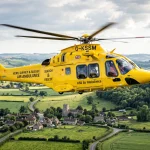
Embarking on the journey to become a helicopter pilot is as thrilling as it is challenging, yet many aspiring aviators find themselves wondering: how much will it really cost? The total expense for obtaining a helicopter license can range from $15,000 to over $35,000, depending on various factors such as flight hours, training programs, and certification types. Understanding this financial commitment is crucial for anyone venturing into the skies. Whether you dream of soaring through the clouds for fun or envision a fulfilling career in aviation, knowing the costs can help you plan effectively and avoid surprises along the way. Dive in as we break down the expenses associated with achieving your helicopter license, equipping you with the insights necessary to navigate this exciting path!
How Much Does a Helicopter License Cost?
Embarking on the journey to becoming a helicopter pilot is an exciting venture, but it also comes at a significant financial cost. On average, the total expenses for obtaining a private helicopter pilot certificate can range from $15,000 to $25,000. If you’re considering advancing to a commercial pilot license, this could push your overall investment between $40,000 to $80,000, heavily influenced by the specific training hours and types of helicopters used during your instruction[2] [3].
The costs can be classified into several major categories:
- Flight School Tuition: This typically comprises the most substantial part of your expenses, including instructional fees and aircraft rental.
- Flight Hours: Depending on the school and your proficiency, you’ll need a minimum of 40 logged hours for a private license, but most students require around 60-70 hours.
- Equipment and Supplies: Essential gear like headsets, navigation tools, and ground school materials can add hundreds to thousands of dollars to your budget[1].
- Examination and Licensing Fees: Costs associated with testing and administrative processing can also accumulate and should not be overlooked.
When budgeting for a helicopter license, it’s essential to include potential hidden costs. These may encompass insurance, unexpected maintenance fees, and lessons learned from additional training needed to meet proficiency requirements. Consider reaching out to multiple flight schools to compare prices and ask about their hourly rates, including specifics on the types of helicopters used for training, as these can dramatically influence the overall cost[2] [3].
Ultimately, while the financial commitment is significant, investing in a helicopter license opens up lucrative career opportunities, making it a worthwhile pursuit for many enthusiasts.
Understanding the Types of Helicopter Licenses
There are various types of helicopter licenses, each serving different needs and specialized career paths, making it essential to understand the distinctions before embarking on your flight training journey. The primary licenses are the Private Pilot License (PPL), the Commercial Pilot License (CPL), and the Certified Flight Instructor (CFI) license.
To start, the Private Pilot License (PPL) is the foundational license for aspiring helicopter pilots. It allows individuals to fly helicopters for personal use and is the first significant step toward a flying career. To obtain a PPL, a minimum of 40 flight hours is typically required, although most students end up accruing between 60 to 70 hours. Financially, the costs associated with earning a PPL can range from about $15,000 to $25,000, influenced by factors including training duration, location, and aircraft rental rates.
Upon gaining a PPL, pilots often pursue a Commercial Pilot License (CPL), which allows them to be compensated for their flying services. This advanced license requires significantly more training-around 115 hours of flight time, including at least 30 hours of ground instruction. The total cost can vary widely, generally falling between $40,000 and $80,000 depending on various factors such as prior experience and the types of helicopters used during training.
For those looking to teach others, the Certified Flight Instructor (CFI) license becomes an appealing option. This certification not only qualifies an individual to instruct student pilots but also helps them build flight hours while earning an income. The path to becoming a CFI typically requires additional training and a commitment to learning teaching techniques and flight examination standards.
In addition to these primary licenses, there are ratings and endorsements available that allow for maneuvering different types of helicopters, and for flying under various conditions (e.g., Instrument Rating). Each step up in qualification not only enhances a pilot’s credentials but also affects the overall costs associated with training and certification, making it crucial for aspiring pilots to plan their financial commitments accordingly.
Key Factors Influencing Helicopter License Costs
The cost of obtaining a helicopter license can vary significantly based on several key factors. Understanding these influences is crucial for aspiring pilots, allowing them to budget effectively and prepare for the financial commitments associated with flight training.
Among the most critical elements impacting the price of helicopter training are the type of license pursued, flight school reputation, and aircraft rental rates. The type of license is foundational; for instance, a Private Pilot License (PPL) may range from $15,000 to $25,000, while a Commercial Pilot License (CPL) typically costs between $40,000 and $80,000 due to the increased flight hour requirements. The reputation of the flight school also plays a pivotal role-renowned institutions may charge more but could offer superior training, better aircraft, and enhanced networking opportunities, potentially leading to quicker job placements after certification.
Aircraft rental rates vary by helicopter model and location. For example, a Robinson R22, a common training helicopter, rents for about $250-$300 an hour, while the larger R44 may start at $450 an hour. These differences can dramatically influence the total bill, especially as students log multiple hours in preparation for their tests.
Other variables include fuel prices, insurance costs, and the availability of instructors. Higher fuel prices can inflate hourly training costs, while regions with fewer qualified instructors may lead to longer flight wait times and less flexibility in scheduling, increasing the overall duration of training.
Finally, aspiring pilots should also consider ancillary expenses such as ground school tuition, exam fees, medical examinations, and potential travel costs for training if a local flight school is not available. By accounting for these factors, potential helicopter pilots can create a realistic financial plan for their training journey.
A Detailed Breakdown of Training Costs
To become a helicopter pilot, understanding the detailed costs of training is paramount. Helicopter training can be quite an investment, with costs varying based on the type of license pursued, flight school reputation, and individual training needs. While the initial estimates for obtaining a Commercial Pilot License for helicopters can range from $55,000 to $70,000, breaking down these expenses reveals a more complex financial picture.
Training Costs Breakdown
The following categories contribute significantly to the overall cost of helicopter flight training:
- Flight Hours: Flight time is a critical component of training, with students often needing a minimum of 150 hours for a Commercial Pilot License. The hourly rental cost of the helicopter can greatly affect total expenses; for instance, training in a Robinson R22 typically costs between $250 and $300 per hour, while the larger Robinson R44 starts at around $450 per hour. If a student logs 100 hours in an R22, that alone could total between $25,000 and $30,000.
- Ground School: Ground school is essential for learning theory and regulations. Tuition can range from $1,000 to $5,000 depending on the program and the depth of material covered. Some flight schools include this in their packages, while others charge separately.
- Flight Instructor Fees: Hiring a qualified flight instructor is necessary for personalized guidance. Instructors may charge hourly rates typically ranging from $50 to $150, impacting the total training costs based on how many hours of instruction are needed.
- Examinations and Certifications: Costs can accrue from various exams, such as the FAA medical exam and practical flight tests. Potential expenses for these tests can easily add up to a few hundred dollars.
- Miscellaneous Supplies: Students should budget for equipment such as headsets, flight bags, manuals, and other essential supplies, which can range from $500 to $1,500.
Real-world Example
For example, an aspiring pilot aiming for a Commercial Pilot License might incur the following costs:
| Expense Item | Cost Estimate |
|---|---|
| Flight Hours (100 hours in R22) | $25,000 – $30,000 |
| Ground School | $1,000 – $5,000 |
| Flight Instructor (20 hours) | $1,000 – $3,000 |
| Examinations | $500 – $1,000 |
| Supplies | $500 – $1,500 |
| Total Estimate | $28,500 – $41,500 |
Ultimately, potential helicopter pilots should approach training with a comprehensive financial plan, accounting for both expected and unexpected expenses. By breaking down costs, aspiring pilots can budget effectively and fully prepare for the financial commitment involved in their journey to becoming a helicopter pilot.
Additional Expenses to Consider
While aspiring helicopter pilots often focus on the primary costs associated with obtaining a license, it’s crucial to also consider several additional expenses that can significantly impact the overall budget. Understanding these costs can help potential pilots avoid financial surprises and ensure a smoother training experience.
One of the hidden costs includes insurance. Many flight schools require students to hold liability insurance to cover potential damages during training. This can range from $1,000 to $3,000 annually, depending on the coverage level and the individual’s flying experience. Additionally, if you’re renting a helicopter for training, you might be liable for any damage that occurs during your flights, making it essential to have adequate insurance.
Another factor is fuel costs. While some flight schools include the cost of fuel in their rental fees, others might charge separately, and fuel prices can fluctuate based on market conditions. This can add hundreds of dollars to your training, especially during times of high fuel prices. Additionally, considering the average flight time required (up to 150 hours for a Commercial Pilot License), the cumulative fuel costs could become a significant part of your budget.
Equipment and supplies also deserve attention. Beyond the basic gear like headsets and flight bags, you may need specialized tools or publications for your training. While initial costs can be estimated between $500 and $1,500, it’s prudent to budget for replacement gear or additional materials as you progress. Similarly, some flight schools may charge fees for simulator time or additional checkouts in different helicopter models, which can also inflate overall expenses.
Lastly, if you’re pursuing additional ratings or certificates, it’s essential to recognize that these come with their own costs. For instance, obtaining an instructor rating or additional type ratings could require significant further investment, often in the range of $10,000 to $30,000 each, depending on the specific skills and training involved.
Planning for these additional expenses can help aspiring helicopter pilots navigate their financial commitments more successfully, ensuring they can fully focus on their training and future careers in aviation.
Comparing Costs: Helicopter vs. Other Pilot Licenses
Becoming a pilot is a thrilling journey, but when it comes to the costs, aspiring aviators may find quite a disparity between different types of licenses. While the financial investment required for a helicopter pilot license tends to be higher than for fixed-wing aircraft, understanding the nuances can help candidates make informed decisions.
One of the primary reasons for the elevated costs of helicopter licenses is the price of training. A full Commercial Pilot License for helicopters can range from $55,000 to $70,000, depending on personal factors like prior experience and the total flight hours needed for certification [1]. In contrast, obtaining a Private Pilot License for fixed-wing aircraft generally costs between $10,000 and $15,000, while a Commercial License for airplanes may only reach up to about $35,000 [3]. This difference manifests not only in tuition but also in hourly rates for flying and dual instruction, which are often higher for helicopter training.
Furthermore, helicopter operations normally incur elevated costs due to factors like maintenance, insurance, and fuel. Helicopter technology is more complex, meaning that upkeep is often pricier than that of a typical airplane. For instance, fuel costs for helicopters tend to fluctuate significantly based on market conditions, which can add hundreds to thousands of dollars to the overall training budget as students log their required flight hours [2]. Additionally, the overall pool of helicopter instructors is smaller compared to fixed-wing pilots, leading to heightened demand and costs for instruction.
To paint a clearer picture, here’s a quick comparison of average costs for pilot licensing:
| License Type | Estimated Cost |
|---|---|
| Private Pilot License (Helicopter) | $12,000 – $15,000 |
| Private Pilot License (Fixed-Wing) | $10,000 – $15,000 |
| Commercial Pilot License (Helicopter) | $55,000 – $70,000 |
| Commercial Pilot License (Fixed-Wing) | $30,000 – $35,000 |
This financial contrast highlights the significant investment required to train as a helicopter pilot. While the initial costs may seem daunting, many choose this path for the unique career opportunities it offers, ranging from emergency medical services to aerial cinematography. Ultimately, evaluating these costs against the operational demands and potential career rewards can help aspiring pilots weigh their options effectively.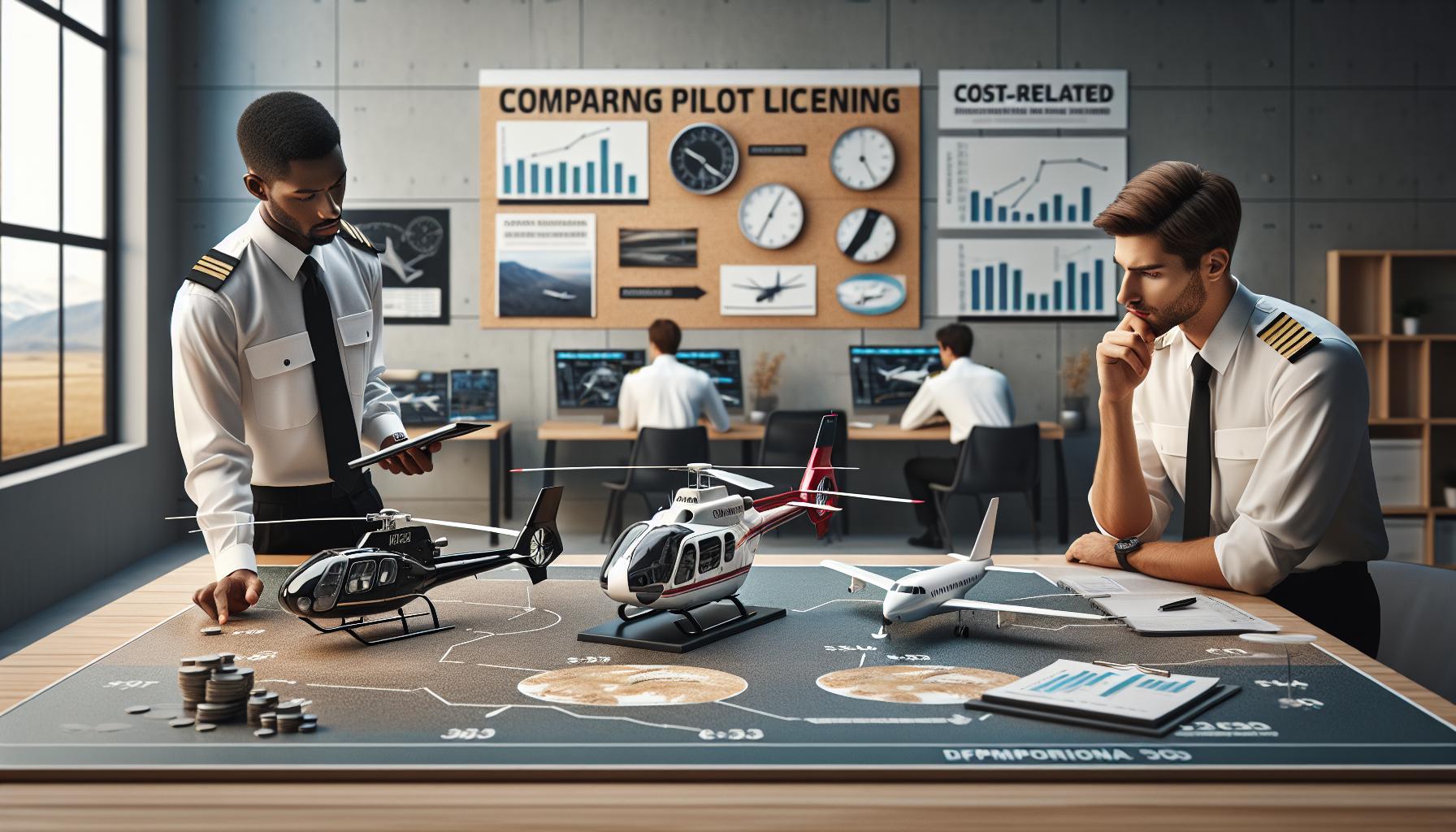
Financing Your Helicopter License: Options and Tips
Aspiring helicopter pilots often face a significant financial barrier when pursuing their licenses, but there are multiple avenues available to help fund this rewarding journey. Understanding these options can not only alleviate some of the financial stress but also allow you to focus on your training with peace of mind.
One of the most common methods of financing helicopter training is through specialized flight training loans. Organizations like Pilot Finance offer tailored financing options specifically designed for aviation students. These loans can cover the costs of tuition, training materials, and even living expenses. With the ability to apply online and flexible repayment plans, students can find a financing solution that fits their financial situation. Always consider interest rates and repayment terms, as these can vary widely among lenders.
Additionally, many flight schools, such as HeliStream and Helicopter Academy, offer their own financing plans or have partnerships with financial institutions to assist students in managing tuition costs. Some schools might provide payment plans that allow you to spread out payments over the duration of your training. This can make the financial burden more manageable compared to paying a large lump sum upfront [2, 3].
It’s also worth exploring scholarships and grants specifically aimed at aviation students. Various aviation associations and organizations provide financial aid opportunities for aspiring pilots. These funds often don’t require repayment, making them a highly beneficial option for reducing debt.
Finally, planning your training schedule wisely can help mitigate some costs. Structuring your flight hours during training sessions to maximize efficiency, or seeking instructors who offer competitive rates, could lower overall expenses. Always stay informed about any hidden costs, such as additional fees for materials or flight examinations, to budget accordingly.
In summary, while financing your helicopter license requires careful consideration and planning, leveraging loans, school financing options, scholarships, and strategic scheduling can make achieving your flying dreams more accessible.
Hidden Costs in Helicopter Training
Aspiring helicopter pilots often encounter unexpected expenses throughout their training that can significantly increase the overall cost of obtaining a license. Understanding these hidden costs is essential for effective budgeting and financial planning. From auxiliary fees to additional training requirements, these factors can add up and catch new pilots off guard.
One of the most common hidden costs involves training materials and supplies. While flight schools often provide instruction, students may need to purchase their own textbooks, manuals, and navigation tools, which can easily cost several hundred dollars. Additionally, flight training often requires students to invest in quality headsets, kneeboards, and other equipment. A quality headset alone can range from $200 to $1,000, depending on the features and brand.
Another subtle but significant expense is the FAA examination and checkride fees. While many students anticipate the cost of flight hours, they may overlook the separate fees for FAA written exams and practical tests, which can total between $300 and $700. This includes fees for practical flight tests and checkrides, which are mandatory for certification.
Furthermore, as flight training progresses, you’ll realize that additional flight hours might be needed to ensure proficiency, especially in specialized areas like instrument flight rules (IFR). This extra training not only extends the timeframe for certification but can also add thousands of dollars to your budget. For instance, if the standard training includes 50 hours of flight time, but you find you need an additional 10 hours at a cost of $300-$500 per hour, that can quickly amount to an extra $3,000 to $5,000.
Lastly, insurance costs are often a significant and overlooked part of flight training. Many schools require students to carry liability insurance, which can vary widely from $150 to $600 per year. If you decide to pursue your commercial license, the insurance requirements could increase substantially.
Overall, being aware of these hidden costs can help aspiring helicopter pilots prepare financially for their journey toward becoming licensed aviators. By planning ahead, you can avoid many financial pitfalls and focus on what truly matters-developing the skills required to safely and effectively operate a helicopter.
Maintenance and Ownership Costs for Helicopters
Owning a helicopter is an exhilarating experience, but it also comes with a range of maintenance and operational costs that can take new owners by surprise. A common misconception is that the initial purchase price is the end of financial responsibility; in reality, ongoing expenses can be substantial. From routine maintenance to insurance and fuel, planning for these costs is essential for anyone considering helicopter ownership.
Routine Maintenance
Helicopter maintenance is not merely about keeping the aircraft in flying condition; it is a critical aspect of ensuring safety and compliance with aviation regulations. Routine inspections typically occur after every 50, 100, or 300 flight hours, and these can cost anywhere from $1,000 to $15,000 depending on the helicopter’s model and age. Moreover, parts and component overhauls can add thousands more to your annual budget. For example, a new engine or rotor system can run upwards of $100,000, making it imperative to set aside funds for routine checks and unexpected repairs.
Operational Costs
Fuel is another significant expense, with helicopters averaging anywhere from 8 to 20 gallons per hour. With fuel prices fluctuating, owners can expect to pay around $5 to $6 per gallon, resulting in operational costs that can easily exceed $500 per flight hour. Additionally, depending on how often the helicopter is flown, this expense can quickly add up. Regular flight hours can lead to high fuel costs that prospective owners should account for in their budgeting.
Insurance and Storage
Insurance is a critical and often underestimated cost of ownership. Premiums can vary based on the helicopter type, intended use, and pilot experience, but owners should anticipate spending anywhere from $1,200 to $10,000 annually. Furthermore, secure storage solutions like hangars can range from $200 to $2,000 per month based on location and facility, which can add to monthly expenses considerably.
Unexpected Expenses
Lastly, helicopter ownership can bring about unexpected costs such as damage repairs, upgrades, and compliance with new regulations. Events like hangar rash or minor accidents can lead to repair bills that add up quickly. Additionally, staying compliant with FAA regulations may require that owners invest in technology upgrades and safety equipment.
Taking the plunge into helicopter ownership is thrilling, but factors like maintenance, fuel, insurance, and storage must be part of the financial consideration. Properly evaluating and planning for these costs will ensure that the joy of flying is not overshadowed by financial stress. With diligent budgeting, aspiring helicopter owners can successfully navigate these expenses and enjoy every minute in the air.
Career Opportunities After Earning Your License
Embarking on a journey to become a licensed helicopter pilot opens up a world of exciting career opportunities. The demand for skilled helicopter pilots spans various sectors, offering both diversity and the chance to make a significant impact in several fields. From medical emergencies to law enforcement, the skills you acquire during your training can lead to fulfilling and often adventurous career paths.
Types of Helicopter Pilot Careers
There are numerous career options available after earning your helicopter license, including:
- Medical Transport Pilot: Pilots in this role work with air ambulances to transport patients quickly during emergencies, saving lives while navigating challenging conditions.
- Law Enforcement Pilot: These pilots assist police forces by conducting surveillance, pursuing suspects, and offering aerial support during incidents.
- Corporate Pilot: Flying executives and VIPs to various destinations, corporate pilots need to maintain a high level of professionalism and flexibility.
- Commercial Pilot: Opportunities in tourism, agricultural spraying, or aerial photography allow pilots to explore their passions while earning a living.
Potential Earnings
While the cost of obtaining a helicopter license can be significant, the return on investment can be rewarding. Entry-level pilots may start with salaries around $50,000, but as you gain experience and engage in specialized fields, salaries can rise dramatically. For example, experienced medical transport pilots can earn upwards of $100,000 annually, while those in law enforcement or corporate aviation also have strong earning potential due to the critical nature of their work.
Networking and Training Support
Taking the initial step toward becoming a helicopter pilot is just the beginning. Leveraging connections made during training and joining professional organizations can provide valuable resources for career advancement. Many flight schools offer job placement assistance and networking opportunities that can help new pilots secure their first jobs. Additionally, continuing education and pursuing advanced certifications can further enhance your career prospects and potentially lead to roles in flight instruction or management.
In summary, the journey to becoming a helicopter pilot is not just about the financial commitment of training but also about entering a diverse and fulfilling profession with numerous opportunities for growth and success. With dedication and a passion for flying, your helicopter license can be a key that unlocks many doors in the aviation industry.
Exploring Helicopter Flight Schools: What to Expect
Choosing the right helicopter flight school can significantly impact your journey to becoming a licensed pilot. Each school offers unique training environments, aircraft, and resources, which can influence both your learning experience and overall costs. Expect a variety of options that cater to different learning styles, whether you’re looking for hands-on experience with advanced flight simulators or personalized instruction from experienced pilots.
When researching flight schools, consider the following key factors that can affect your training experience and expenses:
Type of Training Programs
Many flight schools offer tiered training programs depending on whether you’re pursuing a Private Pilot License (PPL) or a Commercial Pilot License (CPL). Training duration and costs vary greatly, with PPL programs typically ranging from $12,000 to $15,000, while CPL programs can cost between $30,000 and $70,000, depending on the hours required and the complexity of the aircraft used [[3]](https://pilotinstitute.com/how-to-become-a-helicopter-pilot/).
Aircraft and Equipment
The type of helicopters used in training can influence both availability and cost. Schools that utilize more advanced or newer models may charge higher fees to cover maintenance and operational costs. You might want to inquire about their fleet and whether the school offers multiple helicopter models for varied training experiences. Always ask to see the maintenance records and the school’s commitment to safety as well.
Instructor Experience
The qualifications and experience of the instructors are critical. More experienced instructors may demand higher fees, but they often bring valuable insights and tricks of the trade that enhance your learning experience. Look for schools that emphasize instructor training and have structured feedback systems in place to ensure high-quality education.
Location and Facilities
Location can also impact costs and your training routine. Schools located in regions with higher living expenses or regulated airspace may charge more for tuition. Additionally, schools with access to favorable weather conditions can facilitate a more consistent training schedule, potentially saving you time and money in the long run.
Visiting prospective flight schools is one of the best ways to gauge the quality of their programs. Attend open houses or schedule a tour to meet with instructors and see the training environment firsthand. This immersive experience can help you make an informed choice, setting a solid foundation for your aviation career. Selecting the right school not only ensures you receive quality training but can also provide networking opportunities as you connect with future colleagues in the industry.
Tips for Saving Money on Flight Training
Embarking on the journey to become a helicopter pilot can be a thrilling adventure, but the associated costs can sometimes feel daunting. Fortunately, there are several strategies you can employ to keep expenses manageable while still receiving quality training.
First, choose the right school wisely. Not all flight schools are created equal. Research schools that offer competitive pricing without compromising on quality. Look for institutions with good reputations, verified student success rates, and transparent pricing structures. Sometimes, smaller or less popular schools provide excellent training at a fraction of the cost of larger, more well-known institutions.
Another effective way to cut down on costs is to maximize your training time efficiency. Schedule your lessons consistently to maintain your skills and knowledge, as long gaps between lessons can lead to the need for additional refresher training. Additionally, consider using a flight simulator for your ground training or to practice specific maneuvers. This can reduce the amount of time you need to fly with an instructor, ultimately lowering your overall training costs.
It’s also wise to take advantage of discounts or scholarships. Some schools offer financial assistance programs, group rates, or other incentives for students who pay upfront. Keep an eye out for scholarships specifically for aspiring pilots, as many aviation organizations offer funds to support training costs.
Lastly, consider sharing flight time with a training partner. This not only makes lessons more affordable by splitting costs but can also enhance your learning experience, as you can discuss techniques and learn from each other’s strengths.
By implementing these tips, you can enjoy the journey toward earning your helicopter license while keeping your budget in check, ensuring a sustainable path to achieving your aviation dreams.
Faq
Q: What is the average total cost for obtaining a helicopter license?
A: The average total cost for obtaining a helicopter license typically ranges from $15,000 to $30,000. This includes ground training, flight hours, and associated fees. Be prepared for additional costs for advanced ratings or specialized training.
Q: How long does it take to get a helicopter license?
A: Obtaining a helicopter license can take 3 to 6 months depending on your availability and the flight school’s schedule. Full-time students can complete their training more quickly than those training part-time.
Q: Are there grants or scholarships available for helicopter pilot training?
A: Yes, various organizations and flight schools offer grants and scholarships for aspiring helicopter pilots. Research aviation associations or local flight schools for potential funding opportunities to help with training costs.
Q: What ongoing costs should a helicopter pilot expect after obtaining their license?
A: After obtaining a helicopter license, pilots should expect ongoing costs such as insurance, maintenance, and fuel for their aircraft. Keeping their skills sharp with regular flying lessons can also incur additional costs.
Q: Are flight schools offering financing options for helicopter training?
A: Many flight schools offer financing options for helicopter training, including payment plans and loans through third-party lenders. It’s advisable to inquire directly with schools to understand the best options available.
Q: How do the costs of helicopter licenses compare to fixed-wing aircraft licenses?
A: Generally, helicopter licenses are more expensive than fixed-wing licenses. Helicopter training requires more flight hours and specialized instruction, resulting in an average cost difference of $5,000 to $10,000 or more.
Q: What factors can affect the overall cost of helicopter pilot training?
A: Several factors can affect helicopter pilot training costs, including location, type of helicopter used for training, instructor fees, and personal flight hours. Students should consider these as they budget for their training.
Q: What are some effective ways to save money on helicopter flight training?
A: To save money on helicopter flight training, consider options such as group lessons, booking packages with flight schools, and seeking scholarships. Consistent practice and preparation can also reduce the number of flight hours needed.
Final Thoughts
As you explore the journey of obtaining your helicopter license, remember that understanding the costs and what they entail is just the beginning. Whether you’re considering it for personal thrill or a career in aviation, the investment can open thrilling opportunities. Ready to take the next step? Dive deeper into our informative guide on helicopter flight schools and discover financing options available to aspiring pilots. If you have any questions or wish to share your own experiences, please leave a comment below – we love hearing from fellow aviation enthusiasts!
Don’t miss our other resources on helicopter maintenance and popular helicopter models, which can further enrich your knowledge and guide your future in aviation. Subscribe to our newsletter for the latest tips and insights that elevate your flying dream. Your path to the skies begins here, so stay curious and keep exploring!
Get our latest guides, news, and insights highlighted in your Google Search & AI Overviews.