When considering the purchase of a Robinson helicopter, understanding the costs involved is essential. With models like the R22 and R44, these aircraft offer different price points and operating expenses that can significantly impact your budget. Did you know that a pre-owned Robinson R22 Beta II can cost around $301,000, with annual operating costs exceeding $266,000? This highlights why it’s crucial for prospective buyers and enthusiasts alike to explore the financial implications thoroughly.
As you delve into this model price guide, you’ll uncover not only the purchase prices of various Robinson helicopters but also their annual operating costs, which can influence your ownership experience. Whether you are an aspiring pilot, a seasoned aviator, or simply a helicopter enthusiast, understanding these details will equip you with the knowledge to make informed decisions. Join us as we navigate the fascinating world of Robinson helicopters and learn what you need to consider before taking to the skies!
Robinson Helicopter Overview: A Brief Introduction
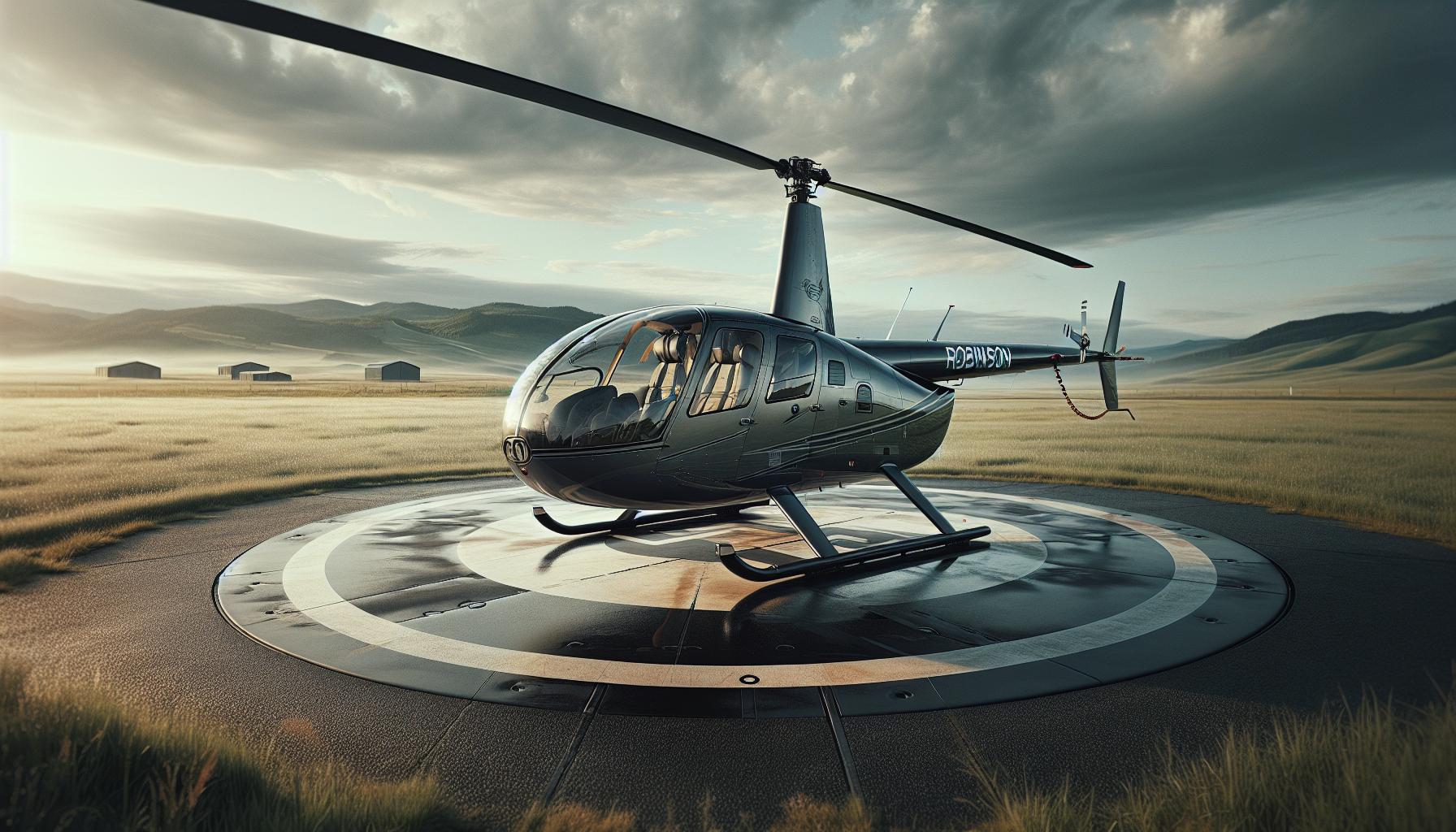
Robinson Helicopters, a prominent name in the aviation world, have made their mark as a leader in the production of light helicopters. Founded in 1973 by Frank Robinson, the company has become synonymous with affordability and reliability in personal and commercial flight operations. A key highlight of Robinson helicopters is their unique blend of innovative design, relatively low purchase and operating costs, and an impressive safety record-factors that have made them popular among private owners, flight schools, and commercial operators alike.
The Robinson R22 and R44 models stand out in the lineup, known for their efficiency and user-friendly characteristics. The R22, a two-seat helicopter, is often recommended for flight training due to its simplicity and lower operating costs. In contrast, the R44, a four-seat aircraft, provides more versatility for various uses, from personal transport to aerial photography. Each model incorporates advanced aerodynamics and engineering that enhance performance while maintaining economic viability, making them appealing choices for both seasoned pilots and newcomers looking to enter the world of aviation.
When considering the acquisition of a Robinson helicopter, potential owners should keep in mind not only the purchase price but also the associated costs of ownership, which can vary significantly based on the model and intended use. Factors such as maintenance, insurance, and fuel costs contribute to the overall expense, while financing options can help to alleviate the burden of an upfront investment. The relatively low operating costs, estimated at approximately $350 to $420 per flight hour for the R44, have contributed to the widespread use of Robinson helicopters in various sectors, from agriculture to law enforcement, demonstrating their versatility and appeal in the aviation market.
As you explore the possibility of owning a Robinson helicopter, it’s essential to weigh these considerations carefully-balancing your passion for aviation with practicality. Whether you envision yourself soaring through the skies for leisure or professional purposes, Robinson helicopters offer a gateway into the world of aviation that is both accessible and capable of delivering exceptional experiences.
Understanding Robinson Helicopter Models and Variants
Understanding the various models and variants of Robinson helicopters is essential for potential buyers looking to invest wisely in their aviation journey. Robinson Helicopter Company offers a range of helicopters tailored for different needs, from personal usage to commercial applications. Each model is designed with specific purposes in mind, making them unique in terms of capabilities, performance, and cost.
One of the standout models in the Robinson line-up is the R22, a lightweight, two-seat helicopter that’s often recommended for flight training and recreational flying. Due to its simplicity and lower operational costs, the R22 is an attractive option for new pilots looking to gain their wings without breaking the bank. It offers excellent fuel efficiency, which positions it as a cost-effective choice for those who wish to log flight hours affordably.
In contrast, the R44 offers four seats and enhanced versatility, making it suitable for a broader range of applications, from aerial photography to personal transport. This model incorporates additional power and payload capacity, which can benefit individuals and businesses alike. Its operating costs are higher than the R22, roughly estimated between $350 to $420 per flight hour, but it provides a greater range of capabilities for more demanding tasks.
For those looking for more advanced options, the Robinson R66, a turbine helicopter, represents a step up, featuring a larger cabin and advanced avionics. Typically, the price of a new R66 is around $940,000, positioning it as a premium option within the Robinson lineup.
As you explore these models, understanding their specifications and intended uses becomes crucial. Airlines, agricultural businesses, search and rescue operations, and even law enforcement agencies utilize different Robinson models for their unique benefits. Prospective buyers should carefully consider their specific needs and budget constraints when evaluating these options, ensuring that they select the model that aligns best with their operational goals and financial situation.
By examining each model’s characteristics and understanding their intended market segments, you can make a more informed decision that meets your flying aspirations and operational requirements. The Robinson helicopter family not only provides diverse options but also embodies a rich heritage of innovation and reliability that appeals to aviation enthusiasts and professionals alike.
Factors Influencing the Cost of Robinson Helicopters
The cost of owning a Robinson helicopter is influenced by a myriad of factors that potential buyers should carefully consider. Understanding these elements not only aids in budgeting but also helps ensure that the aircraft meets your operational needs without unexpected financial burdens.
One primary factor is purchase price. Robinson helicopters, known for their relatively lower initial costs, still represent a significant investment. The Robinson R22 begins at around $300,000, while the R44 is typically priced between $500,000 and $800,000 depending on features. The R66, with its turbine engine and advanced capabilities, can reach close to $940,000. It’s essential to align your choice of model with your intended use, whether for training, commercial, or personal flying, as this will drastically impact the initial outlay.
Another critical aspect is operational costs, which include fuel, maintenance, insurance, and hangar fees. Fuel efficiency varies by model, with the R22 offering the best consumption rates. Maintenance is particularly noteworthy, as helicopters require regular inspections and parts replacement, which can accumulate significantly over time. Factors such as flying hours, age of the helicopter, and manufacturer’s maintenance programs can influence these costs. For instance, operating an R44 typically costs between $350 and $420 per flight hour, which may include pilot salaries if operated commercially.
Insurance costs are another consideration. Given the inherent risks associated with flying, securing adequate coverage is essential. Insurance premiums can vary widely based on factors like pilot experience, type of operations conducted, and the helicopter’s market value. Newer pilots may face higher premiums as they build their flying experience and flight hours.
Lastly, understanding depreciation is crucial for long-term financial planning. Robinson helicopters generally depreciate at a rate influenced by market demand, usage, and condition. Buyers should be aware that while these aircraft retain a solid resale value, fluctuations in the economy and changes in aviation technology can affect depreciation rates.
In summary, insights into these factors-purchase price, operational costs, insurance considerations, and depreciation-equip prospective owners with a well-rounded perspective on what it truly means to invest in a Robinson helicopter. By weighing these elements, buyers can navigate their decision-making process with confidence and ensure that they choose the right model for their aviation goals.
Price Range of Popular Robinson Helicopter Models
Robinson helicopters are renowned for their affordability and reliability, making them a popular choice among aspiring pilots and seasoned aviators alike. When considering the investment, understanding the price range of various models is crucial. The Robinson R22, often regarded as an entry-level helicopter, typically starts around $300,000. With its efficient two-seat configuration, it remains a favorite for flight schools and personal use.
Moving up the price scale, the Robinson R44 is a step up, usually priced between $500,000 and $800,000. This model offers greater passenger capacity and more power, making it suitable for both commercial applications and personal enjoyment. The R44’s versatility and enhanced performance contribute significantly to its popularity in the helicopter market.
At the higher end, the Robinson R66 showcases modern advancements and a turbine engine. This model can push prices up to approximately $940,000, reflecting its superior technology and capabilities. Business owners often favor the R66 for its ability to meet various operational needs, from executive transport to aerial photography.
Here’s a brief overview of these popular models and their associated costs:
| Model | Price Range | Passenger Capacity | Engine Type |
|---|---|---|---|
| R22 | $300,000 | 2 | Piston |
| R44 | $500,000 – $800,000 | 4 | Piston |
| R66 | Up to $940,000 | 5 | Turbine |
Ultimately, your choice should align with your flying goals, operational requirements, and budget. Robinson helicopters prove that quality and performance can be accessible across various price points, catering to a wide spectrum of aviation enthusiasts.
Financing Options for Purchasing a Helicopter
When it comes to acquiring a Robinson helicopter, financing is a crucial aspect that many aspiring owners must consider. The cost of these helicopters can range from about $300,000 for the R22 to nearly $940,000 for the advanced R66 model. Given these significant amounts, understanding your financing options can make a substantial difference in your buying process.
There are several avenues available when looking for financing options tailored to helicopter purchases. One of the most common methods is through traditional bank loans. Many banks offer specialized aircraft financing departments that understand the unique aspects of helicopter loans. These loans may come with varying down payment requirements, typically ranging from 10% to 20% of the purchase price. Interest rates can also vary based on your credit history and the age of the helicopter.
Another popular option is to seek financing from companies that specialize in aircraft financing, such as Viking Equipment Finance, which provides flexible loan and leasing options specific to helicopters. They often have a better understanding of the market and may offer terms that are more advantageous compared to traditional banks. The advantage of working with these specialized lenders includes potentially quicker approvals and more tailored terms that align with the aircraft’s usage, be it personal or commercial.
Additionally, consider the possibility of leasing a helicopter, which may require a lower initial investment and offer you the flexibility to upgrade as your needs change. Leasing arrangements can allow you to acquire a newer model without the long-term commitment of full ownership, making it an attractive option for some buyers.
In practical terms, here are key factors to consider when exploring financing options for a Robinson helicopter:
- Credit Score: A higher credit score will typically yield better interest rates and terms.
- Down Payment: Be prepared to put down a percentage of the aircraft’s price upfront.
- Use Cases: Define whether the helicopter will be used for personal leisure or commercial purposes, as this can influence financing options.
- Loan Terms: Understand the repayment timeline and ensure it fits your financial situation; commercial use may lead to shorter terms for certain models.
Overall, being well-informed and prepared can streamline the financing process and ultimately help you secure your desired Robinson helicopter more efficiently.
Maintenance Costs Associated with Robinson Helicopters
Owning a Robinson helicopter can be an exhilarating experience, but it’s essential to understand the ongoing maintenance costs that come with it. Regular maintenance is not just a regulatory requirement; it’s critical for safety and performance. For instance, Robinson helicopters typically require scheduled inspections every 100 flight hours. This may translate to multiple inspections within a year, especially for owners who fly less than 100 hours annually, in which case some maintenance tasks may still need addressing based on the calendar rather than solely on flight hours.
The costs associated with these inspections can accumulate rapidly. An average inspection can range from $1,500 to $3,000, depending on the model and the complexity of the work required. Furthermore, the Robinson R44, known for its performance, also has specific maintenance requirements that can lead to significant costs if neglected or if unexpected repairs arise due to wear and tear. As the helicopter ages, it’s not uncommon for owners to find that their average hourly operating cost may climb to around $300, considering both routine maintenance and unplanned repairs, contrasting sharply with optimistic estimates from manufacturers [2].
Additionally, beyond the scheduled inspections, parts replacement is another crucial aspect of maintenance costs. Some components may have limited service lives and need replacement at set intervals, adding to the financial commitment. For example, blade replacements or significant overhauls can represent thousands of dollars. Owners should also factor in costs associated with staff training for maintenance or the benefits of maintaining a maintenance contract with a certified Robinson service center.
In summary, while the allure of flying a Robinson helicopter is undeniable, prospective owners must anticipate and budget for significant maintenance expenditures. This proactive approach will not only enhance safety and reliability but also ensure that the helicopter’s value is preserved over time.
Insurance Considerations and Costs for Owners
Insurance for owning a Robinson helicopter is a critical consideration that can significantly impact the overall cost of ownership. While it’s often overlooked, the right insurance policy can offer peace of mind, safeguarding your investment against unforeseen events such as accidents, theft, or damage. Understanding the factors that influence insurance costs, as well as the types of coverage available, is essential for every prospective helicopter owner.
Several factors can affect the cost of insuring a Robinson helicopter, including the model, usage, pilot experience, and geographical location. For instance, higher-value models like the Robinson R44 are generally more expensive to insure compared to the R22 due to their greater market value and operational capabilities. Insurance premiums also vary based on how the helicopter will be used-commercial or private purposes-and the experience level of the pilot. Insurers often require a certain number of flight hours and specific certifications, which can also drive costs higher for less experienced pilots.
Types of Coverage
When selecting an insurance policy, owners should consider several types of coverage:
- Hull Coverage: Protects against physical damage to the helicopter itself.
- Liability Coverage: Covers claims related to damage or injury caused to third parties.
- Personal Accident Coverage: Provides compensation to pilots and passengers in case of injury or death resulting from an accident.
- Ground Risk Coverage: Offers protection for damages incurred while the helicopter is not in flight.
Typical Insurance Costs
As a general estimate, insurance costs for a Robinson helicopter can range from $1,500 to $6,000 annually, depending on the factors mentioned above. For instance, a well-trained pilot insuring an R22 for personal use might find costs on the lower end of this spectrum, while a commercial operator with a fleet of R44s could face higher premiums due to increased risk factors. Additionally, many insurance providers offer discounts for safety measures such as equipped emergency flotation devices or advanced avionics, which can lead to lower overall premiums.
In conclusion, while insurance adds another layer of expense to helicopter ownership, it is vital for protecting your investment and providing necessary coverage in the event of an incident. Prospective owners should not only assess their needs and budget accordingly but also consult with insurance professionals to find the most suitable policy tailored to their specific circumstances. This proactive approach will ensure not just compliance with regulations but peace of mind in enjoying the exhilarating experience of flying a Robinson helicopter.
Depreciation Factors for Robinson Helicopters
Understanding how depreciation affects the value of a Robinson helicopter is crucial for every potential owner. Helicopters, like any other aircraft, experience wear and tear over time, and their market value can drop significantly from the moment they leave the showroom. For instance, it’s common for a new helicopter to lose 20% to 30% of its value within the first few years, especially if it’s a popular model like the Robinson R44 or the R66.
Several factors contribute to the depreciation rate of Robinson helicopters. First, the model and its popularity play a significant role. The R22, for example, is often more affordable and in constant demand for training purposes, helping it maintain a steadier resale value. In contrast, newer models or those with advanced technology, like the R66, might depreciate faster initially but stabilize over time as they mature in the market.
Another important factor is the helicopter’s maintenance history. A well-maintained helicopter with documented service history typically retains value better than one with a less clear background. Potential buyers look favorably upon helicopters that have received thorough inspections and proper upkeep, as they imply reliability and safety. Additionally, flight hours can heavily influence depreciation; fewer hours generally equate to a higher value.
Lastly, market conditions and economic factors cannot be ignored. The economic climate influences buyer confidence and demand, affecting resale values. For instance, during economic downturns, luxury items like helicopters may see sharper declines in value. Therefore, prospective owners should not only consider initial costs but also how these numerous factors influence long-term value retention when investing in a Robinson helicopter.
Being informed about these depreciation dynamics allows helicopter enthusiasts and operators to make educated decisions, enhancing their investment’s longevity and value over time.
Comparing Robinson Helicopters to Other Brands
The Robinson Helicopter Company is renowned for producing a range of popular helicopters, particularly favored for their affordability, reliability, and ease of handling. When like Bell or Airbus, several factors come into play that can significantly influence a buyer’s decision.
One of the most notable differences lies in pricing. Robinson helicopters are often more budget-friendly than many competitors. For instance, the Robinson R22 and R44 models are often considered entry-level options for private pilots and flight schools due to their lower acquisition costs. In contrast, a Bell 206 or an Airbus H120 could easily start at twice the price, making them less accessible for hobbyists or small operators looking to minimize investment.
Another aspect to consider is operational simplicity and maintenance. Robinson helicopters are designed with streamlined systems that are easier and less expensive to maintain. Their straightforward engineering appeals to owners who prefer doing maintenance themselves or to those operating in remote areas where specialized service may not be readily available. In comparison, more sophisticated models from Bell or Airbus may require a higher level of technical expertise for maintenance, resulting in higher costs and longer downtimes.
Moreover, the operational performance of Robinson helicopters proves compelling for many users. While brands like Bell and Airbus may offer advanced avionics and safety features, the essential flying characteristics of Robinson models are robust yet user-friendly, making them ideal for both novice pilots and experienced aviation enthusiasts. For example, the R44 offers impressive payload capabilities and range without the complexity and potential over-engineering that might be seen in larger competitors.
- Cost Efficiency: Robinson helicopters tend to be more affordable.
- Maintenance: Lower operational complexity often leads to reduced maintenance costs.
- User Experience: Designed for ease of use, making them suitable for a wider range of pilots.
Ultimately, aspiring helicopter owners should consider their specific needs when making comparisons. Whether it’s for flight training, personal use, or commercial operations, understanding the strengths of Robinson versus other brands can help align costs with performance and utility, paving the way for a more informed purchasing decision.
User Experiences: Buying and Owning a Robinson Helicopter
Purchasing a Robinson helicopter, whether for personal use, flight training, or commercial operations, can be an exhilarating journey, infused with both excitement and practical considerations. Many owners rave about the ownership experience, particularly praising the R22 and R44 models for their remarkable reliability and cost-effectiveness. Owners often describe the R22 as a nimble and enjoyable aircraft that provides an excellent balance of performance and operating costs, making it a favorite for flight schools and new pilots. The R44, on the other hand, is often highlighted for its versatility; with greater payload capacity and range, it serves as a great option for a wider variety of missions, from aerial tours to utility work.
The camaraderie among Robinson helicopter owners adds an enriching layer to the experience. Many enthusiasts share their stories and tips through online forums and local clubs, which not only fosters a sense of community but also equips new owners with invaluable insights. Prospective buyers are encouraged to connect with existing owners to learn about their first-hand experiences, especially regarding maintenance routines and operational nuances. For example, owners typically appreciate the straightforward maintenance guidelines Robinson helicopters are known for, which allows many to perform routine checks and minor repairs themselves, often leading to substantial savings.
Cost considerations heavily influence the buying experience. While the Robinson R22 has a base price of around $250,000 for new models, used options are commonly available at lower prices, making it a practical choice for many buyers. The R44’s acquisition cost runs higher, approximately $465,000 for new ones, but owners justify this expense with its enhanced capabilities and effectiveness in various operational roles. Those contemplating financing should assess the total cost of ownership, including insurance and maintenance, which generally remain lower compared to other brands. Grasping these financial aspects ahead of time can lead to a more fulfilling ownership experience and prevent surprises down the road.
In terms of special uses, Robinson helicopters are frequently employed in forestry management, law enforcement, and aerial photography, showcasing their adaptability. However, it’s essential for owners to undergo proper training and adhere to regulations-safety always being the number one priority. For many buyers, the thrill of maneuvering and owning such a dynamic aircraft is profound, representing not just a purchase, but a passion that combines skill, adventure, and community. The journey from aspiring pilot to helicopter owner is filled with wonders, useful knowledge, and lifelong friendships forged in the skies.
Special Uses and Applications of Robinson Helicopters
Robinson helicopters have gained a stellar reputation in various industries, showcasing their remarkable versatility and adaptability. From aerial tours to utility work, the use cases for these aircraft are diverse, making them an attractive choice for many operators. The Robinson R22 and R44 models are particularly favored in sectors such as agriculture, law enforcement, and emergency services due to their operational efficiency and relatively low cost.
In the realm of agriculture, Robinson helicopters are frequently used for crop dusting and monitoring land. The agility of the R22 allows pilots to navigate fields with precision, enabling effective application of fertilizers and pesticides while minimizing waste. This ability to cover large areas quickly can lead to significant cost savings over traditional ground-based methods. Similarly, forestry management benefits from the aerial perspective offered by Robinson helicopters. They are employed for surveying forests, conducting wildlife counts, and assisting in fire management efforts.
Law enforcement agencies also utilize Robinson helicopters for surveillance and search-and-rescue operations. The compact size and maneuverability of the R44 make it ideal for urban settings, allowing police and emergency services to respond swiftly to incidents and effectively monitor large crowds during events. Furthermore, aerial photography and cinematography have become increasingly popular applications. Many filmmakers and photographers appreciate the stable flight characteristics of Robinson helicopters, which provide excellent platforms for capturing stunning visuals from the air.
As Robinson helicopters continue to be adopted for these specialized tasks, prospective owners should consider how they might align their purchase with these applications. Whether for commercial use or recreational enjoyment, understanding the potential functions of a Robinson helicopter can enhance the ownership experience and ensure that pilots get the most out of their investment. The unique capabilities of these aircraft open up exciting opportunities in various fields, while also fostering a strong sense of community among operators who share similar interests and experiences.
Future Trends and Innovations in Robinson Helicopter Technology
Robinson Helicopter Company is at the forefront of innovation in rotorcraft technology, continuously evolving to meet the demands of modern aviation. A pivotal area of focus is the enhancement of safety and performance through advanced design features. One of the most exciting developments is the introduction of the symmetrical stabilizer, which aims to significantly improve handling characteristics and overall stability in flight. This innovation not only promises a more enjoyable pilot experience but also enhances safety margins during operations.
In addition to structural advancements, Robinson is also exploring the integration of coaxial drones, collaborating with companies like Ascent Aerosystems. This approach opens up new avenues for operations such as aerial survey and monitoring, allowing users to access tighter and more complex areas with ease. Drones complement traditional helicopter roles, leading to a multifaceted approach to aerial tasks that can enhance efficiency and effectiveness in various commercial applications.
The R66 model is set to receive several upgrades, including impact-resistant canopies and measures designed to streamline operational costs. Such developments are essential for keeping operating expenses manageable, appealing to a broader market of potential helicopter owners who prioritize both performance and cost-effectiveness.
Finally, the commitment to training programs ensures that future pilots are equipped with the skills necessary to handle these innovative aircraft safely. Robinson Helicopter’s focus on education and support reflects an understanding of the critical relationship between technology and training in ensuring safe and proficient piloting. All these trends collectively signify Robinson’s vision for a future where technology not only enhances the helicopter flying experience but also plays a crucial role in safeguarding lives and property across various sectors.
Frequently Asked Questions
Q: How much does a new Robinson helicopter typically cost?
A: A new Robinson helicopter typically ranges from $300,000 to over $1 million, depending on the model and customization options. For instance, the R22 starts around $300,000, while the R66 can exceed $1 million with added features. Check the price range in the “Price Range of Popular Robinson Helicopter Models” section for detailed costs.
Q: What factors influence the price of a Robinson helicopter?
A: The price of a Robinson helicopter is influenced by factors such as model, age, condition, and customization options. Additional costs may include delivery, taxes, and insurance. Understanding these factors can help you budget effectively when considering a purchase.
Q: Are used Robinson helicopters significantly cheaper than new ones?
A: Yes, used Robinson helicopters are often significantly cheaper than new models. Prices can vary widely based on age, condition, and flight hours, generally saving buyers anywhere from 20% to 50% compared to new prices. Explore the “User Experiences: Buying and Owning a Robinson Helicopter” section for personal insights on buying used helicopters.
Q: What is the average annual maintenance cost for a Robinson helicopter?
A: The average annual maintenance cost for a Robinson helicopter can range from $15,000 to $30,000, depending on the model and usage. Regular inspections and scheduled maintenance are essential to keep operational costs manageable and ensure safety.
Q: What are financing options available for purchasing a Robinson helicopter?
A: Common financing options for purchasing a Robinson helicopter include traditional bank loans, leasing, and specialized aviation finance companies. It’s advisable to compare rates and terms to find the best fit for your budget and financial situation.
Q: How does depreciation affect the cost of owning a Robinson helicopter?
A: Depreciation can significantly affect the cost of owning a Robinson helicopter, typically leading to a decline in value of around 10-15% per year. Understanding depreciation helps in making informed decisions about ownership duration and resale potential.
Q: What should I consider when comparing Robinson helicopters to other brands?
A: When comparing Robinson helicopters to other brands, consider factors like performance, reliability, resale value, and operating costs. Also, look at the helicopter’s intended use, as different brands may excel in specific areas or missions.
Q: How does insurance impact the overall cost of owning a Robinson helicopter?
A: Insurance can significantly impact the overall cost of helicopter ownership. Premiums can range from $5,000 to $20,000 annually, depending on factors such as pilot experience, aircraft value, and coverage types. It is crucial to obtain quotes to ensure adequate protection for your investment.
Wrapping Up
In conclusion, understanding the costs associated with Robinson helicopters is essential for making informed decisions, whether you’re purchasing a new model or looking into pre-owned options. Remember, beyond the initial price, factors such as maintenance, insurance, and operational costs can significantly impact your investment. Don’t miss out on diving deeper into our other resources, like the “Top Helicopter Maintenance Tips” and the “Best Helicopter Training Schools” – each designed to enhance your knowledge and planning as an aviation enthusiast.
Take action today by exploring our comprehensive guides and toolkits to help you navigate your helicopter ownership journey. Have questions or experiences to share? We invite you to leave a comment or reach out to us. Your insights could help others on the same path! By engaging with our content, you’ll not only expand your understanding but also stay updated on the latest in the helicopter industry. Let’s keep the conversation going and build a community of knowledgeable helicopter owners today!
Get our latest guides, news, and insights highlighted in your Google Search & AI Overviews.