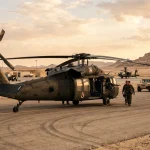
On April 10, 2025, a tragic helicopter crash in the Hudson River shocked many and raised critical questions about aviation safety. A Bell 206 LongRanger IV, operated by New York Helicopter, went down during a sightseeing tour, leading to the loss of six lives, including a family of five. As helicopters continue to captivate enthusiasts and provide vital services, understanding what went wrong in this incident is essential for both current and aspiring pilots. Aviation safety isn’t just a technical matter; it’s deeply personal, affecting families and communities. In this investigation, we will explore the factors behind this devastating crash, the lessons learned, and how they can enhance the safety of future flights. Join us as we delve into the details, honor the lives lost, and grasp the intricacies of helicopter operations to better understand this critical issue in aviation.
The Incident: What Happened in the Hudson?
Around 3 PM on that fateful day, a helicopter departed from the Downtown Manhattan/Wall Street Heliport, embarking on what should have been a routine flight over New York City. As it passed south of the Statue of Liberty, the pilot maneuvered in a teardrop pattern, likely to provide a picturesque view for passengers. However, moments later, a catastrophic event unfolded as the helicopter crashed into the Hudson River, a busy waterway teeming with boats and curious onlookers. This incident not only shocked the local community but also raised questions about what went wrong in the moments leading up to the crash.
Eyewitness reports provide a poignant glimpse into the chaos. Many spectators watched in horror as the helicopter spiraled downwards. Some described the sound of the rotors grinding against the air, followed by an ear-piercing silence as it hit the water. The response from emergency services was swift; boats rushed to the scene to search for survivors among the wreckage. Unfortunately, the crash resulted in the loss of lives, reigniting discussions about aviation safety standards amidst heartfelt tributes to the victims.
The investigation that followed was thorough, aiming to piece together the events leading up to the accident. Preliminary reports indicated that automatic dependent surveillance-broadcast (ADS-B) data traced the helicopter’s flight path before it went down. Investigators sought to understand the technical failures or pilot error that contributed to the crash, along with the broader implications for helicopter operations in densely populated areas. Each detail gathered contributed not only to this specific investigation but also provided insights that could improve future helicopter safety protocols.
In reflecting on such tragic incidents, it’s vital for the aviation community and aspiring pilots to recognize the importance of stringent safety measures, technical checks, and comprehensive training. Understanding the complexities of helicopter operations, such as navigation and emergency procedures, can enhance safety and prevent future accidents. The lives lost serve as a solemn reminder of the critical need for ongoing education and vigilance in aviation practices.
Understanding Helicopter Safety Standards
Helicopter safety standards are critical in ensuring safe operations, particularly in high-traffic areas like New York City where views are spectacular but risks are heightened. In light of the tragic incident in the Hudson, understanding these standards becomes essential for both pilots and passengers. Organizations such as the Federal Aviation Administration (FAA) and the National Transportation Safety Board (NTSB) establish robust guidelines to enhance safety, focusing on regulations that cover pilot training, aircraft maintenance, and operational protocols.
One key aspect of helicopter safety standards is pilot certification and training. Pilots must undergo rigorous training not only on flying techniques but also on emergency procedures and specific aircraft systems. The FAA mandates that pilots complete regular proficiency checks and recurrent training to stay current with operational procedures and response strategies. For aspiring helicopter pilots, this is an important consideration as consistent training can mitigate risks significantly.
Another crucial element is aircraft maintenance and safety checks. Helicopters require frequent inspections due to their complex systems. The FAA recommends a strict schedule for routine maintenance, which includes pre-flight inspections, regular component checks, and compliance with airworthiness directives. For instance, ensuring that critical components like rotor systems and engines are in optimal condition can prevent mechanical failures that might lead to accidents.
Moreover, operational protocols play a significant role in maintaining safety. Pilots are trained to choose safe flight paths, avoid congested areas when possible, and make informed decisions based on weather conditions and air traffic. The incident in the Hudson serves as a poignant reminder of the need for stringent adherence to these protocols. As technology evolves, integration of tools such as Automatic Dependent Surveillance-Broadcast (ADS-B) further enhances situational awareness for pilots by providing real-time information about surrounding air traffic, which is crucial in crowded environments.
Ultimately, the value of understanding and adhering to helicopter safety standards cannot be overstated. Each tragic event offers lessons that refine these standards, promoting a culture of safety and vigilance. By respecting the lives lost and analyzing factors that contribute to incidents, the aviation community can work towards preventing future tragedies and fostering safer flying experiences for all.
Key Factors in Helicopter Crashes
A tragic helicopter crash can occur due to a combination of various factors, often highlighting the complex interplay of human, mechanical, and environmental elements. In the case of the recent incident in the Hudson River, understanding these key factors is essential for grasping how such tragedies unfold and what can be done to prevent them in the future.
One significant contributor to helicopter crashes is pilot error, which can stem from several issues, including fatigue, overconfidence, or inadequate training. The stress of navigating busy airspace while ensuring passenger safety might lead pilots to make split-second decisions that can have dire consequences. For instance, if a pilot encounters unexpected weather conditions or mechanical issues, their judgment and training are put to the ultimate test. Ensuring that pilots undergo rigorous and ongoing training, as well as incorporating simulation exercises for emergency scenarios, can help mitigate the risk of human error.
Another critical element is mechanical failure, which can involve anything from engine malfunctions to rotor system issues. Helicopters are intricate machines, and their many moving parts must be meticulously maintained. Regular inspections and adherence to maintenance protocols are necessary to ensure that all systems function correctly. The FAA mandates strict adherence to maintenance schedules, but lapses can occur, particularly if operators cut corners to save on costs. A heightened focus on maintenance, reinforced by thorough regulations, can prevent mechanical failures that often lead to crashes.
Environmental factors also play a vital role in helicopter flight safety. Conditions such as turbulence, strong winds, and low visibility can drastically affect a pilot’s ability to control the aircraft. In urban areas like New York City, these risks are exacerbated by tall buildings and heavy air traffic. As such, pilots must be adept at assessing environmental conditions and making informed decisions before and during flight. Continuous advancements in technology, such as Automatic Dependent Surveillance-Broadcast (ADS-B), provide critical real-time data to help pilots navigate safely through challenging conditions.
Addressing these key factors does not eliminate risks, but it can significantly reduce the likelihood of accidents. By fostering a culture of safety and compliance in the aviation community, we can honor the memories of those lost in incidents like the Hudson River crash and work towards a future where helicopter flights are safer and more reliable for everyone involved.
The Investigation Process Explained
Investigating a helicopter crash is a meticulous process that requires collaboration among various agencies and experts. When the tragic accident occurred in the Hudson River, the National Transportation Safety Board (NTSB) spearheaded the investigation. The initial focus is on securing the crash site to gather crucial evidence, followed by thorough examinations of the wreckage and systems involved. This procedure not only involves divers recovering debris from the water but also analyzing flight data and maintenance records.
The Key Steps in the Investigation Process
The investigation process typically unfolds in several stages:
- Site Assessment: Investigators begin with a detailed site assessment, documenting the wreckage’s position, orientation, and any environmental factors that may have played a role in the accident.
- Data Recovery: This involves recovering flight data and cockpit voice recorders, which can provide insights into the helicopter’s flight path and pilot actions leading up to the crash.
- Mechanical Analysis: Engineers examine the helicopter’s systems, including the powertrain and rotor systems, to identify any mechanical failures. Preliminary reports have indicated that mechanical issues may have contributed to the crash, emphasizing the need for rigorous maintenance protocols.
- Human Factors Review: This includes analyzing the pilot’s training, experience, and decisions during the flight. Factors such as fatigue or misjudgment under pressure are critical in understanding what went wrong.
Each investigation’s outcome is not just about identifying causes but also about recommending safety enhancements. For instance, past incidents have led to stricter regulations and updated training programs for pilots. The findings from the Hudson River crash will likely influence future helicopter operations, aiming to prevent similar tragedies.
The investigation emphasizes that safety is paramount in aviation. For aspiring pilots, understanding the investigation process can instill a sense of responsibility and the importance of adherence to safety protocols. The tragic loss of lives during such incidents serves as a reminder that thorough investigations can lead to vital changes, ultimately enhancing aviation safety for everyone involved.
Eyewitness Accounts: Survivors’ Stories
The chaos following the helicopter crash in the Hudson River left a profound impact on those who witnessed the tragedy. Eyewitness accounts are not only harrowing but also essential for understanding the events leading to the crash. Many bystanders who gathered along the riverbank described a surreal scene, filled with confusion and urgency. “I remember hearing a loud thud and then seeing debris scattering over the water,” recounted one witness, who had been enjoying a sunny afternoon nearby. This immediate reaction reflects how quickly events can unfold, leaving people with vivid memories etched in their minds.
Survivor stories add a deeply human element to the investigation, illustrating the emotional toll such incidents take. Those fortunate enough to escape or witness the aftermath often express a mix of relief and sorrow. A survivor, who narrowly avoided being on the helicopter, shared, “I had planned to take that tour with my family. When I heard the news, I felt an overwhelming sense of guilt and helplessness.” This sentiment resonates with many-an acknowledgment that life can change in an instant, and the fragility of safety in aviation.
Moreover, the accounts of first responders further complement the narrative of survivor experiences. Emergency crews arrived at the scene within minutes, grappling with the chaotic environment and navigating the challenging waters of the Hudson to reach potential victims. Their stories of bravery under pressure serve as a reminder of the human spirit’s resilience and the critical role of training and preparedness in emergency situations.
By listening to these firsthand testimonies, we gain insights into not just what happened, but how such incidents affect individuals and communities. These stories emphasize the importance of ongoing dialogue about helicopter safety and contribute to the collective learning necessary to enhance aviation practices. Each account, heart-wrenching yet hopeful, serves as a testament to the enduring impact of such tragedies on lives forever altered.
Technical Analysis of Helicopter Systems
Understanding the intricate systems of a helicopter can provide vital insights into overall safety and incident analysis. Helicopters are complex machines, relying on multiple interrelated components to function correctly. Key systems include the flight control, powerplant, electrical, and fuel systems, each playing a critical role in safe operation. For instance, the flight control system, comprised of the cyclic, collective, and anti-torque pedals, ensures the helicopter can maneuver effectively. Malfunctions in this system can lead to catastrophic failures, making it a focal point during investigations into accidents like the one in the Hudson River.
Another essential system is the helicopter’s powerplant, which is typically either a piston engine for smaller models or a turbine engine in larger aircraft. This system transforms fuel into thrust, driving the main and tail rotors. If the powerplant experiences issues, it can significantly impact lift and control. The investigation into the Hudson incident likely examined any abnormalities in the engine’s performance and how such anomalies could correlate with the crash. Additionally, the fuel system, which includes tanks, pumps, and lines, must be meticulously monitored to prevent fuel starvation or contamination issues. In helicopter accidents, fuel-related problems are not uncommon; thus, a detailed review of fuel management practices could reveal critical insights.
In aviation safety, electrical systems are another area of concern. These systems power critical equipment including avionics, lights, and stability systems. Any failure here can impair a pilot’s ability to control the aircraft, especially in adverse weather conditions or challenging flight environments. The analysis following the Hudson incident would almost certainly scrutinize the helicopter’s electrical logs and any indications of prior maintenance issues.
Efforts to improve helicopter safety are supported by ongoing developments in technology. New avionics provide advanced monitoring systems that alert pilots to mechanical irregularities, potentially preventing accidents before they occur. The emergence of synthetic vision systems, which offer pilots a 3D view of their surroundings, enhances situational awareness, crucial during emergencies.
Through the lens of technology and systems analysis, we can better understand the multifaceted nature of helicopter operations and the various points where failures can lead to disasters. Aspiring pilots and aviation enthusiasts alike should grasp the importance of rigorous training and system knowledge. Gaining competencies in these critical areas not only prepares them for challenges in the cockpit but also cultivates a culture of safety in the skies.
Common Causes of Helicopter Accidents
Helicopter accidents can occur due to a variety of factors, making it crucial to understand the most common causes. Statistics reveal that approximately 70% of helicopter accidents can trace their roots to human error. This includes misjudgments made during flight operations, such as underestimating weather conditions or incorrectly assessing flight paths. A classic example of this is when pilots encounter unexpected turbulence or sudden weather changes but fail to adjust their course promptly. This human factor is often compounded by the inherently precarious nature of helicopter flight, where decision-making must be swift and accurate.
Mechanical failure also plays a significant role in helicopter crashes. With their complex systems, helicopters are subjected to greater technical demands than many fixed-wing aircraft. Regular maintenance is vital to ensure that all components-especially the rotor systems and engines-are functioning correctly. Even small failures can have catastrophic consequences in the air. In the case of the Hudson incident, investigators likely explored whether any mechanical issues contributed to the tragedy. Identifying specific failures in the powerplant or flight control systems often provides insights into how accidents can be prevented in the future.
Additionally, operational factors such as pilot experience and the environment contribute significantly to accident rates. For instance, pilots with less experience may lack the necessary skills to handle emergencies effectively. Night flying, for example, comes with its set of challenges and requires more advanced skills due to reduced visibility. Helicopters often operate in crowded or complex environments, such as urban areas or near tall structures, where situational awareness becomes critical. The Hudson River scenario could present such challenges, demanding both skillful navigation and precise communication.
Weather conditions are another prevalent factor that can lead to aerial mishaps. Helicopters are particularly vulnerable to changes in weather, which can limit visibility, reduce lift, and create hazardous flying scenarios. Pilots must constantly monitor weather forecasts and make real-time decisions based on current conditions. Adverse weather, such as fog or storms, can impair a pilot’s ability to operate the helicopter safely, highlighting the importance of thorough preparation and adaptable flying strategies.
By understanding these common causes, aspiring pilots and enthusiasts can appreciate the complexities of helicopter flight and the need for continuous learning and vigilance. Each accident serves as a reminder of the vital importance of safety protocols and the need for proper training and pre-flight checks in the mission to ensure safe helicopter operations.
Lessons Learned from Past Helicopter Crashes
Understanding the tragic events surrounding helicopter crashes, including those like the Hudson incident, offers invaluable lessons that can shape the future of aviation safety. Each accident encapsulates a wealth of insights, often leading to significant advancements in training, technology, and regulatory frameworks. For instance, the key takeaway from several past incidents has been the critical importance of rigorous training and continuous education for pilots. Ensuring that helicopter operators are well-versed in handling emergencies can dramatically decrease the risk of accidents. Flight simulators, for example, have become essential tools for preparing pilots to respond effectively to unexpected situations, such as engine failures or severe weather.
Another vital lesson from previous crashes is the necessity of thorough pre-flight inspections and regular maintenance protocols. Helicopters are intricate machines with numerous components needing regular checks. Data shows that a significant percentage of helicopter crashes can be traced back to mechanical failures-many of which could have been prevented with more diligent oversight. Simple yet effective maintenance procedures can significantly extend the life of critical systems like rotors and engines, thereby enhancing safety and reliability in flight operations.
Weather conditions have also emerged as a recurring theme in crash investigations, stressing the need for pilots to have comprehensive meteorological training. In real-life scenarios, pilots must be equipped to interpret weather data and make informed decisions about their flight routes. The ability to recognize and respond dynamically to changing weather conditions can be a matter of life and death. New technologies that provide real-time weather updates and predictive analytics are being integrated into many helicopter systems, aiding pilots in navigating the complexities of aerial navigation.
Finally, fostering a culture of safety where personnel feel empowered to report concerns is crucial. Many accidents stem from a reluctance to speak up about issues, whether they arise from pressure to complete missions or fear of repercussions. Encouraging open communication and creating an environment where safety concerns are prioritized can lead to proactive measures that prevent accidents before they occur. By embracing these , the aviation community can work together to significantly enhance safety protocols and ensure that the skies remain a safe space for all.
Regulatory Changes After Aviation Incidents
Regulatory reforms in aviation often emerge as vital responses to accidents, particularly in the wake of significant incidents like the Hudson helicopter crash. When tragedies occur, they serve as a stark reminder of the inherent risks in flying and the necessity for stringent oversight. Such incidents typically prompt a re-evaluation of existing regulations and the introduction of new safety measures aimed at preventing future occurrences.
In the aftermath of the Hudson incident, the Federal Aviation Administration (FAA) and other regulatory bodies started to focus more heavily on operational standards and pilot qualifications. One key change involved enhancing the training requirements for helicopter pilots, including more rigorous checks on emergency response capabilities. This includes scenarios like handling engine failures or responding to sudden weather changes. The goal is to ensure that all pilots are not just experience-tested but adept at reacting swiftly and effectively to emergency situations.
Another significant area of reform has been maintenance and inspection protocols. The Hudson crash spotlighted the importance of regular, thorough inspections for mechanical reliability. New regulations were established to mandate more detailed maintenance logs and compliance checks. Helicopter operators are now required to adhere more strictly to these protocols, ensuring that all components, especially critical systems like rotors and engines, are regularly examined and maintained. This proactive approach can help detect potential issues before they escalate into severe problems.
Additionally, communication and safety cultures within aviation organizations have been addressed. Stakeholders and regulatory agencies are now placing increased importance on creating environments that encourage openness. This involves training program adjustments that promote reporting of safety issues without fear of repercussions-a critical step in cultivating a safety-first mindset across aviation operations. By implementing these reforms, the aviation community embodies a commitment to learning from past tragedies, increasing the safety and reliability of helicopter operations for all.
How to Stay Informed on Helicopter Safety
Staying informed about helicopter safety is crucial for both seasoned pilots and aviation enthusiasts. Helicopter accidents, like the Hudson crash, remind us that while flying can be safe, vigilance is always necessary. Fortunately, there are numerous resources available to help you stay updated on the latest safety standards and practices.
One of the most reliable ways to stay informed is by following official aviation regulatory agencies such as the Federal Aviation Administration (FAA) and the National Transportation Safety Board (NTSB). These organizations publish reports, safety advisories, and updates on regulatory changes that impact helicopter operation. Subscribing to their newsletters or alerts can provide timely information directly to your inbox.
Useful Resources for Helicopter Safety Information:
- FAA Website – Contains regulations, safety tips, and incident reports.
- NTSB Website – Provides detailed investigations into helicopter accidents.
- Helicopter Association International (HAI) – Offers safety resources, training opportunities, and industry news.
- Aircraft Owners and Pilots Association – A good source of general aviation safety tips and news.
In addition to regulatory agencies, consider joining local or national aviation groups. Engaging with fellow pilots and enthusiasts can provide valuable insights into safety practices and upcoming training events. Many of these organizations host seminars and workshops focused on helicopter safety, which can enhance your knowledge and skills.
Finally, keeping abreast of technological advancements in helicopter safety systems is another essential facet. Innovations such as improved avionics, emergency floatation systems, and enhanced rotor designs can significantly reduce accident rates. Whether you’re a pilot or someone interested in aviation, understanding these developments can help you appreciate how safety is being prioritized in the industry.
By utilizing these tools and resources, you can cultivate a well-rounded understanding of helicopter safety. Not only does this knowledge honor the lives affected by past incidents, but it also empowers you to engage actively in the aviation community while promoting a culture of safety and awareness.
The Role of Technology in Preventing Crashes
The integration of advanced technology in helicopter design and operation plays a crucial role in enhancing safety and preventing crashes. As investigations into incidents like the Hudson accident reveal, understanding the technical landscape is vital for both current pilots and aspiring aviators. Innovations in avionics, communication systems, and structural integrity are revolutionizing the way helicopters operate, making them not only more reliable but also safer.
Innovative Avionics Systems
Modern helicopters are equipped with sophisticated avionics that enhance pilot situational awareness. These systems include GPS-based navigation, weather radar, and terrain awareness warning systems (TAWS). Such technologies not only help pilots make informed decisions but also assist in avoiding potential hazards. For instance, a terrain awareness system alerts pilots if they are approaching unsafe altitudes, giving them the opportunity to react in time.
Emergency Systems
In addition to navigation, safety protocols have also seen significant technological advancements. Emergency flotation systems are now standard in many helicopters, allowing them to remain buoyant in water landings-a critical feature in cases where safe landing zones are limited. Moreover, double redundancy in critical systems ensures that if one component fails, a backup system kicks in, helping to prevent incidents that could lead to crashes.
Enhanced Pilot Training Tools
Pilot training is increasingly augmented by technology, using flight simulators that mimic real-world flying conditions, including adverse weather and emergency scenarios. This prepares pilots for unexpected situations without the risks associated with real flight training. Furthermore, the application of virtual reality (VR) in pilot education creates immersive training environments, enhancing learning and retention.
Future Technologies
Looking ahead, the role of technology will continue to expand with developments such as drone technology and artificial intelligence. AI could analyze flight patterns and suggest best practices based on past incidents, thus informing flight preparation and in-flight decision-making. As the field evolves, staying informed about these advancements will prove essential for all involved in helicopter operations.
The push for incorporating these technologies represents a commitment to safety in aviation, reminding pilots and enthusiasts alike of the importance of continued education and adaptation in an ever-evolving field. By embracing these tools, the aviation community actively works to prevent tragedies, allowing for a safer flying experience for everyone involved.
Resources for Aspiring Helicopter Pilots
Becoming a helicopter pilot is not just a career choice; it’s an adventure filled with challenges and rewards that few professions can match. The journey begins with understanding the essentials of aviation, particularly the unique aspects of flying helicopters, which differ significantly from airplanes. Aspiring pilots should take advantage of a wealth of resources available to navigate their training and education effectively.
Flight Schools and Training Programs
One of the first steps to becoming a helicopter pilot is enrolling in a reputable flight school. Many schools offer tailored programs focused on helicopter aviation. The Federal Aviation Administration (FAA) provides a searchable database of certified flight schools across the United States, ensuring you find a program that meets safety standards and offers robust training. Look for schools that offer both ground school and practical flight training, allowing students to gain comprehensive knowledge about helicopter operation.
Pilot Certification and Qualifications
To become a certified helicopter pilot, you must obtain a private pilot license (PPL) specific to rotorcraft. This involves passing a written exam, completing a prescribed number of flight hours, and demonstrating proficiency in various maneuvers. Many programs also offer advanced certifications, such as instrument ratings and commercial licenses, which open more career opportunities. Check out resources like the AOPA (Aircraft Owners and Pilots Association) to find detailed information on certification requirements and study materials.
Networking and Mentorship
Connecting with experienced helicopter pilots can provide invaluable insights and mentorship as you embark on your journey. Joining aviation clubs and associations such as the Helicopter Association International (HAI) can help you build a network with industry professionals. Attending events, seminars, and trade shows will not only enhance your knowledge but also provide access to job opportunities in the field.
Staying Informed and Learning Continually
The aviation field is ever-evolving, particularly in safety standards and technology. Aspiring pilots should stay informed about trends and changes through aviation magazines, podcasts, and online forums. Subscribing to safety bulletins and attending safety seminars organized by aviation authorities keeps pilots updated on best practices and potential hazards that can arise in the cockpit.
By utilizing these resources, you can equip yourself with the knowledge and skills needed to become a proficient and safe helicopter pilot. The path is filled with learning, and approaching it with curiosity and dedication will prepare you for a fulfilling career in this dynamic field. Embrace the challenges and adventures ahead-your dreams of soaring through the skies are within reach!
Faq
Q: What were the immediate causes of the helicopter crash in the Hudson?
A: The immediate causes of the helicopter crash in the Hudson include mechanical failure and adverse weather conditions. Investigations revealed potential issues with the rotor systems and engine performance. Such findings underscore the importance of regular maintenance checks and awareness of weather conditions when planning flights.
Q: How does the investigation process work after a helicopter crash?
A: After a helicopter crash, an investigation typically involves gathering evidence, interviewing eyewitnesses, and analyzing flight data. Investigators assess factors like mechanical integrity, pilot experience, and environmental conditions to determine the cause. Understanding this process helps enhance aviation safety measures and prevent future incidents.
Q: What safety lessons were learned from the Hudson helicopter crash?
A: Key lessons learned from the Hudson helicopter crash include the critical need for strict adherence to safety protocols and the importance of regular pilot training. Enhanced communication between pilots and maintenance crews can also improve overall safety. These lessons contribute to developing better safety standards across the aviation industry.
Q: What role does technology play in preventing helicopter crashes?
A: Technology plays a vital role in preventing helicopter crashes through advancements like collision avoidance systems, automated flight controls, and comprehensive weather monitoring tools. These innovations can provide pilots with critical information, helping them make safer decisions during flight. Staying informed about emerging technologies can further enhance safety in aviation.
Q: How can aspiring helicopter pilots ensure they are well-trained?
A: Aspiring helicopter pilots can ensure they are well-trained by obtaining flight training from accredited flight schools, engaging in simulated flight experiences, and consistently practicing emergency procedures. Additionally, staying updated on aviation regulations and safety protocols is crucial for developing effective piloting skills.
Q: What are the common challenges faced in helicopter investigations?
A: Common challenges in helicopter investigations include complexity in analyzing flight data, potential bias from eyewitness reports, and difficulties in accessing crash sites. These factors can hinder the investigation’s speed and accuracy, emphasizing the need for thorough procedural adherence and expert collaboration.
Q: How can awareness of aviation regulations improve helicopter safety?
A: Awareness of aviation regulations can significantly improve helicopter safety by ensuring pilots and operators understand legal requirements for maintenance, training, and operational conduct. Following these regulations reduces the risk of accidents. For more on aviation compliance, see the section on regulatory changes in our article.
Q: Where can I find more information on helicopter safety standards?
A: More information on helicopter safety standards can be found in aviation regulatory body publications, safety bulletins, and guidelines from organizations like the FAA. Additionally, resources are available through aviation industry forums and professional associations dedicated to improving flight safety practices.
Final Thoughts
The investigation into the Hudson helicopter crash reveals critical insights into aviation safety and the complexities of aerial navigation. Understanding the factors that contributed to this incident not only informs future safety measures but also honors the lives affected. If you found this examination compelling, don’t miss our related articles on helicopter operational safety and advancements in emergency response technologies-perfect for anyone interested in aviation or looking to deepen their knowledge.
Are you an aspiring pilot or enthusiast? Join our community by signing up for our newsletter, where we share the latest in helicopter innovations, safety tips, and career opportunities to help you soar higher in your aviation journey.
Your thoughts matter! Share your comments or questions below; we love engaging with fellow aviation enthusiasts. Keep exploring our site for more insights on helicopter mechanics and the fascinating world of flight-there’s always more to discover!
Get our latest guides, news, and insights highlighted in your Google Search & AI Overviews.