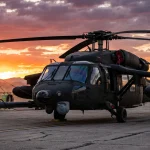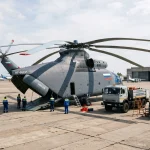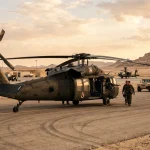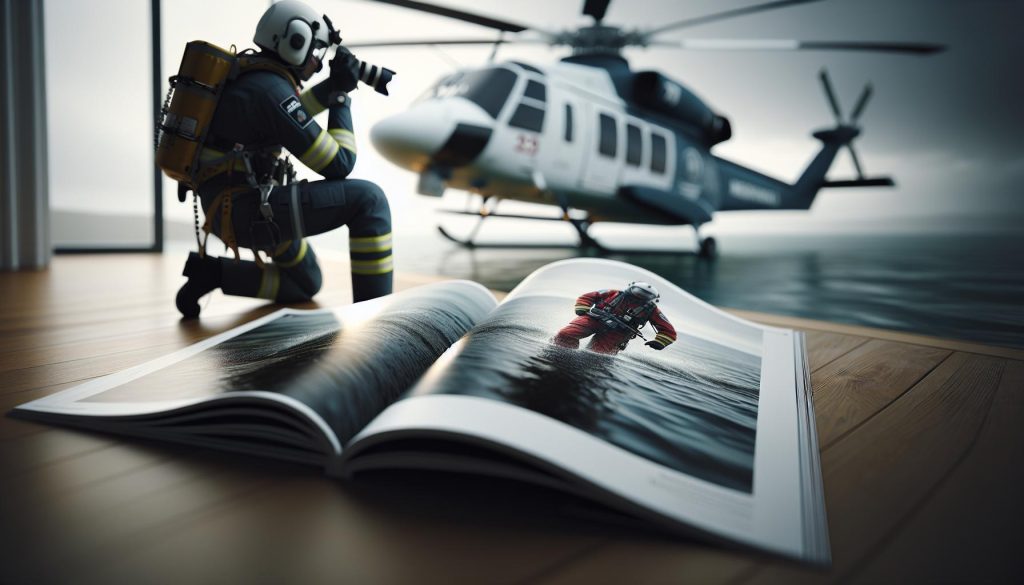
When approaching a helicopter, most people instinctively duck. This instinct, rooted in safety, is crucial for avoiding accidents with one of aviation’s most dynamic machines. Helicopters can create powerful downwash and are uniquely designed to hover, making their rotor blades potentially hazardous. Understanding why this simple action is vital not only protects you but can also enhance your appreciation for these incredible vehicles. As we explore the reasons behind this safety measure, you’ll gain insights into helicopter dynamics and the importance of respecting the environment around them. So, let’s dive into the remarkable world of rotorcraft safety and learn how a quick dip can make all the difference!
Understanding the Risks: Why You Duck Near Helicopters
When approaching a helicopter, the instinct to duck is a natural response to the powerful dynamics at play. Helicopters generate substantial downwash from their rotor blades-airflow that can create significant turbulence and flying debris. This downwash is so intense that it can throw small objects and loose materials upwards, posing a serious risk to anyone standing too close. The safest practice is to keep a low profile, minimizing your exposed height to better protect yourself from unexpected hazards.
Understanding the physics of helicopter flight is essential. As the rotors spin, they displace a large volume of air, creating lift but also producing strong downward airflow. This induction and downdraft effect can be particularly hazardous when near the helicopter’s landing zone. For example, even small pebbles can become projectiles in this powerful air stream, leading to potential injuries. By ducking, individuals reduce their risk of being hit by such objects or getting caught in the rotor wash.
Moreover, noise levels around helicopters can reach extreme decibels, which can impair hearing and the ability to communicate clearly. This further emphasizes the need for caution and awareness when near a helicopter in flight or preparing for takeoff and landing. The critical point is to be conscious of your surroundings, maintain safe distances, and always follow the guidance of trained personnel. Understanding these risks not only protects individuals but also enhances the overall safety of helicopter operations.
By fostering awareness and adhering to safety protocols, you contribute to a safer environment for all involved, whether as ground crew, passengers, or bystanders. Respecting these dynamics helps ensure that anyone interacting with helicopters can do so safely and responsibly.
The Physics of Helicopter Rotor Blades
The design of helicopter rotor blades represents a remarkable feat of engineering that enables these machines to perform unique maneuvers in the air. At their core, rotor blades function much like the wings of an airplane, but instead of requiring forward motion to generate lift, they create lift vertically through their rotation. As the blades spin, they displace air downward, which in turn allows the helicopter to ascend or hover in place. This continuous process of lift generation is influenced heavily by the physics of aerodynamics, where the shape and angle of the rotor blades are critical to their effectiveness.
To understand the powerful forces at play, it is essential to consider the concept of induced flow. As rotor blades slice through the air, they create a high-pressure zone above the blades and a low-pressure zone below them. The difference in pressure results in a lifting force. However, the rotor also generates substantial downdraft, a downward flow of air that can create turbulence. This downdraft is particularly potent near the ground, where it can lift small debris off the surface, posing hazards to anyone within the vicinity. For instance, pebbles, leaves, or even loose clothing can become dangerous projectiles if caught in this powerful airflow.
Another aspect to consider is the rotor’s tip vortex effect, where spiraling air forms at the tip of the blades as they turn. This creates turbulent airflow that can extend several feet away from the helicopter, complicating the environment around it. The rapid rotation of blades combined with the induction of air creates a complex pattern of air currents that can throw unprepared bystanders off balance or even lift objects unexpectedly.
Ultimately, understanding the physics behind helicopter rotor blades not only sheds light on why it is wise to duck when approaching a helicopter but also highlights the sophisticated mechanics that allow these astonishing machines to operate. They showcase a unique combination of lift and control that makes helicopters essential tools in various fields, including emergency services, news reporting, and search and rescue operations. Awareness and respect for these dynamics ensure that everyone, from onlookers to aviation professionals, can engage with helicopters safely.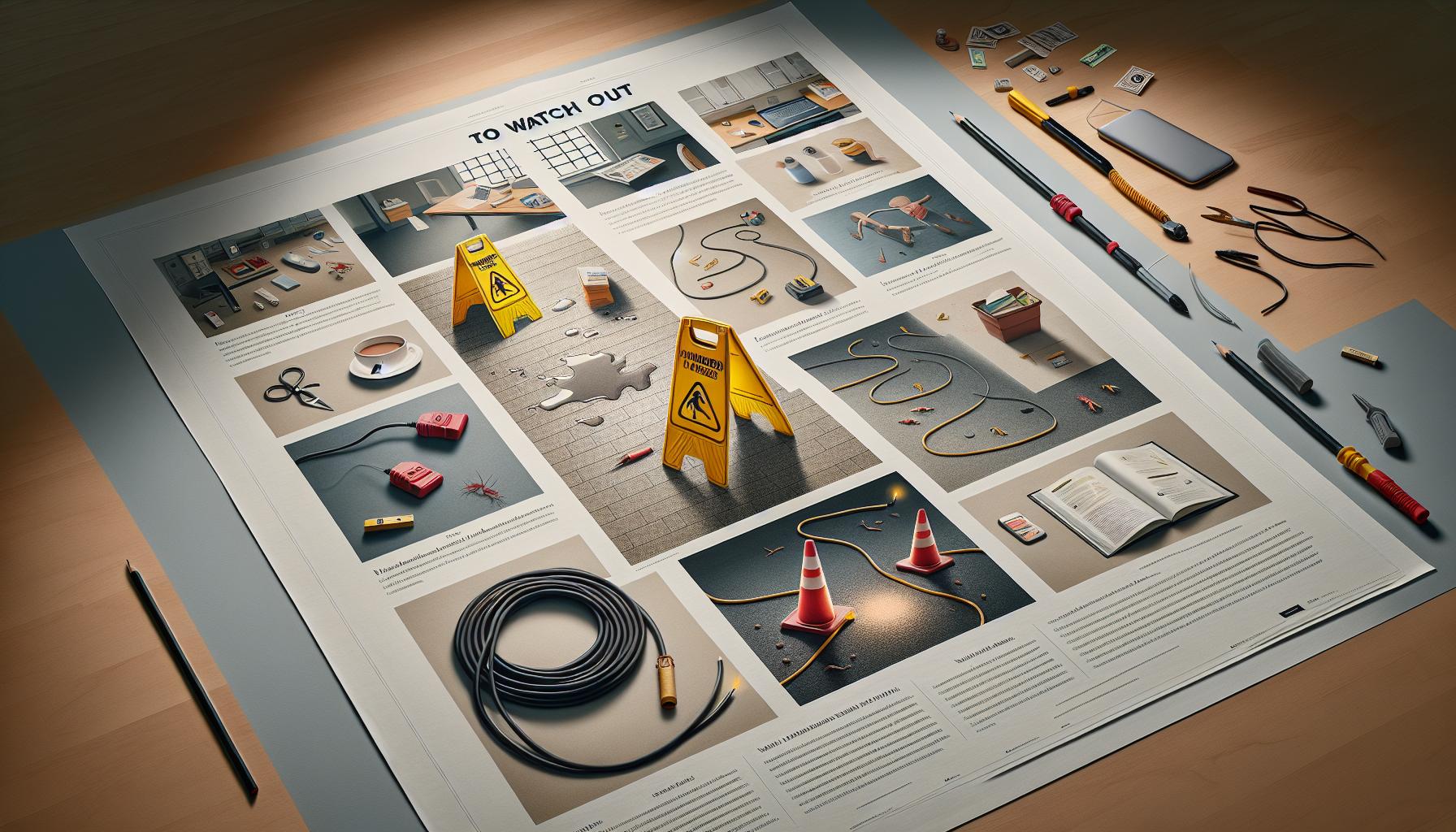
Common Hazards: What to Watch Out For
When approaching a helicopter, awareness of the surrounding hazards is crucial to ensure safety. Helicopters create distinct challenges that require attention from both bystanders and ground crew. The powerful downdraft generated by the rotor blades not only kicks up debris but can also propel objects into the air, creating potential projectiles. Small items like stones or loose clothing can become dangerous flying hazards if they enter the rotor’s turbulent airflow. This is why you might instinctively duck; it helps shield you from any unexpected airborne debris that could cause injury.
Another significant risk is the rotor blade itself. Helicopter rotors rotate at high speeds, and the tips of the blades can extend several feet away from the aircraft, often creating a silent but lethal danger zone. People often fail to recognize the extent of this danger because rotor blades can be deceptively quiet; it’s easy to underestimate their movement, especially when the helicopter is at rest or preparing for takeoff. Staying clear of the rotor-blade path is essential, and keeping your head down can help avoid accidental contact should you be caught in close proximity.
Additionally, the unpredictability of the rotor wash can affect nearby individuals. The air turbulence created by the spinning blades generates swirling winds that can disrupt footing, especially for children or those who might be off balance. This is compounded by the fact that the environment around helicopters is often noisy, making verbal communication difficult. Effective safety protocols involve not just physical avoidance of hazards, but also maintaining awareness of the overall situation.
To enhance safety when near helicopters, always watch for ground crew signals or indicators. Ground personnel are trained to manage the risks involved and direct onlookers and passengers. Being attentive to their instructions and maintaining respect for the operational area can significantly reduce the likelihood of accidents. By understanding these dangers and the physics at play, individuals can appreciate the power of helicopters while ensuring their safety remains a top priority.
How to Approach a Helicopter Safely
Approaching a helicopter safely requires a keen awareness of both the environment and the inherent risks associated with rotary-wing aircraft. One of the first things to recognize is that helicopters produce significant downdraft and turbulence from their rotor blades, which not only can kick up debris but also pose a risk of disorientation or injury to anyone nearby. To mitigate these dangers, it’s essential to follow a few straightforward guidelines that ensure both personal safety and smooth operations.
- Maintain a Safe Distance: Never approach a helicopter unless it is on the ground, engines off, and you have been given permission by the crew. Typically, this means staying at least 10-15 feet away from the helicopter’s landing area to avoid the rotor wash and potential projectiles.
- Watch the Rotor Blades: Be mindful of the rotor blades’ movement. Even when stationary, the blades can pose a danger due to their size and speed. Always approach from the front of the helicopter, in the pilot’s line of sight, and stay low to avoid any unexpected contact with the rotor.
- Follow Ground Crew Instructions: Helicopter operations are often managed by trained ground crew members. They serve as the primary point of contact and will signal when it is safe to approach. Adhering strictly to their directions is crucial for your safety.
- Be Prepared for Noise: Helicopters can be extremely loud during operations. Protect your hearing and ensure clear communication to avoid misunderstandings, especially when coordinating movements near the aircraft.
Additionally, wearing appropriate attire can further minimize risks. Loose clothing is vulnerable to being caught in the rotor wash and should be avoided. Sturdy footwear is advisable to maintain stability in the strong gusts produced by the helicopter’s rotors. Understanding these protocols not only enhances personal safety but also fosters respect for the complex operations involved in helicopter flight, whether for aviation professionals or curious onlookers. Embracing proper approaches can transform your experience around helicopters from a daunting one to an enlightening interaction with these remarkable flying machines.
Best Practices for Ground Crew and Bystanders
While approaching a helicopter, understanding the dynamics of ground crew operations and the inherent risks involved is crucial for both safety and efficiency. Helicopters create significant downdraft and rotor wash, which can lead to hazardous flying debris and turbulent air. For ground crew and bystanders, following established best practices can significantly reduce risks associated with helicopter operations.
- Maintain Clear Zones: Establish and respect perimeter demarcations around the helicopter. Ground crew should clearly communicate these zones to all personnel, ensuring that bystanders remain at a safe distance while the helicopter is in operation. Marking these areas with cones or signs can help reinforce the safety perimeter.
- Use Hand Signals: Communication among crew members should be concise and clear. Given the loud noise produced by helicopters during takeoff and landing, hand signals are effective for communicating instructions and warnings, minimizing the risk of miscommunication.
- Prioritize Personal Safety Gear: Ground crew should wear proper personal protective equipment (PPE), including hearing protection, sturdy footwear, and high-visibility clothing. The PPE helps shield against noise, downwash, and other potential hazards associated with helicopter operations.
- Avoid Crowded Areas: When a helicopter arrives at a scene, ensure that only essential personnel are present on the ground. Limiting the number of people around the helicopter minimizes confusion and the potential for accidents.
Incorporating these practices fosters a safer environment for everyone. Training in emergency response protocols and situational awareness should be paramount, ensuring crew members are prepared for various scenarios. Helicopters are remarkable machines, but their safety largely relies on the knowledge and preparedness of those working around them. By respecting established safety practices, ground crew and bystanders can contribute to a safer experience for all involved, enabling smoother and more effective helicopter operations.
The Importance of Communication Around Helicopters
Effective communication is critical when approaching and operating around helicopters, where the consequences of misunderstandings can be dire. The noise generated by helicopter rotors can exceed 100 decibels, making verbal instructions nearly impossible to hear. Ground crew and bystanders must rely on non-verbal cues, such as hand signals, to convey essential information quickly and clearly. A well-understood system of hand signals can significantly reduce the risk of accidents, particularly in high-stress situations where quick decision-making is required.
Additionally, establishing a clear communication protocol before helicopter operations begins is vital. This includes designating a point person who gives commands and manages the ground crew’s movement. To enhance safety, it’s recommended to conduct briefings that outline communication strategies and review hand signals. Such preparation ensures everyone knows their responsibilities and the actions to take if situations change unexpectedly. Having these conversations can help create a culture of safety, where awareness and vigilance are prioritized.
Visual aids can also enhance understanding. Utilizing brightly colored cones, signs, or flags to mark safe zones and pathways can keep bystanders aware of their surroundings. Signage should convey crucial instructions like “Do Not Approach” or “Stay Clear” effectively. In some scenarios, using radios can be an effective solution for communicating over the noise, enabling real-time coordination during helicopter operations. Ensuring that everyone is part of the communication plan fosters teamwork and reinforces safety consciousness, keeping both ground crew and spectators secure.
Lastly, considering the emotional side of communication is equally important. When helicopters are involved in emergencies, the atmosphere can be tense and confusing. Ground personnel should be ready to provide calm, clear instructions, and they must show empathy for those affected by the situation. Honoring the gravity of helicopter incidents while maintaining focus on operational safety reinforces the commitment to protecting lives, including those lost in unfortunate accidents. By building a solid communication framework-both formal and informal-around helicopter activities, we improve safety for all involved.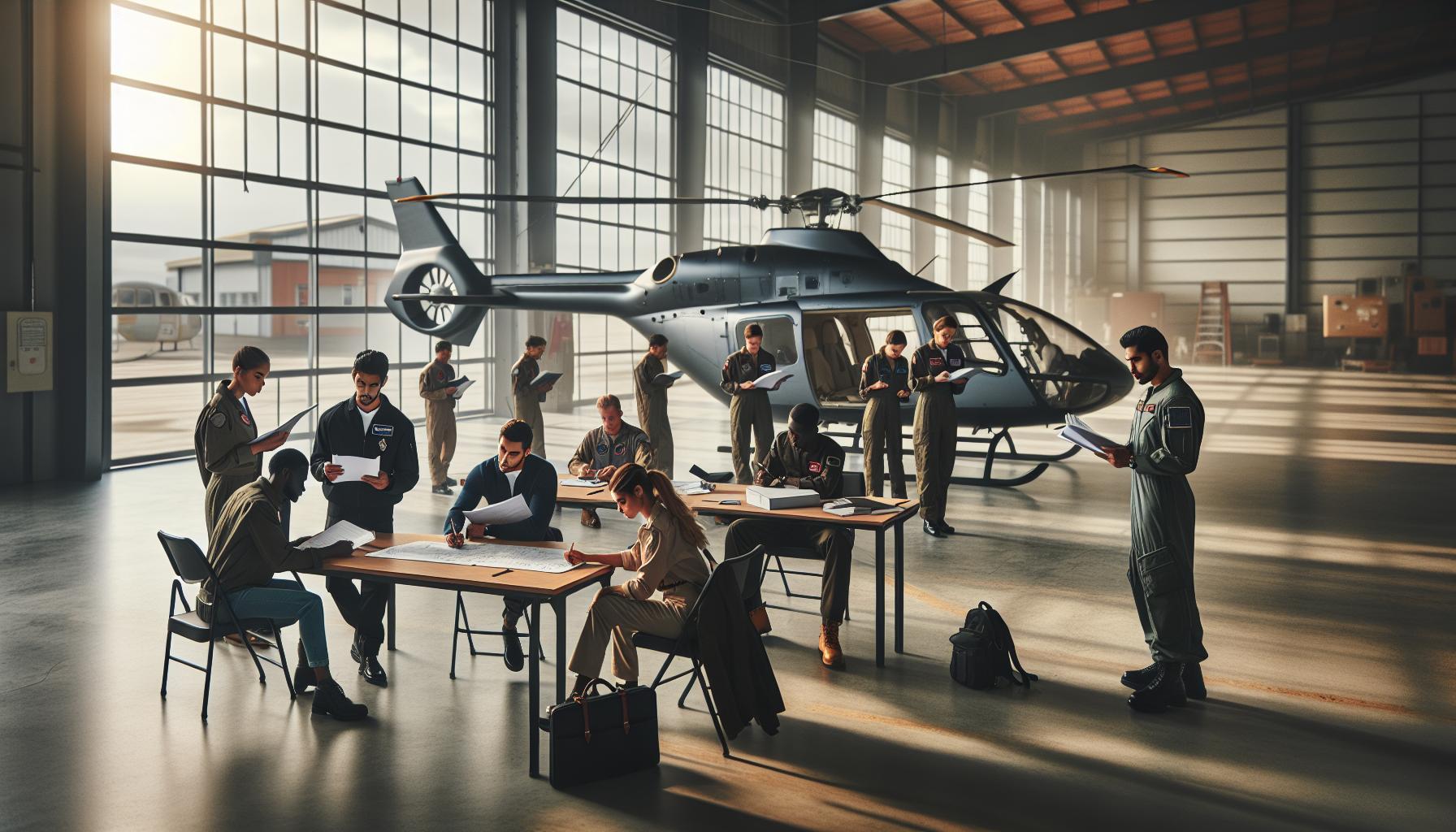
Training and Certifications for Helicopter Safety
To ensure safety around helicopters, comprehensive training and certifications play a vital role. The unique challenges posed by helicopter operations necessitate specialized knowledge and skills, which are often acquired through dedicated programs. These training courses are designed to educate individuals, from ground crew members to emergency responders, about the specific risks associated with helicopters and the best practices for safety.
Key Training Areas
Training for helicopter safety should cover several critical areas including:
- Understanding Aircraft Operations: Participants learn how helicopters operate, covering topics such as rotor dynamics, emergency procedures, and standard operational protocols.
- Hazard Awareness: This includes recognizing potential dangers such as blade strikes, downdraft effects, and the noise levels that can impair communication.
- Emergency Response Procedures: Training often includes simulations of emergency scenarios, equipping individuals to react effectively in real-life incidents, which can sometimes be life-saving.
- Communication Skills: Effective non-verbal communication strategies, such as hand signals, are emphasized to facilitate clear coordination within noisy environments where verbal communication may fail.
Certification Programs
Most helicopter safety training leads to certification, which is crucial for employers looking to ensure a minimum safety standard for their crews. These certifications often require periodic renewals to keep skills sharp and knowledge up to date. Various organizations offer such programs, including aviation authorities, technical schools, and specialized training institutes.
Examples of certifications include the FAA’s Safety Training for Ground Crews and the Helicopter Association International’s programs, which focus on the unique aspects of rotorcraft operation. Completing these certifications not only enhances individual knowledge and skills but also fosters a broader safety culture within the aviation community.
By prioritizing training and certifications in helicopter safety, we not only honor individuals lost in past incidents but also contribute to a future where safety is paramount. This proactive approach enables all involved-whether they are aspiring pilots, enthusiastic ground crew, or simply interested bystanders-to feel confident and prepared, fostering a safer environment around helicopters.
Real-Life Incidents: Learning from Helicopter Accidents
When helicopters take to the skies, they embody remarkable engineering capabilities, yet their operations can be perilous, leading to accidents that remind us of the inherent risks associated with aviation. One of the most critical lessons learned from past helicopter incidents is the paramount importance of safety protocols, particularly when approaching a helicopter. Understanding these incidents not only fosters respect for the machinery but also enhances awareness of the behaviors required to ensure safety in their vicinity.
In 2019, a tragic accident involving a helicopter on a film set highlighted the dangers of flying debris and rotor wash. During a routine operation, an actor and crew member experienced injuries due to the helicopter’s downdraft disturbing loose equipment nearby. This incident serves as a reminder that even in controlled environments, the unexpected can occur. Ground crews and bystanders must remain vigilant, particularly in understanding how rotor induction creates hazardous conditions that can propel objects at high velocities.
Learning from these incidents often means examining communication failures and procedural lapses. In another case, two helicopters collided during a training exercise due to miscommunication between pilots regarding altitude levels. This highlights the necessity for clear, concise communication protocols, especially when multiple aircraft are involved. Training programs emphasize non-verbal communication strategies-like hand signals-that can enhance situational awareness in noisy environments where verbal cues may be lost.
Moreover, with every accident, we gain insights that influence future safety standards. The aviation industry continuously updates safety protocols based on these lessons learned. For instance, mandatory safety briefings before flight operations are now more stringent, addressing key concerns such as awareness of rotor blades and the impact of downdrafts. The focus on educating both ground crews and bystanders remains crucial. By respecting the power of helicopters and following the established safety measures, everyone involved can contribute to a safer aviation community.
Encouragingly, aspiring pilots and aviation enthusiasts can learn from these past incidents-it’s not just about flying but understanding the entire ecosystem around helicopter operations. Embracing a culture of safety will not only honor those lost in accidents but also pave the way for more successful and safer flights in the future.
The Role of Helicopter Induction and Downdraft
As helicopters take flight, they generate powerful forces that create significant safety hazards on the ground. Understanding the concepts of rotor wash and downdraft is crucial for anyone near a helicopter, whether you’re a crew member, bystander, or aspiring pilot. When a helicopter’s rotor blades spin, they not only produce lift but also exert a downward force of air that spreads outward. This is known as downdraft, and it can cause various risks, including flying debris and strong gusts that can lift objects and endanger individuals nearby.
When helicopters hover or take off, the airflow from the rotor blades can induce a powerful vertical movement of air, creating a zone of turbulence that should be avoided. Helicopter induction refers to the airflow generated when rotors draw air in and push it downwards, which can lead to the following hazards:
- Flying Debris: Loose items on the ground can become airborne, posing a danger to both individuals and the helicopter itself.
- Loss of Balance: The downward force can disturb anyone standing within its proximity, leading to falls or loss of stability.
- Impaired Visibility: Dust and debris kicked up by the rotor wash can impair vision, making it difficult to assess the surroundings.
To mitigate these hazards, it’s essential to approach helicopters with caution. Crews and bystanders should keep a safe distance, especially when a helicopter is preparing to land or take off. It’s also advisable to duck down when entering the rotor wash zone, as this minimizes exposure to the powerful downdraft.
Training programs for helicopter operations stress the importance of understanding these dynamics. By providing clear, actionable guidelines for approaching helicopters safely, the aviation community aims to foster a culture of awareness and respect for these complex machines. Learning about the mechanics of rotor blades and the ensuing airflow can transform casual observers into informed enthusiasts, promoting not only safety but also a deeper appreciation for helicopter technology.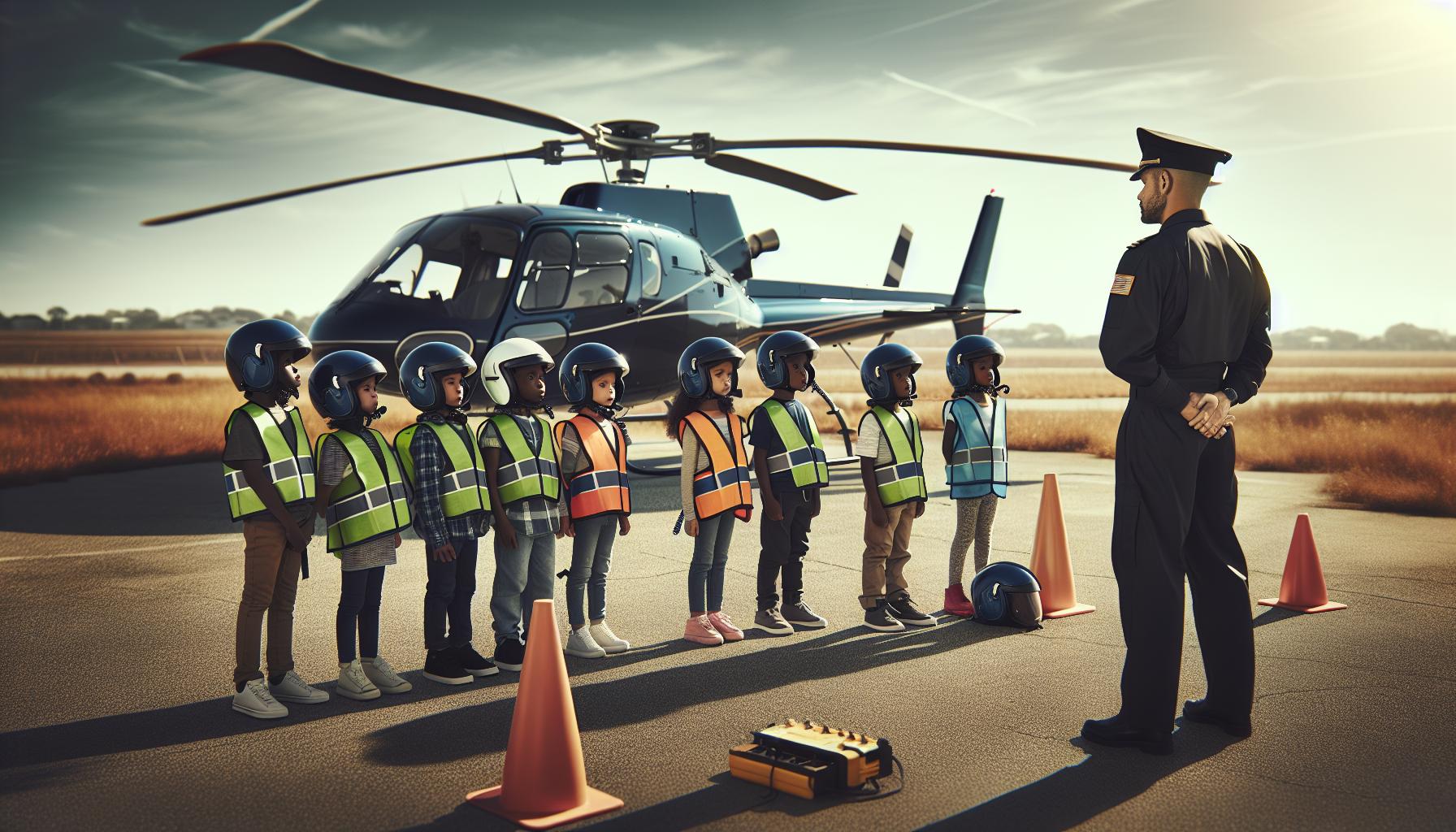
Tips for Kids: Learning Helicopter Safety
When it comes to helicopters, safety is the name of the game, especially for kids who might be fascinated by these amazing flying machines. Helicopters are unique because they can hover and land vertically, but being around them requires special care. One of the most important safety tips is to always duck or keep low when approaching a helicopter. This isn’t just a fun game-it’s about staying safe from the powerful forces that helicopters create.
The spinning rotor blades on a helicopter generate strong winds, known as rotor wash, that can lift up gravel, dust, and even small objects off the ground. If you stand up straight near a helicopter when it’s taking off or landing, those flying debris can hurt you. So, when you see a helicopter, remember to bend down or even crouch a bit as you get near the aircraft. This simple action helps protect your head and keeps you safe from anything that might be flung into the air.
Another critical aspect of helicopter safety for kids is learning how to approach these machines correctly. Always wait for the pilot or crew to tell you it’s okay to come closer. They are the experts who understand where you should stand and where it is safe. Always walk toward the helicopter from the front, as this is where the pilot can see you best. When you’re near the helicopter, stay away from the tail rotor area, as it can be very dangerous and is less visible to the pilot.
Lastly, it’s fun to learn about how helicopters work, not just for safety reasons, but because understanding the mechanics can make you a better fan and maybe even an aspiring pilot someday! Helicopters require teamwork and communication all around, so if you’re ever around one, make sure to be alert, listen, and enjoy the incredible experience of being near such a dynamic vehicle. Being a helicopter enthusiast involves knowing the excitement of flight while also respecting the safety regulations that keep everyone safe.
Emergency Procedures: What to Do in Critical Situations
In a critical situation involving a helicopter, knowing how to act can make a significant difference. Helicopters are unique in their operations, and emergencies can arise suddenly due to mechanical failures, weather changes, or operator issues. The key to ensuring safety for yourself and others is to remain calm and follow established emergency protocols, which are designed to minimize risks and guide you through the appropriate response.
First and foremost, if you are near a helicopter and notice an emergency, stay low and move away from the rotor blades. The downwash created by the helicopter can cause debris to become airborne, which is hazardous. If a helicopter is landing or taking off, it may also be necessary to maintain a safe distance from the tail rotor, as this area is particularly dangerous and often less visible to the pilot.
In cases where you are involved in or witness an incident, it’s crucial to call for professional help immediately. Use a mobile phone or a radio to communicate your location and the condition of affected individuals. Knowing the basic first-aid techniques can be invaluable in emergencies. For instance, if someone is injured, apply pressure to wounds and avoid moving them unless necessary to prevent further injury.
Should you find yourself in a position to assist, here are a few tips to consider:
- Assess the situation: Identify potential hazards, including fuel leaks or fire, which could make the area unsafe.
- Ensure pilot visibility: If possible, make sure pilots and crew are aware of your presence before approaching any downed or stationary helicopter.
- Follow crew instructions: If crew members are present, follow their guidance on evacuation or assistance protocols.
Understanding helicopter safety can not only prepare you for emergencies but also enhance your overall appreciation of these remarkable flying machines. Ultimately, staying informed and adhering to safety practices can ensure a safer experience for enthusiasts and bystanders alike.
Comparing Safety Protocols: Helicopter vs. Other Aircraft
When it comes to aviation safety, helicopters operate under a unique set of protocols compared to other aircraft types. This distinction is crucial, especially given the different dynamics involved in helicopter flight, including rotor blade hazards. Helicopters generate lift through rapidly spinning blades, creating strong downdrafts and turbulence around their operational space. Understanding these nuances is essential for anyone who may find themselves in proximity to these versatile machines.
In contrast to airplanes that typically take off and land on runways, helicopters can operate in variable environments, including urban settings and confined spaces. This capability introduces specific safety protocols. For instance, while aircraft passengers are instructed to remain seated during taxiing, helicopters often require passengers to be briefed on the importance of staying low and out of the rotor path, especially during takeoff and landing. Ground crew must also be acutely aware of the helicopter’s moving parts, particularly the main and tail rotors, which can pose serious hazards even when the aircraft is stationary.
While both helicopters and fixed-wing aircraft have emergency procedures, helicopters face unique challenges. For instance, if a helicopter experiences mechanical issues, it may need to perform an autorotation, a maneuver requiring precise control and understanding of lift and drag. Unlike planes, which have longer glide paths, helicopters can descend quickly but must manage airflow efficiently to control landing speed and angle. Consequently, the training for pilots and crew is rigorous, focusing heavily on these specific risks.
Clearly communicating hazards is vital in both aviation scenarios. However, the immediate risks around helicopters necessitate enhanced verbal and visual communication among ground crew and bystanders. Ground personnel are trained to signal to pilots using hand signals due to the excessive noise often generated by helicopter rotors, which can render radio communication ineffective. Ultimately, understanding these differences and the rationale behind the protocols not only increases safety for those near helicopters but also fosters a greater respect for the complexities involved in helicopter operations.
Faq
Q: Why do you duck when near a helicopter?
A: You duck when approaching a helicopter primarily to protect yourself from rotor wash and flying debris. The downwash created by the rotors can be powerful enough to lift small objects, which poses a risk of injury. Always approach from a safe distance and communicate with the crew for guidance.
Q: What are the dangers of staying upright near a helicopter?
A: Staying upright near a helicopter can expose you to several dangers, including strikes from rotor blades and being blown over by strong downdrafts. This is crucial, as rotor blades can create hazardous conditions without warning. Make sure to stay low and cautious while approaching.
Q: When should you duck while approaching a helicopter?
A: You should duck whenever you are within the safety zone around a helicopter, particularly when it is running or in motion. Always assume that rotor blades are moving and be prepared to lower your stance, especially during takeoff and landing operations.
Q: How can you safely approach a helicopter?
A: To safely approach a helicopter, always communicate with the crew, approach from the front or side, and keep low to avoid rotor blades. Ensure the helicopter is stationary and follow any specific instructions given by the ground crew.
Q: What should bystanders know about helicopter safety?
A: Bystanders should understand that helicopters have unique safety protocols, including keeping a safe distance, avoiding sudden movements, and recognizing the need to duck when approaching. Always pay attention to the helicopter’s crew instructions and signs at the site.
Q: Why is communication important around helicopters?
A: Communication is vital around helicopters to ensure everyone’s safety. It helps to coordinate movements, signal intentions, and alert crew members of any hazards, minimizing the risk of accidents. Always establish clear communication before approaching any helicopter.
Q: What measures can be taken to educate children about helicopter safety?
A: Educating children about helicopter safety should include teaching them to recognize the importance of staying at a safe distance, ducking when necessary, and listening to adult instructions. Use fun, relatable examples to make the information engaging and memorable.
Q: What common mistakes do people make when approaching a helicopter?
A: Common mistakes include not ducking low, approaching from behind, and ignoring safety signs or crew instructions. Awareness of these mistakes can significantly enhance safety and reduce the chances of accidents near helicopters.
Future Outlook
When approaching a helicopter, safety is paramount, and understanding why ducking is crucial can significantly impact your safety and that of others. Remember, the rotor blades of a helicopter can pose serious dangers due to their speed and proximity. For more enlightening insights, check out our related articles on helicopter safety protocols and how to handle emergency situations around aircraft.
Don’t let this be your last visit; join our newsletter for updates on aviation safety tips and career advice in the field! If you’re curious about what it takes to become a helicopter pilot or want to learn about the latest helicopter models, click through to our comprehensive guides. Your engagement helps us bring more valuable content, so feel free to leave a comment or share this article with fellow aviation enthusiasts. Remember, staying informed is key to being safe!
Get our latest guides, news, and insights highlighted in your Google Search & AI Overviews.