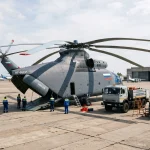
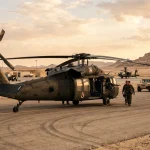
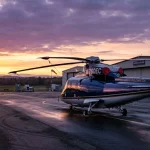
Helicopters have played a crucial role in military operations for decades, with some models striking fear into the hearts of adversaries like none other. When discussing the most feared helicopter in military history, the conversation inevitably centers on its formidable capabilities, cutting-edge technology, and the psychological impact it has on both combatants and civilians. For aviation enthusiasts and history buffs alike, understanding what makes these machines so fearsome is not just about their specifications; it’s about the stories they carry and the lives they have shaped.
Whether you’re drawn to the awe-inspiring engineering behind these machines or intrigued by their historical significance, learning about the most feared helicopter reveals much about warfare strategy and aviation evolution. Join us as we delve into the fascinating world of military helicopters, exploring the legacies that have transformed battlefields around the globe, and uncovering the gripping narratives that make these flying giants unforgettable.
What Makes a Helicopter “Feared” in Battle?
In the world of military aviation, certain helicopters evoke fear in both enemies and allies alike. This fear can be attributed to a combination of advanced technology, formidable capabilities, and historical precedents. One of the most significant factors is the helicopter’s role in asymmetrical warfare, where it can outmaneuver ground forces, carry out precision strikes, and provide tactical support at low altitudes. For instance, helicopters like the AH-64 Apache and the Mi-24 Hind have become synonymous with power on the battlefield, showcasing how a well-equipped helicopter can dominate the airspace and ground.
- Firepower: Many feared helicopters are armed with an array of weapons, including cannons, missile launchers, and rockets, enabling them to engage multiple targets effectively from the air. The integration of sensors and targeting systems allows pilots to strike with devastating precision.
- Speed and Maneuverability: The ability to reach strategic locations quickly and evade ground fire enhances a helicopter’s effectiveness in combat. Models with advanced aerodynamics and rotor designs can perform abrupt maneuvers, making them harder to hit.
- Tactical Versatility: Helicopters can support a variety of missions, from troop transport to close air support and reconnaissance operations. Their adaptability ensures that they’re always present in critical situations on the battlefield.
- Psychological Impact: The sheer power and speed of helicopters create an intimidating presence. Their ability to hover silently can induce fear in ground troops, knowing they could be engaged at any moment.
The legacy of helicopters like the Bell UH-1 Huey, known for its iconic role during the Vietnam War, illustrates how the experiences of combat can shape perceptions. The Huey’s distinctive wail in the air became a symbol of U.S. military might, as it provided essential air support while also evacuating wounded soldiers. This dual role not only showcased its versatility but also contributed to the myths surrounding helicopter warfare, making it feared and respected.
As technology continues to evolve, the design of military helicopters has been adapted to include stealth features, advanced avionics, and enhanced survivability. These innovations serve to amplify their menacing reputation further. The ability to engage effectively while remaining concealed makes modern helicopters not just feared for their firepower but also for their elusive presence in combat. The combined elements of firepower, speed, versatility, and psychological impact ensure that some helicopters will always be seen as formidable forces on the battlefield.
Top Military Helicopters Known for Their Fearsome Reputation
The fearsome reputation of military helicopters is shaped not only by their technological prowess but also by their legendary roles in historical conflicts. Among the most iconic examples is the AH-64 Apache, revered for its incredible firepower and advanced avionics. This helicopter can carry an impressive arsenal, including Hellfire missiles and a 30mm chain gun, making it a devastating force during missions. Its ability to engage targets with pinpoint accuracy from a distance, combined with its agility, ensures it dominates the battlefield.
Another notable contender is the Mi-24 Hind, which has earned a fearsome status due to its blend of speed, firepower, and versatility. Developed by the Soviet Union, the Hind can operate as both a gunship and a troop transport, allowing it to adapt to various combat scenarios. Its heavy armor and the ability to carry up to eight troops make it particularly intimidating during ground assaults, often providing close air support that can turn the tide of battle.
The Bell UH-1 Iroquois, known as the “Huey,” transformed military aviation and warfare strategy during the Vietnam War. Its signature sound became synonymous with rescue missions and troop movements, fostering both admiration and fear among its adversaries. The Huey’s versatility in various roles, from medical evacuations to artillery support, underscored how helicopters could significantly affect ground operations.
In recent years, the introduction of stealth technologies in platforms like the Sikorsky CH-53K King Stallion reflects the evolution of helicopter design aimed at maintaining combat superiority. This latest model, with enhanced speed, payload capabilities, and stealth features, represents not just an evolution in engineering but a continuation of the legacy of intimidation that military helicopters embody in modern warfare.
Their ability to adapt to missions-from transport to attack-underlines the fear these helicopters instill in enemy forces. As these machines continue to evolve with cutting-edge technology and tactics, they remain critical assets, capable of shaping the outcomes of modern conflicts.
Legendary Helicopters That Changed Warfare Dynamics
The evolution of military helicopters has continually reshaped the dynamics of warfare, with certain models standing out due to their formidable capabilities and significant impact on battle strategies. A prime example is the AH-64 Apache, often hailed as a game changer. Since its deployment in the 1980s, the Apache has been synonymous with attack helicopters. Its ability to loiter in hostile territory while delivering devastating firepower up to 8 kilometers away through Guided Longbow Hellfire missiles has redefined how ground support is executed. The Apache’s sophisticated avionics and combat systems empower pilots with superior situational awareness, allowing them to dominate engagements and provide precise support to ground forces.
Another revolutionary helicopter is the Bell AH-1 Cobra. Introduced during the Vietnam War, the Cobra was one of the first dedicated attack helicopters, featuring a sleek design optimized for speed and agility. Its success on the battlefield demonstrated the effectiveness of attack helicopters in providing close air support to ground troops. The Cobra’s use of heavy armament, including rockets and cannons, showcased its lethal prowess, inspiring future designs and operational strategies for rotary-wing aircraft.
The Mi-24 Hind, developed by the Soviet Union, represents a unique shift in helicopter warfare with its dual capability as a gunship and troop transport. Its heavy armor and weaponry allowed it to engage effectively in various combat scenarios while also ferrying troops directly into battle. The Hind’s notable presence in conflicts such as the Soviet-Afghan War illustrated how versatile helicopters could influence ground operations and enhance troop survivability.
Ultimately, as helicopter technology advances-evolving into stealth and advanced UAV capabilities-the legacy of these legendary aircraft continues to influence military strategy worldwide. Pilots today train intensively to harness these advanced systems, echoing the challenges and triumphs of their predecessors and ensuring that the most feared helicopters retain their formidable status on modern battlefields. Each of these helicopters not only symbolize power but also embody the stories and sacrifices of those who have flown them, reminding us of the complex tapestry of military history.
Key Features of the Most Feared Military Helicopters
The most feared military helicopters in history possess remarkable features that significantly enhance their combat effectiveness and strike fear into adversaries. These aircraft are designed for a combination of speed, agility, firepower, and advanced technology, making them formidable assets on the battlefield.
One of the standout characteristics is their armament capacity. For instance, helicopters like the AH-64 Apache can carry a variety of lethal armaments, including Hellfire missiles, Hydra 70 rockets, and a 30mm chain gun, allowing them to engage both ground and air targets effectively. The ability to adapt their weaponry based on mission requirements demonstrates versatility that is crucial in combat situations.
Another defining feature is their advanced avionics and targeting systems. Modern military helicopters are equipped with sophisticated technology that enhances situational awareness. The Apache’s Longbow radar system can detect and identify targets at great distances, providing pilots with critical information to react quickly and accurately. Additionally, systems like infrared sensors allow operations in low-visibility conditions-essential for nighttime missions or adverse weather.
Helicopters such as the Mi-24 Hind showcase robust protection mechanisms, making them resilient against enemy fire. With thick armor plating and redundant systems, these helicopters can withstand significant damage while completing their objectives, such as troop transport and direct attack roles. This durability not only protects the crew and passengers but also ensures the helicopter can continue to operate in hostile environments.
Lastly, the incorporation of stealth technology in certain models has altered the landscape of aerial combat. Although traditionally not as stealthy as fixed-wing aircraft, some helicopters feature design modifications and technologies that reduce their radar signature, allowing them to evade detection and penetrate enemy airspace undetected. This aspect is becoming increasingly relevant as military strategy evolves towards stealth operations.
In summary, the key features that make military helicopters feared in battle include their lethal armament, cutting-edge avionics, protective capabilities, and advancements in stealth technology. Each of these attributes contributes to their formidable presence on the battlefield, showcasing the intricate balance of power, technology, and strategy in modern warfare.
Notorious Helicopter Incidents That Shook the World
Throughout history, certain helicopter incidents have left an indelible mark on military operations and public perception, demonstrating both the vulnerabilities of these machines and their extraordinary capabilities. One such event occurred during the Vietnam War, where the Bell UH-1 Iroquois, commonly known as the “Huey,” became symbolic of American military presence. However, its usage was not without tragedy. In 1968, during the Tet Offensive, a Huey was shot down in the infamous Battle of Khe Sanh, resulting in the loss of several lives. This incident highlighted the dangers pilots faced and altered tactics in helicopter deployment for extraction and support missions.
Another significant moment in helicopter history is the 2011 Navy SEAL operation that led to the death of Osama bin Laden. The mission used two specially modified Black Hawk helicopters, which encountered difficulties during extraction-one crash-landed due to a vortex ring state, a perilous situation where an aircraft descends into its own downwash. Fortunately, the SEALs were able to adapt, securing their objective and demonstrating the agility and resilience that modern helicopters can embody under pressure. This operation not only cemented the Black Hawk’s reputation as a powerful tool in special operations but also sparked discussions about the necessity for further advancements in helicopter technology to enhance safety during high-stakes missions.
These incidents underscore the paradox of military helicopters: while they serve as critical assets in warfare, they also carry risks that can transcend the battlefield, affecting operational tactics and inspiring advancements in design and training. The attention surrounding these events often sparks interest in helicopter technology and the careers associated with this field. Aspiring pilots and mechanics can learn valuable lessons from the past, recognizing the importance of adaptability, robust training, and the continuous evolution of safety protocols to mitigate risks in future operations. Embracing both the thrilling capabilities and the profound responsibilities that come with flying these aircraft is crucial for those eager to join this thrilling and challenging field.
The Role of Stealth and Technology in Modern Helicopters
In modern military operations, helicopters have evolved into sophisticated machines that integrate advanced stealth technologies to enhance their effectiveness on the battlefield. This evolution not only improves their survivability against enemy radar and missiles but also amplifies their tactical utility. Stealth technology, primarily developed for fixed-wing aircraft, is now being adapted for helicopters, allowing them to conduct operations with a significantly lower risk of detection, which is crucial in environments where surprise can dictate the outcome of missions.
One of the most notable examples of this technology in action is the Sikorsky CH-53K King Stallion, designed for heavy-lift missions. This helicopter incorporates features like reduced radar cross-section designs, advanced noise reduction technologies, and the ability to operate at low altitudes, which all contribute to stealth capabilities. Additionally, the integration of composite materials helps minimize radar signature while enhancing structural performance. The combination of these features allows helicopters to approach sensitive targets undetected, whether for intelligence, reconnaissance, or direct action missions.
Moreover, the role of technology extends beyond stealth to include advanced sensor systems and avionics. Modern helicopters are equipped with sophisticated radar and infrared systems that provide real-time data to pilots, improving situational awareness. For example, the Boeing AH-64 Apache Longbow utilizes an advanced fire control radar that can detect and classify targets from great distances, making it an invaluable asset in combat scenarios. Coupled with upgraded targeting systems and weaponry, the result is a platform that can engage threats effectively while remaining hard to detect.
As military operations continue to transform, aspiring pilots and aviation enthusiasts should pay attention to these technological advancements. While the thrill of piloting a helicopter is immense, understanding how these machines work and why they are feared on the battlefield is equally important. Not only does this knowledge enhance flying skills, but it also prepares future aviators for the technical challenges they will face in modern warfare, ensuring their success in protecting lives and achieving mission objectives.
Comparing the Most Feared Helicopters: An In-Depth Analysis
The realm of military helicopters is marked by a few models that have become synonymous with fear and superiority on the battlefield. Among these, the AH-64 Apache is often regarded as one of the most intimidating. Designed for attack roles, it boasts advanced avionics, a formidable array of armaments including Hellfire missiles and a 30mm chain gun, and exceptional maneuverability. The Apache has been instrumental in multiple conflicts, showcasing its capability to conduct precision strikes while operating in hostile environments, which has solidified its reputation as a fearsome platform.
Another helicopter that commands respect is the MI-24 Hind, known for its dual role as an armed gunship and troop transport. The Hind’s unique design allows it to carry a substantial payload while providing ground forces with direct fire support. Its impressive speed and heavy armor make it a daunting opponent, especially in low-intensity conflicts. The psychological impact of facing a Hind on the battlefield cannot be understated, as its presence often changes the dynamics of engagement, forcing adversaries to adapt their strategies.
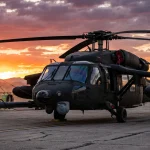
The Sikorsky UH-60 Black Hawk, while primarily known for transport, also has variants like the MH-60L Direct Action Penetrator equipped for special operations. This helicopter’s versatility allows it to insert and extract troops from challenging situations while providing fire support. The combination of stealth features and advanced technology contributes to its fear factor, especially when it is deployed in low-light operations or high-threat environments.
To understand what makes these helicopters feared, we need to look beyond their specifications. Their operational histories reveal a pattern of success against various types of threats, contributing to a legacy that shapes modern aerial warfare. Factors such as innovative tactics, continuous upgrades in weaponry and avionics, and effective pilot training all play a role in cementing their fearsome reputation.
In conclusion, the comparisons between these helicopters highlight a blend of technology, capability, and combat experience. Each has contributed uniquely to military operations globally, making them not only feared machines but also revered by those who operate them. Through ongoing advancements, these helicopters will likely continue to evolve, perpetuating their status as formidable forces in military aviation.
Cultural Impact of Iconic Military Helicopters in Media
The portrayal of military helicopters in popular media has significantly shaped public perception and understanding of their role and power in warfare. From action-packed films to groundbreaking documentaries, these machines have become symbols of strength, agility, and technological prowess. Consider, for instance, the prevalence of the iconic AH-64 Apache in films like “Black Hawk Down.” This portrayal not only highlights its formidable capabilities but also amplifies its fearsome reputation, embedding it in the cultural consciousness as a symbol of military might.
In video games, helicopters like the MI-24 Hind and Sikorsky UH-60 Black Hawk have engaged a generation of players, allowing users to experience flight and combat simulation. Titles like “Call of Duty” and “Battlefield” have reinforced the narrative of the helicopter as an unstoppable force, teaching young people about military tactics while simultaneously engaging them in thrilling gameplay. These experiences often blend entertainment with learning, sparking interest in aviation careers and military history among players.
The impact of media representation extends to the portrayal of helicopter crashes and incidents, often capturing the tragic realities faced by military personnel. Documentaries chronicling events such as the downing of Black Hawks in Somalia not only honor the lives lost but also provide critical insights into the challenges faced in combat zones. These narratives serve as a reminder of the sacrifices made by those who operate these machines, fostering empathy and respect.
Moreover, the legacy of these helicopters is preserved in music, literature, and art, further showcasing their cultural significance. Songs referencing helicopters often evoke themes of freedom, loss, or heroism, bridging the gap between military operations and civilian experiences. This multifaceted representation contributes to an ongoing dialogue about the role of helicopters in modern warfare and their broader implications on society, making these aircraft far more than mere tools of war; they are emblematic of human stories, struggles, and achievements in the pursuit of security and peace.
Innovations That Increased Helicopter Fear Factor
The evolution of military helicopters is marked by technological advancements that have significantly enhanced their tactical capabilities and, consequently, their fear factor in battle. Innovations like advanced avionics, weapon systems, and stealth characteristics have transformed helicopters into formidable forces on the battlefield, capable of engaging and neutralizing threats with unprecedented efficiency.
One of the most significant advancements is the integration of advanced avionics and fly-by-wire systems, which improve maneuverability and response times. These technologies allow pilots to execute highly complex aerial maneuvers with greater precision, making helicopters like the AH-64 Apache or Eurocopter Tiger incredibly agile and difficult to target. Additionally, advancements in radar and sensor technology enable these helicopters to detect and target enemy forces from greater distances, ensuring they can engage before being seen.
Weapon systems have also come a long way. The incorporation of precision-guided munitions and air-to-ground missiles has drastically increased the lethality of helicopters in combat scenarios. For example, the Apache’s ability to deploy Hellfire missiles, capable of striking targets with pinpoint accuracy, has made it a feared opponent on the battlefield. Furthermore, innovations like gunship capabilities, where helicopters are equipped with devastating machine guns and rockets, ensure they can provide close air support to ground troops effectively.
Stealth and Low Observability
The development of stealth technology has also contributed to increasing the fear factor of modern military helicopters. Helicopters designed with reduced radar cross-sections can avoid detection by enemy radar, allowing them to infiltrate hostile airspace undetected. The CH-53K King Stallion, for instance, incorporates design features aimed at reducing its signature, making it less vulnerable to enemy fire.
Another noteworthy innovation is in countermeasure systems, which provide helicopters with the means to evade threats. Systems that deploy flares or utilize advanced electronic warfare techniques can mislead enemy missiles, enhancing pilots’ chances of survival in high-risk environments. With these technologies, helicopters are not just tools of war; they embody a synthesis of speed, agility, and advanced combat capabilities, instilling fear in adversaries.
As military technology continues to advance, the fear factor of helicopters shows no signs of diminishing. Each iteration of these machines brings innovations that not only enhance their operational effectiveness but also solidify their place as a symbol of military power in modern warfare. For aspiring pilots and military enthusiasts alike, understanding these innovations is essential for appreciating the complexities and advanced nature of modern aerial combat.
The Future of Military Helicopter Design and Strategy
The landscape of military helicopter design is evolving rapidly, driven by advancements in technology and changing battlefield dynamics. As military forces adapt to new threats, the helicopters of the future will likely exhibit a blend of enhanced capabilities, greater survivability, and innovative strategies that redefine their roles in combat.
Emerging concepts include increasing automation in cockpit systems, where pilot-assisted technology could enhance situational awareness and decision-making. This advancement empowers pilots to focus on strategic tasks rather than being overwhelmed by operational demands. Furthermore, with the integration of artificial intelligence, helicopters may soon feature systems capable of conducting autonomous missions, allowing for faster and more precise engagement with threats while minimizing pilot risk.
Stealth will be more than just a desirable feature; it will become a core component of helicopter design. Future models will likely incorporate advanced materials and shapes that reduce radar signatures, enabling them to operate closer to enemy lines without detection. This increased stealth capacity will be crucial for missions requiring deep penetration into hostile territory where traditional helicopters would be vulnerable to surface-to-air threats.
The use of hybrid technologies will also define the next generation of military helicopters. By combining traditional rotor systems with electric propulsion, future helicopters can expect to achieve longer ranges, improved fuel efficiency, and reduced operational costs. Hybrid designs can also support quieter operations, enhancing their potential for surprise tactics in sensitive environments. As the military continues to emphasize the importance of sustainability, these technological shifts reflect a broader commitment to achieve both operational superiority and environmental responsibility.
As strategic doctrines evolve, the role of helicopters will shift as well, moving beyond support roles to become pivotal assets in integrated combat operations. Future battles may see helicopters operating in concert with unmanned aerial vehicles (UAVs), providing real-time intelligence while allowing for the rapid deployment of troops and supplies. The synergy between manned and unmanned systems represented a paradigm shift that enhances operational flexibility and effectiveness on the battlefield.
promises a thrilling evolution, where machines will not only bolster military power but also reflect a thoughtful approach to new warfare complexities. Aspiring pilots and aviation enthusiasts should keep an eye on these advancements, as they herald a new era of air combat capabilities that will continue to shape military history.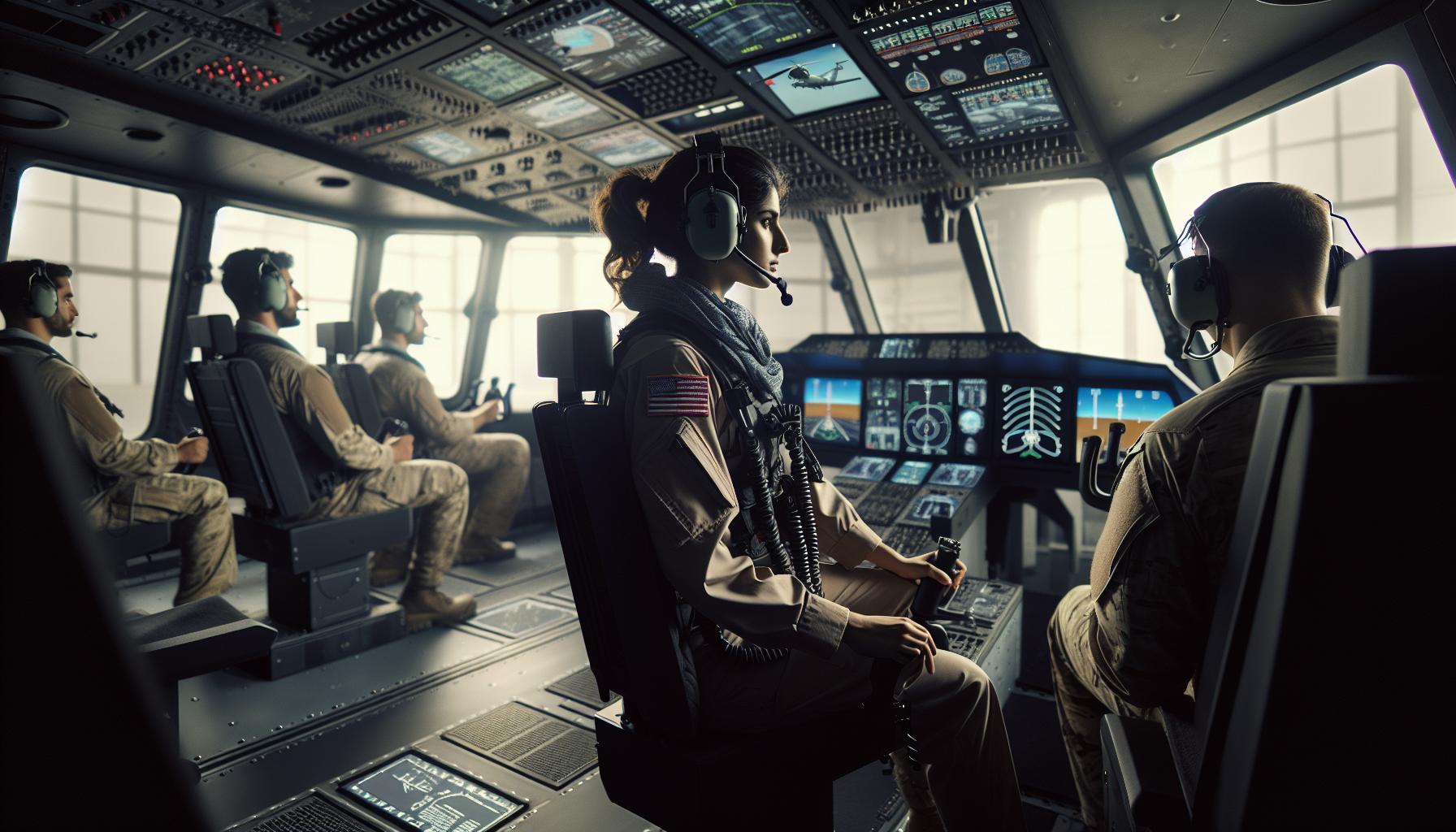
How Pilots Are Trained to Operate Fearsome Helicopters
The training of pilots to operate fearsome helicopters is a rigorous process, designed to instill not only technical proficiency but also the mental fortitude necessary for high-stakes military operations. Understanding the intricacies of rotorcraft, particularly those with a fearsome reputation, is essential for pilots who are expected to perform under considerable pressure. For instance, flying helicopters like the AH-64 Apache or the UH-60 Black Hawk requires extensive preparation that goes beyond basic flight training.
To begin with, helicopter pilot training generally involves multiple phases, starting with foundational flight instruction. Instructors emphasize the unique flight mechanics of helicopters, such as hovering capabilities, which differentiate them from fixed-wing aircraft. Pilots are trained in simulator environments to master flying techniques, coping strategies for emergencies, and coordination in combat scenarios. Simulators provide a safe yet realistic setting to rehearse complex maneuvers, such as coordinated attacks or evasive tactics that fearsome helicopters are designed for.
Once basic training is complete, aspiring pilots undergo advanced tactical training, where they learn to operate in high-threat environments. These missions usually involve simulated combat situations, where pilots must demonstrate skills not just in flying, but also in making split-second decisions and communicating effectively with ground forces and other aircraft. They are taught to integrate advanced avionics and weapon systems, maximizing the combat potential of the aircraft. For example, familiarization with targeting systems and weaponry is crucial for pilots operating helicopters that are pivotal in ground support roles.
Another important aspect of training is the psychological preparation for combat. Pilots are put through mental resilience training to ensure they can handle the stress and unpredictability of real-world operations. Exposure to daunting scenarios helps build confidence and a steady demeanor in the cockpit. This psychological component is vital, as even the most skilled pilot can feel overwhelmed in high-stress situations, particularly when lives are on the line.
In summary, the training process for pilots of fearsome helicopters combines technical skill development, tactical training, and psychological readiness, creating highly competent aviators ready to face the challenges of modern warfare. Those interested in pursuing a career as a military pilot should prepare for a commitment that demands resilience, adaptability, and a meticulous approach to learning about these formidable machines.
Legacies of Fearsome Helicopters: Heroes and Villains
The legacy of fearsome helicopters in military history is as complex and gripping as the combat operations they have been part of. Take the iconic AH-64 Apache, for instance. Launched in the 1980s, this helicopter has become synonymous with high-tech warfare and is renowned for its devastating firepower, agility, and ability to operate in challenging environments. Its role during conflicts such as the Gulf War showcased the Apache as a hero for coalition forces, striking fear into adversary groups with its unmatched capabilities and precision attacks.
However, the legacy of helicopters isn’t solely defined by majestic victories and tactical successes; it also encompasses harrowing incidents that remind us of the costs of war. The tragic accident of the AH-60 Black Hawk during the Battle of Mogadishu in 1993 illustrates this darker side. Tasked with a daring mission to capture warlord Mohamed Farrah Aidid, the downing of two Black Hawks led to the deaths of 18 American soldiers and captures by enemy forces. This incident not only changed public perception of military engagement but also prompted significant changes in U.S. military policy and strategy, highlighting the vulnerabilities of even the most advanced aircraft.
Heroes of the Skies
Many fearsome helicopters have garnered legendary status among pilots and the public alike. The UH-1 Iroquois, commonly known as the “Huey,” became a symbol of the Vietnam War. Beyond its practical use in medevac ops and troop transport, the Huey’s presence in the skies often represented hope and rescue amidst destruction, earning it a cherished place in the hearts of veterans and civilians. Stories of its bravery echo in the narratives of personal sacrifice and heroism-medics risking their lives to save soldiers in active combat areas, thereby adding a significant heroic chapter to the legacy of this helicopter.
Villains in the Shadows
Conversely, the fearsome image of helicopters can also cast shadows, associating them with oppression or violence. The Bell 205, operationally similar to the Huey, was used in anti-insurgency efforts, often resulting in heavy civilian casualties. Such incidents have sparked debates on ethical warfare, raising questions about the role of aerial power in conflict, and reminding us that technology serves both noble and nefarious purposes.
As we reflect on the legacies of these helicopters, the narratives reveal a nuanced tapestry of heroism and tragedy. From their critical roles in warfare to the profound impacts of specific incidents, these flying machines embody the duality of progress and the profound responsibility that comes with military might. Understanding their histories helps aspiring pilots and military personnel appreciate the weight of their future roles-inspiring courage while honoring the lives affected by both their valor and the violence of war.
FAQ
Q: What helicopter is considered the most technologically advanced in military history?
A: The AH-64 Apache is often regarded as one of the most technologically advanced military helicopters. Equipped with advanced avionics, targeting systems, and weaponry, its design integrates stealth features that enhance survivability in combat scenarios. For more on technological innovations, see our section on Innovations That Increased Helicopter Fear Factor.
Q: Why is the Mi-24 Hind feared by enemy forces?
A: The Mi-24 Hind is feared due to its combination of speed, firepower, and versatility. Often dubbed a “flying tank,” it can carry troops and perform attack missions simultaneously. Its heavily armed configuration allows it to engage multiple targets effectively, as discussed in the Top Military Helicopters Known for Their Fearsome Reputation.
Q: How do military helicopters impact ground operations in battle?
A: Military helicopters significantly enhance ground operations by providing air support, quick troop transport, and reconnaissance. Their ability to strike from above while remaining mobile gives ground forces a strategic advantage in combat. For further details, refer to our section on Legendary Helicopters That Changed Warfare Dynamics.
Q: What role does training play in helicopter pilots’ effectiveness in combat?
A: Comprehensive training is crucial for helicopter pilots, enhancing their ability to operate complex systems under pressure. Pilots learn tactical maneuvers, emergency procedures, and combat scenarios, ensuring they can maximize their helicopter’s capabilities in any situation. Explore more in our section on How Pilots Are Trained to Operate Fearsome Helicopters.
Q: Which military helicopter has the highest casualties associated with its use?
A: The UH-1 Iroquois, commonly known as the “Huey,” has seen high casualty rates due to its extensive use in Vietnam and subsequent conflicts. Its vulnerability during operations made it a symbol of both resilience and tragedy in aviation history. More on this topic can be found in Notorious Helicopter Incidents That Shook the World.
Q: What are the main advantages of stealth helicopters in military operations?
A: Stealth helicopters, like the MH-60 Black Hawk, offer significant advantages such as reduced radar visibility, quiet operations, and the ability to conduct covert missions. These features enhance tactical surprise and increase the chances of mission success. Learn about the technology in our section on The Role of Stealth and Technology in Modern Helicopters.
Q: How do cultural representations influence the perception of military helicopters?
A: Cultural representations, through films and media, often glamorize or demonize military helicopters, shaping public perception. This can affect recruitment, funding, and political support for military aviation. For examples, check our section on Cultural Impact of Iconic Military Helicopters in Media.
Q: What innovations have significantly changed military helicopter design?
A: Innovations such as advanced rotor designs, composite materials, and digital avionics have transformed military helicopter design, enhancing performance, reducing weight, and improving safety. For an in-depth analysis, refer to our section on The Future of Military Helicopter Design and Strategy.
The Way Forward
As we conclude our exploration of the most feared helicopter in military history, it’s clear that the impact of these engineering marvels extends far beyond the battlefield. The versatility and firepower of helicopters have reshaped aviation and changed military tactics forever. If you enjoyed this deep dive, don’t miss our articles on the evolution of military aircraft and the rise of unmanned aerial vehicles, which offer fascinating insights into the future of warfare.
Take a moment to leave your thoughts below on which helicopter you believe deserves the title, and feel free to share this article with fellow aviation enthusiasts. For more thrilling aviation content, subscribe to our newsletter or explore our dedicated section on helicopter engineering and design. Dive deeper into this incredible field, and stay engaged with the world of aviation as we continue to bring you stories and analyses that cater to both seasoned experts and curious newcomers alike. Your journey into the skies is just beginning!
Get our latest guides, news, and insights highlighted in your Google Search & AI Overviews.