Did you know that while most helicopters fly at moderate altitudes, military helicopters can soar to impressive heights, enabling unique mission capabilities? Understanding how high these aircraft can fly is crucial for appreciating their role in combat and rescue operations. From tactical advantages to safety measures, the altitude at which a military helicopter operates can make all the difference in achieving mission success. Whether you’re a budding aviation enthusiast or someone curious about military operations, exploring the altitudes these helicopters reach offers valuable insights into their engineering and operational strategy. Join us as we delve into the fascinating world of military helicopters and uncover what determines their combat altitude, and what that means for those who fly and rely on them.
How Military Helicopters Achieve High Altitudes
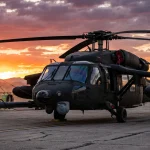
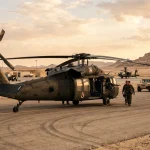
Achieving high altitudes in military helicopters is a multifaceted challenge that hinges on a complex interplay of engineering, aerodynamics, and pilot skill. Military helicopters are designed not just for versatility but also for performance under demanding conditions, including high-altitude combat operations. For instance, the Sikorsky UH-60 Black Hawk, a workhorse of the U.S. Army, boasts a maximum altitude capability of approximately 19,000 feet under ideal conditions, although operational altitudes are typically lower due to variable factors such as temperature, altitude, and payload.
To reach these impressive heights, military helicopters utilize a variety of technological advancements and design elements. The rotors are engineered for maximum lift efficiency, often employing advanced materials and design techniques to reduce drag and improve performance. The shape and pitch of the blades can be adjusted dynamically, allowing pilots to optimize lift depending on changing flight conditions. Furthermore, the power-to-weight ratio of helicopters is crucial; modern engines provide the necessary thrust to combat the reduced air density and potential turbulence encountered at higher elevations.
Additionally, effective flight management systems enhance pilots’ capabilities at high altitudes. These systems can monitor and adjust various parameters in real-time, providing critical feedback and ensuring the helicopter operates within its operational limits. As military missions often require altitude precision for troop insertions, surveillance, or retrieval, understanding the helicopter’s capabilities and limitations is paramount for successful operations. This synergy between advanced engineering and skilled piloting ensures that military helicopters not only take to the skies but thrive in the challenging environments they are often called to navigate.
Factors Affecting Helicopter Flight Altitude

Flying a helicopter at high altitudes is not just about pushing limits; it’s a complex dance between various factors that influence performance. One key element is density altitude, which combines the effects of temperature and pressure. As a helicopter ascends, the atmosphere thins, resulting in less air available for lifting. This decreased density can significantly affect rotor performance and overall lift capabilities. Pilots need to be acutely aware of how changes in temperature, humidity, and altitude impact their helicopter’s ability to generate lift.
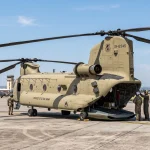
Another critical factor is weight management. Every military helicopter has a maximum takeoff weight, which, when exceeded, can hinder altitude performance. During missions, loading and unloading cargo or personnel can directly affect the helicopter’s climb rate and ceiling. For example, the CH-47 Chinook, renowned for its heavy-lifting capacity, must balance its payload carefully to reach its maximum operational altitudes effectively. Smart weight distribution and load calculations can enhance a helicopter’s climbing ability and overall safety during missions.
The design of the rotor system also plays a crucial role in altitude performance. Helicopters with larger rotor systems typically achieve better lift at high altitudes. The Sikorsky CH-53 Super Stallion, for instance, features wide semi-rigid rotors that provide enhanced lift in thinner air. Additionally, advancements in rotor blade technology-such as composite materials and advanced aerodynamics-allow for improved performance, making it easier to achieve higher altitudes.
Furthermore, the skill and experience of the pilot cannot be underestimated. Each flight presents unique challenges, especially at higher elevations where factors like turbulence and reduced engine performance demand heightened attention. Pilots undergo rigorous training to understand the mechanics of their specific aircraft, hence optimizing performance under varying conditions. Techniques such as power management are vital, allowing pilots to adjust thrust dynamically to maintain lift, especially during critical phases of flight.
In summary, achieving high altitudes in military helicopters involves a blend of environmental conditions, helicopter design, weight considerations, and pilot proficiency. Monitoring these factors helps ensure that military operations can be conducted successfully, even in the most challenging aerial environments.
Comparative Analysis: Helicopter vs. Airplane Altitude Limits

When discussing the altitude capabilities of helicopters compared to airplanes, one fascinating point to consider is the distinct structural and operational design that influences flight limits. Helicopters are designed for agility and vertical takeoff, which allows them to excel in low-altitude environments typically found in military operations. For instance, many helicopters can operate effectively at altitudes of 10,000 feet or more, though specific models may vary in their capabilities. On the other hand, most commercial airplanes cruise at significantly higher altitudes, often between 30,000 to 40,000 feet. This difference is primarily due to their design-aerodynamic wings allow airplanes to take advantage of thinner air for sustained lift, whereas helicopters rely on rotor blades which operate best in denser air closer to the ground.
Performance Characteristics
The nature of lift generation further magnifies the disparity in altitude limits. Airplanes utilize fixed wings to generate lift through forward motion, benefiting from the principles of aerodynamics to maintain higher speeds and altitudes. Meanwhile, helicopters create lift through rotating blades, which must maintain a specific angle and speed to achieve flight. This requires helicopters to be more sensitive to changes in altitude and temperature, as their rotor systems need sufficient density in the air to produce adequate lift. Consequently, while helicopters can maneuver in confined spaces and execute vertical takeoffs, their maximum operating altitude is inherently lower than that of fixed-wing aircraft.
Examples and Specifications
For a closer look, let’s consider specific models. The Boeing AH-64 Apache, a military attack helicopter, can reach operational ceilings around 23,000 feet, whereas the Lockheed Martin F-22 Raptor, a fighter jet, can soar to about 65,000 feet. This stark contrast illustrates how the design and purpose of each aircraft dictate their altitude capabilities. Furthermore, helicopters are often equipped with pressurized cabins for high-altitude missions, but this still can limit their effectiveness compared to pressurized commercial jets that routinely navigate the upper atmosphere.
In summary, understanding the operational paradigms of helicopters versus airplanes highlights why helicopters are more suited for lower altitude missions while airplanes dominate the higher skies. This engaging interplay between design, function, and performance showcases the unique strengths of each type of aircraft within military operations and aviation as a whole.
The Role of Helicopter Size and Design in Altitude

Military helicopters demonstrate remarkable versatility, shaped significantly by their size and design, which directly influences their altitude capabilities. Smaller helicopters, such as the Bell OH-58 Kiowa, typically have a lower maximum altitude compared to larger models like the CH-53E Super Stallion. The proportion of each helicopter’s rotor diameter to its overall size is crucial; a larger rotor diameter allows for better lift generation, enabling these larger helicopters to perform effectively at higher altitudes.
The configuration and design of rotor blades play a pivotal role in aerial performance. For instance, helicopters with more extensive, more advanced rotor systems such as the Sikorsky UH-60 Black Hawk utilize advanced materials and designs that reduce drag while improving lift efficiency. This design attribute allows them to operate in the thin air found at high elevations, necessary for certain military missions. Additionally, helicopters must cope with decreased atmospheric pressure and temperature variations at altitude, demanding designs that efficiently manage these fluctuations.
Another critical factor is the helicopter’s weight-to-power ratio. A lighter helicopter with a high-powered engine can achieve greater altitudes compared to a heavier model with less thrust. For example, the AH-64 Apache, featuring a sleek design and powerful twin-engine system, can reach up to 23,000 feet, proving effective in combat scenarios that require altitude. Moreover, advancements in avionics and systems that support high-altitude operation have further pushed the boundaries of what military helicopters can achieve.
In summary, the size and design intricacies of military helicopters significantly determine their operational ceiling and effectiveness. From rotor design to weight and power, these factors collectively influence how high a helicopter can fly and how efficiently it can perform in various combat scenarios. Understanding these elements enlightens aspiring pilots and aviation enthusiasts about the complexities of helicopter capabilities in military aviation.
Key Helicopter Models and Their Altitude Records
Military helicopters are engineered to reach impressive altitudes, with several models setting records in high-altitude flight. One of the most significant milestones in this area is held by the Eurocopter AS350 B3, which famously ascended to a staggering altitude of 40,820 feet (12,442 meters) in 2005. This achievement not only highlighted the helicopter’s capabilities but also showcased the potential for rotary-wing aircraft in extreme conditions.
The Sikorsky UH-60 Black Hawk is another noteworthy contender, known for its operational versatility in various military missions. Although its typical operational ceiling is around 19,000 to 21,000 feet, it’s capable of flying higher under specific conditions, thanks to its robust design and advanced rotor technology. The Black Hawk’s sophisticated avionics and powerful engines allow it to effectively operate at reduced air density, making it a reliable platform for high-altitude operations where mission-critical supplies need to be delivered or troops extracted.
On the heavy-lift side, the CH-53E Super Stallion has an altitude limit of approximately 16,000 feet, demonstrating its strength and reliability in transporting significant payloads even in rugged terrains. This helicopter often undertakes missions in mountainous regions where its power and capacity become critical in overcoming environmental challenges.
Furthermore, the AH-64 Apache, a premier attack helicopter, boasts a maximum altitude of approximately 23,000 feet. Its engine performance and rotor design are optimized for combat operations, enabling it to engage adversaries effectively while maintaining the ability to fly at high altitudes. These helicopters are not merely about reaching new heights-each model’s altitude record is a testament to the fusion of cutting-edge technology and rigorous design that supports various military objectives.
The pursuit of high-altitude capabilities continues as manufacturers explore new technologies and designs. With advancements in materials, avionics, and rotor dynamics, the next generation of military helicopters may soar even higher, pushing the boundaries of what is currently achievable in aerial warfare and support missions. This evolution is crucial for military readiness, ensuring that pilots are equipped with the tools and capabilities needed to succeed in diverse environments.
Military Helicopters: Altitude Capabilities in Combat
High-altitude operations in military helicopters are not just feats of engineering-they are essential capabilities that can greatly influence the outcome of combat missions. The ability to operate effectively at elevated altitudes provides tactical advantages, such as evading ground fire and executing covert insertions in hostile territories. For instance, helicopters like the Sikorsky UH-60 Black Hawk and AH-64 Apache are adept at operating in mountainous regions, where their altitude capabilities allow them to access hard-to-reach locations and deliver troops and supplies precisely where needed.
One of the most critical factors in a helicopter’s performance at high altitudes is its ability to maintain lift in reduced air density. As altitude increases, the air thins, which can diminish lift and engine performance. Advanced rotorcraft technology ensures that models like the Black Hawk can still lift significant payloads and achieve mission objectives at altitudes exceeding 19,000 feet. Similarly, the Eurocopter AS350 B3, which achieved an extraordinary altitude of 40,820 feet, demonstrates that with the right design, helicopters can navigate extreme operational environments.
However, high-altitude flight is fraught with challenges. The thinner atmosphere not only impacts engine efficiency but also complicates pilot control. Training for high-altitude missions includes understanding the aerodynamic changes and adjusting tactics accordingly. Pilots are trained to handle these conditions with techniques tailored for high altitude, often relying on higher power settings and adjusted approaches to maintain stability and control.
Combat scenarios also necessitate that helicopters are equipped with advanced avionics and navigation systems to securely manage their flight paths through challenging terrains. The integration of technologies such as GPS and terrain awareness systems allows pilots to navigate effectively, ensuring they can perform critical roles like reconnaissance, troop transport, and close air support in any environment. As military demands evolve, the focus on further enhancing helicopter altitude capabilities continues, promising exciting advancements for future operations and missions.
Effects of Weather on Helicopter Flight Height

Weather plays a pivotal role in the operational limits of military helicopters, significantly impacting their ability to reach and maintain altitude. For instance, high winds, turbulence, and storms can pose substantial challenges, forcing pilots to adjust their flight plans and tactics. On a breezy day, the rotor system must work harder to generate lift, while severe weather conditions, such as thunderstorms or icing, can force helicopters to remain grounded or alter their intended course. Pilots are trained to recognize and mitigate these risks, making weather assessment a crucial aspect of pre-flight preparations.
Temperature shifts also influence helicopter performance at altitude. As air temperature decreases with elevation, the density of the air thins, affecting both lift and engine capability. For military helicopters, this means that operations in colder climates can lead to a reduction in performance unless the aircraft is specially equipped. For example, altitude helicopters like the Eurocopter AS350 B3, which holds an altitude record of 40,820 feet, must contend with varying temperatures that can impact their operational ceilings. Pilots must adapt to these temperature changes by understanding how different conditions affect rotor lift and power requirements.
Additionally, visibility can significantly influence helicopter operations. Fog, low clouds, and precipitation reduce a pilot’s ability to navigate and maintain spatial orientation, often compelling a delay or rerouting to ensure safety. During combat operations, maintaining awareness of environmental conditions becomes paramount; weather changes can expose aircraft to enemy fire if visibility decreases unexpectedly. Pilots utilize advanced avionics and real-time weather radar systems to track and adjust to changing weather patterns, thus ensuring safe navigation even in less-than-ideal conditions.
Through comprehensive training and by leveraging technological advances, military helicopter pilots remain prepared to handle the effects of weather on their flight height. Understanding these factors not only enhances safety but also ensures mission effectiveness in a variety of operational environments.
Understanding the Physics of Helicopter Lift
To achieve lift, helicopters rely on the principles of aerodynamics, with the rotor blades acting essentially as wings. The unique design of these blades allows them to generate a significant amount of lift, which is crucial for operating at high altitudes, particularly in military contexts. As the rotor blades spin, they create differences in air pressure above and below the blades, resulting in lift that overcomes gravity. This lifting capability is influenced by various factors, including rotor speed, blade shape, and angle of attack.
The angle of attack is particularly vital; it refers to the inclination of the rotor blades relative to the oncoming air. A higher angle can increase lift, but it also poses the risk of stalling, where the airflow separates from the blade surface. Military helicopters, designed for versatility and performance, often feature adjustable rotor systems that optimize the angle of attack for different flight conditions. For example, hovering in combat may require a different configuration compared to high-speed flight at altitude.
As altitude increases, the air density decreases, which impacts lift. Warmer temperatures and high elevations can exacerbate this issue, forcing pilots to be acutely aware of their aircraft’s limitations. Helicopters like the Eurocopter AS350 B3, known for its high altitude capabilities, illustrate how certain models are engineered with advanced rotor designs and powerful engines to cope with thinner air. These helicopters can operate effectively at altitudes of over 40,000 feet, underlining the critical relationship between design, physics, and operational capability.
Understanding the physics of lift not only enhances the pilot’s ability to manage helicopter performance but also informs strategic decisions in high-stakes environments. As military missions may require sudden ascents to avoid threats or navigate diverse terrains, a deep grasp of these aerodynamic principles becomes essential for successful operations. This knowledge allows pilots to optimize their aircraft’s performance, ensuring effective mission execution even in challenging conditions.
Technological Advancements in Helicopter Altitude Capability
Advancements in helicopter technology have consistently pushed the boundaries of altitude capability, allowing military helicopters to thrive in various combat scenarios. Modern innovations have drastically improved the rotor systems, avionics, and materials used in helicopter construction, significantly enhancing their operational ceiling. For instance, the incorporation of advanced materials such as composites has led to lighter structures that can withstand greater stress and provide superior performance at high altitudes.
Helicopters today utilize intelligent rotorcraft designs equipped with fly-by-wire systems. These systems enable pilots to have more precise control over the rotor blades’ angle and pitch, adjusting them dynamically to optimize lift based on current altitude and air density conditions. Such technology allows helicopters to maintain better performance even as they ascend into thinner air, making it possible to operate at altitudes previously thought unattainable.
Moreover, the development of powerful turbine engines has been a game changer for altitude capability. Enhanced engines not only provide more thrust but also come with improved fuel efficiency, which is crucial for sustained operations in the field. The CH-53K King Stallion, for example, boasts a maximum operational ceiling of around 15,000 feet-thanks in part to its robust GE38-1B engine that delivers exceptional performance even in high-altitude environments.
As these advancements continue to evolve, the future looks promising for military helicopter operations. Research is being conducted into new technologies, such as hybrid-electric propulsion and improved rotor aerodynamics. These innovations stand to further enhance performance and operational flexibility, paving the way for even greater altitude capabilities and adaptability in diverse mission requirements.
Helicopter Operation: Piloting at High Altitudes
Piloting a helicopter at high altitudes presents unique challenges that put both the aircraft’s capabilities and the pilot’s skills to the test. When maneuvering in thin air, pilots must be extremely aware of their surroundings and the helicopter’s performance characteristics. The margin for error shrinks significantly at elevated elevations, where decreased air density affects lift and engine performance. A fascinating fact to consider is that many military helicopters are engineered to operate effectively at altitudes approaching 15,000 feet, allowing them to execute missions in various environments, from deserts to mountains.
To maintain control in these challenging conditions, pilots need a strong grasp of several operational techniques. One primary consideration is adjusting the collective pitch of the rotor blades. As altitude increases, the air becomes less dense, requiring precise adjustments to maintain lift. Pilots often employ a technique known as “stacking power” to optimize their aircraft’s performance. This involves managing the throttle and rotor pitch in tandem to ensure the helicopter can rise without losing altitude or risking a critical stall.
Moreover, understanding the effects of temperature is critical. As altitude increases, the temperature typically drops, further impacting engine output and lift. Pilots regularly consult performance charts specific to their helicopter models to determine their operational limits under various temperature and altitude conditions. These charts provide vital data for calculations related to weight, balance, and required power settings, helping to ensure safe and effective flight maneuvers.
Safety is paramount during high-altitude operations. Pilots undergo rigorous training designed to simulate high-altitude conditions, preparing them for the unique demands they will face. They learn to identify signs of hypoxia, a condition that can impair cognitive functions due to reduced oxygen levels at altitude. The use of supplemental oxygen can be critical, especially above 10,000 feet, and pilots are trained to use it effectively to maintain peak performance.
In summary, piloting a helicopter at high altitudes demands a keen understanding of aviation mechanics, environmental factors, and an unwavering commitment to safety. As technology and training methods continue to advance, the ability of pilots to operate effectively in such extreme conditions will only improve, enabling military helicopters to reach new heights-both metaphorically and literally.
Challenges of High-Altitude Flight for Military Missions
Navigating the demanding atmosphere at high altitudes presents formidable challenges for military helicopter operations, where every flight could mean the difference between mission success and failure. Above 10,000 feet, helicopters encounter significantly reduced air density, which directly impacts lift and propulsion. This diminished lift requires pilots to precisely balance rotor dynamics and engine performance, especially during critical maneuvers such as takeoff or landing in mountainous terrain.
Military missions often necessitate flying in environments like the rugged Afghan mountains or the altitude-scarce deserts of Iraq, where altitude is exacerbated by unforgiving weather conditions. Pilots must be trained to anticipate these challenges. For instance, the thin air can cause an increase in the “density altitude,” making it feel as if the helicopter is flying higher than it actually is. This illusion can mislead even experienced pilots into underperforming their craft, leading to the danger of stalls or crashes if they do not compensate correctly for the conditions.
Risk Management is crucial. Pilots must conduct rigorous pre-flight checks and maintain stringent weight management for proper performance. They often use performance charts that specify operating limits based on the current weight, temperature, and altitude. Understanding the potential for hypoxia, a condition caused by insufficient oxygen supply, is paramount. Many military units compile specific practices for using supplemental oxygen equipment efficiently, ensuring that crew members operate at peak cognitive capabilities even when oxygen levels are low.
Another critical aspect is the mental fortitude required to execute missions at extreme heights. The psychological strain of flying in such challenging conditions can impact decision-making and pilot performance. Advanced training programs address this by simulating high-altitude flights, allowing pilots to develop the muscle memory and decision-making skills needed to handle real-world scenarios proficiently. The combination of rigorous training, meticulous planning, and the latest technology equips pilots to tackle these high-altitude challenges effectively, maximizing the potential for mission success.
Future Trends: Helicopter Altitude Innovations and Research
Advancements in military helicopter technology are pushing the boundaries of altitude capabilities, with innovative research and development strategies paving the way for the next generation of aerial vehicles. As military operations become increasingly complex and often occur in challenging terrain, the demand for helicopters that can operate at higher altitudes efficiently and safely is more pressing than ever. One eye-catching area of focus is the integration of advanced materials and designs that enhance performance at great heights.
Innovative Materials and Designs
New materials, such as lightweight composites and advanced alloys, are revolutionizing helicopter construction. These materials not only reduce overall weight, enabling higher flight ceilings but also improve durability against the harsh conditions often encountered during high-altitude missions. Additionally, rotor blade design has seen significant enhancements. Incorporating features like *variable pitch and morphing structures* allows for better lift generation and adaptability to fluctuating atmospheric conditions, making helicopters more capable of handling high-density altitudes where traditional models struggle.
Enhanced Systems for Altitude Management
In tandem with materials advancements, innovative avionics systems are being developed to assist pilots with altitude management. Next-generation flight control systems utilize real-time data to help operators gauge performance and make necessary adjustments on the fly. These systems can calculate density altitude and forecast performance degradation due to environmental factors. Implementing *augmented reality displays* can provide pilots with critical information in an easily digestible format, making it easier for them to focus on complex decision-making while flying at high altitudes.
Research and Training Initiatives
Research is also focusing on optimizing pilot training for high-altitude operations. Simulation technologies are becoming increasingly prevalent in preparing pilots for the unique challenges they face at extreme heights. For example, enhanced *virtual reality training systems* can simulate high-altitude conditions, including the physiological effects of the lower oxygen levels and rapid changes in air pressure, effectively preparing pilots for real-life scenarios. This comprehensive approach ensures that future military aviators are well-equipped to handle the challenges posed by flying at higher altitudes, thus increasing mission success rates.
The future of military helicopter operations at high altitudes looks promising, as a blend of cutting-edge materials, technology, and pilot training innovations converges to enhance performance. As these trends continue to evolve, they will undoubtedly play a crucial role in shaping the effectiveness and safety of military helicopter operations in the years to come.
FAQ
Q: What is the maximum altitude a military helicopter can reach?
A: Military helicopters can reach maximum altitudes ranging from 10,000 to 20,000 feet or more, depending on the model and design. For example, the UH-60 Black Hawk has a service ceiling around 19,000 feet, making it suitable for various missions at high altitudes.
Q: How does altitude affect helicopter performance in combat?
A: Altitude significantly impacts helicopter performance in combat, including engine efficiency and lift capacity. At higher altitudes, reduced air density may require longer distances for takeoff and landing, affecting mission planning and execution.
Q: Why do military helicopters need to fly at higher altitudes?
A: Military helicopters often fly at higher altitudes to avoid enemy ground fire, navigate difficult terrain, and enhance mission stealth. High-altitude operations can provide tactical advantages during reconnaissance and assault missions.
Q: What factors limit a military helicopter’s flying altitude?
A: Several factors limit flying altitude, including engine performance, rotor design, weather conditions, and weight. Understanding these factors is crucial for planning effective military operations at altitude.
Q: How does weather influence helicopter flight altitude?
A: Weather can greatly influence helicopter flight altitude. Changes in temperature and atmospheric pressure can affect lift capabilities, while adverse weather such as high winds or storms may limit flying conditions and require altitude adjustments for safety.
Q: Are there specific helicopter models designed for high-altitude missions?
A: Yes, certain helicopter models, like the Boeing CH-47 Chinook and the Eurocopter AS350, are designed specifically for high-altitude missions. Their structures and engines are optimized to handle the challenges presented by high altitudes.
Q: How important is pilot training for high-altitude helicopter operations?
A: Pilot training is crucial for high-altitude helicopter operations. Pilots must understand the unique challenges of flying at elevated altitudes, including handling reduced lift and adapting flight techniques to maintain safety and efficiency.
Q: What advancements have improved military helicopter altitude capabilities?
A: Advancements in materials and engine technology have significantly improved military helicopter altitude capabilities. Innovations like composite materials reduce weight, while more powerful engines enhance lift, allowing helicopters to operate effectively at higher altitudes.
This FAQ section is designed to provide clear and concise answers to common questions regarding military helicopter altitude capabilities, offering valuable insights while optimizing for search engine visibility and user engagement.
The Way Forward
As we’ve explored, military helicopters achieve impressive altitudes that enhance their operational capabilities, especially in combat scenarios. Understanding these heights not only showcases the engineering marvels of aviation but also underscores the strategic importance of air mobility in military operations. If you found this journey into the skies enlightening, don’t miss our in-depth articles on helicopter designs and the physics of flight-links that will broaden your understanding of aviation dynamics.
Ready to take your knowledge further? Subscribe to our newsletter for the latest insights on military aviation, or dive into our guides on becoming a helicopter pilot and understanding different helicopter models. Your next adventure in aviation awaits! We invite you to share your thoughts in the comments below or explore our related articles to discover even more about the fascinating world of military helicopters. Keep soaring high!
Get our latest guides, news, and insights highlighted in your Google Search & AI Overviews.