When it comes to helicopters, understanding their range capabilities can be crucial, whether for rescue missions, military operations, or simply the thrill of advanced aviation. Did you know that some helicopters can fly distances exceeding 1,000 miles without needing to refuel? This remarkable ability opens up countless possibilities for both commercial and private uses, enhancing efficiency in logistics, emergency services, and remote operations. In this article, we delve into the helicopter with the longest range, exploring its engineering feats, operational advantages, and the technology that powers it. Join us on this journey to uncover the capabilities of cutting-edge rotorcraft and what this means for the future of aviation.
What Defines a Helicopter’s Range?
A helicopter’s range, the maximum distance it can travel on a single fuel load, is a critical consideration for pilots, operators, and enthusiasts alike. It determines not only how far a helicopter can fly but also influences its viability for various missions, from search and rescue to transport and tourism. In designing a helicopter, engineers focus on several key parameters that collectively define this range, including weight, fuel capacity, aerodynamics, and engine efficiency.
The weight of a helicopter plays a vital role in its range. Heavier helicopters require more power to maintain lift and forward motion, which in turn demands more fuel. Manufacturers often strive to optimize the weight of the helicopter through the use of lightweight materials and innovative designs. Fuel capacity is another obvious factor; a larger fuel tank allows for longer flights but must be balanced with the helicopter’s overall weight and design limits.
Aerodynamics significantly influences a helicopter’s ability to travel long distances. The design of the rotor blades, fuselage, and tail can either enhance or hinder lift and drag, impacting how efficiently a helicopter can cover ground. A well-designed helicopter will have minimal aerodynamic drag, allowing for greater fuel efficiency and, consequently, increased range. Finally, advancements in engine technology also support improved range capabilities. Modern turbine engines are more fuel-efficient than their predecessors, enabling helicopters to fly further without needing an increase in fuel load.
In summary, the range of a helicopter is the result of a careful interplay of weight, fuel capacity, aerodynamics, and engine efficiency. Understanding these factors is essential for operators making decisions tailored to their operational needs, whether they are professionals in the field or aviation enthusiasts eager to learn more about these remarkable flying machines.
Top Helicopters by Range: The Record Holders

When it comes to the helicopters boasting the highest ranges, few can match the extraordinary capability of the Aérospatiale AS350 Écureuil, often regarded as the most versatile helicopter in its class. With a remarkable range of approximately 640 nautical miles (1,185 kilometers) on a single tank, this light utility helicopter has set the standard for performance in various missions, including emergency response and aerial tourism. Its popularity among operators worldwide stems from not only its impressive range but also its adaptability to numerous environments and missions.
Another impressive contender is the Bell 407, known for its reliable performance and advanced technology. The Bell 407 features a range of up to 675 nautical miles (1,250 kilometers), making it ideal for both commercial and private use. With a spacious cabin and comfortable seating, it’s a favorite for corporate transport and sightseeing flights, demonstrating how range and comfort can go hand-in-hand in rotary-wing aviation.
For those who require even longer distances, the Sikorsky S-92 stands out with an extensive operational range of about 625 nautical miles (1,157 kilometers). Frequently used in offshore oil and gas transportation and search-and-rescue operations, the S-92 is outfitted with advanced avionics and redundancy measures that substantially enhance safety and reliability.
Comparative Overview of Top Helicopter Ranges
| Helicopter Model | Maximum Range (Nautical Miles) | Typical Use |
|---|---|---|
| Aérospatiale AS350 Écureuil | 640 | Utility, Tourism |
| Bell 407 | 675 | Corporate Transport, Sightseeing |
| Sikorsky S-92 | 625 | Offshore Transport, Search and Rescue |
These helicopters are not just defined by their specifications; they also represent the pinnacle of engineering designed to meet the strenuous demands of long-range missions. Each model showcases a blend of advanced technology and design ingenuity, from their fuel-efficient engines to aerodynamic profiles, enabling them to redefine the boundaries of helicopter aviation. Their exceptional range capabilities make them essential tools for both civilian and military applications, serving roles that are crucial to everyday lives and emergency scenarios alike.
While celebrating these achievements, it’s important to acknowledge the professionals behind these machines-pilots and support teams who ensure the safety and efficiency of every flight. Their expertise is vital, as they navigate the complexities of varying conditions and operational challenges, underscoring the collaborative spirit inherent in the aviation community.
Comparing Range Capabilities of Popular Models

Helicopters have evolved remarkably, especially regarding their range capabilities. Among the notable models, the Bell 407 stands out with a maximum range of up to 675 nautical miles (1,250 kilometers). This helicopter combines flexibility with comfort, making it suitable for various roles, from corporate transport to scenic flights. Its impressive range allows operators to serve distances that enhance operational efficiency, especially in regions where traditional transport might be challenging.
In contrast, the Aérospatiale AS350 Écureuil, with a range of approximately 640 nautical miles (1,185 kilometers), is highly regarded for its versatility. This helicopter has carved a niche in emergency services and aerial tourism, where the ability to cover considerable distances efficiently is paramount. Operators appreciate the AS350 not only for its range but also for its adaptability in diverse operational environments, showcasing the importance of versatility in the helicopter sector.
Meanwhile, for those demanding extensive operational capabilities, the Sikorsky S-92 presents itself as a formidable option. With a range of about 625 nautical miles (1,157 kilometers), the S-92 is a staple in offshore transport and search-and-rescue missions. Its advanced design and safety features make it a preferred choice for challenging operational scenarios, reinforcing the idea that range is often intertwined with reliability and safety.
These models exemplify the fascinating advancements in helicopter technology, revealing how range directly impacts mission capability. When comparing these fantastic aircraft, it’s essential to consider not just their numbers but also how those numbers translate into real-world application, ensuring that every mission is executed with the utmost efficiency and safety.
What Factors Affect Helicopter Range?
Helicopter range is a captivating topic, especially as technology advances and the aviation industry evolves. Various factors determine how far a helicopter can travel, significantly impacting its utility in diverse operations, from medical evacuations to corporate transportation.
To understand what influences a helicopter’s range, consider these key aspects:
- Aircraft Design: The aerodynamics of a helicopter play a crucial role in its efficiency. Streamlined designs reduce drag, allowing helicopters to fly further without consuming excessive fuel.
- Engine Power: The type and power of the engine directly affect range. Modern turbines are more fuel-efficient and provide better performance, especially in challenging conditions.
- Weight Load: A helicopter’s maximum takeoff weight (MTOW) must be managed carefully. Carrying additional passengers, cargo, or fuel can reduce the distance it can travel since more weight requires more power and, consequently, more fuel.
- Flight Profile: How a helicopter is flown impacts range. Steady, level flight with minimal altitude changes generally conserves fuel better than frequent climbs and descents.
- Weather Conditions: Strong winds, rain, and adverse weather can reduce range by increasing fuel consumption. Pilots must account for these conditions during flight planning.
- Fuel Efficiency: Variations in fuel types and the helicopter’s consumption rates during different maneuvers also significantly affect overall range. More efficient engines can extend flight times and distances.
Understanding these factors is not just for aviation enthusiasts. It’s essential for potential pilots and operators who need to plan missions effectively. Different missions (e.g., emergency response or long-distance transport) require a solid grasp of how these elements work together to maximize range and ensure safety. The interplay of these factors highlights the complexity and innovation involved in helicopter design, ensuring that modern aircraft can meet the demanding needs of today’s aviation landscape.
Real-World Applications of Long-Range Helicopters

Long-range helicopters are marvels of engineering, designed to cover vast distances where land transport is impractical or unavailable. Their capabilities extend to numerous real-world applications, showcasing their versatility across various fields. For instance, these helicopters play a crucial role in emergency medical services (EMS), where they can swiftly airlift patients from remote locations to hospitals, significantly reducing travel time in critical situations. The flexibility to navigate challenging terrains and adverse weather conditions makes them indispensable in life-saving missions.
In military operations, long-range helicopters are utilized for troop transport, logistical support, and reconnaissance missions. The ability to carry personnel and equipment over long distances without the need for a secure landing zone enhances operational effectiveness in modern warfare. Similarly, in search and rescue operations, helicopters can reach victims in coastal or mountainous regions where conventional vehicles cannot operate effectively, greatly improving survival rates in emergency scenarios.
Additionally, long-range helicopters find applications in offshore oil and gas operations, providing a safe means to transport workers and supplies to and from drilling platforms. Their capacity to operate in harsh marine environments makes them critical for the energy sector. Moreover, commercial aviation uses long-range helicopters for corporate travel, allowing executives to bypass traffic and arrive at their destinations quickly, thus maximizing productivity.
The future of long-range helicopters is poised for exciting advancements. With innovations in technology, such as hybrid engines and improved aerodynamics, we can expect to see enhanced range and efficiency, making these aircraft even more valuable for diverse applications in the years to come. Thus, as we continue to explore the capabilities of long-range helicopters, their impact on industries will only grow, reinforcing their place as vital tools in our transportation ecosystem.
The Future of Long-Range Helicopters: Innovations Ahead
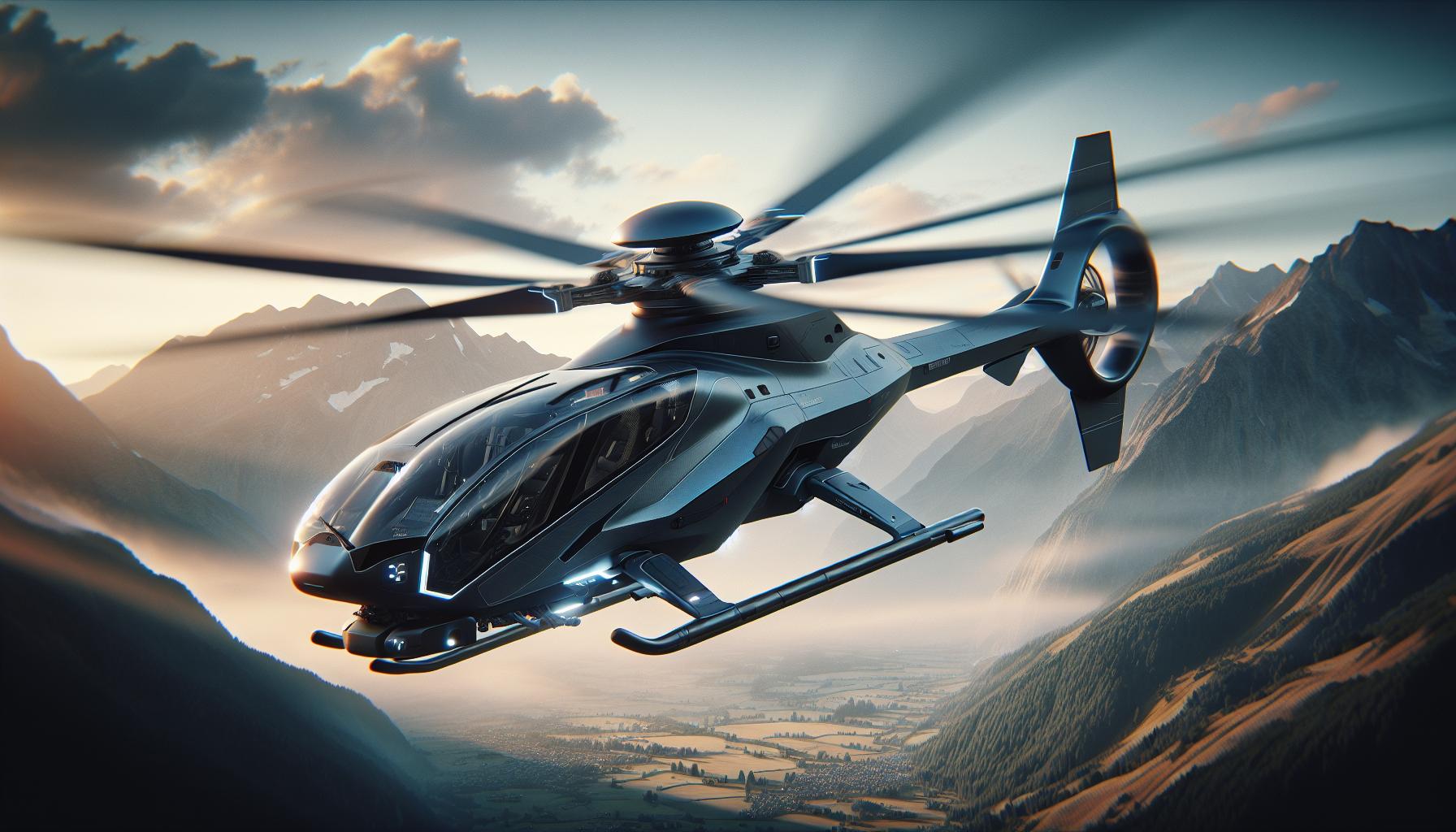
Advancements in helicopter technology are set to transform the landscape of long-range aviation. As helicopter manufacturers turn their attention to innovative designs and sustainable practices, the next generation of long-range helicopters promises enhanced performance, increased efficiency, and a reduced environmental footprint. These innovations could redefine operational capabilities and user applications, bringing the world closer together, especially in remote or challenging environments.
Among the most exciting developments are hybrid engine technologies. By incorporating electric power alongside traditional combustion engines, these systems can optimize fuel consumption, reduce noise pollution, and lower emissions. This transition is not just about sustainability; it also enhances the range and efficiency of flights. Additionally, advanced materials such as carbon fiber composites are being used to construct lighter and more durable helicopter frames. These materials enable longer flight times while improving overall safety and maneuverability.
Moreover, the integration of smart avionics is revolutionizing how pilots interact with their helicopters. Enhanced navigation systems, automated flight paths, and real-time weather tracking allow for safer and more efficient operations. As this technology becomes more widespread, long-range missions will be executed with greater precision, reducing the risks associated with adverse flying conditions.
Looking to the future, the potential for unmanned aerial vehicles (UAVs) in long-range operations cannot be overlooked. Advanced drone technologies are being developed to perform long-distance flights, providing reconnaissance and logistical support without putting human lives at risk. Ultimately, these innovations will not only optimize helicopter capabilities but also expand their application across various fields-from emergency medical services and rescue operations to military logistics and corporate travel.
The horizon is bright for long-range helicopters, driven by technology and a commitment to sustainability. As these advancements take flight, they will undoubtedly change how we perceive and utilize helicopters in the years to come.
Long-Range Helicopters in Military Operations
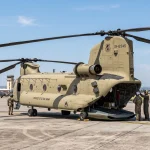
In military operations, range can be the decisive factor between success and failure on the battlefield. One notable helicopter that exemplifies the importance of long-range capabilities is the Boeing CH-47 Chinook, recognized for its impressive endurance. This tandem rotor heavy-lift helicopter stands out with a range of approximately 1,000 nautical miles, allowing it to support troops in remote areas efficiently. Its dual-engine setup and large fuel capacity enable extended missions, making it an invaluable asset for military logistics and troop transport.
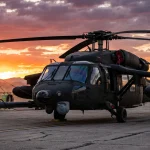
Long-range helicopters are critical in various military roles, including combat search and rescue, surveillance, and supply chain logistics. They can operate in conditions where fixed-wing aircraft might be less effective due to terrain constraints. For instance, helicopters like the Sikorsky UH-60 Black Hawk provide vital evacuation and resupply capabilities in rugged environments, contributing to the overall flexibility of military operations. The versatility offered by long-range helicopters enables forces to maintain a tactical edge, whether for quick troop deployments or executing critical supply missions.
Several factors contribute to a military helicopter’s range, including weight, fuel efficiency, and mission profile. Helicopters are often designed with specific operational scenarios in mind that necessitate a balance between speed, cargo capacity, and flight distance. Improved aerodynamics and lightweight materials have enhanced the efficiency of newer models, allowing them to carry out longer missions with fewer refueling stops. This capability is essential for sustaining operations during prolonged engagements, especially in remote locations where fuel supplies may be limited.
Looking forward, military aviation continues to innovate. The development of hybrid-electric propulsion systems is one exciting avenue that could revolutionize long-range helicopter capabilities. By reducing fuel consumption and emissions, these advancements not only promise longer flight times but also offer greater operational flexibility while minimizing the environmental footprint. The integration of state-of-the-art navigation and communication technologies further enhances mission execution, ensuring that long-range helicopters remain an indispensable part of modern military strategy.
How to Choose a Helicopter Based on Range
Choosing a helicopter based on range is a crucial decision for both military and civilian applications. Understanding range does not simply mean looking at the numbers; it encompasses a combination of factors that influence a helicopter’s performance and suitability for specific missions. For example, a helicopter with a longer range, such as the Boeing CH-47 Chinook, offers significant advantages in missions that require extended travel without refueling, but it also comes with considerations of fuel consumption, load capacity, and operational costs.
When selecting a helicopter, it’s essential to clarify the intended use. Here are some key factors to consider:
- Mission Requirements: Determine whether the helicopter will primarily be used for military operations, search and rescue, or commercial purposes. Each mission type comes with unique range demands and operational environments.
- Payload Capacity: Assess how much cargo or number of passengers will be transported. Heavier loads may shorten range, so balancing load with reachable distances is critical.
- Fuel Efficiency: Evaluate how fuel-efficient the helicopter is. Modern helicopters often employ advanced aerodynamics and lightweight materials to extend range while minimizing fuel use.
- Operational Terrain: Consider the geographical challenges where the helicopter will operate. Vertical lift capabilities allow helicopters to navigate rugged landscapes better than fixed-wing aircraft.
- Budget Constraints: Understand the costs associated not just with acquiring the helicopter but also with its operation and maintenance over time.
Moreover, as the aviation industry increasingly emphasizes sustainability, prospective buyers should look into emerging technologies such as hybrid-electric systems that could enhance efficiency and range, potentially leading to lower operating costs in the long term.
Ultimately, choosing the right helicopter based on range is about matching its capabilities with your specific needs and environment. Engaging with industry experts and evaluating performance data thoroughly can provide substantial insights to guide your decision-making process.
Common Misconceptions About Helicopter Range
Many people assume that all helicopters have a limited range compared to fixed-wing aircraft. This misconception often overlooks the advancements in helicopter technology and the diversity of helicopter designs that cater to various operational needs. While it’s true that helicopters generally have shorter ranges than airplanes, there are exceptional models specifically engineered for long-distance travel, like the Sikorsky S-92, which boasts impressive capabilities in range and endurance.
Another common misunderstanding pertains to the idea that weight severely restricts a helicopter’s range. While payload does impact how far a helicopter can fly, advanced engineering allows some models to carry considerable weight without significantly compromising their range. Helicopters like the Bell 525 Relentless demonstrate how balancing payload capacity with fuel efficiency can enhance operational ranges, offering notable versatility for both commercial and military applications.
Equally important is the belief that all helicopters consume fuel at the same rate. In reality, many factors influence fuel efficiency, including rotors’ design, materials, and aerodynamics. Modern helicopters often utilize lightweight composites and aerodynamic efficiencies to maximize range and minimize fuel consumption. Pilots and operators can also employ techniques, such as optimal flight profiles, to conserve fuel during operations, further extending their effective range.
Finally, there’s a prevalent notion that weather conditions do not impact helicopter range significantly. On the contrary, environmental factors such as wind, temperature, and pressure can considerably affect helicopter performance. For instance, a headwind can reduce effective range, while favorable conditions can extend it. Recognizing how weather can influence operations is crucial for pilots and operators aiming to maximize the potential of their craft while ensuring safe and efficient missions.
Understanding Fuel Efficiency in Helicopter Travel
is crucial for maximizing their operational range and effectiveness. Unlike fixed-wing aircraft, helicopters have unique aerodynamic challenges and design considerations that significantly impact fuel consumption. Advanced rotor designs, lightweight materials, and optimized flight profiles contribute greatly to a helicopter’s fuel efficiency. For instance, helicopters like the Bell 525 Relentless utilize advanced composite materials and streamlined shapes to reduce drag, allowing them to cover longer distances while consuming less fuel.
One key factor in achieving fuel efficiency lies in the operational techniques employed by pilots and flight planners. By following optimal flight paths, pilots can minimize unnecessary climbs and descents, which often lead to increased fuel burn. Utilizing cruise speeds that align with the helicopter’s best lift-to-drag ratio is another effective strategy. Keeping within these operational parameters not only enhances fuel efficiency but also extends the helicopter’s effective range, enabling missions that require longer distances.
Additionally, understanding the helicopter’s weight-to-lift ratio is essential. Carrying heavy payloads can strain the engine and increase fuel consumption. However, modern helicopters are designed to balance payload capacity with fuel efficiency, allowing for impressive performance even when fully loaded. For example, long-range helicopters are often equipped with fuel-efficient engines that optimize fuel use during various flight conditions, enhancing their range capabilities.
In conclusion, the path to better fuel efficiency in helicopter travel involves a blend of cutting-edge technology, skilled piloting, and smart operational strategies. By focusing on these elements, operators can ensure they get the most out of their helicopters, particularly during long-range missions, and maintain a critical edge in both commercial and military applications.
The Role of Weather in Helicopter Range Performance
The performance of helicopters, particularly their range capabilities, can be dramatically influenced by weather conditions. Factors such as wind speed and direction, temperature, humidity, and precipitation not only affect the helicopter’s fuel efficiency but also its overall performance. For instance, flying into strong headwinds can lead to increased fuel consumption, thereby reducing the effective range of the aircraft. Conversely, tailwinds can help extend the range by providing additional propulsion with less fuel expenditure.
Wind Effects
Headwinds create a greater resistance against the helicopter’s forward motion. This not only requires more power from the engine but also accelerates fuel consumption. According to pilot reports, facing winds of just 10 knots can lead to a noticeable decrease in range, as pilots may need to adjust their speed or route to maintain efficiency. Conversely, when flying with a tailwind, helicopters can achieve higher speeds with lower fuel consumption, extending their operational range significantly.
Temperature also plays a critical role in helicopter performance. As altitude increases, the air becomes thinner and warmer temperatures can exacerbate this effect. Helicopters perform optimally in cooler conditions, as denser air allows for better lift and engine efficiency. In very high temperatures, pilots may need to operate at a lower weight limit, as the helicopter’s lift capacity diminishes, impacting the amount of fuel it can carry.
Impact of Weather on Flight Planning
Understanding weather patterns is crucial for pilots and operational planners seeking to maximize a helicopter’s range. Here are a few strategies to mitigate adverse weather effects:
- Pre-flight Weather Assessment: Always check weather forecasts and real-time data to anticipate headwinds or adverse conditions along the flight route.
- Route Optimization: Plan flight paths that take advantage of prevailing winds or avoid areas with expected turbulence.
- Weight Management: Consider the environmental conditions when loading the helicopter to maintain optimal efficiency.
Real-world examples underscore the importance of these strategies. For instance, during long-range missions, military helicopters often adjust their flight plans based on weather forecasts to ensure they remain within operational limits, preserving fuel for critical mission components. Similarly, search and rescue operations often require flexibility in routing to avoid inclement weather, which can impact both safety and efficiency.
Incorporating these weather considerations into operational planning not only enhances a helicopter’s range but also ensures safer, more efficient flights. By understanding and adapting to the nuances of weather, pilots can significantly influence their helicopter’s performance in the field.
Helicopter Range: Key Terms and Concepts Explained
Understanding the nuances of helicopter range involves a variety of technical terms and concepts that underscore their operational capabilities. One key term is maximum range, which refers to the furthest distance a helicopter can travel without refueling. This distance can be heavily influenced by factors such as weight, altitude, and environmental conditions. When comparing models, it’s essential to know their rated range, as manufacturers often provide this data under optimal conditions.
Another vital concept is endurance, which measures how long a helicopter can stay in the air before needing to refuel. This differs from maximum range, as it accounts for fuel consumption rates at different speeds and altitudes. For instance, flying at a slower speed may allow a helicopter to stay airborne longer while covering less distance, a critical consideration for missions requiring prolonged hovering, such as search and rescue operations.
Performance metrics are also crucial when evaluating helicopter capabilities. Key specifications like cruise speed and service ceiling (the maximum altitude the helicopter can reach) directly affect range. Higher cruise speeds may shorten flight time but can increase fuel consumption, thereby impacting overall range. Similarly, a lower service ceiling might be more efficient for low-altitude operations, extending the helicopter’s range on specific missions.
Finally, factors such as payload and fuel capacity play significant roles in determining helicopter range. A helicopter designed to carry heavy loads may have a reduced range compared to a lighter model, as the additional weight demands more power and fuel. Understanding these concepts can help prospective users select the right helicopter based on their range requirements and operational needs.
In the realm of innovation, recognizing how emerging technologies, like advanced aerodynamics and more efficient engines, can further influence these parameters is crucial. Such advancements promise to not only enhance helicopter range but also improve overall flight efficiency, an exciting prospect for future aviation endeavors.
Frequently Asked Questions
Q: What helicopter has the longest range and holds the record?
A: The Eurocopter EC225 Super Puma holds the record for the longest range among helicopters, with an impressive maximum range of approximately 1,200 miles (1,932 kilometers). Its extended range makes it ideal for various applications, including offshore oil and gas transportation.
Q: How is a helicopter’s range measured?
A: A helicopter’s range is typically measured by the distance it can fly on a full fuel load under specific flight conditions. Factors such as weight, speed, altitude, and weather conditions affect the actual operational range, which may vary significantly from the manufacturer’s specifications.
Q: What factors contribute to a helicopter’s ability to achieve long-range?
A: Several factors contribute to long-range capabilities, including fuel efficiency, engine performance, rotor design, and aerodynamics. Additionally, lighter construction materials can reduce weight, enhancing range performance. Understanding these elements is crucial when evaluating a helicopter’s operational capabilities.
Q: What is the significance of the helicopter’s fuel capacity in determining range?
A: The fuel capacity of a helicopter is crucial because it directly impacts how far it can travel without refueling. Helicopters designed for long-distance missions often feature larger fuel tanks and efficient fuel consumption systems to maximize their operational range.
Q: Which military helicopters are known for their long-range capabilities?
A: Military helicopters such as the Boeing CH-47 Chinook and the Sikorsky CH-53K King Stallion are known for impressive range capabilities. The Chinook has a range of approximately 400 miles (644 kilometers), making it suitable for transport and logistics operations in the field.
Q: How does altitude affect helicopter range?
A: Altitude can significantly impact helicopter range due to changes in air density. Helicopters generally fly more efficiently at higher altitudes, where less lift is required for the same performance, thus potentially extending their range. However, other factors such as engine performance must also be considered.
Q: Are there any new technologies that improve helicopter range?
A: Yes, advancements such as more efficient rotor designs, lightweight composite materials, and improved engine technologies contribute to enhancing helicopter range. Emerging developments in hybrid-electric systems are also promising for achieving longer ranges with reduced fuel consumption.
Q: What are the operational uses of long-range helicopters?
A: Long-range helicopters serve essential roles in various fields, including search and rescue missions, medical evacuations, offshore operations, and military logistics. Their capabilities allow them to reach remote areas, providing critical support where traditional transport options may be limited.
Future Outlook
As we’ve explored, the helicopter with the longest range showcases remarkable engineering that pushes the boundaries of aviation. This exceptional aircraft not only elevates the standards for future designs but also highlights the innovation driving helicopter technology today. If you’re inspired to learn more about other impressive aircraft, be sure to check out our articles on the most efficient helicopters and advancements in rotorcraft technology.
Don’t miss out on the latest updates and insights-subscribe to our newsletter for exclusive content and expert tips that can help you in your aviation journey. Have questions or experiences to share? We encourage you to leave a comment below and engage with fellow helicopter enthusiasts. Your curiosity fuels our community, and we’re excited to see where your interests in aviation will take you next!
Get our latest guides, news, and insights highlighted in your Google Search & AI Overviews.