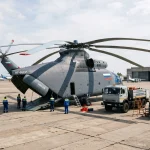
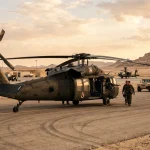
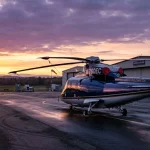
Did you know that helicopters can carry anywhere from a couple of passengers to a dozen or more, depending on their size and design? Understanding a helicopter’s seating capacity is crucial for various reasons, whether you’re planning a thrilling flight experience or looking to hire a helicopter for business transport. Each helicopter is specially designed for specific roles, and knowing how many people you can safely transport can significantly impact your plans. In this article, we’ll explore the different types of helicopters and their passenger capacities, revealing how these versatile machines are tailored for specific needs. Whether you’re a helicopter enthusiast, an aspiring pilot, or just curious about aviation, you’ll gain valuable insights into what makes these flying marvels so fascinating. So, let’s dive in and uncover the intricate world of helicopter seating!
How Helicopter Seating Capacity Works
When considering helicopter seating capacity, it’s crucial to understand that not all helicopters are created equal, and their capacity can vary significantly depending on various factors. Most helicopters are designed for a specific number of passengers in mind and adhere to strict safety regulations that dictate how many passengers can be onboard at one time. For example, while some smaller helicopters can accommodate as few as three passengers, larger models can carry up to six or more, including the pilot. This diversity allows for tailored experiences, whether for a scenic tour, air ambulance service, or private transportation.
The seating configuration and design play an essential role in determining capacity. Helicopters often have different seating arrangements; for instance, some might feature a more spacious interior but fewer seats due to the layout of the cockpit and cabin. Regulations established by the FAA further govern these capacities, ensuring that safety and comfort are prioritized. Factors such as weight distribution and balance are critical, as exceeding the recommended passenger limit can severely affect the helicopter’s performance and safety.
Regarding practical considerations, weight limits are a significant aspect of helicopter capacity. Each helicopter model has a maximum weight limit that includes the combined weight of passengers, luggage, and fuel. This limitation ensures the helicopter can maintain safe flying conditions and optimal performance. Operators often require passengers to provide their weights in advance to ensure compliance with these limitations. Thus, when planning a helicopter trip, it’s best to check the specific model’s capacity and weight restrictions to avoid any last-minute surprises.
In summary, understanding involves looking at multiple factors, including helicopter type, seating configuration, regulatory compliance, and weight restrictions. Whether for leisure or commercial purposes, being informed helps ensure a safe and enjoyable experience in the skies.
Factors Influencing Helicopter Passenger Limits

The capacity of a helicopter to carry passengers is influenced by a myriad of factors that go beyond just the number of seats available. One of the primary determinants is the specific design of the helicopter, which varies significantly between models. Light helicopters, like the Robinson R44, typically accommodate fewer passengers due to their compact size and limited weight capacity. Conversely, larger helicopters, such as the Bell 407 or Sikorsky S-76, are designed for more significant passenger loads, reflecting the needs of commercial operations such as corporate transport or medical evacuations.
Another critical factor is the weight distribution and balance of the helicopter. Each model has a maximum takeoff weight (MTOW) that must not be exceeded, which includes the combined weight of passengers, cargo, and fuel. Operators and pilots must manage this carefully, as exceeding the MTOW can jeopardize flight safety and performance. During pre-flight preparations, operators often require passengers to provide their weights so they can calculate the total weight and ensure compliance with safety regulations.
Environmental conditions In summary, understanding how many passengers a helicopter can carry entails examining the interplay of design, weight limitations, environmental conditions, and seating configurations. This knowledge is vital for both operators and passengers, ensuring safe and efficient flights tailored to specific needs. When exploring the types of helicopters and their respective capacities, it’s essential to recognize the diversity within the rotorcraft family. Helicopters vary not only in size but also in design purpose-some are tailored for versatility, while others focus on specific tasks. For instance, light helicopters like the Robinson R44 are perfect for general aviation and personal use, typically accommodating about three to four passengers. Their compact frame makes them agile and suitable for short flights, but it limits their capacity. Larger helicopters, such as the Sikorsky S-76 or the Bell 407, serve commercial needs and can carry up to 6 to 12 passengers, depending on configuration. These models cater to corporate transport, search and rescue missions, and medical evacuations, offering both space and safety. This passenger capacity reflects their design to manage more weight and provide ample safety features and comfort for longer journeys. Military helicopters also present varied capacities based on their role. The CH-53E Super Stallion, for instance, can carry up to 55 troops in a transport configuration, showcasing its utility in tactical operations. Such advanced models are engineered for heavy lift capabilities, often featuring adjustable seating and equipment racks to maximize versatility during various missions. In contrast, heavy-lift helicopters, such as the Boeing CH-47 Chinook, can be configured for troop transport or cargo, offering a capacity of over 30 troops or alternative cargo configurations for logistical support. Each helicopter type exhibits its own advantages, aligning capacity with operational requirements-be it for transporting personnel, medical emergencies, or delivering supplies to challenging terrain. Understanding the various helicopter types and their capacities is crucial for specific missions, whether it’s ensuring passenger comfort, operational efficiency, or mission success. Each helicopter’s configuration is carefully crafted to meet the demands of its intended use, combining performance with safety and versatility. Weight limitations in helicopters are critical for ensuring safe and efficient flight operations. Unlike airplanes, where total weight and balance calculations might be less invasive during boarding, helicopter seating is heavily influenced by individual passenger weights and distribution to maintain performance and stability. Each helicopter has a specified weight limit per seat, typically ranging from 240 to 300 pounds, depending on the manufacturer and model. Exceeding these limits can lead to serious safety issues, including compromised lift and maneuverability. When booking a helicopter flight, it’s important for passengers to be aware of these limitations. For instance, companies like Maverick Helicopters require passengers above 300 pounds to purchase an additional seat to ensure that the flight remains balanced [2]. This policy not only promotes safety but also ensures that the helicopter can operate within its optimal weight range. The practice of purchasing extra space is common across the industry and reflects the contractual obligations that operators must adhere to for safe flight. Additionally, the combination of passengers can impact overall weight distribution significantly. While one passenger may meet the weight limit, additional luggage or other passengers could push the helicopter beyond safe operational parameters. Therefore, passengers should discuss any special needs or concerns about weight with their helicopter service provider before booking to prevent complications on the day of the flight. Ultimately, understanding these weight limitations not only enhances safety but also contributes to a more enjoyable flight experience. Operators and passengers together can ensure that all variables are accounted for, leading to a successful excursion above the landscapes below. H3: Common Seating Arrangements The seating layout in a helicopter commonly features two main configurations: H3: Variations Based on Helicopter Type Different types of helicopters exhibit unique seating configurations that cater to diverse operational needs: Understanding these seating configurations can assist passengers in making informed decisions when booking a flight. For example, knowing that certain models allow for more communal seating may appeal to groups traveling together, while others might prefer the luxurious feel of a larger VIP helicopter. Each configuration is tailored not just for comfort, but also for the specific operational roles the helicopter is designed to fulfill. When it comes to helicopters, understanding the difference between cargo and passenger capacity is crucial for maximizing their usefulness in various scenarios. Passenger helicopters are specifically designed to prioritize comfort and accessibility for people, whereas cargo helicopters are built for carrying loads, which can significantly influence their seating configurations and overall capacity. For instance, a typical passenger helicopter like the Robinson R44 might accommodate four passengers with an emphasis on comfort, while a cargo variant, such as the Bell 412, may allow for similar seating but with added versatility to handle different freight requirements. Cargo capacity relates closely to the helicopter’s structural design and weight distribution considerations. Helicopters intended for cargo transport typically feature a larger, open space that can be adjusted or reconfigured as needed. In contrast, passenger-configured helicopters often have fixed seating arrangements that limit the available space for additional equipment or products. This difference affects how many passengers or how much cargo can be effectively transported, making it essential for operators to choose the correct type depending on their mission. Additionally, the weight limitations play a vital role in determining how much cargo or how many passengers can be safely transported. For instance, helicopters have maximum gross weight limits that include the weight of both the passengers and their luggage combined with the helicopter’s own weight. Pilots must consider these limitations before takeoff to ensure they do not exceed safety regulations. Thus, when planning for either passenger transport or cargo delivery, operators need to meticulously calculate the weight of all onboard items. Ultimately, whether you’re interested in the sleek comfort of modern passenger helicopters or the robust functionality of cargo helicopters, balancing both types requires an understanding of their distinct capacities, configurations, and regulatory limits. This strategic selection is vital for optimizing operations while ensuring the safety and satisfaction of all involved, whether in leisure or essential transport services. When considering helicopter models, it’s fascinating to note how designs cater to various passenger needs while emphasizing performance and safety. Each helicopter comes with specific seating configurations and capacities that influence not only passenger comfort but also the operational efficiency of the aircraft. Below are some popular helicopter models and their typical capacities, which provide insight into what you can expect when planning a trip. The Robinson R44 is a prominent model for commercial and private use, known for its reliability and ease of handling. It typically seats up to four passengers, including the pilot. The seating is designed to maximize comfort, featuring ample headroom and visibility, making it a favorite for sightseeing tours. A widely recognized helicopter, the Bell 206 seats four to five passengers plus the pilot. This model is often used for executive travel, law enforcement, and air medical services. Its spacious cabin and large windows provide an excellent experience for both passengers and pilots, enhancing visibility and comfort during flights. The Eurocopter EC120 showcases advanced technology with a maximum passenger capacity of six, along with the pilot. Its spacious design is tailored for luxury and comfort, featuring wide doors for easy access and ample legroom. The EC120 is ideal for corporate travel or scenic tours, offering a smooth and quiet ride. Known for its versatility, the Airbus H145 is capable of carrying up to eight passengers, depending on the configuration. This helicopter is often employed for medical evacuations or search and rescue missions due to its robust design. The H145 features a spacious cabin and modern avionics, ensuring operational safety while maximizing passenger comfort. The Bell 412 is a multi-role helicopter that can carry approximately 13 passengers, making it suitable for large group transport, VIP travel, or utility services. Its spacious interior allows flexible configurations for both passenger and cargo transport, accommodating diverse operational requirements. Understanding the capacities of these popular helicopter models aids in selecting the right aircraft for your needs, whether for leisure flights or professional applications. Each model’s configuration not only influences how many passengers can comfortably be flown but also the overall mission effectiveness, underscoring the importance of choosing wisely based on specific needs. The safety of helicopter transport is governed by stringent regulations that influence not only how many passengers can be seated but also the overall safety and efficiency of operations. Different countries have their own regulatory bodies-such as the Federal Aviation Administration (FAA) in the United States or the European Union Aviation Safety Agency (EASA) in Europe-establishing standards for helicopter design, capacity, and operation. One key aspect of these regulations is the certification process, which dictates the maximum number of passengers, along with their weight limits, that a helicopter can safely carry. Helicopter manufacturers must comply with specific guidelines that involve rigorous testing and documentation to ensure safety standards are met. This includes evaluating factors such as structural integrity, stability, and potential weight overload. For instance, even though a helicopter may be designed to seat more passengers, regulatory limits might prevent operations from exceeding certain thresholds to mitigate risks associated with weight distribution and center of gravity. These considerations play a vital role in protecting the lives of passengers and crew. Moreover, regulations impact the type of operations allowed based on seating configurations. For instance, helicopters used for commercial purposes, such as air taxis and sightseeing tours, may have different requirements compared to private use. Additionally, helicopters tasked with medical evacuations must meet strict criteria to ensure the safety of patients and crew, which often affects passenger limits and onboard configurations. In summary, understanding the regulations that dictate helicopter seating capacity is crucial not only for compliance but also for ensuring the safety and comfort of passengers. This knowledge equips prospective operators with the necessary insights to make informed decisions, whether for business purposes or personal use. The combination of regulatory oversight and manufacturer capabilities ensures a responsible approach to helicopter operations, ultimately enhancing flight safety for everyone on board. Flying in a helicopter can be a thrilling experience, but passenger comfort and safety are paramount for a successful flight. Helicopters are designed with specific seating configurations that directly impact how comfortably passengers can travel. Factors such as seat pitch, materials used, and noise levels can significantly influence the overall experience. For example, luxury helicopters often feature plush seating and additional legroom, catering to those who prioritize comfort during their journey, while more utilitarian models may focus on maximizing capacity over comfort. When considering a helicopter’s seating capacity, it’s essential to evaluate how the aircraft’s design accommodates both passengers and safety equipment. Helicopters need to maintain a specific weight balance to ensure stability during flight. An unequal distribution of weight can lead to a challenging ride or, in extreme cases, impact the helicopter’s performance. This means operators must carefully account for passenger weight, luggage, and any additional gear when determining how many people can safely board. Safety measures taken during helicopter operations are extensive. Modern helicopters are equipped with advanced safety features such as crash-resistant fuel systems and emergency floatation devices, which contribute to a more secure flying experience. Additionally, before each flight, pilots must conduct thorough pre-flight checks, ensuring that the helicopter is in optimal condition. Passengers should always be briefed before takeoff about safety protocols, including how to use seatbelts and emergency exits. Ultimately, flying is about balance-between capacity, comfort, and safety. Whether you are considering a scenic tour or a business trip via helicopter, understanding how these elements interact can make your flight enjoyable and secure. Passengers are encouraged to choose operators that prioritize safety and comfort, ensuring that their journey through the skies is as pleasant as possible. Luxury helicopters represent the zenith of comfort and functionality in aviation, often designed with high-end materials and innovative features that transform travel into an unforgettable experience. These helicopters are not just about getting from point A to point B; they provide an atmosphere that rivals premium vehicles and personal jets. With capacities varying from four to over a dozen passengers, understanding how these luxurious aircraft can accommodate travelers is essential for potential owners and charterers alike. Modern luxury helicopters typically prioritize seating arrangements that enhance passenger experience. For instance, some models rather than simply offering standard bucket seats, incorporate seating layouts with spacious legroom and reclining capabilities, akin to first-class airline seating. The Airbus H145 and Sikorsky S-76 are prime examples, providing plush interiors that ensure travel is not only efficient but also enjoyable. With seating for 7-9 passengers, these helicopters frequently become the choice for corporate travel and VIP transfers, blending luxury with advanced safety features. In addition to passenger seating, many luxury models include amenities such as enclosed cabins, advanced climate control, and entertainment systems, making the flight more pleasurable. Options like custom finishes, ambient lighting, and soundproofing are prevalent in top-tier models, all aiming to create a calming travel environment. Furthermore, operators often provide tailored services, including complimentary beverages and catering to meet specific tastes. When considering a luxury helicopter, it’s vital to not only look at the seating capacity but also how the cabin configuration aligns with the passengers’ needs. For those seeking to travel in style, options like the Leonardo AW169, known for its cabin modularity, allow for versatility in passenger arrangements or even mixed configurations for cargo and passengers. As the demand for luxury and personalized air travel grows, many manufacturers are also focusing on sustainability and efficiency, ensuring these high-end helicopters are as eco-friendly as they are lavish. Ultimately, luxury helicopters redefine passenger capacity. It’s less about numbers and more about creating a sophisticated journey that feels exclusive, comfortable, and uniquely catered to the traveler’s needs. Whether for business or pleasure, investing in such helicopters signifies not just a mode of transportation, but an experience that embodies status, comfort, and innovation. The aviation industry is on the brink of a significant transformation as designers and manufacturers focus on enhancing helicopter capabilities to meet the evolving demands of passengers and operators. As the future unfolds, several trends emerge that highlight a shift towards higher passenger capacities, greater comfort, and improved efficiency. Notably, innovations in materials and design techniques are enabling the construction of lighter and stronger airframes, allowing for larger passenger compartments without substantially increasing overall weight. Advancements in technology play a crucial role in this evolution. The integration of innovative cockpit designs and automated systems has revolutionized how helicopters operate, creating opportunities for capacity increases while simultaneously improving safety. For example, the introduction of fly-by-wire technology can enhance the handling characteristics of helicopters, making them more responsive and easier to fly even with higher passenger loads. Additionally, electric and hybrid propulsion systems are being explored, which promise not only to reduce environmental impact but also to alter design constraints, potentially increasing usable cabin space. The future of helicopter design also leans heavily on modularity. As seen in models like the Leonardo AW169, this approach allows operators to easily reconfigure the helicopter for various missions-whether for passenger transport, cargo, or medical emergencies-adapting to current needs without sacrificing performance. This flexibility could result in increased passenger capacities during peak demand, providing optimal utility for charter services and private owners alike. As the landscape of urban air mobility expands, manufacturers are prioritizing the design of helicopters that can service bustling city environments. This includes looking at vertical take-off and landing (VTOL) capabilities that enhance accessibility and reduce travel times to city centers, setting the stage for an increase in passenger transport options. With all these advancements, the helicopter industry is not just focused on how many passengers can be accommodated but is redefining what the flying experience can be-blending luxury, versatility, and efficiency into a single mode of transport. Whether planning a scenic tour, urgent medical transport, or corporate travel, understanding helicopter capacity limits is crucial for a successful charter experience. Each helicopter has a specified seating capacity that not only determines how many passengers can board but also greatly influences comfort and safety. Charter services typically provide a range of helicopter types, and knowing their limitations can streamline your decision-making process. When evaluating charter options, consider factors such as the specific model of helicopter, its design, and its following regulations. For instance, the Bell 407 typically seats up to 6 passengers, while larger models like the Airbus H225 can accommodate up to 19. This capacity is often governed by the helicopter’s weight limit, which includes the weight of passengers, luggage, and any additional gear. Before booking, it’s advisable to communicate any special requirements, such as additional seating for heavier passengers or extra baggage, to ensure compliance with these limits. Regulatory constraints also play a significant role in capacities. Helicopters are subject to stringent safety regulations established by aviation authorities, which determine maximum passenger loads based on each aircraft’s certified capabilities. Additionally, helicopter charter services must abide by operational limits that could include altitude restrictions or specific flight zones depending on weather conditions or air traffic. In summary, understanding capacity limits in helicopter charters involves considering various elements from model specifications to regulatory compliance. By doing so, passengers can make informed choices, ensuring that their journey is not just efficient but also aligns with their comfort and safety needs. Always consult with the charter service to clarify any details regarding capacity and regulations before finalizing your arrangements, as this knowledge enhances the entire flying experience. A: Heavy-lift helicopters, such as the Boeing CH-47 Chinook, can carry between 33 to 55 troops, demonstrating the high passenger capacity that certain military models can achieve. For civilian use, models like the Airbus H225 can accommodate up to 19 passengers comfortably. A: Helicopter seating configurations significantly affect passenger capacity. For example, dual cabin designs can increase the number of seats available, while configurations intended for cargo may reduce passenger seating to maximize load. It’s essential to choose the right mix based on intended use. A: Yes, aviation regulations set minimum safety standards for seating arrangements and capacity. For instance, the CAA recommends a minimum seating capacity typically around 31.5% of total occupants, depending on the helicopter’s size and specific requirements [[2]]. A: Key factors that limit passenger capacity include weight restrictions, balance considerations during flight, and regulatory compliance. Understanding these can help operators maximize safety while maintaining efficiency and comfort. A: Luxury helicopters provide enhanced comfort and often include fewer, but more spacious, seats. For example, while a standard helicopter may seat up to 10 passengers, a luxury model might accommodate around 6 to 8 with upgraded amenities, offering a more comfortable experience. A: Passenger seat weight limits in helicopters typically range from 250 to 300 pounds per passenger. However, it’s important to consult specific helicopter model guidelines to ensure compliance with safety regulations regarding weight distribution. A: Cargo helicopters prioritize space and load capacity, often sacrificing passenger seating to accommodate larger freight loads. In contrast, passenger helicopters are designed with comfortable seating and safety features for occupants, affecting how space is allocated. A: Yes, adverse weather conditions can limit a helicopter’s operational capacity. High winds, rain, or low visibility may necessitate fewer passengers to ensure safe flight experiences. Always evaluate conditions before planning a flight. Understanding how many passengers a helicopter can carry is crucial for planning everything from scenic tours to executive transport. With various helicopter models available, capacity can range significantly-from accommodating just a few passengers in smaller models to carrying over 50 in heavy-lift military helicopters. Whether you’re considering a luxurious helicopter ride or need transportation for a larger group, knowing your options ensures a smoother experience. Ready to explore more about helicopter capabilities? Check out our articles on helicopter types and their specific uses, or learn about optimal configurations for your aerial needs. If you have any questions or need personalized advice, don’t hesitate to reach out to our team! Sign up for our newsletter to stay updated on the latest in aviation trends and tips. Dive deeper into the world of helicopters today and discover the exciting possibilities that await! Types of Helicopters and Their Capacity
Understanding Weight Limitations in Helicopters
Different Configurations for Passenger Seating
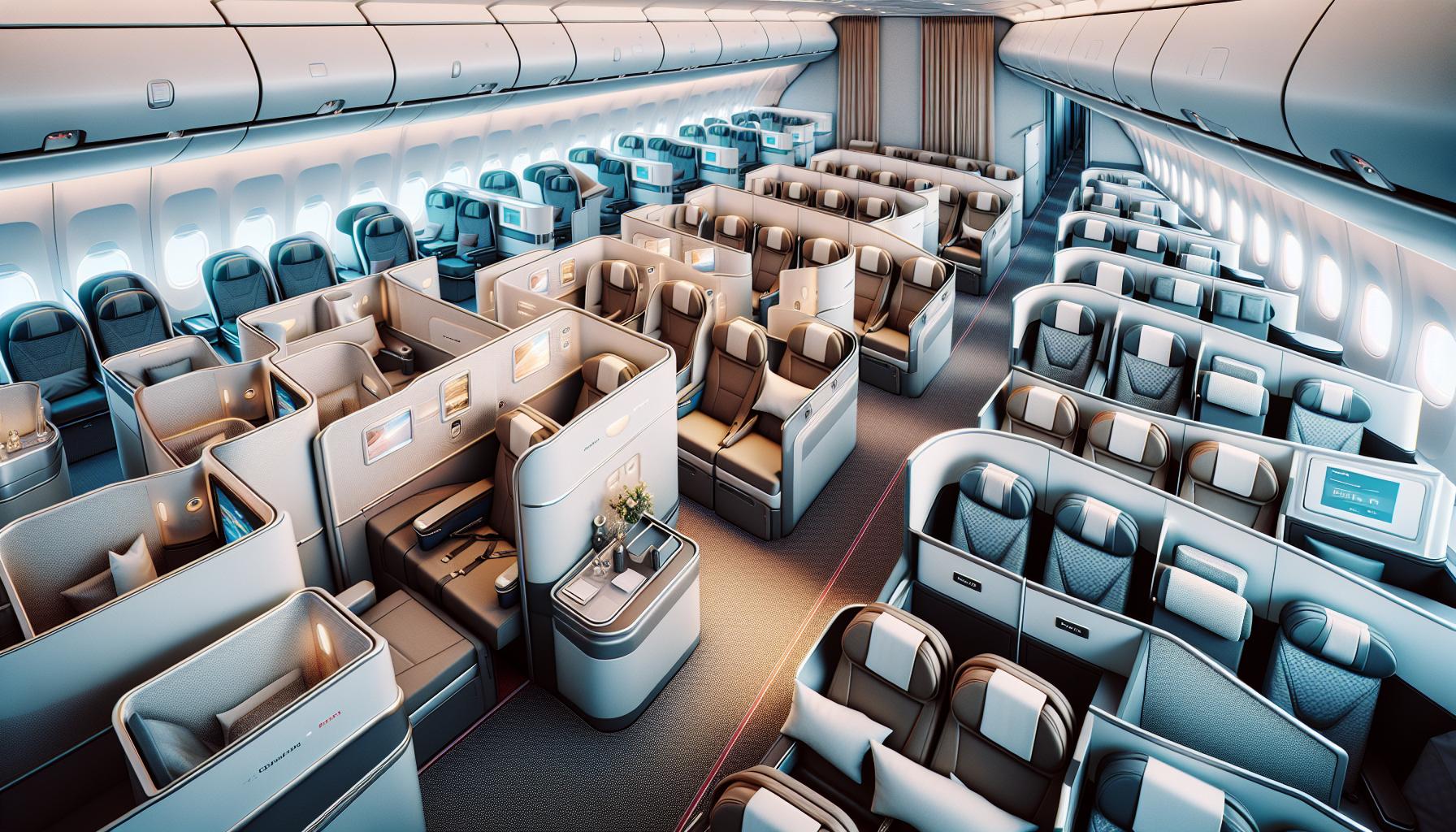
Configurations of passenger seating in helicopters can vary significantly based on the model, intended use, and seating arrangements. Understanding these configurations is essential for maximizing comfort and ensuring efficient flight operations. Most helicopters are designed with specific seating layouts, which can accommodate anywhere from one passenger to several, depending on the helicopter’s capacity. For instance, popular models like the Robinson R44 generally seat up to four people, while larger helicopters, such as the Bell 412, can carry up to 15 passengers.Cargo vs. Passenger: How Capacity Differs
Popular Helicopter Models and Their Capacities
Robinson R44
Bell 206 JetRanger
Eurocopter EC120
Airbus H145
Bell 412
Regulations Impacting Helicopter Seating
Considerations for Comfort and Safety
Luxury Helicopter Options: Capacity and Features
The Future of Helicopter Design and Passenger Capacity
Helicopter Charter Services: Understanding Capacity Limits
Frequently Asked Questions
Q: What types of helicopters can carry the most passengers?
Q: How does helicopter seating configuration impact passenger capacity?
Q: Are there regulations governing helicopter passenger capacity?
Q: What factors limit the number of passengers a helicopter can carry?
Q: How do luxury helicopters differ in passenger capacity compared to standard models?
Q: What is the average passenger seat weight limit in a helicopter?
Q: How do cargo and passenger helicopters differ in their design and capacity?
Q: Can weather conditions affect the number of passengers a helicopter can carry?
Insights and Conclusions
Get our latest guides, news, and insights highlighted in your Google Search & AI Overviews.