In the heart-pounding film “Black Hawk Down,” the helicopters that played a crucial role in the harrowing rescue missions were none other than the formidable Sikorsky UH-60 Black Hawks. These iconic aircraft are not just the backbone of military aviation; they’re engineered for versatility and resilience, a testament to modern helicopter design. As we delve into the facts behind the film’s fleet, you’ll uncover how these helicopters have shaped real-life missions while honoring the brave individuals who flew them. Whether you’re an aspiring pilot, a military history buff, or simply curious about helicopter technology, understanding the role of these aircraft offers insight into their capabilities and the events that unfolded in Somalia in 1993. Join us as we explore the fascinating world of the Black Hawk and its cinematic legacy, igniting your curiosity about the incredible machines that soar through the skies.
Which Helicopter Models Starred in Black Hawk Down?
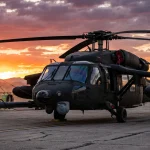
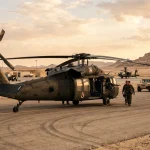
The helicopters featured in the film Black Hawk Down played a crucial role in depicting the intense combat during the Battle of Mogadishu in 1993. The most prominent model is the Sikorsky UH-60 Black Hawk, which the film showcases as the primary aircraft used by U.S. forces. Known for its versatility and ruggedness, the Black Hawk is equipped for various missions, including transport, medical evacuation, and offensive operations.
Another notable helicopter model in the film is the MH-60, a special operations variant of the Black Hawk. This version is designed for more specialized missions, featuring advanced avionics and weaponry. Additionally, the film includes appearances by the AH-6 Little Bird, a lightweight, highly maneuverable helicopter used for close air support and reconnaissance. The combination of these models effectively conveys the chaos and complexity of urban warfare, illustrating how critical air support is during ground operations.
In highlighting these helicopters, the film not only emphasizes the machinery’s capabilities but also pays homage to the bravery of the pilots and crew involved in the actual events. This resonates deeply with audiences, showcasing the real-life courage and sacrifice of military personnel who operated these aircraft in high-stakes scenarios.
History of the Black Hawk Helicopter
The Sikorsky UH-60 Black Hawk helicopter has a storied history that reflects its evolution into one of the most trusted aircraft in military operations. Developed in the 1970s, the Black Hawk entered service with the U.S. Army in 1979 as part of a program to create a versatile utility aircraft capable of performing a variety of missions. Its design prioritized speed, maneuverability, and durability, making it indispensable for troop transport, medical evacuation, and logistics support.
One of the defining moments for the Black Hawk came during the Battle of Mogadishu in 1993, which was dramatized in the film Black Hawk Down. This operation tested the helicopter’s capabilities in urban combat and demonstrated the critical role of air support during ground operations. The aircraft’s ability to insert and extract troops under fire showcased its importance in modern warfare. Unfortunately, the battle also highlighted the dangers faced by military aviators, culminating in tragic losses that resonate with those who study military history and aviation.
The Black Hawk has continued to evolve, with numerous variants like the MH-60 for special operations featuring advanced technologies, such as enhanced avionics and weapon systems. Throughout its service, the helicopter has been involved in numerous missions worldwide, ranging from humanitarian assistance to combat operations, solidifying its legacy as a “workhorse” of the U.S. Army.
As the world of military aviation advances, the Black Hawk remains a primary asset, reflecting both its rich history and ongoing relevance in contemporary operations. Enthusiasts and aspiring pilots alike can admire its engineering and operational capabilities, as the helicopter represents a significant chapter in the annals of military aviation.
Technical Specs: What Makes the Black Hawk Unique
The Sikorsky UH-60 Black Hawk helicopter boasts a design that prioritizes versatility and performance, making it a standout model in military aviation. Introduced in the late 1970s, the Black Hawk has carved its niche as a reliable workhorse, especially during critical operations like those depicted in *Black Hawk Down*. This helicopter’s unique features include its powerful twin-engine setup, capable of delivering exceptional thrust and speed even in challenging environments.
One of the Black Hawk’s most notable characteristics is its reconfigurable cabin, which can be modified for a variety of missions, from troop transport to medevac to cargo lift. This adaptability allows the aircraft to efficiently fulfill its role in diverse operations. The helicopter can carry up to 11 troops or around 9,000 pounds of cargo, a significant advantage in both combat and humanitarian scenarios. The fully integrated avionics suite enhances navigation and targeting capabilities, making it adept at operating in low-visibility conditions.
Moreover, the Black Hawk’s robust design includes crashworthy features, improving survivability for its occupants. The helicopter incorporates advanced materials and technologies, such as composite rotor blades, which contribute to its durability and performance. Additionally, the noise reduction technology helps minimize its acoustic signature, making stealthy operations more feasible.
Specifications Overview
- Length: 64 feet 10 inches
- Height: 16 feet 6 inches
- Maximum Speed: 183 knots (approximately 210 mph)
- Range: 1,380 nautical miles
- Crew: 2 pilots, up to 11 passengers
The Black Hawk’s ongoing evolution, including its special operations variants like the MH-60, showcases its adaptability to modern military needs. These innovations ensure that the Black Hawk will remain a critical asset for years to come, reflecting both its historical significance and future potential in military operations.
The Role of Helicopters in Modern Warfare
Helicopters have dramatically transformed the landscape of modern warfare, serving as vital assets that enhance operational capabilities across various military missions. The versatility and maneuverability of helicopters like the UH-60 Black Hawk allow them to execute a range of tasks, from troop transport to search and rescue operations, making them essential for both combat and humanitarian efforts.
One of the most critical roles of helicopters in modern conflict is their ability to provide rapid air mobility. In scenarios where ground transport is hindered by terrain or enemy activity, helicopters can swiftly insert or extract troops and equipment from the battlefield. This ability was vividly showcased during the events depicted in Black Hawk Down, where the Black Hawk helicopter was employed for troop insertion and medical evacuations in hostile environments. With their capability to hover and maneuver in tight spaces, helicopters can access remote or heavily fortified locations that ground vehicles cannot reach, significantly enhancing the tactical options available to military planners.
The role of helicopters extends beyond mere transportation; they are also equipped with advanced technology that allows for close air support and reconnaissance. Modern military helicopters are often outfitted with sophisticated avionics, weapons systems, and sensor technologies, empowering them to engage enemy forces and provide real-time intelligence. For example, in conjunction with ground forces, Black Hawks can deliver fire support, spot targets, and gather vital information about enemy positions, all while remaining agile and evasive.
Moreover, helicopters play a crucial role in sustaining operations over an extended period. They can conduct supply missions, deliver medical assistance, and serve as command and control platforms, ensuring that forces remain effective under challenging conditions. The continued evolution of helicopter technology, with advancements in stealth, speed, and payload capacity, promises to further solidify their indispensable role in future military operations.
In summary, the significance of helicopters in modern warfare cannot be overstated. Their ability to adapt to various mission profiles, combined with advanced technological features, makes them invaluable tools for military forces around the world. The legacy of helicopters like the UH-60 Black Hawk is a testament to their operational flexibility, effectiveness, and enduring impact on the battlefield.
Behind the Scenes: Filming Helicopter Scenes

Filming the helicopter scenes in Black Hawk Down was an ambitious endeavor that required a combination of technical expertise, realistic effects, and a commitment to honoring the real-life events of the Battle of Mogadishu. The production team sought authenticity, and this entailed using actual military hardware along with special effects to depict the harrowing moments from 1993.
The film prominently featured the UH-60 Black Hawk helicopters, which played a vital role in the original operation. To bring these scenes to life, the filmmakers used a mix of real helicopters and replicas. The reliance on real aircraft added a layer of authenticity, as the sound, appearance, and flight dynamics contributed to the realistic portrayal of combat situations. Specific sequences were achieved through a combination of aerial footage and ground-based shots, allowing the cameras to capture the helicopters in action while conveying the chaos of battle.
Additionally, the crew ensured that the technical aspects of operations were faithfully represented. Helicopter pilots and military advisors were brought on board to guide the actors in various maneuvers, making sure that the portrayal of flying and ground interactions mirrored reality. These experts provided insights on how soldiers communicated and executed their missions under fire, ensuring that the emotional weight of the story was effectively communicated. This attention to detail not only enhanced the film’s authenticity but also served to pay tribute to the soldiers and civilians involved in the actual events.
Ultimately, the filming of helicopter scenes in Black Hawk Down stands as a testament to the film’s dedication to realism and respect for the lives affected by the conflict. By striving for accuracy while employing thrilling cinematography, the filmmakers succeeded in creating a gripping and poignant narrative that resonates with viewers, reminding them of the sacrifices made in combat scenarios.
Real-Life Heroes: Stories from the Black Hawk Down Incident
The Battle of Mogadishu in 1993 showcased not just the tactical capabilities of the UH-60 Black Hawk helicopters but also the extraordinary courage of the soldiers involved. Among the most notable heroes was Chief Warrant Officer Michael “Mike” Durant, a Black Hawk pilot who was shot down during the mission. Durant’s helicopter was struck by a rocket-propelled grenade, leading to a harrowing ordeal. Despite being captured and held as a prisoner of war, Durant’s resilience and determination became emblematic of the spirit of those involved in the operation.
- Master Sergeant Gary Gordon and Sergeant First Class Randy Shughart were also pivotal figures during the battle. These two Delta Force operators volunteered to be inserted into the chaos to rescue Durant and his crew after the downing of their helicopter. Their bravery, albeit at the ultimate cost, earned them the Medal of Honor for their selfless actions under fire.
- Corporal Donald L. T. McKinney, another soldier who participated, demonstrated heroism in the face of overwhelming odds. He helped recover wounded comrades while exposing himself to enemy fire.
- The courage of medics like Sergeant First Class Paul L. Gorman was critical during the battle. Gorman braved the battlefield to treat injured soldiers, embodying the commitment to saving lives amid chaos.
These individuals not only exemplified the bravery of American forces but also highlighted the real-life human stories that punctuate military operations. The film adaptation illustrated these heroics, presenting an emotionally gripping narrative that paid homage to their sacrifices.
In the aftermath of the battle, these stories of valor became instrumental in shaping military policies and the public’s understanding of the complexities involved in urban warfare. Heroic actions, such as those displayed by Durant, Gordon, and Shughart, sparked interest and respect for helicopter operations in combat. Their experiences contribute to the legacy of the Black Hawk helicopter, demonstrating its role not just in tactical maneuvers but also in carrying the weight of human sacrifice and bravery.
The tales emerging from the Black Hawk Down incident continue to resonate, serving as reminders of the courage and commitment displayed by those who serve, and underscoring the profound impact of their actions on military history and popular culture.
Comparing the Black Hawk to Other Military Helicopters
When considering military helicopters, the UH-60 Black Hawk stands out due to its versatility, reliability, and storied history, particularly highlighted by its dramatic role in the Battle of Mogadishu during the 1993 Operation Restore Hope. However, it is essential to compare it to other military helicopters to appreciate its unique capabilities and roles fully.
The Black Hawk was designed primarily for multi-role utility, which allows it to perform a variety of missions, including troop transport, medical evacuation, and logistical support. Its twin-engine design and advanced avionics enable operation in diverse environments and conditions, a feature that improves safety during combat operations. In contrast, helicopters such as the AH-64 Apache serve a more specialized role as attack helicopters, built primarily for air-to-ground combat. The Apache boasts an impressive array of weaponry and targeting systems but sacrifices some of the Black Hawk’s versatility for its specific combat functions.
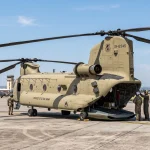
Another notable comparison is with the CH-47 Chinook, a heavy-lift helicopter that can transport significantly larger loads than the Black Hawk. While the Chinook excels in moving personnel, supplies, and equipment over long distances, it lacks the agility and speed of the Black Hawk. This difference in capabilities highlights how the latter can quickly insert or extract troops from compact spaces, a critical advantage during complex urban engagements like those seen in Black Hawk Down.
Considering operational costs and maintenance, the Black Hawk also holds an edge. It is generally less expensive to operate than attack helicopters like the Apache, making it more accessible for sustained missions. This factor becomes crucial for military forces needing to deploy at scale, especially in long-term operations where logistics can strain resources.
In conclusion, while the UH-60 Black Hawk possesses unique strengths that contribute to its reputation, its distinct capabilities shine even brighter when viewed alongside other military helicopters. Each model serves its purpose within the broader military strategy, and understanding these differences can provide deeper insights into modern warfare tactics and aviation technology.
Impact of Black Hawk Down on Public Perception
The harrowing events depicted in Black Hawk Down reshaped public perception regarding military operations and the realities of urban warfare. Few cinematic portrayals have had such a profound and lasting impact, drawing viewers into the complexities of the U.S. military’s involvement in Somalia during the 1993 Battle of Mogadishu. This film not only highlighted the capabilities and limitations of the Black Hawk helicopter but also illuminated the human stories behind the soldiers who flew them.
For many, the film served as an awakening to the sacrifices made by military personnel. It showcased the bravery and dedication of the U.S. Special Forces and highlighted the intense challenges faced during combat operations. Audiences were introduced to soldiers like SFC Randy Shughart and MSG Gary Gordon, whose heroism underscored the personal stakes involved in such missions. Their stories evoke empathy and a deeper understanding of the costs of armed conflict, fostering a new respect for those who serve.
Moreover, the portrayal of the Black Hawk helicopter itself has left a lasting imprint on popular culture. As the film presents high-stakes helicopter rescues alongside intense ground battles, the Black Hawk became emblematic of both military power and vulnerability. The average viewer gained insight into its intricate operations, leading to an interest in aviation and military technology. This has spurred a wave of interest among aspiring pilots and military enthusiasts, inspired by the perceived heroism of the Black Hawk crews.
However, the film also sparked critical discussions about military engagement and the consequences of foreign interventions. While it celebrated the valor of soldiers, it also raised questions about tactical failures and the complexities of foreign policy, creating a dichotomy between admiration for military service and a critique of military strategy. As people reflect on the events surrounding Black Hawk Down, the narrative continues to evolve, influencing perceptions of military actions in modern global contexts. Ultimately, the film has become a significant artifact in understanding both the apparatus of war and the very human stories woven into its fabric.
The Legacy of the Black Hawk Helicopter in Pop Culture
The portrayal of the Black Hawk helicopter in popular culture, particularly through the lens of the film *Black Hawk Down*, has profoundly influenced public perception of military aviation. This iconic aircraft, known for its versatility and resilience, became a symbol of military strength and operational complexity. In the film, viewers witness the dramatic aerial maneuvers and ground support provided by the Black Hawk, establishing it as a crucial component of modern combat.
The film’s visceral depiction of the Battle of Mogadishu not only captivated audiences but also sparked interest in military aviation among a broader demographic. The Black Hawk’s robust design and tactical capabilities were front and center, showcasing its role in urban combat and rescue operations. Audiences were drawn to the aircraft’s dual-functionality, serving both as a transport vehicle and a platform for critical air support. This added layers to its portrayal, highlighting both its might in combat scenarios and its vulnerability in hostile environments.
Impact on Aviation Enthusiasts
*Black Hawk Down* ignited a surge of interest among aspiring pilots and aviation enthusiasts. Many viewers, inspired by the heroism of the soldiers and pilots depicted in the film, sought to learn more about the Black Hawk and military aviation as a whole. This cultural phenomenon not only educated audiences on the aircraft’s capabilities but also fostered a respect for aviation careers within the armed forces. The film has encouraged young people to pursue dreams of becoming pilots, combat medics, or military strategists, with many mentioning the film as a pivotal moment in their aspirations.
Legacy in Gaming and Media
The Black Hawk helicopter’s legacy extends into video games and other media, further cementing its status in pop culture. Titles such as *Call of Duty* and *Battlefield* series have integrated the Black Hawk into their narratives, allowing players to experience the exhilaration of flying and battling from this iconic helicopter’s cockpit. These gaming experiences perpetuate the identity of the Black Hawk as emblematic of tactical air support, making military operations accessible to millions of players worldwide.
In summary, *Black Hawk Down* left an indelible mark on the cultural landscape, shaping how the Black Hawk helicopter is perceived today. Its blend of thrilling action and human stories continues to resonate with audiences, reminding them of the real-world implications of military engagement and the technological marvels that support these brave men and women in service.
How to Become a Black Hawk Pilot: Career Insights
Becoming a pilot for the iconic Black Hawk helicopter involves a rigorous combination of training, education, and experience. This aircraft, immortalized in *Black Hawk Down*, is not only a powerful tool for military operations but also a prestigious asset within the aviation community. Aspiring pilots need to understand the various pathways that lead to this high-stakes career.
To begin with, a foundational step is obtaining the necessary education. Most military helicopter pilots possess at least a bachelor’s degree, often in fields such as aviation, aerospace engineering, or related areas. Essential qualities for this career include strong leadership skills, quick decision-making abilities, and a solid understanding of aerodynamics and aviation technology.
Pathway to Becoming a Black Hawk Pilot
For those aiming to fly the Black Hawk, the *U.S. Army* offers distinct routes:
- Active Duty Military Service: Joining the Army and completing Officer Candidate School (OCS) is a common path. New officers undergo flight training that culminates in certification for specific helicopter models.
- Army Aviation Program: Candidates can apply for a slot in the aviation branch during or after basic training. This highly competitive selection process requires a commitment to a minimum service obligation.
- Flight School: Once selected, candidates attend the initial flight training program, where they learn essential flying skills and accumulate flight hours, often transitioning to more complex helicopters like the Black Hawk.
The process also incorporates technical training specific to the Black Hawk, focusing on its unique systems and operational capabilities.
Training & Experience
Pilots must log a substantial number of flight hours to gain the practical experience required for complex missions. Training typically includes:
- Simulator Sessions: These are crucial for mastering navigation, emergency procedures, and combat tactics.
- In-Flight Training: New pilots fly alongside experienced instructors, gradually increasing their responsibilities in flying the Black Hawk.
After completing training, Black Hawk pilots often participate in ongoing education to stay abreast of technological advancements and tactical innovations.
Becoming a Black Hawk pilot is challenging yet immensely rewarding, offering unique opportunities to serve and protect while experiencing the thrill of flying one of the most versatile helicopters in the world. As seen in *Black Hawk Down*, pilots play a vital role during crucial missions, where their skills can make the difference between success and failure, honoring the valorous history associated with this aircraft.
Future Developments in Black Hawk Helicopter Technology
The Black Hawk helicopter, an iconic symbol of military airpower, continues to evolve with cutting-edge technology that enhances its capabilities and operational versatility. Recent advancements focus on integrating artificial intelligence, autonomous flight operations, and improved communication systems, ensuring that the Black Hawk remains a vital asset on modern battlefields.
One groundbreaking development is the introduction of the MATRIX™ technology, which allows for optionally piloted operation. This means that a U.S. soldier, rather than a trained pilot, can plan and execute missions using an autonomous system, significantly expanding the operational role of ground commanders in complex environments. The Sikorsky Black Hawk helicopters are now able to operate with increased efficiency in logistics and combat, further enhancing their multi-role utility in various mission scenarios [1].
Additionally, the U.S. Army is collaborating with innovators like Skyryse to implement technologies that make flying Black Hawks simpler, possibly paving the way for reduced pilot training time and increased mission readiness. This could allow for more versatile deployments, particularly in environments where rapid response and adaptability are crucial [2]. Enhanced safety systems, coupled with improved avionics, are also part of the upcoming updates, making the Black Hawk not only faster and more maneuverable but also safer to operate in contested airspace.
As these technological advancements continue to roll out, they not only honor the legacy of the Black Hawk, which gained fame from missions like those depicted in Black Hawk Down, but also establish a future where the helicopter can adapt to the ever-changing demands of modern military operations. For enthusiasts and aspiring pilots alike, understanding these developments is crucial to appreciating the Black Hawk’s role in next-generation battlefield strategies.
Exploring the Cost of Operating Black Hawk Helicopters
Operating Black Hawk helicopters is a complex endeavor that involves a range of significant costs-and understanding these can provide valuable insights for both military enthusiasts and potential operators. The annual operational costs of a Black Hawk can be influenced by several factors including maintenance, fuel, crew salaries, and parts replacement.
In terms of maintenance, Black Hawks are known for their reliability. However, routine inspections and repairs can add up, often costing upwards of $1 million annually per helicopter. This figure also includes the substantial expense of specialized parts and tools necessary for upkeep. Fuel costs contribute to the overall budget as well, with a consumption rate of approximately 300 gallons per hour, translating to thousands of dollars per operation depending on fuel prices.
Training and Personnel Costs
The cost of employing skilled personnel cannot be overlooked. Pilots for Black Hawks undergo extensive training, which can cost upwards of $400,000 per pilot due to the extensive flight hours required. Additionally, operational teams-including mission planners and maintenance crews-add layers of expense vital to ensuring effective deployment. Each Black Hawk mission typically requires a crew of four to five, contributing additional salary expenses.
A Real-World Example
To contextualize these costs, consider the procurement of Black Hawk helicopters by various nations. For instance, Australia’s acquisition of 46 UH-60 Black Hawks came with an estimated price tag of $5.5 million each, but the real costs extend beyond the purchase price to encompass operational and maintenance expenses over the helicopters’ lifespan. Cumulatively, these expenditures can mount to several million dollars per helicopter, emphasizing the ongoing financial commitment required to maintain these aircraft’s advanced capabilities.
Recognizing the substantial costs associated with operating Black Hawks is crucial for aspiring pilots, military planners, and aviation enthusiasts who wish to understand the financial implications of these formidable machines. The unique blend of advanced technology and military necessity that characterizes the Black Hawk helicopter makes it an enduring asset-both operationally and as a subject of fascination in military aviation.
Frequently Asked Questions
Q: What specific models of Black Hawk helicopters were featured in the film Black Hawk Down?
A: The film *Black Hawk Down* prominently featured the UH-60 Black Hawk helicopter, specifically the UH-60L variant. This model is known for its versatility and advanced avionics, integral to the movie’s depiction of the 1993 Battle of Mogadishu.
Q: How accurate is the representation of Black Hawk helicopters in the film Black Hawk Down?
A: The representation of Black Hawk helicopters in *Black Hawk Down* is largely accurate, showcasing their tactical roles in urban warfare. The film’s effects and aerial maneuvers depict realistic operational procedures, honoring the real-life missions undertaken during the incident.
Q: What role did the Black Hawk helicopter play in the Battle of Mogadishu?
A: In the Battle of Mogadishu, Black Hawk helicopters were critical for troop insertion and extraction. They facilitated rapid deployment of special operations forces and served as air support in a highly volatile environment, highlighting their importance in modern combat.
Q: Why are Black Hawk helicopters considered vital for military operations?
A: Black Hawk helicopters are vital due to their versatility, speed, and ability to operate in diverse environments. They can transport troops, equipment, and provide medevac services, making them essential for tactical missions and support during combat.
Q: What advancements have been made to Black Hawk helicopters since the events of Black Hawk Down?
A: Since *Black Hawk Down*, advancements include improved avionics, enhanced survivability features, and upgraded weapon systems. These innovations reinforce the Black Hawk’s capabilities in modern warfare, ensuring effectiveness against contemporary threats.
Q: Can Black Hawk helicopters be used for non-military purposes?
A: Yes, Black Hawk helicopters are used for various non-military operations, including search and rescue, firefighting, and disaster relief. Their robust design and versatility allow them to perform effectively in civilian roles.
Q: How does the Black Hawk helicopter compare to other military helicopters?
A: The Black Hawk helicopter is often compared to models like the Apache and Chinook. While the Apache excels in attack capabilities and the Chinook in heavy lifting, the Black Hawk is valued for its balance of transport and utility functions in combat scenarios.
Q: What are the key technical specifications of the Black Hawk helicopter?
A: The UH-60 Black Hawk boasts a maximum speed of about 183 knots, a range of approximately 1,380 miles, and the capacity to carry 11 soldiers or up to 8,000 pounds of cargo. Its design features advanced avionics and robust armor for mission success.
The Conclusion
As we reflect on the iconic helicopters featured in “Black Hawk Down,” it’s essential to appreciate their multifaceted roles in aviation history and cinematic storytelling. This film not only showcases the powerful Black Hawk helicopter but also highlights the bravery of those who operate such aircraft under extreme conditions. If you’re curious about the engineering marvels behind military aviation or how these helicopters are utilized in various missions, dive deeper into our related articles on helicopter models and their real-world applications.
Don’t miss out on exploring more fascinating insights about helicopters-check out our guide on “Helicopter Tour Experiences” to discover how the excitement and engineering of these machines extend beyond the battlefield. Have questions or thoughts about specific helicopter features? We’d love to hear from you in the comments section! Subscribe to our newsletter for more engaging content that keeps you in the loop about all things aviation. With your continued interest and support, together we can soar into the captivating world of helicopters!
Get our latest guides, news, and insights highlighted in your Google Search & AI Overviews.