Did you know that the safety of our modern world relies heavily on skilled helicopter linemen? These professionals play a crucial role in high-voltage power line maintenance, ensuring that electricity flows smoothly to homes and businesses. With the right training, you can embark on a rewarding career that not only pays well but also contributes significantly to community safety and infrastructure.
As an aspiring helicopter lineman, you’ll discover a unique blend of aviation and technical expertise. This high-demand career path offers opportunities to work on challenging projects, all while enjoying the thrill of working with helicopters and overcoming exciting obstacles in the field. By understanding how to navigate this specialized career, you can set yourself on a path to join a dedicated group of professionals committed to powering our lives from above. Ready to learn more about becoming a helicopter lineman? Let’s dive into the essentials of this empowering career!
Understanding the Role of a Helicopter Lineman
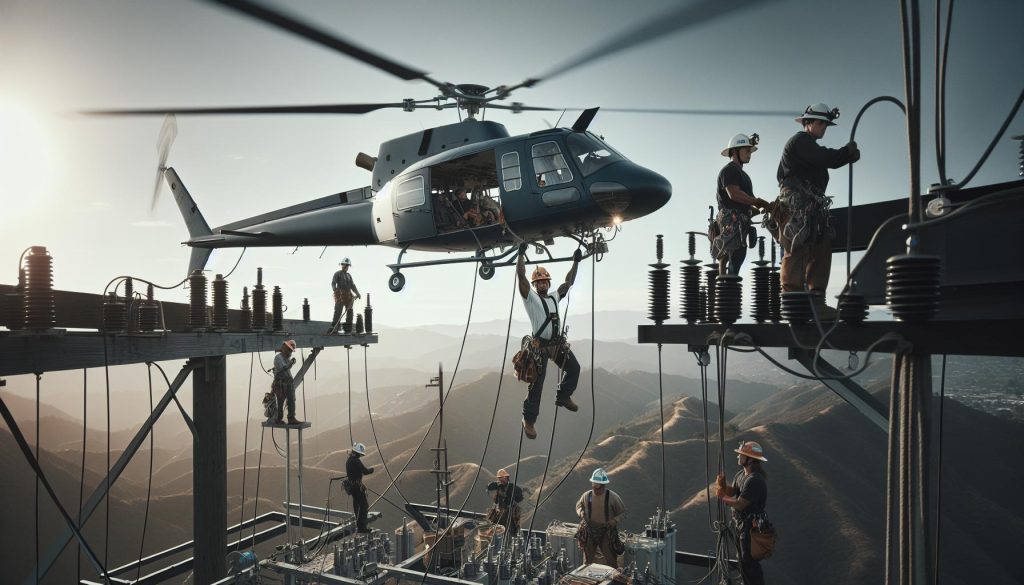
The world of helicopter linemen is as thrilling as it is critical to maintaining our high-voltage power infrastructure. These skilled professionals work from helicopters to access and maintain power lines that crisscross our landscapes, often in remote or hard-to-reach locations. Their role is vital in ensuring that electricity is consistently available, especially in areas where traditional ground access is challenging. Working from a helicopter allows linemen to safely position themselves where they can perform maintenance or repairs while minimizing disruptions to the power grid.
Helicopter linemen undergo rigorous training to cope with the unique challenges they face. They must not only understand the technical aspects of electricity and line maintenance but also master the nuances of helicopter operations. This includes knowing the safety protocols for working at heights and in the presence of high-voltage equipment. Strong communication skills are essential, as linemen often coordinate their actions with ground crews to ensure safety and efficiency. Their work is often performed under pressure and can be physically demanding, requiring strength, agility, and a keen awareness of their surroundings.
The daily tasks of a helicopter lineman can vary widely. On any given day, they might be installing new lines, repairing existing infrastructure, or inspecting lines for potential issues. To perform these tasks effectively, they use a variety of specialized tools and equipment, from insulators to tensioning devices. Each task not only requires technical skill but also a commitment to safety-both for themselves and for their team on the ground. As they look down from the helicopter, they are not just maintaining power lines; they are also performing a critical service that ensures homes and businesses have the energy they need to thrive.
For those interested in pursuing a career as a helicopter lineman, the path is demanding but rewarding. It typically involves extensive training in both aviation and electrical systems, as well as obtaining necessary certifications. Along the way, aspiring linemen can connect with industry networks and resources to build their careers. As they navigate this exciting field, helicopter linemen play an indispensable role in connecting communities and powering the future.
Essential Skills Required for a High-Voltage Career
Working as a helicopter lineman requires a unique blend of physical, technical, and interpersonal skills that are crucial to successfully maintaining high-voltage power lines. This profession not only demands excellent hand-eye coordination and strength but also a deep understanding of both electrical systems and aviation. One of the standout skills for helicopter linemen is their ability to work at great heights while managing the dynamic challenges of aerial maintenance tasks.
To thrive in this high-voltage career, linemen need strong communication skills. Working from a helicopter means coordinating with ground crews and other team members, often in challenging conditions. Effective communication ensures that instructions are clear and that everyone is aware of safety protocols and operational procedures at all times.
Moreover, it’s essential for aspiring helicopter linemen to develop a keen understanding of safety procedures. High-voltage work inherently carries risks, and familiarity with safety measures, such as the proper use of personal protective equipment (PPE) and emergency response practices, is paramount. Linemen must be able to assess and mitigate risks while executing tasks in the helicopter’s open environment.
Practical problem-solving skills also play a significant role. Linemen often encounter unexpected challenges when working on or near power lines and must think critically to adapt their approach. This skill is complemented by technical knowledge about electrical systems, enabling them to quickly identify issues and apply effective solutions in real-time.
In summary, the critical skills required for helicopter linemen encompass a mix of physical prowess, technical acumen, effective communication, and an unwavering commitment to safety. Mastery of these skills not only enhances their ability to perform effectively but also safeguards the integrity of the power infrastructure that communities rely on. Aspiring linemen should consider hands-on training and simulation exercises to hone these competencies before entering this demanding yet rewarding field.
Educational Pathways: Training and Certification Options
To enter the rewarding field of helicopter linemen, a combination of specialized education and practical training is essential. Aspiring linemen must equip themselves with the necessary knowledge and skills through targeted educational pathways that prepare them for the complexities of aerial maintenance work. A combination of electrical training, helicopter operation knowledge, and safety protocols forms the foundation upon which a successful career can be built.
Educational programs typically focus on areas such as electricity, electronics, and aviation safety. Many community colleges and vocational schools offer certificate programs or associate degrees in electrical technology which provide essential grounding in electrical systems. This technical education often includes topics such as circuitry, power distribution, and voltage safety, ensuring future linemen possess a solid understanding of the systems they will work with.
In addition to foundational coursework, specific training in helicopter operations is crucial. Several training programs are available that provide certificates in helicopter maintenance and operation. These programs often include flight training where students can experience the dynamics of working from a helicopter and learn how to handle tasks at significant heights. Practical flight simulators may also be utilized to help hone skills before taking on real-world responsibilities.
Certification plays a pivotal role in a lineman’s career. The National Center for Construction Education and Research (NCCER) offers certification pathways that involve both classroom instruction and hands-on assessments. Completing certification not only enhances a lineman’s credentials but also demonstrates a commitment to safety and professionalism.
Engaging in ongoing education is vital due to the rapidly changing technologies in the field. Many employers provide opportunities for continuous learning through workshops and professional conferences, where linemen can update their skills and knowledge on new equipment and safety protocols. Networking within these educational contexts can also provide valuable connections for future career opportunities.
In summary, combining electrical education with specialized helicopter training and certification is essential for anyone looking to become a successful helicopter lineman. Emphasizing hands-on experience and ongoing education will prepare them for the challenges of maintaining high-voltage lines safely and efficiently from the air.
Exploring Job Responsibilities and Daily Tasks
In the challenging and dynamic role of a helicopter lineman, each day brings unique responsibilities that blend technical skills, safety protocols, and an adventurous spirit. Working as part of a specialized crew, linemen are often tasked with maintaining and repairing high-voltage power lines from the air, an operation that commands both precision and courage. Their primary duty includes inspecting transmission lines to ensure they are functioning correctly and are free from damage. By utilizing helicopters, linemen can reach locations that are otherwise difficult to access, significantly enhancing the efficiency of their work.
One of the most critical responsibilities is performing maintenance checks on power lines while airborne. This requires not only flying in a steady helicopter but also coordinating movements with a ground team. Linemen often communicate via radios with both the pilots and ground personnel to maintain safety and efficiency during operations. Their tasks can vary widely, including replacing worn-out insulators, tightening loose connections, and even installing new equipment. The ability to work effectively in extreme heights and often adverse weather conditions is essential, making on-the-job experience invaluable.
Safety is paramount in this line of work. Linemen must operate using stringent safety protocols to protect themselves and their teammates. Before starting each job, they conduct risk assessments and ensure all equipment is in proper working condition. They also utilize personal protective equipment (PPE) such as helmets, fall protection harnesses, and insulated tools designed to handle high voltage. Practicing situational awareness during flights and ground activities helps prevent accidents and ensures a smooth operation.
The variety of daily tasks keeps the job engaging yet requires linemen to have a diverse skill set. For example, they need to be adept at electrical work while also being familiar with aviation practices. A typical day might start with a briefing to outline the tasks for the day, followed by launching the helicopter to perform aerial inspections. After assessing conditions, they may need to land in strategic locations to execute repairs. Each successful operation bolsters their skills and strengthens teamwork, showing that the camaraderie among linemen is just as crucial as their technical abilities.
In summary, the role of a helicopter lineman involves a blend of responsibilities that demand technical prowess, a commitment to safety, and a sense of adventure. This position not only offers the excitement of working in the air but also plays a vital role in maintaining critical infrastructure for communities, making every day both challenging and rewarding.
Safety Protocols for Working with High-Voltage Lines
To ensure the safety of helicopter linemen working with high-voltage lines, stringent protocols are essential. The potential hazards in this line of work, from electrical shock to falls from heights, necessitate an unwavering commitment to safety practices. One fundamental aspect is the comprehensive pre-job briefing, where teams discuss the specific risks associated with the day’s tasks, review emergency procedures, and confirm the integrity of all equipment involved. Pre-flight checks of the helicopter, along with inspection of tools and personal protective gear, are crucial steps that help mitigate risks.
Personal protective equipment (PPE) plays a vital role in ensuring safety. Linemen are required to don insulated gloves, hard hats, and harnesses that are rated for high voltage work. Additionally, the use of insulated tools minimizes the risk of accidental contact with energized lines. Training programs often emphasize the importance of proper fitting and routine maintenance of this equipment, ensuring that linemen can operate safely at extreme heights. Situational awareness is equally important; linemen must remain alert to environmental conditions such as strong winds or unstable weather, which can pose threats during operations.
Communication is a lifeline in high-voltage work environments. Linemen are trained to maintain clear lines of communication with the helicopter pilot as well as ground support personnel. Utilizing radios and hand signals ensures that everyone is on the same page during operations, making it easier to respond quickly and effectively to any emergencies that may arise. This teamwork is complemented by routine drills that prepare linemen for unforeseen scenarios, such as power outages or equipment malfunctions.
In summary, effective in a helicopter setting hinge on thorough preparation, the use of proper protective gear, diligent communication, and a proactive approach to potential hazards. By adhering to these principles, helicopter linemen can operate safely while performing their critical role in maintaining our power infrastructure.
Tools and Equipment Used by Helicopter Linemen
Working as a helicopter lineman requires not just skill and training, but also the right set of tools and equipment to ensure safety and efficiency while dealing with high-voltage lines. Linemen operate in demanding environments where precision and reliability are crucial, making their equipment an essential aspect of their work. Each piece of gear plays a vital role in a lineman’s ability to perform tasks safely from the air.
First and foremost, the cornerstone of a lineman’s safety gear is personal protective equipment (PPE). This includes:
- Insulated Gloves: These gloves are designed to prevent electrical shock by providing a barrier against high voltage.
- Hard Hats: A must-have for protection against falling objects or accidental bumps.
- Safety Harnesses: Essential for tethering linemen securely to the helicopter, preventing falls from significant heights.
In addition to PPE, linemen utilize specialized insulated tools. These tools are crucial for working on live wires and must meet strict safety standards to minimize risk during operations. Examples include:
- Insulated Screwdrivers and Wrenches: Ensure that linemen can perform necessary adjustments without accidental electrical contact.
- Insulated Pliers: Provide better grip and handling while protecting against electrical hazards.
Communication devices also comprise an important part of the equipment. Clear and effective communication can be a lifesaver in high-voltage work. Linemen use:
- Radios: To maintain constant contact with the helicopter pilot and ground crew, ensuring everyone is informed about the operation’s status.
- Hand Signals: A non-verbal communication method that is vital in noisy environments, helping to coordinate actions during critical maneuvers.
Finally, linemen depend on various support equipment, such as crane systems and tool bags designed for aerial work. The aerial platforms used to transport linemen are also meticulously equipped for the task, with safety features tailored specifically for high-voltage operations.
In summary, the are diverse and specifically designed to address the unique challenges of working with high-voltage power lines from the air. The proper selection and maintenance of these tools not only enhance efficiency but, more importantly, ensure the safety of all personnel involved in these critical operations.
Career Advancement Opportunities in the Industry
In the dynamic field of helicopter linemen, career advancement opportunities are abundant for those willing to invest in their skills and knowledge. As technology evolves and the demand for reliable electrical services grows, linemen equipped with specialized expertise can find themselves moving up the ladder more quickly than in many other trades. The ability to operate in high-altitude environments while managing high-voltage projects sets these professionals apart, creating a distinct career trajectory filled with potential.
One path for growth is to attain certifications that enhance your qualifications. For instance, becoming a certified electric lineman or obtaining advanced safety certifications can not only increase your marketability but also open doors to more technical roles within the industry. Additionally, linemen who pursue further education in fields such as electrical engineering or aerial operations can transition into supervisory or project management positions. These roles often involve overseeing teams, ensuring compliance with safety regulations, and managing project timelines, which can lead to increased earnings and job satisfaction.
Networking plays a crucial role in career advancement. Participation in industry-specific organizations or forums allows linemen to connect with peers, mentors, and potential employers. Attending workshops or trade shows can enhance technical knowledge and introduce linemen to new best practices and tools. Furthermore, sharing experiences and learning from others in the field can inspire new ideas and approaches to challenges, setting the stage for innovative practices within their teams.
With experience, helicopter linemen may also explore opportunities in related fields such as aviation management or utility project consulting. These positions often involve strategic planning, policy development, and more critical decision-making processes, allowing seasoned professionals to leverage their operational experience in new, impactful ways. It’s a pathway that not only benefits the individual but also contributes to the overall development of the industry.
By exploring certifications, networking effectively, and staying open to interdisciplinary opportunities, helicopter linemen can pave the way for a fulfilling and progressive career trajectory in the high-voltage industry.
Salary Expectations and Job Market Outlook
The outlook for a career as a helicopter lineman is not only promising but also filled with opportunities for growth and competitive compensation. As the demand for electricity continues to rise and infrastructure ages, skilled linemen are increasingly vital to maintaining and expanding electrical services, particularly in remote areas accessed by helicopters. This specific area of expertise is becoming more valuable, and professionals in this field can expect a favorable job market as utility companies actively seek qualified candidates.
Currently, salaries for helicopter linemen can vary based on several factors such as experience, geographical location, and the specific employer. On average, entry-level positions may start around $40,000 to $50,000 annually, but as linemen gain experience and additional certifications, they can earn upwards of $60,000 to $80,000 per year, with some experts even exceeding $100,000 depending on their roles and responsibilities. The combination of technical proficiency in high-voltage systems and the ability to work in challenging conditions, such as high altitudes, enhances job security and earning potential.
Job Market Insights
As the energy sector evolves and integrates new technologies, the roles and responsibilities of linemen are also expanding. The push for renewable energy sources, such as wind and solar power, is creating a variety of job opportunities that require specialized knowledge. Helicopter linemen play a crucial role in installing and maintaining equipment that is often located in difficult-to-reach places, thus ensuring the efficient delivery of electricity generated from these sources.
According to industry reports, the job growth in the electrical utility sector is projected to increase by 8% from now until 2030, a rate that is faster than the average for all occupations. This trend indicates a strong demand for skilled workers in the field, suggesting a long-term career opportunity for aspiring helicopter linemen.
In preparation for this career, it is also beneficial to seek out internships or apprenticeships. These positions not only enhance skills but also provide valuable connections in the industry. By establishing a strong professional network, linemen can access job openings and gain insights into market trends, further solidifying their place in this essential workforce.
Ultimately, for those considering a career as a helicopter lineman, the future looks bright. With competitive salaries, rapid advancements in the field, and growing importance in the energy sector, this career offers not just a job, but a path full of potential for those ready to embrace the challenges and rewards of high-voltage line maintenance.
Challenges and Risks in Helicopter Line Maintenance
Maintaining high-voltage lines from a helicopter is an exhilarating yet perilous endeavor that requires not only technical skill but also a deep understanding of the associated risks. One of the primary challenges faced by helicopter linemen is dealing with adverse weather conditions. Helicopters must operate in various weather scenarios, including high winds, rain, and extreme temperatures, each of which can significantly impact flight safety. On days with inclement weather, linemen often have to closely monitor meteorological forecasts to determine if it’s safe to conduct operations. The ability to adapt to changing weather conditions is crucial, as incidents have occurred when flights were attempted despite warnings, leading to serious accidents.
Another major risk is the inherent danger of working at heights. Helicopter linemen are often suspended hundreds of feet in the air, requiring them to execute precision tasks on power lines or structures. This environment can lead to accidents due to slips, loss of balance, or equipment failure. Safety harnesses and other protective gear are essential, but the psychological strain of working at such heights cannot be underestimated. For those contemplating this career path, it is vital to cultivate a mindset geared towards safety and to regularly participate in training exercises focused on emergency protocols.
Furthermore, the operation of heavy machinery and electrical systems presents additional hazards. Working near live wires demands constant attention and respect for electrical safety standards. A misjudgment or error could have catastrophic consequences, not only for the lineman but also for those nearby. Comprehensive training on the proper handling of tools and equipment used in high-voltage line maintenance is crucial to mitigate these risks. It’s important to be well-versed in identifying hazardous situations and to be proactive in creating a safety-first culture in the workplace.
Lastly, the physical demands of this line of work should not be overlooked. Helicopter linemen often face long hours in physically taxing environments, which can lead to fatigue and diminished concentration. Maintaining peak physical condition and employing strategies to manage stress and fatigue is a critical component of staying safe and effective in this role. This demanding yet rewarding career offers the excitement of aviation combined with the critical responsibility of maintaining the electrical infrastructure, but only for those who are prepared to face these challenges head-on.
Real-Life Experiences: Stories from Helicopter Linemen
The life of a helicopter lineman is often filled with extraordinary experiences that blend the thrill of aviation with the demands of high-voltage maintenance. One lineman recounted his first job, which involved working on power lines during a calm and clear day. As he hovered over the lines, he felt the adrenaline rush, mixed with awe at the view. However, as he completed his task, a sudden shift in weather conditions sent the helicopter into a turbulent twist. He learned that even on seemingly perfect days, vigilance is vital. This incident underscored the unpredictable nature of the job and the necessity to respect the elements, no matter how benign they appear.
Another lineman shared a story about an emergency response to a storm-damaged transmission line. The crew had to mobilize quickly to restore power while ensuring safety. As they approached the site, they saw the devastation caused by fallen trees and broken lines. With the helicopter safely above, the lineman prepared his gear, reaffirming his training in aerial safety protocols. This incident not only tested their technical skills but also their teamwork and focus under pressure. When they finished the repairs just as night began to fall, the satisfaction of bringing the power back on was profound. It reinforced the critical nature of their work and the direct impact they have on communities.
In another instance, a lineman faced an unusual challenge of maintaining lines in a remote area, where logistics were less straightforward. The crew had to trek hours to reach the job site while navigating rugged terrain. Once airborne, the breathtaking scenery served as a reminder of why they loved their job, even amidst challenges. Adjusting equipment in the air required precision and composure, and the entire team demonstrated remarkable synergy. This experience highlighted that the lineman’s role is not just about technical ability; it’s also about adaptability and resourcefulness in unexpected situations.
As these stories illustrate, the journeys of helicopter linemen are filled with unforgettable moments that combine the beauty of flight with the gravity of their responsibilities. Each day’s challenges strengthen their dedication to safety, teamwork, and precision, making the job as enriching as it is demanding. For those aspiring to enter this field, these experiences underscore the importance of thorough training, respect for safety protocols, and the ability to embrace both the joys and trials of the profession.
How to Prepare for a Career in This Field
To embark on a career as a helicopter lineman, understanding the unique blend of skills, training, and experiences required is essential. This role not only calls for a deep knowledge of high-voltage line maintenance but also an aptitude for aviation and teamwork. Here are some key steps and considerations to prepare for this dynamic profession.
Start by gaining foundational knowledge in electrical systems and aviation principles. Consider enrolling in courses that cover subjects like electrical engineering, safety standards, and aircraft mechanics. Many community colleges and technical schools offer programs specifically focused on electrical lineman training, which can provide a strong basis for the high-voltage aspects of the job.
Next, pursue certifications that enhance your employability. Training programs for helicopter linemen often require specific certifications, including OSHA safety training, CPR/First Aid certification, and possibly a helicopter flight safety course. For instance, attending workshops and seminars on aerial safety and maintenance can give you critical skills and a competitive edge.
Hands-on experience is invaluable. Seek internships or entry-level positions with utility companies or contractors who specialize in line maintenance. These opportunities allow you to work alongside seasoned professionals, offering insights into daily operations and challenges. Shadowing experienced linemen can also help you understand the critical safety protocols and teamwork necessary for aerial work.
Building a network within the industry can significantly impact your career trajectory. Joining professional organizations or attending industry conferences can connect you with mentors and peers who can provide guidance and job leads. Networking also helps you stay informed about industry trends and best practices, enriching your professional knowledge and opening doors to future opportunities.
As you prepare for this career, stay physically fit and mentally sharp. The demanding nature of the job requires physical endurance and the ability to think quickly under pressure. Engaging in regular physical training, along with mental exercises such as problem-solving scenarios, will help you develop the resilience needed to succeed.
By focusing on these areas-education, certifications, hands-on experience, networking, and personal fitness-you can effectively prepare for a rewarding career as a helicopter lineman, combining aviation expertise with essential high-voltage line maintenance skills.
Networking and Resources for Aspiring Linemen
In a field as specialized as helicopter linemen, building a strong network can make all the difference between landing your dream job and navigating a challenging job market alone. Connections within the industry provide access to job leads, mentorship, and invaluable insights into best practices and emerging technologies. One effective way to begin networking is by joining professional organizations dedicated to the aviation or electrical industries, such as the National Association of State Utility Regulators (NASUR) or the Helicopter Association International (HAI). These associations often host conferences, workshops, and webinars that facilitate face-to-face interactions with industry veterans.
Your local community can also serve as a resourceful hub. Look for trade schools or college programs that offer courses in lineman work or aviation. Many institutions organize job fairs where students can meet potential employers and industry insiders. Participating in these events not only broadens your understanding of the job landscape but also helps you form personal connections in an informal setting.
Utilizing social media platforms like LinkedIn can further amplify your networking efforts. Create a professional profile highlighting your interests in helicopter lineman roles, and actively engage with content pertaining to the industry. Following companies you aspire to work for and participating in relevant discussions can put you on the radar of recruiters. Don’t hesitate to reach out and connect with professionals in your desired field; most industry experts are willing to share their knowledge and experience with enthusiastic newcomers.
Lastly, don’t overlook the power of mentorship. Seek out professionals who are currently working as helicopter linemen or those who have a background in high-voltage line maintenance. Having a mentor can provide personalized guidance, accountability, and opportunities you may not encounter otherwise. Consider approaching individuals you admire in the field, even if it’s through a networking event or a professional LinkedIn message. Their insights can be instrumental in shaping your career path and helping you navigate the unique challenges of this rewarding profession.
Q&A
Q: What is the role of a Helicopter Lineman in high-voltage maintenance?
A: A Helicopter Lineman specializes in maintaining high-voltage power lines using helicopters to access difficult locations. They perform tasks like inspecting, repairing, and replacing components while adhering to stringent safety protocols. This role requires a blend of aviation and electrical skills, making it essential for efficient power line management.
Q: What qualifications are needed to become a Helicopter Lineman?
A: To become a Helicopter Lineman, individuals typically need a high school diploma, followed by specialized training in electrical systems and aviation operations. Certification in helicopter operations and safety standards is crucial. Many employers also prefer candidates with experience in utility work.
Q: How does one find job opportunities as a Helicopter Lineman?
A: Job opportunities for Helicopter Linemen can be found through utility companies, aviation job boards, and specialized recruitment agencies. Networking with industry professionals through events and trade shows can also enhance job prospects. Check resources like LinkedIn for job openings and company profiles.
Q: What is the average salary of a Helicopter Lineman?
A: The average salary for a Helicopter Lineman varies by location and experience but typically ranges from $50,000 to $90,000 per year. Factors such as company, job responsibilities, and regional demand can influence earnings. Research salary expectations in your area for more accurate figures.
Q: What challenges do Helicopter Linemen face in their work?
A: Helicopter Linemen face challenges like hazardous weather conditions, high-altitude work, and the risks associated with handling high-voltage equipment. Safety is paramount, necessitating rigorous training and adherence to protocols. Additionally, the physical demands of the job can be significant.
Q: How does safety training work for Helicopter Linemen?
A: Safety training for Helicopter Linemen involves comprehensive programs that cover electrical safety, emergency response, and helicopter operation protocols. This training ensures workers are equipped to handle potential hazards effectively. Regular safety drills and refreshers are also important to maintain readiness.
Q: What advancement opportunities exist for Helicopter Linemen?
A: There are several advancement opportunities for Helicopter Linemen, including roles as lead technicians, safety supervisors, or training instructors. With experience, they may transition into management positions overseeing operations or project management. Continuous education can help in gaining further certifications.
Q: How important is networking for a career as a Helicopter Lineman?
A: Networking is crucial for Helicopter Linemen, as it opens doors to job opportunities and industry knowledge. Building relationships with fellow professionals can lead to referrals and insights into best practices. Attend industry conferences and join professional organizations to enhance your network.
To Wrap It Up
As you embark on your journey to become a helicopter lineman in the high-voltage career landscape, remember that every step you take brings you closer to a fulfilling and impactful profession. The skills you gain in this field will not only elevate your career but also contribute to critical infrastructure. Don’t wait-explore our comprehensive guide on training requirements and certification paths today.
Curious about related careers? Dive into our articles on aviation safety and electrical maintenance to enhance your knowledge further. If you have questions or want to share your thoughts, drop a comment below or connect with our community on social media. We’re here to support you every step of the way!
Embrace the adventure, stay informed, and take charge of your future. Your high-voltage career awaits!
Get our latest guides, news, and insights highlighted in your Google Search & AI Overviews.