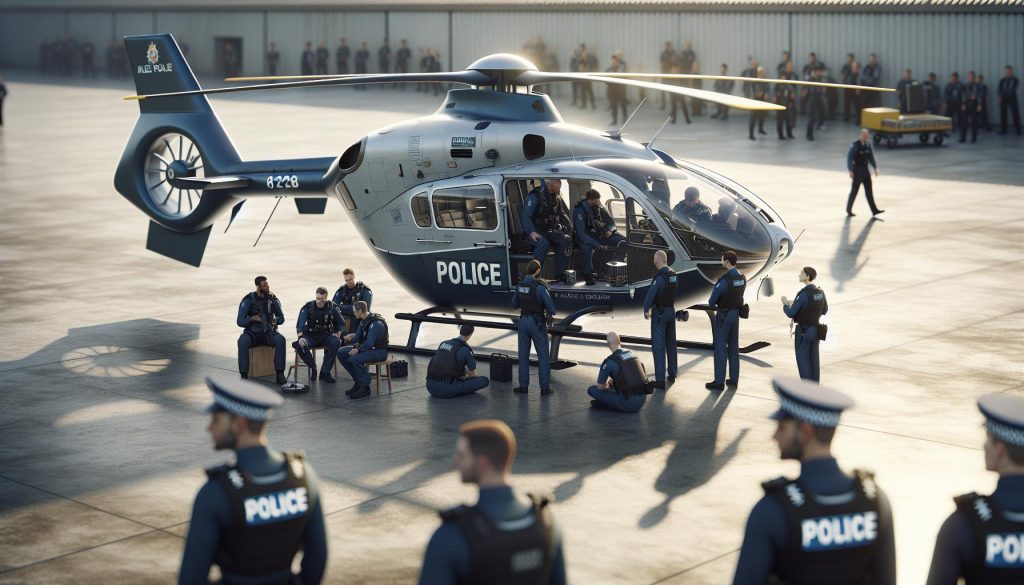
Becoming a police helicopter pilot is a unique and rewarding career path that blends aviation skills with the critical mission of public safety. Did you know that police helicopters can cover vast areas quickly, often playing a crucial role in emergency responses and crime prevention? For those aspiring to soar into this dynamic role, understanding the necessary training, qualifications, and challenges is vital. In this guide, we’ll explore the steps to launch your career as a police helicopter pilot, from the required flight training to the specific skills needed to succeed in law enforcement aviation. Whether you’re an aviation enthusiast or seeking a meaningful profession in public service, this journey will illuminate the skies above and the opportunities that await. So, let’s take off and discover how you can achieve this exciting goal!
How to Start Your Journey as a Police Helicopter Pilot
The journey to becoming a police helicopter pilot begins with a fascination for aviation and a desire to serve the community from a unique vantage point. In this dynamic role, you’ll not only fly but also contribute significantly to law enforcement operations, making your work both exhilarating and impactful. To start on this path, aspiring pilots should focus on obtaining the requisite education and experience necessary to qualify for this specialized role.
First and foremost, earning a private pilot’s license (PPL) is essential. This foundational step involves both theoretical knowledge and practical flight time-including a minimum of 40 flight hours. From there, progressing to an instrument rating enhances your skills, enabling you to fly in various weather conditions, which is crucial for police work. Following this, a commercial pilot’s license (CPL) is required, allowing you to get paid for your flying, followed by obtaining a helicopter rating to specialize further.
Once you have your licenses, gaining flight experience is critical. Many pilots start their careers in general aviation or as flight instructors, accumulating flight hours and honing their skills in different conditions. It’s also beneficial to seek out flight programs focused on law enforcement aeronautics, as these can provide insights specific to police operations and requirements. Networking with current police aviation professionals can lead to mentorship opportunities and possibly openings within law enforcement agencies.
Training programs specific to police aviation can vary by agency but typically include extensive training on the procedures and protocols of law enforcement, emergency response tactics, and even specialized mission training such as aerial surveillance or search and rescue. Familiarization with the models of helicopters used in police work, such as the Bell 407 or Eurocopter AS350, is also vital, as each aircraft has specific capabilities and operational intricacies.
Starting your journey as a police helicopter pilot is indeed challenging but wholly achievable with determination, the right training, and a focus on community service. As you advance, remember that your role is not just about piloting a helicopter; it’s about being a crucial part of a team dedicated to ensuring public safety, especially in high-stakes situations where every second counts.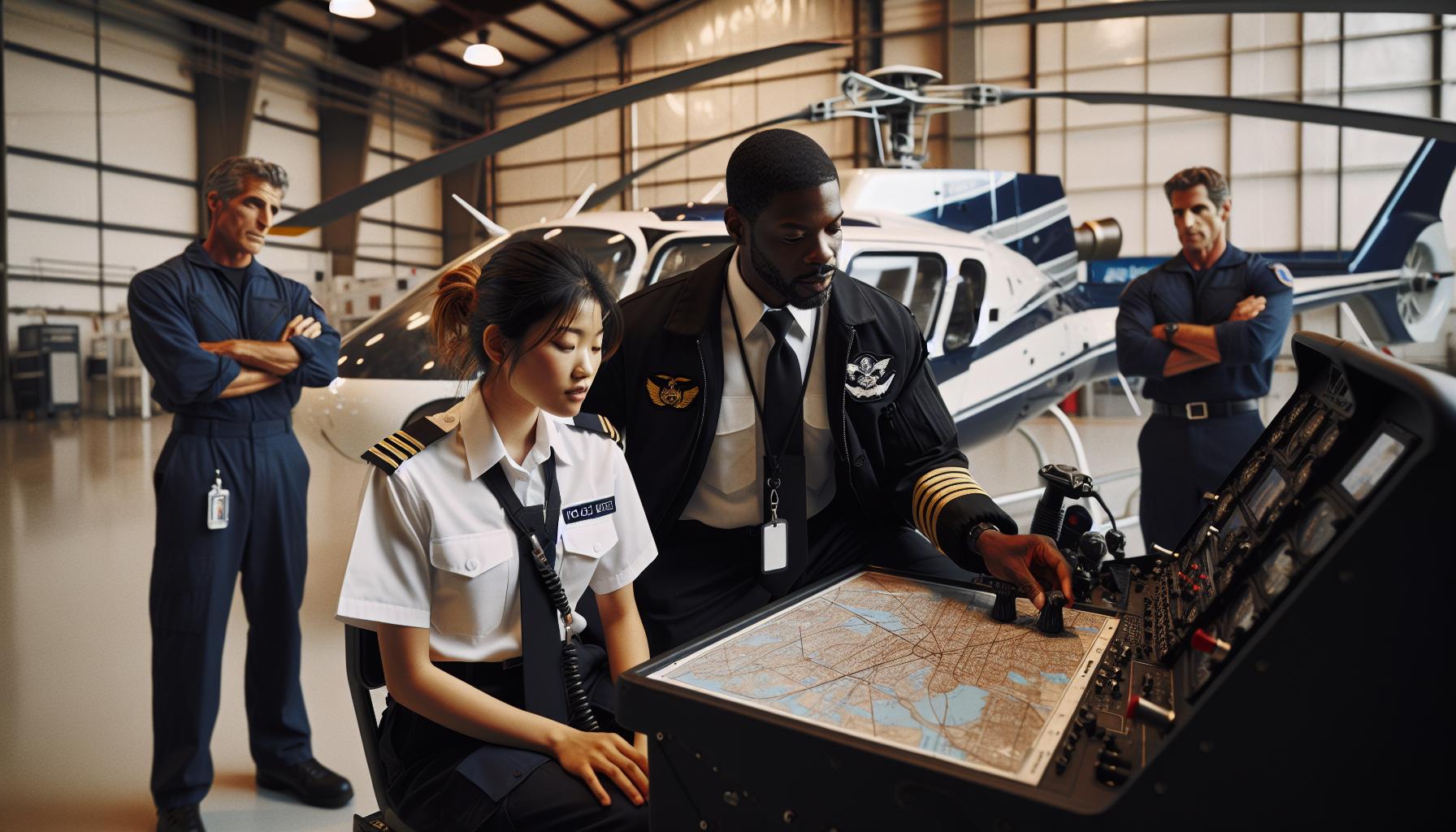
Essential Qualifications for Helicopter Pilots
Aspiring police helicopter pilots must meet a rigorous set of qualifications to succeed in this exciting and demanding career. The path is both fulfilling and competitive, requiring a blend of formal education, practical flying experience, and specialized training aimed at law enforcement operations.
To begin, obtaining a Private Pilot’s License (PPL) is a crucial first step. This certification involves not only completing a minimum of 40 flight hours, including solos and cross-country flights, but also passing both written and practical exams. Following this, aspiring pilots should pursue an Instrument Rating, which allows them to navigate in poor weather conditions-an essential skill for law enforcement missions. Afterward, achieving a Commercial Pilot’s License (CPL) is necessary, which permits pilots to receive payment for their flying services. Finally, a Helicopter Rating needs to be added to the CPL, specifically targeting the unique skills required for flying helicopters.
Once the foundational licenses are secured, building flight experience becomes paramount. Many pilots start by gaining experience in general aviation or as flight instructors, logging flight hours and improving their skills. It’s also advantageous to engage in flight programs tailored to law enforcement aviation, as these impart crucial insights into police operations. Partnering with experienced police aviation professionals can provide mentorship and networking opportunities, which might facilitate entry into law enforcement agencies.
Moreover, police helicopter pilots are required to complete specialized training on emergency response, aerial surveillance, and other unique operational procedures. Understanding the specific types of helicopters used in law enforcement-such as the Bell 407 or Eurocopter AS350-and their operational capabilities is vital. Each model has distinct limitations and features that a pilot must master to perform effectively in high-pressure situations.
Additionally, prospective pilots should maintain a high level of physical fitness and mental sharpness, as the job demands it. Regular health assessments and continuing education on aviation advancements and law enforcement protocols are also critical for career longevity and effectiveness. By meeting these essential qualifications, aspiring police helicopter pilots can prepare to take on one of the most thrilling roles within law enforcement, capturing both the sky and the community’s trust.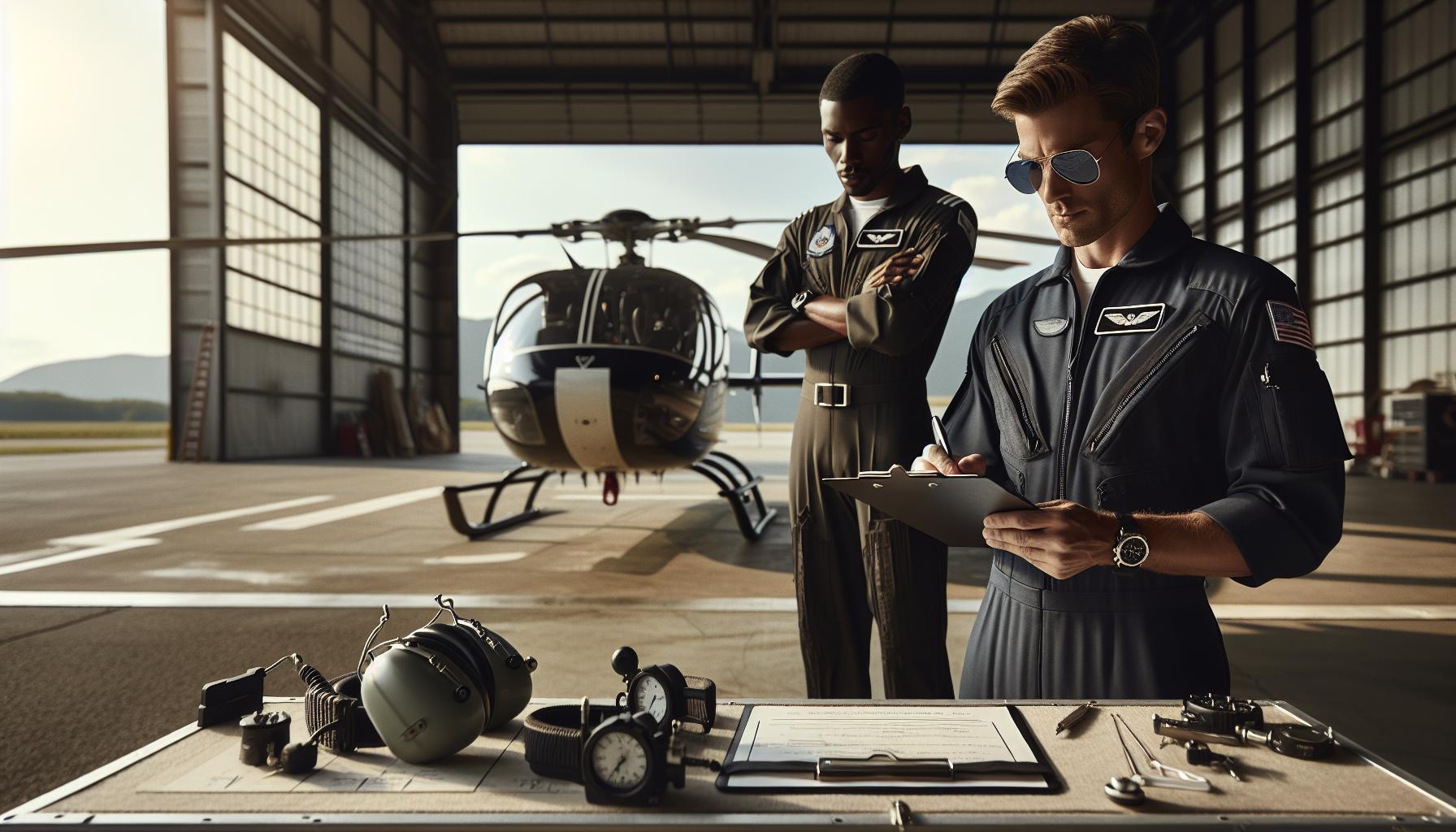
Understanding Police Aviation Operations
Understanding the intricacies of police aviation operations is not just crucial for aspiring helicopter pilots; it also highlights the essential role that aviation plays in modern law enforcement. Police aviation units provide critical support for various operations, including search and rescue missions, traffic monitoring, and crime scene surveillance. Helicopters can cover large areas quickly, offering real-time aerial views that ground units cannot match. This capability significantly enhances response times and situational awareness, which are vital in emergency situations.
At the core of police aviation operations is a synergy between the helicopter pilots and the ground law enforcement officers. Effective communication between these teams is essential. For example, during high-speed pursuits or when tracking suspects on foot, helicopters can relay information about the suspect’s movements, assisting officers on the ground in making informed decisions on how to proceed. The use of advanced technologies, such as thermal imaging and night vision, elevates these operations, allowing pilots to operate effectively in low-light conditions and adverse weather.
Training for police aviation units includes not only standard flying skills but also specialized courses on law enforcement protocols and tactical operations. Helicopter pilots learn about the legalities surrounding surveillance and the ethical considerations of their role. Additionally, they must be proficient in operating the technical equipment aboard their helicopters, as this technology is integral to the success of police operations. Understanding how to coordinate with other emergency services during multi-agency operations is also a vital part of their training.
In conclusion, recognizing the demands and responsibilities of police aviation operations sets the stage for a successful career as a police helicopter pilot. For those enthusiastic about combining their passion for aviation with a dedication to public service, this career path offers not only thrilling flying experiences but also the opportunity to make a significant impact on community safety and security.
Key Skills Required for Success in This Role
In the demanding environment of police aviation, success hinges on a blend of technical proficiency, acute situational awareness, and robust interpersonal skills. As self-driven individuals prepared to respond to emergencies at a moment’s notice, aspiring police helicopter pilots must cultivate a diverse skill set to navigate the complexities of their role effectively.
Technical Proficiency
Strong foundational skills in flying are central to a police helicopter pilot’s success, which includes mastering advanced piloting techniques and understanding helicopter systems. Knowledge of your aircraft’s capabilities and limitations is vital for making quick operational decisions. Moreover, familiarity with navigational systems, aerial communication protocols, and the use of law enforcement-specific technology-such as infrared cameras and FLIR (Forward Looking Infrared)-is crucial. Being comfortable with this equipment helps pilots provide real-time assistance to ground units, enhancing the overall effectiveness of police operations.
Situational Awareness and Problem-Solving
A sharp sense of situational awareness allows pilots to anticipate challenges and react appropriately during high-stress scenarios. Whether navigating through inclement weather or maintaining communication during a pursuit, the ability to analyze rapidly changing situations is paramount. Additionally, honing problem-solving skills is essential as pilots often need to troubleshoot technical issues mid-flight or adapt their strategies based on new information from law enforcement teams on the ground.
Interpersonal and Communication Skills
Effective communication cannot be overstated in police aviation. Pilots must not only articulate clear instructions to ground crews and other emergency responders but also actively listen and respond to dynamic inputs during flight. Building strong relationships within the law enforcement community fosters teamwork and collaboration, ensuring that aerial support is aligned with mission objectives. Given the collaborative nature of police work, being approachable and adaptable can greatly enhance operational effectiveness.
Physical and Mental Resilience
Lastly, a police helicopter pilot must maintain strong physical conditioning and mental resilience. The job often requires long hours, potentially stressful situations, and extensive concentration. Pilots must manage stress, stay fit enough to endure physically demanding missions, and maintain mental focus to ensure safe and effective operations. Training in stress management techniques and prioritizing physical health can greatly contribute to a pilot’s overall performance.
The multifaceted skills required for this career reflect not just the technical demands of aviation, but also the interpersonal and situational challenges faced in law enforcement. For those eager to take to the skies and serve their communities, cultivating these abilities is a beneficial step toward achieving success as a police helicopter pilot.
Types of Helicopters Used in Law Enforcement
When it comes to law enforcement aviation, the type of helicopter used can significantly impact the effectiveness of police operations. Various helicopter models, each with unique capabilities, are employed by police departments across the country. These machines are not just flying vehicles; they are equipped with advanced technology tailored for surveillance, pursuit, and search-and-rescue missions. Understanding the different can give aspiring police pilots insight into what to expect in their careers and the skill sets required to operate these aircraft effectively.
Common Helicopter Models Used in Law Enforcement
Law enforcement agencies typically select helicopters that can handle diverse terrains and missions. Some of the most commonly utilized models include:
- Bell 407: Known for its speed and versatility, the Bell 407 is favored for pursuit operations and aerial surveillance. Its spacious cabin allows for the installation of law enforcement equipment, such as thermal imaging cameras.
- Eurocopter AS350 B3: Renowned for its performance in hot and high conditions, this model is excellent for search and rescue. It offers exceptional maneuverability which is crucial during pursuit missions.
- MD Helicopters MD 500: Sports an agile design and is commonly used for patrols and quick-response missions. Its small size allows it to access confined areas that larger helicopters can’t reach.
- Law Enforcement Sikorsky S-70: Often utilized for tactical operations, this aircraft is equipped to handle more demanding missions due to its heavy-duty structure and advanced onboard systems.
Features and Capabilities
The helicopters used in law enforcement are outfitted with specialized features that enhance their operational effectiveness. These often include:
- Thermal Imaging Cameras: Essential for locating suspects or missing persons in low light or nighttime conditions.
- Searchlights: Powerful lights to illuminate ground activities during night patrols.
- PA Systems: Allowing pilots to communicate with the public or suspects from the air.
- GPS and Mapping Technology: Crucial for navigation and situational awareness during missions.
A Step Towards Your Career
For aspiring police helicopter pilots, familiarizing oneself with these aircraft and their capabilities is vital. Training typically involves not just piloting skills but also learning to operate the advanced technology onboard. Understanding the mission roles of these helicopters can guide future pilots in developing the skills and knowledge necessary for successful careers in police aviation. Being proficient in using law enforcement technology, coupled with traditional flying skills, prepares candidates for the dynamic and demanding environment they will face in the field.
The choice of helicopter model also reflects the needs and mission profiles of the specific police agency, ensuring that pilots are well-equipped to respond to a wide range of situations. Embracing this knowledge fosters a deeper appreciation for the critical role police aviation plays in community safety and crime response.
Navigating the Training and Certification Process
Becoming a police helicopter pilot is an exciting journey that combines the thrill of aviation with the responsibility of law enforcement. As you embark on this path, understanding the training and certification process is crucial for your success. Typically, aspiring pilots begin by obtaining a Private Pilot License (PPL), which requires a minimum of 40 flight hours. However, most candidates aim for a commercial pilot license (CPL) sooner, as it allows for more advanced flight operations and is often a requirement for police flying positions.
Once you have completed your PPL, the next step is to obtain a Commercial Pilot License with a Rotorcraft-Helicopter rating, which involves additional training focused on the specific dynamics of helicopter flight. This training typically includes at least 150 flight hours, specific maneuver training, and night flying. Enrolling in a flight training school that specializes in helicopter operations can be beneficial, as they provide structured programs and experienced instructors. Many schools also offer courses tailored towards law enforcement applications, which can give you an edge when applying for a police aviation role.
In addition to the necessary pilot certifications, many police departments require candidates to undergo specialized training in law enforcement procedures and emergency response tactics. This training is invaluable, as it prepares pilots for the unique challenges they will face in the field, such as coordinating with ground units during pursuits or utilizing onboard technology for surveillance purposes. Some agencies even have their own training academies that provide immersive, hands-on experiences, ensuring pilots are ready to perform under pressure.
Moreover, continuing education is essential. Staying updated with the latest aviation technologies, safety protocols, and law enforcement tactics can significantly enhance your career. Consider joining professional organizations such as the Airborne Law Enforcement Association (ALEA), which offer resources, networking opportunities, and access to further training programs. By actively pursuing these development opportunities, aspiring police helicopter pilots can lay a solid foundation for a successful and fulfilling career in aviation law enforcement.
Career Advancement Opportunities in Police Aviation
As you soar through the skies as a police helicopter pilot, your career opportunities expand alongside your experience and skills. Whether you’re in the cockpit during daylight hours or navigating challenging nighttime operations, advancing your career in police aviation can be as thrilling as flying itself. Various paths lead to higher responsibilities, specialized roles, and enhanced skills within law enforcement aviation.
One of the most common routes for career advancement is moving into specialized units within your department. For instance, pilots often transition into roles focused on aerial surveillance, search and rescue operations, or tactical support for SWAT teams. Each specialty not only requires exceptional flying skills but also an in-depth understanding of the specific operational procedures. Pilots interested in these areas may pursue further training or certifications that align with tactical missions or humanitarian operations.
Another significant opportunity for growth lies in management and leadership roles. After acquiring considerable experience, pilots can progress to become chief pilots or aviation unit commanders. In these positions, they oversee operations, manage personnel, and ensure that all flying activities comply with safety regulations and departmental policies. Leadership training and business acumen are valuable assets as you step into these roles, allowing you to effectively coordinate between aviation personnel and law enforcement management.
Networking is essential for career advancement; establishing connections with fellow aviators and law enforcement professionals can open doors to mentorship and knowledge-sharing opportunities. Participating in aviation conferences, law enforcement seminars, and joining organizations like the Airborne Law Enforcement Association (ALEA) not only enriches your resume but also fortifies your professional relationships in the field.
Lastly, continuous education is vital in this fast-evolving sector. Staying abreast of the latest aviation technologies-such as new helicopter models and advanced navigation systems-can set you apart. Attending training sessions focused on law enforcement advancements can enhance your operational knowledge. The fusion of cutting-edge technology with law enforcement tactics amplifies the essential role helicopter pilots play in public safety, providing numerous avenues for those eager to ascend in police aviation.
By embracing these growth opportunities, pilots can not only elevate their own careers but also make lasting contributions to their departments and communities.
The Role of Helicopter Pilots in Emergency Response
As the blades of a police helicopter spin to life, they herald not just the arrival of a specialized aircraft but a critical resource in emergency response scenarios. Helicopter pilots play a vital role during crises, where every second counts, whether it be in pursuit of a fleeing suspect, conducting a search and rescue operation, or providing aerial support during natural disasters. Their unique perspective from the skies enables them to assess situations and offer real-time intelligence that can significantly impact outcomes on the ground.
One of the primary roles of helicopter pilots in emergency response is facilitating rapid support for ground units. When a high-speed chase unfolds, pilots can provide crucial situational awareness, helping to track suspects and strategize effective containment measures. They scan for escape routes and can relay vital information to ground officers, who rely on this intelligence to make quick, informed decisions. In instances of missing persons or disasters, aerial searches can cover vast areas quickly, allowing ground search teams to concentrate their resources effectively.
In addition to pursuit and search operations, police helicopter pilots often engage in life-saving missions, such as medical evacuations. Equipped with advanced medical equipment and trained emergency personnel onboard, helicopters can transport critically injured individuals to hospitals faster than ground vehicles in congested areas. For example, the swift airlifting of trauma victims during major accidents can be the difference between life and death. Helicopter teams also assist in directing emergency services during significant incidents, coordinating efforts to ensure a more effective response.
While the job is rewarding, it comes with high-stakes challenges. Pilots must be prepared for a variety of unpredictable situations, including adverse weather conditions and complex ground dynamics. The training required to handle these scenarios is rigorous, emphasizing not only flying skills but also strategic thinking and teamwork with law enforcement personnel on the ground.
Engaging in emergency response necessitates a profound sense of duty and resilience, qualities that aspiring helicopter pilots should cultivate. The blend of thrilling aviation and pivotal public service makes this career path uniquely fulfilling for those drawn to aerial law enforcement. With the right preparation and mindset, helicopter pilots can soar into a profession that not only challenges them technically but also allows them to make a crucial difference in their communities.
Salary Expectations and Job Outlook for Police Pilots
The allure of soaring through the skies in a police helicopter comes with a promising career path, but it’s essential to understand the financial and professional landscape for police pilots. Typically, police helicopter pilots can expect to earn an annual salary ranging from $60,000 to over $120,000, depending on various factors such as experience, location, and specific department pay scales. As they gain more experience and take on additional responsibilities, many pilots can see their earnings increase significantly.
Several factors influence salary expectations within this niche field. Location is critical; cities with higher living costs and larger law enforcement budgets tend to offer more competitive salaries. For instance, police helicopter pilots in metropolitan areas may earn more due to the higher demand for aerial support and the complexities involved in urban operations. Additionally, seniority and rank play substantial roles; pilots who hold advanced roles or leadership positions can expect higher compensation.
Job Outlook
The job outlook for police helicopter pilots remains robust, particularly as public safety agencies increasingly recognize the value of aerial support in various operations. The need for efficient law enforcement and emergency response is continually growing, especially with the rise in complex criminal activities and natural disasters. As a result, many departments are investing in aviation units, creating new opportunities for aspiring pilots.
It’s important for those interested in this career to remain competitive by continuously enhancing their skills and certifications. Many law enforcement agencies prioritize candidates with a solid background in both piloting skills and law enforcement procedures, creating a blend of aviation and police work that is highly prized.
The path to becoming a police helicopter pilot may not be straightforward, but with the right preparation and strategic approach, those who are passionate about aviation and public service will find a fulfilling career that offers both excitement and a meaningful contribution to community safety.
Challenges Faced by Police Helicopter Pilots
Navigating the skies in a police helicopter is undoubtedly thrilling, but it also comes with unique challenges that require a blend of skills, resilience, and unyielding focus. One of the most significant is the demanding nature of the job, which often includes irregular hours and high-stress situations. These pilots are frequently called to assist in urgent scenarios, such as pursuit operations or search and rescue missions, where every second counts. This unpredictability can lead to mental and physical fatigue, making it crucial for pilots to maintain exceptional stamina and mental clarity.
Another challenge is the complex operational environment. Police helicopter pilots must be proficient in navigating diverse terrains and weather conditions. Urban environments pose their own set of difficulties, including dealing with obstacles like tall buildings and power lines, as well as managing air traffic in congested areas. Remember, a slight miscalculation can lead to dangerous situations, not only for the pilot but also for the community and the law enforcement personnel on the ground. As such, continuous training and simulations are essential to ensure that pilots can handle these challenging circumstances effectively.
Safety is always a top priority, and police helicopter pilots must also be acutely aware of the risks associated with flying. The aviation field has seen unfortunate incidents, including crashes that have claimed the lives of pilots and crew members. Each tragedy serves as a stark reminder of the responsibility that comes with this role. Pilots are trained to execute emergency procedures, but they must also cultivate a mindset that prepares them to respond quickly and decisively when faced with mechanical failures or adverse conditions.
Finally, there’s the emotional toll that can accompany flying in high-stakes law enforcement situations. Pilots are frequently involved in critical operations that affect public safety, and they may witness traumatic events firsthand. Building resilience to cope with such experiences is vital. Many departments offer resources for mental health support, emphasizing the importance of well-being in such a demanding profession.
In summary, while flying as a police helicopter pilot can be exhilarating, it comes with a distinct set of challenges, from the high-pressure nature of police work to the physical and emotional demands of the job. Aspiring pilots should prepare themselves for these realities, ensuring they have the right mindset, skills, and support systems in place to navigate their journey successfully.
Real-Life Experiences: Stories from the Cockpit
Flying high above the city, equipped with a unique bird’s-eye view, police helicopter pilots encounter experiences that are as thrilling as they are challenging. Each flight can bring diverse encounters, from high-stakes pursuits to life-saving rescues, painting a vivid picture of the vital role they play within law enforcement.
One gripping account shared by a veteran pilot revolves around a nighttime pursuit. The team was dispatched to track a stolen vehicle linked to a series of burglaries. As they flew overhead, using thermal imaging cameras, they spotted the suspect hiding in a dense wooded area. Their swift coordination with ground units, coupled with their aerial vantage point, allowed them to guide officers directly to the suspect’s location, leading to a safe apprehension without any injuries. This pilot emphasized the crucial importance of communication and teamwork, stating, “Our role is not just about flying; it’s about being the eyes in the sky and ensuring the safety of everyone involved.”
In contrast, another pilot recounted a harrowing day during a search and rescue operation. A young hiker had gone missing in the mountains during a sudden storm. As the helicopter ascended into worsening weather conditions, the pilot had to balance the need for speed with the safety of the crew and the aircraft. Using advanced navigation tools and their training, they were able to locate the hiker just in time, briefing the ground rescue team for a safe extraction. This pilot reflected on the emotional weight of their job, sharing, “Every time we save a life, it reminds us why we do this. The relief on a family’s face is priceless.”
While there are incredible moments of triumph, the role of a police helicopter pilot is not without its somber realities. The industry has faced tragedies, including accidents that have claimed lives. It is crucial to honor the memory of those lost while amplifying the importance of safety training and emergency response protocols. Each incident stresses the need for ongoing training and mental preparation among pilots, ensuring they remain equipped to handle the unforeseen challenges of the skies.
These personal stories highlight the exhilarating yet demanding nature of police aviation. Aspiring pilots are encouraged to prepare for a career filled with unpredictable encounters and significant responsibilities, ready to respond when it matters most. It’s not merely a job; it’s a commitment to serving the community from above, making every second count.
Exploring Related Careers in Aviation and Law Enforcement
Becoming a police helicopter pilot is an incredible journey, but it’s important to remember that there are several other rewarding career paths within aviation and law enforcement that also contribute significantly to community safety and support. Exploring these options can provide aspiring pilots-and those with different interests-a broader view of potential vocational opportunities.
One prominent career is that of a law enforcement officer. While not directly related to aviation, officers often work closely with aerial units during operations. They conduct ground investigations, manage traffic incidents, and engage with the community, forming essential links in the public safety network.
Another interesting role is that of air traffic controller. These professionals manage the safe movement of aircraft in controlled airspace and on the ground. For those captivated by the dynamics of aviation but who may not wish to become pilots, air traffic control offers a fast-paced and critical career with significant impacts on safety and efficiency in the skies.
For individuals more interested in the technical side, aviation mechanics and technicians play an essential role in ensuring that helicopters and other aircraft are maintained and repaired properly. Their work includes conducting inspections, diagnosing issues, and ensuring compliance with aviation regulations-skills that maintain the safety and reliability of police aviation operations.
Additionally, search and rescue (SAR) personnel and emergency medical technicians (EMTs) often operate in synergy with police aviation units. SAR teams rely on helicopter pilots for aerial support during missions, while EMTs may be involved in airlifting patients or victims to safety, showcasing the collaborative nature of these roles.
For those looking at careers that combine aviation with technology, areas such as drone piloting and operation are emerging rapidly within law enforcement. Drones are increasingly used for surveillance, search and rescue, and crime scene mapping, providing a valuable aerial perspective without the same logistical costs and challenges as manned aircraft.
In summary, while the path to becoming a police helicopter pilot is deeply rewarding, a variety of other career options in both aviation and law enforcement exist, each fulfilling crucial roles in ensuring community safety and enhancing operational effectiveness. Exploring these roles allows aspirants to find the best fit for their skills and interests while contributing to the broader mission of public safety.
Frequently asked questions
Q: What education is required to become a police helicopter pilot?
A: To become a police helicopter pilot, you typically need a bachelor’s degree in aviation, criminal justice, or a related field. Additionally, obtaining a commercial pilot’s license and a helicopter instrument rating is essential. Specialized training programs can further enhance your qualifications.
Q: How many flight hours are needed to be a police helicopter pilot?
A: Most police departments require at least 1,000 flight hours, including time in helicopters. Building flight hours through general aviation or other flying jobs is crucial before applying for police aviation positions.
Q: What is the role of a police helicopter pilot?
A: A police helicopter pilot is responsible for overseeing aerial support during law enforcement operations, including surveillance, search and rescue, and traffic monitoring. They work closely with ground officers to coordinate responses effectively.
Q: Are there physical requirements to become a police helicopter pilot?
A: Yes, police helicopter pilots must meet specific physical requirements, including vision and health standards. A medical exam from an FAA-authorized aviation medical examiner is typically required to ensure fitness for flight duties.
Q: What skills are essential for success as a police helicopter pilot?
A: Essential skills include strong communication, decision-making, and situational awareness. Proficiency in navigation and understanding of law enforcement operations are also critical for effectively performing their duties.
Q: How does a police helicopter pilot train for emergency situations?
A: Police helicopter pilots undergo rigorous training that includes emergency procedures, aerial firefighting, and search and rescue operations. Simulated scenarios and ongoing training keep their skills sharp for real-life emergencies.
Q: What career advancement opportunities exist for police helicopter pilots?
A: Career advancement can include promotions to supervisory roles, training instructor positions, or moving into specialized aviation units. Continuous education and networking within law enforcement can also lead to enhanced opportunities.
Q: What challenges do police helicopter pilots face in their job?
A: Police helicopter pilots face challenges such as unpredictable weather conditions, high-stress situations, and the need for quick decision-making. Balancing safety with operational demands is also crucial to their role.
Final Thoughts
As you embark on the exciting journey to become a police helicopter pilot, remember that every step brings you closer to a rewarding career that combines aviation skills with public service. Stay informed about required certifications and training programs, and consider checking out our comprehensive guides on helicopter operations and law enforcement career paths to equip yourself with essential knowledge.
Don’t wait to turn your passion for flying and helping others into a fulfilling career! Dive deeper into related topics like navigating police aviation careers or exploring helicopter technology by visiting our articles. Be sure to subscribe to our newsletter for the latest updates and insights into the world of aviation and law enforcement. Your dream job is just a flight plan away-let’s get started today!
Get our latest guides, news, and insights highlighted in your Google Search & AI Overviews.