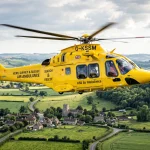
Have you ever gazed up at a helicopter and wondered about the people flying them? As exciting as it is, the financial aspect of becoming a helicopter pilot is often shrouded in mystery. In this exploration, we’ll delve into the salary landscape for helicopter pilots, examining factors like experience, job type, and location. Discovering the nuances of earning potential can illuminate your path if you’re considering a career in aviation or just curious about how much these skilled pilots actually make. So, whether you dream of soaring through the skies or are simply interested in the realities of this profession, read on to uncover the truth behind helicopter pilots’ salaries.
Helicopter Pilot Salary Overview: What to Expect
The allure of becoming a helicopter pilot often draws many aviation enthusiasts. However, potential pilots frequently ask, “What can I expect to earn in this career?” Helicopter pilots can indeed make a lucrative income, but the specifics can vary widely based on several factors. Recent data indicates that the average salary for helicopter pilots in the United States ranges from approximately $50,000 to $120,000 annually, depending on the type of work and experience level.
Several variables influence these earnings. First, the type of helicopter operations plays a significant role; pilots working in specialized fields like medical evacuation and search and rescue can command higher salaries due to the increased skill and risk involved. Moreover, the pilot’s experience is crucial-entry-level pilots often earn closer to the lower end of the salary spectrum, while those with extensive flight hours or unique qualifications can reach much higher financial levels.
Regional demand also affects salary outcomes. For instance, pilots based in urban areas or regions with a high demand for helicopter services may earn more than those in less populated areas. Additionally, the industry sector matters; commercial pilots working for tour companies or news outlets may see different ranges compared to those employed in law enforcement or military roles. Overall, while there is significant earning potential in helicopter piloting, the journey involves careful navigation through various factors that can ultimately shape one’s salary trajectory.
Factors Influencing Helicopter Pilot Salaries
As you explore the realm of helicopter piloting, it’s essential to understand what factors can markedly influence your earning potential in this exciting career. Salary variation for helicopter pilots can be attributed to several key elements, making the journey of becoming a pilot both fascinating and complex.
One of the primary determinants is the type of operations conducted. For instance, pilots engaged in specialized fields, such as medical emergency services or search and rescue, often see higher salaries. These roles require advanced skills and carry additional risks, justifying the financial reward. In contrast, pilots operating in less critical environments, like air tourism, may find their earnings on the lower end of the scale.
Experience also plays a critical role. Newly-certified pilots typically start at the lower end of the salary spectrum, around $50,000. However, as they log flight hours and gain specialized certifications, experienced pilots can earn upwards of $120,000 annually. A seasoned pilot with unique skills or experience in high-demand sectors might command even more, further demonstrating how essential experience is in delivering improved earning potential.
Regional demand is another significant factor affecting salaries. Pilots in major urban centers or regions with high helicopter activity, such as oil drilling sites or tourist hotspots, often earn more than those in rural areas. This geographical influence highlights the importance of location in determining not only job opportunities but also salary ranges.
Lastly, the industry in which a pilot works can dictate earning power. For example, those flying for law enforcement or the military typically enjoy more stable and often lucrative compensation compared to those in tourism. Recognizing these industry distinctions is crucial for aspiring helicopter pilots seeking to maximize their earning potential.
In summary, understanding these factors-from operational type and experience to regional demand and industry specifics-can help aspiring helicopter pilots navigate their career paths and set realistic salary expectations. With the right blend of skills and strategic choices, the prospects for a rewarding career in helicopter piloting can be exceptionally promising.
Comparative Salary Analysis: Helicopter Pilots vs. Other Pilots
While many aspire to fly high and enjoy the thrill of piloting, understanding the financial realities of being a helicopter pilot compared to other aviation professions is crucial. Typically, helicopter pilots can expect to earn slightly less than their fixed-wing counterparts, but the exact figures can vary significantly based on numerous factors such as experience, specialization, and the industry in which they operate.
In general, commercial airline pilots, who fly larger aircraft, tend to command higher salaries due to the rigorous training requirements and the additional responsibilities involved. For instance, airline pilots can earn an average salary upwards of $150,000, particularly in larger, established companies. Conversely, helicopter pilots’ average salaries range from about $50,000 for entry-level positions to around $100,000 or more as they gain experience and move into specialized roles such as emergency medical services or law enforcement. These specialized roles not only bring additional compensation but also often come with greater responsibilities and risks, justifying the higher pay.
Another key consideration is the flying environment. Helicopter pilots engaged in oil and gas exploration or search and rescue operations might find themselves earning significantly more due to the specialized skills required in these high-stakes areas. Many pilots have successfully transitioned between flying helicopters and airplanes, gaining a broader perspective on salary realities across both fields. This flexibility often opens the door for helicopter pilots to further their careers in aviation, potentially stepping into more lucrative opportunities as they accumulate diverse flying experiences.
Ultimately, while helicopter pilots may earn less on average compared to those flying commercial jets, the unique challenges and rewarding experiences of piloting rotorcraft can make this career path both satisfying and financially viable for those willing to invest in their training and excel in demanding operational roles.
Regional Differences in Helicopter Pilot Earnings
The income of helicopter pilots often varies significantly based on their location, reflecting broader economic conditions, demand for aviation services, and local industry needs. Understanding these regional differences can provide valuable insights for aspiring pilots as they consider where to launch their careers.
In the United States, for instance, helicopter pilots working in states with robust industries, such as Texas and Alaska, generally earn higher salaries. In Texas, the booming oil and gas sector drives demand for pilots, particularly those skilled in offshore operations and pipeline inspections. As a result, many pilots in this area can command salaries well above the national average. Conversely, in regions where helicopter operations are less prevalent, such as the Midwest, salaries can lag behind, reflecting lower demand and fewer available job opportunities.
### Key Factors Influencing Regional Salaries
Several factors contribute to the disparity in earnings among helicopter pilots across different regions:
- Local Industry Demand: Areas with significant tourism, rescue services, or medical transport often offer better-paying opportunities.
- Cost of Living: Regions with a higher cost of living, like California or New York, may offer salaries that reflect this, although the net gain can sometimes be negligible after expenses.
- Types of Operations: Pilots involved in specialized sectors, such as agricultural spraying in the Midwest or firefighting in California, often see higher wages due to the unique skills required.
- Training Facilities: Proximity to training institutions or flight schools can attract fresh pilots to an area, influencing salary averages.
### Salary Breakdown by Region (Sample Estimates)
| Region | Average Salary (USD) | Notable Industries |
|---|---|---|
| Texas | $70,000 – $100,000 | Oil & Gas, Emergency Services |
| California | $60,000 – $90,000 | Tourism, Film & TV Production |
| New York | $55,000 – $85,000 | Medical Transport, Corporate Services |
| Alaska | $80,000 – $120,000 | Transportation, Search and Rescue |
| Midwest | $50,000 – $70,000 | Agriculture, General Aviation |
Prospective pilots should research local markets and target regions where their skills and specializations align with high-paying opportunities. Each area presents unique prospects and challenges, making informed decisions about training and job searches essential for maximizing earning potential in this dynamic field.
Experience and Education: Their Impact on Salary
To excel as a helicopter pilot, the interplay between experience and education plays a crucial role in shaping salary expectations and career progression. Generally, pilots with extensive flight hours and advanced certifications command higher wages. For instance, pilots with specialized skills, such as those qualified for night vision goggle operations or offshore pilotage, often see a significant salary enhancement due to the demand for their expertise.
Achieving a pilot’s license is just the beginning; continuing education and additional certifications can set a pilot apart in a competitive job market. Many employers prefer candidates with a college degree, especially in aviation or related fields, as it demonstrates a foundational understanding of the industry and enhances problem-solving skills. Additionally, training from reputable flight schools often adds credibility, making graduates more attractive to potential employers.
Real-World Examples of Experience and Education Impact
To illustrate, consider two helicopter pilots: one with a high school diploma and a few hundred flight hours, and another with a degree in aviation and several thousand hours of experience. The second pilot is more likely to be considered for high-paying positions in sectors like medical transport or corporate aviation, where safety and professionalism are paramount. This could result in starting salaries ranging from $20,000 to $50,000 higher annually compared to their less experienced counterpart.
Ultimately, aspiring pilots should focus not only on logging flight hours but also on pursuing relevant training and education pathways. Investing in a degree or specialized training programs can pay dividends down the road, positioning pilots for better-paying opportunities and career advancement in this dynamic field.
Guidelines for Aspiring Pilots
- Seek out accredited flight schools that offer comprehensive training and strong job placement assistance.
- Consider obtaining advanced ratings, such as an instrument rating or a flight instructor certificate, to increase employability.
- Network with established pilots and attend aviation seminars to stay informed about industry trends and job opportunities.
- Keep an open mind about different sectors within aviation; opportunities in tourism, emergency medical services, and agricultural operations can provide excellent earning potential.
With the right combination of education, experience, and ongoing professional development, helicopter pilots can position themselves for rewarding careers and lucrative salaries.
Specializations within Helicopter Piloting: Earnings Breakdown
A diverse range of specializations within helicopter piloting can significantly influence earning potential. Each specialization not only requires different skill sets and training but also impacts salary in varying degrees. Understanding these distinctions is vital for aspiring pilots seeking to maximize their earning potential in this dynamic field.
For instance, medical evacuation pilots, known for their critical role in emergency medical services, can expect higher salaries-often exceeding $80,000 annually due to the high-stress nature and importance of their work. Similarly, offshore oil rig pilots, who transport personnel and equipment in challenging weather conditions, can command salaries upwards of $100,000, reflecting the risks and technical expertise required. On the other hand, tourism pilots, who provide scenic helicopter rides, typically earn between $40,000 and $70,000, depending on popularity and location of operations.
Understanding the financial landscape of these specializations is essential. Here’s a quick breakdown of some common helicopter pilot specializations and their estimated salary ranges:
| Specialization | Salary Range |
|---|---|
| Medical Evacuation Pilot | $80,000 – $120,000 |
| Offshore Oil Rig Pilot | $100,000 – $150,000 |
| Tourism Pilot | $40,000 – $70,000 |
| Agricultural Pilot | $50,000 – $80,000 |
| Flight Instructor | $50,000 – $75,000 |
As pilots gain experience and additional certifications, such as an advanced instrument rating or night vision goggle qualifications, their opportunities to step into higher-paying roles increase substantially. By pursuing these niche areas and understanding their specific demands, aspiring helicopter pilots can strategically navigate their career paths to achieve financial success while fulfilling their passion for flying.
Industry Opportunities: High-Paying Helicopter Pilot Jobs
Helicopter piloting can be an exhilarating career, not only for the thrill of flying but also for the financial rewards that come with certain specialized positions. While many pilots find satisfaction in a variety of roles, those who target high-demand sectors can enjoy impressive salaries that reflect their skills, expertise, and commitment to excellence. For example, medical evacuation pilots, who provide critical services in emergency situations, can command salaries ranging from $80,000 to $120,000 per year. This high earning potential is due to the intensive training required and the inherent risks involved in their missions.
Specialized Roles in High-Demand Industries
The oil and gas industry consistently offers some of the highest paychecks for helicopter pilots. Offshore oil rig pilots, responsible for transporting personnel and equipment in unpredictable environments, can see salaries between $100,000 and $150,000. Such positions often require specialized training and experience with heavy-lift operations, further enhancing earning potential.
In addition to these roles, pilots involved in tourism can earn a solid income, generally between $40,000 and $70,000, depending on the location and frequency of flights. However, the most lucrative opportunities often lie in emergency medical services or other critical operations where pilots are essential to saving lives or maintaining vital infrastructures.
Pursuing Lucrative Opportunities
Aspiring helicopter pilots should consider their training paths carefully. Gaining additional certifications, such as advanced instrument ratings or specific experience in high-demand industries like agricultural services or firefighting, can significantly enhance job prospects and salary potential. Networking within these industries and staying updated on job openings can also provide valuable opportunities to land high-paying positions.
By focusing on these specialized niches and leveraging their training and experience, helicopter pilots can achieve financial stability while enjoying the unique excitement that comes with their profession. As the demand for skilled pilots continues to grow, especially in critical roles, the landscape offers promising possibilities for both new entrants and seasoned aviators alike.
Cost of Training and Certification for Helicopter Pilots
Becoming a helicopter pilot is an exciting journey, but it’s essential to be prepared for the financial investment required for training and certification. While the potential salaries can be impressive, the cost of getting to that point can be substantial. On average, aspiring helicopter pilots can expect to spend anywhere from $50,000 to $150,000 on their training, depending on various factors such as location, school reputation, and the type of license pursued.
Training Costs Breakdown
The costs associated with training can be divided into several categories:
- Ground School Tuition: This typically costs between $2,000 and $10,000, depending on the program and duration.
- Flight Time: Most programs require a minimum of 40 to 80 flight hours for a private pilot license, with costs averaging around $300 to $500 per hour.
- Equipment and Materials: Books, charts, and other necessary materials can add another few hundred dollars to your expenses.
- Testing Fees: Expect to pay fees for the FAA written, oral, and practical exams, which can range from $500 to $1,500.
- Additional Certifications: If you aim to specialize-like in medical transport or agriculture-additional ratings can cost another $10,000 or more.
Financing Your Training
Many aspiring pilots rely on various financing options to manage these costs. Scholarships, grants, and loans are often available through flight schools or aviation organizations. It’s advisable to research your options thoroughly and consider schools that offer financial assistance or payment plans.
Additionally, working as a flight instructor or in a related field while you complete your training can provide both experience and income, helping to offset some of the costs. The journey can be challenging, but with dedication and careful planning, many pilots find the financial commitment to be worthwhile as they pursue their dream of flying helicopters.
Job Outlook: Helicopter Pilot Demand and Growth Potential
The job outlook for helicopter pilots is promising, with a steady demand expected over the coming years. The Bureau of Labor Statistics (BLS) projects a growth rate of about 5% for helicopter pilots from 2021 to 2031, which is in line with the average for all occupations. This growth is influenced by several factors, including increased demand for air medical services, law enforcement applications, and tourism-based flights such as helicopter tours.
One of the major drivers of this demand is the expansion of emergency services, particularly in remote and underserved areas. Helicopters are essential for rapid medical transport, disaster response, and firefighting operations. As more municipalities and private companies invest in aerial support, opportunities in this sector are likely to expand. Additionally, industries such as oil and gas, agricultural aviation, and construction increasingly rely on helicopters for transport and logistical support, further broadening the field for qualified pilots.
Another key aspect to consider is the demographics of the current workforce. Many existing pilots are nearing retirement age, which creates openings for new pilots. This shift, combined with the anticipated growth in various sectors reliant on helicopter services, suggests a favorable job market for aspiring pilots who successfully complete their training and certifications.
To boost your employability in this competitive field, it’s beneficial to pursue additional certifications and focus on specializations such as search and rescue, agricultural spraying, or corporate transportation. These niches not only enhance your skills but could also lead to premium salaries as industries seek experienced and versatile pilots.
In summary, the outlook for helicopter pilots remains robust, with a variety of opportunities arising from the evolving needs of numerous industries. The combination of demographic shifts in the workforce and the expanding applications of helicopter travel means that pilots who are well-prepared and certified are likely to find rewarding careers waiting for them.
Real Stories: Helicopter Pilots’ Salary Experiences
The world of helicopter piloting is as varied as the helicopters themselves, and the experiences of those who fly them can provide valuable insights into the financial landscape of this career. Many pilots share their journeys, revealing a spectrum of salaries influenced by the roles they take on, the industries they serve, and their unique backgrounds.
- Emergency Medical Services (EMS) Pilots: Pilots working in EMS typically report earnings ranging from $60,000 to over $90,000 annually. Those with more experience or who fly for larger, well-funded programs often find themselves on the higher end of that scale. For many, the combination of job satisfaction and the potential for significant pay is compelling. One former military pilot transitioned to EMS work and highlighted the fulfillment of saving lives, which, along with the salary, makes the demanding hours worth it.
- Tourism Operators: Helicopter pilots in the tourism industry can earn between $40,000 and $70,000 a year, depending on location and demand. These pilots often work during peak seasons and may face fluctuating earnings dependent on tourism trends. A pilot who offers scenic tours near national parks noted that while summers are busy and lucrative, winters can lead to a significant drop in income, underscoring the importance of financial planning.
- Oil and Gas Industry: Pilots involved in the oil and gas sector report some of the highest salaries, often exceeding $100,000, especially those flying in challenging environments like offshore rigs. The trade-off, however, can be long hours and time away from home. One pilot shared that despite the demanding schedule, the financial rewards have allowed him to support his family comfortably and invest in additional training and equipment.
Job satisfaction and salary are often closely intertwined, but there are sacrifices involved in many roles. Aspiring pilots should deeply consider what sector aligns with their interests and lifestyle. Experienced pilots recommend dedicating time to build skills and network within chosen industries, as these relationships can be key to securing lucrative roles and advancing in the field.
Ultimately, salary experiences vary widely among helicopter pilots, influenced by specialization, geographic location, and industry demand. Whether drawn to emergency services, tourism, or the oil and gas sector, each pilot’s journey offers unique lessons that can inform aspiring aviators about the financial aspects of this rewarding career.
Negotiating Your Salary: Tips for Helicopter Pilots
Negotiating your salary as a helicopter pilot requires not just a solid understanding of your worth in the industry, but also strategic preparation. Market dynamics vary greatly by region, specialization, and the demand for pilots within specific sectors such as emergency medical services or oil and gas. To ensure you strike the right deal, start by familiarizing yourself with salary benchmarks in your field and location. Online resources, pilot community forums, and networking with fellow pilots can provide valuable insights into current pay scales.
When you approach negotiations, confidently present your qualifications, experience, and any unique skills you bring to the table. For instance, if you have advanced certifications or hours in difficult flying conditions, these should be highlighted as they significantly enhance your value. Be ready to discuss how your contributions can positively impact the hiring company, whether it’s through increased safety, efficiency, or even revenue generation in tourism operations.
Another crucial tip is to practice your negotiation skills. Role-play scenarios with a mentor or colleague to build confidence in articulating your worth. Understand that salary discussions shouldn’t be a one-sided affair; be prepared to listen and engage in a conversation about what the company can offer, beyond just the base salary. Additional benefits like health insurance, retirement plans, and flexible scheduling can be just as valuable as your hourly wage.
Finally, remember the importance of timing. If you’re in a position of strength-such as during a performance review or after completing a successful project-leverage that moment for your discussions. Likewise, being aware of the industry cycle can help you choose when to negotiate; for instance, after a spike in demand for pilots could be an opportune time to request higher compensation. With meticulous preparation and the right mindset, you can effectively navigate the negotiation process and secure a salary that reflects your expertise and dedication as a helicopter pilot.
Future Trends: How Will Salaries Change for Pilots?
As the aviation industry evolves, the landscape for helicopter pilots is poised for significant changes that could impact salary trends in the coming years. The demand for skilled helicopter pilots is expected to rise, driven by increasing applications in sectors such as emergency medical services, search and rescue operations, tourism, and commercial logistics. This surge in demand is likely to create upward pressure on salaries, as companies seek to attract qualified pilots in a competitive market.
Economic fluctuations and technological advancements also play crucial roles in shaping salary trends. With the rise of electric and hybrid helicopters, maintenance, and piloting requirements may shift, potentially requiring new training and certification. As pilots adapt to these changes, those with updated skills in operating advanced aircraft could see enhanced earning potential. Moreover, increased automation in aviation may alter the scope of pilot roles, creating a demand for versatile professionals who can manage both traditional and technologically-advanced flying systems.
Regional Trends and Career Growth
Geographical differences will remain significant in determining salaries for helicopter pilots. Regions with high demand for helicopter services, such as those with active tourism and natural resource industries, tend to offer higher compensation packages. Understanding the local job market will be key for aspiring pilots when considering where to build their careers.
For current pilots, pursuing specialization in lucrative fields, such as aerial firefighting or offshore oil rig transport, can lead to preferential hiring and higher salaries. Additionally, the potential for career advancement into roles like chief pilot or operations manager can further enhance long-term earning prospects.
In conclusion, staying informed about industry trends, seeking advanced training, and focusing on specialized skills will be essential for helicopter pilots navigating the evolving job market. As the industry adapts, those who proactively enhance their qualifications can secure a promising future with significant earning potential.
Frequently asked questions
Q: How much do helicopter pilots earn annually?
A: Helicopter pilots typically earn between $50,000 and $100,000 annually, depending on experience, location, and specialization. Entry-level pilots may start on the lower end, while experienced pilots, especially in specialized fields or in high-demand areas, can earn significantly more.
Q: What affects a helicopter pilot’s salary the most?
A: A helicopter pilot’s salary is influenced primarily by experience, location, and industry. Specializations such as medical transport or aerial firefighting can also lead to higher pay scales, as they often require more skills and training.
Q: Do helicopter pilots make more than fixed-wing pilots?
A: Generally, helicopter pilots may earn similar or slightly lower salaries compared to fixed-wing pilots. However, salaries vary widely based on factors such as job type and flying hours, making direct comparisons challenging.
Q: What is the highest-paying helicopter pilot job?
A: The highest-paying helicopter pilot jobs typically include roles in medical transport, search and rescue, or offshore oil rig support, where pilots can earn upwards of $100,000 to $150,000 or more, depending on experience and geographic location.
Q: Is there a demand for helicopter pilots in the future?
A: Yes, there is a strong demand for helicopter pilots projected for the future, particularly in sectors like emergency medical services, news broadcasting, and tourism. As infrastructures expand and industries grow, the need for skilled pilots will likely increase.
Q: How does education affect helicopter pilot salaries?
A: Higher educational qualifications, such as a degree in aviation or aeronautical science, can positively impact a helicopter pilot’s salary. Additionally, specialized training and certifications can enhance earning potential and job opportunities.
Q: Can helicopter pilots earn bonuses or overtime?
A: Yes, many helicopter pilots can earn overtime and bonuses, particularly in situations requiring long hours or specialized skills, such as emergency operations. This can significantly increase total annual earnings beyond base salaries.
Q: How do regional differences impact helicopter pilot pay?
A: Regional differences can greatly affect helicopter pilot pay. Areas with higher costs of living or greater demand for helicopter services, like urban centers, often offer higher salaries compared to rural areas. Factors such as local industry demand play a critical role in salary variations.
The Conclusion
In conclusion, understanding the salary landscape for helicopter pilots reveals not just the potential financial rewards but also the various pathways and challenges in this exciting field. If you’re still weighing your options or have concerns about training costs or job stability, don’t hesitate to dive deeper into our resources. Check out our articles on “Helicopter Pilot Training Costs” and “Career Paths in Aviation” for more insights.
Are you ready to take the next step towards your flying dreams? Subscribe to our newsletter for updates on aviation careers and exclusive tips that can set you apart in this competitive industry. Remember, every great helicopter pilot started with a single step-yours could be just a click away! Your journey in aviation awaits, and we’re here to help you along the way. Engage with us in the comments below; we love hearing your thoughts and answering your questions!
Get our latest guides, news, and insights highlighted in your Google Search & AI Overviews.