On January 26, 2020, the tragic helicopter crash that claimed the lives of NBA legend Kobe Bryant, his daughter Gianna, and seven others shocked the world and raised critical questions about aviation safety. As we explore the reasons behind this heartbreaking accident, including the weather conditions and other contributing factors, it’s essential to understand how these elements can impact flight safety and pilot decision-making. Many enthusiasts and aspiring pilots often ponder the complexities of flying, especially when faced with challenging circumstances like fog or turbulence. By diving into this topic, we honor the lives lost while also shedding light on important lessons for pilots and aviation professionals. What caused this fateful flight to end so abruptly? Join us as we analyze the intricate web of factors leading to this incident, empowering you with a deeper understanding of helicopter operations and safety.
The Role of Weather in Kobe Bryant’s Helicopter Crash
Weather plays a critical role in aviation safety, and in the tragic case of Kobe Bryant’s helicopter crash, it became a significant factor. On January 26, 2020, the helicopter encountered heavy fog and low visibility conditions, which contributed to the series of events leading to the crash. The flight departed from Orange County, California, intending to reach the Bryant family’s destination in Calabasas. However, as they approached their final approach, the pilot, Ara Zobayan, attempted to navigate through challenging weather, which ultimately proved fatal.
In low visibility conditions, pilots face a myriad of challenges, including difficulties in maintaining spatial awareness and visual references that are crucial for safe flying. The Sikorsky S-76B helicopter, which Kobe Bryant was traveling in, is well-equipped for various weather conditions, but even the best aircraft can succumb to adverse meteorological factors. Reports indicated that the helicopter began a rapid descent and subsequently collided with the hillside, suggesting a possible loss of control brought on by disorientation in the fog.
Pilots are trained to assess weather conditions carefully before takeoff, but the decision to fly can be influenced by multiple pressures, including the urgency of a schedule or the belief that conditions may improve. In this case, Zobayan reportedly lost contact with air traffic control and was advised to gain altitude, highlighting the dilemma faced by pilots when balancing safety against operational demands. This incident underscores the importance of adhering strictly to weather-related protocols and ensuring that personal and external pressures do not compromise safety decisions.
Understanding how weather impacts flight path and pilot decision-making is crucial for aspiring pilots and aviation enthusiasts alike. It advocates for a culture of safety that prioritizes thorough pre-flight evaluations and clear communication among all flight crew members when faced with adverse weather conditions.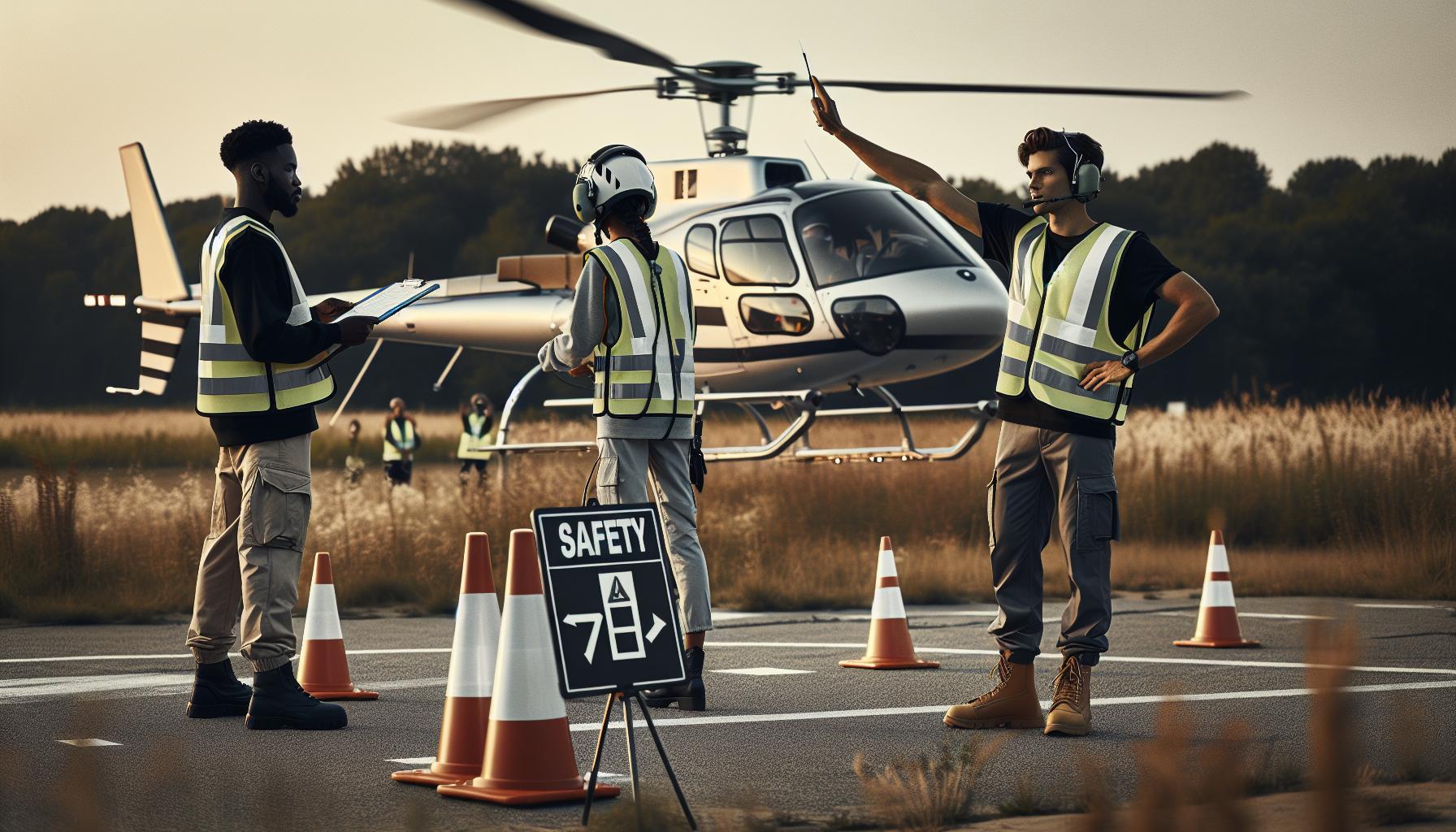
Understanding Helicopter Safety Protocols
Ensuring the safety of helicopter flights requires adherence to stringent protocols that encompass various aspects of aviation management. These protocols are especially pertinent in light of the tragic crash involving Kobe Bryant’s helicopter, which highlights the critical need for understanding the complexities of flight operations and safety measures. Helicopters, while remarkable in their capabilities, operate under a unique set of challenges that necessitate thorough preparation and risk assessment.
One of the foundational elements of helicopter safety is the pre-flight risk assessment, which includes evaluating not only the mechanical condition of the aircraft but also the weather conditions. Pilots must weigh the potential risks posed by environmental factors against the operational demands of their flights. In situations where visibility is compromised, as seen on the day of Bryant’s crash, pilots must be particularly vigilant. Familiarity with weather patterns, utilization of technology for real-time updates, and reliance on experience play crucial roles in decision-making.
Effective communication is another pillar of helicopter safety protocols. Clear and constant dialogue between pilots and air traffic control is vital to ensure adherence to flight regulations and to receive critical information regarding weather changes or airspace restrictions. Pilots are trained to respond to guidance from air traffic controllers, particularly regarding altitude adjustments in adverse weather conditions. Such interactions can help mitigate risks by allowing pilots to alter their flight paths according to real-time assessments of safety.
In addition to adhering to safety protocols, continuous education and training are indispensable. Pilots benefit from regular simulations and discussions focusing on challenging scenarios, including navigating through poor visibility and making real-time decisions under stress. This ongoing training ensures that pilots are prepared for unexpected conditions and can implement safety protocols effectively, reinforcing a culture of safety within the aviation community.
Ultimately, reflecting on the protocols and practices regarding helicopter safety serves not only as a remembrance of lives lost but also as a call to action. Engaging in a robust safety culture, characterized by diligent preparation, effective communication, and ongoing training, is essential in preventing future tragedies. Awareness and education around these protocols not only benefit professionals in the field but also fosters a deeper understanding and respect for the complexities of aviation among enthusiasts and the general public alike.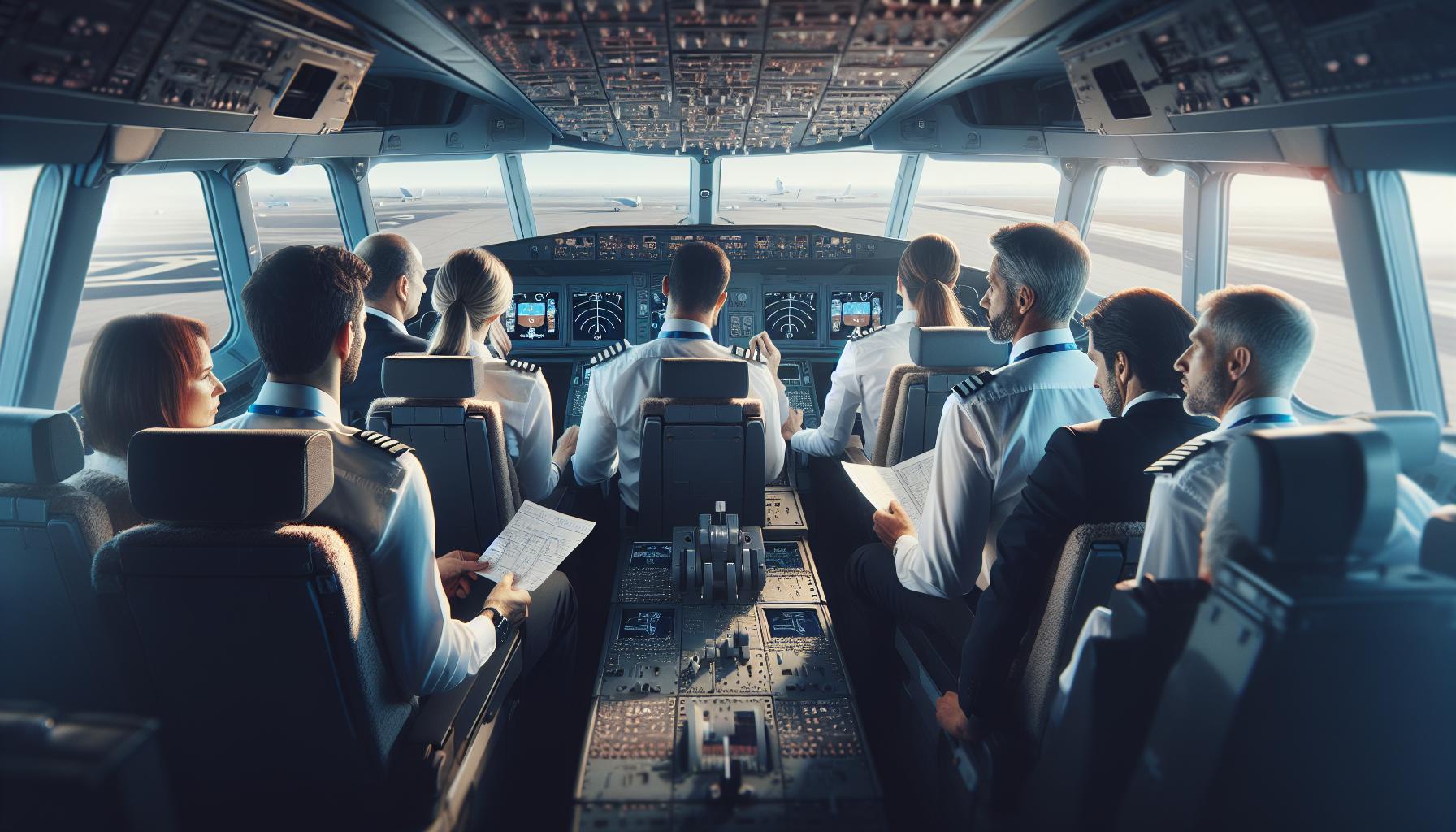
Pilot Decision-Making: Factors and Impacts
Pilot decision-making is an intricate mix of training, experience, situational awareness, and external factors. On the tragic day of Kobe Bryant’s helicopter crash, a confluence of decision-making pressures came into play that ultimately led to the accident. Every flight demands that pilots constantly evaluate their environment, weighing immediate needs against safety and regulations. This process is not merely about understanding the aircraft but also about interpreting real-time conditions, especially when weather complications arise.
In the case of Bryant’s flight, the pilot encountered dense fog and poor visibility. These weather conditions significantly affected the ability to navigate and make informed choices. Pilots are trained to recognize and respond to such challenges, often resulting in decisions to reroute or postpone flights. However, the pressure to meet passengers’ schedules or fulfill commitments can lead to risky choices. In this instance, the pilot chose to proceed under Instrument Flight Rules (IFR), which requires strict adherence to navigation protocols. This decision highlights the importance of confidence in one’s skills but also raises questions about self-assessment in the face of deteriorating conditions.
A pivotal aspect of pilot decision-making lies in the communication with air traffic control (ATC). During Bryant’s flight, there was reportedly minimal communication regarding altitude adjustments which could have better ensured safety in the reduced visibility. Effective communication is crucial, as ATC provides invaluable real-time updates on weather and other aircraft. When pilots remain engaged with ATC, they can make more informed decisions based on comprehensive situational awareness.
Ultimately, decision-making in aviation is a nuanced skill that relies on thorough training, self-regulation, and the ability to adapt promptly to changing circumstances. Each flight presents unique challenges, highlighting the need for continuous learning and reflection within the aviation community. Tragedies such as this serve as harsh reminders of the stakes involved in every flight and underscore the necessity for robust training and risk management practices to avert future accidents.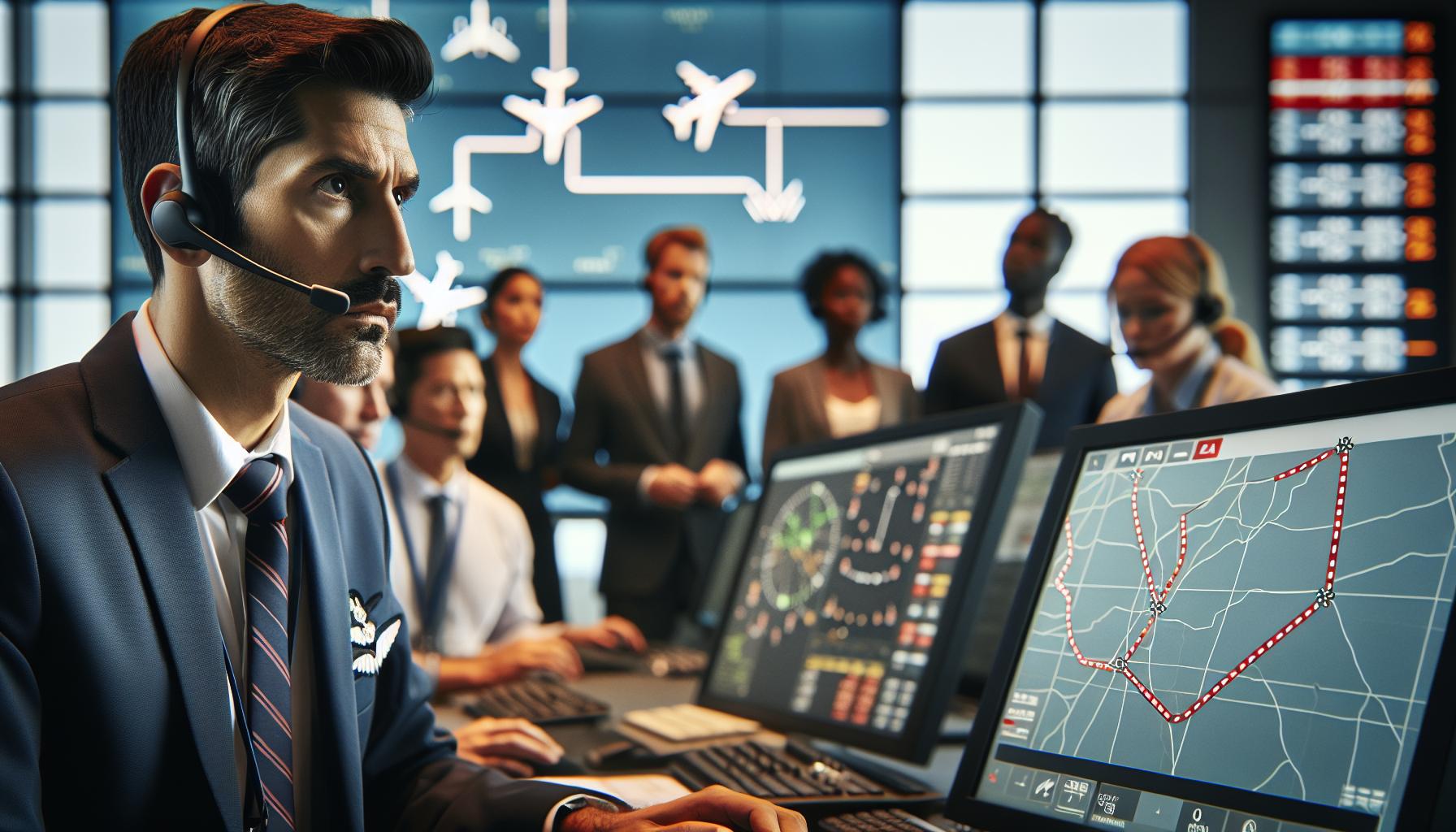
Flight Path Analysis: What Went Wrong?
On January 26, 2020, the tragic helicopter crash that claimed the lives of NBA legend Kobe Bryant, his daughter Gianna, and seven others unfolded within a mere 40 minutes. Despite the aircraft’s advanced technology and the pilot’s qualifications, several critical factors contributed to the flight path’s fatal outcome. Notably, weather played an essential role, with dense fog severely limiting visibility, which created challenging navigation conditions.
Understanding the flight path is crucial to grasp why the decisions made during the flight led to such a devastating incident. The pilot, flying under Instrument Flight Rules (IFR), attempted to navigate through poor weather conditions typical for the area. Unfortunately, the low visibility forced the pilot into a position of reliance on instruments rather than visual cues. When pilots encounter such dense fog, they face increased difficulty in maintaining their bearings and situational awareness. The inherently more complex task of flying without clear visual references led the pilot to fly lower in an attempt to gain a clearer view of the terrain, which ultimately resulted in a collision with a hillside.
The analysis of the flight path reveals that the pilot entered a steep descent after experiencing significant disorientation, described as “spatial disorientation,” a condition where a pilot cannot accurately interpret their aircraft’s position relative to the ground. This situation points to critical moments in decision-making that escalated the already perilous conditions. Reports indicated minimal communication with Air Traffic Control (ATC) during this time, highlighting a potential lack of support for altitude adjustments that could have altered the flight path for safety.
In investigating the actual movement of the helicopter leading up to the crash, data from the flight’s recorded terminal indicate that the pilot was navigating efficiently until entering the restricted visibility of fog. At that point, several missed opportunities for safety checks and risk assessments became evident. The aircraft deviated from its intended course, accentuating the importance of effective communication between pilots and ATC, particularly during inclement weather.
Understanding these factors can help aspiring pilots and aviation enthusiasts appreciate the complexities of flight path navigation, especially under adverse conditions. Even when equipped with sophisticated technology, navigating in poor weather requires not just skill and training but an acute awareness of one’s limitations and a commitment to prioritizing safety above all.
Investigating Mechanical Issues and Failures
Investigative reports into the tragic helicopter crash that claimed the lives of Kobe Bryant, his daughter Gianna, and seven others have consistently focused on various elements-including pilot decision-making, weather conditions, and potential mechanical issues. In the instances of helicopters, mechanical integrity is paramount, as any failure can lead to catastrophic outcomes. The Sikorsky S-76B, the model involved in this incident, is known for its robust design and reliability, yet understanding mechanical failures can provide vital insights for both aviation professionals and enthusiasts alike.
Mechanical issues can manifest in several critical ways, from engine malfunctions to electrical system failures. In the case of the Bryant crash, investigators thoroughly reviewed the helicopter’s maintenance records and the performance of its various systems leading up to the incident. The National Transportation Safety Board (NTSB) found no significant mechanical failures prior to the crash; however, the conditions under which the aircraft was operated raised questions about the pilot’s reliance on the helicopter’s systems during challenging weather. For instance, with dense fog limiting visibility, the pilot may not have had adequate information from instruments, increasing the chances of operating beyond safe parameters.
Understanding how to mitigate mechanical risks is essential for pilots, especially when flying in adverse conditions. Regular maintenance checks and adherence to flight safety protocols can prevent many issues before they escalate. Pilots are encouraged to:
- Conduct Thorough Pre-flight Inspections: Routine checks of engines, rotors, and control systems can catch early signs of wear and tear.
- Review Aircraft Performance Charts: Knowing the limits of the helicopter-such as weight capacity and performance in different weather conditions-is crucial.
- Stay Educated on Mechanical Systems: A solid understanding of how each system works allows pilots to anticipate potential problems.
When assessing the dynamics of helicopter safety, it is vital to appreciate the role that mechanical integrity plays-not just in technology but in pilot confidence. The more familiar pilots are with their aircraft’s systems, the better equipped they are to handle emergencies if they arise. For aspiring pilots, this highlights the importance of rigorous training protocols, emphasizing the lessons learned from previous incidents like the Kobe Bryant crash, ultimately reinforcing aviation safety as a collective responsibility.
Air Traffic Control Communications: Key Insights
Understanding Air Traffic Control (ATC) communications sheds light on the dynamics of safety in aviation, particularly in tragic incidents like the helicopter crash that claimed Kobe Bryant’s life. On January 26, 2020, a series of decisions made by the pilot, influenced by the prevailing weather conditions and ATC communications, ultimately led to a catastrophic outcome. The helicopter, a Sikorsky S-76B, took off despite dense fog, which severely limited visibility. It is crucial to understand how communication with air traffic controllers can impact flight safety, especially in challenging weather.
ATC plays a vital role in ensuring that pilots receive real-time information about weather conditions, flight paths, and any potential hazards in the area. In the case of Bryant’s crash, communications between the pilot and ATC indicated that the pilot was seeking to navigate around the worsening weather conditions but may have underestimated the implications. The pilot had requested a special visual flight rules (SVFR) clearance to continue flying, which allowed him to operate in lower visibility than typically permitted under standard instrument flight rules (IFR). This decision highlights the tension between pilot judgment and ATC protocols; while pilots can request to fly under less-than-ideal conditions, ATC must also evaluate the safety of granting such requests.
Moreover, the lack of adequate and timely information from ATC during critical moments weighed heavily on the pilot’s decision-making process. The accident report indicated that the pilot did not receive updated weather information that might have prompted a reconsideration of the flight path. In adverse weather, maintaining a clear communication channel with ATC and ensuring all relevant updates are shared can be essential for safe navigation, illustrating the importance of collaboration between pilots and air traffic controllers.
It is important for aspiring pilots and aviation enthusiasts to recognize the lessons from this incident. Regular training and simulations involving ATC communications can prepare pilots for high-pressure situations, emphasizing the significance of good communication practices. Understanding ATC’s role in flight safety reinforces the collective responsibility of pilots, controllers, and maintenance crews to prioritize safety over timeliness. This tragic event serves as a reminder of the complexities within aviation operations and the critical importance of comprehensive, clear communication at every flight phase.
Helicopter Regulations and Compliance Overview
Helicopter operations are subject to a complex set of regulations designed to enhance safety and operational integrity. Understanding these regulations can shed light on some of the factors that contributed to the tragic helicopter crash involving Kobe Bryant. The regulations aim not only to ensure the safety of pilots and passengers but also to mitigate the risks associated with flying, particularly in adverse weather conditions.
Regulatory compliance begins with the Federal Aviation Administration (FAA) guidelines, which dictate everything from maintenance procedures to flight operations. Helicopter operators must adhere to specific standards for pilot qualifications, aircraft maintenance, and operational limits. For instance, pilots are trained extensively on instrument flight rules (IFR) and visual flight rules (VFR), which govern how flights must be conducted under varying visibility and weather conditions. In Bryant’s case, the pilot applied for special visual flight rules (SVFR) clearance to navigate through thick fog, which allows pilots to operate in lower visibility but can heighten risks if not handled properly.
Another critical aspect of helicopter regulations involves flight planning and pre-flight checks. Operators are required to conduct thorough evaluations of weather conditions before takeoff and to have contingency plans in place. These assessments include understanding current weather patterns, obtaining timely updates, and ensuring that all necessary safety equipment is functional. Unfortunately, during Bryant’s flight, the pilot did not receive crucial updated weather information that could have influenced his decision to proceed with the flight, highlighting a breakdown in compliance with this essential regulatory framework.
The incident raises vital questions about the enforcement of these regulations and the systems in place to ensure pilot adherence. Lessons from this event emphasize the need for continuous training and updates about safety protocols, particularly under challenging weather conditions. As aspiring pilots and aviation enthusiasts learn about the industry, understanding and adhering to helicopter regulations is paramount. It not only protects the lives of those aboard but also contributes to the overall safety culture within aviation, reinforcing the notion that each flight carries significant responsibilities that extend well beyond the pilot’s operating skills.
Lessons Learned: The Impact on Future Aviation Safety
In the wake of the tragic helicopter crash that claimed the lives of Kobe Bryant, his daughter Gianna, and seven others, the aviation community has been prompted to reflect deeply on safety protocols and practices. The incident serves as a grim reminder of the critical importance of adhering to regulations regarding weather conditions, flight planning, and pilot decision-making. The lessons drawn from this tragedy not only honor the memories of those lost but also aim to enhance future aviation safety.
A key takeaway from this event is the pressing need for improved communication regarding weather conditions between pilots and air traffic control. In Bryant’s case, the pilot’s decision to fly in dense fog without fully updated weather information played a significant role in the crash. To prevent similar occurrences, it’s crucial for aviation authorities to ensure that information systems are robust, allowing for real-time weather updates and alerts. Enhanced training simulations that emphasize decision-making in adverse weather could further prepare pilots to navigate these challenging situations effectively.
Educational resources for pilots should also include regular refresher courses on both procedural compliance and situational awareness. This would reinforce the habitual practice of thorough pre-flight assessments, including detailed weather evaluations. Integrating technology such as advanced weather radar systems into helicopters can provide pilots with better insight into atmospheric conditions, allowing them to make more informed choices about whether to proceed with a flight.
Finally, this tragedy emphasizes the necessity of fostering an open safety culture where pilots feel empowered to make decisions based on safety rather than time or pressure. Encouraging a “safety-first” mentality can lead to a significant decline in accidents. By learning from the past, the aviation community can take actionable steps to mitigate risks, ensuring safer skies for all.
Tributes and Remembrance: Honoring Lives Lost
The tragic helicopter crash that took the lives of Kobe Bryant, his daughter Gianna, and seven others serves as a profound reminder of the fragility of life and the impact one individual can have on countless others. Kobe’s legacy as a basketball icon is renowned, but his role as a father, mentor, and community leader deeply resonates with fans and aspiring athletes across the globe. In the aftermath of this devastating event, tributes poured in from fans, teammates, and public figures, each sharing stories that highlight Bryant’s commitment to excellence, passion for the game, and love for his family.
Personal Tributes and Reflections
Fans and community members honored Kobe by sharing their personal stories, discussing how his determination inspired them to pursue their dreams. Memorials erupted worldwide, from murals in cities to heartfelt social media tributes. Local youth basketball leagues dedicated games to his memory, emphasizing the importance of sportsmanship and mentorship-values Bryant championed throughout his career. These gatherings not only celebrated his achievements but also reinforced the need for community and connection in times of grief.
Encouraging Future Generations
Kobe’s impact goes beyond the court; he served as a beacon for young athletes, encouraging them to embrace hard work and dedication. Initiatives were launched to fund youth sports programs in his name, ensuring that his passion for basketball and child development continues to thrive. By investing in future generations through educational scholarships and immersive workshops, supporters aim to perpetuate his legacy, reminding children everywhere that they can achieve greatness with perseverance and passion.
United in Remembrance
Public memorials featured a poignant moment of silence, with fans from all walks of life coming together to share in their collective loss. Social media exploded with the hashtag #MambaForever, representing not only a tribute to Kobe Bryant but also an acknowledgment of the tenacity and spirit he embodied. Organizations and athletes alike held memorial games and events, emphasizing the values of respect, teamwork, and resilience that Bryant embodied.
Through these heartfelt tributes and heartfelt endeavors, the legacy of Kobe Bryant transcends the tragedy of that fateful day, serving as a rallying cry to honor those we have lost while also pushing us to aspire to greatness in our own lives, both in sports and beyond.
Public Reaction and Impact on Helicopter Use
In the wake of Kobe Bryant’s tragic helicopter crash, public reaction was immediate and profound, sparking widespread discussions about helicopter safety and usage. This heartbreaking incident reignited concerns regarding the safety measures in place for private helicopter travel, particularly under adverse weather conditions. Many individuals who previously viewed helicopter travel as a glamorous mode of transportation began to question its safety protocols and pilot decision-making processes.
The crash, which claimed the lives of Bryant, his daughter Gianna, and seven others, drew particular attention to the role of weather in aviation safety. Leading up to the crash, the helicopter encountered thick fog and low visibility, which made flying particularly hazardous. In the aftermath, experts and enthusiasts alike began emphasizing the need for heightened awareness and rigorous adherence to weather-related safety protocols before embarking on helicopter trips. This incident has led to increased calls for stricter regulations and more thorough training for helicopter pilots, particularly regarding decision-making in challenging weather conditions.
The public also took to social media and various platforms to express their thoughts and experiences related to helicopter travel. Many shared personal anecdotes about near-miss situations or decisions made to postpone flights due to unfavorable weather, highlighting the importance of prioritizing safety over convenience. As more people discussed these experiences, it became clear that there was a collective desire to enhance safety measures not only for celebrities like Bryant but for all helicopter passengers.
In terms of impact, there has been a noticeable shift in how private helicopter services are perceived. Some helicopter companies have begun to reassess their policies, emphasizing passenger safety and transparency regarding weather assessments and pilot qualifications. This tragedy serves as a reminder that, while helicopters offer a unique vantage point and unparalleled accessibility, the importance of stringent safety practices must never be overshadowed by their allure. As the aviation community absorbs the lessons from this tragedy, there are hopeful signs that the legacy of those lost may drive improvements in safety protocols for helicopter flights, ensuring that such a calamity is less likely to occur in the future.
Exploring the Legacy of Kobe Bryant in Aviation
Kobe Bryant’s influence extends far beyond the basketball court, touching various facets of culture and industry, including aviation. His tragic helicopter crash on January 26, 2020, served as a pivotal moment, prompting not only sorrow but also profound discussions on aviation safety, particularly in the world of private helicopter travel. Prior to the incident, Bryant used his helicopter as a means of navigating Los Angeles traffic efficiently, a choice mirrored by many professionals who value time and accessibility. However, the circumstances surrounding the crash shed light on critical areas within aviation that require scrutiny and improvement, reinforcing the need for stringent safety measures.
One major aspect of Kobe’s legacy in aviation is the increased awareness it brought to the pilot’s decision-making processes, especially under challenging weather conditions. The crash highlighted the necessity for pilots to assess weather reports critically and make informed choices about whether to fly. In many discussions that followed the tragedy, pilots and aviation experts emphasized the importance of adhering to strict safety protocols and the responsibility pilots bear when making go/no-go decisions. This incident has spurred advocacy for enhanced training and certification requirements for pilots, focusing on critical thinking and risk management in adverse weather scenarios.
Moreover, Kobe’s untimely death has sparked conversations around regulations governing private aviation. Advocates are calling for more standardized protocols regarding flight operations, especially concerning weather assessments and communication between pilots and air traffic control. As the aviation community grapples with the lessons learned from the crash, the hope is that these changes will cultivate a culture of safety where every flight prioritizes passenger welfare.
Ultimately, Kobe Bryant’s legacy in aviation is a bittersweet reminder of the urgency for systemic change and the responsibilities that come with flying. Through increased scrutiny and public discussion surrounding helicopter safety, his story may lead to reforms that could prevent similar tragedies in the future, ultimately honoring the lives lost on that fateful day. As we remember Kobe not just as an athlete but as a figure whose life intersected with aviation, we can foster a dialogue that enhances safety measures and respects the memories of all involved.
Frequently Asked Questions
Q: What weather conditions contributed to Kobe Bryant’s helicopter crash?
A: The helicopter crash involving Kobe Bryant was primarily influenced by poor visibility due to heavy fog and low clouds. These conditions reduced the pilot’s line of sight, complicating navigation and increasing the risk of flying into obstacles, as detailed in the analysis of weather’s role in aviation safety.
Q: How did pilot decision-making affect the crash?
A: Pilot decision-making significantly impacted the crash. The pilot reportedly opted to fly in challenging weather conditions, which might indicate a misjudgment of safety risks. Understanding how pilots assess conditions is crucial, particularly during adverse weather scenarios, as discussed in the section on pilot decision-making.
Q: What mechanical issues might have played a role in the crash?
A: Investigations revealed that there were no mechanical failures of the helicopter’s systems. However, understanding potential mechanical issues, even in well-maintained aircraft, is vital for overall aviation safety. This is explored in depth in the section on investigating mechanical concerns.
Q: Were there any air traffic control communications that could have prevented the crash?
A: Yes, air traffic control communications indicated that the pilot was navigating through hazardous weather without sufficient guidance. Effective communication is critical for flight safety, demonstrating the need for better protocols in challenging conditions, as highlighted in the article on air traffic control insights.
Q: How can lessons from Kobe Bryant’s helicopter crash improve aviation safety?
A: Lessons from the crash emphasize the importance of strict adherence to safety protocols, especially regarding weather assessments. By integrating findings from such incidents, regulations can evolve to enhance pilot training and operational practices, ensuring better safety compliance across the industry.
Q: What were the main factors leading to the decision to fly that day?
A: The decision to fly was influenced by several factors, including urgency and the pilot’s assessment of weather conditions. Exploring the reasoning behind these decisions can provide insight into pilot psychology and operational pressures, vital areas discussed in the pilot decision-making section.
Q: How does helicopter flight differ from other forms of aviation in terms of weather assessment?
A: Helicopter flight requires a more dynamic assessment of weather because of their lower operational altitudes and reliance on visual flight rules. Unlike commercial flights that often fly above adverse weather, helicopters may navigate through them, impacting safety greatly and discussed thoroughly in the weather role section.
Q: What ongoing investigations followed Kobe Bryant’s helicopter crash?
A: Following the crash, multiple investigations were undertaken, including those by the NTSB, to evaluate contributing weather factors and pilot protocols. These investigations aim to enhance future aviation safety standards. More details can be found in the lessons learned section of the article.
Key Takeaways
As we reflect on the tragic helicopter crash involving Kobe Bryant, it’s essential to understand the complexities of aviation safety and the factors that can influence flight outcomes. Gaining insight into weather conditions, mechanical issues, and pilot decisions can empower us all to appreciate the risks involved in flying. If you found this analysis valuable, don’t miss out on our detailed explorations of helicopter safety protocols and the latest in aviation technology-check them out here and here.
For those passionate about aviation, consider subscribing to our newsletter for expert tips, updates, and resources on becoming a safer, more informed pilot. Your journey in understanding aviation doesn’t have to end here. Engage with us in the comments-share your thoughts and experiences, or ask questions you may have. Together, we can foster a community that honors those we’ve lost and learns from the lessons they leave behind. Keep exploring and stay curious about the skies!
Get our latest guides, news, and insights highlighted in your Google Search & AI Overviews.