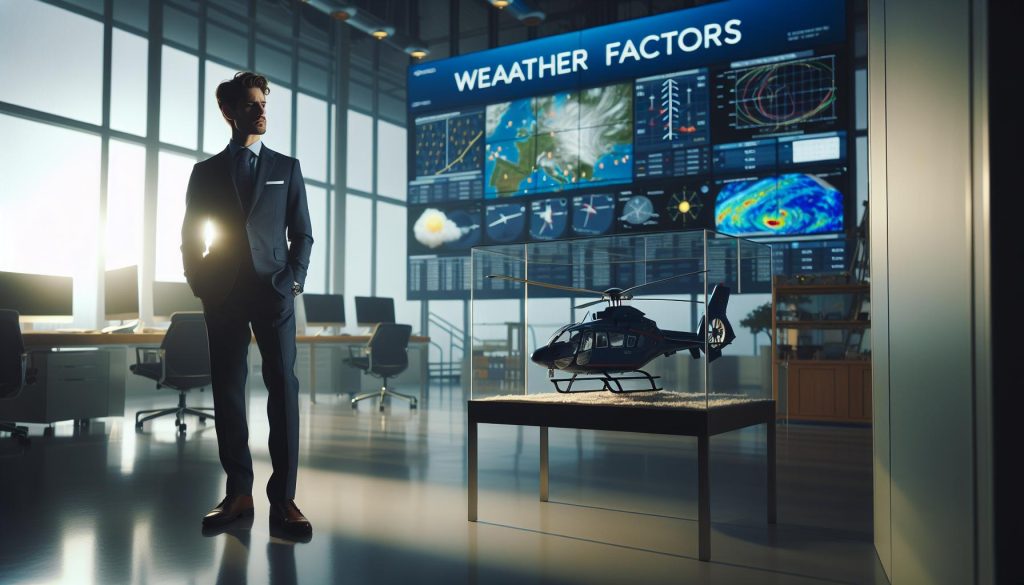
On January 26, 2020, the tragic helicopter crash that claimed the lives of NBA legend Kobe Bryant, his daughter Gianna, and seven others raised vital questions about aviation safety. Understanding how weather conditions can impact flight operations is critical, especially in situations where quick decisions have life-altering consequences. This exploration delves into the weather factors involved in the Kobe helicopter crash, highlighting how visibility, cloud cover, and pilot judgment intertwine in crucial moments. By examining these elements, we aim to shed light on the significance of weather awareness in aviation, not only for aspiring pilots but for anyone interested in helicopter safety. Join us as we unravel the complexities behind this heartbreaking event and discuss lessons learned that could potentially save lives in the future.
Understanding the Kobe Helicopter Crash Incident
The tragic crash that claimed the lives of Kobe Bryant, his daughter Gianna, and seven others on January 26, 2020, is a case study in the interplay of human factors and environmental conditions in aviation. On that foggy, overcast day, the helicopter, a Sikorsky S-76B, was navigating in low visibility conditions, which dramatically influenced its flight path and decisions made by the pilot.
As the helicopter was traveling from Orange County to Calabasas, it encountered a dense layer of fog. The pilot, Ara Zobayan, faced significant challenges. Despite being experienced, the lack of visual references made navigation difficult. As an instrument-rated pilot, Zobayan could rely on cockpit instruments to guide him; however, flying under visual flight rules (VFR) required a clear view of the surrounding environment, which was not possible that day. This led him to request a special flight rules clearance, allowing him to climb above the overcast layer, but unfortunately, that ascent did not occur. Instead, the helicopter entered a descent, leading to a fatal impact.
In assessing weather conditions, the dense fog was classified as a critical factor. Visibility was so poor that the Los Angeles area air traffic control advised against flying. This raises important questions about pilot decision-making under pressure, especially when popular demand for transportation services may overshadow safety considerations. Those flying in inclement weather must adhere to strict regulations and protocols designed to ensure safety; however, pressures in unique situations can lead to compromised decisions, underscoring the necessity for rigorous training and adherence to safety standards.
As we reflect on this tragic incident, the aviation community continues to learn from such events. Advocating for advanced safety measures, better training, and clearer protocols can help prevent similar tragedies in the future. Understanding the complexities of weather impact and pilot decision-making in aviation is essential for aspiring pilots and aviation enthusiasts alike, emphasizing that safety must always be the top priority in any flight operation.
Key Details of the Day: Timeline of Events

On January 26, 2020, a series of pivotal events unfolded, culminating in a tragic helicopter crash that claimed nine lives, including basketball legend Kobe Bryant and his daughter Gianna. The day began in Orange County, California, where the Sikorsky S-76B helicopter was scheduled to take a short flight to a basketball practice in Thousand Oaks. Unfortunately, the weather conditions were far from ideal. The morning was characterized by dense fog and low visibility, conditions that would prove critical as the flight progressed.
Around 9:06 AM, the helicopter took off from John Wayne Airport. As it ascended, it entered a thick layer of fog that obscured all visual references for the pilot, Ara Zobayan. Despite his experience and instrument rating, navigating in such limited visibility posed significant challenges. Within minutes of takeoff, Zobayan requested an alteration to the flight path in order to climb above the overcast conditions, a maneuver that would require permission from the air traffic control. The flight was initially cleared to climb, but moments later, as it continued to encounter persistent fog, the pilot opted to descend to avoid entering the cloud layer entirely. This decision would ultimately lead the aircraft into hilly terrain in Calabasas.
At approximately 9:40 AM, a series of rapid altitude changes culminated in a near-instantaneous loss of control, resulting in a violent impact. The helicopter crashed into the hillside, just under ten miles from its destination. Eyewitnesses reported hearing the helicopter’s blades rotating at high speed, indicating a desperate struggle for control. The crash not only shocked the sports world but also raised profound questions regarding aviation safety and operational standards under challenging weather conditions.
The timeline of events from the moment of takeoff to the crash underscores how quickly situations can escalate in aviation. The interplay of environmental factors, such as visibility and weather, coupled with human decision-making under pressure, reveals the complex nature of flying safely. This incident serves as a poignant reminder of the risks associated with flight operations and the need for adherence to strict safety protocols, especially when weather conditions deteriorate.
Evaluating Weather Conditions and Their Impact
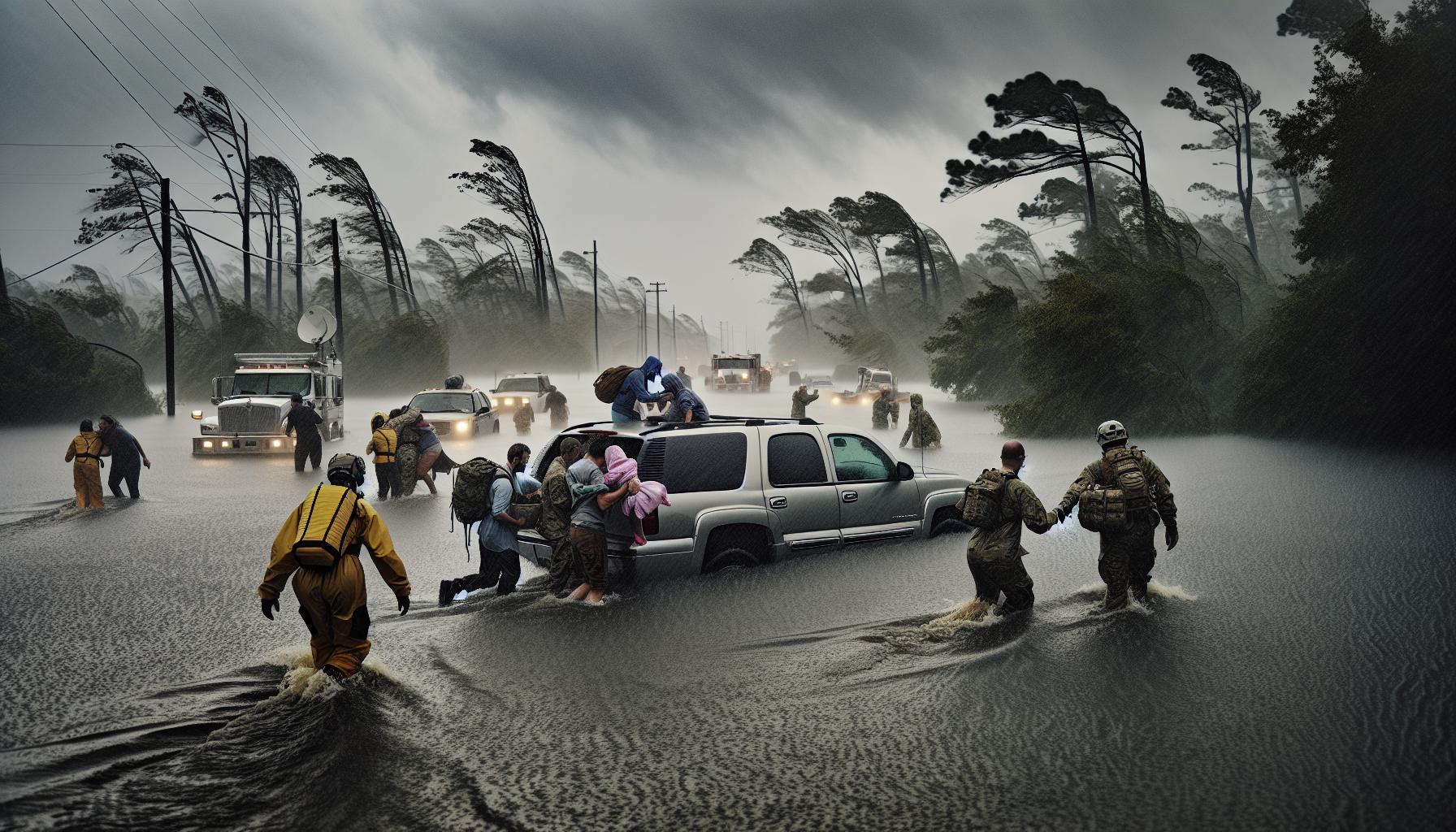
On the fateful morning of January 26, 2020, the helicopter that tragically took the lives of Kobe Bryant, his daughter Gianna, and seven others was engulfed in dense fog, a critical factor that played a significant role in the incident. When flying, especially in helicopters, pilots are keenly aware of how weather conditions can dramatically affect visibility and overall safety. The Sikorsky S-76B helicopter took off into a landscape that was marred by low cloud cover and poor visibility, which created a challenging environment for even the most experienced pilots.
As the helicopter climbed from John Wayne Airport, it quickly became apparent that the fog was not lifting. At around 9:06 AM, the pilot, Ara Zobayan, requested to ascend above the fog for improved visibility, a maneuver that required clearance from air traffic control. Initially, he received permission to climb, but conditions continued to deteriorate. The aircraft’s entry into an increasingly thick cloud layer not only obscured visibility entirely but also hindered the pilot’s ability to navigate effectively. This scenario highlights the importance of assessing weather conditions thoroughly before a flight. Even experienced pilots can face dire situations when weather does not cooperate.
During the crucial moments leading to the crash, Zobayan attempted to navigate by instruments, which is standard procedure in poor visibility. However, the decision to descend in an effort to avoid fog instead led the helicopter into hilly terrain. Therefore, understanding how to interpret and react to weather forecasts is vital for all pilots. Factors such as cloud cover, wind speed, and visibility can change rapidly, necessitating a cautious approach.
To prevent similar incidents in the future, aspiring pilots and current aviators alike must prioritize weather assessment during flight planning. This includes not just checking current weather conditions but also understanding forecasts and the potential for weather systems to develop. Furthermore, additional training in instrument flying and decision-making during adverse weather can enhance safety and mitigate risks associated with flying in compromised conditions. The lesson here is clear: vigilance and respect for the power of nature can save lives in aviation.
Investigating Helicopter Mechanical Issues
While weather conditions were a primary factor in the tragic helicopter crash involving Kobe Bryant, it’s important to examine the role of mechanical issues as well. Helicopter systems are incredibly complex, relying on the synergy of various components to function safely and correctly. In incidents like this, mechanical integrity plays a critical role, and any existing deficiencies can compound the effects of adverse conditions.
The Sikorsky S-76B helicopter involved in the crash underwent a series of pre-flight checks, which is standard procedure. However, evaluating potential mechanical issues can be nuanced, as many factors contribute to an aircraft’s performance. For instance, mechanical failures may arise from routine wear and tear, manufacturing defects, or inadequate maintenance. In the aftermath of the crash, investigators scrutinized the maintenance records and operational history of the helicopter meticulously. The focus was to ensure all components, including the rotor systems, avionics, and engines, were functioning as intended, and there were no underlying issues that could have contributed to a loss of control.
When considering helicopter flight safety, it is crucial to understand the importance of regular maintenance and thorough inspections. Pilots and operators must be vigilant and proactive. Here are some key considerations for ensuring helicopter mechanical reliability:
- Regular Inspections: Scheduled maintenance checks should include comprehensive inspections of all major systems.
- Record Keeping: Maintaining accurate logs of all repairs, replacements, and inspections allows for better assessment over time.
- Operator Training: Training for pilots and crew should emphasize the importance of recognizing warning signs of potential mechanical failures.
- Emergency Protocols: Clear procedures should be established for addressing mechanical issues during flight, ensuring all onboard are prepared to respond quickly.
While this incident was heavily influenced by weather conditions, understanding the mechanical aspects is equally important for preventing future tragedies. Enhancing safety training, implementing rigorous maintenance protocols, and fostering a culture of transparency regarding mechanical reliability can lead to better decision-making in critical situations. It is not just about flying; it’s about understanding the machine and respecting its limitations, which, in combination with weather awareness, is vital for all aviators.
Pilot Experience and Decision-Making Factors

In aviation, pilot experience and decision-making can mean the difference between a safe journey and a tragedy. In the case of Kobe Bryant’s helicopter crash, the pilot, Ara Zobayan, had significant experience, logging over 8,200 flight hours, with 1,200 of those specifically in the Sikorsky S-76B, the helicopter involved in the incident. However, even with extensive training, the decision-making process in adverse conditions poses a significant challenge.
During the flight, the weather deteriorated rapidly, with fog and low visibility affecting navigation. Under such circumstances, it is critical for pilots to assess their options thoroughly. Pilots must weigh their familiarity with the aircraft and their emotions against the external environment. For Zobayan, the decision to continue flying despite worsening conditions raises questions about adherence to spatial awareness and risk management practices. Pilots are trained to have a clear understanding of when to turn back or seek alternate landing options, emphasizing the importance of judgment in high-stakes situations.
Key Factors Influencing Pilot Decision-Making
- Situational Awareness: Constantly assessing and predicting weather changes is vital for safe flight operations.
- Stress and Pressure: The demands of high-profile passengers can create pressure that influences decisions.
- Flight Planning: Effective pre-flight planning includes scenario evaluations for various weather conditions.
- Experience vs. Overconfidence: While experience is invaluable, it can lead to overconfidence, potentially blinding pilots to risks.
Understanding how these factors intertwine illustrates the complexities pilots face while navigating challenging conditions. Even seasoned aviators can occasionally misjudge a situation or succumb to the pressure of external expectations. It is a sobering reminder that behind every flight lie human thoughts and emotions-elements just as crucial as the technical proficiencies that keep the rotor blades spinning. Such incidents provide important learning opportunities in addressing what can be improved within pilot decision-making frameworks and emphasizing the importance of clear communication within the cockpit.
Safety Regulations and Compliance Failures
The tragic helicopter crash that claimed the life of Kobe Bryant and eight others reveals critical shortcomings in existing safety regulations and compliance in the aviation industry. Understanding these failures helps shed light on the systemic issues that may put lives at risk, particularly in challenging weather conditions like those experienced during the flight. Despite advancements in aviation safety, many operational protocols are still insufficiently enforced or monitored, leaving a gap that can be detrimental in emergencies.
One fundamental issue at play in this incident is the adherence to visual flight rules (VFR). The pilot, Ara Zobayan, was flying under VFR conditions, which require visualization of the ground and surrounding environment. Unfortunately, when visibility significantly diminished due to heavy fog, he should have either postponed the flight or switched to instrument flight rules (IFR), which dictate different operational protocols for severe conditions. The fact that the helicopter was not equipped for such switchovers raises important questions about compliance with procedural regulations designed to protect pilots and passengers.
Moreover, regulatory bodies have guidelines that stipulate how weather must be assessed before departure. However, these regulations can be vague and depend heavily on pilot interpretation. The absence of stringent guidelines on assessing and reacting to deteriorating conditions leaves room for misuse of judgment and emotional factors to affect decision-making. This tragedy highlights the need for more robust guidelines and better training on weather impact evaluation and risk assessment.
To address these issues, the aviation sector must prioritize rigorous training that emphasizes safety over pressure to perform. Enhanced oversight by regulatory bodies can also ensure that operators are compliant with safety standards, particularly in adverse weather conditions. Continuous education for pilots about situational awareness and decision-making under stress is essential for preventing such devastating incidents in the future.
Ultimately, the lessons learned from this accident should lead to a broader scrutiny of safety regulations to ensure they not only exist but are effectively implemented. By investing in improved safety protocols, compliance measures, and pilot training, the aviation industry can work towards a future where accidents like this become a tragic anomaly rather than a foreseeable risk.
Lessons Learned: Improving Helicopter Safety
The tragic helicopter crash that claimed Kobe Bryant’s life and those of eight others serves as a grim reminder of the critical need for improved safety protocols in aviation, particularly concerning adverse weather conditions. In situations like these, where visibility becomes severely limited, emphasizing the correct procedures and regulations can be the difference between safety and disaster.
Understanding how weather impacts helicopter operations is foundational. Helicopters, unlike fixed-wing aircraft, often rely on pilot visibility for navigation. When faced with deteriorating conditions, it is crucial for pilots to have the training and authority to make the decision to abort flights. This incident demonstrates an urgent need for implementing clear, standardized guidelines on weather assessment and decision-making, ensuring that safety remains paramount over crunched schedules or emotional pressures.
Continuous education plays a vital role in mitigating risks associated with flying in challenging conditions. Pilots should engage in regular training that simulates real-world, high-pressure scenarios where weather factors are at play. This helps cultivate situational awareness, encouraging them to prioritize safety even when faced with external expectations. Similarly, operators must be held accountable for maintaining stringent operational standards, ensuring that all helicopters are equipped and ready to safely switch from visual flight rules (VFR) to instrument flight rules (IFR) as necessary.
Additionally, regulatory bodies must take a proactive stance in enforcing compliance and fostering an aviation culture that prioritizes safety. By adopting a more robust framework for oversight and ensuring that all personnel are equipped with comprehensive knowledge regarding weather impacts, the industry can significantly reduce the risks associated with helicopter flights. Fostering open dialogue about safety, sharing lessons learned from past incidents, and encouraging transparency can also lead to substantial improvements in overall aviation safety.
In conclusion, the lessons learned from the Kobe Bryant helicopter crash are not merely cautionary tales; they are a call to action for the entire aviation community. By addressing the gaps in training, regulations, and safety protocols, stakeholders can work together to ensure that such tragedies are not repeated, honoring the lives lost by striving toward a future where helicopter safety is the standard, not the exception.
Public Reactions and Tributes to Kobe Bryant
The world was forever changed on January 26, 2020, when news broke of the tragic helicopter crash that claimed the lives of Kobe Bryant, his daughter Gianna, and seven others. Public reactions were immediate and profound, reflecting both the deep admiration for Bryant as an athlete and a person, as well as the collective sorrow felt across the globe. From social media tributes to memorials at Staples Center, the outpouring of grief highlighted the impact Kobe had, not only in the realm of basketball but as a father, mentor, and friend.
Among the many tributes, fans and celebrities alike took to platforms like Twitter and Instagram to express their condolences and share memories. Statements from NBA stars, fellow athletes, and public figures emphasized Kobe’s relentless work ethic and his role as a beacon of hope for many young athletes. A common theme emerged: his influence transcended sport, inspiring countless individuals to pursue their dreams while cherishing their loved ones. Community memorials sprung up, with people leaving flowers, jerseys, and heartfelt messages, demonstrating how deeply Kobe was woven into the fabric of their lives.
Moreover, the incident sparked discussions about the safety of helicopter travel, particularly regarding weather conditions that played a crucial role in the crash. Many were struck by the realization of how quickly a regular day can turn tragic. In the wake of the accident, calls for improved safety protocols in aviation intensified. Family members and fans alike voiced hopes that such a devastating event would lead to meaningful change within the helicopter industry, ensuring the safety of passengers and pilots alike. The collective mourning, while bearing a heavy heart, became a motivating force advocating for change, thereby further marking Kobe’s legacy in aviation safety discussions as well as in sports.
Kobe Bryant’s passing brought with it a powerful legacy, not just of unparalleled athletic achievement but also of urging the importance of safety in all aspects of life. His life and untimely death remind us of the fragility of life and the importance of honoring those we lost. As fans and advocates continue to remember him, their tributes not only celebrate his life but also serve to push for advancements in safety that could prevent future tragedies.
Legal Aftermath: Lawsuits and Accountability
The aftermath of the tragic helicopter crash that claimed the lives of Kobe Bryant, his daughter Gianna, and seven others resonated deeply within both the aviation community and the general public, prompting a flurry of legal actions and discussions about accountability. Following the incident on January 26, 2020, several lawsuits were filed against Island Express Helicopters, Inc., the company that operated the aircraft, as well as against the estate of the pilot, Ara Zobayan. Plaintiffs sought damages based on allegations of negligence, arguing that the pilot made poor decisions in flying under adverse weather conditions, which were determined to be a significant factor in the crash.
Legal Implications of Weather Conditions
One of the central issues in these lawsuits was the challenge posed by the weather at the time of the flight. Visibility was reportedly poor due to heavy fog, raising questions about why the flight was undertaken at all. Legal experts noted that proving negligence in aviation cases typically requires establishing what a reasonable pilot would have done under similar circumstances. In this case, the plaintiffs argued that Zobayan’s decision to continue flying despite warnings from air traffic control about the deteriorating conditions indicated a blatant disregard for safety protocols.
Furthermore, the National Transportation Safety Board (NTSB) conducted an extensive investigation, providing critical findings that would influence legal outcomes. Their preliminary report suggested that Zobayan may have become disoriented in the clouds, leading to the fatal crash. Such factors not only sparked discussions about the responsibilities of pilot decision-making but also the systemic oversight of flight regulations, particularly concerning flights operated under visual flight rules (VFR) in poor weather.
Accountability and Safety Regulations
Accountability extended beyond individual negligence. The crash underscored broader concerns related to aviation safety regulations and industry practices. As families of the victims sought justice, they highlighted the need for stricter safety measures and training for helicopter pilots, especially regarding flying in adverse weather conditions. The tragic event catalyzed discussions about the adequacy of current regulations and the necessity for reform in the helicopter industry to prevent such tragedies from recurring.
Legal actions also touched on the role of manufacturers and maintenance providers, leading to heightened scrutiny of the entire aviation ecosystem. The question of liability in cases like this is complex; it often involves not just pilot actions, but also how the aircraft is maintained, the operational decisions made by the flight company, and regulatory compliance.
In essence, the legal aftermath of the helicopter crash that took Kobe Bryant’s life not only involved seeking damages for the families affected but also raised critical questions about safety practices that could lead to more stringent regulations and ultimately better protection for all who take to the skies. The legacy of this tragedy may pave the way for vital changes in helicopter operation standards, ensuring all steps are taken to prioritize safety in an industry that beleaguers many family memories with tragic losses.
Helicopter Flight Basics: How They Work
Understanding how helicopters function is paramount, especially in light of incidents like the tragic crash involving Kobe Bryant. Helicopters are complex machines that operate based on some fundamental principles of aerodynamics and engineering, allowing them to perform unique maneuvers unlike fixed-wing aircraft.
Helicopters achieve lift and control through their rotor systems. The main rotor blades act like wings and generate lift by changing the direction of airflow. When the blades spin, they create a pressure difference: lower pressure above the blades and higher pressure below. This effect allows the helicopter to ascend and descend. The pilot manages this lift dynamically, adjusting the airspeed and pitch of the rotor blades using the cyclic and collective controls.
Key Components of Helicopter Flight
- Rotor System: The two main types of rotors are single rotor (one main rotor blade and a tail rotor) and tandem rotor (two main rotor blades). Each has its advantages. For instance, the single rotor design generally offers greater agility.
- Flight Controls: The cyclic control tilts the rotor disc, changing the helicopter’s direction, while the collective control adjusts the pitch of all the rotor blades simultaneously, enabling altitude changes.
- Tail Rotor: This component counteracts the torque produced by the main rotor, preventing the helicopter from spinning uncontrollably.
Importance of Weather in Helicopter Operations
Weather plays a crucial role in helicopter safety and performance, and it was a significant factor in the crash involving Kobe Bryant’s helicopter. Poor visibility due to fog can severely hinder a pilot’s ability to navigate, especially under visual flight rules (VFR). Pilots must assess weather conditions carefully before takeoff and during flight, making real-time decisions about routes or whether to remain grounded. Pilots receive training to handle adverse weather, but the complexities of flying in conditions that impair visibility challenge even the most experienced aviators.
Understanding these flight mechanics not only helps demystify helicopter operations but also reinforces the importance of rigorous adherence to safety protocols, including evaluating weather conditions. For aspiring pilots and aviation enthusiasts, grasping these fundamentals is invaluable for ensuring safe and effective flying practices.
Future of Helicopter Flight: Innovations on the Horizon
The future of helicopter flight is brimming with innovations aimed at enhancing safety, especially in challenging weather conditions like those present on the day of the Kobe Bryant incident. One of the most promising developments is the integration of advanced avionics, which can provide real-time data about weather conditions and visibility. These technologies can alert pilots to impending changes in the weather, allowing them to make informed decisions about flight paths and safety.
Enhanced Weather Tracking Systems are being designed to better equip helicopters for navigating adverse conditions. With sophisticated radar and satellite technology, pilots can receive up-to-date information about storms, fog, and other atmospheric hazards. This can significantly reduce the risk of flying into dangerous conditions, ultimately leading to safer operations.
Moreover, autonomous flight technology is on the rise, with prototypes that incorporate AI to assist in navigation and decision-making. These systems can analyze factors like weather patterns and terrain in real time, optimizing flight paths for safety and efficiency. For instance, should visibility drop suddenly, an autonomous system could automatically redirect the flight to a safer altitude or route.
Lastly, ongoing research into alternative energy sources is reshaping the industry. Sustainability advancements, such as electric or hybrid helicopters, are not just about reducing carbon footprints; they also promise fewer mechanical failures and improved reliability. Innovations in battery technology and lightweight materials will allow for longer and more efficient flights, potentially minimizing the exposure to hazardous weather events.
As these advancements are adopted, the aviation community is hopeful that the tragic lessons learned from incidents like the Kobe Bryant helicopter crash will lead to a safer future in rotorcraft operations, providing both pilots and passengers with greater confidence in their journeys.
Exploring the Legacy of Kobe Bryant in Aviation
Kobe Bryant’s legacy transcends sports, reaching into the world of aviation, where he inspired many aspiring pilots and enthusiasts. Known for his dedication, discipline, and pursuit of excellence, Kobe’s influence has extended to the aviation community, particularly after the tragic helicopter crash that claimed his life in January 2020. His passion for flying was evident; he often used helicopters to navigate the congested Los Angeles traffic, allowing him to maximize time for his family and endeavors. This incident, however, has sparked a dialogue on safety and the importance of understanding the risks involved in helicopter travel, especially under challenging weather conditions.
The day of the crash was marred by thick fog, which severely limited visibility. Despite this, the pilot made the decision to fly, a choice that has led to significant discussions regarding pilot judgment and weather awareness. Aspiring pilots and aviation enthusiasts can take Kobe’s story as a poignant reminder of the necessity to prioritize safety and to thoroughly assess conditions before taking to the skies. It emphasizes the importance of adhering to strict safety protocols and recognizing limitations when it comes to flying in adverse weather.
In the wake of this tragedy, there has been a concerted effort within the aviation community to enhance training and safety measures. Many organizations are now focusing on better education concerning weather conditions and decision-making in flight. Educational programs emphasizing Situational Awareness aim to prepare pilots to evaluate their environment effectively. This focus helps ensure that future generations of pilots carry with them the lessons learned from Kobe’s experience, promoting a culture of safety that honors his legacy.
Kobe Bryant’s impact on aviation will likely continue through initiatives aimed at improving helicopter safety and pilot training. By learning from the mistakes made that day, the aviation industry can move toward innovative solutions and greater awareness, hoping to prevent such tragedies in the future. His influence serves as both a motivation and a cautionary tale, illustrating the profound effects of individual choices in the complex world of aviation. In celebrating his legacy, we can foster a commitment to safety that benefits all who take to the skies.
Frequently asked questions
Q: What were the main weather issues on the day of the Kobe helicopter crash?
A: The main weather issues on the day of the Kobe helicopter crash included heavy fog and low visibility. These conditions severely impaired the pilot’s situational awareness, which ultimately contributed to the tragic event. Understanding the impact of weather on aviation safety is crucial for future improvements.
Q: How did weather conditions affect pilot decision-making in the Kobe crash?
A: Weather conditions, particularly the dense fog, affected the pilot’s decision-making by limiting visibility and forcing him to operate under visual flight rules (VFR). This led to reliance on instruments, which can be challenging in such conditions, contributing to the crash.
Q: Were there any warnings about weather conditions prior to the crash?
A: Yes, there were warnings about poor weather conditions prior to the crash. Reports indicated that other aircraft were grounded due to similar conditions, highlighting the challenges pilots faced in navigating through low-visibility scenarios. It’s a reminder of the importance of adhering to safety protocols.
Q: Can weather-related accidents like the Kobe crash be prevented?
A: Weather-related accidents can be prevented through rigorous training and adherence to safety protocols. Enhanced weather monitoring and improved communication between pilots and air traffic control are essential in ensuring that flights are only conducted under safe conditions.
Q: What lessons were learned from the Kobe helicopter crash related to weather factors?
A: One key lesson learned is the need for strict adherence to weather-related guidelines and the importance of better training for pilots in recognizing and reacting to adverse weather conditions. This includes rigorous instrument training to prepare for low-visibility scenarios.
Q: How do weather factors influence helicopter flight safety overall?
A: Weather factors significantly influence helicopter flight safety, as adverse conditions like fog, rain, and strong winds can compromise visibility and control. Understanding how these factors affect flight is vital for both pilot training and operational procedures to enhance safety measures.
Q: What role does pilot experience play in weather-related incidents like the Kobe crash?
A: Pilot experience plays a crucial role in managing weather-related incidents. Experienced pilots are better equipped to assess conditions and make informed decisions about flying in adverse weather, emphasizing the need for ongoing training and preparedness in dealing with challenging situations.
Q: Are there regulations regarding flying in poor weather conditions for helicopters?
A: Yes, there are specific regulations regarding flying in poor weather conditions for helicopters. Pilots must adhere to visual flight rules (VFR) and instrument flight rules (IFR), which set guidelines for safe operation, ensuring flights are conducted under optimal weather conditions to minimize risks.
The Way Forward
Understanding the weather factors that contributed to the tragic helicopter crash involving Kobe Bryant offers vital lessons in aviation safety. This incident highlights the critical importance of assessing weather conditions before airborne ventures. If you’re curious to dive deeper, explore our related articles on helicopter safety protocols and learn more about the pilots’ decision-making under adverse conditions.
Don’t let this knowledge stop here; subscribe to our newsletter for ongoing insights into aviation safety and updates on similar topics. Your engagement matters-share your thoughts in the comments below or connect with fellow aviation enthusiasts to discuss what can be done to enhance safety measures. Together, we can learn from the past and advocate for better practices in the skies. Explore more to satisfy your curiosity and help foster a safer aviation community.
Get our latest guides, news, and insights highlighted in your Google Search & AI Overviews.