When you think of iconic TV helicopters, Airwolf likely soars to the top of your list. This groundbreaking series introduced audiences to a sleek, high-tech helicopter that captivated fans with its thrilling missions and espionage elements. But what exactly was the helicopter behind this famous show? In this article, we’ll uncover the truth about Airwolf’s real-life counterpart, the Bell 222, a remarkable twin-engine machine that changed the landscape of aviation. Whether you’re a die-hard fan of the series or an aviation enthusiast, understanding the origins and capabilities of the Bell 222 can deepen your appreciation for this pop culture phenomenon. Join us as we explore the fascinating story of Airwolf, its real-world implications, and the impact it continues to have on both viewers and the aviation community alike.
What Helicopter Model Is Airwolf?
The exhilarating world of “Airwolf” revolves around a remarkable fictional helicopter known simply as Airwolf. Designed as a supersonic, stealthy battle helicopter, it serves as an advanced aircraft with cutting-edge technology that surpassed the capabilities of contemporary helicopters at the time of its introduction in the 1980s. Its distinct design was characterized by an aerodynamic lifting body featuring a twin turbine-driven rotor system, allowing it to reach incredible speeds of up to 300 knots. The helicopter could even disengage its rotor blades and activate its turbojet engines, a feature that emphasized its advanced engineering and capabilities beyond conventional helicopters [[1]](https://www.airwolf-online.com/airwolf).
In the context of the series, Airwolf was portrayed as not just a mode of transport but a critical asset to its protagonist, Stringfellow Hawke. This highly classified aircraft was developed by a secretive division of the CIA called “The Firm,” making it a pivotal element in Hawke’s missions to recover stolen technologies and pursue criminal activities [[3]](https://collider.com/airwolf-helicopter-true-story). The incorporation of sophisticated gadgets and weaponry, coupled with its stealth features, made Airwolf an iconic representation of military aviation in popular culture.
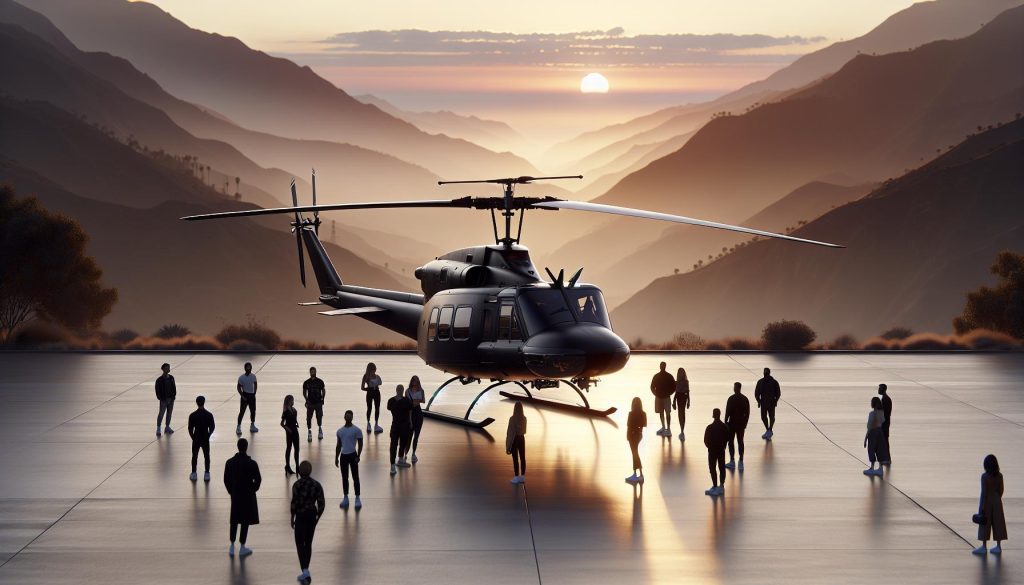
Moreover, the physical model used for the series was largely based on the Bell 222 helicopter. Modifications were made, including striking cosmetic changes and enhancements to depict its advanced capabilities, making Airwolf not only a fascinating engineering marvel but also a symbol of technological ambition during its airtime. This blend of realism and fiction represents the heart of what made “Airwolf” a staple in 80s television, capturing the imaginations of audiences while showcasing the potential of aviation technology.
The Iconic Features of Airwolf’s Design
The design of the iconic helicopter featured in “Airwolf” is a stunning blend of engineering ingenuity and aesthetic appeal. Developed primarily from a modified Bell 222, the helicopter was transformed into a fictional marvel with unique capabilities that captured the imagination of viewers during the 1980s. With its sleek lines and aggressive stance, Airwolf stands out not just for its looks but also for its advanced functionalities that were groundbreaking for the time.
One of the most captivating features of Airwolf’s design is its aerodynamic lifting body, which enhances its speed and maneuverability. Capable of achieving velocities up to 300 knots, this helicopter showcases a dual turbine-driven rotor system that allows for remarkable agility in the air. Additionally, the show’s design team included the ability for the helicopter to disengage its rotor blades and deploy turbojet engines, a speculative feature that epitomized the high-tech vision of aviation during that era. This blend of a traditional rotor system with experimental jet propulsion underlines the show’s technological ambition and perfectly aligns with its narrative of cutting-edge espionage and military action.
Another notable aspect of Airwolf’s design is its stealth capabilities. The helicopter’s exterior was painted in dark shades, which, while serving aesthetic purposes, also contributed to its fictional stealth attributes, allowing it to blend into nighttime environments. Moreover, the incorporation of sophisticated weaponry and gadgets-ranging from laser systems to advanced communications-enhanced its role as a covert operations aircraft, illustrating how design can elevate narrative elements within a television series.
In essence, Airwolf is not just a helicopter within the context of a TV show; it is a symbol of technological aspiration. While its real-world counterpart, the Bell 222, represented commercial aviation, the modifications and imaginative enhancements for “Airwolf” provided a canvas for exploring the bounds of aviation design and functionality. This combination of realism and fiction has solidified Airwolf’s status as an enduring icon in both aviation and pop culture, inspiring fascination and admiration among helicopter enthusiasts and casual viewers alike.
Airwolf’s Role in the TV Series Explained
The Airwolf helicopter plays a crucial role in the television series, serving as both a high-tech vehicle and a protagonist in its own right. Set against the backdrop of Cold War espionage, the show follows a team led by former combat pilot Hawke, who uses Airwolf to undertake covert missions that often put them at odds with enemy forces. The series expertly blends action, adventure, and technology, showcasing Airwolf’s remarkable capabilities that set it apart from conventional aircraft.
Throughout the series, Airwolf is depicted as a state-of-the-art helicopter equipped with advanced features and weaponry that enhance its operational effectiveness. It operates not just as a transportation vehicle but as a powerful tool for reconnaissance and combat. The helicopter’s fictional enhancements include supersonic speeds, stealth features, and an array of sophisticated gadgets, creating a sense of wonder about modern aviation technology. These attributes are not only integral to the plot but also symbolize the technological aspirations of the 1980s, sparking viewers’ imaginations about the future of aviation.
Moreover, the helicopter’s role often mirrors the personal and moral dilemmas faced by Hawke and his team. Each mission typically involves complex ethical decisions, reflecting a narrative depth that resonates with audiences. The stakes are high, with Airwolf frequently representing hope and determination against powerful adversaries. As it undertakes dangerous missions, the helicopter fosters a sense of camaraderie among the crew and imbues them with a mission-driven purpose.
In essence, Airwolf is not merely a piece of machinery in the series; it embodies the spirit of innovation and adventure that captivated viewers. Its daring escapades and remarkable technological prowess continue to leave a lasting impact, making it a beloved icon not just in the realm of aviation enthusiasts but also in the broader cultural landscape. The show’s thrilling portrayal of Airwolf cements its legacy as a classic symbol of high-octane action and speculative technology in popular media.
The Significance of Airwolf in Pop Culture
The presence of Airwolf in the realm of pop culture is nothing short of iconic. From its debut in the 1980s, the helicopter captured the imagination of audiences worldwide, becoming a symbol of technological advancement and thrilling adventure. In a decade marked by Cold War tensions and rapid innovation, Airwolf not only entertained but also sparked a fascination with aviation and military technology. The show’s adventurous spirit and high-tech narrative resonated with viewers, allowing them to escape into a world where a helicopter could perform almost superhuman feats.
One of the most significant aspects of Airwolf’s cultural impact is its role as a representation of the era’s technological optimism. At a time when Americans were exploring the boundaries of robotics and computer technology, Airwolf was depicted as a cutting-edge machine equipped with stealth capabilities and advanced weaponry. This portrayal tapped into the public’s fascination with science fiction and advanced technology, resulting in a generational admiration for helicopters and aviation-related media. Fans often found themselves inspired not just to watch the show, but to learn more about the mechanics of helicopters and consider careers in aviation, engineering, and technology.
Moreover, Airwolf has cemented its place in nostalgia, appearing in various forms of merchandise, including model kits, toys, and even video games. This merchandise serves not only as a celebration of the show’s legacy but also as a bridge connecting generations of both fans and aspiring pilots. The helicopter has become a go-to reference in discussions about iconic TV vehicles, often alongside famous machines like the Batmobile or KITT from Knight Rider. Airwolf’s enduring appeal is reflected in fan conventions, online forums, and revival discussions, where enthusiasts explore its technical specifications, memorable episodes, and the deep-seated admiration for its mission-driven narrative.
Ultimately, extends beyond mere entertainment. It represents a moment in time when innovation and curiosity coalesced in the storytelling medium of television. By embodying high-tech aspirations and adventurous ideals, Airwolf continues to inspire both nostalgia and curiosity in an ever-evolving cultural landscape. This lasting legacy encourages not only a celebration of the past but also an inspiration for future generations to explore the wonders of aviation and the possibilities that lie within technology.
Comparing Airwolf to Real-Life Helicopters
The iconic helicopter featured in the television series Airwolf is often compared to real-life aircraft, particularly for its striking design and advanced capabilities. The Airwolf helicopter is based on the model of the Bell 222, a twin-engine, medium helicopter known for its sleek lines and speed. The modifications that Airwolf underwent for the show transformed it into a mythical vehicle, equipped with stealth technology and an array of weaponry not typically found on civilian models.
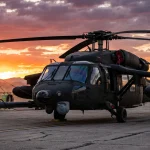
When , several factors highlight the distinctions and similarities. For instance, real helicopters like the Sikorsky UH-60 Black Hawk have robust military applications, serving in various operations due to their durability and payload capacity. Unlike Airwolf, these helicopters are designed for combat scenarios, equipped with armor and advanced avionics suited for real-world missions.
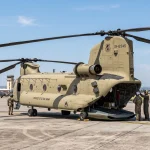
Another important aspect to consider is the use of technology. Airwolf depicted a level of sophistication in avionics and weapon systems that was visionary for its time. The helicopter was portrayed as being capable of flying at supersonic speeds and performing aerial maneuvers that defy the capabilities of most real helicopters. This portrayal, while thrilling, remote from the operational limits of actual aircraft like the Eurocopter AS350 or the Boeing CH-47 Chinook, which, despite their advanced capabilities, operate within strict limits of physics and safety.
The craftsmanship of both the Airwolf set and the real helicopters used in film and TV underscores a dedication to aviation that appeals to enthusiasts and casual viewers alike. The show inspired many to explore careers in aviation, reinforcing the notion that behind every impressive helicopter, both on-screen and in-flight, lies a blend of engineering excellence and imaginative storytelling that captivates audiences.
In conclusion, while Airwolf serves as a fantastic representation of helicopter capabilities enhanced by Hollywood magic, understanding its real-life counterparts helps balance admiration for its fictional feats with respect for the engineering and skill required in authentic aviation.
Behind the Scenes: Airwolf’s Filming Techniques
The production of Airwolf was a groundbreaking endeavor that combined innovative filming techniques with creative storytelling to create one of television’s most memorable action series. The show’s distinct style was greatly influenced by the iconic Bell 222 helicopter, which was not only the star of the show but also a central element in its filming techniques. From practical effects to impressive aerial cinematography, the behind-the-scenes efforts contributed significantly to the series’ success.
One of the standout aspects of Airwolf was its use of both real flying sequences and miniatures. The production team employed a combination of the actual Bell 222 helicopter for flying scenes and detailed miniatures for special effects shots. This blend allowed for dynamic action sequences that showcased the helicopter’s capabilities while also maintaining a practical aspect in terms of filming logistics and safety. The filming in various scenic locations further enhanced the feel of the series, making the helicopter’s missions appear all the more thrilling.
To achieve the seamless transitions between helicopter shots and ground-based action, the crew utilized multiple camera techniques. Techniques such as crane shots allowed for sweeping views of the helicopter in flight, while specialized mounts helped capture the cockpit’s perspective. Furthermore, the use of sound design in post-production played a crucial role. The unique sounds of the helicopter were enhanced and complemented by other audio effects, creating a signature auditory identity for Airwolf that left an indelible mark on pop culture.
Ultimately, the behind-the-scenes efforts on Airwolf exemplified a commitment to pushing the boundaries of television production. The combination of real aircraft operation, imaginative special effects, and meticulous attention to sound design not only made Airwolf a visual spectacle but also paved the way for future shows and films in the action genre. This dedication continues to inspire aspiring filmmakers and aviation enthusiasts alike, demonstrating how effective storytelling and technical innovation can captivate audiences in thrilling ways.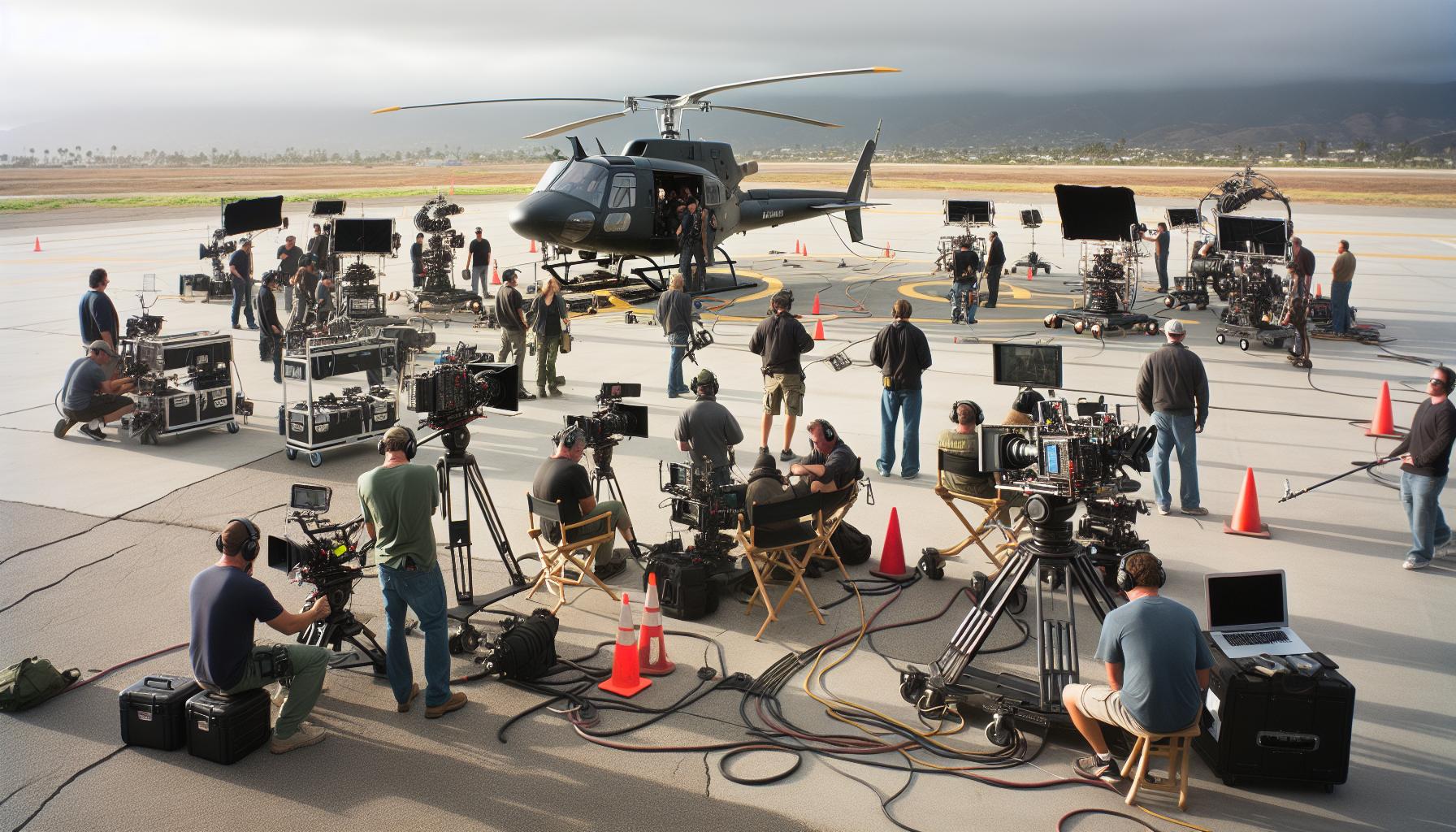
The Sound of Airwolf: Iconic Helicopter Sounds
The unmistakable sounds of the Airwolf helicopter became a signature element of the show, captivating audiences and adding to the intense action sequences that defined this iconic series. The unmistakable whir of the Bell 222’s rotors and the distinctive, powerful engine growl crafted a soundscape that was not only thrilling but also integral to the storytelling, often amplifying the drama of each mission.
To achieve the iconic auditory identity of Airwolf, the production team combined actual helicopter sounds with enhanced sound design. The Bell 222, while originally designed for commercial use, had a unique audio profile that was perfect for dramatic effect. The sound editors skillfully layered and manipulated these raw sounds, ensuring that every take-off and landing resonated with high-octane excitement. Post-production techniques included compression and reverb that contributed to that epic feel, making the helicopter sound both fearsome and heroic.
The use of sound was not limited to the helicopter’s mechanical noises; it also encompassed the operational controls and cockpit alarms, which heightened the realism during flight sequences. Viewers could virtually experience the thrill of piloting Airwolf, thanks to a carefully curated audio experience that made them feel like they were right there in the cockpit with the characters. This thoughtful integration of sound design played a crucial role in making the intense action sequences feel authentic, thus enhancing viewer engagement.
Ultimately, the sound of Airwolf became more than just an audio cue; it evolved into a character of its own. For many fans, the roar of its engines and the slicing sound of its rotor blades are forever linked with the excitement and adventure of the series. This legacy continues to inspire both aspiring aviators and sound designers, highlighting how effectively crafted audio can transform a visual narrative into an immersive experience.
Exploring Airwolf’s High-Tech Gadgets
The Airwolf helicopter isn’t just a remarkable aircraft; it’s a showcase of imaginative technology that captured the hearts of viewers during its run. The show’s creators infused the Bell 222 with a variety of high-tech gadgets that not only enhanced its combat capabilities but also made it an iconic symbol of the 1980s action genre. One of the standout features was its ability to transform, with the jet turbine engines allowing for remarkable speed and quick agile maneuvers. This feature was not only thrilling but also showcased the helicopter’s fictionalized advanced engineering.
Another innovative aspect of Airwolf was its arsenal of weapons and surveillance technology. The helicopter was equipped with missiles, machine guns, and a number of gadgets like a nose-mounted camera for reconnaissance missions. Viewers were treated to imaginative gadgets such as the infrared targeting system which provided an edge in tracking enemies during night operations. The creative freedom taken by the writers also led to features like cloaking devices, allowing the helicopter to evade enemy radar – a concept that spurred interest in real-life advancements in stealth technology.
Fans often speculate about how close these fictional tools could come to real-world applications. The portrayal of drone-like surveillance, missile guidance systems, and advanced avionics presented a futuristic vision of military helicopters that continues to influence both the entertainment industry and military technology. Furthermore, Airwolf inspired the next generation of aviation enthusiasts and engineers to consider what could be possible with emerging technologies in real-world aviation.
In addition to its gadgets, Airwolf’s design was grounded in detailed engineering principles. The helicopter served as an educational tool, sparking an interest in helicopter mechanics among young audiences. It showcased the balance between creative storytelling and scientific accuracy, emphasizing the relationship between innovation and practicality in aviation. For anyone fascinated by aviation, Airwolf offers a captivating blend of entertainment and inspiration for what the future of helicopters could hold.
Fan Favorites: Airwolf Merchandise and Collectibles
The enduring legacy of Airwolf extends far beyond its thrilling escapades on screen; it has also fostered a vibrant market for merchandise and collectibles. Fans of the show find themselves drawn not just to its action-packed plots, but also to the stylish and iconic design of the Bell 222 helicopter that served as the show’s centerpiece. From detailed model kits to clothing and memorabilia, the variety of Airwolf merchandise reflects the helicopter’s status as a pop culture emblem.
One of the most popular collectible items is the Airwolf model helicopter, which can be found in various scales and styles. Enthusiasts appreciate not only the craftsmanship involved but also the opportunity to display a piece of 1980s television history. Many of these models include intricate details that mirror the helicopter’s design on the show, complete with weapons mounts and the striking black and red color scheme. Collectors often seek out versions that are either mint in box or signed by cast members, adding to their value.
In addition to model helicopters, fans can don apparel featuring the Airwolf logo or iconic catchphrases from the show. T-shirts, jackets, and even caps with the show’s branding allow fans to showcase their love for Airwolf in everyday life. Many of these items are designed with a nostalgic flair, appealing to both original viewers of the series and a new generation discovering the show through streaming platforms.
Moreover, the availability of props and production materials from the series on auction sites has surged in popularity as dedicated fans hunt for authentic pieces of Airwolf memorabilia. These may include scripts, behind-the-scenes photos, and even authentic pilot helmets. With the rise of online communities focused on Airwolf, fans often share their collections, trading items, and stories, thereby keeping the spirit of the show alive.
Collecting Airwolf merchandise is not just about owning a piece of memorabilia; it’s about connecting with a community and celebrating the adventurous spirit that the show embodied. Whether it’s a vintage model on a shelf or a casual tee worn proudly, each item has a story to tell, bridging the gap between past and present for fans who continue to be inspired by the fearless exploits of Airwolf and its crew.
The Evolution of Airwolf in Television History
The impact of the show Airwolf on television history is undeniable, not just for its thrilling plots and iconic helicopter but for the way it shaped public perception of aviation in the 1980s. Debuted in the early part of the decade, Airwolf introduced audiences to a sophisticated, technologically advanced helicopter-a Bell 222-capable of extraordinary feats that sparked a fascination with aviation technology. The show’s central narrative revolved around a covert operative piloting the helicopter, engaging in high-stakes missions that challenged both his skills and ethical boundaries.
As the series evolved, so did its themes and character development, reflecting societal attitudes and technological aspirations of the time. In its early seasons, Airwolf focused heavily on military and espionage elements, playing into the Cold War context, but as the series progressed, it shifted towards more personal stories and character arcs. This evolution allowed the program to maintain viewer engagement, as audiences connected with the human aspects behind the action.
Additionally, Airwolf became a cultural phenomenon, influencing not only television programming but also the marketing of aviation-related products. The sleek design of the helicopter became a recognizable symbol, representing high-tech prowess in an era of increasing technological advancement. This connection is evident in various fan activities, from building model helicopters to cosplaying as characters from the show, showcasing how Airwolf transcended the screen to inspire a devoted community.
Moreover, the legacy of Airwolf continues in popular culture, long after its original airing. The series paved the way for more sophisticated portrayals of aviation in media, leading to a host of modern shows and films that include aerial action as a central thematic element. As enthusiasts reflect on the adventures of Airwolf, it serves as a touchstone for discussions about the importance of aviation in storytelling and the inspirational impact it can have, particularly for aspiring pilots and aviation aficionados. Its continuous relevance is a testament to the show’s innovative spirit and the powerful role that aviation plays in our collective imagination.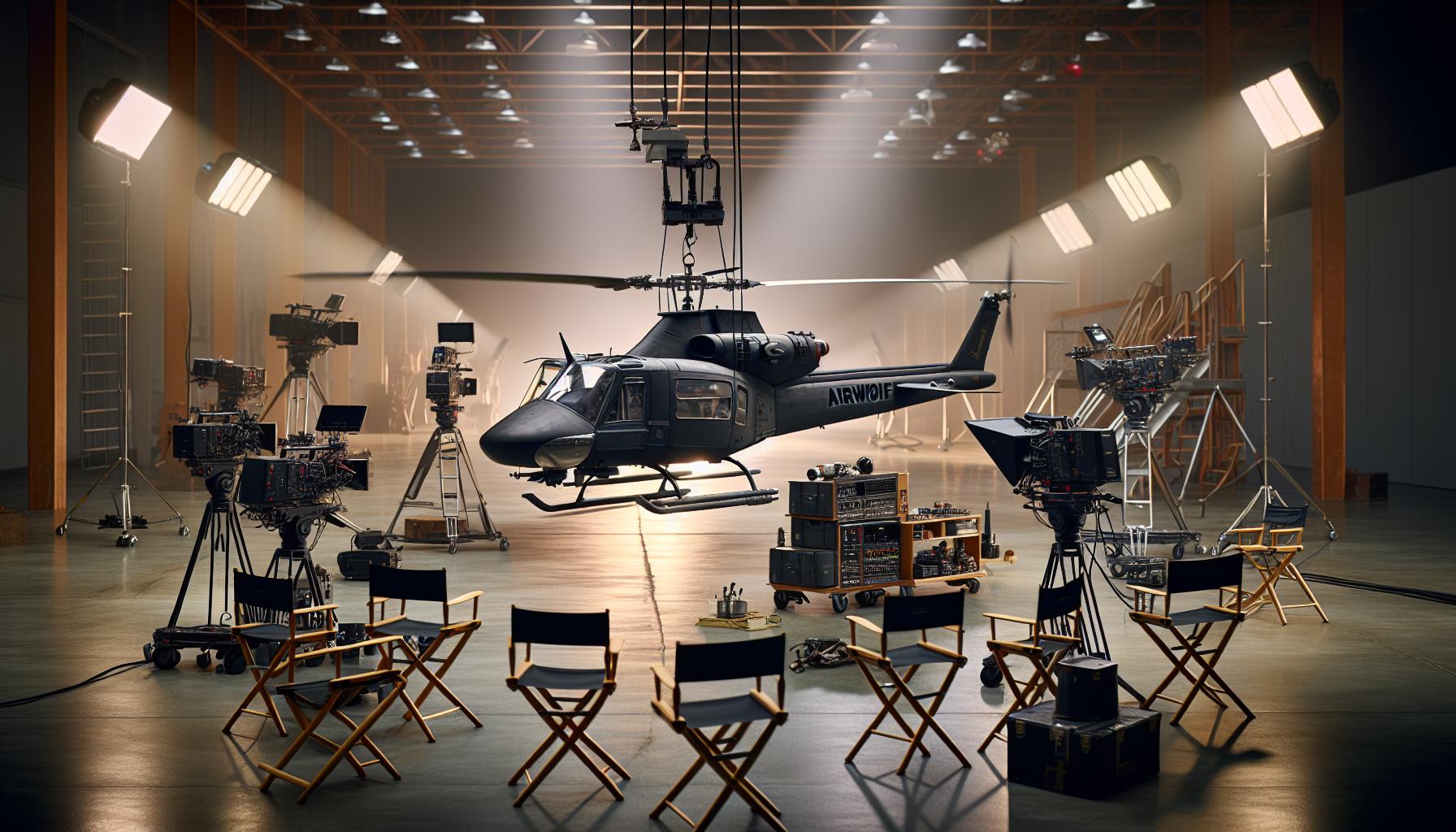
Behind the Pilot’s Seat: Real-Life Airwolf Pilots
Pilots of the iconic Bell 222 helicopter in the series Airwolf played a pivotal role in not just bringing the character of Stringfellow Hawke to life, but also in showcasing the helicopter’s impressive capabilities. The actor Jan-Michael Vincent, who portrayed Hawke, didn’t operate the helicopter himself but had notable flight scenes created through skillful stunt coordination and helicopter piloting. The real shows of skill and precision came from the helicopter pilots behind the scenes, who were essential for executing the series’ breathtaking aerial stunts and maneuvers.
Several professional pilots were involved in the filming of Airwolf, utilizing their extensive experience to ensure that each flight sequence maintained a high level of safety and authenticity. Helicopters like the Bell 222 were known for their agility and versatility, which made them ideal for the show’s thrilling narratives. Pilots worked closely with the production team to choreograph complex maneuvers, often flying patterns that involved tight turns, high-speed pursuits, and dramatic altitude changes-all of which were critical for maintaining the show’s adrenaline-pumping dynamics.
Behind the scenes, the coordination and communication between the pilots and the director were crucial. This included extensive pre-flight planning, where every scene was meticulously mapped out. Potential risks were assessed, with safety protocols ensuring that stunts were not only visually spectacular but also secure for the crew involved. The pilots’ ability to adapt to changing conditions during flight further exemplified their skill and professionalism, which resonates with aspiring aviators wanting similar experiences.
For those considering a career in aviation, the opportunities in film and television for helicopter pilots are worth exploring. In addition to standard pilot training, aspiring pilots could benefit from specialized courses in aerial cinematography. Understanding the technical aspects of flight-as well as the artistic vision required for filming-is invaluable. Professional pilots often share tips on how to build experience, such as logging flight hours, understanding different helicopter models, and networking within the aviation and film industries. Engaging in drone piloting as a stepping stone to traditional flight can also provide valuable insights into what it takes to effectively capture aerial shots, akin to how the pilots of Airwolf brought their flying skills to the screen.
How Airwolf Inspires Future Aviation Enthusiasts
The iconic Bell 222 helicopter, prominently featured in the television series Airwolf, has left a lasting impression that continues to inspire future generations of aviation enthusiasts. Known for its sleek design and impressive capabilities, the helicopter has sparked interest not only in flying but also in the broader field of aerospace technology. For many fans, Airwolf represents the thrill and potential of aviation, encouraging them to explore careers as pilots, engineers, or technicians.
Aspiring aviators can take several actionable steps to pursue their passion for flight, spurred by the allure of Airwolf. Participating in helicopter flight schools or enrolling in aviation programs can provide foundational skills. Learning about the various helicopter models, including the Bell 222, helps aspirants understand the mechanics and nuances of flight. It’s also invaluable to connect with mentors in the field-individuals who have firsthand experience in flying or in aviation-related roles can provide guidance and insight into the industry.
In addition to formal education and training, engaging with the Airwolf fandom can foster a deeper appreciation for aviation. Attending airshows, joining online forums, or participating in local aviation clubs opens up networks where enthusiasts can share experiences, tips, and resources. Many fans also enjoy hands-on projects, such as building model helicopters or participating in flight simulation exercises. These activities not only enhance knowledge but also provide a glimpse into the adrenaline-filled world of helicopters.
Moreover, the legacy of Airwolf serves as a reminder of the importance of safety and responsible flying. As much as the series showcases thrilling maneuvers, it is crucial to recognize the reality of aviation, including the dedication required to ensure safety in both stunt performance and everyday piloting. By honoring the craft and understanding the risks involved, future pilots can find inspiration in the cinematic excitement while committing to becoming skilled and conscientious aviators.
Q&A
Q: What helicopter is Airwolf based on?
A: Airwolf is based on the Bell 222, a twin-engine, medium-lift helicopter designed for commercial use. This aircraft first flew in 1977 and was modified for the television series, showcasing advanced features that appealed to audiences [1][2].
Q: Why was Airwolf so iconic in the 1980s?
A: Airwolf became iconic due to its sleek design, high-tech capabilities, and thrilling action in the series, capturing the imagination of viewers. It represented the ideal of a modern, advanced military aircraft combined with a compelling storyline [3].
Q: How fast could the Airwolf helicopter fly?
A: In the series, Airwolf was depicted as having a top speed of about 400 knots (approximately 460 mph), emphasizing its advanced technology and speed compared to conventional helicopters. This speed contributed to its reputation as a formidable aircraft [2].
Q: What special features did Airwolf have in the TV series?
A: Airwolf was equipped with stealth technology, supersonic capabilities, and advanced weaponry, allowing it to perform a wide range of missions. These features were integral to the show’s appeal and excitement [2].
Q: When did the Airwolf TV series first air?
A: Airwolf first aired on January 22, 1984, and continued until 1987, becoming a beloved show that highlighted the fusion of aviation technology with engaging storytelling [3].
Q: Where can I find Airwolf merchandise?
A: Fans can find Airwolf merchandise, including models and collectibles, on various online marketplaces, specialty aviation stores, and fan conventions. These items are popular among enthusiasts who wish to celebrate the show’s legacy [2].
Q: What impact did Airwolf have on aviation pop culture?
A: Airwolf significantly influenced aviation pop culture by showcasing a futuristic helicopter in popular media. It inspired a generation of aviation enthusiasts and contributed to the public’s fascination with helicopters and military aviation technology [1].
Q: How realistic were the flight sequences in Airwolf?
A: While Airwolf featured impressive flight sequences, many were enhanced with special effects. The show did utilize actual flight footage of the Bell 222, but certain capabilities and maneuvers were dramatized for entertainment purposes [1].
Key Takeaways
As we’ve explored, the iconic Airwolf helicopter is more than just a TV star; it represents cutting-edge aerospace technology and a cultural phenomenon that captivates audiences. Whether you’re a die-hard fan or simply curious about its unique features, there’s always more to discover. Dive deeper into the fascinating history of helicopters or learn about the engineering marvels that keep them airborne by checking out our article on helicopter history and our educational resources on how helicopters work.
Don’t miss out on future insights-subscribe to our newsletter for the latest updates in aviation and pop culture. Share your thoughts in the comments below; we love hearing from fellow enthusiasts! Remember, the sky’s the limit when it comes to exploring the wonders of rotorcraft design and innovation. Keep your curiosity soaring!
Get our latest guides, news, and insights highlighted in your Google Search & AI Overviews.