When considering the purchase of a Blackhawk helicopter, understanding the costs involved is crucial for potential buyers, enthusiasts, and industry professionals alike. With prices ranging significantly based on model and specifications-from $250,000 at auction to upwards of $20 million for new military-grade units-navigating this market can be daunting. Knowing the factors that affect pricing not only equips you with essential insights but also helps you make informed decisions, whether you’re an aspiring pilot, a collector, or a business looking to invest. Join us as we break down the costs associated with different Blackhawk models and explore what influences their market value, ensuring you have a comprehensive understanding as you delve deeper into the fascinating world of aviation.
Understanding Blackhawk Helicopters: An Overview
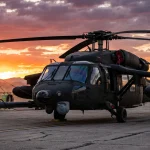
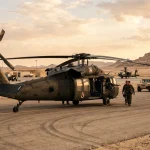
Despite being synonymous with military prowess, the Black Hawk helicopter is more than just a workhorse for armed forces; it’s a symbol of advanced aviation engineering and versatility. Developed by Sikorsky Aircraft, the UH-60 Black Hawk has been a cornerstone of U.S. military aviation since its introduction in the late 1970s. This twin-engine utility helicopter has proven itself in various roles, including transport, medevac, and combat operations, making it a critical asset in many military missions around the world.
One of the standout features of the Black Hawk is its ability to adapt to different environments and missions. It’s equipped with advanced avionics, infrared systems, and robust defensive measures that allow it to operate effectively in hostile areas. The helicopter’s design supports a variety of configurations and can be modified to carry specific equipment or armaments tailored for particular missions. This adaptability contributes to the demand and pricing of Black Hawk helicopters, which can range significantly based on model, condition, and owner requirements.
The pricing of a new UH-60M Black Hawk helicopter typically falls between $17 million and $20 million, incorporating advanced technologies that enhance its operational capabilities. However, many factors can influence its cost, including the specific features chosen, possible military contracts, and the significant costs associated with maintenance, training, and operation. The distinction in pricing also extends to auctions of refurbished models like the UH-60A, which can be available at a fraction of the new price, offering interesting opportunities for various buyers – from governments to private collectors and commercial operators. Ultimately, understanding the financial aspects of owning a Black Hawk requires a comprehensive look not only at the initial purchase price but also at the long-term commitments involved in operating such a capable machine.
Key Factors Influencing Blackhawk Helicopter Prices
The price of a Black Hawk helicopter can vary widely based on several key factors. Understanding these determinants can help potential buyers navigate the complexities of helicopter pricing more effectively.
To begin with, one of the most significant factors influencing the price is the model and age of the helicopter. Newer models like the UH-60M generally command higher prices, typically ranging from $17 million to $20 million, because they come equipped with the latest technology and features, enhancing operational capabilities. In contrast, older models such as the UH-60A can be found at much lower prices, especially in auction scenarios where refurbished units may start as low as $250,000, depending on their condition and modifications made during their service life[[1]](https://www.controller.com/listings/for-sale/sikorsky/uh-60l-black-hawk/aircraft).
Another critical factor is customization. Black Hawks are highly adaptable helicopters, with various configurations tailored for different missions, such as medevac, transport, or special operations. Each modification-from avionics upgrades to weapon systems-can significantly impact the overall cost. As buyers consider their specific mission requirements, they must also factor in the associated costs of customizations, which can range from tens of thousands to millions of dollars, depending on the extent of alterations necessary.
Market demand and supply dynamics also play a critical role in pricing. In times of heightened military activity or during defense budget increases, prices for Black Hawks may rise due to increased competition and demand from governmental and private sectors. Conversely, in downturns or after surplus releases, prices may decrease as supply outweighs demand. Lastly, geographic location and associated logistics can influence costs, especially for international buyers who must consider shipping and import regulations alongside the purchase price.
Understanding these factors, from model and age to customization and market dynamics, equips potential buyers with the insight needed to make informed decisions in the Black Hawk helicopter market.
Cost Breakdown: Base Price vs. Customizations
The price of a Black Hawk helicopter goes beyond its base cost and dives deep into the realm of customization, a crucial factor for any potential buyer. For instance, the UH-60M model typically commands between $17 million and $20 million, depending on various standard features and built-in technologies. However, the nuances of helicopter customizations can dramatically affect this figure. Buyers seeking specific capabilities-be it enhanced avionics, specialized attachment systems for tactical missions, or advanced surveillance technology-should expect to allocate additional funds, sometimes amounting to millions, to tailor a helicopter to their operational needs.
One of the factors that significantly shifts the pricing spectrum is the mission type. For example, a standard troop transport configuration will differ in price from a medical evacuation setup or a combat-oriented design. Here are some aspects that can drive up customized costs:
- Avionics Upgrades: Advanced navigation systems and enhanced communication tools can be crucial for specialized missions.
- Weapon Systems: Integrating helicopter-mounted weaponry or countermeasures often requires substantial financial investment.
- Interior Modifications: Changes made to enhance troop comfort or medical functionality demand additional expenditures.
- Paint and Branding: Custom livery for military aircraft can also contribute to overall costs.
The balance between base price and custom features ultimately creates a highly personalized helicopter purchasing experience. Prospective buyers should conduct thorough research to align their operational needs with budgetary constraints, ensuring they make informed decisions that will support both current and future missions. Understanding that while the price may start at a high base, specific needs can escalate the cost significantly underscores the complexity of the market for Black Hawk helicopters.
Average Maintenance Costs for Blackhawk Helicopters
The operational efficiency of Black Hawk helicopters hinges not only on their purchase price but also significantly on their maintenance costs. Regular maintenance is crucial to ensure safety, reliability, and longevity, impacting both operational readiness and overall budget. On average, the annual maintenance costs for a Black Hawk helicopter can range from $1 million to $2 million, depending on a variety of factors such as operational usage, age of the aircraft, and the extent of customizations.
A significant portion of maintenance expenses arises from scheduled inspections, which include thorough checks of critical components like the rotor system, engines, and avionics. The UH-60L and UH-60M models, for example, require detailed inspections at set intervals-typically after every 100, 500, and 1,000 flight hours. These inspections can accumulate substantial costs, especially when considering parts replacement and labor.
Factors Influencing Maintenance Costs
Several elements contribute to the variability in maintenance expenses:
- Age of the Helicopter: Older models may require more frequent repairs and parts replacements, leading to higher costs.
- Usage Intensity: Helicopters operated in more demanding environments or used frequently for heavy missions may experience greater wear and tear.
- Customization Features: Additional specialized equipment or modifications can complicate maintenance procedures and increase labor costs.
It’s important for potential buyers and operators to budget for these ongoing expenses as part of their operational costs. This not only helps in maintaining safe flying conditions but also supports efficient mission profiles, ensuring that the aircraft remains mission-ready at all times. By understanding these costs from the outset, organizations can better strategize their assets for long-term operational success.
Insurance Expenses for Blackhawk Helicopter Owners
Owning a Black Hawk helicopter comes with substantial insurance expenses, a vital consideration for any prospective owner. The costs of insuring these advanced aircraft can vary widely based on several factors, but preparing for these expenses is crucial for anyone involved in aviation, particularly with military-grade helicopters like the UH-60 series. On average, insurance premiums for Black Hawk helicopters can range from $25,000 to over $100,000 annually, depending on usage, value, and operational risk.
One of the primary factors influencing insurance costs is the helicopter’s value. With prices for a new UH-60M Black Hawk potentially reaching $20 million, the insurance necessary to cover potential damages or liabilities reflects this substantial investment. Moreover, the specific use of the helicopter-such as military operations, search and rescue missions, or commercial applications-also impacts premiums. Each operational profile carries distinct risks, which insurers assess when determining coverage costs.
Types of Coverage
Insurance for Black Hawk helicopters typically includes several types of coverage to protect against a range of risks:
- Hull Coverage: Protects against physical damage to the aircraft, which can be crucial given the high repair costs associated with sophisticated components.
- Liability Coverage: Essential for protecting against third-party claims arising from accidents or incidents involving the helicopter. This is particularly important for operators who fly in populated or urban areas.
- Loss of Income Coverage: If applicable, this type of insurance compensates owners for lost revenue during repairs caused by accidents or damage.
Getting the Right Policy
Choosing the right insurance policy for a Black Hawk helicopter involves careful consideration of both coverage types and the specific needs of the operator. Engaging with specialized aviation insurance brokers can help owners navigate this complex landscape, ensuring they secure comprehensive coverage that addresses their highest risks. Additionally, maintaining a good safety record and following best practices in pilot training and maintenance can lead to lower premiums over time.
Being informed about insurance expenses is essential for prospective Black Hawk helicopter owners. Preparing for these costs not only protects financial investments but also enhances overall operational safety, ensuring a responsible approach to aviation ownership.
Comparative Analysis: Blackhawk vs. Other Military Helicopters
The Black Hawk helicopter, recognized for its versatility and combat readiness, stands out in an array of military helicopters, offering a wealth of capabilities tailored to both offensive and defensive operations. When comparing the Black Hawk with other military helicopters, such as the CH-47 Chinook or the Eurocopter Tiger, fuel efficiency, operational cost, and overall pricing become pivotal considerations in understanding the investment involved.
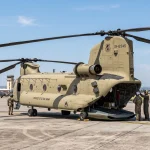
While the Black Hawk typically commands a price tag around $20 million for new models, variations exist depending on customizations and configurations for specific missions. The CH-47 Chinook, designed primarily for heavy-lift operations, presents a different pricing structure due to its larger size and greater cargo capacity, often exceeding $30 million for advanced models. The operational costs for these helicopters also differ: Black Hawks, with their agility and multi-role functionality, generally incur lower maintenance and operational expenses compared to their larger counterparts.
Operational Costs and Financing
When delving into operational costs, the choice of helicopter impacts not just the purchase price but ongoing expenses like maintenance and fuel. The Black Hawk’s robust design allows for more straightforward and less frequent maintenance, which can translate to lower lifecycle costs. Additionally, financing options vary significantly based on the helicopter model and intended use. For instance, Black Hawk owners may find compatible financing arrangements through specialized aviation lenders that consider the aircraft’s multi-mission capabilities, which can enhance its appeal to a broader market, including government contractors and private corporations focusing on search and rescue or medical transport.
Margin of Safety and Performance
Safety records and the helicopter’s performance in various environments also set the Black Hawk apart in the military aviation world. With its advanced avionics and flight control systems, the Black Hawk is often preferred for high-risk missions over older designs. In comparison, while helicopters like the UH-1 Huey have a storied legacy and proven reliability, their dated technology may not match the performance and safety standards of newer models like the Black Hawk.
In conclusion, when weighing the Black Hawk against its military counterparts, potential owners must consider not only the purchase price but also the implications of operational costs, financing, safety, and mission adaptability. The Black Hawk’s standing as a reliable, multi-use aircraft often translates into greater long-term value, making it a compelling choice for military and commercial applications alike.
Financing Options for Purchasing a Blackhawk Helicopter
Acquiring a Black Hawk helicopter can be a substantial investment, often drawing in potential buyers eager to leverage its multi-role capabilities for military, commercial, or humanitarian operations. Navigating the financing landscape is crucial, given the helicopter’s base price, which typically hovers around $20 million, but can vary significantly depending on customizations and specific operational requirements. For many buyers, understanding the financing options available is key to making this significant purchase manageable.
One of the most common routes for financing a Black Hawk is through specialized aviation lenders. These institutions are tailored to the unique needs of aircraft financing and often consider the helicopter’s extensive capabilities-allowing for more customized financing solutions. Buyers can explore options such as traditional loans, lease arrangements, or manufacturer financing programs, which can provide more favorable terms tailored to the aircraft’s multi-mission roles.
Types of Financing Options
When considering financing, it’s important to evaluate various options:
- Bank Loans: Traditional banks offer loans specifically for aircraft purchases, often requiring a down payment between 10-20%. They may provide flexible repayment plans, but interest rates can vary.
- Lease Agreements: Leases allow operators to use the helicopter without a significant upfront cost. At the end of the lease term, there may be an option to purchase the helicopter, making it an attractive choice for many businesses.
- Manufacturer Financing: Some manufacturers, like Sikorsky, may offer financing directly, which can include favorable terms or bundled service packages along with the purchase.
Tax Considerations
Understanding tax implications is also vital. Deductions may be available for depreciation of the aircraft, contributing positively to the overall cost of ownership. Consulting with a tax professional familiar with aviation can help buyers maximize these benefits effectively.
In conclusion, successfully financing a Black Hawk helicopter involves careful consideration of the available options, understanding the associated costs, and leveraging potential tax benefits. Each buyer must assess their unique needs and operational goals to find the best fit among the various financing solutions available. This proactive approach can pave the way for leveraging the incredible versatility of the Black Hawk for diverse missions.
Resale Value: What Affects Blackhawk Helicopter Value?
The resale value of Black Hawk helicopters is influenced by several factors unique to military aircraft. Known for their durability and multi-role capabilities, these helicopters often maintain significant value in the used market, making them a point of interest for various buyers. Key elements influencing resale prices include the helicopter’s condition, modifications, operational history, and market demand.
Condition and Maintenance
The overall condition of the helicopter, including how well it has been maintained, plays a pivotal role in determining its resale value. Buyers often seek helicopters that have complete maintenance records and showcase adherence to rigorous service standards. A Black Hawk that has undergone regular maintenance and inspections will fetch a better price compared to one with a questionable history.
Modifications and Customizations
Custom modifications can significantly impact a helicopter’s resale value. Features such as advanced avionics, updated communications systems, or specialized configurations for specific missions can enhance the attractiveness of a Black Hawk to potential buyers. Conversely, helicopters that are heavily modified may also face scrutiny, as some buyers prefer models that retain original specifications for operational reliability.
Operational History
The operational history is crucial as well. For instance, a Black Hawk that has been previously involved in combat operations may be viewed differently than one used solely for training or support tasks. Buyers typically favor helicopters with minimal flight hours and those with a strong performance record in civilian or humanitarian missions, which can elevate the resale value significantly.
Market Demand
Market demand fluctuates based on various external factors, including geopolitical conditions, military budgets, and advancements in helicopter technology. For example, during periods of high military expenditure or increased humanitarian efforts, demand for Black Hawks can rise, positively impacting their resale values. Additionally, trends in aviation technology may lead buyers to prefer newer models over older ones, also influencing pricing in the used market.
In summary, understanding these dynamics can help potential buyers and sellers make informed decisions regarding the financial aspects of Black Hawk helicopters. Factors like condition, customizations, operational history, and market demand all contribute to the overall valuation of these formidable aircraft. Making well-informed choices in these areas can lead to successful transactions in the highly specialized marketplace of military aviation.
Blackhawk Helicopters in Commercial Use: Cost Insights
The Black Hawk helicopter is not just a military icon; it has also found its place in various commercial applications worldwide. From emergency medical services (EMS) to firefighting and even transporting cargo, these helicopters deliver exceptional versatility and reliability. Understanding the cost implications of utilizing Black Hawks in commercial contexts is crucial for operators, agencies, and businesses considering this powerful aircraft.
In the commercial market, the price of a Black Hawk can range significantly based on its configuration and specific modifications. For example, a used Sikorsky UH-60L Black Hawk can be priced around $5.5 million, but this figure can vary widely depending on the helicopter’s condition, the level of refurbishment it has undergone, and the included equipment. Buyers must also consider the additional costs associated with customization for specialized roles, such as medical equipment for air ambulances or firefighting gear. These customizations can significantly increase both the initial investment and ongoing operational costs.
Ongoing Costs Associated with Commercial Use
Operating a Black Hawk in commercial settings goes beyond the base purchase price. Operators should also account for several ongoing expenses:
- Maintenance Costs: Regular maintenance and inspections are vital for safety and performance, which can range from tens of thousands to over a million dollars annually, depending on usage and specific maintenance plans.
- Fuel Expenses: Fuel costs can vary greatly based on the helicopter’s operational profile. The Black Hawk, with its powerful engines, may have a high fuel consumption rate, necessitating budgeting for significant fuel expenses during operation.
- Insurance Costs: Acquiring insurance is essential when operating helicopters, especially for commercial purposes. The premiums can vary based on operational risk factors, helicopter value, and aviation regulations.
- Training and Personnel: Ensuring that pilots and crew are adequately trained and up to date with FAA regulations incurs costs that should be carefully budgeted.
Choosing a Black Hawk for commercial use can be a strategic decision, especially given its proven track record in various operational roles. Companies with the resources to invest in these helicopters could benefit significantly from their capabilities, provided they are prepared to manage the associated costs effectively. Whether it’s for search and rescue operations or carrying freight in remote locations, the Black Hawk helicopter’s ability to perform under diverse conditions makes it a valuable asset in the commercial aviation market.
Government Contracts and Their Impact on Blackhawk Prices
Government contracts play a crucial role in shaping the prices of Black Hawk helicopters, influencing everything from base costs to future market trends. When the U.S. government, particularly the Department of Defense, issues contracts for these advanced aircraft, it typically involves large-scale purchases that leverage economies of scale. This can significantly lower the unit price compared to what a single civilian buyer might pay. For instance, while the cost of a new UH-60M Black Hawk helicopter can range from $15 million to $20 million depending on features and configurations, bulk purchasing by the military often drives the price toward the lower end of that spectrum [[1]](https://www.facebook.com/100090302745488/posts/how-much-does-a-uh-60m-black-hawk-costthe-cost-of-a-uh-60m-black-hawk-helicopter/454586760894745/).
Impact of Procurement Processes
The procurement process for government contracts is rigorous and involves competitive bidding, which can also affect pricing. When multiple manufacturers compete for a contract, they may offer favorable pricing or additional features to secure the deal. This competitive landscape can result in lower costs for models that may otherwise carry hefty price tags if sold independently on the civilian market. Moreover, contracts often cover long-term maintenance and support services, which can be additional avenues for cost savings, impacting the overall financial commitment associated with these helicopters.
Effects on Resale Values
Government contracts can also indirectly influence the resale value of Black Hawk helicopters. Military surplus sales often flood the market with used helicopters at lower prices, making it challenging for newer models to command high resale prices. For example, a well-maintained used Sikorsky UH-60A might retail around $5.5 million, while new models can significantly outprice older ones due to the introduction of advanced technologies and upgrades. This dichotomy means that buyers must be strategic, particularly in how government contracts and military decommissioning policies might affect the availability and pricing of Black Hawk helicopters in the future.
The interplay of government contracts with the Black Hawk pricing structure thus presents a complex web of opportunities and challenges for potential buyers. Understanding how these contracts function can provide valuable insights and inform better purchasing decisions, whether for military, governmental, or commercial purposes. This knowledge is essential for anyone looking to navigate the aviation market effectively, maximizing both operational efficiency and financial prudence.
Future Trends in Blackhawk Pricing and Market Demand
The future of Black Hawk helicopter pricing and market demand is poised for notable shifts as various factors converge. One significant trend is the growing emphasis on modernization and technological upgrades, which not only appeals to military buyers but also to commercial operators. As newer models like the UH-60M incorporate advanced systems for navigation and flight control, the cost of these helicopters may rise, yet their enhanced capabilities justify the investment. Buyers increasingly seek helicopters that offer cutting-edge technology, aiming to improve operational efficiency and safety, thereby increasing overall demand in the long run.
Supply and Demand Dynamics
As military surplus inventory floods the market, particularly from retiring models such as the UH-60A, the pricing for used aircraft may experience downward pressure. This can be advantageous for smaller operators or countries looking to procure helicopters at lower price points. However, this influx also creates a dichotomy: while used Black Hawks may be affordable, these older models might lack the modern features that newer helicopters provide, creating a nuanced decision-making environment for buyers.
The anticipation of increased global instability may also ramp up demand for military helicopters. As conflicts arise, governments may prioritize defense spending, providing an avenue for Sikorsky and other manufacturers to secure more lucrative contracts. Consequently, this could lead to price escalations for new units due to increased manufacturing demands.
Environmental Considerations and Innovations
Another integral factor influencing future pricing trends is the evolving regulatory landscape around aviation emissions. As governments introduce stricter environmental policies, manufacturers may need to invest in technologies that enhance fuel efficiency and reduce emissions. This innovation, while potentially increasing production costs and, subsequently, retail prices, can also yield long-term savings for operators. Future buyers might find themselves navigating new pricing structures that reflect both enhanced performance and sustainability commitments.
In summary, prospective buyers of Black Hawk helicopters should remain vigilant about the shifting landscape of costs driven by advancements in technology, the interplay of supply and demand, and emerging environmental regulations. By understanding these trends, they can make informed purchasing decisions that align with both budgetary constraints and operational needs. The market for Black Hawks is likely to evolve, offering a blend of opportunities and challenges as these dynamic factors unfold.
Frequently asked questions
Q: How much does a new UH-60M Black Hawk helicopter cost?
A: A new UH-60M Black Hawk helicopter typically costs between $17 million and $20 million per unit, depending on specific configurations. The U.S. military usually purchases these helicopters in bulk, with individual unit prices ranging from $15 million to $18 million[1].
Q: What are the additional costs of owning a Black Hawk helicopter?
A: Beyond the base price, additional costs include maintenance, training, and support, which can add tens of millions of dollars to the overall expense of operating a Black Hawk helicopter. It’s essential to budget for these ongoing expenses when considering ownership[1].
Q: What influences the price of Black Hawk helicopters?
A: The price of Black Hawk helicopters can vary based on factors such as model type, customization options, technological upgrades, and market demand. Additionally, government contracts and military requirements impact pricing significantly[1].
Q: Are there different models of Black Hawk helicopters and their prices?
A: Yes, models like the UH-60L Black Hawk are available for purchase, with market prices ranging from around $5.5 million. Each model may offer different capabilities and features, affecting its price based on demand and condition[2].
Q: Can I purchase a used Black Hawk helicopter?
A: Yes, used Black Hawk helicopters can be acquired through auctions or specialized sales platforms. Recent bids for used models, for example, started at $250,000, although prices can greatly vary based on condition and modifications[3].
Q: How does financing work for purchasing a Black Hawk helicopter?
A: Financing options are available for both new and used Black Hawk helicopters. Buyers may find secured commercial loans or specialized financing arrangements tailored for aviation-which can help manage the high costs of acquisition[2].
Q: What is the total cost of the UH-60M Black Hawk helicopter program?
A: The total estimated program cost for the U.S. Army’s UH-60M Black Hawk helicopter program, covering development, production, and testing, is about $20 billion[1].
Q: What is the resale value of a Black Hawk helicopter?
A: The resale value of Black Hawk helicopters can be significantly influenced by factors such as condition, upgrades, and market demand. Regular assessments of these elements can help owners understand potential resale opportunities[1].
Concluding Remarks
Understanding the cost of a Blackhawk helicopter reveals just how much goes into these incredible machines. Whether you’re interested in military applications, commercial use, or just curious about aviation, knowing the detailed costs can empower your decisions. If you’re still wondering about financing options or operational expenses, check out our articles on “Helicopter Financing Options” and “Operational Costs of Military Aircraft” for further insights.
Ready to dive deeper into the fascinating world of helicopters? Sign up for our newsletter to receive the latest updates on helicopter technology and industry trends directly in your inbox. Share your thoughts or questions in the comments below, and let’s keep the conversation going! Remember, each helicopter has its own story-explore them with us and uncover what makes aviation so captivating. If you’re aiming to become a pilot or learn more about helicopter models, our detailed guides will help you every step of the way. Don’t let curiosity fade-continue your journey with us today!
Get our latest guides, news, and insights highlighted in your Google Search & AI Overviews.