On January 26, 2020, the tragic helicopter crash that claimed the lives of basketball legend Kobe Bryant, his daughter Gianna, and seven others shocked the world and raised questions about aviation safety. Investigations revealed critical factors leading to the accident, sparking conversations about pilot training, weather limitations, and helicopter technology. Understanding these elements is essential not just for aviation enthusiasts but for anyone who uses or relies on air travel. By delving into the details of this investigation, we honor those lost and provide valuable insights that could prevent similar tragedies in the future. Join us as we explore what really happened and the lessons that can inform safer flying practices for everyone.
What Happened on the Day of the Crash?
On the fateful day of January 26, 2020, a tragic incident unfolded involving the helicopter carrying basketball legend Kobe Bryant, his daughter Gianna, and seven others. They were flying aboard a Sikorsky S-76B helicopter, leaving from John Wayne Airport in California, en route to a youth basketball tournament in Thousand Oaks. Shortly after takeoff, the helicopter encountered a challenging mix of weather conditions, including fog and low clouds, which would prove critical to the sequence of events that unfolded.
As the aircraft approached the Los Angeles area, visibility deteriorated significantly. The pilot, Ara Zobayan, was navigating under visual flight rules (VFR) but found himself in a scenario that tested his skills and judgment. According to reports, Zobayan requested and received air traffic control clearance to ascend to a higher altitude where visibility was better. However, as they climbed, the helicopter began to experience spatial disorientation – a common challenge in low visibility conditions. This condition occurs when a pilot cannot visually perceive their position in relation to the ground or horizon.
The last recorded communication from the helicopter was a request to climb, followed by a rapid descent that tragically ended in the Calabasas hills, resulting in the loss of all nine lives on board. The National Transportation Safety Board (NTSB) later indicated that the combination of poor visibility, the pilot’s decision-making under pressure, and potential issues concerning flight procedures contributed to the crash. Understanding these factors is crucial for improving aviation safety protocols and provides valuable lessons for pilots and the aviation community.
Key Factors Leading to the Helicopter Crash
The tragic helicopter crash involving Kobe Bryant and eight others on January 26, 2020, was the result of a confluence of critical factors that, when combined, became catastrophic. Understanding these elements is essential not only in honoring the lives lost but also for preventing future accidents in the aviation world.
A key factor was the weather conditions at the time of the flight. The helicopter was navigating through dense fog and low clouds, which significantly reduced visibility. While the pilot, Ara Zobayan, was operating under visual flight rules (VFR), the rapidly deteriorating conditions presented an immense challenge. In such scenarios, pilots rely heavily on their training and instruments, but the transition from visual to instrument navigation can be daunting, especially under pressure.
Another crucial element was the pilot’s decision-making in response to these adverse conditions. Although Zobayan had obtained clearance to climb to a higher altitude for improved visibility, his decisions soon led to spatial disorientation-a condition where a pilot cannot accurately gauge their orientation due to the lack of visual reference. Reports indicate that this disorientation exacerbated the situation, leading to a tragic loss of control and the subsequent crash. This highlights the importance of robust training programs that prepare pilots for real-world scenarios, particularly those involving rapid changes in flight parameters and unforeseen weather challenges.
Moreover, the mechanics of the Sikorsky S-76B, the helicopter involved, also come into play. While the S-76 is known for its reliability, every aircraft has specific limitations. Understanding these limitations is essential for pilots, especially in challenging flying conditions. The operational pressures and demands during the flight are significant, and even experienced pilots can find themselves in precarious situations when environmental factors obscure their judgment.
In summary, the investigation into the factors contributing to the helicopter crash reveals a complex interplay of weather, pilot decision-making, and the inherent challenges of aviation operations. By examining these aspects, we can glean insights that not only honor the legacy of those lost but also strive toward enhancing safety protocols and training for future generations of aviators.
Pilot Decisions and Training Insights
The decisions made by a pilot under pressure can be the difference between a safe flight and a catastrophic accident, as tragically illustrated by the helicopter crash involving Kobe Bryant. One of the most critical aspects of piloting is the ability to assess a situation quickly and act appropriately, especially when facing unexpected challenges such as deteriorating weather conditions. In this accident, pilot Ara Zobayan was operating under Visual Flight Rules (VFR), which allows pilots to fly according to visual references in the environment. However, as conditions worsened, his decision to continue the flight highlighted a key dilemma many pilots face: when to push forward and when to turn back.
A detailed examination of Zobayan’s training and experience reveals insights into the complexities of aviation decision-making. Although he was well qualified and had significant experience flying in various conditions, including fog and clouds, the rapid onset of low visibility created a situation that may have overwhelmed even seasoned pilots. A crucial element often considered during pilot training is spatial awareness-the ability to understand one’s position in three-dimensional space. When Zobayan lost visual reference due to fog, he struggled with spatial disorientation, making it more challenging to regain control. This emphasizes the need for robust training that not only focuses on skills but also on managing psychological pressures during flight.
One approach to enhancing pilot decision-making skills is through scenario-based training, which simulates unexpected conditions and emergencies. This method encourages pilots to develop critical thinking and prioritization skills, preparing them for real-world scenarios where split-second decisions can be necessary. Additionally, emphasizing the importance of instrument flight rules (IFR) training across all types of flying is vital. Pilots trained in IFR can better transition to instrument navigation when visual cues are lost, helping to prevent accidents.
Ultimately, the lessons from this tragedy extend beyond individual pilot actions to highlight the inherent risks in the aviation environment. By incorporating more comprehensive decision-making frameworks into pilot training-coupled with a focus on mental resiliency and situational awareness-we can strive to improve the overall safety of helicopter operations and honor the lives lost on that fateful day. Such insights not only aim to enhance pilot preparedness but also to foster an aviation culture that prioritizes safety and vigilance.
Weather Conditions and Visibility Challenges
The day of the helicopter crash involving Kobe Bryant was marked by rapidly deteriorating weather conditions that drastically impaired visibility. As fields of fog rolled in, the flight conditions evolved from manageable to perilous in a matter of moments. Pilots rely heavily on visual references, and when those are obscured, their ability to navigate safely can become severely compromised. On that fateful morning, the weather was characterized by low clouds and significant mist, creating a challenging landscape for pilot Ara Zobayan, who was flying under Visual Flight Rules (VFR). Although he was licensed to operate under these conditions, the implications of flying in such weather cannot be overstated.
When visibility drops below certain thresholds, as it often did that day, pilots face a critical decision-making scenario. They must weigh the risks of continuing the flight against the safety of potential landing options. In this case, Zobayan continued the flight despite a significant drop in visibility. This is not merely a lapse in judgment, but a complex intersection of training, experience, and the psychological pressures of aviation. Effective training in assessing real-time weather conditions and responding appropriately is crucial for pilots. Understanding when to turn back or seek alternative routes is a skill that can be developed through rigorous scenario-based training, which simulates such decision-making under pressure.
As the helicopter flew through the fog, Zobayan experienced spatial disorientation-a phenomenon where a pilot’s sense of direction is compromised, making it nearly impossible to determine altitude or pitch. This disorientation often leads to critical errors in judgment, as the pilot may misinterpret the aircraft’s position relative to the ground. To help mitigate these risks, pilots can benefit from thorough training in instrument navigation, which enables them to fly based on instruments rather than visual references alone. By enhancing their skills in this area, pilots can significantly reduce the likelihood of accidents in low-visibility situations.
Ultimately, weather conditions played an instrumental role in the tragic events that unfolded. It’s a stark reminder of the power of nature and the need for a steadfast commitment to safety protocols and training that prioritize a pilot’s ability to make informed decisions in the face of challenging conditions. Each flight serves as a microcosm of what makes aviation both exhilarating and dangerous-a delicate balance that underscores the importance of pilot preparedness and environmental awareness.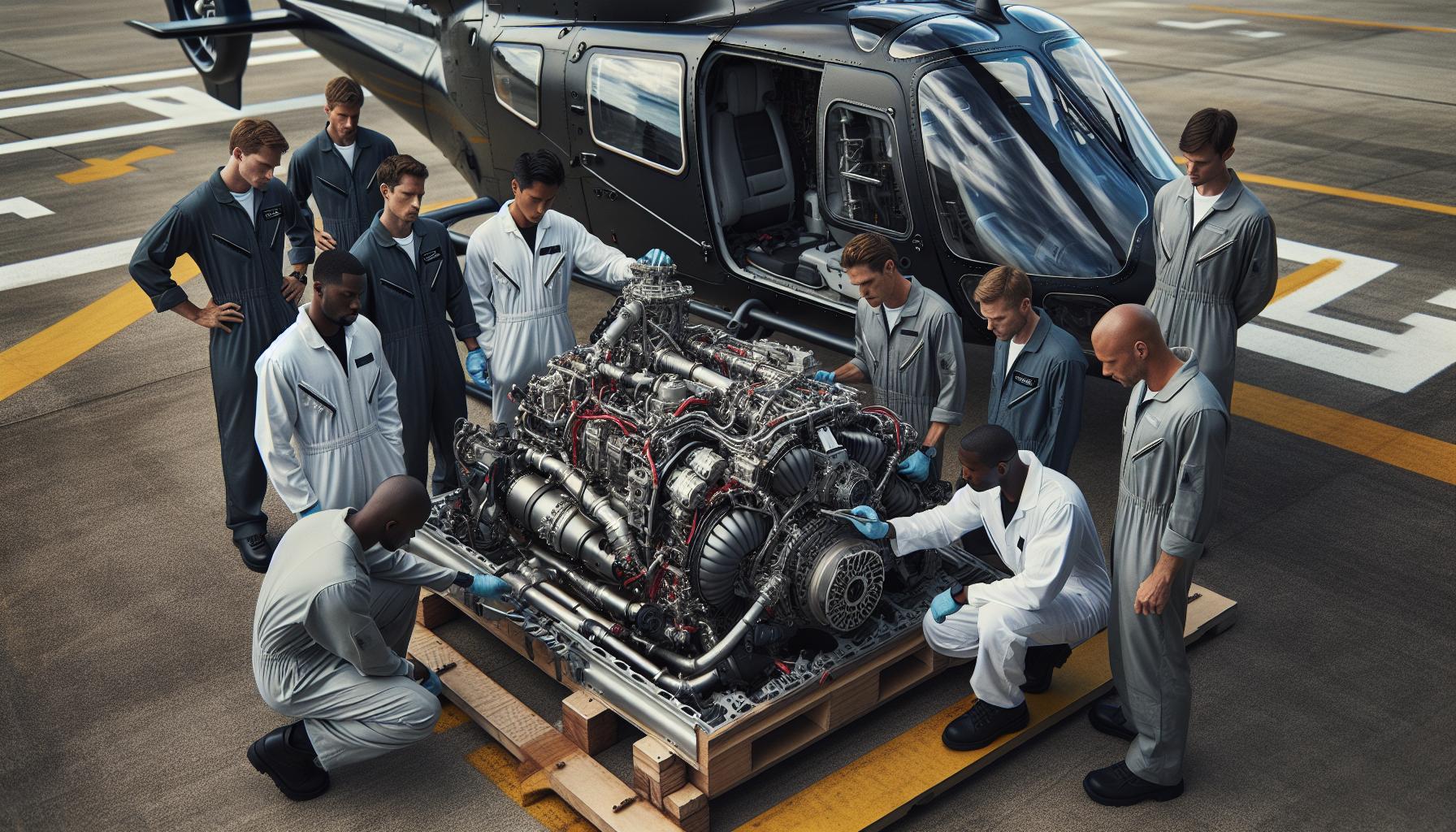
Mechanical Issues Explored: Helicopter Specs
The helicopter involved in the tragic crash that claimed the life of Kobe Bryant was a Sikorsky S-76B, a model renowned for its reliability and commonly used in various sectors, including corporate transport and emergency medical services. Understanding the technical specifications and operational capabilities of this model provides valuable insight into the circumstances surrounding the accident.
Manufactured with a twin-engine configuration, the S-76B is equipped with a range of features designed to enhance safety and performance. Key specifications include:
| Feature | Description |
|---|---|
| Engines | Two Turbine Engines (Pratt & Whitney Canada PT6T-3) |
| Max Cruising Speed | Approximately 155 knots (178 mph) |
| Service Ceiling | 15,000 feet |
| Range | Approximately 400 nautical miles |
| Passenger Capacity | Up to 12 passengers |
While the Sikorsky S-76B has an impressive track record for safety, its performance is highly dependent on pilot skill and external conditions. In the case of the crash, several mechanical factors were scrutinized during investigations. Although the helicopter was maintained according to manufacturer guidelines, the environmental pressures that day highlighted vulnerabilities not only in the aircraft’s capabilities but also in the decision-making processes of its crew.
An important aspect of maintenance for such helicopters includes regular inspections of the flight control systems, engines, and navigation equipment. Any malfunctions or deficiencies, even minor, could pose significant risks, especially in adverse weather conditions. Investigators often focus on Flight Data Recorders (FDRs) and Cockpit Voice Recorders (CVRs) to better understand the sequence of events leading up to an incident. In this situation, the absence of these records made it harder to determine whether mechanical issues contributed directly to the crash.
In addition, the helicopter’s performance can be influenced by factors like weight distribution, engine power, and the condition of rotor blades. As aspiring pilots learn, each of these elements plays a crucial role in flight safety. A thorough understanding of aircraft mechanics and ongoing education regarding technological advancements in aviation safety can help future pilots make informed decisions under challenging circumstances, ultimately continuing to honor the memories of those lost by promoting better practices in the aviation community.
Investigative Findings by Authorities
The investigation into the helicopter crash that took the lives of Kobe Bryant, his daughter Gianna, and seven others revealed a complex interplay of factors leading to the tragic incident. One key finding was related to the pilot’s decision-making under challenging conditions. On the day of the crash, visibility was critically reduced due to low clouds and fog, a scenario that would challenge even experienced pilots. The pilot, Ara Zobayan, was navigating through controlled airspace, which necessitated adherence to visual flight rules (VFR). However, as the weather deteriorated, Zobayan continued to fly, raising questions about his reasoning and situational awareness.
It became clear that the investigation paid close attention to Zobayan’s extensive flight history and training. He had accumulated over 8,200 flight hours, yet the primary focus was on whether he was adequately trained to handle the rapid onset of Instrument Flight Rules (IFR) conditions. Authorities scrutinized whether Zobayan should have opted for an instrument approach that day. The lack of Flight Data Recorders (FDRs) further complicated the investigation, as the absence of recorded data limited the ability to fully understand the pilot’s actions leading up to the crash.
Another significant factor explored was the helicopter’s operational safety protocols. The Sikorsky S-76B helicopter, though generally reliable, was subjected to scrutiny regarding its maintenance records and operational compliance. Investigators examined maintenance logs for any potential issues that might not have been fully addressed. They also looked into the practices of the company that operated the helicopter to ascertain whether they had sufficient safety measures in place to mitigate risks associated with flying in adverse weather.
Also revealed were insights into the limitations of pilot decision-making during adverse conditions. Investigators highlighted the need for ongoing training that emphasizes risk assessment in real-time scenarios. The findings suggest that addressing these factors is vital for improving safety not only for helicopter operations but for all sectors in aviation. This tragedy has prompted discussions about enhancing safety culture and regulatory oversight, aiming to ensure that such a loss is not repeated.
Victims and Their Impact on Communities
The tragic helicopter crash on January 26, 2020, took the lives of nine people, including basketball legend Kobe Bryant, his daughter Gianna, and several friends and family members. This heartbreaking incident sent shockwaves throughout the global community, not only because of the renown of those lost but also due to the very human connections that they represented. Each victim had their own story, and their absence has left a profound impact on families, friends, and communities alike.
Kobe Bryant was not just an athlete; he was a cultural icon whose influence extended beyond the basketball court. His work ethic and competitive spirit inspired countless individuals, from aspiring athletes to everyday folks striving for success. Gianna was following in her father’s footsteps, exhibiting promise in basketball and a passion for the sport. Their loss resonated deeply, especially within the sports community, where tributes poured in from athletes, celebrities, and fans across the globe. Communities rallied to honor their memory through various means, including memorials and local events showcasing their impact, thereby transforming individual grief into a collective response.
The other victims-friends, colleagues, and mentors-were equally integral to their loved ones’ lives. Individuals such as Payton Chester, who was just 13, and her mother Sarah, as well as Christina Mauser, a beloved basketball coach, represented the interwoven lives of families and friendships. The void left by these tragic losses had reverberating effects on their communities, leading to initiatives aimed at fostering unity and remembrance, such as scholarships in their names and community sports programs that carry forward the spirit of teamwork and perseverance they embodied.
Additionally, this incident triggered conversations about helicopter safety, which indirectly affects many communities involved in aviation and transportation. As public interest in ensuring safety in aerial transport grows, many communities are advocating for improved safety regulations and better pilot training programs to prevent such tragedies in the future. The collective mourning has also highlighted the need for supportive measures for those touched by sudden loss, emphasizing mental health resources and community support systems to help families heal.
In conclusion, the impact of this devastating accident extends far beyond the immediate circle of the victims. It has created a ripple effect that continues to influence conversations about safety, community bonding, and the legacy of those who were lost. Each tribute, each memory shared, serves as a reminder of their lives and the lessons learned, ensuring that their stories are not forgotten but celebrated.
Safety Regulations and Aviation Standards
The tragic helicopter crash involving Kobe Bryant and the eight others on January 26, 2020, has sparked widespread discussions about within the helicopter industry. While this format of travel is often viewed as safe and efficient, the ramifications of such an accident highlight the profound need for ongoing improvements in safety protocols.
A key aspect of helicopter safety revolves around adherence to industry standards set by authorities like the Federal Aviation Administration (FAA) and the National Transportation Safety Board (NTSB). These organizations enforce stringent regulations intended to ensure proper pilot training, operational procedures, and aircraft maintenance. Following the crash, investigations brought attention to the importance of Enhanced Ground Proximity Warning Systems (EGPWS) in helicopters, which could help prevent controlled flight into terrain, a significant factor in many helicopter accidents. The accident underscored the critical need for such safety technologies to be mandatory in civilian helicopters, especially those conducting flights in challenging conditions.
Additionally, effective pilot training is paramount. It’s not just about acquiring the technical skills to operate a helicopter; flight crews must be adept at managing unexpected and hazardous situations. As per the findings, there’s an ongoing conversation regarding the necessity of comprehensive training programs that emphasize decision-making under pressure and the influence of spatial disorientation, especially in low visibility scenarios. Recognizing that a split-second decision can determine life or death is crucial for helicopter pilots.
Similarly, regular maintenance of aircraft is essential for safety. The investigation into the crash revealed lapses in maintenance procedures that could lead to mechanical failures. Helicopter operators must adhere to strict maintenance schedules and practices, ensuring that all systems are thoroughly checked and functional before any flight. This commitment to maintenance could vastly reduce the risk of accidents attributed to mechanical issues.
While regulatory bodies have made strides in improving helicopter safety, the conversations initiated by this devastating crash emphasize the need for continued vigilance and innovation in aviation safety standards. It’s not just a matter of compliance but fostering a culture of safety that prioritizes human lives above all else. As communities and the aviation industry reflect on these issues, it becomes clear that improvements must focus not only on technology and regulations but also on the training and preparedness of those involved in helicopter operations.
Lessons Learned from the Accident
The tragic helicopter crash on January 26, 2020, involving Kobe Bryant and eight others serves as a poignant reminder of the complexities and risks inherent in aviation, particularly in helicopter operations. Investigations into the accident revealed critical lessons that can help shape the future of helicopter safety and pilot training. Understanding these lessons is essential for those in the aviation field and for aspiring pilots who wish to prioritize safety in their careers.
One of the core recommendations from the investigative findings emphasized the importance of implementing Enhanced Ground Proximity Warning Systems (EGPWS). These systems, which alert pilots of terrain hazards, could significantly mitigate the risk of controlled flight into terrain, particularly in low visibility conditions. The lack of such technology in the helicopter involved in the crash showcased a gap in safety standards that must be addressed. Ensuring that EGPWS is not just recommended but required in all civilian helicopters can serve as a powerful preventive measure against similar accidents.
Moreover, the investigation highlighted the need for robust pilot training programs that go beyond traditional flight skills. Effective training must include simulations of emergency scenarios and decision-making under stress, particularly during adverse weather conditions. For instance, understanding spatial disorientation-how a pilot’s sense of position can be misled in fog or darkness-is crucial for maintaining control of the aircraft. Integrating these aspects into training curricula can better prepare pilots to handle real-life challenges and enhance their situational awareness.
Regular maintenance and adherence to stringent operational protocols also emerged as vital safety components from the crash analysis. The need for rigorous checks and balances in pre-flight inspections cannot be overstated. Helicopter operators must cultivate a safety culture that prioritizes comprehensive maintenance schedules. This proactive approach helps ensure that all components are in optimal condition before departure, ultimately safeguarding the lives of those aboard and on the ground.
As the aviation community reflects on this tragedy, the lessons learned offer a path forward that emphasizes continuous improvement in safety practices. Through collaboration among regulatory bodies, industry experts, and educational institutions, the goal should be clear: to foster an environment where safety is the top priority, equipping pilots with the knowledge and tools necessary to navigate the skies confidently.
The Legacy of Kobe Bryant in Aviation
Kobe Bryant’s legacy extends beyond the basketball court; it resonates deeply in the realm of aviation, where his love for flying inspired many and highlighted critical safety issues within the industry. Known for embracing helicopter travel as a vital part of his daily life, Bryant frequently used his Sikorsky S-76 helicopter to navigate Los Angeles traffic, enabling him to prioritize family and work commitments. This mode of transport was not just a convenience for Kobe; it was a lifestyle choice that showcased his appreciation for the freedom helicopters offer.
The Impact of Kobe’s Passion on Aviation Safety
Following the tragic helicopter crash on January 26, 2020, investigations revealed not only the immediate factors leading to the accident but also the wider implications for aviation safety protocols, particularly regarding helicopter operations. Kobe’s story became a catalyst for discussions surrounding the necessity of safety technologies, such as Enhanced Ground Proximity Warning Systems (EGPWS), which could help prevent future tragedies by alerting pilots to potential terrain hazards-an essential measure that was notably absent in the helicopter involved in the crash.
Moreover, Kobe’s untimely death brought to light the importance of pilot training and operational standards. His commitment to flying-often utilizing a skilled pilot with extensive experience-emphasized how vital it is for helicopter operators to maintain high standards, not only in technical skills but in preparedness for emergency scenarios. The aviation community has since called for enhanced simulation-based training that prepares pilots for real-world challenges, including navigating through adverse weather conditions like fog, which played a significant role in the incident that claimed Kobe’s life.
Inspiring Future Generations
Kobe Bryant’s legacy in aviation is not just about the lessons learned from his tragic accident; it is also about inspiring future generations to pursue careers in aviation. His story encourages aspiring pilots to approach their training with dedication and rigor, fostering a culture where safety is paramount. Additionally, his passion for flying serves as an example of how engaging with aviation can transform lives, urging students to explore the diverse career paths available within the industry, from piloting to aerospace engineering.
In this way, Kobe’s memory lives on in the hearts of many, serving as a beacon of safety advocacy and a reminder of the joys and responsibilities that come with aviation. As the industry evolves, it is essential to honor his legacy by implementing the necessary changes to enhance safety, ensuring that future pilots and passengers can enjoy the skies with greater assurance and confidence.
Tributes and Memorials: Honoring the Lives Lost
On a somber January day in 2020, the tragic helicopter crash that claimed the lives of Kobe Bryant, his daughter Gianna, and seven others reverberated across the globe, leaving an indelible mark on the hearts of fans, families, and the aviation community. This catastrophe not only robbed the world of a sports legend but also highlighted the fragility of life and the importance of cherishing every moment. In the aftermath, numerous tributes emerged, celebrating the lives of those lost and acknowledging the influence they had on their communities.
Fans and community members poured their hearts out in memorials, ranging from flower tributes to elaborate murals painted in Kobe’s honor. Social media platforms became a canvas for grief and gratitude, with countless posts sharing personal stories of how Bryant inspired others, both on and off the court. Public gatherings, like the memorial service held at the Staples Center, united thousands as they remembered not just Kobe and Gianna, but all nine souls lost that day. The heartfelt messages shared during these events emphasized the connection Kobe fostered, proving that his impact transcended basketball.
Organizations and sports institutions also commemorated the lives lost, implementing initiatives in their honor. For example, the Mamba Sports Foundation was bolstered following the crash, supporting young athletes and providing scholarships to empower future generations. Local schools established programs to promote teamwork and sportsmanship, echoing the values Kobe embodied. These efforts serve as a reminder that while the helicopter crash ended lives far too soon, their legacies continue to inspire and impact the community positively.
In a broader context, the tragedy prompted a renewed focus on helicopter safety protocols. Discussions about regulatory reforms and advancements in aviation technology gained momentum as stakeholders sought to prevent future accidents. Advocates highlighted the need for enhanced safety features and more comprehensive pilot training programs, underscoring the responsibility to learn from this devastating event. Kobe Bryant’s legacy now intertwines with a commitment to safety, ensuring that his story fosters change and honors the memory of all those lost in the crash.
Future of Helicopter Safety: Innovations and Changes
The tragic helicopter crash that took the lives of Kobe Bryant, his daughter Gianna, and seven others has catalyzed significant conversations around helicopter safety, leading to promising innovations and regulatory changes in the aviation industry. In the aftermath of this catastrophe, various stakeholders, including aviation experts, regulatory bodies, and manufacturers, have united to address critical safety gaps and enhance the overall operation of helicopters.
One of the key areas of focus is the integration of advanced technology in helicopter design. Manufacturers are increasingly exploring the use of autonomous flight systems and enhanced collision avoidance technologies. These systems can help pilots by providing real-time data and alerts about potential obstacles or hazardous weather conditions, which was a significant factor in the Bryant crash. By improving situational awareness and decision-making support, these innovations could potentially reduce the risk of similar tragedies in the future.
Regulatory bodies, such as the Federal Aviation Administration (FAA), are also revising training and certification standards for helicopter pilots. There is a growing emphasis on programs that enhance pilot situational awareness and weather-related decision-making. These programs aim to equip pilots with better tools to assess weather conditions and respond appropriately, thereby minimizing risks associated with flying in challenging environments. Furthermore, expanding the requirement for flight simulators that can realistically depict adverse weather scenarios may become mandatory, offering pilots more extensive practice before facing real-life conditions.
Safety protocols are being reevaluated, emphasizing the importance of operational discipline and adherence to industry best practices. For instance, the integration of Flight Data Monitoring (FDM) systems allows for continuous analysis of flight parameters, helping organizations identify and mitigate risks through data-driven insights. This ongoing analysis not only fosters immediate corrections but also helps cultivate a culture of safety and accountability among pilots and operators alike.
As these advancements take shape, the commitment to improving helicopter safety is stronger than ever, with the legacy of those lost in the crash underscoring the urgency of these changes. The aviation community is dedicated to ensuring that each flight is as safe as possible, honoring the memories of Kobe Bryant and his fellow passengers while striving to build a future where such tragedies are preventable.
Frequently asked questions
Q: What were the key findings of the investigation into Kobe’s helicopter crash?
A: The investigation highlighted several key factors contributing to the crash, including pilot decision-making under challenging weather conditions and a lack of visibility. The final report emphasized the need for improved safety regulations and pilot training in adverse weather situations.
Q: How did weather conditions impact the helicopter crash?
A: Weather conditions were a significant factor in Kobe’s helicopter crash. Reports indicated that the pilot encountered heavy fog, which severely limited visibility. This made navigation difficult and contributed to the tragic outcome, underscoring the dangers of flying in inclement weather.
Q: What aviation regulations have changed since Kobe’s helicopter crash?
A: Since the crash, aviation authorities have reassessed various safety regulations and operational protocols. This includes stricter guidelines for helicopter operations in adverse weather and enhanced training requirements for pilots to handle challenging flying conditions more effectively.
Q: How did pilot training influence the crash?
A: The investigation revealed that the pilot’s training did not adequately prepare him for flying in extremely low visibility conditions. Enhanced training and simulation for these circumstances can improve pilot responses and potentially prevent similar accidents in the future.
Q: What were the mechanical issues discovered during the investigation?
A: Investigators found no significant mechanical failures with the helicopter prior to the crash. However, a thorough mechanical check revealed the necessity for regular maintenance and comprehensive inspections to ensure aircraft safety.
Q: What are the lessons learned from Kobe’s helicopter crash?
A: Critical lessons from the incident include the importance of weather assessment prior to flight, the need for rigorous safety protocols, and the implementation of advanced training for pilots. These insights aim to enhance overall helicopter safety and prevent future tragedies.
Q: How can helicopter safety be improved based on the crash findings?
A: Improving helicopter safety requires a multi-faceted approach, including enhanced pilot training, regular safety audits, and investment in advanced navigation technology. Incorporating stringent protocols for weather assessment is also vital to ensure safety in challenging conditions.
Q: What is the legacy of Kobe Bryant regarding aviation safety?
A: Kobe Bryant’s tragic helicopter crash has sparked widespread discussions about aviation safety and the importance of adhering to strict flight protocols. His legacy emphasizes the need for continuous improvement in safety standards and greater awareness of the risks involved in air travel.
To Conclude
As we reflect on the tragic events surrounding Kobe Bryant’s helicopter crash, it’s essential to grasp the vital lessons learned about aviation safety and the factors contributing to this incident. Understanding these elements not only honors the lives lost but also empowers current and future aviation enthusiasts. If you’re intrigued by the complexities of helicopter operations, be sure to explore our detailed guides on aviation careers and helicopter technology to expand your knowledge.
Don’t forget to share your thoughts in the comments below-what aspects of the investigation surprised you the most? For those eager to dive deeper, check out related topics like “How Weather Impacts Helicopter Flights” and “Safety Protocols for Private Flights.” Sign up for our newsletter for the latest aviation insights, updates, and discussions. Join us as we continue to investigate and learn from these pivotal moments in aviation history!
Get our latest guides, news, and insights highlighted in your Google Search & AI Overviews.