The tragic helicopter crash involving Kobe Bryant raised significant questions regarding aviation safety, especially concerning what happens to flight data during an accident. One key topic is the presence of a black box-a crucial device that records flight data and cockpit conversations. Understanding whether Bryant’s helicopter was equipped with this technology not only informs us about safety systems currently in use but also highlights the ongoing challenges in helicopter safety regulations. As the aviation community continues to strive for improvements, this inquiry connects deeply with both enthusiasts and those concerned about safety in personal and public aviation. Join us as we delve into the details surrounding this critical issue, exploring what a black box can reveal about aviation safety and what it means for future helicopter flights.
Historical Context of Kobe’s Helicopter Incident
The tragic helicopter incident involving Kobe Bryant on January 26, 2020, shocked the world and raised significant questions regarding aviation safety, particularly concerning the absence of a black box in the aircraft. Kobe, accompanied by eight others, including his daughter Gianna, was traveling in a Sikorsky S-76B helicopter when it crashed into the Calabasas hills under heavy fog conditions. The accident underscored the inherent risks involved in flying, especially in challenging weather situations, and highlighted the critical role that flight data recorders, commonly known as black boxes, play in accident investigations.
Historically, black boxes have been integral to understanding aircraft incidents, providing invaluable data about flight parameters and cockpit conversations. However, it’s essential to note that the Sikorsky S-76B, the model involved in Kobe’s accident, did not come equipped with the standard flight data recorder (FDR) or cockpit voice recorder (CVR) often found in commercial airliners. This absence significantly hindered efforts to analyze the crash’s circumstances and the decision-making processes of the pilot, Ara Zobayan. The lack of these technologies raised questions about existing regulations and whether smaller aircraft should also be mandated to adopt comprehensive safety measures, similar to what is required for larger commercial planes.
Kobe’s tragic accident served as a wake-up call for the aviation industry, prompting discussions around enhancing safety protocols and implementing advanced technologies in all types of aircraft. As lessons from the incident began to unfold, the aviation community called for increased scrutiny of helicopter safety standards, including the introduction of flight data monitoring systems in private and commercial helicopters. The necessity of understanding the historical context of such incidents lays the groundwork for advancing safety measures and ensuring future flights are conducted with better oversight and support systems.
Understanding Black Box Technology in Aviation
In aircraft, the term “black box” commonly refers to devices that record vital flight data and cockpit audio, providing crucial insights during accident investigations. This technology, formally known as Flight Data Recorders (FDRs) and Cockpit Voice Recorders (CVRs), is integral to understanding flight dynamics, pilot decisions, and the circumstances leading up to an incident. Unfortunately, in the case of Kobe Bryant’s tragic helicopter crash, the Sikorsky S-76B did not have these devices installed, which severely limited the ability of investigators to ascertain what occurred before the fatal event.
Black boxes are designed to withstand extreme conditions, making them durable enough to survive crashes. They typically collect a range of data, including speed, altitude, heading, and the functioning of various aircraft systems. The cockpit voice recorder captures conversations between pilots and any pertinent sounds, such as alarms-a feature that can provide context about the pilots’ decision-making processes and the aircraft’s operational status. In Kobe’s incident, the absence of these critical tools left many unanswered questions about the flight’s final moments, thereby underscoring the need for regulatory discussion surrounding equipment requirements in smaller aircraft.
While commercial aviation predominantly operates under strict mandates requiring black boxes, the same standards have not universally applied to smaller rotorcraft or general aviation. This discrepancy raises vital issues about flight safety in private aviation, particularly given that many helicopter crashes occur under similar conditions to Kobe’s accident. As a result, calls for regulations requiring black boxes in all helicopters have gained traction in the years since the crash, reflecting a growing awareness of the need for improved safety measures across all types of aircraft.
The tragic nature of Kobe Bryant’s helicopter accident has spurred critical conversations in the aviation community about what safety standards should be improved. Moreover, understanding black box technology reveals its crucial role not just in investigating accidents but also in learning from them. This technology is more than just a record keeper; it is a tool for enhancing safety and preventing future tragedies, fostering an environment where every flight can be safer than the last.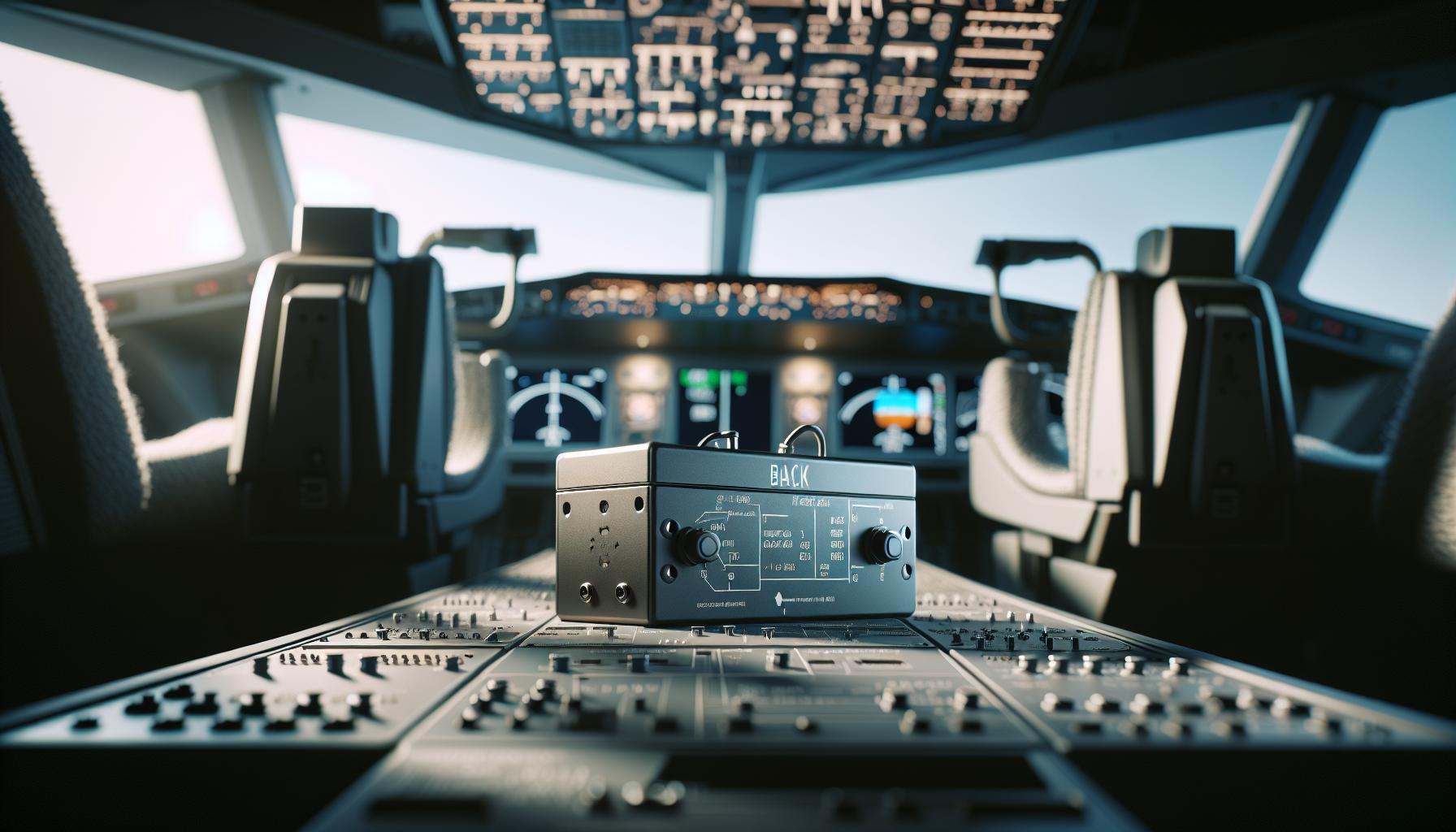
Safety Systems in Helicopters: What You Need to Know
In the world of aviation, safety systems are crucial for ensuring the well-being of passengers and crew alike. Helicopters, with their unique flight mechanics and operational environments, require robust safety measures to mitigate risks associated with flying. The tragic accident involving Kobe Bryant’s helicopter brought to light critical discussions surrounding these systems, particularly regarding the absence of a black box-an essential safety feature in aircraft that records vital data during flight.
Modern helicopters are equipped with a variety of safety systems designed to enhance the aircraft’s stability and pilot awareness. For instance, many models now include Collision Avoidance Systems (CAS), which utilize radar technology to detect nearby obstacles and provide pilots with alerts to avoid potential collisions. Additionally, Enhanced Ground Proximity Warning Systems (EGPWS) help prevent controlled flight into terrain by alerting pilots if they descend too quickly or fly too low. These technologies play a significant role in accident prevention, offering real-time data that can aid pilot decision-making.
Significance of Data Recording
Understanding the role of data recorders in helicopters is essential. Though Kobé’s helicopter lacked a black box, which would have provided crucial insights into the flight’s final moments, advanced helicopters often integrate various types of data recording technologies. These include Flight Data Recorders (FDR), which capture a wide array of operational parameters such as altitude, speed, and heading, and Cockpit Voice Recorders (CVR), which save audio from the cockpit, including conversations and alarms. Together, these tools can reconstruct the events leading up to an incident, offering invaluable information for investigators and safety regulators.
The Move Towards Enhanced Safety Regulations
The absence of a black box on Kobe’s helicopter has sparked significant debate about safety regulations in the aviation industry, particularly in the realm of general aviation. Currently, while commercial aircraft are mandated to have these devices, many smaller rotorcraft operate without such requirements. This disparity raises critical questions about how to improve safety measures across all types of aviation. Advocates argue for stricter regulations, pointing out that requiring black boxes in all helicopters could significantly enhance the understanding of accidents and, ultimately, prevent future tragedies.
In summary, the examination of safety systems in helicopters highlights the ongoing evolution of aviation technology. While innovations like collision avoidance and ground proximity warning systems are vital, the integration of comprehensive data recording systems remains an essential step toward improving aviation safety standards. The helicopter community must continue to learn from incidents like Kobe’s tragic crash, striving to ensure that every flight can be a safe one.
The Role of Data Recorders in Accident Investigation
In the investigation of aviation accidents, data recorders play a pivotal role, functioning as the eyes and ears of flight history. For helicopters, these devices-while not universally mandated-provide critical insights into the circumstances leading up to a crash. When Kobe Bryant’s helicopter tragically went down, the absence of a black box meant that investigators lost access to a wealth of data that could have clarified the events of that fateful flight.
Data recorders typically encompass two main types: Flight Data Recorders (FDRs) and Cockpit Voice Recorders (CVRs). An FDR logs a myriad of flight parameters such as altitude, speed, heading, and other operational statistics, while a CVR captures audio from the cockpit, including pilot communications and alarm sounds. Together, these tools create a comprehensive picture of the flight’s progression, helping investigators reconstruct the moments before an accident. In the case of Kobe’s helicopter, without such devices, piecing together the story relied heavily on eyewitness accounts, radar data, and other less direct evidence.
The lack of a black box also highlights broader implications for helicopter safety regulations. Currently, while commercial airliners are required to have these recording devices, many smaller helicopters operate without any such mandates. Several aviation safety advocates argue that implementing requirements for data recorders on all helicopters could enhance safety and learning from incidents. Such discussions are particularly relevant in light of the Kobe Bryant incident, emphasizing the need for improved safety regulations in general aviation to prevent future tragedies.
With technology continuously advancing, the conversation around data recording in helicopters is more timely than ever. New innovations in data capture are emerging, focused on not only enhancing safety but also increasing the accountability of pilots and operators. As we reflect on high-profile crashes like Kobe’s, the aviation community remains challenged to ensure that the lessons learned lead to concrete changes, fostering a safer flying environment for all.
Comparative Analysis: Black Boxes vs. Flight Data Monitors
The tragic incident involving Kobe Bryant’s helicopter underscores the critical gap in safety equipment within the aviation community, especially in smaller aircraft like helicopters. Unlike commercial airliners, which are equipped with black boxes-or flight data recorders (FDR) and cockpit voice recorders (CVR)-many helicopters do not have similar mandatory devices, which can compromise safety investigations when accidents occur. The absence of a black box on Kobe’s helicopter meant that vital data regarding the flight’s conditions, pilot actions, and cockpit conversations were lost, complicating the investigation efforts.
When comparing black boxes to flight data monitors, it’s essential to understand the roles these devices play. Black boxes, especially in commercial aviation, are designed to withstand extreme conditions and capture a wide range of flight data, including speed, altitude, course, and even cockpit audio. They serve as a crucial resource for accident investigators, providing insights that can lead to improved safety measures. In contrast, flight data monitors may not offer the same comprehensive data capture capabilities. While they record essential operational metrics, they might lack the robustness and redundancy of traditional black boxes, making them less effective in gathering complete information in an accident scenario.
Key Differences Between Black Boxes and Flight Data Monitors
- Data Scope: Black boxes capture extensive data over the duration of a flight, while flight data monitors typically track fewer parameters.
- Durability: Black boxes are built to endure high-impact situations, whereas flight data monitors may not have the same rugged specifications.
- Cost: Implementation of black boxes can be more expensive due to their advanced technology, while flight data monitors may offer a more budget-friendly option for smaller aircraft.
The conversation around these technologies is evolving, especially in light of high-profile incidents like Bryant’s. Advocates for enhanced helicopter safety argue for more stringent regulations that require black box installations on all commercial and private helicopters. This change could significantly aid future investigations and enhance overall aviation safety. As technology progresses, the aviation industry must adapt, potentially incorporating more effective data recording solutions that could help prevent tragedies by allowing quicker identification of issues before they lead to accidents. In this sense, the push for universal black box implementation can be seen as an urgent priority to honor the lives lost in incidents like Kobe’s.
Implications of Black Box Absence on Safety Protocols
The absence of a black box on Kobe Bryant’s helicopter raises significant concerns regarding safety protocols in the aviation community, especially for smaller aircraft. Unlike commercial airliners, many helicopters lack mandatory data recording devices that could enhance safety monitoring and accident investigation. Consequently, when incidents occur, crucial information-such as flight patterns, pilot decisions, and environmental conditions-remains inaccessible, impeding investigations and delaying improvements in safety measures.
This gap in safety equipment can lead to a variety of implications. Without data recorders, investigators are forced to rely on witness accounts, preliminary flight data, and other factors that may not paint a complete picture of the events leading to an accident. This incomplete information can hinder the identification of root causes, which is essential for developing effective safety protocols that could prevent future tragedies. Furthermore, without the rigorous insights that black boxes provide, pilots may not benefit from the same level of feedback and training opportunities derived from data analysis.
The incident involving Kobe’s helicopter has sparked a renewed call for regulatory reform across the aviation sector. Advocates emphasize the need for larger-scale safety mandates requiring all helicopters, irrespective of size, to be equipped with black box technology. This change could foster a culture of accountability and continuous improvement within the aviation industry, ultimately enhancing safety for pilots and passengers alike. As the conversation about helicopter safety evolves, the aviation community must consider the essential role that comprehensive safety technologies, like black boxes, play in safeguarding lives and promoting a proactive safety culture.
In light of this incident, pilots and aviation professionals are encouraged to advocate for enhanced safety measures. Collaboration between governing bodies, manufacturers, and operators is vital to create an industry standard that prioritizes the installation of data recording devices. Such advancements will not only honor the memories of those lost in tragic incidents but will also forge a path toward a safer future for all who take to the skies.
What Safety Features Were Present on Kobe’s Helicopter?
The Sikorsky S-76B helicopter that Kobe Bryant was aboard is known for its robust design and was equipped with several safety features intended to enhance flight security. Despite these measures, the absence of a black box highlighted a significant gap in safety protocols for smaller aircraft, prompting widespread discussions on helicopter safety.
One of the primary safety systems present on the helicopter was its dual hydraulic system, which allows for precise control in case of a mechanical failure. This redundancy is crucial for maintaining control of the aircraft, especially under stressful flying conditions. Additionally, the S-76B has advanced avionics that provide vital flight data and situational awareness to pilots, including systems that display weather information and navigation data.
Moreover, the helicopter was equipped with reinforced seats designed to protect passengers in the event of turbulence or an accident. While these features provide a degree of safety during flights, the lack of flight data recorders limits the information available for accident investigations. This gap in safety instrumentation was a major factor in the aftermath of the incident and discussions surrounding the need for mandatory black boxes in all helicopters, regardless of size.
As the aviation community reflects on this tragic accident, the focus remains on advocating for enhanced safety features in helicopters, which may include the integration of black boxes and other advanced safety technologies. By promoting a comprehensive approach to helicopter safety, the industry aims to prevent similar incidents in the future and honor the memory of those who tragically lost their lives.
Innovations in Helicopter Safety Systems Post-Incident
In the wake of the tragic helicopter accident involving Kobe Bryant, the aviation industry has seen a renewed push for innovations aimed at enhancing safety protocols in helicopters. One of the most significant discussions has centered around the implementation of black boxes, also known as flight data recorders (FDRs), to be mandated in helicopters. These devices, which are standard in commercial aviation, can significantly aid in accident investigations by recording essential flight data and cockpit conversations, allowing for more effective analysis of incidents.
Technological Advancements
New technologies have emerged that address the specific shortcomings highlighted by the absence of a black box on Kobe’s helicopter. For instance, newer helicopter models are increasingly being designed with integrated safety systems that not only collect flight data but also monitor the aircraft’s health in real-time. This includes systems like the Health and Usage Monitoring System (HUMS), which tracks the operational status of components, potentially predicting failures before they occur.
Examples of Innovations:
- Terrain Awareness and Warning Systems (TAWS): These systems provide pilots with alerts about potential ground collisions, greatly enhancing situational awareness, especially in challenging environments.
- Automatic Dependent Surveillance-Broadcast (ADS-B): This technology allows aircraft to determine their position via satellite and periodically transmit it, increasing the viability of tracking helicopters in real-time, and enhancing safety via better situational awareness for other aircraft.
Regulatory and Design Changes
The incident has also spurred regulatory bodies, such as the Federal Aviation Administration (FAA), to reconsider existing regulations pertaining to helicopter safety equipment. There is ongoing advocacy for policies mandating the installation of black boxes in all helicopters, particularly those used for commercial purposes, regardless of size. Additionally, manufacturers are increasingly focusing on designs that incorporate safety features, like reinforced structures and advanced avionics systems, to ensure that safety is prioritized in all models.
Together, these innovations and regulatory discussions represent a significant step forward in helicopter safety. The aviation industry is not just reacting to a tragedy but is actively working to change the narrative around helicopter safety. By integrating cutting-edge technology and advocating for comprehensive safety measures, the hope is to prevent future tragedies and improve the overall safety landscape for all helicopter operations.
Community Reactions: Impact on Aviation Safety Awareness
The tragic helicopter crash that claimed the life of Kobe Bryant and eight others sent shockwaves through communities worldwide and raised urgent conversations about aviation safety. The absence of a black box-a vital tool in aviation for recording flight data and cockpit communications-brought to light stark realities about helicopter regulations and safety measures. This incident highlighted the need for a serious reassessment of current practices and has sparked a wave of community engagement focused on enhancing aviation safety awareness.
Grassroots discussions have proliferated across social media platforms and local forums, reflecting a strong desire to understand the factors contributing to aviation incidents. Many enthusiasts and concerned citizens alike have taken to sharing information about helicopter safety protocols, emphasizing the importance of advanced technology, including black boxes, for both commercial and private aviation. As communities grieve the loss of life, they also rally around the idea of accountability and proactive measures that can prevent future tragedies.
Educational initiatives have gained traction, with workshops and seminars organized by aviation clubs and safety organizations. These events aim to inform potential pilots and the general public about the critical systems in place that ensure flight safety, including the role of black boxes and other advanced safety mechanisms. Schools and flight academies have also begun to incorporate these discussions into their curriculums, nurturing a new generation of informed aviators who recognize the significance of safety features in helicopters.
Moreover, there is an emerging consensus among citizens and lawmakers alike calling for stronger regulatory frameworks. Advocacy groups are pushing for legislation that mandates the installation of black boxes in all helicopters, signaling a shift toward stricter safety standards. This collective action not only honors the memories of those lost in the accident but also propels the aviation community towards a future where safety is paramount, and such incidents become exceedingly rare.
Regulatory Changes in Helicopter Safety Following Tragedies
In the wake of the tragic helicopter incident that claimed the lives of Kobe Bryant and eight others, the aviation community has seen a significant push towards regulatory change. The absence of a black box on Bryant’s helicopter illuminated a critical gap in helicopter safety protocols and has since ignited discussions around increasing safety standards across the industry.
Following the crash, there has been a clarion call from advocacy groups, safety regulators, and community members alike for the mandatory installation of flight data recorders in all helicopters. This demand is part of a broader movement aimed at assessing and reforming the existing regulations that govern helicopter safety operations. Currently, while commercial airplanes are required to have black boxes, helicopters are not uniformly subjected to the same requirement. This discrepancy has raised serious questions about the adequacy of safety measures in the aviation sector, particularly for private and commercial helicopter operations.
One of the immediate responses to the incident has been the introduction of policy proposals at both state and federal levels, aiming to enforce stricter rules regarding the outfitting of helicopters with advanced safety technology. Lawmakers are becoming increasingly aware of the need for comprehensive regulations to enhance not just the mechanical safety standards but also the operational protocols for pilots and crew. These measures might include stipulations for regular safety training, enhanced pre-flight checklists, and improved communication protocols during flight.
Community Engagement and Advocacy
The call for change has inspired community engagement across various platforms. Local flying clubs, aviation safety organizations, and educational institutions are collaborating to raise awareness about the importance of safety features in helicopters. They are conducting workshops that not only address the technical aspects of black boxes and data recorders but also provide insights into the broader implications of aviation safety. This grassroots movement is empowering aspiring pilots and aviation enthusiasts to advocate for stricter safety measures in their own communities.
In this evolving landscape, the hope is that regulatory changes stemming from tragedies like Bryant’s will lead to a safer future in aviation. The new standards could ensure that all helicopters are equipped with modern safety systems that facilitate better incident response and analysis, ultimately reducing the risk of future accidents. The legacy of those lost in the crash now serves as a catalyst for transformation within the helicopter industry, promoting a culture of safety that could save lives in the years to come.
Future of Black Box Technology in the Aviation Industry
As the aviation industry reflects on the absence of black box technology in Kobe Bryant’s tragic helicopter incident, the future of black box technology is gaining renewed focus. Black boxes, or flight data recorders, are crucial for understanding the circumstances leading up to accidents. They store vital information such as flight speed, altitude, and cockpit conversations, which can be indispensable during investigations. In light of recent events, there is significant momentum toward integrating this technology not only in commercial aviation but across the helicopter sector as well.
The demand for a mandatory installation of flight data recorders in helicopters is becoming increasingly urgent. This push is not just about safety compliance; it represents an evolving cultural attitude towards aviation safety. Advocacy groups are lobbying for new regulations that mirror commercial aviation standards, thereby ensuring that helicopters, which often operate in complex environments and challenging conditions, are equipped with the tools necessary for thorough incident analysis. As technology advances, the integration of smaller, more durable data recorders is feasible, making it possible to equip even smaller helicopters with these life-saving devices.
Promising Innovations
With the ongoing discussions about safety, the industry has seen innovative developments that could shape the future of black box technology. Examples include:
- Lightweight Data Recorders: Manufacturers are working on lighter, more compact devices that can be easily integrated into a variety of helicopter models.
- Real-time Data Streaming: Emerging technology promises real-time streaming of flight data to ground control, allowing for immediate insights and quicker response in emergencies.
- Advanced Safety Systems: Coupled with black boxes, these systems can provide alerts and automatic responses in critical situations, potentially preventing accidents before they occur.
These innovations not only enhance safety but also provide invaluable data that can inform pilot training and operational safety measures in the long term.
The push for black box technology also highlights a larger issue-the importance of safety culture in aviation. By implementing comprehensive safety protocols, including robust data recording systems, the goal is to foster an environment where safety is prioritized, and every flight is informed by data-driven insights. Aspiring pilots and aviation professionals can take heart in knowing that their industry is actively working toward preventing future tragedies and ensuring that lessons learned from the past are not forgotten.
This renewed focus on integrating advanced data collection technologies into helicopters represents a significant step forward in creating a safer, more accountable aviation industry. As community advocates and industry leaders continue to push for reform, the vision of a future where every helicopter is equipped with a black box may soon become reality, honoring the legacy of those lost in tragic accidents and enhancing the safety of air travel for all.
How Helicopter Safety Systems Evolve Over Time
The aviation industry is continually evolving, particularly when it comes to safety systems in helicopters. Innovations are driven not only by technology but also by the lessons learned from past incidents, such as the tragic helicopter crash involving Kobe Bryant. These advancements help shape a safety landscape that aims to prevent similar tragedies in the future.
Historically, helicopter safety systems were largely focused on mechanical reliability and pilot training. However, as aviation technology has advanced, there has been a paradigm shift towards integrating electronic safety systems and data recording technologies. The introduction of systems like fly-by-wire technology, which enhances control precision, and terrain awareness warning systems (TAWS), which alerts pilots of potential obstacles, are just a few examples of this evolution. These improvements allow for greater situational awareness and enhance the pilot’s ability to respond to emergencies.
Another significant advancement is the development and implementation of enhanced data recorders, akin to the black boxes used in commercial aviation. While many helicopters previously lacked these critical devices, the absence of a black box in the Kobe Bryant incident raised awareness about the need for more robust data collection in helicopters. As a result, there is a strong push towards mandating flight data recorders in helicopters, which can store vital information such as speed, altitude, and aircraft performance leading up to an incident. The push for this technology symbolizes a broader commitment to safety that transcends compliance-it’s about protecting lives and learning from the past.
Finally, ongoing research and development are fostering a culture of safety innovation. Manufacturers are exploring advanced materials and designs to improve crashworthiness, while real-time data streaming technologies are emerging that can provide immediate insights into a helicopter’s performance. These innovations are not just about enhancing existing systems but also about creating a responsive safety environment that anticipates and mitigates risks before they culminate in accidents. As the industry continues to adapt, safety remains at the forefront, aiming to ensure that every flight can be as safe as possible for both pilots and passengers alike.
Frequently Asked Questions
Q: Did Kobe’s helicopter have a black box?
A: No, Kobe’s helicopter did not have a traditional black box. While it was equipped with a flight data monitor, this device did not meet the full capabilities of a standard black box used in commercial aviation. This absence significantly affected the investigation and understanding of the crash.
Q: What is a black box in aviation?
A: A black box, or flight recorder, is a device that records flight data and cockpit audio. It aids in the investigation of accidents by providing insights into flight conditions and pilot actions. Understanding this technology is crucial for improving aviation safety.
Q: What safety systems were present on Kobe’s helicopter?
A: Kobe’s helicopter had several safety systems, including a terrain awareness warning system (TAWS) and autopilot capabilities. However, the absence of a comprehensive black box limited the data available for safety assessments after the crash. For more on safety features, see the article section on helicopter safety systems.
Q: How does the absence of a black box impact accident investigations?
A: Without a black box, investigators lose critical data about the helicopter’s performance and the pilots’ decisions leading up to an accident. This can hinder understanding causes and developing safety protocols. The implications are discussed further in the article.
Q: Are there regulatory changes regarding black boxes after tragic incidents?
A: Yes, incidents like Kobe’s have prompted discussions about enhancing regulations for black boxes, especially in helicopters. Changes may include mandates for more comprehensive recording devices to improve future safety. For details, refer to the section on regulatory changes in aviation safety.
Q: Why is a black box important for helicopter safety?
A: A black box is vital for helicopter safety as it provides essential data for analyzing crashes, preventing future accidents, and understanding operational errors. This data helps developers refine safety protocols and equipment design, ensuring better outcomes in emergencies.
Q: What innovations in helicopter safety have emerged since Kobe’s incident?
A: Since Kobe’s incident, advancements include improved flight data monitoring systems, robust cockpit technologies, and enhanced training for pilots to better handle adverse conditions. These innovations aim to minimize human error and increase overall safety in aviation.
Q: What are the limitations of a flight data monitor compared to a black box?
A: Flight data monitors generally capture fewer parameters than a black box and may lack cockpit voice recordings. This limits the depth of analysis possible after an accident. Understanding these differences highlights the need for more comprehensive recording systems in helicopters.
In Summary
Understanding the complexities surrounding the absence of a black box on Kobe’s helicopter sheds light on significant safety systems in aviation. While we mourn the tragic loss, it’s crucial to explore the implications on helicopter safety regulations and to advocate for improvements in technology that could potentially save lives in the future. To stay informed about similar safety topics, consider checking out our articles on essential aviation safety measures and the latest advancements in helicopter technology.
Don’t let curiosity stop here-subscribe to our newsletter for updates on aviation insights, or explore our detailed guides on helicopter maintenance and pilot careers. Your engagement helps foster a community that values knowledge in aviation. Share your thoughts in the comments below, and let’s keep the conversation going about how we can enhance safety in aviation. Together, we can honor the legacy of those lost and work towards a safer future.
Get our latest guides, news, and insights highlighted in your Google Search & AI Overviews.