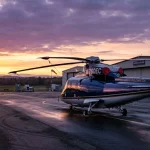
On January 26, 2020, the tragic crash of a Sikorsky S-76B helicopter claimed the lives of basketball legend Kobe Bryant, his daughter Gianna, and seven others. This incident ignited widespread interest in helicopter safety and aviation technology, drawing attention to the significance of understanding aircraft performance and the challenges pilots face. The Sikorsky S-76B, known for its reliability and versatility, is frequently used in various roles, from executive transport to offshore oil transport. Examining the details of this helicopter not only sheds light on its design and capabilities but also emphasizes the importance of safety protocols in aviation. Whether you’re an aviation enthusiast or simply interested in the story behind this heartbreaking event, understanding the features and functions of the S-76B can provide valuable insights into both its advantages and the risks associated with helicopter flight. Join us as we explore the technical aspects of the Sikorsky S-76B and the factors that led to this tragic accident, fostering a deeper understanding of aviation safety for all.
What Happened in the Kobe Bryant Helicopter Crash?
On January 26, 2020, a tragic helicopter crash claimed the lives of basketball legend Kobe Bryant, his daughter Gianna, and seven others. The Sikorsky S-76B helicopter, which was operating under visual flight rules, encountered deteriorating weather conditions as it flew over Calabasas, California. The visibility was severely reduced due to fog, which impaired the pilot’s ability to navigate.
Prior to the crash, the pilot, Ara Zobayan, had communicated with air traffic control regarding the difficult conditions. Despite the challenging weather, he attempted to proceed to the destination, reportedly flying low to avoid the clouds. As the helicopter approached the area near the Los Angeles County arboretum, it lost altitude and crashed into a hillside, resulting in a catastrophic impact that left no survivors. The incident sent shockwaves throughout the sports community and beyond, highlighting the inherent risks associated with helicopter travel, especially in adverse weather conditions.
In the aftermath of the crash, investigations by the National Transportation Safety Board (NTSB) revealed important insights into the factors that contributed to the accident. Investigators emphasized the importance of situational awareness and adherence to safety protocols, especially in conditions that significantly limit visibility. This tragedy not only mourned the loss of lives but also sparked discussions about helicopter safety regulations and best practices for pilots, underscoring the need for rigorous training and certification processes in the aviation sector.
Understanding the Sikorsky S-76B Helicopter
The Sikorsky S-76B helicopter is a versatile aircraft known for its reliability and performance, often utilized in corporate transportation and air medical services. What makes the S-76B stand out is its design, optimized for flight safety, passenger comfort, and operational effectiveness. This model features advanced avionics and a robust airframe, but its capability to perform well in various conditions makes it particularly appealing to both commercial operators and private owners.
Constructed with four-blades on its main rotor system, the S-76B exhibits excellent stability during flight. Its dual-engine configuration helps in maintaining sufficient power, especially in challenging environments or in the event of an engine failure-a crucial safety aspect underscored by its design. The helicopter can comfortably seat up to 12 passengers along with a flight crew, making it ideal for executive flights, search and rescue missions, and other specialized operations.
A noteworthy feature of the S-76B is its soundproof cabin, which enhances passenger comfort by minimizing noise levels during flight. This design consideration is especially important for those using the helicopter for business trips, allowing for conversations and business meetings in a serene environment. Furthermore, the helicopter is equipped with sophisticated navigation, communication, and safety systems, ensuring pilots have the tools they need to handle a variety of flying scenarios.
While the S-76B has a commendable safety record, it’s essential to recognize that human factors-such as pilot decision-making and environmental conditions-play a significant role in overall operational safety. The tragic accident involving Kobe Bryant emphasized the importance of these factors and raises awareness about the need for adherence to safety protocols, particularly in adverse weather conditions. For aspiring pilots, understanding these aspects of the Sikorsky S-76B can help foster a culture of safety and operational excellence in aviation.
Key Features of the Sikorsky S-76B Model
The Sikorsky S-76B helicopter is renowned for its versatility and sophistication, making it a favored choice for corporate transport, emergency response, and operations where both safety and comfort are paramount. One of its standout features is the four-blade main rotor system, designed to enhance stability during flight. This configuration not only contributes to its smooth operation but also allows for effective handling in various weather conditions, an essential attribute that pilots appreciate during both routine flights and more challenging missions.
Another significant aspect of the S-76B is its dual-engine configuration, which provides redundancy that enhances safety. In the event of an engine failure, the helicopter can still operate adequately, offering peace of mind for those aboard. The S-76B can accommodate up to 12 passengers, along with a flight crew, which makes it ideal for business travel or private outings. This spacious cabin is designed for comfort, featuring soundproof materials that minimize noise, allowing passengers to engage in conversations or work during the flight without distraction.
Additionally, the S-76B is equipped with advanced avionics and safety systems. These technologies enable pilots to navigate complex flight environments with greater accuracy. From enhanced communication tools to sophisticated navigation aids, these features equip pilots to effectively manage their flights and respond to emergencies. Understanding these capabilities highlights not just the helicopter’s technical prowess but also its design focus on passenger safety and experience.
In the broader context of aviation, the S-76B serves as an inspiring model for aspiring pilots and helicopter enthusiasts. It embodies the blend of engineering excellence and operational potential. Learning about such a remarkable aircraft not only fosters appreciation for rotary-wing aviation but also underscores the importance of safety protocols that can ultimately prevent tragedies like the one associated with Kobe Bryant’s flight.
Safety Record of the Sikorsky S-76B Helicopter
The Sikorsky S-76B helicopter has established a strong reputation for safety and reliability since its introduction. Renowned for its robust design, this model has been utilized in various roles, including corporate transport, emergency services, and offshore oil transport. The S-76 series generally enjoys a favorable safety record, which can be attributed to its advanced engineering features, including a dual-engine setup. This configuration not only enhances performance but also offers redundancy; in the event that one engine fails, the other can sustain flight, allowing for a controlled landing.
Despite its solid engineering and safety features, like any aircraft, the S-76B has experienced incidents over the years. An important aspect of the S-76B’s safety profile lies in the ongoing efforts by Sikorsky to improve the helicopter’s systems based on lessons learned from past experiences. The inclusion of advanced avionics and safety technologies further bolsters its operational safety, enabling pilots to respond to dynamic conditions effectively. Regular maintenance and adherence to stringent operational protocols are crucial in ensuring safety, which pilots and operators are trained to uphold diligently.
Ultimately, the impact of high-profile incidents, such as the crash involving Kobe Bryant, has prompted a closer examination of safety practices across the aviation industry. The investigation outcomes can lead to essential updates in regulations and protocols, potentially enhancing the safety standards not just for the S-76B but for all aircraft. This serves as a reminder for pilots, operators, and aviation enthusiasts alike of the immense responsibility that comes with flying, emphasizing the culture of safety that is vital in aviation. Through ongoing training, updated safety measures, and a commitment to learning from every flight, the aviation community can foster a safer environment for everyone involved.
Flight Performance: Sikorsky S-76B Capabilities
The Sikorsky S-76B is a remarkable helicopter known for its exceptional flight performance, making it a favored choice for various operational roles, including VIP transport and medical evacuations. One of the standout features of the S-76B is its performance in a range of conditions, supported by its twin-engine configuration that enhances both safety and efficiency. With two powerful Turbomeca Arriel 1S engines, the helicopter can not only maintain flight stability but also provide impressive speed and range, enabling it to cover long distances effectively.
Key Flight Characteristics
The S-76B’s capabilities shine in several crucial areas:
- Speed: It can cruise at speeds of around 155 knots (approximately 178 mph), allowing for quick travel between destinations.
- Range: The helicopter can reach a range of approximately 400 nautical miles, making it suitable for both short and long-haul missions.
- Altitude: Its operational ceiling is notably high, allowing it to ascend to altitudes up to 15,000 feet, advantageous for avoiding obstacles and adverse weather.
- Payload Capacity: The S-76B boasts a maximum passenger capacity of up to 12 individuals or accommodates various cargo loads, which enhances its versatility.
Flight Maneuverability
Pilots of the S-76B often commend its smooth handling and excellent agility. This helicopter employs sophisticated avionics systems that assist in navigation and operational control, ensuring efficiency and ease in flight operations. The retractable landing gear also contributes to improved aerodynamics, reducing drag and enhancing the overall flight experience.
The combination of robust performance metrics and advanced engineering makes the Sikorsky S-76B not just a reliable mode of transportation but also a high-performing aircraft that has garnered international respect in the helicopter industry. It’s this blend of speed, range, and safety that has led to its application in both corporate and emergency service sectors, underpinning its reputation as a leading choice in the aviation community.
Kobe Bryant’s Flight: Route and Conditions
On the morning of January 26, 2020, Kobe Bryant and eight others embarked on a tragic flight aboard a Sikorsky S-76B helicopter, departing from John Wayne Airport in Orange County, California, en route to the Mamba Sports Academy in Thousand Oaks. This was a typical route for Bryant, who often utilized the helicopter for quick transport to avoid Los Angeles traffic, illustrating how this aircraft was integral to his daily life-allowing him to maximize time with family and to engage in business ventures.
As they flew, weather conditions deteriorated significantly, with fog and low visibility affecting the flight. The National Transportation Safety Board (NTSB) later reported that the pilot, Ara Zobayan, requested flight-following services from air traffic control to navigate the dense fog. However, the aircraft climbed to approximately 2,400 feet as it flew over the San Fernando Valley, likely attempting to find clearer air. Tragically, it plunged into the side of a hillside in Calabasas, California, just moments after Zobayan received clearance to proceed.
Conditions during the flight were challenging. The visibility was less than a mile, and the pilot faced spatial disorientation, a common issue in low-visibility situations where pilots struggle to maintain their sense of direction. Understanding these dynamics is crucial for aspiring pilots; they highlight the importance of rigorous training in instrument flight rules (IFR) and the need for comprehensive situational awareness.
This heartbreaking incident has opened discussions about the safety protocols surrounding helicopter flights, especially under adverse weather conditions. It’s a poignant reminder of the risks involved in aviation and stresses the need for ongoing education and training in the field. Potential pilots and aviation enthusiasts should take this as an opportunity to learn about the complexities of helicopter operation and the importance of safety measures, ensuring that every flight prioritizes both performance and precaution.
Investigation Insights: Causes of the Crash
On January 26, 2020, the tragic crash of Kobe Bryant’s Sikorsky S-76B helicopter sent shockwaves throughout the world. The investigation into the accident, primarily conducted by the National Transportation Safety Board (NTSB), uncovered several critical factors that contributed to this calamity, primarily focusing on weather conditions, pilot decision-making, and the aircraft’s operational limitations.
The NTSB’s findings highlighted that the flight occurred under deteriorating weather conditions characterized by heavy fog and low visibility, leading to spatial disorientation for the pilot, Ara Zobayan. Despite the pilot’s request for flight-following services to assist him through the dense fog, he opted to climb to higher altitudes, likely to find a clearer path. Unfortunately, this attempt ultimately led to a loss of situational awareness. Hours before the crash, the visibility in the area was reported to be less than a mile, which posed significant risks for visual flight rules (VFR) operations-guidelines emphasizing the importance of pilots navigating by reference to the ground and visual cues rather than relying solely on instruments.
Additionally, factors like a lack of a comprehensive safety management system for the helicopter flight operations were also under scrutiny. The absence of advanced safety protocols, particularly for flights conducted in adverse weather, was noted as a significant gap. Lessons learned from the investigation have since emphasized the need for better training for pilots in handling low-visibility situations and better adherence to safety protocols that include weather assessments before flights.
The investigation not only focused on the immediate causes of the crash but also urged the aviation industry to reflect on how bleaker weather conditions can lead to grave accidents. It signified the urgent need to enhance pilot training programs, especially regarding instrument navigation and decision-making skills under pressure. This incident serves as a grim reminder that while helicopters like the Sikorsky S-76B are engineered for high performance, they are as safe as the decisions made by those who pilot them.
Impact on Helicopter Safety Regulations
The tragic accident involving Kobe Bryant’s Sikorsky S-76B helicopter has led to significant discussions and changes in helicopter safety regulations. Following the investigation by the National Transportation Safety Board (NTSB), it became evident that existing protocols for operations in adverse weather conditions were insufficient. The NTSB found that the pilot, Ara Zobayan, faced severe visibility issues due to fog and chosen a flight path that ultimately resulted in a loss of situational awareness. This incident has highlighted the critical need for comprehensive safety measures.
One major impact has been a renewed emphasis on mandatory safety training and adherence to stricter weather assessment protocols before flights, especially in commercial operations. Companies may be now required to incorporate more rigorous training programs focusing on instrument navigation, ensuring pilots can handle low-visibility scenarios effectively. This could include simulation-based training that allows pilots to practice decision-making in foggy or turbulent conditions, reinforcing their ability to make safer choices in adverse weather.
Furthermore, the NTSB recommended the implementation of safety management systems across the aviation sector. These systems would help operators to proactively identify and mitigate risks related to weather and other operational hazards. By using data analytics and improved communication strategies, helicopter operators can better prepare for flights, leading to a decrease in accidents. As these safety regulations evolve, aspiring pilots and aviation professionals are urged to stay informed about changes and how they can help foster a culture of safety within the industry.
The legacy of Bryant’s crash serves as a somber reminder of the importance of safety in aviation. Not only does it call for stricter regulatory measures, but it also emphasizes the responsibility of pilots to prioritize safety over convenience. The hope is that these enhancements will lead to a safer flying environment, preventing future tragedies and honoring the memories of those lost in such incidents.
The Legacy of Kobe Bryant in Aviation
Kobe Bryant’s legacy extends far beyond the basketball court, making a significant mark on the world of aviation. As a keen proponent of helicopter travel, Bryant often used helicopters for convenience and efficiency, particularly to navigate Los Angeles traffic. His preference for flying the Sikorsky S-76B-an aircraft famed for its performance as a corporate transport-symbolizes the merging of celebrity culture with the aviation industry. This incident has prompted discussions not only about the safety of helicopter travel but also about the broader implications of Bryant’s choices and how they resonate with the public and aviation professionals alike.
Bryant’s tragic accident has become a pivotal moment in aviation safety discussions. The investigation into the crash led to recommendations for enhanced training protocols and improved risk management strategies specifically focused on adverse weather operations. In this way, his legacy may foster a safer environment for future helicopter pilots and passengers, as improvements in training and regulations aim to prevent such tragedies. These changes highlight the responsibility that comes with aviation, reminding professionals that safety must always precede convenience, especially when operating in challenging conditions.
As we reflect on Bryant’s influence, it’s also essential to recognize how his love for aviation can inspire future generations. Many young aspiring pilots look up to figures like Bryant, who embodied dedication and passion. His story serves as a motivational example of how aviation can connect lives and facilitate freedom of movement, while also emphasizing the need for caution and preparation in the cockpit. The ongoing discussions initiated by his unfortunate passing can lead to a cultural shift in aviation, where risk awareness and safety protocols become paramount.
Ultimately, Kobe Bryant’s legacy in aviation is twofold: it highlights the joy and accessibility of flight while also casting a critical eye on the safety practices that govern it. This dual perspective can inspire both budding pilots and seasoned aviation professionals alike to prioritize safety, ensuring that the thrill of flight is matched by responsible practices that honor the lives lost and prevent future tragedies. As the industry continues to evolve, the lessons learned from this incident will resonate, encouraging a new generation to pursue their dreams in the sky with the wisdom that safety should always come first.
Comparing the Sikorsky S-76B to Other Helicopters
The Sikorsky S-76B, renowned for its sleek design and impressive performance, often draws comparisons to other popular helicopters in its class. This model specializes in executive transport, offering comfort and reliability that appeals to high-profile clients and corporate users. When examining its capabilities alongside other helicopters like the Bell 407 and Airbus H145, certain advantages and disadvantages emerge that highlight the unique features of the S-76B.
One of the standout aspects of the S-76B is its spacious, luxurious cabin that can comfortably accommodate up to 12 passengers, which is more than the Bell 407 and comparable to the Airbus H145. This makes it an excellent choice for those requiring a blend of comfort and capacity. Additionally, the S-76B boasts a range of approximately 400 nautical miles, enabling longer flights without refueling, which can be a significant advantage in corporate and VIP transport scenarios.
However, the S-76B has its limitations. For instance, its maximum cruise speed of around 155 knots is slightly lower than that of the Bell 407, known for its agility and speed. The Bell 407 can achieve speeds up to 140 knots and is highly maneuverable, making it suitable for various utility tasks such as law enforcement and medical evacuation. On the other hand, the H145 offers impressive versatility with its fenestron tail rotor design, providing better performance in confined areas, though this makes it a less conventional choice for traditional corporate transport.
In terms of maintenance and operational costs, the S-76B is typically more expensive to operate than the Bell 407 and H145, primarily due to its specific design and advanced technology. However, owners often prioritize reliability and serviceability in the S-76B, appreciating the helicopter’s strong safety record and its proven history in various operational environments.
Ultimately, each helicopter has its specific strengths that cater to different user preferences and operational needs. The S-76B excels in luxury, space, and long-range travel but may not be the best fit for all scenarios. Whether choosing this model or others, potential operators should weigh these factors carefully against their requirements, ensuring that their selected helicopter aligns perfectly with both practical and aesthetic needs.
Helicopter Aviation: Careers and Training Opportunities
The world of helicopter aviation offers a fascinating array of career paths and training opportunities, particularly for those intrigued by the sophisticated technology behind machines like the Sikorsky S-76B. As one of the premier helicopters used for executive transport, understanding how to operate, maintain, and utilize helicopters effectively can open doors to numerous exciting career paths.
Career Pathways in Helicopter Aviation
Within helicopter aviation, numerous roles cater to varying interests and skill sets. Here are some key career paths:
- Commercial Pilot: Pilots can earn their commercial license through dedicated training programs that typically include both ground school and extensive flight hours. After acquiring their license, many pilots choose to work for companies operating helicopters for charter services or tour companies.
- Air Ambulance Services: Training in emergency medical services aviation can lead to highly rewarding careers, flying medical teams to accident sites or facilitating patient transport.
- Maintenance Technician: Helicopter maintenance technicians specialize in ensuring that aircraft remain in optimal operational condition, requiring knowledge of engineering principles and hands-on experience with mechanical systems.
- Flight Instructor: Experienced pilots often transition to teaching others to fly, providing motivation and guidance for aspiring aviators while ensuring compliance with safety regulations.
- Corporate Transport Pilot: Focusing on executive aviation, these pilots often find themselves transporting high-profile clients in helicopters like the S-76B, combining technical skill with customer service.
Training and Certification
To embark on a career in helicopter aviation, prospective professionals typically must undergo rigorous training. Here’s a sample training progression:
- Ground School: Learning about aviation principles, airspace rules, navigation, and aircraft systems.
- Flight Training: Receiving hands-on instruction from certified flight instructors, logging a specified number of flight hours, and mastering flight maneuvers.
- Examinations: Passing required FAA written and practical exams to obtain licensure.
- Specialized Training: Additional certifications may be needed for specific helicopters or missions, such as night vision flying or instrument flying.
The aviation field is not without its challenges, including the financial investment in training and the ongoing need for professional development. However, for those passionate about flying and technology, the field is filled with opportunities to innovate, educate, and save lives.
For many aspiring helicopter pilots, the legacy of high-profile accidents, like the tragic crash involving Kobe Bryant, serves as a powerful reminder of the importance of safety and continuous learning in aviation. Through dedication and training, future aviators can contribute to a safer, more efficient aviation world and carry on the spirit of excellence embodied by icons in the field.
What the Public Can Learn from the Incident
The tragic crash of the Sikorsky S-76B helicopter that claimed the lives of Kobe Bryant, his daughter Gianna, and seven others serves as a somber reminder of the complexities and risks associated with aviation. This incident underscores the critical importance of safety measures, thorough training, and adherence to regulations in helicopter operations. For those interested in pursuing careers in aviation or simply gaining a deeper understanding of helicopter safety, there are several key lessons to draw from this event.
One of the primary takeaways is the significance of pilot training and adherence to safety protocols. In the aftermath of the crash, investigations revealed various factors that contributed to the tragic outcome, including challenging weather conditions and potential decision-making errors made by the pilot. Understanding these elements can help aspiring pilots appreciate the need for comprehensive training that includes navigating adverse weather, making informed go/no-go decisions, and knowing when to abort a flight. Continuous education and situational awareness are vital components of a pilot’s skill set.
Additionally, this incident has prompted discussions about the safety of helicopter operations in general. As potential passengers or those considering careers in this field, it’s essential to remain informed about the safety records of specific models, like the Sikorsky S-76B, and to understand the impact of regulations and technology on operational safety. For example, advancements in avionics and safety equipment, such as terrain awareness and warning systems, can significantly enhance flight safety, and the industry is progressively moving towards incorporating such technologies.
Moreover, the outpouring of grief and support following the crash highlighted the human element of aviation-its ability to connect people and the profound loss that can arise from accidents. For those in the aviation community and beyond, fostering a culture of safety and responsibility is paramount. Aspiring pilots and aviation professionals can take inspiration from the legacy of Kobe Bryant, not just in his athletic achievements but in embodying excellence and the relentless pursuit of improvement, both personally and professionally.
By learning from the tragic lessons of the past, the aviation community can strive to enhance safety protocols, elevate training standards, and ensure that future flights are conducted with the utmost care and respect for human lives. This commitment not only honors those who were lost but also paves the way for a safer aviation future.
Q&A
Q: What is the Sikorsky S-76B helicopter known for?
A: The Sikorsky S-76B is known for its versatility and reliability in various roles, including corporate transport and emergency services. It features advanced avionics and enhanced performance capabilities, making it a popular choice among VIPs and government agencies.
Q: How many people can the Sikorsky S-76B accommodate?
A: The Sikorsky S-76B can typically accommodate up to 12 passengers, depending on the seating configuration. This capacity makes it suitable for corporate travel, sporting events, and more.
Q: What are the safety features of the Sikorsky S-76B helicopter?
A: The Sikorsky S-76B is equipped with multiple safety features, including redundant systems, advanced navigation aids, and a crashworthy design that helps protect occupants during emergencies. These enhancements contribute to its solid safety record.
Q: When was the Sikorsky S-76B model introduced?
A: The Sikorsky S-76B was introduced in 1977 as an improvement over the original S-76 model. It has undergone several upgrades to enhance performance, comfort, and safety over the years.
Q: What distinguishes the Sikorsky S-76B from other helicopters?
A: The Sikorsky S-76B distinguishes itself with its quieter operation, spacious cabin, and exceptional performance in various weather conditions. Its design prioritizes passenger comfort and cockpit efficiency.
Q: What aviator training is needed to operate a Sikorsky S-76B helicopter?
A: To operate a Sikorsky S-76B, pilots need a commercial pilot license with rotary-wing endorsement. Training specific to this model is also required, including simulator sessions and in-flight training to master its systems and handling characteristics.
Q: Why did Kobe Bryant choose the Sikorsky S-76B for his flights?
A: Kobe Bryant chose the Sikorsky S-76B for its comfort, speed, and safety reputation. The helicopter is particularly favored by celebrities for private travel due to its spacious cabin and reliability in navigating LA’s airspace efficiently.
Q: What can be learned from the investigation into the Sikorsky S-76B crash involving Kobe Bryant?
A: The investigation into the Sikorsky S-76B crash highlights the importance of pilot training and weather assessment when flying. It underlines the necessity for adherence to aviation safety protocols to mitigate risks associated with flying in challenging conditions.
For more detailed insights, check out our sections on Kobe Bryant’s Flight: Route and Conditions and Investigation Insights: Causes of the Crash.
Future Outlook
As we reflect on the tragic details surrounding the Sikorsky S-76B helicopter crash that claimed Kobe Bryant’s life, it’s vital to grasp the complexities behind helicopter safety and technology. Understanding the features and challenges of the S-76B offers invaluable insights into aviation operations. If you’re interested in deepening your knowledge, don’t miss our articles on common helicopter accidents and how pilot training plays a critical role in safety.
Stay informed by subscribing to our newsletter for expert tips and the latest in aviation news, or explore our resources on helicopter maintenance and advanced safety equipment. Your next steps could make a difference in how we understand and enhance safety in the skies. We’re here to foster your curiosity, so feel free to share your thoughts or questions below, and engage with others who share your passion for aviation. Together, let’s honor the legacy of those lost while shaping a safer future in flight.
Get our latest guides, news, and insights highlighted in your Google Search & AI Overviews.