Did you know that the mesmerizing sound of a helicopter’s rotor blades is not just music to aviation enthusiasts’ ears, but also a key element in bringing films and video games to life? Whether you’re a budding filmmaker, a sound designer, or a helicopter aficionado, creating your own helicopter sound effect can be a fun and rewarding DIY project. It allows you to explore the intricate world of sound engineering while adding a personal touch to your projects. In this guide, we’ll dive into simple methods and creative techniques to help you craft realistic helicopter sounds using easily accessible materials and tools. Get ready to unleash your creativity and enhance your audio storytelling skills as we embark on this adventure into the world of sound effects!
Understanding Helicopter Sound Effects and Their Importance

The unmistakable sound of a helicopter slicing through the air is more than just noise; it’s an integral part of the helicopter’s identity, evoking emotions and setting scenes in films, games, and even everyday life. Understanding helicopter sound effects is crucial, especially for sound designers seeking to create an immersive experience. The iconic sound, often described as a thumping or rhythmic chopping, is produced primarily by the rotor blades interacting with the air. This mechanical symphony communicates speed, action, and urgency, making it an essential element in storytelling across various media platforms.
Creating realistic helicopter sound effects requires a nuanced approach. The key lies in capturing the layers of sound that characterize helicopters. Microphones placed strategically around a helicopter during flight can record the powerful whoosh of rotor blades, while post-production techniques can help blend various sound samples to achieve a rich auditory experience. For those working on media projects ranging from films to video games, the authenticity of helicopter sounds can significantly enhance the viewer’s engagement. The listeners’ ability to connect emotionally with the scene often hinges on the presence of such realistic audio cues.
Moreover, understanding the acoustics behind helicopter sounds can provide insight into various aspects of sound design. For instance, sound designers might consider the altitude and speed of the helicopter when creating sound effects. A helicopter flying at low altitude produces a different sound profile compared to one soaring high above. By studying these differences, creators can add layers of realism and depth to their projects. Incorporating these nuances not only makes the sound more believable but also enriches the overall sensory experience, showcasing the versatile capabilities of helicopter sound effects.
Basic Techniques for Creating Helicopter Noise at Home
Creating helicopter sound effects at home can be a rewarding project for enthusiasts and sound designers alike. With a mix of simple techniques and a bit of creativity, you can replicate the iconic thumping and chopping sounds of rotor blades using common materials and household items. Here’s how to get started.
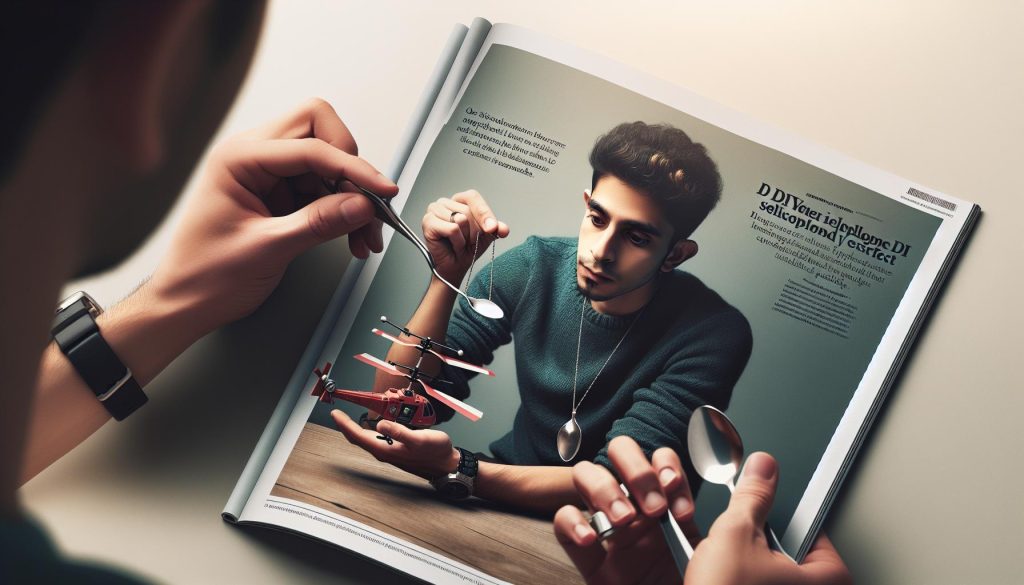
One effective approach is to utilize household items that can mimic the sound of helicopter rotors. For instance, a large mixing bowl can serve as a resonating chamber. By striking it with a wooden spoon or rolling pin, you can create a low, thumping sound that resembles the helicopter’s main rotor blades. Experiment with different objects like cardboard tubes or plastic containers; spinning them while tapping can also add the necessary percussive elements to your helicopter sound effect.
In addition to physical items, you can incorporate electronic elements into your sound design. Many smartphones and laptops come equipped with decent microphones that can capture high-quality audio. Try recording the sounds produced by your improvised instruments, then layer these recordings using audio editing software. Programs like Audacity or GarageBand allow you to manipulate pitch and tempo to closely match the desired helicopter sound. This layering is crucial; the rotor’s sound is complex and comprises multiple frequencies working together.
Finally, don’t overlook the importance of environmental factors. To add depth and realism to your sounds, consider recording your effects outside where natural acoustics can enhance the overall effect. Capturing the ambient sounds of wind or distant noises can ground your helicopter effects in a believable context, making them feel more authentic.
By experimenting with these techniques and allowing your creativity to guide you, you’ll find that creating realistic helicopter sound effects at home can be both fun and educational. Enjoy the process, and don’t hesitate to share your creations with fellow sound enthusiasts!
Using Household Items for DIY Helicopter Sounds
To recreate the dynamic sound of a helicopter, you don’t need professional audio gear-common household items can be surprisingly effective. The sound of helicopter rotors is often a combination of deep thumping and fierce chopping sounds. By tapping into your creativity and experimenting with daily objects, you can mimic these intriguing audio characteristics right from your home.
One great starting point is using large kitchen items. For example, a mixing bowl turned upside down serves as a natural resonating chamber. Striking it with a wooden spoon or rolling pin can produce a low, bass-heavy thud reminiscent of rotor blades cutting through the air. Also, consider the sound of plastic containers; when filled with varying materials like rice or pebbles, they create different pitches. Spinning a cardboard tube while hitting it can introduce a percussive element that enhances the effect.
To achieve more depth, combine sounds from various objects. Layering different recordings-like the thump of the bowl with the crack of the tube-can simulate the rich, complex sound of a helicopter in flight. Using a smartphone or laptop microphone allows you to capture these effects; afterward, utilize audio editing software like Audacity or GarageBand to modify and blend them seamlessly.
Lastly, consider the environment in which you record. Finding an open space outdoors can add natural reverb, enhancing the authenticity of your sound effects. The surrounding wind or distant sounds create a holistic listening experience, grounding your helicopter sound in a realistic context. With a bit of practice and experimentation, you can effectively replicate the iconic whirring sound of helicopters using simple household items while having fun in the process.
Advanced Methods for Realistic Helicopter Sound Effects
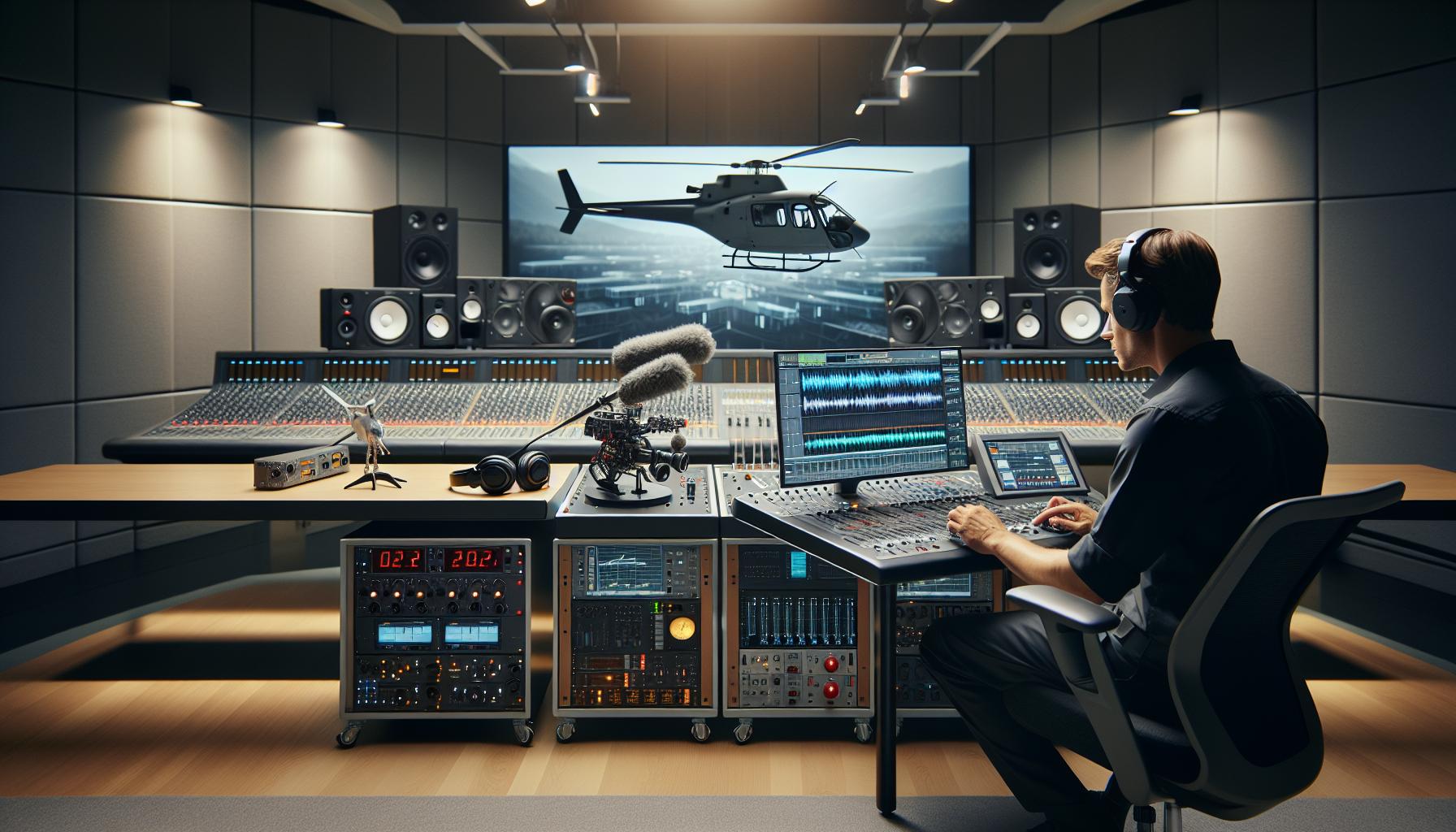
The intricate sound of helicopter blades slicing through the air is a remarkable combination of mechanical precision and natural rhythm. To capture this unique auditory experience authentically in your DIY sound design, you can employ a variety of advanced techniques that go beyond simple household objects. By integrating elements of sound engineering and creativity, you can produce a more realistic helicopter sound effect.
One advanced method involves the use of field recording equipment to capture real helicopter sounds. If you have access to a location where helicopters operate, try to record the sounds directly. This can include low-flying helicopters or those in a hover; the different speeds and distances will give you varied samples to work with. Make sure to capture the ambient sounds of the environment as well, as they greatly enhance the authenticity of the recordings. For instance, the rustle of leaves or the echo in a valley can add depth to your soundscapes.
Additionally, consider employing synthesis techniques to create helicopter sounds artificially. Audio synthesis software allows you to manipulate waveforms to replicate the unique timbre of helicopter blades. You might start with a sawtooth wave to emulate the cutting sound, then layer it with pulse width modulation to simulate the complex sound of rotating blades. Using modulation effects such as chorus or flanging can further enrich the sound, mimicking the Doppler effect experienced as a helicopter moves across the sound field.
For those equipped with digital audio workstations (DAWs), sound layering and editing can significantly enhance your sound effects. Create multiple tracks of varying sounds-such as the thumping of rotor blades, the whoosh of air, and engine noise. By adjusting the levels and adding effects like reverb or compression, you can craft a three-dimensional audio experience. Don’t forget to utilize automation features to mimic the dynamic ranges of helicopter sounds-for example, simulating the sound as a helicopter approaches, hovers, and departs.
Lastly, try collaborating with musicians or sound designers who can add their expertise to the process. By integrating instruments or electronic sounds into your recordings, you can achieve an even richer sound palette. This collaboration could reveal new techniques and insights, making your helicopter sound effects not only tenable but also artistically compelling.
In summary, harnessing field recordings, audio synthesis, advanced editing techniques, and collaboration can dramatically elevate the realism of your helicopter sound effects. Experiment with these methods to capture the essence of helicopter sounds, and you’ll invariably enrich your DIY audio projects.
Tips for Mixing and Layering Sounds for Authenticity
Creating a realistic helicopter sound effect requires careful attention to how different sounds interact with one another. Heliplanes aren’t just about a single noise; they’re a blend of various elements that mimic the depth and complexity of a real helicopter in flight. By mastering the art of mixing and layering sounds, you can produce an authentic audio experience that captivates your audience and enhances any media project.
To get started, consider layering multiple recordings and sound samples to create a fuller soundscape. Start with the fundamental sound of rotor blades-this might be a low, throaty thrum that simulates the engine noise. Next, add layers that complement this base. For instance, you could incorporate the whoosh of air as the blades cut through the atmosphere or even the sound of small debris being disturbed by the helicopter’s downdraft. By mixing these elements, you create a dynamic audio texture that mimics the natural variations found in real-life helicopter sounds.
Balancing Levels and Frequency Ranges
It’s crucial to balance the levels of each sound layer. The low frequency of the engine should set a sturdy foundation, while the higher frequencies of the rotor blades and wind movement provide detail and clarity. Use equalization (EQ) to carve out distinct frequency spaces for each sound. For example, you can boost the mid-range frequencies of the rotor blade sound while cutting some lows to prevent muddiness. This way, every element retains its presence without overwhelming the others.
Another effective technique is automation. As a helicopter moves, its sound naturally changes-approaching, hovering, or departing brings different auditory cues. Use your digital audio workstation (DAW) to automate volume levels or effects, making sounds swell as the helicopter approaches and fade gently as it moves away. This not only adds a professional touch but also simulates the real-life Doppler effect, enhancing realism.
Experimenting with Effects
When it comes to mixing, don’t shy away from creative effects. Reverb can simulate the acoustics of various environments, while delay can create a sense of space. A touch of modulation can help vary the sound to keep it engaging. For example, applying subtle chorus effects to the rotor blade sounds can replicate the fluctuating harmonics produced by varying rotor speeds.
Incorporating these techniques into your sound design will significantly enhance the authenticity of your helicopter sound effects. By skillfully layering sounds, balancing frequencies, engaging in dynamic automation, and experimenting with effects, you will capture the distinct essence of helicopters, elevating your DIY audio projects from good to truly immersive experiences.
Exploring Audio Software for Helicopter Effect Creation
To achieve realistic helicopter sound effects, the choice of audio software plays a crucial role. Using the right digital audio workstation (DAW) can transform basic recordings into convincing audio landscapes that capture the essence of helicopter flight. Popular DAWs such as Ableton Live, Logic Pro, and Pro Tools are great starting points. Each of these platforms offers a variety of tools for editing, mixing, and layering sounds, allowing you to create an immersive auditory experience.
One of the key features to look for in audio software is its ability to handle multiple audio tracks. This allows you to layer various sounds-like the thrum of the rotor blades and the rush of wind-creating a fuller, more dynamic effect. With tools like time-stretching and pitch-shifting, you can manipulate recordings to match the specific characteristics of a helicopter’s sound at different distances or flight paths. For example, matching sound speed to the helicopter’s approach and receding can help replicate the Doppler effect effectively.
Using Plugins for Enhancement
Another powerful aspect of audio software is the use of plugins that can enhance sound characteristics. Reverb can add depth, simulating how sound behaves in open air or in proximity to structures. Equalizers (EQ) are essential for sculpting sound frequencies-boosting midrange frequencies can highlight rotor sounds while reducing low frequencies prevents muddiness. Furthermore, using a compressor can help manage dynamic range, ensuring that softer sounds are audible without overpowering the main audio elements.
Examples of popular plugins include Waves and iZotope, which offer specialized tools for sound design. Some plugins are designed specifically for creating realistic ambient effects, making them ideal for your helicopter audio projects.
Incorporating Sound Libraries
Leveraging sound libraries can also elevate your sound design. Many libraries provide high-quality helicopter sound recordings that you can manipulate. While capturing your sounds is valuable, these libraries can save time and provide options that might be hard to recreate. Before utilizing them, ensure that you pay attention to licensing agreements, especially if you’re planning to use your projects commercially.
Ultimately, the secret to creating fantastic helicopter sound effects lies in your choice of audio software, its features, and how you utilize them. Combining a well-chosen DAW with effective plugins and high-quality sample libraries can take your helicopter sounds from good to extraordinary, enhancing your DIY audio projects and bringing them to life.
Common Mistakes to Avoid When Making Sound Effects
Creating captivating helicopter sound effects can be an exhilarating venture, but it’s easy to fall into common pitfalls that can detract from your final product. One major mistake is neglecting the importance of reference sounds. Without comparing your DIY sounds to authentic helicopter recordings, it’s challenging to achieve accuracy. Even if your sounds evoke the right feeling, small discrepancies can make them sound unrealistic. Thus, always keep samples from actual helicopter noises at hand to guide your sound design process.
Another frequent error is over-reliance on a single sound. Helicopters produce a rich tapestry of noises, from the thump of rotor blades to the rush of wind and mechanical whirs. Limiting yourself to just one or two elements can result in a flat soundscape. Instead, layer multiple sounds to create depth and texture. For instance, combining the low-frequency thump of the rotor with higher-pitched wind sounds can help mimic the full sonic profile of a helicopter in flight.
Additionally, aspiring sound designers often overlook the importance of frequency balance. A common mistake is either boosting too many frequencies or failing to manage them effectively. This can lead to muddy or overly harsh audio that lacks clarity. Employing an equalizer to cut unnecessary low frequencies while emphasizing the mid and high ranges will enhance your helicopter sound’s presence and realism.
Lastly, many creators make the error of skipping the mixing process altogether. Even the best raw sounds can sound disjointed without proper mixing and dynamic control. Spend time adjusting levels, panning, and applying effects like reverb to ensure that each element interacts seamlessly. This attention to detail can transform a collection of sounds into an authentic helicopter audio experience, significantly enhancing your media projects.
Incorporating Helicopter Sounds in Media Projects
Incorporating helicopter sounds into media projects not only adds dynamism but also enriches the audience’s experience. Whether you’re producing a film, creating a video game, or working on a podcast, the right sound effects can transport listeners and viewers into thrilling scenarios. Helicopter sounds are particularly effective in establishing action and urgency, making them essential for dramatic storytelling.
To effectively integrate helicopter effects, start by analyzing the context in which they will be used. Consider the phase of the helicopter’s operation-whether it’s taking off, flying, or landing-and the accompanying sounds that enhance these actions. For instance, a takeoff scene can be accentuated with the throaty roar of the engine and the chopping sound of the rotor blades. Conversely, a hovering helicopter may require a steadier, more consistent sound, allowing for dialogue or other audio elements to shine.
When adding these sounds, it’s crucial to maintain a balance between layering multiple audio tracks and preserving clarity. Mixing is your friend here; use an audio editing program to control the volume levels of the helicopter sounds, ensuring they complement rather than overwhelm other elements of your project. Layering sounds can create a more complex audio environment. Combine low-frequency rotor thumps with wind noise and variations in pitch for a realistic soundscape.
Finally, think about the emotional impact of your media. Helicopters often evoke feelings of excitement, tension, or nostalgia, depending on the scenario. Use this to your advantage by timing the sound effects to coincide with visual actions or pivotal moments in your narrative, enhancing emotional responses. By following these guidelines, you can create immersive experiences that resonate deeply with your audience, making your projects both compelling and memorable.
Creative Uses for Helicopter Sound Effects
Creating captivating sound effects is a powerful aspect of storytelling, and helicopter sounds can elevate a project from mundane to extraordinary. Whether you’re designing a short film, video game, or even a theater production, there are myriad ways to creatively employ helicopter sound effects to enhance your narrative and engage your audience.
One innovative use of helicopter sounds is in video game environments. By incorporating realistic helicopter noises during chase sequences or in cut scenes involving aerial combat, you can create an immersive experience that draws players deeper into the action. For example, layering sounds of rotors and engine roars can simulate the intense atmosphere of a high-stakes mission, heightening the player’s adrenaline as they navigate their objectives. Additionally, varying the sound intensity based on player actions-like increasing volume during high speed or decreasing it when hovering-adds a dynamic element to gameplay.
In film and animation, helicopters can serve as a backdrop for building tension. Think about scenes portraying emergency situations; the whirring sound of a helicopter approaching can signal impending aid or disaster, effectively setting the tone. Furthermore, using helicopter sounds in conjunction with visual cues-such as showing a helicopter landing or taking off-can create a seamless audio-visual experience. Integrating different helicopter phases, such as the powerful ascent or the quiet hover, helps to match the pacing of your storytelling, enhancing viewers’ emotional responses.
Theater productions can also benefit from helicopter sound effects, offering a unique strategy in live performances. By timing sound cues to synchronized movements or dialogues, actors can enhance their storytelling. For instance, when a scene shifts to a scene involving a rescue operation, introducing the sound of a helicopter can instantly convey urgency and excitement, pulling the audience into the heart of the action.
Lastly, beyond traditional storytelling, helicopter sounds can be creatively combined with various audio genres. For instance, in music production, sampling helicopter noises can add a thrilling edge to electronic tracks, transforming them into auditory experiences that resonate with listeners. By mixing these sounds with beats or melodies, you generate a new layer of creativity that engages an audience well beyond the typical soundscape.
By exploring these creative uses of helicopter sound effects, you can expand your projects’ emotional and immersive qualities, ensuring that the narrative resonates with your audience in unforgettable ways.
Enhancing Your DIY Projects with Sound Effects
Creating a realistic helicopter sound effect can take your DIY projects to the next level, whether you’re working on a film, video game, or audio production. The excitement of a helicopter soaring through the sky can be vividly conveyed through sound, enhancing the immersive quality of your work. When you can replicate the distinctive thump of rotor blades or the powerful rumble of a helicopter engine, you’re adding depth that captures your audience’s imagination.
To begin enhancing your projects with helicopter sounds, leveraging everyday items can be surprisingly effective. For instance, using a small fan can mimic rotor sounds when recorded at various distances. Experiment with positioning to capture different sound qualities; closer to the source, you’ll catch more of the wind rush, while further away might give a softer, ambient sound. Additionally, if you have access to a bicycle wheel, spinning it can create whirring sounds that resemble chopper rotors. Here’s how you can do it effectively:
- Fan Method: Set up a small fan in a quiet room. Record the sound at different speeds and distances. Use a high-quality microphone to capture the nuances.
- Wheel Spin: Spin a bicycle wheel while recording. If possible, add some elements like gravel or sand for the rough terrain effect when the helicopter lands.
- Vocal Mimicry: Don’t underestimate your voice! You can produce sounds that imitate helicopter blades or engine noise, then layer these with other sounds for a richer effect.
For those looking for more sophisticated results, audio editing software offers many tools to refine and layer your recordings. Software like Audacity or Adobe Audition allows you to combine different sound recordings, adjust their pitch, and add effects like reverb or delay, creating a more authentic soundscape. Mixing different layers, such as the whoosh of the rotor blades and the low rumble of the engine, can provide a full-bodied sound akin to real helicopters.
When integrating helicopter sounds into your projects, keep in mind the context and the emotional tone you wish to convey. For example, during action-packed sequences, you might want the sound to be louder and more pronounced, while during calm moments, a softer, distant rotoring can create tension or anticipation. This ability to adjust sound dynamics helps maintain the audience’s engagement-an essential aspect of effective storytelling.
By exploring these DIY methods and leveraging various sound production techniques, you can significantly enrich your projects with helicopter sound effects that resonate with your audience and enhance their viewing or listening experience.
How to Record and Capture the Best Sound Effects
Capturing the essence of helicopter sounds can transform your projects from mundane to extraordinary. Whether you’re producing a film, creating a video game, or developing an audio piece, the raw, powerful noises of helicopter blades and engines can significantly enhance the experience. To record authentic helicopter sound effects, understanding your environment and equipment is crucial to achieving high-quality results.
Start by selecting a quiet location where background noise will be minimal, as this will allow you to focus on capturing the core helicopter sounds without interference. A good quality microphone is essential; consider using a directional microphone to isolate sounds more effectively. Position it strategically to catch the nuances of your DIY sound-making methods, whether it’s the whoosh of a spinning wheel or the hum of a fan. Experiment with distance-recording closer to the source can highlight the sharper, more aggressive sounds, while further away can give you a more ambient or reverberated effect that mimics the distance of an actual helicopter in flight.
To get the best results, engage in multiple recording sessions. Capture various sounds in different scenarios, adjusting the source (like speed of a fan or rotation of a bicycle wheel) and the microphone position each time. This variety will provide you with a broader range of audio materials to work with later. Remember to keep your recording equipment clean and maintain a consistent environment to ensure that any differences in sound are due to changes in your sound sources, not variations in your recording location.
In post-production, utilize audio editing software to refine your recordings further. Programs like Audacity or Adobe Audition allow you to layer different sounds and adjust their levels to create a more dynamic mix. Adding effects such as reverb can make your helicopter sounds feel more authentic, as it simulates how sound behaves in different environments. By dedicating time to both recording techniques and post-production editing, you can develop impressive helicopter sound effects that greatly enhance your projects and captivate your audience.
Resources for Further Learning about Sound Design
Capturing the immersive experience of helicopter sounds involves not only technical skill but also a broad understanding of sound design principles. To deepen your knowledge and enhance your abilities, you can explore various resources that cater to different levels of interest and expertise in sound design.
First, consider enrolling in online courses or workshops that specialize in sound design and audio production. Websites like Coursera, Udemy, and LinkedIn Learning offer valuable lectures on sound effects creation, sound mixing, and the theory behind auditory experiences. Look for courses specifically focused on Foleys and sound effects to gain hands-on experience in creating realistic helicopter noises.
There are also numerous books and manuals that provide a comprehensive overview of sound design techniques. Titles such as The Sound Effects Bible by Ric Viers or Designing Sound by Andy Farnell dive deep into the artistic and technical aspects of sound creation. These resources include exercises that can inspire your DIY projects and refine your skills.
In addition to formal resources, online forums and communities can be incredibly helpful. Websites like Gearslutz, Reddit’s r/sounddesign, or the KVR Audio Forum allow enthusiasts and professionals alike to share tips, ask questions, and gain feedback on their projects. Engaging with a community can provide new insights and collaboration opportunities.
Finally, practical experimentation is key. Spend time listening to and analyzing various helicopter sounds from movies, games, and real-life footage. Use audio editing software like Adobe Audition or Logic Pro to dissect these sounds, helping you understand how layering and effects contribute to their realism. Recording your sessions and reviewing them allows you to iterate on your techniques, reinforcing learning through practice.
By leveraging these diverse resources, you’ll enhance your understanding of sound design and improve your ability to create compelling helicopter sound effects, enriching your projects and captivating your audience.
Frequently asked questions
Q: How can I create a helicopter sound effect using my voice?
A: You can mimic helicopter sounds with your voice by creating a throaty “vroom” or “whir” sound. Experiment with pitch and volume, making a rhythm as if you’re simulating the rotor blades. Practicing these sounds in combination can yield a surprisingly realistic effect, enhancing your projects creatively.
Q: What household items can be used to make helicopter sounds?
A: Household items like a blender, hairdryer, or oscillating fan can create helicopter-like sounds. For instance, running a blender with a wooden spoon can imitate the “chop” of rotor blades, while a hairdryer on high can produce a continuous whirring sound effectively.
Q: Can I use software to make helicopter sound effects?
A: Yes, audio software like Audacity or GarageBand allows you to create helicopter sounds by recording your voice or household items. You can layer various sounds, adjust pitch, and apply effects to enhance realism, following tips provided in the article on sound mixing.
Q: What are some common mistakes to avoid when making helicopter sound effects?
A: Avoid over-complicating the sound design or relying on only one type of sound. Layering is key. Ensure you don’t distort the audio excessively, which can detract from authenticity. Refer to the Common Mistakes section in the resource for more specific tips to refine your techniques.
Q: How can layering sounds improve my helicopter effect?
A: Layering sounds enhances richness and depth in your helicopter sound effects. Combine different pitches, like a low drone and high swoosh, to mimic realistic helicopter noises. This technique is discussed in detail in the Tips for Mixing and Layering Sounds section of the article.
Q: What creative projects can benefit from helicopter sound effects?
A: Helicopter sound effects can enhance various projects, including short films, video games, or animations. They add excitement and realism, making scenes more immersive. Explore the Creative Uses for Helicopter Sound Effects section for more ideas on integrating them into your work.
Q: How can I record the best helicopter sound effects for my project?
A: To capture high-quality helicopter sounds, use a good microphone and record in a quiet environment. Experiment with distances and angles when recording household items for varying effects. Check out the How to Record and Capture the Best Sound Effects section for detailed guidance.
Q: Why are helicopter sound effects important in media?
A: Helicopter sounds establish mood and realism in media projects, enhancing viewer engagement. They evoke emotion and add dynamic elements to storytelling, which is crucial for action scenes or documentary styles. For further information on this topic, see Understanding Helicopter Sound Effects and Their Importance in the article.
Final Thoughts
Now that you’ve learned how to create your very own helicopter sound effect, don’t let your creativity end here! Experiment with different materials and techniques to perfect that authentic whirring sound. If you enjoyed this DIY guide, check out our other projects like “How to Make a Jet Engine Sound Effect” or “Creating Realistic Vehicle Soundscapes” for more fun ideas to bring your audio creations to life.
Feeling inspired? Join our newsletter for the latest tips and tricks on enhancing your sound design skills. Don’t forget to comment below with your experiences or variations of the helicopter sound effect you’ve tried-your insights could inspire fellow enthusiasts! Keep exploring, keep creating, and let your passion for sound take flight!
Get our latest guides, news, and insights highlighted in your Google Search & AI Overviews.