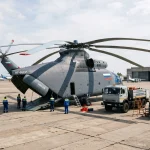
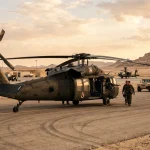
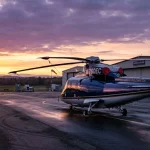
Did you know that helicopter pilots in the Coast Guard play a vital role in saving lives and protecting our shores? If you’ve ever dreamed of a career that combines adventure with service, becoming a helicopter pilot in the Coast Guard might be the perfect path for you. This journey not only involves mastering flying techniques but also requires dedication, rigorous training, and a commitment to public safety. As you explore this career, you’ll uncover essential steps, required qualifications, and unique challenges specific to this noble profession. Whether you’re an aspiring pilot or simply intrigued by the world of aviation, this guide will provide valuable insights into how you can take the skies in a Coast Guard helicopter, serving your community and making a significant impact. Ready to learn how to turn your passion for flying into a rewarding career? Let’s dive into the specifics of becoming a helicopter pilot in the Coast Guard!
How Helicopter Pilots Serve in the Coast Guard
Coast Guard helicopter pilots play a crucial role in safeguarding maritime interests and performing a variety of missions, from search and rescue operations to law enforcement. Their service involves flying advanced helicopters in often challenging environments, making decisive actions that can save lives or protect the nation’s waters. These aviators share a commitment to duty, operating under tight protocols to ensure mission success while maintaining safety for themselves and those they serve.
A typical day for a Coast Guard helicopter pilot might involve conducting surveillance over vast ocean areas, quickly responding to distress calls, or engaging in pursuits of illegal activities like drug smuggling. For instance, during drug interdiction missions, pilots must demonstrate exceptional flying skills and decision-making abilities to support precision marksmen in the helicopter. These missions often require rigorous training and refined teamwork, showcasing the high-stakes nature of their work and the critical role pilots play in operational success [2].
Moreover, the Coast Guard’s unique mission set necessitates that pilots remain adaptable and proficient in various flying conditions, from hover and low-level flight to high-altitude operations. Additionally, Coast Guard aviators engage in ongoing training to stay current with operational strategies and helicopter technology. This commitment to continuous improvement ensures they are always prepared for the unpredictable nature of their missions on the water [1].
The pathway to becoming a helicopter pilot in the Coast Guard is not just about flying; it’s also about service and dedication. Aspiring pilots should be ready to embrace the Coast Guard ethos and be willing to adapt to the diverse demands of military aviation.
Essential Qualifications for Coast Guard Helicopter Pilots
To embark on a career as a helicopter pilot in the Coast Guard, candidates must meet specific qualifications that demonstrate their readiness for the challenges of this critical role. With a focus on search and rescue, law enforcement, and drug interdiction, pilots must showcase a unique blend of technical flying skills and a strong commitment to service.
First, candidates must possess a bachelor’s degree, preferably in aviation or a related field, which lays the groundwork for understanding advanced aerodynamics and flight principles. Additionally, a valid federal aviation administration (FAA) private pilot license is essential, as it confirms basic flying competence. Depending on the pilot’s background, they may also need to complete military flight aptitude testing to ensure they have the required cognitive and physiological capabilities for flight duties.
Moreover, physical fitness is paramount. Helicopter pilots in the Coast Guard must pass rigorous medical examinations to qualify for flight duty, which is a crucial aspect of maintaining operational safety. Pilots are also expected to have strong leadership skills, effective communication abilities, and a capacity for teamwork, given the collaborative nature of Coast Guard operations.
As pilots progress in their careers, ongoing professional development is critical. They must engage in continuous training and certifications to stay current with aviation advancements and mission-specific procedures. This commitment to lifelong learning ensures they are prepared for the varied and often unpredictable demands they face in the field. By meeting these qualifications and demonstrating dedication to the Coast Guard’s mission, aspiring pilots can position themselves for a rewarding and impactful career in aviation.
Understanding the Training Pipeline for Aspiring Pilots
To become a helicopter pilot in the Coast Guard, aspiring aviators must navigate a structured and rigorous training pipeline that emphasizes both technical proficiency and mission readiness. The journey begins with foundational education; candidates typically obtain a bachelor’s degree, ideally in aviation or a related field. This academic background provides the crucial knowledge needed for understanding aerodynamics and flight dynamics. Acquiring a valid Federal Aviation Administration (FAA) private pilot license is also essential, as it signifies that the candidate has mastered basic flying skills and safety protocols.
Once these prerequisites are satisfied, the next step involves military flight training. Candidates may enter the Officer Candidate School (OCS) or the Coast Guard Academy, where they will gain the necessary military leadership training and education. Upon completion of these programs, they will progress to flight school, where rigorous training routines prepare them for the operational demands of the job. Training includes both classroom instruction and extensive hands-on flight experience. Pilots learn to operate specific helicopter models like the MH-60 Jayhawk and MH-65 Dolphin, which are crucial for Coast Guard missions ranging from search and rescue to law enforcement.
Throughout this process, continuous evaluation is critical. Aspiring pilots undergo regular assessments to ensure they can perform under pressure and respond to dynamic challenges effectively. The training doesn’t stop once pilots graduate and receive their wings. Instead, they engage in lifelong learning through simulator sessions, recurrent training, and mission-specific drills to stay sharp and adapt to new technologies and tactics.
The commitment to excellence doesn’t just prepare pilots for their immediate responsibilities; it cultivates a strong sense of teamwork and leadership essential for success in the Coast Guard. As these aviators rise through the ranks, they find opportunities for specialization and advancement, making this an exciting career path for those passionate about aviation and dedicated to serving their country.
Cost Breakdown: Training and Certification Expenses
Becoming a helicopter pilot in the Coast Guard is a rewarding, yet financially significant commitment. Understanding the costs associated with training and certification helps aspiring pilots prepare for the journey ahead. Candidates should anticipate several expenses spanning education, flight training, and certification processes.
One primary expense is obtaining a four-year degree, which can cost anywhere from $10,000 to $50,000, depending on whether one attends a public or private institution. While a degree in aviation or a related field is advantageous, any bachelor’s degree is acceptable. Following graduation, the next significant financial outlay is flight training. Private pilot training-essential for aspiring military pilots-averages between $8,000 and $15,000, depending on flight hours and the type of aircraft used. This stage generally includes around 40 flight hours of instruction, enabling candidates to meet FAA requirements for their private pilot license.
Once candidates enter the Coast Guard, they will participate in a structured training pipeline. Here, the military covers most training costs, but there may be additional personal expenses, such as travel to training locations or costs associated with uniforms and supplies. It’s crucial to budget for these expenses as they can add up quickly.
Estimated Training Expenses Summary
| Expense Type | Estimated Cost |
|---|---|
| Four-Year Degree | $10,000 – $50,000 |
| Private Pilot Training | $8,000 – $15,000 |
| Military Flight Training (covered by Coast Guard) | $0 |
| Additional Personal Expenses | $1,000+ |
Overall, while the path to becoming a Coast Guard helicopter pilot involves substantial financial investment, the payoffs-both in terms of career fulfillment and salary-can be significant. Awareness of these costs allows candidates to plan ahead and focus on the training necessary to serve in this vital role within the Coast Guard.
Pilot Licenses and Ratings: What You Need
To embark on a career as a helicopter pilot in the Coast Guard, it’s crucial to understand the specific licenses and ratings required to operate these complex machines safely and effectively. The journey begins with obtaining a private pilot license (PPL), which serves as the foundational step in any pilot’s career. This license requires at least 40 hours of flight time, including a minimum of 20 hours of flight training and 10 hours of solo flight. Though this requirement can vary by state, it’s essential for aspiring pilots to build proficiency and confidence in handling aircraft.
Once you have your PPL, an additional requirement for Coast Guard helicopter pilots is to obtain an instrument rating (IR). This rating allows pilots to fly under instrument flight rules (IFR), which is crucial for conducting missions in varying weather conditions. Pilots will typically need to complete 50 hours of cross-country flight time as pilot-in-command and pass both a written and practical exam to secure this rating.
After acquiring the instrument rating, the next step is obtaining a commercial pilot license (CPL). This license opens up opportunities for more advanced helicopter operations and enhances a pilot’s marketability. To be eligible, candidates must log a minimum of 150 flight hours-this includes specific hour requirements for both dual instruction and solo flight.
Key Licenses and Ratings for Coast Guard Helicopter Pilots
- Private Pilot License (PPL): Basic requirement with a minimum of 40 flight hours.
- Instrument Rating (IR): Necessary for flying in various weather conditions, adding hours and passing exams.
- Commercial Pilot License (CPL): Allows for paid flight operations, requiring 150 flight hours.
Lastly, many helicopter pilots in the Coast Guard pursue a flight instructor certificate, which not only allows them to train other pilots but also enhances their flight hours significantly. This is especially beneficial in building the experience necessary to qualify for specific roles within the Coast Guard. Overall, each step of obtaining these licenses and ratings is pivotal for those aspiring to serve as helicopter pilots, ensuring they are equipped with the skills and knowledge needed to respond effectively in diverse operational environments.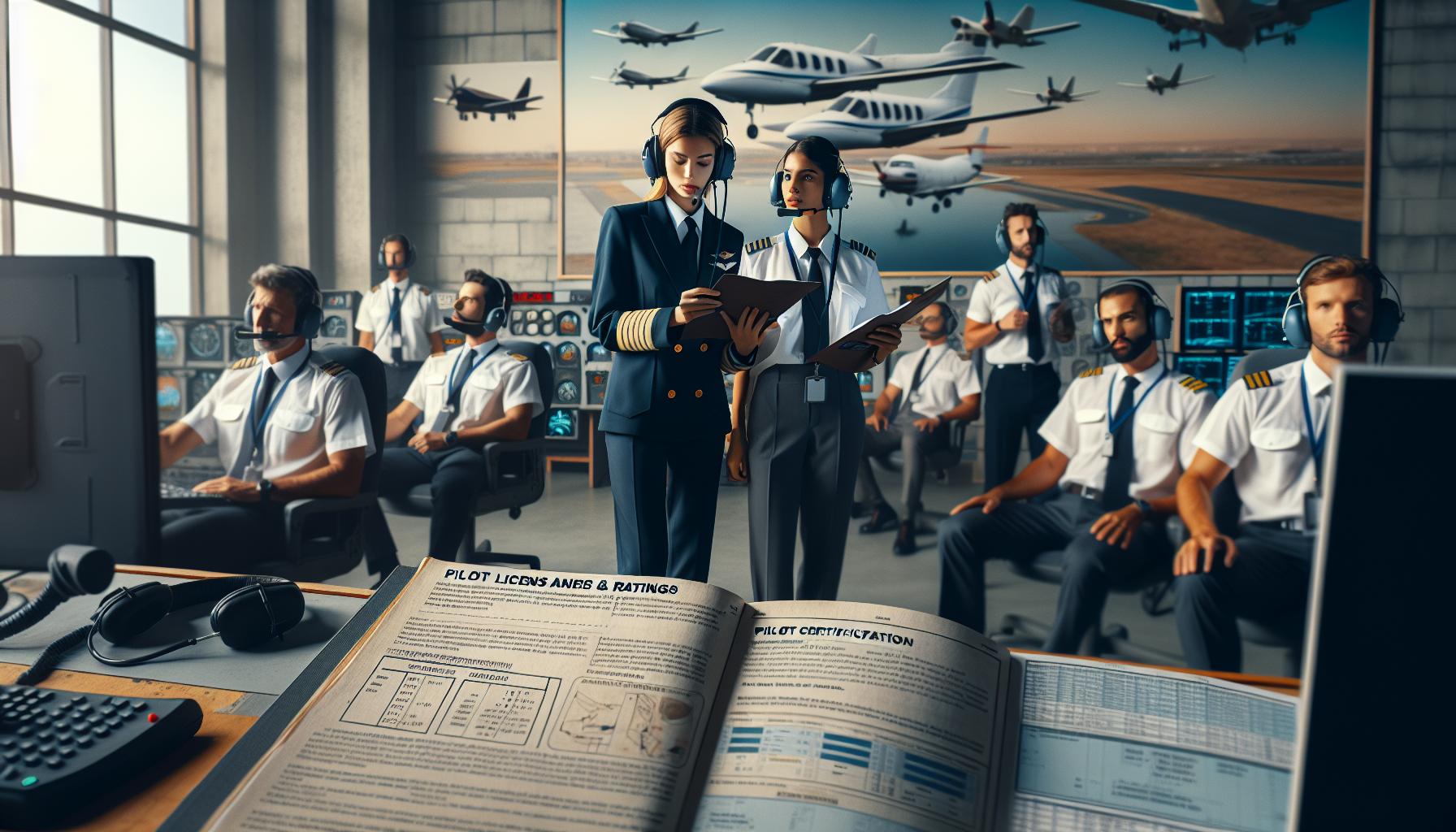
The Role of Coast Guard Helicopter Missions
Coast Guard helicopter missions are a critical element of maritime safety and national security, showcasing the impressive capabilities and versatility of these aircraft and their pilots. These missions range from search and rescue operations to law enforcement and environmental protection, highlighting the importance of having skilled pilots ready to respond to various situations at a moment’s notice.
One of the most significant roles of Coast Guard helicopters is search and rescue (SAR). Many lives have been saved through the quick response of helicopter crews who conduct air searches for missing persons at sea or in remote locations. Equipped with advanced technology, such as infrared cameras and night vision goggles, these pilots tackle challenging conditions, often flying in inclement weather or low visibility. Each successful rescue not only demonstrates the pilots’ expertise but also serves as a testament to their dedication to safeguarding lives.
Additionally, Coast Guard helicopters play a vital role in law enforcement missions, including counter-narcotics operations and intercepting illegal fishing activities. By providing aerial surveillance, these helicopters enhance the Coast Guard’s ability to monitor vast areas of ocean and coastal waters, ensuring compliance with national and international laws. Helicopter crews often work in tandem with other law enforcement agencies, coordinating complex operations that require precise flying and teamwork.
Environmental protection missions are another essential aspect of Coast Guard operations. Helicopters are deployed to monitor and respond to oil spills, search for compromised marine environments, and support wildlife surveys. Such missions not only protect the delicate ecosystems but also demonstrate the proactive approach the Coast Guard takes towards environmental stewardship.
In conclusion, participating in Coast Guard helicopter missions offers pilots the unique opportunity to make a tangible difference in people’s lives and contribute to the safety and security of the nation. The combination of technical skill, commitment to service, and the chance to work on diverse and impactful missions makes a career as a Coast Guard helicopter pilot both rewarding and exciting.
Skills Required for Successful Helicopter Piloting
Successful helicopter piloting within the Coast Guard requires a unique blend of technical skills, mental fortitude, and situational awareness. The ability to operate complex aircraft under varying and often challenging conditions sets apart competent pilots from exceptional ones. As they navigate critical missions, including search and rescue operations, law enforcement, and environmental protection, Coast Guard helicopter pilots must demonstrate proficiency in several key areas to ensure they can handle any challenge that arises.
Technical Proficiency: First and foremost, helicopter pilots must possess a comprehensive understanding of their aircraft and its systems. This includes knowledge of aerodynamics, navigation, and aircraft maintenance. Familiarity with specific helicopter models, like the MH-60 Jayhawk and MH-65 Dolphin, enhances a pilot’s capability to execute advanced maneuvers required during missions, especially in emergency situations.
Situational Awareness: Given the dynamic environments in which they operate, Coast Guard pilots must maintain exceptional situational awareness. This involves constant monitoring of not only the helicopter’s performance but also external factors like weather conditions, other aircraft, and the operational landscape below. Effective communication with crew members and coordination with other agencies is crucial in ensuring the safety and success of missions.
Decision-Making Under Pressure: Pilots often make split-second decisions in high-stress situations. The ability to assess risks, evaluate options rapidly, and implement solutions can mean the difference between success and failure during missions. Developing this aptitude comes from rigorous training and real-world experience, as pilots frequently engage in simulated scenarios that emulate potential challenges they might face.
Physical and Mental Resilience: The demanding nature of Coast Guard missions requires pilots to maintain excellent physical fitness and mental resilience. Long hours, high-intensity operations, and challenging weather conditions can lead to fatigue; thus, pilots need to be in peak physical condition to sustain their focus and effectiveness on the job. Moreover, resilience and emotional stability are important to cope with the pressures associated with life-saving missions.
In essence, the skills acquired and honed by Coast Guard helicopter pilots are critical not only for their success but also for the safety of those they serve. Each aspect of piloting – from technical abilities to decision-making and resilience – contributes to their overall effectiveness in this vital role. Aspiring pilots should consider these fundamental skills as they embark on their journey toward serving in the U.S. Coast Guard.
Career Advancement Opportunities in the Coast Guard
The journey of a helicopter pilot in the Coast Guard is filled with myriad opportunities for growth and advancement. With each flight hour logged and each mission completed, pilots not only enhance their technical skills but also open doors to fulfilling career paths within the U.S. Coast Guard. The potential for progression is significant, whether through specialized training, leadership roles, or operational command positions.
One of the primary avenues for advancement is through specialization. Coast Guard helicopter pilots can pursue additional certifications in areas such as search and rescue, law enforcement, or aviation maintenance. Each specialization enhances their operational capabilities and makes them more valuable within the organization. Participation in targeted training programs, such as the Aviation Pre-flight Indoctrination, helps pilots gain critical knowledge that can lead to expert roles [3].
Moreover, as pilots accumulate experience and demonstrate leadership skills, they can ascend to higher ranks. Opportunities exist to transition into roles such as mission commanders or even become part of elite teams like the Helicopter Interdiction Tactical Squadron (HITRON), which focuses on maritime drug interdiction [2]. These roles not only bring additional responsibilities but also provide pilots with a platform to influence operational strategy and training for future generations.
Additionally, post-military career prospects are promising for Coast Guard helicopter pilots. The skills acquired during their service are highly transferable, making them attractive candidates for positions in various industries, including public safety, emergency management, and the private sector aviation industry. Organizations often seek out veterans for their discipline, technical expertise, and leadership during critical operations.
In summary, a career as a Coast Guard helicopter pilot is not a static path but a dynamic opportunity for growth. By embracing training and taking on new challenges, pilots can carve out a rewarding career filled with possibilities, both during and after their service.
Balancing Military Life and Helicopter Aviation
The life of a Coast Guard helicopter pilot is a unique blend of duty and aviation passion, requiring a delicate balancing act between military obligations and flying expertise. Pilots often respond to emergencies at any moment, engaging in missions that include search and rescue, law enforcement, and maritime interdiction. This commitment can challenge personal time and family life, making effective time management and strong support systems vital for maintaining balance.
To thrive amidst this demanding schedule, Coast Guard pilots employ several strategies:
- Prioritizing Family Time: Establishing a routine that includes dedicated family time can help pilots maintain strong relationships. Planning ahead for time off allows families to prepare for and enjoy these moments together.
- Utilizing Resources: The Coast Guard offers various resources, such as family support programs, counseling services, and community events, to assist pilots and their loved ones in adjusting to military life.
- Open Communication: Maintaining open lines of communication with family members about work commitments can mitigate feelings of isolation and help manage expectations regarding availability.
- Self-Care: Pilots often face high-stress situations, so prioritizing physical and mental well-being is essential. Engaging in hobbies, exercise, or mindfulness practices can help pilots decompress away from the demands of their roles.
The nature of Coast Guard aviation frequently involves irregular hours and the need for quick deployment. Consequently, pilots also benefit from understanding the operational and personal challenges of their peers, fostering a supportive culture within their teams. Sharing experiences and coping strategies strengthens bonds and builds a network that pilots can rely on during tough times.
Ultimately, the satisfaction derived from serving and rescuing those in need balances the sacrifices inherent in military life. Passion for flying combined with unwavering dedication to duty makes Coast Guard helicopter pilots not only skilled aviators but also resilient individuals who navigate the complexities of their demanding careers with grace.
Challenges Faced by Coast Guard Pilots
The path of a Coast Guard helicopter pilot is paved with both thrilling opportunities and profound challenges. Pilots are often thrust into high-pressure situations requiring swift decision-making and exceptional flying skills. One of the most daunting aspects of the role is the constant demand for readiness. Helicopter pilots must maintain a state of acute alertness, prepared to launch on missions at a moment’s notice, whether it’s for search and rescue operations, law enforcement, or environmental protection.
The unpredictability of their work schedules can also weigh heavily on pilots. Irregular hours, including night missions and long deployments, disrupt personal life and family dynamics. For many, the emotional toll of separating from loved ones for extended periods is profound. This tension is compounded by the nature of their missions, which can sometimes end tragically. Pilots must learn to cope with the emotional weight of these experiences, developing resilience while processing the gravity of their responsibilities.
In addition to emotional challenges, there are physical demands on Coast Guard pilots as well. The role requires not only exceptional flying skills but also a high level of physical fitness to handle the strenuous nature of rescue operations, often in austere environments. Rigorous training prepares them for adverse weather conditions, complex air maneuvers, and the physicality of working in often-chaotic rescue scenarios, all of which necessitate continuous skills refinement and adaptability.
To combat these challenges, it’s essential for aspiring pilots to cultivate strong support systems, engage in effective stress management practices, and foster open communication with loved ones. Maintaining mental and physical wellness can help mitigate the effects of their demanding lifestyles, allowing them to thrive both in the cockpit and at home. Ultimately, the journey of a Coast Guard helicopter pilot is a testament to their spirit and commitment, as they tackle not only the skies but also the personal challenges that come with such a noble career.
Real Stories: Coast Guard Helicopter Missions in Action
In the high-stakes world of the Coast Guard, each helicopter mission tells a powerful story of bravery and resilience. Coast Guard helicopter pilots take on a variety of challenging roles, with missions often unfolding in extreme conditions, making every flight both a test of skill and a commitment to service. One striking example is the search and rescue operations that take place during natural disasters. For instance, during Hurricane Harvey in 2017, Coast Guard pilots played a pivotal role in saving lives. They flew in near-zero visibility and heavy rain to rescue stranded individuals from rooftops, showcasing not only their flying expertise but also their courage and dedication to aiding others in distress.
Such missions are not just isolated incidents; they highlight the ongoing challenges these pilots face. Committed to their training, they undergo rigorous preparation, including simulations of emergency scenarios and survival training in water. This training is paramount not only for the successful execution of missions but also for ensuring their own safety in unpredictable situations. The mission to rescue a group of fishermen stranded on a capsized boat exemplifies this bravery. Helicopter crews must coordinate with other rescuers, plan their approach carefully to avoid potential hazards, and execute complex maneuvers to ensure they can hoist the individuals to safety without incident.
The emotional impact of these missions is profound. While the rewards of saving lives are immense, pilots frequently navigate the realities of loss and trauma. Each mission carries the weight of human life, and the mental resilience required cannot be overstated. The camaraderie forged within the crew serves as a vital support system, helping pilots share their experiences and cope with the emotional burden that can accompany such high-stress situations.
Ultimately, every mission exemplifies the relentless commitment of Coast Guard helicopter pilots to safeguard lives, demonstrating the true spirit of service. Aspiring pilots can find inspiration in these real-life stories, understanding that while the path to becoming a helicopter pilot in the Coast Guard is demanding, it is also an opportunity to make a significant, positive impact in people’s lives. The journey combines rigorous training, technical expertise, and a heartfelt dedication to those in need, reflecting a career that is both challenging and profoundly rewarding.
Future Trends in Coast Guard Aviation Careers
As the demand for versatile and skilled aviation personnel increases, the future of Coast Guard aviation careers is poised for significant evolution. Emerging technologies, such as advanced navigation systems, unmanned aerial vehicles (UAVs), and enhanced simulation training, are transforming how Coast Guard helicopter pilots operate. These innovations not only improve efficiency but also enhance safety and effectiveness during missions.
Emerging Technologies
The integration of UAVs into Coast Guard operations offers exciting possibilities. Drones can assist in surveillance, reconnaissance, and even initial search and rescue operations, allowing pilots to focus on complex tasks while drones handle preliminary assessments. This capability provides critical situational awareness, especially in challenging environments, enabling pilots to make informed decisions quickly.
Training Innovations
Training for aspiring pilots is also shifting towards more sophisticated simulation technologies. Virtual reality (VR) and augmented reality (AR) systems are becoming commonplace to create immersive training experiences that simulate real-world scenarios without the risks associated with live flights. These advancements allow pilots to practice emergency protocols, navigation techniques, and environmental challenges, significantly enhancing their preparedness and adaptability for actual missions.
Career Opportunities
With these technological advancements, career pathways within the Coast Guard are expanding. Future pilot roles may include specialized positions in UAV operations, tactical missions involving advanced aerial tactics, and management positions overseeing drone integration into traditional piloting operations. As the Coast Guard embraces cutting-edge technology, the diversity of roles will attract a wider range of candidates, fostering a dynamic workforce equipped to face future challenges.
To stay competitive in this evolving landscape, aspiring pilots should focus on developing a strong foundation in not only flying skills but also in technological proficiency relevant to modern aviation. Emphasizing both technical and soft skills will be vital, as effective communication and teamwork become increasingly crucial in integrated operations.
Ultimately, Coast Guard aviation careers promise to be both challenging and rewarding, driven by continuous innovation. The commitment to service remains firm, and as the landscape changes, so too does the potential for pilots to make impactful contributions to missions that safeguard lives and enhance national security.
Q&A
Q: What are the educational requirements to become a Coast Guard helicopter pilot?
A: To become a Coast Guard helicopter pilot, candidates typically need a bachelor’s degree, which can be in any field, but aviation-related studies are preferred. Additionally, applicants must excel in the Coast Guard’s Officer Candidate School (OCS) or be prior enlisted members to qualify for flight training.
Q: How long does it take to become a helicopter pilot in the Coast Guard?
A: The process to become a helicopter pilot in the Coast Guard can take approximately 2-3 years, including officer training, flight school, and obtaining necessary certifications. This timeline may vary based on individual circumstances and the availability of training slots.
Q: What types of helicopters do Coast Guard pilots fly?
A: Coast Guard pilots primarily fly helicopters such as the MH-65 Dolphin and MH-60 Jayhawk. These helicopters are used for search and rescue, law enforcement, and other critical missions, often requiring specific training on each type.
Q: Are there physical fitness requirements for Coast Guard helicopter pilots?
A: Yes, Coast Guard helicopter pilots must meet rigorous physical fitness standards, including passing a physical fitness test and a flight physical exam. Maintaining good health and physical condition is essential throughout your career.
Q: What is the role of Coast Guard helicopter pilots in emergency missions?
A: Coast Guard helicopter pilots play a crucial role in emergency missions such as search and rescue, medevac operations, and disaster response. They are trained to operate in various conditions, ensuring the safety of those in distress.
Q: Can you become a helicopter pilot in the Coast Guard without prior flight experience?
A: Yes, you can become a helicopter pilot in the Coast Guard without any prior flight experience. However, successful candidates must complete the Coast Guard’s rigorous training pipeline, which includes flight school and technical training on specific aircraft.
Q: What are the career advancement opportunities for Coast Guard helicopter pilots?
A: Coast Guard helicopter pilots have various career advancement opportunities, including leadership positions, specialized roles (such as instructor pilot or aviation safety officer), and potential transitions to other aviation-related fields within the Coast Guard.
Q: How does the Coast Guard support ongoing pilot training and development?
A: The Coast Guard supports ongoing pilot training through regular evaluations, access to advanced simulator training, and opportunities for further education in specialized flying techniques and leadership skills. Continuous professional development is emphasized for all pilots.
To Conclude
Becoming a helicopter pilot in the Coast Guard is a rewarding journey that offers exciting challenges and opportunities to serve your country. Now that you have a clearer understanding of the necessary steps and qualifications, take the leap and start your training today. Dive deeper into our guides on pilot certifications and Coast Guard missions, and don’t hesitate to check out our resources on flight schools that might suit your needs.
We encourage you to share your thoughts or questions in the comments below-your engagement enriches our community! If you’re ready for the next step, consider signing up for our newsletter to stay updated on the latest in aviation careers and training. Remember, pursuing your dream of becoming a helicopter pilot not only fulfills your passion for aviation but also empowers you to make a difference in the lives of others. Let’s take to the skies together!
Get our latest guides, news, and insights highlighted in your Google Search & AI Overviews.