Did you know that the largest helicopter in the world is capable of lifting twice its own weight? This incredible feat of engineering not only showcases human ingenuity but also sparks curiosity about the capabilities and specifications that define these remarkable machines. Understanding the dimensions and achievements of record-holding helicopters can illuminate their significance in both aviation history and modern applications. Whether you’re an aspiring pilot, a helicopter enthusiast, or simply someone who marvels at the wonders of flight, delving into the world of the biggest helicopters opens up exciting discussions about design, function, and the boundaries of aviation technology. Join us as we explore the fascinating world of the largest helicopters and uncover the stories behind these towering giants in the sky.
The Giant Helicopters: An Overview of the Largest Models
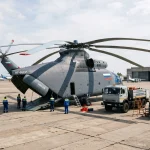
In the world of aviation, few aircraft capture the imagination quite like the largest helicopters. Among these giants, the Mil Mi-26 stands as a notable contender, recognized as the heaviest and most powerful helicopter in operation today. With a maximum takeoff weight of around 56 tons, this behemoth was designed in the Soviet Union and remains unmatched in its cargo-lifting capability. It can transport oversized cargo, including military equipment and humanitarian aid, making it an indispensable asset in various operations.
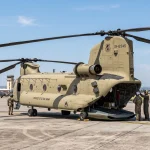
Another remarkable model is the CH-53K King Stallion, the latest version of the Sikorsky CH-53 series. This helicopter boasts advanced technology and can lift an impressive payload of over 16 tons. Its significance extends beyond just size; it’s equipped with state-of-the-art avionics and agility that enhance its operational performance in diverse environments, especially in military engagements. Other contenders in the large helicopter category include the Airbus H225M and the Boeing CH-47 Chinook, each with its own unique features and operational strengths.
To fully appreciate these giants, it’s essential to consider their roles across different industries. In disaster relief, for example, helicopters like the Mi-26 have been used to transport heavy supplies and equipment to areas inaccessible by road. In military operations, helicopters provide essential logistics support, moving troops and supplies quickly and efficiently. The sheer size of these helicopters allows them to address critical needs where smaller aircraft might fall short.
As we look to the future, the potential for design innovations and technological advancements raises exciting possibilities. Emerging technologies, such as electric propulsion and autonomous flight systems, might redefine what we consider a “large” helicopter, potentially leading to further increases in size and capability. Whether for military, industrial, or humanitarian purposes, these helicopter giants continue to evolve, ensuring they remain pivotal in modern aviation.
What Makes a Helicopter “Big”? Key Definitions and Metrics
Understanding what makes a helicopter “big” involves a careful examination of various metrics and definitions related to size. Generally, size can be assessed through multiple dimensions including weight, rotor diameter, overall length, and payload capacity. The most commonly referenced metric for categorizing helicopters is the maximum takeoff weight (MTOW), which indicates the total weight at which the aircraft is certified for takeoff. For example, the Mil Mi-26, recognized as the largest operational helicopter, has an MTOW of about 56 tons, dwarfing most other models and showcasing its impressive cargo capacity.
Another critical factor in determining size is the rotor diameter. This measurement affects the helicopter’s lift, stability, and maneuverability. Larger rotors can generate more lift, allowing the helicopter to carry heavier loads and perform in a greater range of environments. For instance, the CH-53K King Stallion features rotor blades that measure approximately 38 feet in diameter, enabling it to excel in military operations by lifting significant weights over considerable distances.
Beyond physical dimensions, a helicopter’s payload capacity plays a crucial role in its classification as “big.” This metric defines how much weight the helicopter can safely transport, including passengers, cargo, and fuel. The Mi-26 can move up to 20 tons of cargo, whether it’s humanitarian supplies or oversized industrial equipment, making it a vital asset for logistical operations worldwide. Thus, while MTOW and rotor diameter provide a clear sense of the helicopter’s physical scale, payload capacity ultimately determines its utility and effectiveness in real-world applications.
Understanding these metrics highlights the importance of size in aviation and its impact on operational capabilities. As the world of helicopter engineering continues to evolve, these definitions may expand, with new technologies potentially redefining what constitutes a “big” helicopter in the future.
From Mi-26 to CH-53K: Meet the Current World Record Holders
The realm of giant helicopters is a fascinating domain of engineering prowess, showcasing the remarkable capabilities of rotary-winged aircraft. Among the titans of the sky, two models stand out as the current world record holders: the Mil Mi-26 and the CH-53K King Stallion. Each helicopter embodies unique features and functionalities that define what it means to be “big” in the aviation world.
The Mil Mi-26 is renowned as the largest and most powerful helicopter ever to enter service. With a maximum takeoff weight (MTOW) of 56 tons, it has been vital for military and humanitarian operations alike. This behemoth’s rotor diameter measures an impressive 32 meters (approximately 105 feet), contributing significantly to its ability to lift up to 20 tons of cargo. Whether transporting industrial equipment, large construction materials, or humanitarian supplies, the Mi-26 has proven to be an indispensable asset in various operations around the globe.
In the United States, the CH-53K King Stallion takes center stage as the most robust heavy-lift helicopter in the military arsenal. With a maximum payload capacity of around 36,000 pounds, this chopper’s advanced design allows it to carry heavier loads over greater distances compared to its predecessors. Its rotor blades stretch about 38 feet in diameter, contributing to its powerful lift capabilities and stability in challenging conditions. Designed to enhance tactical operations, the CH-53K is equipped with state-of-the-art technology, making it a formidable contender in modern aerial warfare.
These helicopters symbolize both the historical advancements in aviation technology and the ongoing quest for improved engineering solutions. From lifting vehicles to performing complex rescues, the capabilities of the Mi-26 and CH-53K illustrate the extreme potential of large helicopters to transform both military and civilian operations. As technology continues to evolve, the future may hold even larger and more capable helicopters, pushing the limits of what we currently understand about rotorcraft performance and design.
Comparative Analysis: Size vs. Capability in Helicopters
The sheer size of a helicopter often generates intrigue, but its capabilities reveal the real story behind its engineering marvels. To understand the relationship between size and capability, consider the Mil Mi-26 and CH-53K King Stallion. While the Mi-26 stands out for its colossal dimensions-holding the record as the largest helicopter-its real strength lies in its operational versatility. Capable of lifting an astonishing 20 tons, it showcases how size can translate into heavy-lifting power essential for both military operations and humanitarian missions. In contrast, the CH-53K’s design emphasizes advanced technology and payload efficiency, enabling it to carry substantial loads over greater distances, thus demonstrating that larger isn’t always better; sometimes, it’s about optimizing performance through intelligent design.
The capabilities of these helicopters can be broken down into several key factors:
- Lift Capacity: The Mi-26 can carry oversized cargo up to 20 tons, vital for transporting heavy equipment, while the CH-53K can manage about 36,000 pounds, allowing for a balance of payload with advanced technology.
- Range and Endurance: The CH-53K excels with its new technology enhancing efficiency, enabling longer flights without needing to refuel, critical for tactical operations.
- Operational Flexibility: While the Mi-26’s massive size and rotor diameter are suited for heavy lifting, the CH-53K’s design allows versatility in various military applications, from troop transport to logistical support.
Ultimately, the correlation between a helicopter’s size and capability illustrates a fundamental aviation principle: bigger may not always mean better. It’s crucial to assess how each design choice complements the helicopter’s intended mission. As the industry progresses, innovations may even shift these paradigms, leading to new helicopters that can simultaneously offer both enhanced size and capability without compromising efficiency or performance, further expanding what we consider the limits of helicopter design and engineering.
Engineering Marvels: The Technology Behind Giant Helicopters
Giant helicopters are not just impressive due to their size; they are testaments to human ingenuity and advanced engineering. The technological advancements that underpin these massive machines allow them to perform extraordinary tasks, from transporting heavy cargo to executing complex military operations. Take the Mil Mi-26, for instance, the largest helicopter in the world, which showcases a blend of design precision and robust engineering. This helicopter employs advanced rotor configurations and powerful turbine engines to carry heavy loads efficiently, making it essential for emergency rescues and large-scale logistical operations.
To understand the technology behind these giants, it’s crucial to examine a few key areas:
Advanced Materials
The construction of large helicopters often involves state-of-the-art materials that enhance durability and reduce weight. For instance, the use of composite materials not only lightens the structure but also improves strength and resistance to corrosion. This allows helicopters like the CH-53K King Stallion to increase their payload capacities without compromising performance.
Innovative Rotor Design
Rotor systems are pivotal in helicopter performance, especially for the largest models. The Mi-26 features a dual-rotor system that provides excellent lift and stability, crucial for operating under challenging conditions. Meanwhile, the CH-53K employs a sophisticated rotor blade design that optimizes lift and aerodynamics, significantly reducing drag and enhancing fuel efficiency, which is vital during long-range missions.
Avionics and Control Systems
Modern giant helicopters are equipped with advanced avionics that enhance flight safety and operational efficiency. These systems include enhanced navigation tools, auto-pilot capabilities, and real-time data integration, which improve the pilot’s situational awareness. The integration of digital fly-by-wire systems allows for greater control responsiveness and reduces pilot workload, thus enhancing overall mission effectiveness.
As technology continues to evolve, these engineering marvels are likely to see even more advancements. Innovations such as electric propulsion systems and autonomous flight capabilities promise to reshape the capabilities of giant helicopters, making them even more versatile and efficient in the skies. For budding aviators and enthusiasts alike, the future of helicopter technology is both thrilling and full of potential.
The History of Helicopter Size: How It Evolved Over Time
The evolution of helicopter size is a fascinating journey reflecting advancements in technology, engineering, and the increasing demands of various industries. In the early days of rotorcraft development, helicopters were compact, often limited by the materials and engineering practices of the time. The first successful helicopter, the Focke-Wulf Fw 61, took flight in 1936, offering a glimpse into the potential of vertical flight but was far from large-scale efficiency. The focus remained primarily on maneuverability and simplicity rather than size.
As aerospace technology progressed, particularly post-World War II, helicopters began to grow in size and capability. The introduction of lighter, more durable materials such as composites and advanced alloys enabled engineers to build larger airframes without sacrificing performance. By the mid-20th century, helicopters like the Sikorsky CH-54 Tarhe demonstrated the practicality of larger models, capable of lifting substantial payloads for military operations and rescue missions. These developments signaled a shift; size no longer posed a limitation but rather became an advantage in versatility and operational capability.
The real turning point for giant helicopters was the emergence of models like the Mil Mi-26 in the 1980s, which continues to hold the title of the largest and heaviest helicopter in the world. With its impressive ability to transport cargo weighing up to 20 tons, the Mi-26 not only showcased engineering brilliance but also shaped the expectations of helicopter capabilities in heavy-lift operations globally. Its features, such as a dual-rotor system and advanced rotor blade design, were groundbreaking for their time.
Looking to the future, helicopter size will likely continue to increase as innovations in materials and propulsion systems emerge. Concepts like hybrid-electric engines and autonomous flight technology promise to enhance not only the size of helicopters but also their efficiency and operational roles. As the challenges faced by industries evolve-from disaster response to logistics-the demand for larger, more capable helicopters will undoubtedly grow, pushing the boundaries of what is technologically possible. This ongoing evolution not only honors the legacy of those who pioneered rotorcraft technology but excites aspiring pilots and engineers about the future of flight.
Record-Breaking Helicopters in Action: Notable Achievements
The Mi-26 helicopter, a titan of the skies, holds the record as the largest, heaviest, and most powerful helicopter in the world. Designed in the 1970s by the Mil Moscow Helicopter Plant, this remarkable rotorcraft was engineered to perform in extreme conditions, making it a vital asset in various military and civilian operations. The Mi-26 can carry a staggering payload of up to 20 tons, which translates into the capacity to transport heavy machinery, aid relief supplies, or even entire military units. This sheer power and capability enable it to execute missions that smaller helicopters cannot, significantly impacting logistics, disaster relief, and military strategy.
In action, the Mi-26 has set numerous records and achieved remarkable feats. Among its notable accomplishments is the successful airlift of an exceptionally heavy transport within a short time frame, showcasing its efficiency and capability. Moreover, it has been frequently utilized in firefighting efforts, where its water-bombing system allows it to scoop water from nearby bodies and release it over raging fires-an invaluable asset in combating natural disasters. Its operational flexibility is a testament to the engineering sophistication behind its design.
Beyond the Mi-26, other groundbreaking helicopters have also made their mark in aviation. The Sikorsky CH-53K King Stallion, the latest heavy-lift helicopter for the U.S. Marine Corps, rivals the Mi-26 in capability but excels in modern technology integration. With advanced avionics and a larger payload capability, the CH-53K represents the future of heavy lift, focusing on versatility in combat and support roles. These innovations illustrate how the quest for larger helicopters continues to push the boundaries of what is achievable, offering exciting possibilities for future developments in aviation technology.
For those fascinated by helicopters, the achievements of these giants not only demonstrate the incredible engineering prowess involved but also highlight the critical roles they play across various sectors, from military to humanitarian missions. The ongoing advancements inspire aspiring pilots and engineers, encouraging them to envision their contributions in this ever-evolving field of aviation.
Future Trends: Innovations that May Expand Helicopter Size
As the aviation industry continues to evolve, innovations are paving the way for larger and more capable helicopters. The potential to expand helicopter size is largely driven by advancements in materials, propulsion systems, and aerodynamics. These developments not only enhance performance but also open the door to new applications across various sectors, including military, medical, and civilian transport.
One significant trend is the exploration of lightweight composite materials. By reducing the overall weight of helicopter structures, manufacturers can increase payload capacity without compromising performance. For instance, the shift from traditional metals to carbon fiber composites allows helicopters to achieve greater strength-to-weight ratios, enabling larger designs without the corresponding weight penalties. This technology has been demonstrated in models like the Airbus H160, which utilizes advanced materials to achieve efficient flight dynamics.
Another exciting innovation lies in hybrid propulsion systems. These systems combine traditional rotorcraft engines with electric or alternative power sources to increase efficiency and reduce emissions. The potential for hybrid designs could lead to the development of larger helicopters that are not only more powerful but also environmentally friendly. This aligns with global sustainability efforts and could attract investment towards creating the next generation of heavy-lift helicopters.
Moreover, the integration of advanced avionics and fly-by-wire technology is transforming how helicopters are controlled and operated. Such systems enhance maneuverability and allow for greater automation, which could support larger aircraft designs that require precision handling during complex missions. As safety and operational capabilities improve, we may see a shift towards larger, more sophisticated helicopters utilized in roles traditionally held by smaller models.
In summary, the future of helicopter design is poised for remarkable change, characterized by lighter materials, hybrid power technologies, and advanced control systems. These innovations will not only make it possible to build bigger helicopters but will also expand their operational capabilities, allowing them to address the increasingly diverse challenges faced in both civilian and military missions. Enthusiasts and aspiring pilots alike should keep an eye on these trends, as they signal a thrilling evolution in the world of rotorcraft.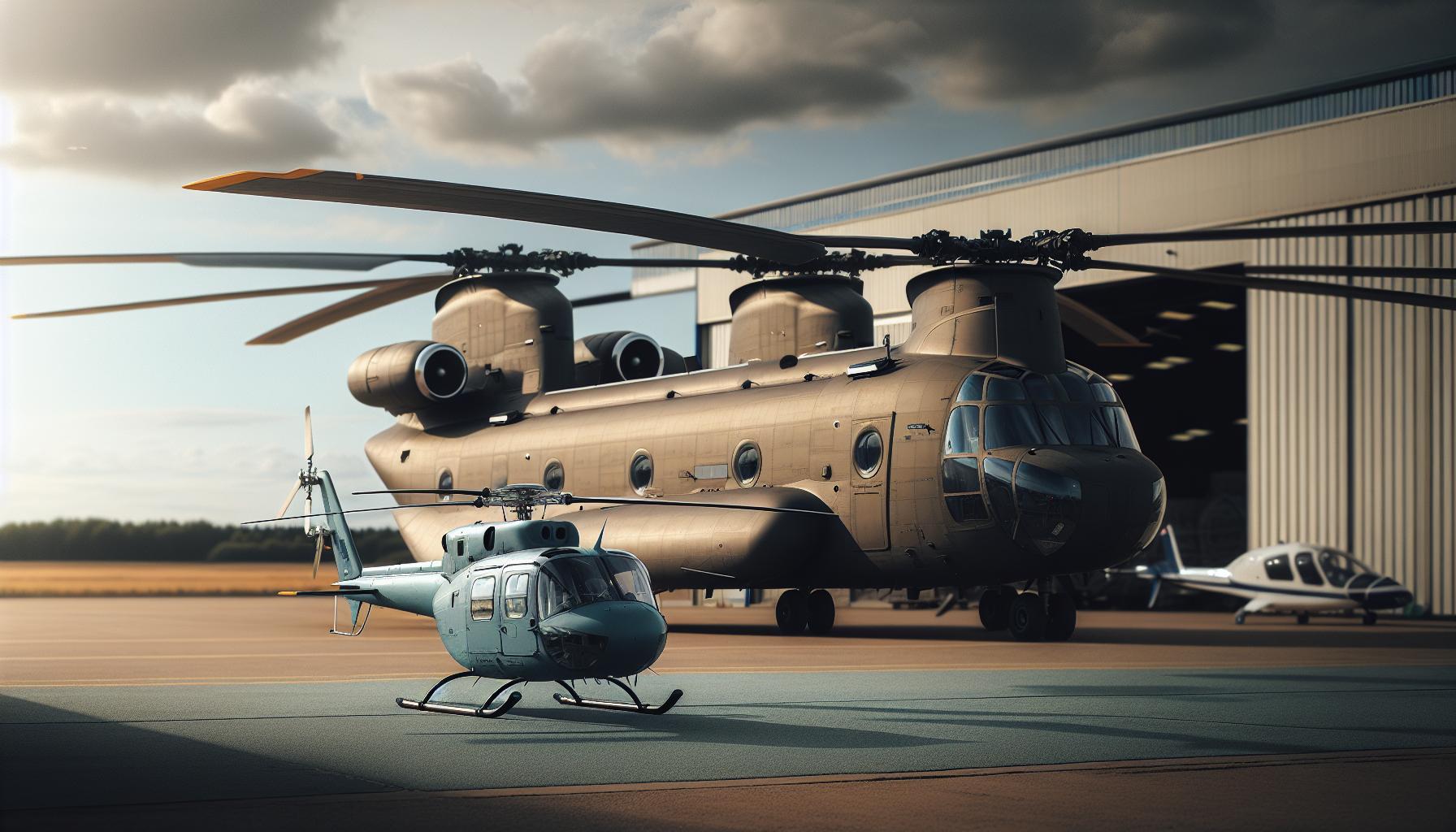
Helicopter Size and Its Impact on Performance
The sheer size of a helicopter profoundly influences its performance across various operational aspects. Larger helicopters, such as the Mi-26, renowned for its heavy-lift capabilities, demonstrate how size can enable impressive payload capacities-up to 20 tons-while supporting extensive missions ranging from logistics to humanitarian aid. This astounding ability is a direct result of innovations in rotor design and aircraft structure, allowing these giants to function effectively in demanding environments.
A key metric of helicopter performance is its power-to-weight ratio, which correlates to the size of the machine. Bigger helicopters often require more robust engines to maintain agility and stability, contributing to impressive speed and maneuverability compared to smaller craft. For example, the CH-53K King Stallion not only possesses substantial lifting power but also integrates advanced systems that enhance its aerodynamics, resulting in higher flight speeds and lower fuel consumption, crucial for modern military operations.
Operational challenges do arise with larger helicopters, particularly concerning landing and takeoff requirements. The ground footprint increases significantly, necessitating more substantial helipads and clear zone management, especially in urban or confined areas. Pilots of larger rotorcraft must also hone their skills to navigate these constraints, which can introduce additional complexities in planning and executing missions.
In summary, the vastness of a helicopter is not merely about its dimensions but encompasses a suite of capabilities that redefine what is possible in rotorcraft operations. Embracing the challenge of flying larger helicopters not only enhances operational flexibility but also requires evolving skills and technologies to maximize their potential in the skies.
Fascinating Facts: Lesser-Known Details About Big Helicopters
Big helicopters are fascinating machines that push the boundaries of aviation engineering. One of the most remarkable facts is that the Mil Mi-26, recognized as the largest and heaviest helicopter in the world, can lift up to 20 tons – a capacity that dwarfs many smaller aircraft. This capability isn’t just about raw power; it comes from a combination of advanced rotor designs and a unique dual-engine configuration, giving it an impressive lift-to-weight ratio.
Another lesser-known detail is the operational versatility of these giant helicopters. The Mi-26 is not just used for military purposes; it has found roles in humanitarian missions and disaster relief, often flying into areas where traditional cargo transport is impossible. Their sheer size can sometimes be a limitation, however; for example, the Mi-26 requires a significant area for takeoff and landing, and its height can make it difficult to maneuver in tight spaces.
Interestingly, the CH-53K King Stallion, the largest and most powerful helicopter in the U.S. military fleet, incorporates cutting-edge technology that enhances not only its lifting power but also its fuel efficiency and advanced avionics. This helicopter’s design highlights the focus on reducing operational costs while increasing effectiveness, crucial for modern military operations.
These giants of the sky also come with unique challenges that require specialized training for pilots. The psychological and physical demands of operating such large machines are significant, as pilots must adapt to the unique handling characteristics that differ vastly from smaller rotorcraft. For aspiring aviators, understanding these factors can provide valuable insights into the complexities of flying the world’s largest helicopters.
Exploring the Applications of Large Helicopters in Various Industries
Large helicopters have become indispensable tools across a variety of industries, showcasing their versatility and capability. The Mil Mi-26, for instance, is not only the largest helicopter in the world but also serves in multiple roles that extend far beyond traditional military applications. Its ability to carry heavy loads makes it a vital asset in humanitarian efforts, such as delivering aid in disaster-stricken regions or transporting supplies where road access is compromised.
In the energy sector, large helicopters facilitate operations in challenging environments. They are often utilized for offshore oil rig support, where transporting personnel and equipment safely is crucial. The CH-53K King Stallion, for example, excels in this role due to its capacity to lift significant payloads over long distances, ensuring that projects remain operational amid the elements.
Similarly, large helicopters play a critical part in aerial firefighting. They can quickly deliver water or fire retardants to remote areas, making them effective in combating wildfires. Helicopters like the Sikorsky S-61 are modified to carry bambi buckets, enabling fast and efficient fire suppression efforts, which can be a game-changer during high-risk fire seasons.
Beyond industry applications, large helicopters have dramatically influenced search and rescue operations. Their capacity to reach inaccessible areas quickly allows for effective response during emergencies, whether rescuing stranded hikers or providing medical evacuations. The agility and expansive range of large helicopters make them essential, sometimes saving lives where other transport means would fail.
The various applications of these giants not only highlight their raw power but also their adaptability, proving that when it comes to tackling complex challenges, a large helicopter often soars above the rest.
Iconic Helicopter Moments in Pop Culture and Media
Iconic moments featuring helicopters in pop culture have captivated audiences, showcasing their incredible capabilities and thrilling narratives. From movies to real-life rescue missions, these moments not only highlight the grandeur of large helicopters but also illustrate their role as emergency saviors and symbols of adventure.
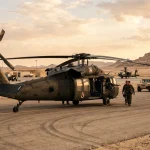
One particularly memorable cinematic helicopter moment comes from the 1987 film “Black Hawk Down.” This film is based on the U.S. military’s 1993 mission in Somalia, featuring the iconic Sikorsky S-70 Black Hawk helicopter. The striking visuals of the Black Hawk, famed for its multi-role capabilities, resonate with viewers and highlight the intense and courageous missions pilots undertake. The film not only thrills but also evokes deep respect for the aircraft and its operators, as it depicts the chaotic rescue efforts in a war-torn environment.
On a different note, real-life feats involving helicopters have also made headlines. The daring rescue of stranded climbers in the Himalayas often showcases robust helicopters like the CH-53 Sea Stallion, known for its heavy lifting capabilities. These ultimate rescue operations are not just thrilling tales; they save lives and demonstrate the profound impact of aviation in critical situations. Such real-world bravery associated with large helicopters mirrors the high-octane drama often found in films, cementing their status as modern-day heroes.
The media has also chronicled several larger-than-life helicopter adventures, with shows featuring off-shore oil rig operations frequently showcasing the versatility of helicopters. Programs highlighting rescue teams, such as “Air Rescue” or “Helicopter Heroes,” reveal the day-to-day realities faced by pilots and crew, often operating large helicopters under intense conditions. These portrayals provide a glimpse into the life of helicopter pilots and the skills required to navigate challenging environments, making aviation a more relatable and celebrated profession.
In a world where large helicopters serve as vital tools in both emergencies and adventure, their presence in pop culture and media not only entertains but also inspires. Aspiring pilots and aviation enthusiasts often find motivation in these portrayals, fascinated by the power and majesty of these aerial giants. As they continue to be showcased in various formats, helicopters will undoubtedly remain symbols of bravery, innovation, and adventure in both the skies and on-screen.
Q&A
Q: What is the largest helicopter ever built?
A: The largest helicopter ever built is the Mil Mi-26, which boasts a maximum takeoff weight of approximately 56,000 pounds (25,400 kg). This massive aircraft is primarily used for transporting heavy cargo, making it a vital tool in various industries [1].
Q: How tall is the biggest helicopter?
A: The Mil Mi-26 stands about 24.8 feet (7.6 meters) tall, making it an impressive sight both on the ground and in the air. This height contributes to its ability to accommodate oversized loads [2].
Q: What helicopter can lift the most weight?
A: The Mil Mi-26 not only holds the record for size but also for lifting capacity, able to carry up to 20,000 pounds (9,070 kg) internally and over 33,000 pounds (15,000 kg) externally. This capability makes it crucial for heavy lifting operations [1].
Q: What distinguishes the CH-53K from other large helicopters?
A: The CH-53K King Stallion is distinguished by its advanced technology, capable of lifting around 36,000 pounds (16,300 kg), which enhances its operational range and versatility compared to other large helicopters. Its design incorporates modern avionics and improved rotor technology [3].
Q: Can military helicopters be larger than commercial ones?
A: Yes, many military helicopters, such as the Mi-26 and CH-53K, surpass commercial models in size. These military machines are often designed for specific capabilities, making them larger to achieve certain operational goals, such as transporting troops and equipment [1].
Q: Are there any new helicopters being developed that could surpass current records?
A: Yes, several companies are exploring designs for next-generation helicopters that may surpass existing records for size and capability. Innovations in materials and rotorcraft technology suggest potential advancements in future models, which could redefine the standards in helicopter engineering [2].
Q: What impact does helicopter size have on its performance?
A: Generally, larger helicopters have enhanced lifting capabilities but may face limitations in maneuverability and speed. The design and engineering of a helicopter determine how size relates to overall performance, making advanced aerodynamics essential for optimizing these trade-offs [1].
Q: Where can I find more information about record-breaking helicopters?
A: For comprehensive insights into record-breaking helicopters, including their specifications and historical significance, refer to sections dedicated to “Record-Breaking Helicopters in Action” and “The Giant Helicopters” in relevant helicopter literature or dedicated aviation resources [3].
Insights and Conclusions
Thank you for exploring the fascinating world of the largest helicopters and their record-breaking capabilities! From their remarkable engineering to their vital roles in both military and civilian applications, these incredible machines push the boundaries of aviation. If you’re curious to delve deeper, check out our articles on the 21 Types of Helicopters and the history of helicopter development that shaped today’s aviation landscape.
Don’t miss out on the latest trends and innovations in helicopter technology-subscribe to our newsletter for the latest updates, insights, and exclusive content tailored for aviation enthusiasts like you! Have thoughts or questions? Join the conversation in the comments below, and share your aviation experiences! Your next adventure in helicopter knowledge begins now-explore our site, and see what other intriguing topics await you!
Get our latest guides, news, and insights highlighted in your Google Search & AI Overviews.