Did you know that helicopter rescues can be the difference between life and death in critical situations? Understanding helicopter rope rescue operations is vital not only for professionals in the field but also for enthusiasts and aspiring pilots. These specialized missions require precise execution and advanced techniques, each designed to navigate challenging environments and save lives. As we delve into the intricacies of these operations, we’ll explore why training, safety, and innovative technology play crucial roles in enhancing the effectiveness of rescue missions. Join us as we unravel the essential components of helicopter rope rescue operations and learn how they exemplify the incredible capabilities of aviation in our fight against adversity.
Understanding Helicopter Rescue Operations: An Overview
In the realm of life-saving missions, helicopter rescue operations stand out as critical to emergency response strategies around the world. These missions, which include everything from maritime rescues to evacuating victims from natural disasters, rely on a highly skilled team of pilots, rescue personnel, and advanced technology. Understanding how helicopter rescue operations function is essential for those interested in emergency services, aviation careers, or even just curious about the remarkable capabilities of these flying machines.
Helicopter rescue operations are characterized by their rapid response and versatility. When an emergency strikes, every second counts. Helicopters can reach remote locations that may be inaccessible by ground vehicles, allowing rescue teams to provide immediate assistance. These operations often leverage specialized tactics such as hoisting patients or personnel from precarious situations using rope rescue techniques, thereby enhancing the likelihood of a successful recovery.
Moreover, the types of missions carried out by helicopters are diverse and often dictated by the environment. For instance, rescue operations in mountainous terrains might require different equipment and maneuvering skills compared to rescues in coastal regions. As part of the operations, pilots and crews undergo extensive training to master the complexities of each scenario, ensuring they are prepared to tackle the unique challenges posed by varying landscapes and situations.
By understanding the multi-faceted nature of helicopter rescue operations-spanning from team coordination and equipment preparation to executing the rescue maneuvers-individuals can appreciate the dedication and expertise involved in these critical life-saving efforts. Whether you are considering a career in this field or simply have an interest in aviation, grasping the basics of how these operations work can deepen your admiration for the people and technologies that come together to save lives.
The Mechanics of Helicopter Rope Rescues
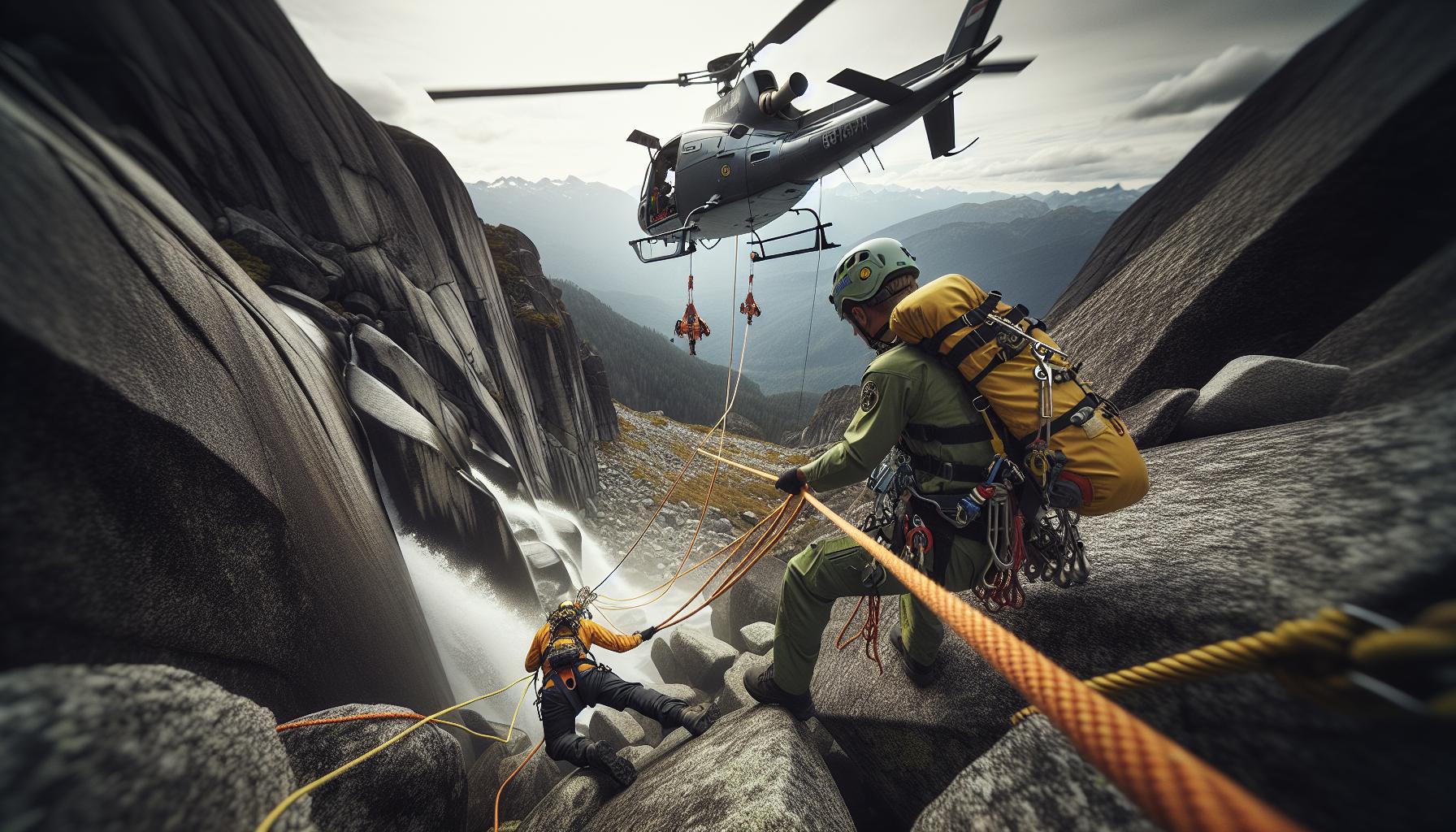
When a life hangs in the balance, helicopter rope rescues can make the difference between life and death. This technique, often celebrated for its swiftness and efficiency, employs specialized equipment and tactics that allow rescuers to access difficult terrain and reach victims quickly, even from hovering helicopters. The mechanics behind these operations are as intricate as they are awe-inspiring, requiring a blend of pilot skill, team communication, and advanced gear.
During a typical rope rescue, personnel from the helicopter are lowered using a high-strength rope system, often utilizing a device known as a “hoist.” Hoists are crucial in these scenarios, allowing rescuers to control their ascent and descent safely. The process begins with the helicopter flying to the designated rescue zone. Once in position, the pilot and rescue crew coordinate through radio communication, ensuring that all actions are synchronized for maximum efficiency.
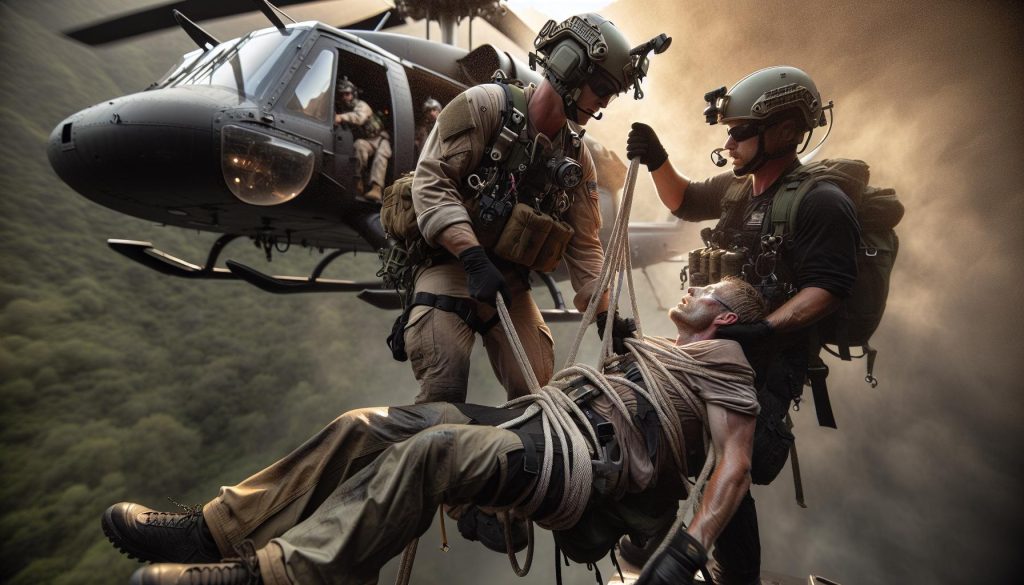
Rescuers are usually equipped with a harness, which is essential for their safety and for securing the victim if needed. Victims are also placed in specialized harnesses designed for airlifting, ensuring their stability and safety during extraction. The entire operation hinges on teamwork; from the helicopter crew to ground support, every member must clearly understand their role. As they descend, rescuers remain acutely aware of the surroundings, ensuring safety from obstacles such as power lines or uneven terrain.
Embedding these actions into comprehensive training regimens helps prepare rescue teams for the unique challenges each mission presents, be it a mountain rescue or a waterborne evacuation. As technology evolves, so too does the proficiency of these operations, emphasizing the importance of continuous learning and adaptation in the field of emergency response. Ultimately, reflect a complex interplay of skill, technology, and cooperation that save lives in critical moments.
Key Equipment and Gear for Successful Rescues
In the high-stakes world of helicopter rescue operations, the right equipment can mean the difference between a successful mission and a tragic outcome. Specialized gear is critical not only for rescuers but also for the safety and security of those being rescued. Understanding this equipment is essential for anyone involved in or aspiring to join rescue operations.
Helicopter rescues rely heavily on hoist systems, which allow rescuers to be lowered safely to the ground. A typical hoist consists of a strong cable, a motorized winch, and a control mechanism, all of which must be robust enough to handle the weight of rescuers plus additional gear. The hoist enables swift operations, reducing the time a helicopter must hover in the area and minimizing risks associated with prolonged exposure to adverse conditions. Additionally, rescuers are equipped with personal protective equipment (PPE), which includes helmets with communication systems, harnesses, and specialized suits designed for the environment-be it cold weather, high altitudes, or even maritime settings.
Also crucial is the use of a medical evacuation (medevac) kit. This kit typically contains essential tools, such as immobilization devices, medical supplies, and sometimes even a portable defibrillator, to stabilize a victim in transit. The ability to provide immediate medical assistance while en route to a hospital can significantly enhance survival rates. Furthermore, night vision goggles and flare signaling devices are often employed in rescue scenarios, particularly those mentioned in challenging conditions or nighttime operations.
The choice of helicopter itself should not be overlooked. Different models are better suited for specific environments, such as mountain, coastal, or urban rescues. Aircraft equipped for search and rescue missions often feature external racks for storing gear and can be fitted with flotation devices for over-water emergencies.
In summary, the integration of advanced equipment and innovative gear is imperative for the success of helicopter rescue missions. This not only underscores the complexity of these operations but also highlights the dedication of the personnel involved who must be adept at using their tools effectively in life-or-death scenarios. The ongoing evolution of rescue technology continues to enhance the capability and safety of these critical operations.
Types of Helicopter Rescue Missions Explained

In the dynamic field of helicopter rescue operations, a variety of mission types reflect the diverse challenges faced by rescue teams across different environments. From mountain tops to urban landscapes, each rescue mission is tailored to specific circumstances, demonstrating the versatility and critical importance of helicopter support in life-threatening situations.
Mountain Rescue Missions
Helicopter rescues in mountainous terrain are often characterized by extreme conditions and difficult access. These missions typically involve rescuing injured hikers, climbers, or skiers who may be stranded due to avalanches, falls, or sudden weather changes. The high altitude and rugged geography necessitate specialized skills and equipment. Rescuers often utilize longline techniques, allowing them to lower rescue personnel directly to victims while the helicopter hovers safely above treetops or rocky outcrops. An example of this can be seen in the Swiss Alps, where rescue operations leverage helicopters equipped with advanced hoist systems to traverse challenging airspace [[1]](https://www.youtube.com/watch?v=yXfeL1BOuSc).
Maritime Rescues
Maritime helicopter rescues focus on operations over water, commonly addressing emergencies aboard ships or in coastal areas. Situations can include medical evacuations for crew members injured at sea or rescuing individuals from capsized boats. These missions often involve floating devices and onboard medical equipment to facilitate quick recovery and stabilization of the injured. Helicopters are typically fitted with advanced technology that allows them to safely hover over water, deploy rescuers, and retrieve victims using specialized cases that prevent drowning risks during extraction.
Urban Search and Rescue
In urban environments, helicopters play a crucial role in search and rescue missions following natural disasters such as earthquakes, floods, or severe storms. Helicopters can quickly survey disaster zones, locating victims and delivering immediate assistance to areas that are otherwise inaccessible. Urban rescues may also include retrieving individuals trapped in high-rise buildings or during large events where crowds create additional risks. Advanced coordination with ground forces is essential, as helicopters often need to provide support for evacuation routes or crowd control while ensuring the safety of their personnel and those in distress.
Emergency Medical Services (EMS)
Another key type of helicopter rescue mission is emergency medical services, where helicopters are deployed for urgent patient transport. In these scenarios, speed is critical. The ability to transport patients to hospitals in far-flung or time-sensitive situations can be the difference between life and death. EMS helicopters are equipped with onboard medical equipment, including advanced life support systems, and are often staffed with specialized medical personnel. The integration of quick response teams with local paramedics ensures a seamless transition from the field to advanced medical care.
Each of these mission types highlights the adaptability required in helicopter rescue operations. As technology evolves and the need for quick, effective responses increases, helicopter rescue missions continue to incorporate innovative techniques, ensuring better preparedness, safety, and success in saving lives.
Training and Skills Required for Rescue Pilots
To thrive in the critical and often perilous world of helicopter rescue operations, pilots must undergo rigorous training and develop specialized skills tailored to a variety of challenging scenarios. The stakes are high; every decision can mean the difference between life and death. It begins with a solid foundation of helicopter flight training, where aspiring rescue pilots accrue substantial flight hours and mastering basic flying skills under varying weather conditions and terrains. The ability to remain composed in high-pressure situations is essential, as rescue missions often unfold in rapidly changing environments where precision flying is paramount.
Essential Training Components
Successful rescue pilots undergo comprehensive training that includes both theoretical knowledge and practical flight experience. Core components of their training often involve:
- Emergency Procedures: Pilots must be well-versed in emergency protocols to handle potential malfunctions that could jeopardize the mission.
- Search and Rescue Techniques: Understanding the dynamics of various rescue missions-whether in maritime environments, mountainous terrains, or urban settings-is crucial.
- Longline Operations: Specialized training in longline operations allows pilots to perform aerial rescues from a safe distance, facilitating complex maneuvers while minimizing risks.
- Navigational Skills: Exceptional navigation skills, including the use of GPS and visual flight rules, are vital for locating victims swiftly and efficiently.
In addition to technical skills, pilots often engage in simulated scenarios designed to mimic real-life rescues. These drills prepare them for the unpredictable nature of emergency situations, helping them build the mental fortitude required for effective decision-making.
Continuous Education and Physical Fitness
Given the dynamic nature of rescue missions and evolving technology, ongoing education is paramount. Pilots frequently participate in refresher courses and workshops focusing on new rescue equipment and techniques. Furthermore, physical fitness plays a pivotal role in their capacity to operate under physically demanding and often arduous working conditions. Maintaining peak physical condition ensures that pilots can endure the stresses of long missions and act swiftly when integrating rescues with ground teams.
Ultimately, the rigorous training and specialized skill set that helicopter rescue pilots develop not only empower them to save lives but also instill a sense of responsibility toward their role in the community. Each mission reinforces the critical importance of teamwork, adaptability, and unwavering dedication, essential qualities in this noble profession. The combination of robust training and real-world experience positions these pilots to effectively navigate the complexities of rescue operations, making them invaluable assets in times of crisis.
Common Challenges in Helicopter Rescue Operations
When it comes to helicopter rescue operations, the stakes are incredibly high, and the challenges faced by rescue teams can be daunting. From unpredictable weather conditions to technical equipment failures, each mission presents unique hurdles that require swift, precise actions. For instance, flying in mountainous terrain can introduce turbulence and downdrafts, making navigation and stability a fierce challenge. Pilots must not only be adept at handling their aircraft but also be prepared for sudden changes in wind patterns that can complicate an extraction attempt.
One of the most significant challenges in helicopter rescues involves the coordination and communication between air and ground teams. The complexity of operations often requires detailed planning and real-time adjustments, especially in crowded or hazardous environments. Miscommunication can lead to delays or, worse, dangerous situations for both the rescuers and the victims. Utilizing effective communication protocols and establishing clear command structures can mitigate these risks. Regular joint exercises can help both air and ground teams understand each other’s capabilities and limitations, enhancing overall operational effectiveness.
Moreover, the emotional toll on pilots and rescue personnel shouldn’t be overlooked. Witnessing distressing situations, such as injuries or fatalities, can affect mental well-being. Implementing robust mental health support and stress management programs is essential for maintaining the resilience of these dedicated professionals. Rescues are often conducted under immense pressure, and psychological preparedness can be as critical as technical skills. Ongoing mental health training and peer support systems help ensure that rescue teams are not just physically capable but also mentally resilient.
Lastly, continuous advancements in technology bring both opportunities and challenges. New tools and techniques improve efficiencies in rescues but also require personnel to stay updated with the latest training. For example, innovations like drones for reconnaissance or advanced rescue equipment can enhance operational capabilities, yet they demand that all team members understand how to properly utilize and integrate these tools into rescue missions. Embracing technological advancements, while ensuring comprehensive training, is vital for overcoming these evolving challenges in helicopter rescue operations.
Innovative Techniques in Rope Rescue Scenarios
Utilizing rope rescue techniques in helicopter operations can be a game-changer in high-stakes scenarios, particularly when traditional landing methods are unfeasible. One of the most innovative methods is the use of helicopter hoists, which are equipped with advanced safety features and respond effectively to varying situations. For instance, the development of variable speed hoists allows for precise control over the descent and ascent of rescue personnel and equipment, adapting to the specific needs of each mission.
Advanced Training Techniques
Training for helicopter rope rescues has evolved significantly, emphasizing realistic simulations that mimic challenging operational conditions. Rescue teams often engage in joint exercises, integrating the use of advanced technology like full-motion simulators. This kind of training prepares crews for the unexpected-such as sudden changes in weather or fast-changing responses required from the ground teams. Moreover, specialized courses focusing on technical rope rescue techniques ensure that personnel are adept at safely managing rescues in confined or difficult terrain.
The Use of Technology
Recent advancements in technology also play a pivotal role in improving the effectiveness and safety of rope rescue operations. For example, the integration of augmented reality (AR) can enhance situational awareness by providing real-time data overlays to pilots and rescue personnel during missions. This technology allows teams to visualize complex environments and plan their maneuvers accordingly, reducing the risk of accidents and improving response times.
Case Study: A Successful Rope Rescue
One noteworthy example of innovative rope rescue techniques occurred during a severe mountain rescue operation. A helicopter, equipped with a dual hoist system, successfully extracted multiple stranded hikers from a precarious ledge. Utilizing a coordinated effort between air and ground support, the helicopter crew quickly deployed rescue personnel via rope, showcasing the effectiveness of advanced training and technology in real rescue scenarios.
Incorporating these innovative techniques not only enhances operational capabilities but also significantly increases the safety and success rates of helicopter rescue missions. By continually adapting and integrating new methods, rescue teams can address the evolving challenges inherent in their critical work.
Case Studies: Successful Helicopter Rescues

In the realm of helicopter rescue operations, case studies serve as compelling narratives that highlight the bravery, technical skill, and precision of rescue teams. One outstanding example took place during the aftermath of a severe storm that trapped a group of hikers in a mountainous area known for its treacherous terrain. When ground access was deemed too risky due to landslides, the rescue team deployed a helicopter equipped with advanced short-haul capabilities. This operation exemplified not only the efficacy of modern rescue techniques but also the importance of teamwork between air and ground support.
The helicopter’s dual hoist system allowed for the rapid deployment of rescue personnel and equipment. As the helicopter hovered above a narrow ledge where the hikers were stranded, the crew executed a meticulously planned operation. The trained rescue technician descended via rope, secured the hikers, and carefully lifted them to safety. The entire mission took less than an hour, demonstrating how effective coordination and training can result in life-saving interventions. Importantly, these rescues are not just about the immediate physical extraction but also involve providing psychological reassurance to those in distress.
Another significant operation involved the rescue of a sailor during a maritime emergency. Harsh weather had left the vessel stranded and its crew in panic. Utilizing a highly skilled search and rescue team, a helicopter was dispatched. With ocean swells and strong winds, the operation was fraught with challenges. The rescue helicopter, equipped with a fast deployment system, hovered just above the boat while technicians conducted a rapid hot swap to extract the sailor. It required precise calculations of wind speed and direction, underscoring the critical nature of accurate data and skilled personnel in such high-stakes scenarios.
These case studies not only illustrate the potential of helicopter rescue missions but also emphasize the ongoing need for advanced training and technological integration in these operations. As teams continue to hone their skills and adopt new technologies, the effectiveness and safety of helicopter rescues will only improve, paving the way for even more successful missions in the future.
The Role of Technology in Modern Rescue Operations

In the ever-evolving realm of helicopter rescue operations, technology plays a pivotal role in enhancing efficiency and ensuring safety. From advanced navigation systems to specialized equipment, the integration of modern technology significantly impacts how rescue missions are conducted. For example, cutting-edge GPS technology allows for precise location tracking, enabling rescue teams to quickly locate individuals in distress, even in challenging terrains such as mountains or dense forests.
Key Technological Innovations
- Ballistic Parachute Systems: Innovative designs, such as those implemented in the Zefhir helicopter, feature a ballistic parachute rescue system that can be deployed in emergencies, providing an additional layer of safety for the crew and passengers.
- Advanced Hoisting Systems: Helicopters are now equipped with dual hoist systems and fast deployment capabilities, allowing for rapid rescue operations. This technology enables teams to efficiently transfer personnel and supplies in high-pressure situations.
- Real-Time Data Sharing: Enhanced communication systems facilitate real-time data sharing between air and ground teams, improving coordination during rescue operations. This capability allows for adjustments based on live conditions, ensuring that teams are informed and responsive.
- Thermal Imaging and Surveillance Tools: The use of thermal imaging cameras and advanced surveillance tools enables rescue crews to detect heat signatures, making it easier to locate victims in complex environments, especially at night or in poor visibility.
As the landscape of rescue operations transforms, training also evolves to incorporate these technologies. Rescue pilots and operators undergo specialized training to become adept at using these systems. They learn not just to operate the machinery but to maximize the technology’s capabilities for potential life-saving benefits.
The ongoing integration of technology ensures that helicopter rescue operations become more efficient, safer, and ultimately more successful. Each innovation not only streamlines the rescue process but also provides a sense of reassurance to both rescuers and those in need. As this field continues to change, it encourages a commitment to continual learning and adaptation among rescue professionals, fostering a culture of readiness and resilience in the face of emergencies.
Career Paths in Helicopter Rescue Services
There are countless ways individuals can contribute to the critical field of helicopter rescue services, each offering unique and fulfilling career paths. For those fascinated by aviation and the prospect of saving lives, pursuing a career in this sector can be incredibly rewarding. These roles require not only technical expertise but also a strong commitment to teamwork and emergency response.
Key Career Paths
- Helicopter Pilot: Pilots specializing in rescue operations are essential to the success of any mission. They undergo rigorous training and must obtain a commercial pilot’s license along with specific certifications for flying in challenging environments, such as mountainous or densely wooded areas.
- Rescue Technician: These professionals are trained in medical response and technical rescue skills. They often work alongside pilots and are responsible for the actual retrieval of patients. Technicians can be paramedics, EMTs, or specialized rescue personnel.
- Flight Engineer: Also known as helicopter crew members, flight engineers assist the pilot in operating the aircraft and managing complex systems. They play a critical role in ensuring that all equipment is functional and ready for rescue operations.
- Mission Coordinator: This role involves overseeing rescue operations from the ground, coordinating between various teams, and ensuring that rescue missions go according to plan. They need strong leadership skills and the ability to make quick decisions under pressure.
- Maintenance Technician: Helicopter maintenance professionals ensure that aircraft are mechanically sound and safe for use. Their work is crucial, as safety is paramount in rescue operations. They often require formal training and certifications specific to aviation mechanics.
Gaining Relevant Experience and Skills
To embark on these paths, aspiring professionals typically start with obtaining a foundational education in aviation technology or emergency medical services. Many pilots initially accumulate flight hours through commercial flying jobs or flight training schools. Simultaneously, gaining practical experience in emergency response-whether through volunteering with local rescue teams or participating in training programs-can enhance a candidate’s resume.
Networking within the industry is also vital. Engaging with organizations focused on search and rescue operations can provide insights, job opportunities, and mentorship. For example, programs offered by companies like Air Rescue Systems demonstrate the commitment to comprehensive training in advanced helicopter operations, preparing candidates for future success in the field [[3]](https://www.airrescuesystems.com/).
Helicopter rescue services are dynamic and essential. Strengthening one’s skills through continuous training, embracing technology, and maintaining a strong sense of teamwork can open doors to a fulfilling career dedicated to saving lives. Whether you’re soaring through the skies as a pilot or ensuring operational readiness from the ground, each role plays a critical part in the mission to aid those in peril.
Safety Protocols for Rescue Operations: Why They Matter
Helicopter rescue operations are inherently risky endeavors, often involving challenging environments and life-or-death situations. Therefore, adhering to safety protocols is paramount. These protocols not only protect the well-being of the crew and the individuals being rescued but also enhance operational efficiency and success rates. In high-pressure rescue situations, clear communication and pre-flight briefing play crucial roles in minimizing risks and ensuring smooth operations.
One essential aspect of safety is the meticulous planning of the operation. This includes conducting thorough risk assessments and having contingency plans in place. A comprehensive understanding of the environment, such as wind patterns and potential obstacles in the vicinity, is crucial for safeguarding both the aircraft and personnel. The use of dedicated fire guards and the establishment of a safe landing zone are other critical safety measures that need to be in place during operations to address potential hazards, such as static discharge or unexpected rotor wash [[2]](https://startpac.com/blog/helicopter-operations/). Ground teams must also be trained to handle emergency situations, ensuring they can address any issues swiftly and effectively.
Training is another vital component of safety protocols. Rescue pilots and crew members undergo extensive training to handle the complexities of search and rescue operations. This includes mastering helicopter systems and emergency procedures, which are emphasized during live exercises. Continuous education and drills ensure that every member of the team stays proficient and can react promptly to unexpected scenarios in the field.
Moreover, investing in advanced technology and equipment helps to mitigate risks. Modern helicopters are equipped with sophisticated instruments that enhance navigation and communication capabilities, which are essential in emergency situations. Use of drones for aerial surveillance or monitoring can also assist in assessing risky situations before the helicopter is deployed, providing invaluable data for decision-making.
In summary, safety protocols are the backbone of helicopter rescue operations. By prioritizing thorough training, rigorous planning, and the integration of advanced technologies, rescue missions can be conducted more safely and effectively, ultimately leading to better outcomes for those in need.
Future Trends in Helicopter Rescue Operations
As the landscape of helicopter rescue operations evolves, several key trends are shaping the future of these critical missions. One notable advancement is the integration of cutting-edge technology, which is significantly enhancing operational effectiveness and safety. Advanced navigation systems equipped with real-time weather data allow pilots to make informed decisions in challenging environments. Furthermore, the incorporation of artificial intelligence (AI) and machine learning can assist in route optimization, automatically calculating the safest and fastest paths to emergencies.
The Rise of Drones in Rescue Efforts
Drones are emerging as valuable tools in helicopter rescue operations. Their ability to perform aerial surveillance before the helicopter arrives provides critical insights about the terrain and any potential obstacles, allowing for better planning of the rescue. Additionally, drones can deliver supplies, such as medical kits, to isolated victims in hard-to-reach locations while rescuers prepare for extraction. This combination of flying technology augments traditional methods, enhancing response times and the overall success of missions.
Training Advances and Specialization
As more advanced techniques and technologies become standard in rescue scenarios, training programs are evolving accordingly. Future rescue pilots will be trained not only in traditional piloting skills but also in operating and integrating drone capabilities into their missions. This training will include mastering new rescue techniques using innovative equipment, such as long-line operations with increased precision from point-to-point rescues. There is also a growing trend to specialize training in urban environments due to the increasing number of rescue operations needed in densely populated areas.
Emphasis on Sustainability
Environmental considerations are influencing the development of helicopter rescue operations, with a shift towards sustainability and eco-friendly practices. This is prompting the exploration of lighter, more efficient rotorcraft that consume less fuel and produce lower emissions. As regulatory pressures mount, the industry is embracing electric and hybrid helicopters which promise not only reduced operational costs but also a smaller carbon footprint.
These trends showcase a future where technology, sustainability, and training innovations converge to create safer, more efficient, and more effective helicopter rescue operations. For aspiring pilots and professionals in the field, staying ahead of these developments will be crucial for success and responsiveness in emergency situations.
Faq
Q: What is the purpose of helicopter rope rescues?
A: The primary purpose of helicopter rope rescues is to safely extract individuals from inaccessible or hazardous locations, like mountains, cliffs, or ships at sea. This method allows rescue teams to reach victims quickly and efficiently, minimizing response times during emergencies.
Q: How do helicopter rope rescues work in emergency situations?
A: Helicopter rope rescues involve a skilled crew using specialized equipment to lower a rescue technician to the ground or onto a vessel. The technician secures the victim to a harness or stretcher and both are then lifted back to the helicopter, ensuring a swift and safe extraction.
Q: When are helicopter rope rescues typically used?
A: Helicopter rope rescues are commonly used in scenarios such as wilderness emergencies, maritime distress calls, or natural disasters where conventional ground access is not possible. They are essential in saving lives when time and access are critical factors.
Q: What training is required for helicopter rescue operations?
A: Training for helicopter rescue operations includes flight training, safety protocols, and specialized techniques for rope rescue. Rescue technicians also train in first aid, communication procedures, and the operation of necessary equipment to ensure effective and safe rescues.
Q: What equipment is essential for helicopter rope rescues?
A: Essential equipment for helicopter rope rescues includes rescue ropes, harnesses, carabiners, and aerial rescue systems. Additionally, personal protective gear for rescue personnel, such as helmets and goggles, is crucial to ensure safety during operations.
Q: Why is coordination critical in helicopter rescue operations?
A: Coordination is critical in helicopter rescue operations to ensure the safety of both rescuers and victims. Effective communication among all team members, including pilots, ground crews, and medical personnel, is essential to execute operations smoothly and respond to dynamic situations.
Q: How do weather conditions affect helicopter rescue operations?
A: Weather conditions greatly influence helicopter rescue operations. High winds, low visibility, and adverse weather can hinder flight safety and mission feasibility. Rescue teams must assess weather forecasts and conditions before engaging in rescues to ensure maximum safety.
Q: What challenges do rescuers face during helicopter rope rescues?
A: Rescuers face challenges such as strong winds, difficult terrain, and the need for precise timing during helicopter rope rescues. These factors can complicate the precision required for safe extractions and increase the risk involved in rescue missions.
In Conclusion
We hope you found our exploration of rescue operations using helicopters insightful! Understanding the complexities of techniques like helicopter rope rescue can transform your perspective on aviation and emergency response. If you’re eager to enhance your knowledge further, check out our articles on helicopter safety protocols and career paths in aviation.
Don’t miss out-subscribe to our newsletter for the latest updates and exclusive content delivered directly to your inbox. Have questions or experiences to share? Join the conversation in the comments below! Your stories could inspire others in this fascinating field. Whether you’re just starting or are a seasoned enthusiast, there’s always more to learn about the incredible world of helicopters. Let’s keep exploring together!
Get our latest guides, news, and insights highlighted in your Google Search & AI Overviews.