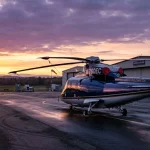
Aviation Accident Historical Memorial
On the morning of January 26, 2020, nine individuals were tragically lost in the Calabasas helicopter accident. When confirming who was on board kobe bryant helicopter, the manifest included NBA icon Kobe Bryant (41), his daughter Gianna Bryant (13), college baseball coach John Altobelli (56), his wife Keri Altobelli (46), daughter Alyssa Altobelli (14), Sarah Chester (45), daughter Payton Chester (13), assistant coach Christina Mauser (38), and pilot Ara Zobayan (50).
On a foggy morning in January 2020, a tragic helicopter crash claimed the lives of nine individuals, including basketball legend Kobe Bryant and his 13-year-old daughter, Gianna. As we reflect on this heartbreaking event, it’s essential to honor not just Kobe and Gianna, but all the lives lost that day. Each passenger had a story, a connection to the sports world, and aspirations that were tragically cut short. Understanding who they were sheds light on the profound impact of their loss. Join us as we explore the full victim list, celebrating their lives and the legacy they left behind in the hearts of family, friends, and fans around the globe.
Who Were the 9 Victims in Kobe’s Helicopter Crash?
On January 26, 2020, the tragic helicopter crash that claimed the lives of nine individuals sent shockwaves throughout the world, particularly within the sports community. At the center of this heartbreak was Kobe Bryant, a beloved NBA legend whose influence extended far beyond the basketball court. This incident not only took away a sports icon but also devastated the families and friends of eight other remarkable individuals who were aboard that fateful flight.
Among the victims was Gianna Bryant, Kobe’s 13-year-old daughter, who shared her father’s passion for basketball and had aspirations of following in his footsteps. She was accompanied by her teammates and their families, including Payton Chester and her mother, Sarah. These young athletes were full of potential and had dreams that were tragically cut short. Joining Kobe and Gianna were friends and coaches who had dedicated their lives to nurturing and uplifting young talent, such as John Altobelli, a respected baseball coach, and his wife, Keri, along with their daughter, Alyssa.
The crash also took the life of Christina Mauser, an assistant coach known for her dedication and support to young athletes, particularly in developing their love for sports. Finally, Ara Zobayan, the helicopter pilot with years of experience, was also lost in the tragedy. His commitment to flying and his deep understanding of aviation underscored the profound loss felt by those who knew him.
Each of these lives represented something special-a promise of future achievements, a commitment to community, and the joys of friendship. Their stories remind us of the interconnectedness of our lives and the impact one individual can have on many others. While Kobe’s legacy is widely celebrated, it is essential to remember and honor all nine victims, each of whom left an indelible mark on their communities and the world.
Detailed Profiles of Each Victim
On January 26, 2020, the helicopter crash that took the lives of nine individuals left a profound impact on countless communities and highlighted the fragility of life. Each victim brought their unique spirit and purpose to the world, and understanding their stories is vital in honoring their legacies.
Kobe Bryant
Kobe Bryant was not just an NBA superstar; he was a cultural icon. With a career spanning 20 years with the Los Angeles Lakers, he won five NBA championships and earned numerous accolades, including two Olympic gold medals. Beyond basketball, Kobe was a devoted father, mentor, and storyteller, who inspired many through his “Mamba Mentality,” emphasizing hard work, resilience, and pursuit of excellence.
Gianna Bryant
Gianna, Kobe’s 13-year-old daughter, shared her father’s love for basketball and showed immense promise as a young athlete. Known affectionately as “Gigi,” she had aspirations of playing in the WNBA and was often seen by her father’s side at games. Gianna’s passion extended beyond the court; she was a source of joy and inspiration for her teammates and family.
Payton Chester
A close friend of Gianna’s, Payton Chester was an aspiring basketball player known for her determination and spirit. She played on the same youth team as Gianna and faced challenges with a smile, embodying the competitive yet supportive nature that characterizes youth sports.
Sarah Chester
Sarah Chester, Payton’s mother, was a cherished member of the community known for her warmth and support. She had a deep love for her family and was constantly encouraging her daughter’s passions, attending practices and games with enthusiasm and pride.
John Altobelli
John Altobelli was a respected baseball coach at Orange Coast College who nurtured countless young players. His commitment to his students’ success both on and off the field made him a beloved figure. John’s passing resonated deeply within the sports community, underscoring the loss of a dedicated mentor and friend.
Keri Altobelli
Keri, John’s wife, was a partner in life and love. Together they raised their daughters and supported each other in their pursuits. Keri’s contributions to her family and the community were marked by kindness and dedication, making her loss felt far beyond her immediate circle.
Alyssa Altobelli
Alyssa, the Altobellis’ 14-year-old daughter, shared her father’s passion for baseball. A talented athlete, she was known for her competitive spirit and friendly nature, making her a beloved figure among peers. Her future in sports was bright, cut tragically short by the accident.
Christina Mauser
Christina was an assistant coach for Gianna’s basketball team, known for her dedication to fostering young talent. She was passionate about the game and committed to helping girls succeed in sports. Christina’s supportive approach and love for teaching inspired those around her.
Ara Zobayan
Ara Zobayan, the pilot of the helicopter, was an experienced aviator with years of flight experience. He was known for his professionalism and dedication to flight safety. The aviation community mourned his loss, as he played a crucial role in ensuring the safety of those on board.
These nine individuals not only represented their passions and talents but also highlighted the close connections formed through sports and community. Their stories remind us of the joy of shared experiences and the profound impact that each person can have on others’ lives.
The Legacy of Kobe Bryant: A Celebration of Life
Kobe Bryant’s impact transcended the basketball court, making him one of the most influential figures in sports and culture. Renowned not just for his remarkable talent, Bryant embodied the ideals of perseverance, excellence, and mentorship. His philosophy, famously known as the “Mamba Mentality,” encouraged individuals to strive for greatness in their personal and professional lives, inspiring countless athletes and fans worldwide.
Throughout his twenty-year career with the Los Angeles Lakers, Bryant achieved significant milestones, including five NBA championships and two Olympic gold medals, while also earning 18 All-Star selections. Beyond the accolades, what truly set him apart was his relentless work ethic and ability to reinvent himself, as seen in his evolution from a young, high-flying rookie to a seasoned leader and mentor to the next generation of players. His passion for the game and desire to elevate others is evident in how he coached young athletes, including his daughter Gianna, who shared his love for basketball.
Kobe’s legacy extends beyond his statistics and awards; it is also deeply rooted in the values he championed. He founded the Mamba & Mambacita Sports Foundation, dedicated to creating positive social impact through sports and education, honoring both his and Gianna’s commitment to youth development. The organization has furthered opportunities for young athletes to pursue their dreams, demonstrating how deeply he valued not just personal success, but the success of others.
As fans and communities remember Kobe Bryant, his story and the lessons he imparted foster continued growth. His tragic passing on January 26, 2020, alongside his daughter and seven others, serves as a poignant reminder of the fragility of life and the immense legacy that one individual can leave. By carrying forward the values he exemplified – dedication, resilience, and the belief in others – Kobe Bryant’s spirit endures, inspiring new generations to chase their dreams with the same relentless fervor he embodied.
Understanding the Circumstances of the Crash
On the fateful morning of January 26, 2020, a tragic accident unfolded in the skies above Calabasas, California, claiming nine lives, including those of basketball legend Kobe Bryant and his 13-year-old daughter, Gianna. The helicopter, a Sikorsky S-76, was en route to the Mamba Sports Academy for a youth basketball game when it encountered thick fog and poor visibility. Understanding the circumstances surrounding this crash offers insight into the complex challenges faced in aviation, especially under adverse weather conditions.
The pilot, Ara Zobayan, was an experienced aviator, well-versed in flying in various conditions. However, on that morning, the helicopter was operating under Visual Flight Rules (VFR), which require pilots to navigate primarily by visual reference to the ground and surrounding environment. As the aircraft flew into the low visibility conditions exacerbated by a marine layer, Zobayan and the passengers were faced with disorienting circumstances. Reports indicate that he may have become spatially disoriented, a phenomenon that can affect pilots when they cannot see reference points on the ground. This misperception of altitude and speed can lead to critical errors, especially when flying in foggy conditions.
Furthermore, the decision to continue the flight despite worsening weather highlights the sometimes-unseen pressure aviation professionals face. In this case, Zobayan was likely navigating not just the physical challenges of the flight but also the expectations of passengers, which included Kobe Bryant and several other families. Tragically, after a sudden descent, the helicopter struck a hillside, resulting in the loss of all nine individuals on board. In the aftermath of this incident, the National Transportation Safety Board (NTSB) initiated a thorough investigation aimed at understanding the contributing factors and preventing similar tragedies in the future.
This heartbreaking event has since provoked widespread discussions about helicopter safety, pilot training, and the importance of stringent weather assessment protocols. It serves as a poignant reminder of the fragility of life and the critical need for constant vigilance in aviation practices.
Helicopter Safety: What You Need to Know
Aviation safety is a critical topic, especially in the wake of tragic events like the helicopter crash that claimed the lives of Kobe Bryant, his daughter Gianna, and others. Proper understanding and adherence to safety protocols can significantly reduce the risks associated with helicopter travel. Helicopters, while versatile and capable of navigating challenging terrains, are also uniquely susceptible to weather conditions.
Navigating safely in a helicopter involves rigorous training and a profound understanding of aircraft capabilities and limitations. Pilots must be well-versed in both Visual Flight Rules (VFR) and Instrument Flight Rules (IFR). VFR allows pilots to operate under visual navigation, which can become hazardous in low visibility situations-just like that fateful day in January 2020. Maintaining situational awareness and understanding the potential for spatial disorientation is essential. Spatial disorientation can occur when the pilot’s sense of direction is compromised, especially in conditions of poor visibility.
To enhance helicopter safety, several measures should be considered:
- Weather Briefings: Always check weather conditions before flight. Marine layers and fog can create sudden changes in visibility, posing risks for VFR operations.
- Risk Management: Pilots should assess their personal limits and external pressures before embarking on a flight. Understanding when to postpone a flight due to unfavorable conditions is crucial.
- Technological Aids: Modern helicopters are equipped with advanced navigation and safety systems. Understanding and utilizing these systems can help mitigate risks.
- Continuous Training: Regular pilot training, including recurring simulations for low-visibility scenarios, helps maintain proficiency and readiness for unexpected challenges.
The tragic loss of Kobe and the other passengers serves as a reminder of the importance of respecting aviation safety protocols. Every flight should prioritize safety above all, ensuring that even the most experienced pilots are prepared for the unexpected. By fostering a culture of safety and awareness, the aviation community can work towards preventing future tragedies while honoring the lives lost.
The Impact of the Tragedy on the Sports Community
The tragic helicopter crash that claimed the lives of Kobe Bryant, his daughter Gianna, and seven others sent shockwaves through the sports community and beyond. This heartbreaking event highlighted not just the immense loss of talent and potential, but also the deep connections that sports figures forge with fans and each other. Kobe, a five-time NBA champion and an icon in basketball, was admired not just for his athletic prowess but for his profound influence on the game and his dedication to mentoring younger players.
In the aftermath of the crash, tributes poured in from around the world. Fans and fellow athletes came together to honor Kobe and the other victims, sharing memories and stories that illustrate the impacts these individuals had on their lives. The NBA held a moment of silence during games, and numerous events were organized to remember Kobe’s contributions to the sport. His legacy as a relentless competitor and passionate mentor resonated deeply, inspiring a new generation of players to strive for greatness while understanding the importance of community and support.
The tragedy also brought forth discussions on mental health, particularly the pressures faced by athletes. Many within the sports community recognized the role Kobe played not just on the court but as a figure who often shared his own struggles and victories in life, encouraging a more open dialogue about mental well-being. The impact rippled beyond basketball, prompting other sports organizations to examine how they support athletes in managing personal and professional challenges.
Additionally, youth sports programs felt the sting of the loss, especially as Gianna, who was not only Kobe’s daughter but a talented basketball player in her own right, was among the victims. Many organizations have since sought to create initiatives that support young athletes, promoting sportsmanship, resilience, and the values that Kobe embodied. As the sports world continues to heal, the legacy of Kobe Bryant and those lost in the crash will remain a powerful reminder of the connections forged through sport and the lives forever changed by this tragedy.
Memorials and Tributes for the Victims
The tragic loss of Kobe Bryant, his daughter Gianna, and the seven other passengers in the helicopter crash on January 26, 2020, reverberated throughout the world, igniting an outpouring of grief and remembrance. Fans, athletes, and community members united to honor the lives that were lost. Memorials sprang up in unexpected places, including makeshift tributes at the Staples Center and local basketball courts, where many young players looked up to Kobe and Gianna as role models.
One of the standout tributes occurred at the NBA All-Star Game just weeks after the tragedy. The league dedicated the game to Kobe, with players donning his jersey numbers and partaking in special pre-game ceremonies that acknowledged his incredible impact on basketball and society as a whole. Each of the nine victims was remembered, with their names spoken aloud during the festivities, ensuring that their stories would not fade into history.
Additionally, various organizations launched initiatives to preserve the legacy of those lost in the crash. For instance, the Mamba Sports Foundation, co-founded by Kobe, continued its mission to improve youth sports opportunities while also raising funds to support the families of the crash victims and local communities. Schools and sports clubs initiated programs focused on resilience, teamwork, and character-building-values that Kobe embodied and imparted to the next generation.
Communities held candlelight vigils, and fans around the globe shared touching stories and photos on social media, illustrating how the victims touched their lives. The emotions surrounding these commemorations serve as a powerful reminder of the indelible mark that Kobe Bryant and the other victims left on their friends, families, and the world of sports. Such tributes reflect a collective promise to honor their memories with acts of kindness and commitment to youth empowerment, fostering a legacy that extends beyond basketball.
Lessons Learned: Aviation Regulations and Safety Measures
The tragic helicopter crash that claimed the lives of Kobe Bryant and eight others has prompted crucial discussions about aviation safety and regulatory measures. Investigations following the incident shed light on important lessons that can help prevent similar tragedies in the future. One significant finding from the National Transportation Safety Board (NTSB) is that the pilot lost control of the helicopter after flying into increasingly dangerous weather conditions, which violated federal air safety regulations. This incident underscores the need for enhanced training and equipment aimed at managing adverse weather conditions, such as fog and low visibility.
In response to the crash, various legislative efforts have emerged, including the introduction of the Kobe and Gianna Bryant Helicopter Safety Act. This proposed legislation aims to require that all turbine helicopters designed to carry six or more passengers be equipped with Terrain Awareness Warning Systems (TAWS), which can provide crucial information about the terrain and potential obstacles. Such systems are already standard in commercial aviation and could greatly enhance safety for private helicopter flights. Implementing such regulations across the board could significantly reduce the risks associated with flying in challenging conditions.
Moreover, there is a push for regulations to mandate the installation of crash-proof black boxes in helicopters. These devices are essential for gathering critical data during flights, which can be invaluable for accident investigations. By understanding the circumstances leading to accidents better, regulatory bodies can implement more effective safety measures.
As potential pilots or helicopter enthusiasts, it’s essential to understand the importance of adhering to strict safety protocols and regulations. Engaging in continuous education about aviation safety, including weather assessment, proper equipment use, and emergency preparedness, can foster a culture that prioritizes safety in all aspects of flying. By making safety a central focus, the aviation community can ensure that the legacies of those who lost their lives in tragic accidents like this are honored through improved regulations and practices.
Revisiting the Flight Path: What Happened?
On January 26, 2020, tragedy struck when a helicopter carrying Kobe Bryant, his daughter Gianna, and seven others crashed into a hillside in Calabasas, California. This heartbreaking incident occurred in foggy conditions that significantly affected visibility. As the helicopter approached its destination, it was reported that it was just over 100 feet from clear skies when the pilot, Ara Zobayan, began a climb to rise above the thick clouds. Eyewitnesses noted that everything seemed normal just before the crash, underscoring the unexpected nature of the event.
The helicopter, a Sikorsky S-76B, was en route to the Mamba Sports Academy in Newbury Park for a girls’ basketball tournament. As the aircraft navigated through the fog, it reportedly made a left turn-an action believed to be part of an attempted maneuver to gain altitude and avoid the cloud cover. Unfortunately, the pilot lost control and ultimately crashed into the hillside at a high speed, which supports theories about spatial disorientation caused by poor visibility.
In the aftermath, investigations led by the National Transportation Safety Board (NTSB) revealed that the pilot had not requested flight following from air traffic control, which could have provided additional safety support. The catastrophic factors included non-compliance with existing federal air safety regulations concerning visibility and weather, emphasizing the importance of situational awareness and adherence to aviation protocols. This tragic event serves as a somber reminder of the complexities involved in aviation safety, especially when considering the risks posed by adverse weather conditions.
Ultimately, revisiting the flight path and understanding what happened on that fateful day not only honors the memories of those lost but also reinforces the critical need for heightened awareness and improved safety standards within the aviation industry. Enhancing pilot training and implementing advanced safety technologies could potentially prevent similar tragedies in the future.
Public Reaction and Media Coverage of the Incident
The shockwaves from the tragic helicopter crash on January 26, 2020, that took the lives of Kobe Bryant, his daughter Gianna, and seven others rippled across the globe, stirring profound emotions and sparking widespread conversations. The outpouring of grief and disbelief was palpable not only among basketball fans but also within the entire sports community and beyond. Kobe Bryant, a legendary figure in modern sports, had transcended the game of basketball, making him an icon for many, including both athletes and aspiring players.
In the immediate aftermath, social media erupted with messages of sympathy, memory, and celebration of the lives lost. Fans, sports figures, and celebrities alike reflected on Bryant’s influence, sharing personal stories and tributes that highlighted his dedication to the sport and family. Public memorials and gatherings sprung up, demonstrating the shared sense of loss and the impact Bryant had on countless lives. News outlets extensively covered the story, with detailed profiles of each victim emerging, showcasing the broader tragedy of the event, as many lost loved ones: Gianna Bryant, the promising young athlete; John Altobelli, a beloved baseball coach; and others who were cherished family members and friends.
As the media delved into the circumstances surrounding the crash, it prompted discussions about helicopter safety and aviation regulations. Reporters highlighted key aspects of the investigation, such as pilot error and the role of weather conditions, which offered valuable insights into the complexities of aviation safety. This tragedy became a catalyst for discussions on improving safety standards and practices, not only in the helicopter industry but also across all aviation sectors, urging a review of policies to prevent future incidents.
Moreover, the crash reignited interest in helicopter travel safety, leading to increased awareness among general aviation pilots and passengers. Many aspiring pilots and aviation enthusiasts began exploring educational resources focused on safety measures and regulations, emphasizing the need for comprehensive training and knowledge in navigating challenging weather conditions. As we remember those lost, it is vital to honor their legacy by advocating for enhanced safety in aviation, ensuring that such a tragedy is not repeated.
Helicopter Models: Exploring Kobe’s Aircraft
The helicopter involved in Kobe Bryant’s tragic crash was a Sikorsky S-76B, a model known for its reliability and versatility in executive transport. This twin-engine helicopter is often favored for its speed, range, and smooth flying experience, making it a popular choice among celebrities, business executives, and sports teams. The S-76 series has been in operation since the 1970s and has undergone various enhancements over the years, ensuring it meets modern safety and comfort standards.
On the fateful day of January 26, 2020, the S-76B was carrying nine individuals, including Kobe Bryant and his daughter Gianna. The flight was intended to take them to a youth basketball tournament when it unexpectedly encountered challenging weather conditions, including fog and low visibility. The aircraft, widely regarded for its advanced avionics and capabilities, was piloted by Ara Zobayan, who had extensive experience flying in the local area. Unfortunately, despite its technical prowess, the helicopter crashed into a hillside near Calabasas, California, claiming all lives on board.
Here are some key specifications of the Sikorsky S-76B that highlight its features:
| Feature | Description |
|---|---|
| Engines | Twin engine |
| Passenger Capacity | Up to 12 people |
| Maximum Speed | Approximately 155 knots (178 mph) |
| Range | Approximately 400 nautical miles |
| Notable Usage | Corporate, medical evacuations, law enforcement |
Despite its many advantages, this tragic incident has sparked renewed conversations about helicopter safety and regulations, particularly concerning flights under adverse weather conditions. Discussions are ongoing regarding enhancing aviation safety standards to prevent similar tragedies in the future. For aspiring pilots, this serves as a poignant reminder of the importance of rigorous training and adherence to safety protocols, especially when navigating challenging environments.
Reflecting on the lives lost, the S-76B will forever be linked to a moment that shook the world. As enthusiasts and professionals in aviation, we remember not only the capabilities of these aircraft but the human experiences they are meant to serve-flying individuals toward dreams and destinations.
Inspiring Stories: The Lives of the Victims
On January 26, 2020, the helicopter crash that took the lives of Kobe Bryant and eight others left a profound impact on countless lives. Each of the victims had their own story, filled with personal aspirations and deep connections to family, friends, and the community.
Kobe Bryant, a globally celebrated basketball legend, was not just defined by his numerous accolades on the court but also by his passion for fatherhood. He was en route to support his daughter Gianna and her teammates as they participated in a youth basketball tournament-evidence of his dedication to nurturing the next generation of athletes.
Gianna Bryant, just 13 years old, was following in her father’s footsteps, displaying remarkable talent and promise in basketball. Known for her fierce competitiveness and leadership, Gianna was a beacon of inspiration among her peers, particularly in fostering the love of the game.
Among the other victims were the Altobelli family. John Altobelli, a respected baseball coach at Orange Coast College, was known for his exceptional mentorship and commitment to the sport. His wife, Keri, and their daughter, Alyssa, often traveled with him to support Gianna and the Mamba Academy. The Altobelli family shared a bond through sports that resonated deeply within their community, creating lasting friendships that enriched their lives.
Also aboard was Payton Chester, a vibrant young athlete who thrived under the guidance of Coach Bryant. Payton’s father, Chris Chester, often highlighted how basketball provided a unique camaraderie that strengthened the friendships among the players, emphasizing that the sport was more than just a game for them; it was a family.
The pilot, Ara Zobayan, was a seasoned aviator with years of experience navigating local flights. His dedication to flying and his careful craft were integral to his professional identity, and he had flown many of his passengers safely before that tragic day.
Each life aboard that flight intertwined with passion, mentorship, and family dynamics, forming a complex tapestry of love and aspiration. The community continues to honor their memories through tributes, philanthropic efforts, and personal stories that celebrate their legacies, reminding us all that their impact transcends the tragedy of their loss.
As we remember these inspiring individuals, it serves as a poignant reminder to cherish our passions and connections with others, whether through sports or any other means. Their stories inspire continued support for youth programs and highlight the importance of community in nurturing talent and character.
Faq
Q: Who were the passengers on Kobe Bryant’s helicopter?
A: The helicopter crash that claimed the lives of Kobe Bryant and eight others included passengers such as his daughter Gianna, and friends of the family, including Sarah Chester and her daughter Payton, along with John Altobelli, Keri Altobelli, and Alyssa Altobelli. Each of them had meaningful connections to Bryant and his family.
Q: When did Kobe Bryant’s helicopter crash happen?
A: The tragic helicopter crash occurred on January 26, 2020, in Calabasas, California. It involved the Sikorsky S-76 helicopter and resulted in the untimely deaths of all nine individuals on board.
Q: What were the ages of the victims in the helicopter crash?
A: The victims ranged in age from 13 to 41 years old. The youngest victim was Gianna Bryant at just 13, while the oldest was Kobe Bryant at 41, highlighting the tragic loss of lives at various stages of life.
Q: What were the causes behind the helicopter crash?
A: The crash investigation pointed towards weather-related factors, including heavy fog, as significant contributors. Additionally, issues related to pilot decision-making and air traffic management were examined, emphasizing the complexity of aviation safety.
Q: Were there any survivors from the helicopter crash?
A: Unfortunately, there were no survivors from the helicopter crash that took place on January 26, 2020. All nine individuals aboard lost their lives, leading to widespread grief and a community outpouring of support.
Q: What impact did Kobe Bryant’s helicopter crash have on aviation safety regulations?
A: The tragedy prompted discussions regarding helicopter safety standards, leading to calls for stricter regulations and improvements in pilot training and equipment, specifically in adverse weather conditions. This has spurred initiatives focusing on enhancing aviation safety.
Q: How did the crash of Kobe Bryant’s helicopter affect the sports community?
A: The helicopter crash shocked the sports community, leading to numerous tributes and memorials for Kobe Bryant. His influence extended beyond basketball, affecting athletes and fans globally, and spurred conversations about mental health and support in sports.
Q: Are there memorials established for the victims of the helicopter crash?
A: Yes, various memorials and tributes have been established for the victims. The Kobe and Gianna Bryant Memorial, among others, honors their memory and celebrates their contributions, ensuring that their legacy continues to inspire others.
Future Outlook
As we reflect on the lives lost in the tragic helicopter crash, it’s essential to honor the stories of each of the nine individuals on board. Their legacies remind us of the importance of safety and awareness in aviation. If you’re curious to delve deeper into the details of that fateful day, be sure to check out our article on helicopter safety measures and how pilot decisions impact outcomes.
Don’t forget to join our community for more insights-subscribe to our newsletter for updates on aviation stories, safety tips, and career advice for aspiring pilots. If you have thoughts or memories about Kobe and the others, we encourage you to share them in the comments below. Your engagement helps keep their memories alive and fosters meaningful discussions.
Explore more about notable aviation incidents and what we can learn from them by visiting our related articles. Together, let’s honor those we’ve lost and ensure that their stories continue to inspire us.
Who Was on Board Kobe Bryant Helicopter? Complete Memorial and Passenger Manifest
The tragedy that unfolded on January 26, 2020, in the fog-shrouded hills of Calabasas, California, reverberated around the world. As news broke across international media, millions asked who was on board kobe bryant helicopter during that fateful Sunday morning charter flight. The aircraft, a twin-engine executive Sikorsky S-76B (registration N72EX) operated by Island Express Helicopters, was transporting youth athletes, coaches, and parents from John Wayne Airport in Orange County to Camarillo Airport for a basketball tournament at the Mamba Sports Academy in Thousand Oaks.
The loss encompassed nine vibrant lives, deeply connected through sports, community leadership, and family bonds:
- Kobe Bryant (41): Five-time NBA champion, 18-time All-Star, and Academy Award winner who dedicated his post-retirement career to coaching youth sports and advancing women’s basketball.
- Gianna “Gigi” Bryant (13): A prodigious basketball talent with dreams of playing for the UConn Huskies and the WNBA, playing as a starting guard for the Mamba Academy Lady Mavericks.
- The Altobelli Family: John Altobelli (56), the legendary long-tenured head baseball coach at Orange Coast College who led the Pirates to four CCCAA state championships; his wife Keri Altobelli (46); and their 14-year-old daughter Alyssa Altobelli, Gigi’s close teammate and friend.
- The Chester Family: Sarah Chester (45), a beloved former teacher and community volunteer; and her 13-year-old daughter Payton Chester, a spirited and tenacious teammate of Gianna and Alyssa.
- Christina Mauser (38): A mother of three, passionate educator, and elite defensive basketball coach who served as the top assistant coach for the Mamba Academy girls’ squad.
- Ara Zobayan (50): The commercial pilot-in-command, holding certified flight instructor (CFI) ratings and with over 8,200 hours of flight experience, including extensive experience navigating Southern California airspace.
| Individual | Age | Role on Flight / Profession | Community / Organizational Connection |
|---|---|---|---|
| Kobe Bryant | 41 | Passenger / Head Coach | 20-year LA Lakers Legend; Founder of Mamba Sports Academy |
| Gianna Bryant | 13 | Passenger / Athlete | Mamba Academy Lady Mavericks Starting Guard |
| John Altobelli | 56 | Passenger / Coach | Head Baseball Coach, Orange Coast College (700+ career wins) |
| Keri Altobelli | 46 | Passenger / Parent | Beloved mother of three and active youth sports supporter |
| Alyssa Altobelli | 14 | Passenger / Athlete | Mamba Academy Lady Mavericks Teammate |
| Sarah Chester | 45 | Passenger / Parent | Dedicated community leader and St. Margaret’s Episcopal School trustee |
| Payton Chester | 13 | Passenger / Athlete | Mamba Academy Lady Mavericks Teammate |
| Christina Mauser | 38 | Passenger / Assistant Coach | Assistant Coach, Mamba Sports Academy; Physical Education Teacher |
| Ara Zobayan | 50 | Pilot-in-Command (PIC) | Commercial Pilot & Certified Flight Instructor (Island Express) |
The National Transportation Safety Board (NTSB) investigation concluded that the pilot encountered unexpected cloud cover and fog in the Santa Ana River basin and Calabasas passes. Entering inadvertent instrument meteorological conditions (IMC) without transitioning to instrument references induced severe spatial disorientation, illustrating how rapid weather shifts can challenge even experienced aviators and why understanding weather limitations in helicopter flight is critical for safety.
Get our latest guides, news, and insights highlighted in your Google Search & AI Overviews.