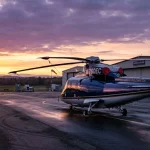
On a tragic day in January 2020, the world lost basketball legend Kobe Bryant, his daughter Gianna, and seven others in a helicopter crash that shocked fans and aviation enthusiasts alike. Understanding this heartbreaking event is vital, not just for honoring the lives lost, but for learning from the circumstances that led to the disaster. In this timeline, we’ll explore the series of events and decisions leading up to that fateful flight, shedding light on critical factors like pilot error and environmental challenges. Whether you’re an aspiring pilot, a dedicated fan, or simply curious about aviation safety, join us as we delve into the details surrounding Kobe Bryant’s untimely death and uncover the lessons that can be learned from this tragedy. Your journey of understanding starts here.
What Happened on the Day of the Crash?
The morning of January 26, 2020, began under a foggy blanket in southern California, significantly impacting visibility across the region. Kobe Bryant, alongside his 13-year-old daughter Gianna and seven others, was traveling to a basketball tournament at the Mamba Sports Academy in Newbury Park aboard a Sikorsky S-76 helicopter. The pilot, Ara Zobayan, was an experienced and trusted figure, known for flying the Bryant family on numerous occasions. However, the conditions that day presented serious challenges.
As Zobayan attempted to navigate through low visibility, he initially maintained visual flight rules (VFR), which allowed him to fly based on what he could see outside the aircraft. The helicopter was reportedly flying in a dense marine layer, which caused disorientation for the pilot. At approximately 9:45 AM, the helicopter lost communication with air traffic control, and soon after, it crashed into a hillside in Calabasas, California, killing all nine aboard.
Witnesses reported hearing the helicopter prior to its tragic descent, noting it was flying at a low altitude before it suddenly vanished from sight. The impact was devastating, and the rescue efforts that followed were complicated by the fog, which hampered immediate access to the crash site. Emergency responders arrived quickly, but the harsh reality was that no one survived the crash, marking a profound loss not just for the families involved, but for the global sports community.
Understanding the Helicopter: Overview of the Sikorsky S-76

The Sikorsky S-76 helicopter, a beloved choice among corporate and celebrity flyers alike, represents a blend of luxury, reliability, and advanced engineering. Its design prioritizes safety and comfort, making it an appealing option for those, like Kobe Bryant, who value both speed and elegance in their travel. Introduced in the late 1970s, the S-76 has built a solid reputation over decades of service in various roles, including executive transport, air ambulance, and offshore oil transport.
This twin-engine helicopter is known for its spacious cabin that can accommodate up to 12 passengers, ensuring a comfortable ride even on longer journeys. The S-76 features advanced avionics and a robust design that allows it to perform well in diverse weather conditions, although it still requires careful handling in challenging environments. Equipped with powerful engines, this helicopter can reach speeds of up to 155 knots (approximately 178 mph), making it ideal for quick hops over long distances.
Interestingly, the S-76 has different variants tailored for specific functions. For instance, the S-76C++ version includes enhancements for better performance and efficiency, using advanced materials and technology that appeal to operators seeking the latest in aviation advancements. Its versatility not only makes it a favorite for high-profile individuals but also a workhorse for various commercial operations, reflecting its pivotal role in modern aviation.
However, as was tragically demonstrated in the incident involving Kobe Bryant, operating any aircraft-regardless of its reputation-requires meticulous attention to weather conditions and pilot proficiency. The Sikorsky S-76 remains a remarkable achievement in aviation engineering, embodying the synthesis of luxury and functionality, yet it is also a reminder of the complexities and inherent risks associated with flying, especially under adverse conditions.
Key Factors Contributing to the Accident

On that fateful day in January 2020, several factors converged tragically to lead to the helicopter crash that claimed the lives of Kobe Bryant, his daughter Gianna, and seven others. The Sikorsky S-76 helicopter was flying through thick fog and diminished visibility conditions, which played a critical role in the accident. Despite its reputation for safety, the aircraft requires meticulous attention to flight conditions, which were particularly challenging on this occasion.
One significant factor contributing to the incident was the decision-making process of the pilot, Ara Zobayan. Communication with air traffic control indicated increasing awareness of deteriorating weather conditions and advised against continuing under such circumstances. Zobayan reportedly chose to proceed with the flight, which suggests a potential underestimation of the risks involved. Pilot error, particularly in how the pilot handled the helicopter’s navigation in reduced visibility, is considered a central aspect of the investigation surrounding the crash.
Additionally, the helicopter’s flight was initially delayed due to the weather, which raises questions about the pressure to adhere to schedule commitments. The group was en route to a basketball tournament, and this urgency might have influenced the decision to take off despite cautionary reports surrounding visibility. The combination of these factors illustrates the complex interplay of pilot judgment, weather conditions, and operational pressures that can lead to tragic outcomes in aviation.
In summary, the tragic crash involving Kobe Bryant was attributed to a confluence of adverse weather, pilot decision-making under pressure, and the inherent risks of flying in challenging conditions. Each of these elements serves as a poignant reminder of the importance of prioritizing safety over speed in aviation, emphasizing that even experienced pilots must remain vigilant against external pressures and potential hazards.
Full Timeline Leading to the Helicopter Crash
On January 26, 2020, early morning fog enveloped the Los Angeles area, setting the stage for a devastating series of events. Kobe Bryant, his 13-year-old daughter Gianna, and seven others boarded a Sikorsky S-76 helicopter in Orange County, aiming to reach a youth basketball tournament at the Mamba Sports Academy in Newbury Park. The journey seemed routine but would soon take a tragic turn due to various factors that unfolded leading up to the crash.
The flight began around 9:06 AM PST, shortly after the pilot, Ara Zobayan, checked weather conditions. Reports indicated deteriorating visibility due to fog, which had led to delays in air traffic throughout the region. Notably, the Los Angeles Police Department had grounded its helicopters due to the hazardous conditions, clearly signaling the severity of the weather challenges. Despite this, Zobayan decided to take off, perhaps feeling compelled by the urgency of their schedule.
As the aircraft ascended, the pilot stayed in contact with air traffic control, who warned him about the worsening weather. Around 9:30 AM, Zobayan attempted to navigate through the fog, flying at about 2,300 feet before losing visual reference with the ground. Within minutes, the helicopter spiraled downward, ultimately crashing into a hillside in Calabasas just minutes later at approximately 9:45 AM. All nine individuals on board tragically lost their lives in the impact.
This sequence of events illustrates not only the technical challenges of flying in adverse weather but also the human pressures that can influence decision-making in aviation. The urgency to arrive at their destination likely weighed heavily on the pilot, reflecting a common dilemma faced in the realm of aviation-balancing schedules with safety. The loss was felt deeply by families, fans, and the broader basketball community, marking a solemn reminder of the fragility of life and the critical importance of safety in aviation operations.
Eyewitness Accounts: How the Tragedy Unfolded

Witnesses to the tragic helicopter crash that claimed the lives of Kobe Bryant, his daughter Gianna, and seven others shared haunting accounts of the final moments before the tragedy unfolded. On that foggy January morning, several individuals spotted the Sikorsky S-76 as it navigated through thick clouds, flying lower than typical along the stretch of the Santa Monica Mountains. Eyewitnesses remarked on the unusual flying conditions, noting how the helicopter seemed to struggle against the obscured terrain.
One witness reported hearing the sound of the helicopter overhead, describing a faint whirring before everything changed in an instant. As the aircraft descended further, the fog enveloped it, and visibility dropped to frightening levels. Eyewitnesses reported seeing the helicopter make tight, erratic turns, suggesting the pilot’s efforts to stabilize it against the adverse weather. This frantic maneuvering was a desperate attempt to regain control and find a clear path amidst the obscured landscape.
As the aircraft spiraled downward, multiple witnesses heard what sounded like a loud crash, followed by billowing smoke. The impact was devastating, sending shockwaves through the nearby community. Many who rushed to the scene were horrified to realize the severity of the crash and the identity of those involved. Emergency response teams arrived swiftly, but the heavy fog and challenging terrain complicated their efforts.
Despite their rapid response, nothing could be done to alter the tragic outcome. These eyewitness accounts serve as poignant reminders of the fragility of life, even in the face of technological advancements in aviation. They highlight the human element inherent in flying and the critical need for careful decision-making, especially in challenging weather conditions. The loss resonated deeply not just for the families involved, but for fans and communities around the world who cherished Kobe Bryant’s legacy.
Emergency Response and Rescue Efforts
When the Sikorsky S-76 helicopter crashed into the fog-laden hills of Calabasas, emergency responders faced significant challenges in reaching the crash site. The dense fog reduced visibility dramatically, complicating both the response time and the efforts of rescue teams. Despite the ominous weather conditions, emergency personnel were mobilized quickly following reports of the crash.
Local and County fire departments, along with sheriff’s deputies, rushed to the site shortly after the impact was reported. They were forced to navigate treacherous terrain as they sought to approach the crash scene. Rescue teams, including specialized units, utilized all-terrain vehicles and helicopters when visibility allowed, demonstrating their commitment to providing support, even under difficult conditions. The response operation became multi-agency, involving local law enforcement, fire departments, and the Los Angeles County Coroner’s office, aiming not only to recover victims but also to gather vital evidence.
While the responders worked tirelessly, initial reports from the scene indicated that there were no survivors among the nine individuals aboard. As emergency teams assessed the wreckage, they faced the harsh reality of the crash’s aftermath. The work involved was somber; it required not only the physical task of recovery but also the emotional resilience to process the human loss, which included beloved public figures like Kobe Bryant and his daughter.
In reflecting on the response efforts, it is crucial to recognize the dedication and bravery of the first responders who, despite the formidable challenges, worked relentlessly in a scene marked by tragedy. Their actions mirror the commitment found in rescue operations worldwide, where training and preparation meet unexpected crises. The events of that fateful day have continued to resonate, leading to discussions on improving emergency response protocols in aviation incidents to enhance efficiency and effectiveness in future situations.
Investigation Findings: What Went Wrong?

On that fateful day in January 2020, the tragic crash of Kobe Bryant’s helicopter led to significant scrutiny of the circumstances and decisions that contributed to the incident. The National Transportation Safety Board (NTSB) conducted a meticulous investigation, revealing multiple factors that played a critical role. The Sikorsky S-76 helicopter was flying in dense fog when it lost contact with air traffic control. This lack of visibility was a significant concern as the pilot, Ara Zobayan, was attempting to navigate through challenging weather conditions that ultimately proved fatal.
The NTSB concluded that pilot error was the primary cause of the crash. Zobayan became disoriented in the fog, which led to a loss of situational awareness. The helicopter entered a steep descent, and despite the pilot’s attempts to regain control, it crashed into the hills of Calabasas. This incident highlighted the dangers of spatial disorientation, a serious risk for pilots flying in conditions with poor visibility. The investigation underscored the importance of rigorous training in recognizing and managing such disorienting conditions to prevent similar tragedies in the future.
Moreover, the investigation revealed that the helicopter was not equipped with a terrain awareness and warning system (TAWS), which could have provided crucial alerts about the helicopter’s proximity to the ground. The absence of such safety technology raised questions about regulations surrounding aircraft equipped for private flights. The NTSB’s findings prompted discussions in the aviation community regarding the adequacy of existing safety standards and the need for enhancements to prevent future accidents.
Understanding the technical and human factors involved in this crash is essential, not only for aviation professionals but also for those interested in the aviation field. This tragedy serves as a reminder of the fragility of life and the responsibility that comes with piloting an aircraft, underscoring the need for continuous training, improved safety protocols, and awareness of the risks inherent in aviation.
Impact on Kobe Bryant’s Legacy
Kobe Bryant’s tragic death in a helicopter crash on January 26, 2020, rippled far beyond the basketball court, leaving an indelible mark on his legacy and influencing various spheres of society. While he was already a celebrated icon for his unparalleled achievements in the NBA, his untimely passing reshaped perceptions and discussions about the importance of both safety in aviation and the value of mentorship.
The loss of Kobe, along with his daughter Gianna and seven others, sparked conversations regarding the responsibilities that come with fame and success. He had been a significant figure not just in sports, but also in philanthropy and mentorship, particularly for young athletes. His dedication to the game and to nurturing the next generation of players brought a renewed focus on developing youth sports programs, ensuring that his legacy lives on through the young athletes he inspired. Organizations dedicated to sports education and youth empowerment have since increased efforts to honor his memory by fostering similar values of hard work, resilience, and community involvement.
Moreover, Kobe’s crash raised critical awareness about aviation safety standards. Following the investigation by the National Transportation Safety Board (NTSB), many advocates and industry leaders pushed for enhancements in helicopter regulations, particularly emphasizing the need for advanced safety features in private air travel. The absence of terrain awareness systems in the helicopters used for private flights came under scrutiny, leading to discussions about how regulations could evolve to prevent similar tragedies. Kobe’s legacy, therefore, serves not just as a testament to his prowess on the basketball court, but as a catalyst for systemic change aimed at improving safety for all passengers in the skies.
In essence, Kobe Bryant’s life and career were intertwined with themes of excellence and giving back. He was not just a player or a public figure; he became a symbol for aspiring individuals to pursue their dreams with passion and determination, while also understanding the profound influence they can have on others. The tragic circumstances surrounding his death continue to inspire discussions about safety, mentorship, and the importance of living a purposeful life. As the world remembers Kobe, it does so with a focus on his contributions to sports and to the lives he impacted, ensuring that his legacy informs and inspires future generations.
Reactions from Fans and the Sports Community
The tragic death of Kobe Bryant and his daughter, Gianna, in a helicopter crash on January 26, 2020, sent shockwaves through the sports community and beyond. Fans from all walks of life came together in their grief, sharing their memories of the basketball legend and expressing their condolences. Social media platforms were flooded with tributes, memories, and reflections on Kobe’s life, highlighting not only his achievements on the court but also his impact off it.
Fans and fellow athletes alike organized vigils and memorials to honor the lives lost in the accident, with gatherings at Staples Center, where Kobe had spent 20 seasons as a Los Angeles Lakers superstar. During one notable memorial event, thousands of fans donned Lakers jerseys and gathered to pay tribute, sharing personal anecdotes about how Kobe had inspired them. The collective mourning showcased the profound connection he had forged with fans, bringing together a diverse community united in their sorrow.
Former teammates, coaches, and competitors took to media platforms to remember Kobe’s unmatched work ethic and leadership style. Many athletes recounted how he had influenced their careers through mentorship and rivalry. LeBron James, who spoke poignantly about Kobe’s legacy, emphasized the responsibility that current athletes now share to carry that legacy forward. Quotes attributed to Bryant about hard work, determination, and excellence became rallying cries for athletes, inspiring them to uphold the values he represented.
The tragedy also ignited discussions around mental health and support within the sports community. Many former players and psychologists emphasized the importance of mental well-being, especially when dealing with grief and loss. As organizations and leagues initiated conversations on providing better mental health resources, it was evident that Kobe’s impact would extend far beyond basketball. This situation not only honored his legacy but also sought to foster a supportive environment for athletes facing their own challenges, proving that Kobe’s influence continues to resonate profoundly within the fabric of sports culture.
In these ways, the highlight how a sudden loss can galvanize a collective movement towards remembrance, support, and change. Through these shared experiences, Kobe Bryant’s extraordinary influence endures, reminding everyone of the importance of connection, kindness, and the relentless pursuit of greatness.
Lessons Learned: Aviation Safety Improvements
The tragic helicopter crash that claimed the lives of Kobe Bryant and eight others on January 26, 2020, underscored the critical importance of aviation safety. This event prompted a thorough examination of existing safety protocols in the helicopter industry. One of the key lessons learned from this incident is the necessity for improved pilot training and adherence to safety regulations, particularly concerning visibility conditions.
Advancements in technology and training programs have become vital. Enhanced flight simulations can better prepare pilots for adverse weather scenarios, such as low visibility and fog, which were significant factors in the crash. Implementing strict regulations that require pilots to assess weather before takeoff and to adhere to instrument flight rules (IFR) in challenging conditions can significantly reduce risks. For instance:
- Mandatory Visibility Training: Pilots should undergo robust training on how to handle flights under low visibility, focusing on instruments and navigation aids.
- Strict Pre-Flight Evaluations: Requiring pilots to conduct thorough weather and route assessments before takeoff can help prevent errors in judgment due to pressure to continue flights.
- Regular Safety Audits: Helicopter operators should engage in frequent safety evaluations and audits to ensure compliance with industry standards.
Another essential lesson is the need for better communication between pilots and air traffic control. Standardized protocols that facilitate real-time weather updates can enable pilots to make informed decisions while navigating challenging conditions. Encouraging a culture where pilots can prioritize safety over schedule demands-free from performance pressures-can be life-saving.
Also crucial is the implementation of in-flight safety management systems that monitor flight parameters and alert pilots when they are veering into unsafe operational territory. Such systems can provide real-time data that aids in decision-making and augments pilot situational awareness.
These lessons highlighted by the investigation into the tragic crash emphasize the continuous need for improvement in aviation safety standards. By fostering a robust safety culture and leveraging technological advancements, the industry can work toward preventing future tragedies and honoring the lives lost in this unfortunate incident.
Kobe Bryant’s Life: A Tribute to His Journey
Kobe Bryant’s journey is a story of unparalleled dedication, achievements, and a profound impact on the sport of basketball and beyond. Born on August 23, 1978, in Philadelphia, Pennsylvania, he became a global icon not just as a basketball player but as a symbol of work ethic, perseverance, and excellence. In 1996, he joined the NBA straight out of high school, drafted by the Charlotte Hornets and immediately traded to the Los Angeles Lakers. Over his 20-year career with the Lakers, Bryant earned five NBA championships and made 18 All-Star appearances, showcasing his remarkable skills and tenacity on the court.
Beyond his athleticism, Kobe was known for his remarkable IQ and competitive spirit, which he himself coined as the “Mamba Mentality.” This philosophy emphasized relentless drive, continuous learning, and a commitment to excellence, inspiring countless fans and young athletes around the world. His dedication also extended to his family; Kobe was a devoted father of four, often seen courtside with his daughters, particularly Gianna, who shared his passion for basketball and aspired to play professionally.
Kobe’s life was tragically cut short on January 26, 2020, when he and eight others, including Gianna, perished in a helicopter crash in Calabasas, California. The accident occurred amid limited visibility due to fog, and it shocked fans globally, leading to an outpouring of grief and tributes from various sectors, including sports, entertainment, and culture. Memorials and tributes have since risen to honor his legacy, such as the Mamba & Mambacita Sports Foundation, which continues his commitment to youth sports and development.
In recognizing Kobe Bryant, it is essential to focus not only on the athlete but the person-his kindness, mentorship, and advocacy for sports education, especially for young women through programs like the one Gianna was involved in. His legacy remains a powerful reminder of the impact one individual can have on the world, motivating future generations to pursue their dreams while embodying the values of passion, resilience, and teamwork.
The Impact of Celebrity on Aviation Safety Awareness
The tragic helicopter crash that claimed the lives of Kobe Bryant, his daughter Gianna, and seven others on January 26, 2020, has become a pivotal moment in raising awareness about aviation safety, particularly concerning celebrity travel. High-profile accidents like this draw scrutiny not only due to the individuals involved but also the operational practices surrounding the aviation industry. Following the incident, there has been an intensified focus on the safety protocols that govern private aviation, prompting discussions about the need for stricter regulations and increased pilot training standards.
Celebrities often have access to aviation resources that may not reflect industry norms, which can lead to a false sense of security. The allure of convenience and speed often overshadows the importance of rigorous safety assessments. Kobe’s crash occurred under conditions that required meticulous adherence to visual flight rules (VFR), which can be challenging in low visibility situations like those present on the day of the accident. The event catalyzed conversations about pilot qualifications and the importance of continued training, particularly in adverse weather conditions.
Moreover, high-profile incidents spur a broader societal reflection on the aviation industry’s commitment to safety. After Kobe’s tragic accident, many in the aviation field, including organizations and governing bodies, began advocating for reforms. These include improved training that emphasizes decision-making skills during challenging conditions, mandatory safety equipment upgrades on private helicopters, and stricter flight operation protocols. Each of these steps aims to ensure that safety remains paramount regardless of the economic or celebrity status of those on board.
This heightened awareness is increasingly important as more individuals utilize private air travel, particularly in the wake of the COVID-19 pandemic, which has shifted many to prefer private modeling for health and safety reasons. The influence of celebrities like Kobe Bryant helps to shed light on the gaps in aviation safety that require urgent attention and action, reinforcing that safety should be non-negotiable for all, irrespective of their fame or professional background.
Faq
Q: What were the weather conditions at the time of Kobe Bryant’s helicopter crash?
A: The weather conditions were foggy and low visibility, which significantly impaired the pilot’s ability to navigate safely. Reports indicate that these conditions contributed to the tragic accident, as the helicopter flew into a mountainous area without a Terrain Awareness and Warning System to assist the pilot[1].
Q: What is a Terrain Awareness and Warning System (TAWS)?
A: A Terrain Awareness and Warning System (TAWS) is a safety technology designed to alert pilots about obstacles and terrain that may be too close for safe navigation. Its absence in Kobe Bryant’s helicopter raised concerns about aviation safety regulations for larger aircraft[3].
Q: How many people were aboard the helicopter with Kobe Bryant?
A: There were a total of nine people on board the helicopter, including Kobe Bryant and his daughter, Gianna. The group was traveling to a youth basketball tournament at the Mamba Sports Academy when the crash occurred[2].
Q: What has been done to improve helicopter safety since the crash?
A: In the wake of the crash, there have been calls for improved regulations regarding safety equipment on helicopters, particularly the implementation of TAWS in helicopters with six or more passenger seats. The National Transportation Safety Board (NTSB) has discussed potential recommendations for such enhancements[3].
Q: What were the findings of the investigation into the crash?
A: The National Transportation Safety Board (NTSB) is investigating various factors including the pilot’s decisions, the helicopter’s safety equipment, and the environmental conditions. Preliminary findings suggest that the lack of a TAWS may have played a crucial role in the accident[2].
Q: When did the helicopter crash that killed Kobe Bryant occur?
A: The helicopter crash occurred on January 26, 2020. It was a tragic event that shocked fans and the sports world, leading to an outpouring of grief and tributes for Kobe Bryant and the other victims[1].
Q: How has Kobe Bryant’s death impacted aviation safety awareness?
A: Kobe Bryant’s tragic death highlighted the need for better safety regulations in aviation, particularly regarding helicopter safety equipment. It has sparked discussions about the importance of TAWS and other safety technologies, increasing public awareness and advocacy for improved aviation standards[3].
Q: Why was Kobe Bryant’s helicopter not equipped with safety tech?
A: At the time of the crash, the helicopter did not have the long-recommended Terrain Awareness and Warning System (TAWS). While such equipment is recommended for larger helicopters, it is not mandated by law, raising questions about regulatory standards in the aviation industry[1].
Concluding Remarks
As we reflect on the tragic helicopter crash that claimed the lives of Kobe Bryant, his daughter Gianna, and seven others, it’s essential to honor their legacy while understanding the factors that led to this heartbreaking event. For a deeper dive into how flight conditions and pilot decisions can impact safety, check out our detailed analysis on aviation safety practices and the role of visibility in flight operations.
If you’re interested in staying informed about aviation stories and safety measures, consider subscribing to our newsletter for the latest insights and updates. Your engagement not only helps us build a community of aviation enthusiasts but also ensures you do not miss out on any important content.
Feel free to share your thoughts on this tragic incident in the comments below, and explore related articles to uncover more about aviation history and ongoing safety discussions. Every story, like that of Kobe and Gianna, reminds us of the importance of understanding aviation challenges. Explore the links we provided to expand your knowledge, and thank you for joining us in remembering the lives touched by this tragedy.
Get our latest guides, news, and insights highlighted in your Google Search & AI Overviews.