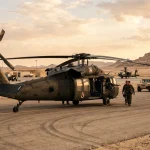
Helicopter crashes can happen anywhere, but those occurring over water present unique challenges and risks. Did you know that survival rates in these scenarios can be influenced by several critical factors, including preparation, equipment design, and immediate actions taken post-crash? Understanding how to increase your chances of survival is essential for anyone who flies or is interested in aviation. In this article, we’ll explore the vital survival facts that equip you to face such emergencies with knowledge and confidence. By unraveling the complexities of water landings and sharing practical advice, we aim to empower you with information that could save lives. Dive in to discover how to navigate this harrowing situation and what steps to take to boost your survival odds in the unpredictable world of helicopter flight.
Can You Survive a Helicopter Crash in Water? Survival Facts
Surviving a helicopter crash in water is a daunting prospect, but understanding the conditions and response options greatly enhances your chances. While helicopter crashes are rare, they can happen, particularly when flying over water. The immediate environment can play a significant role in survival. Factors such as water temperature, wave conditions, and the specific dynamics of the crash all contribute to survival rates. In calm waters, it’s easier to escape, whereas rough seas can complicate a safe exit.
When a helicopter lands in water, swiftly assessing your situation is critical. Begin by securing loose items and bracing for impact. After the crash, remain calm and remember to release your seatbelt before evacuating. If the helicopter begins to sink, orient yourself toward an exit; typically, sliding doors or windows are easier to escape through. Situational awareness is essential, as the air trapped inside the cabin may allow time before the helicopter submerges completely.
Preparedness can also make a significant difference. Having essential survival gear, such as life jackets, personal flotation devices, or even survival kits, can be lifesaving. Furthermore, wearing appropriate clothing, such as quick-drying materials, increases your mobility post-crash. Statistically, many survivors report having life vests or flotation aids that allow them to stay afloat while awaiting rescue.
Lastly, nurturing knowledge about helicopter emergency procedures is vital. Training programs specifically designed for water crashes teach various techniques for evacuation and survival, which can significantly improve your odds. These skills not only boost confidence in handling an emergency but also equip individuals with the practical know-how to save themselves and others in potentially life-threatening situations.
Understanding Helicopter Crashes in Water
In the unpredictable world of aviation, helicopter crashes, particularly in water, can evoke fear due to their complex dynamics and inherent challenges. Helicopters differ significantly from fixed-wing aircraft, especially concerning how they behave in emergencies. Unlike planes that glide and can typically manage a controlled descent during failure, helicopters may struggle to maintain stability and control, making any crash scenario perilous. When a helicopter enters the water-be it a calm lake or turbulent sea-the environment plays a crucial role in determining the outcome for passengers onboard.
Several factors influence the nature of a helicopter crash in water. Firstly, the manner of impact can vary drastically; a controlled landing might enable a more manageable exit, whereas an uncontrolled crash could lead to rapid submersion. Additionally, environmental conditions such as weather and sea state can complicate escape efforts. Water temperature is also a critical factor; cold water can induce shock, significantly reducing survival chances. Understanding these dynamics is vital, as it fosters an awareness of the immediate actions required during such an emergency.
Even beyond the technical aspects, psychological preparedness cannot be overlooked. The reality is that calmness and clarity in the face of chaos can greatly improve an individual’s chances of survival. The ability to remember and perform essential emergency procedures-like assessing the situation, securing personal items, and working to evacuate-can mean the difference between life and death. By recognizing the potential for such incidents and dedicating time to learn survival strategies, passengers can equip themselves mentally and physically for the unexpected.
In conclusion, while the idea of a helicopter crash in water can be daunting, a nuanced understanding of the mechanics involved and the proper protocols can empower individuals. Anticipating challenges and fostering readiness not only respects those who have faced these situations but also significantly boosts the chances of survival for future passengers.
Key Factors That Affect Survival Rates
The survival rates of helicopter crashes in water can hinge on a multitude of factors, making understanding them crucial for passengers and crew alike. While the very notion of a helicopter entering the water instills a sense of dread, recognizing and preparing for the elements that influence survival can empower individuals in these dire situations. Key aspects include the method of impact, environmental conditions, and personal preparedness.
One of the most critical factors is the manner of impact. A controlled water landing-where the pilot skillfully brings the helicopter down to minimize trauma-can significantly enhance survival chances. In contrast, an uncontrolled crash can lead to immediate submersion, leaving little time for evacuation. Even the angle at which the helicopter enters the water can affect both the structural integrity of the aircraft and the safety of those inside.
Environmental conditions play a substantial role as well. Factors such as weather, water temperature, and sea state can complicate survival efforts. Cold water can trigger cold shock and hypothermia much faster than one might expect, substantially lowering survival odds. Rough seas can pose additional challenges, increasing the risk of disorientation and making it harder to escape. Clear skies and calm waters, however, provide a more forgiving environment for escape, allowing for more manageable exit strategies.
Psychological readiness is equally important. Staying calm in the face of chaos can influence how effectively individuals remember and enact survival strategies. Knowing how to access life vests, secure personal belongings, and perform a proper evacuation can dramatically impact the outcome of a water emergency. Training programs that focus on water survival skills can enhance this preparedness, equipping individuals with practical approaches to navigation and escape.
Ultimately, a blend of physical and mental preparation is key. By understanding the factors that affect survival rates and developing a personal survival plan, individuals will not only honor the lives of those lost in helicopter incidents but also improve their readiness for any potential emergencies. Engaging in survival training, practicing evacuation drills, and studying the behavior of helicopters in emergencies can provide valuable insights that serve to enhance safety and survival.
Immediate Actions After a Water Landing
In the distressing event of a helicopter landing in water, quick and calm actions can make a profound difference in survival outcomes. After the initial impact, the focus should immediately shift to assessing your surroundings and prioritizing evacuation. Water can rapidly inundate the cabin, especially if the landing is uncontrolled, further emphasizing the urgency of the situation.
First, check for injuries. Assess yourself and those around you for any incapacitating injuries that might hinder movement. If anyone is injured, provide support that allows them to remain as stable as possible while evacuation procedures begin. If consciousness and mobility are intact, the next step is to locate the closest exit. Most helicopters have doors that can be opened, and if the doors are not operational, windows may provide an alternative escape route.
Stay Calm and Swift
Maintaining composure is crucial in these scenarios. Panic can lead to poor decision-making and hinder your ability to act efficiently. As you prepare to evacuate, remember the direction of the escape – if the helicopter is partially submerged, you may need to navigate through rising water. In such cases, retrain your focus on the exit, orienting yourself ahead of time to avoid disorientation as you attempt to escape.
- Use the seatbelt: If unsecured, unbuckle your seatbelt after exiting your seat. This acts as a barrier to your movement.
- Secure flotation devices: If available, put on any life jackets, which may significantly enhance your flotation during the escape.
- Evacuate in an orderly manner: Help others exit the helicopter before you leave, facilitating a smooth evacuation process.
Escape Techniques
If the helicopter starts to submerge, you have mere moments before water begins to fill the cabin. To maximize your chances of survival, implement these techniques:
- Swim downward: In the event of a submerged escape, focus on moving downwards first to locate the nearest door or window opening.
- Aim for the light: As you exit, look for patches of light that indicate the surface of the water; this will help you navigate your ascent.
- Breathe out: Before making your exit, exhale to reduce your buoyancy momentarily, allowing for easier movement as you leave the helicopter.
Your immediate response post-water landing can greatly influence survival outcomes. Staying alert and executing a structured escape plan is invaluable. These actions, combined with pre-incident training, can equip helicopter passengers with essential skills to face such emergencies effectively.
Essential Survival Gear for Helicopter Passengers
In the unfortunate event of a helicopter crash into water, having the right survival gear can significantly increase your chances of staying safe and being rescued. While helicopters are generally safe, water landings create unique challenges, and preparedness can make a crucial difference in survival situations. Essential gear focuses not only on flotation devices but also on tools that enhance survivability and aid in rescue.
One of the most vital items for helicopter passengers is a personal flotation device (PFD). These life jackets or vests provide buoyancy and are crucial for keeping you afloat after a water landing. Ideally, every passenger should wear a PFD during flight, especially in helicopters operating over water. In addition to basic flotation, some advanced models include integrated signaling devices or reflective surfaces, which improve visibility to rescuers.
Alongside PFDs, a whistle is an excellent tool for signaling for help. Whistles are lightweight and easy to store, and their sound carries much farther than a person’s voice. When combined with a small waterproof flashlight or a signal mirror, these items can help attract rescuers’ attention, especially in low visibility conditions.
Emergency Kits
Having an emergency survival kit onboard can drastically change the outcome in a survival scenario. This kit should include essential items such as a compact first aid kit, a multi-tool or knife, waterproof matches or a lighter, and non-perishable food items. Such tools can assist with various survival tasks, from treating minor injuries to creating a signal fire.
Finally, consider investing in a life raft or a signaling beacon equipped with Global Positioning System (GPS) technology. While helicopters may not carry these items individually, they can be part of a corporate flight operation’s safety equipment, providing an additional layer of security during transit. Combining this gear with knowledge of proper usage can create a comprehensive survival strategy that allows passengers to stay afloat and secure until help arrives.
In preparation for potential water landings, understanding the importance of designated survival gear can transform your approach to your safety onboard a helicopter.
Safe Evacuation Techniques from a Submerged Helicopter
In a critical situation where a helicopter ends up submerged in water, knowing how to safely evacuate can be the difference between life and death. Most crucially, passengers should remain as calm as possible to think clearly and act effectively. One primary rule to remember is that you should not attempt to open doors or windows until the cabin has begun to fill with water; this is because the cabin will be under pressure and opening an exit prematurely can lead to sudden flooding or loss of buoyancy.
Once the helicopter begins to fill with water, act quickly. Release your seatbelt and assist those around you to do the same. If the helicopter is upright, the priority is to move toward the nearest exit, which is likely the door or window you planned to escape from. Once there, if the exit is jammed or you are uncertain, consider using a tool or your feet to kick out a window. Remember that the glass is designed to withstand impact; a firm kick may be necessary to shatter it. Before exiting, take a deep breath to prepare for the cold water and to gain composure.
After safely exiting the cabin, it is essential to stay close to the helicopter. This provides a visible point of reference for rescuers and can offer some flotation support. If you are wearing a personal flotation device (PFD), ensure it is properly secured and you are utilizing it immediately. In situations where others are present, assist each other to ensure everyone is accounted for and to maintain group cohesion, which can be vital in helping rescuers locate you.
Lastly, be aware of your surroundings. If conditions allow, signal for help using any available signal devices, such as whistles or mirrors, to catch the attention of rescuers. By staying calm, acting efficiently, and using the right techniques, passengers can significantly improve their chances of survival in a helicopter water landing.
Myths vs. Realities of Helicopter Water Survival
In the realm of aviation, especially regarding helicopter safety, many myths circulate about water survival that can mislead or misinform passengers. One prevalent myth is that most helicopter passengers will drown if they end up in water. The reality is nuanced: while the risk of drowning is indeed serious, many factors can influence survival chances. Quick and calm action after a water landing plays a crucial role in determining outcomes.
Another common misconception is that you must open the helicopter’s door immediately upon entering the water. In truth, it is typically safer to stay in the cabin until it is partially submerged, as the pressure difference can make doors nearly impossible to open. Once the cabin is filling with water, it’s vital to act quickly but methodically. Many survivors have reported that kicking out a window or waiting for the right moment to exit increased their chances of survival significantly compared to trying to open doors against the pressure.
What about life jackets? While many believe that a personal flotation device (PFD) can guarantee safety in a water landing, their effectiveness largely depends on the timing and situation. When using a PFD, it is essential to ensure it is worn properly before exiting the helicopter. If you put it on in the water, you may be disoriented, and the PFD could float away before you manage to secure it. It’s also important to remember that PFDs do not prevent drowning; they help keep victims afloat.
Finally, passengers often think that rescue will arrive quickly after a crash. Depending on the location and circumstances, rescue can take longer than anticipated. Thus, understanding your surroundings and preparing to draw attention to yourself with flares or reflective items can be lifesaving. To summarize, while water landings are dangerous, understanding these myths and realities can better equip passengers to survive a helicopter crash at sea.
Case Studies: True Survival Stories
In the realm of survival stories, helicopter crash incidents often showcase the resilience and quick thinking of individuals faced with dire circumstances. One of the most remarkable cases occurred in 2005 when a medical helicopter went down in the frigid waters off the coast of California. The pilot, after ensuring the safety of the onboard medical team, executed an emergency water landing. The quick response and training of the crew played a crucial role in their survival; they swiftly activated emergency flotation devices, which helped maintain buoyancy as the helicopter started to sink. Passengers were able to escape through the door before the helicopter fully submerged, showcasing the importance of calmness and preparedness during such critical moments.
Another notable survival story involved an offshore oil rig worker who was traveling by helicopter. During transit, bad weather struck, and the helicopter was forced into an emergency landing in the Gulf of Mexico. The helicopter landed on the water, but the impact was severe and caused the aircraft to roll. Thanks to their training, the crew and passengers managed to secure their life jackets before the helicopter began to sink. They remembered the advice to stay inside until the water pressure allowed the helicopter doors to be opened safely. After successfully swimming to the surface, they used signaling devices to attract attention, which ultimately led to a timely rescue by nearby vessels. This incident highlights how critical pre-flight safety briefings and knowing survival protocols can dramatically increase the chances of survival.
During these harrowing experiences, survivors often emphasize the role of team dynamics and communication. In some cases, collaborative efforts among passengers have led to better outcomes. In one incident involving a tourist helicopter in a remote area, a group of travelers coordinated their evacuations. By maintaining a clear line of communication, they successfully navigated to a nearby island for shelter while awaiting rescue. The emphasis on teamwork during emergencies cannot be overstated, as it fosters a sense of hope and determination among those affected.
These true stories not only illustrate the potential for survival in helicopter water crashes but also serve as powerful reminders of the importance of training, the effectiveness of safety equipment like life jackets, and the critical need for cooperation during crises. By learning from past incidents, helicopter occupants can better prepare themselves for emergencies, increasing their chances of survival if faced with a similar situation.
Rescue Operations: What to Expect After a Crash
In the aftermath of a helicopter crash in water, the initial minutes are critical, both for the survivors and for the rescue teams that mobilize to respond. Understanding rescue operations can not only provide valuable insights for those involved but also help enhance preparedness if such a tragic event ever occurs. It’s crucial to know what to expect during the rescue process-both from emergency responders and the environment.
When a helicopter goes down, the first step involves emergency communication, which is often initiated by the pilot or, if they are incapacitated, by activated emergency beacons. These distress signals are vital for guiding rescue teams to the precise location of the incident. Typically, search and rescue operations are coordinated by local authorities, often involving multiple agencies, including the Coast Guard or local law enforcement.
Rescue Operation Protocols:
- Search Teams: Search and rescue teams will deploy boats, helicopters, and sometimes drones to the crash site. Depending on where the helicopter has landed, these teams may also have to navigate hazardous waters, ensuring the safety of both the responders and the survivors.
- Assessment of Conditions: Conditions following a crash can change rapidly. Rescue teams must assess the environmental hazards, including water currents, tides, and weather conditions, which affect the timing and method of the rescue.
- Engaging Survivors: Once on site, rescuers will focus on locating survivors. They may use sonar technology if the helicopter is submerged and can implement various techniques, such as deploying divers or using line boats for a safe approach.
- Medical Support: After locating the survivors, rescuers will prioritize medical assistance. A triage system may be employed to evaluate injury severity and determine who needs immediate help.
In addition to these factors, time is of the essence. Research shows that survival rates decline significantly after the first 30 minutes, making rapid response crucial. Rescuers are trained to work under pressure, often implementing specialized tactics to expedite the recovery process while ensuring the safety of all involved.
It’s important to consider potential psychological effects on survivors as well. The trauma of a crash, followed by uncertainty during a rescue operation, can be overwhelming. Mental health professionals are often part of the recovery teams to provide immediate support, helping individuals cope with the experience.
Ultimately, knowing what to expect from rescue operations after a helicopter crash can empower individuals to react with a clearer understanding and preparedness. While the fear of such incidents is very real, being informed about rescue protocols can instill confidence and improve the chances of survival in a crisis.
Training Programs for Water Helicopter Emergencies
Training for water-related helicopter emergencies is critical for both pilots and passengers, as it equips them with the skills necessary to respond effectively when faced with a crash scenario. Specialized training programs focus on imparting essential knowledge about safety procedures, emergency responses, and survival techniques in aquatic environments. These programs not only cover the theoretical aspects of helicopter operations but also offer practical, hands-on learning experiences.
A well-structured training program typically includes the following key components:
- Understanding Helicopter Dynamics: Participants learn about helicopter mechanics, including how they behave in the air and their stability during a crash. This knowledge helps individuals anticipate potential issues during flight and understand how to react if a water landing occurs.
- Emergency Procedures: Training emphasizes specific emergency protocols that individuals must follow during a water crash, such as securing seatbelts, locating emergency flotation devices, and preparing for evacuation. Role-playing scenarios help reinforce these procedures, ensuring participants are ready for real-life situations.
- Survival Skills: Programs also focus on survival skills, including how to exit a submerged helicopter, swim to safety, and utilize available flotation devices. Participants may practice these skills in controlled environments, such as pools or training tanks equipped to simulate underwater conditions.
- Rescue Coordination: Effective training includes understanding how to communicate with rescue teams post-incident. Participants learn the importance of signaling for help, using emergency beacons, and coordinating with search and rescue operations to enhance their chances of survival.
Training might also involve partnerships with organizations specializing in emergency response, which can provide advanced insights into real-world rescue operations. Such collaborative efforts ensure that those training are aware of the latest safety technologies and rescue techniques. Pilot training programs often include simulator exercises that replicate water landings, providing invaluable experience without the risks associated with real-life scenarios.
By equipping helicopter pilots and passengers with this critical knowledge and training, programs ultimately aim to enhance overall safety and survivability during water emergencies. Understanding the risks and preparing for the worst can make all the difference when it comes to surviving a helicopter crash in water.
Preventive Measures: Avoiding Helicopter Crashes
A helicopter is an intricate machine designed for versatility and efficiency, but like all aircraft, it comes with inherent risks, especially when operating in challenging environments. Understanding the preventive measures can significantly reduce the likelihood of a crash, ensuring a safer flight experience for everyone onboard. By focusing on proper safety protocols, comprehensive training, and meticulous maintenance, pilots and operators can minimize the risks associated with helicopter travel.
One of the most critical aspects of preventing crashes is thorough pre-flight planning. This involves evaluating the weather conditions, understanding airspace restrictions, and ensuring all passengers are briefed on safety practices. Pilots should pay attention to factors like wind speed and visibility, which can dramatically affect helicopter performance. Additionally, flight routes should ideally avoid densely populated areas and challenging terrain when possible. These considerations help create a safer operational environment.
Regular maintenance and inspections are essential in keeping the helicopter in peak condition. Pilots and maintenance crews should adhere to the manufacturer’s maintenance schedule rigorously, addressing any wear and tear immediately. Routine checks on vital components such as rotors, engines, and fuel systems can prevent mechanical failures that might lead to crashes. Additionally, pilots undergoing training on the latest safety technologies can better respond to emergencies should they arise.
Moreover, fostering a strong safety culture within the helicopter operation team is crucial. This means encouraging open communication about safety concerns, conducting regular safety drills, and implementing a reporting system for near-misses. Pilot and crew members should feel empowered to voice concerns without fear of repercussions. Investing in crew training that includes scenario-based simulations can further prepare them for potential crisis situations, refining their critical thinking skills and response times.
By prioritizing these preventive measures, both operators and pilots can significantly reduce the risks associated with helicopter travel, ultimately enhancing passenger safety and increasing the chances of a safe journey. The combination of thorough preparation, rigorous maintenance, and a strong safety culture is vital to avert potential tragedies in the skies.
Helicopter Design Features That Enhance Safety
Helicopter safety designs have evolved significantly to enhance survivability, especially in challenging scenarios like water crashes. One compelling feature is the incorporation of floatation devices. Many modern helicopters are equipped with inflatable pontoons that deploy in the event of a water landing, keeping the aircraft buoyant and preventing it from sinking rapidly. This gives passengers crucial time to evacuate, increasing their chances of survival.
Another important aspect is crashworthy seating. These seats are designed to absorb impact forces during a crash, which can reduce injury severity to both the pilot and passengers. Features such as energy-absorbing materials and strategically positioned seatbelts help keep occupants securely in place, minimizing the risk of ejection or severe trauma.
Additionally, rotor designs are crafted with safety in mind. The flexibility of rotor blades allows them to absorb shock during rough landings. Some helicopters also feature automatic blade folding mechanisms, minimizing debris in emergency situations and improving the aircraft’s overall safety profile.
To further enhance safety, many helicopters integrate advanced avionics systems. These systems include GPS navigation, terrain awareness warnings, and real-time monitoring of performance metrics, allowing pilots to make informed decisions and avoid hazardous conditions. With these advancements, if a water emergency occurs, the pilot can maneuver the helicopter more effectively towards safer landing options.
In summary, helicopter design continues to innovate with a focus on safety features that protect occupants and improve survival rates during potential water crashes. These enhancements reflect a commitment to making aerial travel not only versatile but also significantly safer.
Expert Tips for Reducing Drowning Risk
In a helicopter crash scenario, particularly over water, the challenge of minimizing drowning risk cannot be overstated. Quick and informed actions can significantly enhance survival chances. First and foremost, it’s essential to remain calm. Panic can lead to poor decision-making and increased anxiety, hampering your ability to save yourself and others. Remember, staying focused on survival is key.
Prepare for a potential emergency by wearing a personal flotation device (PFD) whenever flying over water. PFDs can dramatically increase your chances of staying afloat and conserving energy while waiting for rescue. Additionally, familiarize yourself with the emergency exit procedures of the helicopter before takeoff. Knowing where the exits are and how to operate them can be the difference between life and death.
Immediate Actions:
- Breathe and Assess: After realizing an impending water landing, take a deep breath, and assess your surroundings for the nearest exit.
- Position Yourself: Brace for impact by positioning your body-lean forward, placing your hands on your head and gripping your seatbelt. This will help protect vital areas during the crash.
- Wait for the Landing: Do not unbuckle until the helicopter has fully stopped in the water. This prevents premature ejection and potential injury.
Once the helicopter has landed and is stable:
- Unbuckle your seatbelt as quickly as possible.
- Exit through the nearest door and swim away from the helicopter to avoid the rotor wash or any floating debris.
- If the helicopter begins to sink, remain calm and push off the ceiling or walls if necessary, and ensure you are swimming towards the surface.
Moreover, ensuring the readiness of essential survival gear can further prevent drowning. Always have an accessible survival kit that includes:
- A whistle for signaling.
- Reflective materials for visibility.
- A waterproof flashlight.
By following these guidelines and using the tools at your disposal, you can significantly reduce drowning risks during helicopter water accidents, giving you a better chance of surviving and being rescued.
FAQ
Q: What are the chances of surviving a helicopter crash in water?
A: Surviving a helicopter crash in water depends on several factors, such as the nature of the impact, the presence of safety gear, and evacuation speed. Statistics suggest survival rates can be higher than 50% when passengers act quickly and effectively following the crash.
Q: How can I prepare for a helicopter crash in water?
A: Preparing for a helicopter crash involves familiarizing yourself with the aircraft’s safety features, such as flotation devices, and knowing how to operate emergency exits. Wearing a life jacket may also increase your chances of survival.
Q: What should I do immediately after a helicopter crash in water?
A: Immediately after a helicopter crash in water, unbuckle your seatbelt, locate any emergency flotation devices, and determine the best exit route. Stay calm and assist others if possible while ensuring your own safety first.
Q: Are there specific survival gear items for helicopter passengers?
A: Yes, essential survival gear for helicopter passengers includes a personal flotation device (PFD), a whistle, a mirror for signaling, and a flashlight with a strobe function. These items enhance your ability to survive and signal for rescue after a water crash.
Q: What evacuation techniques should I know for a submerged helicopter?
A: Safe evacuation techniques from a submerged helicopter include equalizing cabin pressure before opening exits, swimming away from the sinking aircraft, and staying calm to conserve energy and air. Practice these techniques during safety drills to improve your chances in a real emergency.
Q: What myths exist about helicopter water survival?
A: Common myths about helicopter water survival include the belief that passengers should wait for rescue inside the helicopter. In reality, exiting quickly increases survival chances, especially if the helicopter begins to sink.
Q: What should I expect from rescue operations after a water crash?
A: After a helicopter crash in water, rescue operations typically involve coordinated efforts from nearby vessels and emergency services. Expect searchers to use boats, helicopters, or underwater divers, and be ready to signal your location if you can.
Q: How can I reduce the risk of drowning during a helicopter water crash?
A: To reduce the risk of drowning during a helicopter water crash, always wear a life jacket and stay calm. Familiarize yourself with emergency procedures and practice evacuating the helicopter as part of safety training.
For more detailed information and tips, explore our full guide on helicopter crash survival techniques and best practices.
Wrapping Up
Understanding how to survive a helicopter crash in water is vital knowledge that could save lives. Remember, remaining calm and knowing the right steps can make all the difference. If you’re intrigued by aircraft safety and survival techniques, check out our in-depth articles on emergency preparedness and the technology behind helicopter safety systems. Don’t forget to explore our section on the different types of helicopters, which can further enhance your understanding of these incredible flying machines.
For more valuable insights and updates, consider signing up for our newsletter. Stay informed and empowered, whether you’re a helicopter enthusiast, a potential pilot, or simply someone who values safety knowledge. Your journey into the fascinating world of aviation doesn’t have to stop here-visit our site to dive deeper into related topics and keep the conversation going in the comments below. Together, let’s explore the skies safely and boldly!
Get our latest guides, news, and insights highlighted in your Google Search & AI Overviews.