When it comes to flying, safety is paramount, and helicopter insurance plays a crucial role in protecting both pilots and passengers. Did you know that the cost of insurance varies significantly based on a range of factors-from the type of helicopter to flight experience and usage? Understanding these costs is essential for anyone considering helicopter ownership or operation. Not only can proper insurance safeguard your financial investment, but it can also provide peace of mind in the event of unforeseen incidents. As we delve into the annual cost breakdown of helicopter insurance, you’ll discover key insights that not only clarify expenses but also illustrate how smart planning can enhance your flying experience. Stay with us to learn how to navigate this important aspect of helicopter ownership effectively.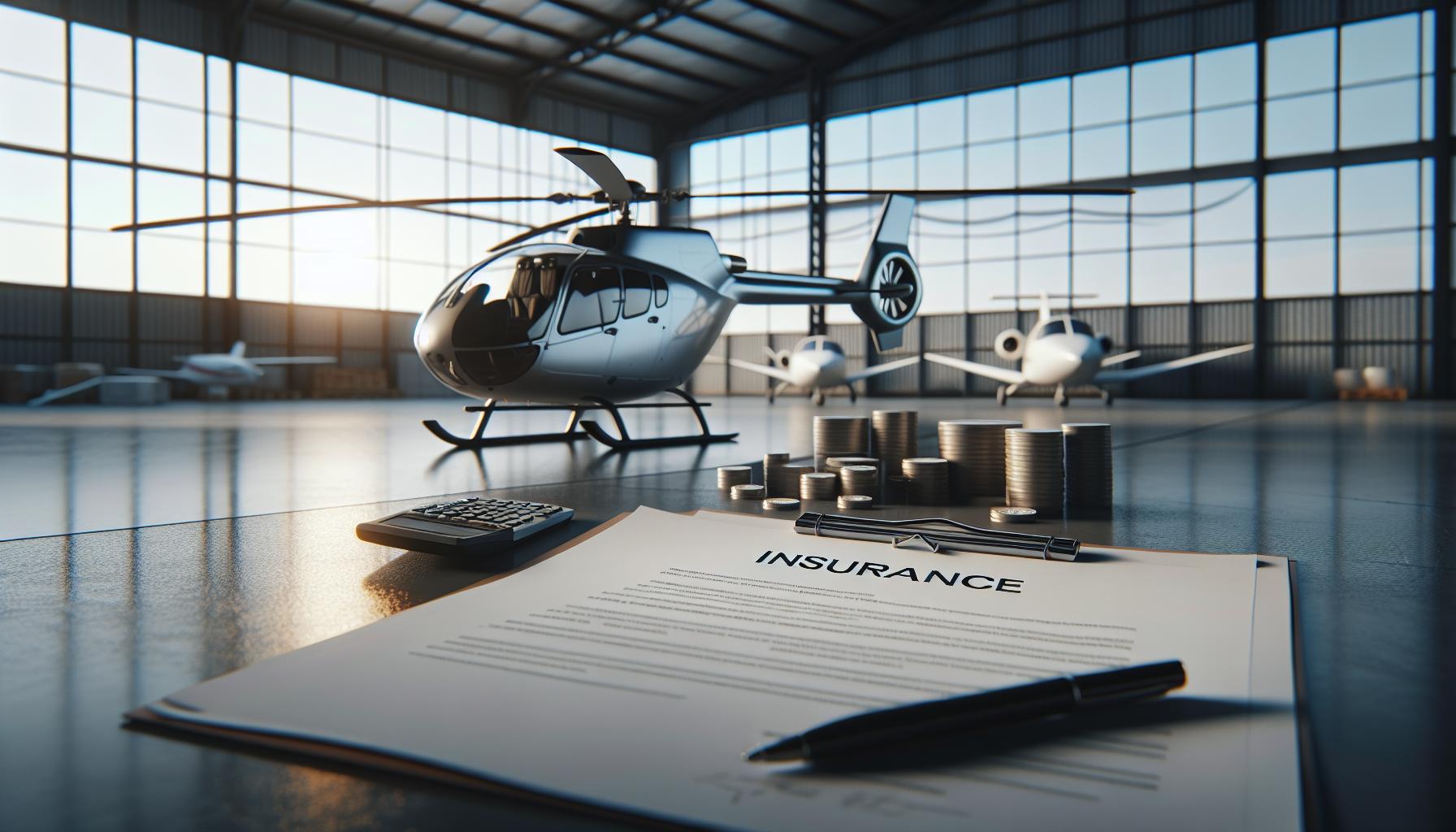
Understanding Helicopter Insurance Basics
Understanding helicopter insurance is crucial for any owner or operator in the aviation field. Helicopter insurance is designed to protect not just the aircraft, but also the operator and passengers from the financial risks associated with accidents, damage, or liability. The costs of such insurance can significantly vary based on several factors, making it essential to understand what influences these annual premiums.
For helicopter owners, several key elements drive insurance costs. Pilot experience is a pivotal factor; more experienced pilots typically command lower premiums due to their proven ability to handle various flying conditions. Additionally, the type of helicopter plays a major role. For instance, larger, more complex helicopters generally incur higher insurance costs compared to smaller, simpler models. Other considerations include the intended use of the helicopter, such as personal leisure versus commercial operations, with the latter facing higher premiums due to increased risk exposure.
Moreover, safety records and claims history contribute significantly to premium calculations. A helicopter operator with a history of accidents or claims may find their rates higher than those with a flawless safety record. It’s also important to note that geographical factors influence costs; insurance rates can differ based on the state or region, reflecting varying regulations and risk levels in different environments.
For potential buyers, navigating the specifics of helicopter insurance can feel daunting, but understanding these basics helps demystify the process. Engaging with a knowledgeable insurance broker can provide tailored guidance, ensuring pilots and owners secure the right coverage at a competitive rate, ultimately allowing them to focus more on flying and less on worrying about the financial implications of potential mishaps.
Factors Influencing Annual Helicopter Insurance Costs
Understanding the various factors that influence the costs of helicopter insurance can significantly aid owners and operators in budgeting and making informed decisions. When it comes to determining annual premiums, there are several critical elements at play.
One of the most significant factors is pilot experience. Insurers often look favorably on seasoned pilots with extensive flight hours and a clean safety record, as this reduces perceived risk and can lead to lower premiums. Conversely, newer pilots or those with limited flight experience are likely to face higher rates. Additionally, the type of helicopter plays a key role; larger and more complex helicopters tend to attract higher insurance costs due to their increased operational risks and higher repair costs.
The intended use of the helicopter is another crucial element. Helicopters used for commercial purposes, such as air ambulance services or charter flights, generally incur higher premiums than those used for personal leisure. The reason? Commercial operations have a broader exposure to risk, including more frequent flights and passenger liability. Furthermore, location significantly affects insurance rates, as geographical areas with higher accident rates, adverse weather conditions, or stricter regulations may result in increased costs for policyholders.
Other factors include safety records and claims history. An operator with multiple claims or incidents will typically see their insurance premiums rise as insurers anticipate a higher risk level. To summarize, understanding and addressing these elements not only helps in managing costs but also in securing the most appropriate coverage based on individual needs.
Comparative Analysis: Helicopter vs. Fixed-Wing Aircraft Insurance
While both helicopter and fixed-wing aircraft insurance cover the risks associated with flying, they differ significantly in terms of cost, coverage, and underwriting practices. Understanding these differences is crucial for aircraft owners deciding on the best insurance policy for their needs.
One of the primary distinctions is the cost of premiums. Helicopters, typically perceived as higher risk due to their operational demands-such as hovering and landing in more varied environments-often attract higher insurance premiums compared to fixed-wing aircraft. For example, a sophisticated rotorcraft used for commercial operations may incur significantly more in insurance costs than a personal single-engine airplane. This is primarily because helicopters have a greater potential for accidents during flight operations such as takeoffs and landings, which take place in more complex environments like urban areas or maritime zones.
Moreover, the types of coverage required also differ. Helicopter insurance must address unique factors such as rotor and turbine coverages, whereas fixed-wing policies focus more on airframe and engine protections typical for planes. Helicopter insurance may also include specific endorsements for operations like external load operations or aerial firefighting, which are less common in fixed-wing aircraft operations. This specialized coverage can further contribute to the cost disparity between the two types of insurance.
Claims and Liability Considerations
When assessing claims history and liability, insurers view helicopters as operating under more rigorous conditions, leading to nuanced evaluations of risk. Helicopters often have higher liability limits due to the potential for greater passenger liability during commercial flights. Therefore, it’s crucial for operators to assess their coverage needs against potential risks related to their specific aircraft type and intended use.
In some cases, operators may be able to draw comparisons between policy structures for helicopters and fixed-wing aircraft, looking for strategies that emphasize safety and operational efficiency to mitigate costs. For example, pilots can consider maintaining robust safety records and engaging in continuous training, which may lead to reduced premiums in both categories, but more markedly in helicopter insurance due to the heightened scrutiny on their operational risk.
In summary, while both helicopter and fixed-wing aircraft insurance share the common goal of risk protection, they diverge in premiums, coverage specifications, and claims handling. Understanding these differences will help owners make informed decisions, ensuring they secure adequate protection tailored to the unique challenges of operating their aircraft.
Types of Coverage in Helicopter Insurance Policies
To fully grasp the nuances of helicopter insurance, one must delve into the various types of coverage available. Helicopters operate under unique conditions that require specialized insurance policies tailored to their distinct characteristics and operational demands. Understanding these options not only ensures proper protection but also aids in managing costs effectively.
A primary component of helicopter insurance is hull coverage, which protects the physical aircraft from damages caused by a variety of perils, including accidents and natural disasters. This coverage often extends to attachments like rotor blades and avionics, which can be particularly costly to replace. Additionally, liability coverage is vital, as it shields operators from claims arising from injury to passengers or third parties, especially in high-risk environments typical for helicopter operations.
Another important aspect is personal injury coverage, which provides compensation for injuries sustained by the pilot and passengers. Depending on the policy, this can cover medical expenses, lost wages, and other related costs. Moreover, ground risk coverage is essential for protecting the aircraft when it is not in flight-this includes scenarios during takeoff and landing, periods of maintenance, or when parked.
For operations involving specialized tasks-like aerial photography, crop dusting, or search and rescue-endorsements tailored to these activities can be included. For example, aerial firefighting requires different coverage than standard transport operations due to the increased risk involved. Lastly, operators should consider comprehensive and collision coverage, which works in tandem with the hull coverage to ensure broad protection against various forms of loss.
Understanding these types of coverage allows helicopter operators to tailor their policies to their specific needs, ensuring comprehensive protection while potentially managing insurance costs. By navigating the complexities of helicopter insurance, operators can secure their investments and enhance safety in their operations.
Cost Breakdown: What’s Included in Your Premium?
Understanding what contributes to the premium of helicopter insurance can be complex, but it’s essential for operators to gain clarity on what they’re paying for. The total cost is generally composed of several key elements, each reflecting the unique risks and protections associated with helicopter operations.
Firstly, hull coverage is a significant portion of the premium. This covers damages to the helicopter itself, including costs related to accidents, theft, or natural disasters. Given the high value of helicopters and their components, such as rotor blades and avionics, hull coverage is often one of the most cost-intensive aspects of a policy. Next, the liability coverage included in the premium protects against claims resulting from injuries or damage to third parties, which is crucial considering the potential risks involved in helicopter operations. Given the airborne nature of these vehicles, the risk of accidents can lead to substantial liability claims.
Additional factors contributing to your premium may include personal injury coverage, which helps pay for medical expenses for the pilot and passengers in the event of an accident. It’s designed to provide peace of mind by covering various related costs. Ground risk coverage also plays a role, ensuring protection when the helicopter is not in flight, such as during maintenance or while parked.
Furthermore, the complexity of operations can affect costs. For instance, specialized tasks like aerial firefighting or search and rescue require endorsements that tailor the policy to specific risks, thus impacting the overall premium. Operators should also be aware that comprehensive and collision coverage options are available, which complement basic hull coverage and broaden protections against various potential losses.
By understanding these components, operators can make informed decisions about their helicopter insurance policies, ensuring they receive the adequate coverage needed for their specific operational contexts while keeping costs manageable.
The Role of Experience and Safety Records in Pricing
The experience and safety records of helicopter pilots and operators play a crucial role in determining insurance pricing. Insurers assess the likelihood of claims based on these factors, making it a key element in the cost of helicopter insurance premiums. For instance, a pilot with thousands of flight hours and a clean safety record is generally viewed as a lower risk compared to a less experienced pilot or one with a history of incidents. This differentiation can lead to significant variations in premiums, impacting operators’ bottom lines.
Insurance companies often use metrics like flight hours and specific operational experience-such as flying in challenging conditions or performing specialized tasks like search and rescue-to evaluate risk. For example, pilots involved in high-stakes operations are carefully scrutinized by insurers, who look for verification that these individuals have been adequately trained and have maintained a record of safe flying. Additionally, the frequency of prior claims, both for the pilot and the operating company, can signal potential risk to insurers, further influencing policy costs.
Building a Strong Safety Record
To help keep insurance costs manageable, aspiring helicopter pilots and operators should prioritize safety in their operations. Here are some practical steps to enhance safety records:
- Training and Certification: Invest in rigorous training programs and ensure that all pilots maintain up-to-date certifications, especially in specific operational areas.
- Safety Protocols: Implement comprehensive safety protocols and conduct regular drills to prepare for emergencies.
- Accident Prevention Training: Provide ongoing education for pilots about accident prevention, risk assessment, and decision-making in the cockpit.
- Regular Maintenance: Maintain aircraft diligently to minimize the risk of mechanical failures that could lead to accidents.
By focusing on enhancing skills and maintaining high operational standards, helicopter operators can not only improve their safety records but also potentially lower their insurance premiums over time. Insurers recognize the value of proactive measures and are often more inclined to offer favorable rates to those who demonstrate commitment to safety and professionalism in their flying operations. This focus on building a strong safety record aligns well with the ethos of the aviation community, where safety is paramount, and responsible operations are celebrated.
State-by-State Variation in Helicopter Insurance Costs
In the diverse landscape of helicopter insurance, costs can vary significantly from one state to another. This variation arises from multiple factors, including local regulations, the density of helicopter operations, and regional risk assessments. For example, states with higher frequencies of helicopter use, such as California or Texas, might see different premium rates compared to less aviation-intensive regions. Insurance underwriters analyze these elements, adjusting their pricing to reflect the associated risks in each area.
Urban environments typically carry higher insurance costs due to increased traffic, potential collision risks, and regulatory challenges unique to metropolitan areas. Conversely, rural regions may benefit from lower premiums, as there’s often less air traffic and fewer stringent operational regulations. However, this is not a universal rule; states with specific weather challenges or higher accident rates may experience increases in insurance rates regardless of their urbanization.
Local Regulations and Legal Environment
Insurance pricing is also influenced by each state’s regulatory environment. States with strict aviation laws, comprehensive liability requirements, or higher litigation rates can lead to increased costs. For instance, states like Florida and Illinois may impose regulations that require higher levels of liability coverage, subsequently raising premiums for helicopter operators. Understanding these legal nuances is crucial for pilots and operators when budgeting for their insurance needs.
Market Competition
Another key aspect affecting helicopter insurance costs state by state is the level of competition among insurance providers. States with multiple insurers vying for business may offer more competitive rates, whereas areas dominated by fewer providers might see less favorable pricing. Operators should explore various options, possibly even considering looking out of state for better deals, provided that coverage meets local regulatory requirements.
Overall, helicopter insurance is a complex landscape influenced by geography, regulations, and market competition. Operators are encouraged to perform thorough research and seek multiple quotes tailored to their specific operational needs and state regulations. Understanding these dynamics not only helps in making informed decisions but also optimizes cost management in helicopter operations.
Common Discounts and How to Qualify for Them
Insurance for helicopters can be a significant expense, but understanding the potential for discounts can help you manage costs effectively. Just as with automobile or home insurance, helicopter insurance providers often offer various discounts to qualified customers. Recognizing these opportunities and knowing how to qualify can substantially reduce your annual premiums.
One common discount is related to the pilot’s experience level. Insurance companies frequently reward seasoned pilots who maintain a clean flying record. This means that if you have extensive flight hours without any accidents or violations, you may be eligible for a considerable reduction in your policy costs. Additionally, completing advanced training courses or obtaining type ratings for specific helicopter models can further demonstrate your commitment to safety and proficiency, leading to additional savings.
Another area for potential discounts is through membership in aviation associations. For example, belonging to organizations like the Helicopter Association International (HAI) or other recognized flying clubs can signal to insurers that you are committed to industry standards and safety. These associations often have partnerships with insurance providers specifically to offer discounts to their members.
Peace of mind during operation is crucial, but so is cost efficiency. Taking proactive measures such as enhancing safety features on your aircraft, implementing regular maintenance programs, and utilizing flight tracking technology can also contribute to reducing your insurance premiums. Insurers recognize that these practices mitigate risk, and many are willing to lower costs based on documented safety enhancements.
In summary, being aware of available discounts and proactively pursuing qualifying criteria is essential for reducing helicopter insurance expenses. By leveraging your experience, affiliations, and safety practices, you can make insurance more manageable while continuing to enjoy the thrilling world of helicopter aviation.
Tips for Reducing Helicopter Insurance Expenses
Reducing helicopter insurance expenses requires a combination of strategic measures and proactive decision-making. Understanding the intricacies of your insurance policy can help lower costs while maintaining adequate coverage. One fundamental approach is to ensure that you have the right coverage levels-neither excessive nor insufficient. Assessing your typical flight operations and risk profile will allow you to tailor your policy effectively. Often, discussing your needs with an insurance broker who specializes in aviation can uncover opportunities for customized solutions and better rates.
Another critical factor influencing your premiums is the safety culture surrounding your flying practice. Investing in regular training for yourself and your crew can pay dividends. Many insurers offer discounts for pilots who undergo additional training, such as safety seminars or specialized skills courses, illustrating a commitment to safe flying. Consider implementing a robust maintenance schedule for your helicopter; proactive upkeep not only extends the lifespan of your aircraft but also signals to insurers that you are minimizing risk.
Additionally, joining aviation organizations or flying clubs is a not-so-secret weapon in the cost-reduction arsenal. Membership often comes with networking opportunities and educational resources that can enhance your flying skills and knowledge. More importantly, many of these organizations have negotiated discounts with insurance providers specifically for their members. Additionally, taking advantage of technology-such as flight tracking and operational safety tools-can provide insurance companies with evidence of your commitment to safety, possibly leading to lower premiums.
Lastly, always be on the lookout for potential discounts or loyalty programs your insurer may offer. Regularly reviewing your policy in search of outdated coverages can help you eliminate unnecessary costs. As you continue your helicopter journey, being proactive about these elements not only aids in budgeting for your aviation adventures but also enhances your flying experience through improved safety and efficiency.
What to Expect When Shopping for Helicopter Insurance
When it comes to searching for helicopter insurance, the process can feel overwhelming, especially for those new to aviation. It’s important to approach this task with knowledge and preparedness. Start by understanding that insurance policies vary widely based on numerous factors-everything from the use of the helicopter (commercial vs. private), the type of aircraft, and your level of experience as a pilot will influence the policies available to you.
Before engaging with insurance providers, gather the following vital information:
- Your flying experience: This includes total flight hours, specific helicopter hours, and certifications. Insurance underwriters look favorably on pilots with advanced training and extensive flight experience.
- The helicopter’s specifications: Be ready to provide details such as the model, year, value, and any modifications made to the aircraft.
- Intended use: Clarify whether you will fly for personal recreation, commercial work, or emergency services. Different uses come with distinct risk profiles.
Once you have this information, it’s wise to consult with brokers experienced in aviation insurance. They can provide a clearer picture of the market, highlight the best providers, and uncover special discounts or offerings tailored for your situation. Consider requesting quotes from multiple companies to compare coverage options, costs, and the specifics of each policy. Look closely at what is included and excluded in each quote, particularly regarding liability limits and liability insurance, which are crucial in protecting your financial interests.
Stay proactive throughout the shopping process by asking questions. Inquire about any optional coverages that might apply to your specific flying missions, like hangar insurance or coverage for equipping the helicopter with special equipment. Remember, this is your opportunity not only to secure coverage but also to educate yourself on potential risks associated with helicopter ownership and operations.
By maintaining a well-organized approach and asking the right questions, you’ll be equipped to make an informed decision, ensuring that you select an insurance policy that best fits your needs while keeping your flying journey safe and enjoyable.
Understanding Liability Limits and Their Impact on Costs
One significant aspect of helicopter insurance that can greatly influence your overall costs is the liability limits set within your policy. Liability insurance protects you from financial loss if you’re held responsible for causing damage or injury to others while operating your helicopter. Understanding how these limits work is crucial, as they not only impact your premium but also your financial risk in the event of an accident.
Most insurance policies will offer a range of liability coverage options, often expressed in thousands or millions of dollars. For example, a typical policy might provide options for liability limits such as $1 million, $5 million, or even higher. Opting for a lower limit can reduce your premiums, but it can leave you exposed to substantial costs should an incident occur. Conversely, selecting a higher limit may result in higher annual premiums but offers greater peace of mind knowing you are adequately covered against significant claims.
Assessing Coverage Needs
When determining your required liability limits, consider several factors:
- Type of Operation: If you’re using your helicopter for commercial purposes, such as air tours or aerial photography, you may face higher liability risks. This necessitates higher limits.
- Flight Frequency: Frequent use increases the chances of incidents, which may justify opting for higher liability coverage.
- Passenger Capacity: Helicopters with larger capacities can engage more potential liability, thus requiring greater coverage.
- Local Regulations: Some regions have specific insurance requirements for commercial operators that dictate minimum liability coverage.
Being underinsured can be risky, as the cost of claims can easily exceed your coverage limits, leaving you personally liable for the excess. For instance, if you’re involved in a sophisticated aerial operation that unintentionally damages property or injures individuals, the resultant costs could skyrocket, far surpassing basic liability limits. This situation highlights the importance of evaluating potential risks based on your operation type and expected usage frequency.
In conclusion, carefully determining your liability coverage is a balancing act between paying higher premiums for robust protection versus opting for lower limits to save costs. Being informed about your needs and the implications of liability limits can help you make an educated decision that safeguards your financial health while enjoying the wonders of flying a helicopter.
Faq
Q: What is the average cost of helicopter insurance per year?
A: The average cost of helicopter insurance typically ranges from $1,200 to $3,000 annually. However, several factors such as aircraft type, usage, and pilot experience can significantly influence this cost.
Q: How does the type of helicopter affect insurance costs?
A: The type of helicopter plays a crucial role in determining insurance premiums. Lighter, less complex helicopters tend to have lower rates, while heavy-lift and specialized aircraft may incur higher costs due to increased risk and value.
Q: Are there different types of helicopter insurance policies?
A: Yes, helicopter insurance policies vary widely, including liability, hull insurance, and passenger coverage options. Each type addresses different needs and risks, influencing annual costs based on coverage levels selected.
Q: How can I find discounts on helicopter insurance?
A: To find discounts on helicopter insurance, consider joining aviation associations or completing safety training programs. Many insurers offer reduced rates for pilots with excellent safety records or loyalty incentives for long-term policyholders.
Q: When is the best time to shop for helicopter insurance?
A: The best time to shop for helicopter insurance is typically before the renewal date of your current policy or during the off-peak flying season. This strategy may help you find better quotes and more favorable terms.
Q: What specific details are required when applying for helicopter insurance?
A: When applying for helicopter insurance, you’ll need to provide details such as aircraft specifications, intended use, pilot experience, and safety records. Accurate information ensures proper coverage and better premium assessments.
Q: Can my flying history affect my helicopter insurance premiums?
A: Yes, your flying history greatly impacts your helicopter insurance premiums. More experienced pilots with documented safe flying records often secure lower rates than those with fewer hours or previous claims.
Q: What should I expect during the helicopter insurance quoting process?
A: During the quoting process, expect to discuss your experience, the helicopter model, intended use, and any previous claims. Insurers may also assess your safety history to determine the appropriate rates and coverage options available to you.
Concluding Remarks
Understanding the factors influencing helicopter insurance costs is crucial for any helicopter owner or operator. By grasping the nuances of premiums related to your specific needs, you can better protect your investment and ensure safety during your flights. If you haven’t yet taken the step to compare quotes from different providers, now is the time to act! Don’t leave your helicopter’s safety to chance-explore your insurance options today!
For further insights, check out our detailed guide on “Choosing the Right Aviation Insurance” or explore “Understanding Helicopter Maintenance Costs” to stay informed about all aspects of owning and operating a helicopter. If you have questions or need personalized assistance, don’t hesitate to reach out through our consultation service.
Your journey into the world of helicopter ownership is just beginning! Be sure to subscribe to our newsletter and follow us for updates on important aviation topics, tips, and best practices that will keep you informed and ahead of the game. Let’s keep soaring together!
Get our latest guides, news, and insights highlighted in your Google Search & AI Overviews.