Did you know that the CH-47 Chinook, often dubbed the “Heavy-Lift Beast,” is one of the most powerful helicopters in the world? This tandem-rotor marvel is not only essential for military operations, but it also plays a crucial role in civil engineering, disaster relief, and various industries where heavy lifting is necessary. Whether it’s transporting troops and supplies in combat zones or facilitating construction projects, the Chinook’s versatility and reliability are unmatched. As we explore what makes the CH-47 Chinook an engineering masterpiece, you’ll discover its impressive capabilities, the technology behind its design, and the myriad of roles it fulfills. Dive in to learn why this helicopter is a vital asset in both military and civilian aviation, and how it continues to shape our world from the skies.
What Makes the CH-47 Chinook Unique?
The CH-47 Chinook stands out in the world of aviation for its distinctive design and unmatched capabilities, making it the U.S. military’s backbone for heavy-lift operations. Its twin-engine, tandem rotor configuration not only provides remarkable stability and lift but also enhances its versatility across various terrains and missions. The ability to transport large payloads, such as troops, artillery, and supplies, sets the Chinook apart from other helicopters.
What truly makes the Chinook unique is its heritage. Development began in 1958, and it quickly became one of the first helicopters to incorporate turbine engines, which significantly increased efficiency and performance. The Chinook has evolved significantly since its inception, with versions like the CH-47F Block II improving fuel capacity, fuselage strength, and overall lift capability. This advanced engineering ensures that it remains relevant and effective in modern aviation combat scenarios.
As a “workhorse,” the Chinook is indispensable in humanitarian missions as well as military operations. Its versatility allows it to adapt to a wide range of tasks, from disaster relief in remote areas to troop transport in combat zones. The CH-47 is designed for rapid deployment and reconfiguration, making it an essential asset in unpredictable environments.
Moreover, the Chinook has captured the imagination of aviation enthusiasts and casual observers alike. Its rugged appearance and formidable performance have made it a frequent subject in films, documentaries, and video games, showcasing its cultural impact. This unique combination of technical prowess and public fascination solidifies the CH-47 Chinook’s legendary status in aviation history.
A Brief History of the CH-47 Chinook Helicopter
The evolution of the CH-47 Chinook helicopter is a remarkable story rooted in innovation and adaptability. From its initial development in 1958 to its status as a stalwart in military aviation today, the Chinook has undergone significant transformations that reflect both technological advancements and changing operational demands. Designed by Boeing, the Chinook made its first flight in 1961, emerging as one of the first helicopters to utilize turbine engines, which dramatically enhanced performance and reliability compared to traditional piston-powered helicopters.
As the U.S. Army sought a heavy-lift helicopter to support various missions, the CH-47 quickly rose to prominence. The original model, the CH-47A, entered service in 1962 with a maximum gross weight of 33,000 pounds. The helicopter was instrumental during the Vietnam War for transporting troops and supplies in challenging terrain, proving its capabilities as a versatile multi-role aircraft. Its tandem-rotor design not only provided superior stability and lift but also allowed for efficient handling in combat.
Over the decades, the Chinook has seen numerous upgrades and variants, keeping it at the forefront of military logistics. The CH-47D introduced improved engines and avionics, while later versions, such as the CH-47F Block II, enhanced fuel efficiency and lift capacity to meet modern operational requirements. With advancements in technology, the Chinook has adapted from strictly military operations to also serve in humanitarian missions, disaster relief, and even civilian roles, demonstrating its unmatched versatility.
The Chinook’s storied history is more than just about its mechanics; it also honors the brave lives of those who have flown and served alongside it. Like any aircraft with a long service record, it has faced tragic accidents, reminding us of the risks involved in military aviation. As we celebrate the legacy of the CH-47, we also recognize the commitment and sacrifice of its crews, making every mission a part of its enduring historical fabric. Today, the Chinook remains a symbol of innovation and resilience, firmly entrenched in the annals of aviation history.
Design and Engineering: Inside the Chinook’s Structure

The CH-47 Chinook helicopter is a remarkable feat of engineering, designed to tackle the demanding challenges of military and humanitarian missions. Its distinct tandem rotor configuration not only enhances lift capability but also contributes to exceptional stability and maneuverability, making it a versatile powerhouse in the skies. The Chinook’s construction employs advanced materials and innovative design principles that allow it to endure the rigors of both combat and transport operations.
### Key Structural Features
The Chinook’s robust structure pivots on several key components that enable its heavy-lifting capabilities:
- Tandem Rotor System: The dual rotor setup provides greater lift while significantly improving directional control, unlike conventional single-rotor helicopters. This design minimizes the torque effect, enabling the aircraft to maintain stability even when fully loaded.
- Airframe Design: Made primarily from lightweight aluminum alloys and composite materials, the Chinook’s airframe is engineered for durability without compromising maneuverability. This careful balance helps achieve a maximum gross weight of over 50,000 pounds without stability issues.
- Fuel Efficiency: The latest models feature upgraded turbine engines which not only enhance power output but also increase fuel efficiency, allowing for extended missions without frequent refueling.
### Innovations and Adaptability
Throughout its evolution, the Chinook has continuously integrated cutting-edge technologies. For instance, the CH-47F Block II variant includes advanced avionics and digital flight controls that enhance both pilot situational awareness and operational precision. The modular design allows for ongoing upgrades, ensuring that this helicopter remains relevant to modern warfare and humanitarian efforts.
Moreover, the Chinook’s design is not solely about performance; it’s also focused on crew and mission safety. Its crashworthy design features help protect occupants during hostile engagements, a feature that reflects the commitment to safeguard the brave men and women who operate these machines in challenging environments.
### Conclusion
Understanding the engineering marvels within the CH-47 Chinook highlights its significant role in aviation history. The thoughtful design elements not only facilitate its formidable heavy-lift capabilities but also exhibit a sophisticated approach to tackling the evolving demands of military and civilian applications. As innovations continue to refine its structure and performance, the Chinook remains a testament to human ingenuity and adaptability in aviation.
The CH-47’s Impressive Heavy-Lift Capabilities
The CH-47 Chinook helicopter is renowned for its tremendous heavy-lift capabilities that set it apart from other aircraft in its class. Able to transport a wide variety of cargo, troops, and equipment, the Chinook’s design enables it to carry up to 26,000 lbs of internal payload or up to 33,000 lbs externally when utilizing its sturdy cargo hook. This incredible lift capacity has made the Chinook an essential asset in military logistics and humanitarian missions across the globe.
What makes the Chinook particularly effective for heavy-lift operations is its unique tandem rotor configuration. This dual-rotor design not only generates more lift compared to traditional single rotor systems but also allows for superior control and stability. The Chinook can hover and maneuver effectively even when loaded to its maximum weight. Because of its ability to operate in challenging environments and adverse weather conditions, it has proved invaluable in diverse situations, such as delivering supplies in combat zones or providing emergency relief during natural disasters.
Beyond mere weight capacity, the Chinook’s operational versatility extends to its ability to handle various types of cargo. From military vehicles and artillery to medical evacuations and specialized equipment, the aircraft is often modified with different cargo configurations and attachments. This adaptability means that missions can be tailored to specific needs, enhancing operational efficiency in missions ranging from combat support to disaster recovery. For aspiring pilots and technical staff, a solid understanding of these capabilities can open up rewarding career paths in aviation, logistics, and military operations.
Moreover, the Chinook’s heavy-lift capabilities are complemented by its advanced engineering and technology. Upgrades like the CH-47F Block II variant have introduced enhanced avionics and systems that facilitate load management and increase mission efficiency. These innovations ensure that the Chinook remains at the forefront of aviation technology, helping it tackle the complex demands of contemporary military and humanitarian challenges while maintaining a commitment to safety and reliability for its crew and cargo alike.
Operational Uses of the Chinook in Modern Aviation
The versatility of the CH-47 Chinook helicopter allows it to excel in a myriad of operational roles across military and humanitarian contexts. With its impressive heavy-lift capabilities, the Chinook is a crucial asset for strategic airlift operations, enabling the transport of troops, vehicles, supplies, and equipment to and from remote and often hostile environments. This remarkable adaptability positions the Chinook as a workhorse of modern aviation, particularly in scenarios where access is limited and speed is essential.
In military operations, the Chinook frequently supports combat missions by delivering vital supplies to frontline forces and evacuating critical casualties. Its robust design and substantial payload capacity facilitate the movement of essential materials, from munitions to medical equipment, ensuring that military units remain well-equipped and operationally ready. Beyond combat support, the Chinook plays a significant role in troop deployment and extraction, providing a reliable means for soldiers to enter or exit high-risk areas swiftly.
Humanitarian efforts also benefit greatly from the Chinook’s capabilities. During natural disasters or humanitarian crises, the helicopter’s ability to carry large loads, such as food, medical supplies, and shelter materials, enables rapid response. For example, in the aftermath of earthquakes, flooding, or other disasters, Chinooks are often deployed to deliver aid to hard-to-reach regions, showcasing their role as a lifeline for affected communities.
Another notable use of the Chinook is in specialized missions, such as heavy cargo transport and construction operations. The ability to carry large payloads externally using its cargo hook system allows it to transport everything from large military vehicles to construction materials like prefabricated bridges. This function is essential in both military and civil engineering projects, demonstrating the Chinook’s multifaceted operational capabilities.
For those aspiring to enter the field of aviation, understanding the operational uses of the Chinook can illuminate potential career paths. Opportunities abound in piloting, maintenance, logistics, and support functions for this iconic helicopter. As technology advances and the demands of modern missions evolve, the Chinook continues to adapt, reinforcing its enduring legacy in aviation. The future promises even more innovative applications, ensuring the Chinook remains at the forefront of heavy-lift operations worldwide.
Piloting the Chinook: Skills and Training Needed

To maneuver the CH-47 Chinook helicopter, one of the most versatile heavy-lift aircraft in the world, pilots must master a complex array of skills and undergo extensive training. Operating a Chinook demands not only technical proficiency but also the ability to make quick, split-second decisions in high-pressure environments. This twin-rotor beast is designed for heavy lifting and rapid troop deployment, requiring pilots to navigate varied conditions and scenarios, from combat zones to disaster relief operations.
Essential Skills for Chinook Pilots
Successful Chinook pilots possess a unique combination of skills:
- Expertise in Aviation Principles: A deep understanding of aerodynamics, flight mechanics, and navigation is crucial. Pilots must grasp how factors like weather and terrain impact flight.
- Strong Hand-Eye Coordination: Precision manipulation of the controls is vital, especially during complex maneuvers, such as external load operations and confined space landings.
- Situational Awareness: Constantly monitoring surroundings is critical. Pilots need to assess potential hazards, including other aircraft and ground obstacles, while maintaining control of the helicopter.
- Crew Resource Management: The Chinook operates with a crew, including co-pilots and crew chiefs. Effective communication and teamwork are essential for ensuring safety and mission success.
Training Requirements
Pilots aspiring to fly the Chinook undergo rigorous training. Initially, they must complete basic flight training, which includes:
- Ground School: Learning about the technical systems and instruments of the aircraft.
- Simulator Training: Practicing procedures and emergency scenarios without leaving the ground.
- Flight Training: Accumulating flight hours under the supervision of experienced instructors, focusing on both basic maneuvers and advanced techniques specific to the Chinook.
After obtaining their ratings, pilots engage in mission-specific training to prepare for the diverse operational environments they may encounter. This includes:
- Night Vision Goggle (NVG) Training: Essential for flying in low-visibility conditions common in military operations.
- External Load Training: Learning how to safely attach and detach loads, as the Chinook is frequently used for heavy transport.
- Tactical Training: Simulated missions that mimic real-world operations, enhancing decision-making under pressure.
The path to becoming a Chinook pilot is demanding, yet fulfilling. Those who succeed contribute to the Chinook’s reputation as a critical asset in both military and humanitarian missions. Their training ensures that they can navigate the challenges of heavy-lift operations, making swift and informed decisions that can save lives and deliver essential supplies in times of need.
Innovative Technology: Avionics and Systems Explained
The CH-47 Chinook stands out not just for its impressive heavy-lift capabilities but also for its sophisticated avionics and systems that enhance its operational efficiency. Equipped with state-of-the-art technology, the Chinook utilizes advanced flight control systems, navigation aids, and communication tools, making it a vital asset in both military and humanitarian missions.
One of the hallmark features of the Chinook is its use of advanced avionics, including a Global Positioning System (GPS) that greatly aids navigation and flight planning. This technology allows pilots to execute precise maneuvers and efficiently manage missions involving troop transport, cargo delivery, and medevac operations under various conditions. The integration of multifunction displays provides real-time data about the aircraft’s performance, weather conditions, and mission parameters, enabling informed decision-making in high-pressure scenarios.
Moreover, the Chinook’s avionics are designed with fail-safe mechanisms and redundancy to ensure operational integrity. Critical systems such as flight control and navigation are duplicated, protecting against the potential failure of any single component. This attention to reliability is essential for missions in challenging environments, ensuring that the aircraft can maintain its operational readiness and safety.
The Chinook’s systems also include advanced communication equipment that facilitates coordination among ground forces, other aircraft, and command centers. This capability is crucial for conducting joint operations where situational awareness and real-time updates can significantly impact mission success. Additionally, the use of night vision goggle (NVG) compatible instruments allows for effective operations in low-light conditions, further expanding the realm of possibilities for Chinook missions.
Incorporating these sophisticated avionics and systems not only enhances the Chinook’s capabilities but also underscores the commitment to maintaining technological superiority in modern aviation. As military and civil aviation demands evolve, the continuous upgrade of the Chinook’s systems ensures it remains a versatile and reliable platform for a wide range of operations.
CH-47 Variants: Exploring Different Models
The CH-47 Chinook is not a one-size-fits-all helicopter; it has evolved into various models, each tailored for specific missions and operational needs. Understanding these variants provides insight into the versatility and adaptability of the Chinook platform, making it a cornerstone of military aviation.
Key Variants of the CH-47 Chinook
- CH-47A: The original model introduced in the early 1960s, extensively used during the Vietnam War. It features simpler avionics and basic design elements, primarily suited for traditional lift operations.
- CH-47D: An upgraded version of the A model, the D variant includes enhanced avionics, modern engines, and advanced structural improvements. This model has been extensively used for cargo transport and troop movement, making it a workhorse for military logistics.
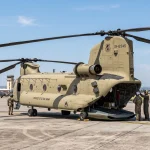
- CH-47F: A modernized version equipped with advanced avionics, upgraded engines, and a digital cockpit. This variant is crucial for the U.S. Army, providing enhanced operational capabilities and a tan desert camouflage finish for deployments in arid environments.
- MH-47G: Tailored for special operations, the MH-47G features advanced sensors, aerial refueling capabilities, and enhanced survivability. Its stealthy appearance and specialized systems make it ideal for covert missions requiring tactical flexibility.
- HC2: A British variant modified to meet the specific requirements of the Royal Air Force, featuring structural reinforcements and mission-specific upgrades while retaining a traditional olive-green finish.
Specialized Variants and Their Roles
Each variant serves distinct roles, reflecting the evolution of military requirements. For instance, the MH-47G, with its advanced technology like night vision and secure communications, is pivotal for special operations forces engaged in sensitive missions. The CH-47F, meanwhile, supports routine logistic operations, frequently making it a familiar sight in military transport scenarios.
This diversity in models not only showcases the Chinook’s adaptability but also highlights its importance across various military operations, ensuring that it meets the evolving demands of modern warfare. As the military continues to modernize its fleet, future developments may introduce even more specialized variants to address emerging challenges in aviation and combat operations.
Chinook in Action: Notable Missions and Operations
The CH-47 Chinook has a storied history marked by numerous notable missions that showcase its capabilities as a heavy-lift helicopter. One of the most remarkable instances occurred during the Vietnam War, where the Chinook played a critical role in transporting troops and supplies to inaccessible areas. Its tandem rotor design allowed it to carry significant payloads, making it indispensable for logistically challenging operations in the dense jungles of Southeast Asia.
Throughout its service, the Chinook has been instrumental in humanitarian missions as well. For instance, following the 2010 earthquake in Haiti, Chinooks were employed to deliver essential supplies, including food and medical aid, to areas where roads were devastated. This adaptability extends beyond conflict zones, highlighting the helicopter’s role in disaster relief and showing how it can make a difference in emergencies.
Moreover, the Chinook has taken part in various international operations. In Afghanistan, it was prominently used for troop insertions and medical evacuations, demonstrating its versatility. During Operation Anaconda in 2002, CH-47s carried special forces into the rugged terrains of the Shah-i-Kot Valley, showcasing their capacity to operate in hostile environments where other aircraft might falter. The helicopter’s design and operational flexibility contributed to its effectiveness in these high-stakes situations.
In honoring those who have served, it’s crucial to acknowledge the sacrifices made during these missions. Accidents involving Chinooks, like others in military aviation, remind us of the risks faced by service members. Each incident represents a loss not only for the military but for families and communities. As we appreciate the Chinook’s operational prowess, we also honor the lives lost in service, ensuring their stories are remembered alongside the helicopter’s legacy.
The legacy of the CH-47 Chinook is a testament to its unique ability to adapt to diverse mission requirements, proving itself as a heavy-lift champion in both battlefields and humanitarian efforts across the globe.
Cultural Impact: The Chinook’s Presence in Media
The CH-47 Chinook helicopter, renowned for its heavy-lift capabilities, has established a significant presence in popular culture and media, solidifying its status as an iconic symbol of military aviation. From feature films to television series and video games, the Chinook frequently appears, showcasing its vital role in operations and its impressive technical design.
In film and television, the Chinook often serves as a dramatic visual element, enhancing the authenticity of military-themed narratives. Notable examples include its appearance in movies like “Black Hawk Down,” where it underscores the intensity of combat scenarios, and various documentaries that highlight military operations, illustrating the helicopter’s versatility and power. These portrayals not only entertain but also educate audiences on the functionality and importance of heavy-lift helicopters in real-world scenarios.
Chinook in Gaming and Simulation
Moreover, the Chinook has made its mark in the gaming community, with numerous titles simulating military operations utilizing this helicopter. Games such as “Call of Duty” and “Battlefield” feature the Chinook, allowing players to engage in tactical helicopter insertions and extractions. This interactive approach gives players a taste of the skills required to pilot such an aircraft, stimulating interest in aviation careers among younger audiences.
Cultural Symbolism and Community Engagement
Beyond entertainment, the Chinook symbolizes resilience and operational capability, often associated with humanitarian efforts and disaster relief. Its use in real-life events, such as delivering supplies during natural disasters, is frequently highlighted in media reports, reinforcing the positive impact of military resources in civilian crises. Aviation enthusiasts and aspiring pilots are inspired by these stories, contributing to a wider appreciation for rotorcraft and military service.
The presence of the Chinook in diverse media contexts helps foster a greater understanding and respect for its contributions to both military operations and humanitarian efforts. Engaging storytelling combined with realistic portrayals can not only captivate audiences but also honor the brave individuals who operate these helicopters, exemplifying their commitment to service and community.
Future Developments: What’s Next for the Chinook?
The CH-47 Chinook continues to evolve in response to the increasing demands of modern warfare and humanitarian missions, ensuring it remains at the forefront of heavy-lift aviation. One of the most significant advancements is the introduction of the CH-47F Block II configuration, which promises enhanced lift capabilities, increased range, and improved payload capacity. This innovative variant is designed with modernized structural features that address the need for greater operational efficiency and reliability, allowing the Chinook to thrive in contested environments where logistical challenges are heightened [[1]].
Technological Innovations
Future developments also focus on integrating advanced avionics and autonomous systems. Boeing is actively exploring automation features to enhance pilot situational awareness and reduce workload, particularly during complex operational scenarios. These enhancements could potentially lead to mixed-crew operations, where a combination of human pilots and automated systems work together, improving safety and effectiveness in mission execution [[2]].
Operational Versatility
The Army’s commitment to rapidly fielding these enhanced capabilities signifies a transformative phase for the Chinook. Units will receive CH-47F Block II helicopters that not only modernize the heavy-lift fleet but also ensure strategic advantages in large-scale combat operations. This shift underscores the helicopter’s versatility in both military and humanitarian missions, paving the way for future capabilities that can adapt to a broader range of operational environments [[3]].
The continued evolution of the Chinook is a testament to its resilience and adaptability. As technology progresses and operational requirements shift, future versions of the Chinook are likely to include even more sophisticated features, further solidifying its status as a cornerstone of military aviation and a critical asset for disaster response efforts globally. This commitment to modernization not only enhances the helicopter’s performance but also inspires a new generation of aviators ready to take on the challenges of tomorrow’s skies.
Chinook Maintenance and Safety Practices
The reliability of the CH-47 Chinook, known for its exceptional heavy-lift capabilities, fundamentally depends on rigorous maintenance and safety practices. Effective maintenance protocols help ensure that the Chinook remains airworthy, performing at optimal levels in various challenging environments. Regularly scheduled maintenance is crucial; the Chinook undergoes detailed inspections every 25, 50, and 100 flight hours to identify and rectify any issues before they can affect performance or safety. Such structured intervals not only prolong the aircraft’s lifespan but also ensure mission readiness.
One of the unique aspects of Chinook maintenance is the integration of advanced technologies in its upkeep processes. Mechanics utilize state-of-the-art diagnostic tools to assess the helicopter’s systems quickly. For instance, predictive maintenance analytics can leverage data from various sensors to forecast when specific components might fail, allowing for proactive replacements. This approach minimizes downtime and enhances the safety of operations since potential issues are addressed before they become critical.
Safety practices involve not only the aircraft’s mechanical health but also the certification and training of maintenance personnel. Technicians must complete extensive training programs that cover everything from basic mechanical skills to advanced avionics and systems knowledge. This educational foundation is essential, as it ensures that those handling the Chinook understand the complexities of its multifaceted systems and can execute maintenance tasks effectively. Regular safety audits and training refreshers are imperative for maintaining high standards in maintenance operations.
While the Chinook has a remarkable safety record, like any aircraft, it has faced challenges. Reports of incidents often serve as important learning opportunities. For example, when mechanical failures have occurred, investigations have led to improvements in maintenance protocols or even design modifications in newer Chinook models. By learning from past experiences, the U.S. Army and its allied forces continue to uphold safety and reliability as paramount priorities in their operational practices, reinforcing the Chinook’s reputation as a cornerstone of military aviation.
FAQ
Q: What is the maximum payload capacity of a CH-47 Chinook helicopter?
A: The CH-47 Chinook helicopter boasts an impressive maximum payload capacity of approximately 26,000 pounds. This capability allows it to transport heavy and oversized cargo, making it essential for military logistics and humanitarian missions.
Q: How fast can the CH-47 Chinook fly?
A: The CH-47 Chinook can reach speeds of up to 170 knots (about 196 miles per hour). This speed, combined with its heavy-lift capacity, makes it a vital asset for rapid troop and equipment deployment in various operations.
Q: What type of missions is the CH-47 Chinook commonly used for?
A: The CH-47 Chinook is commonly used for transporting troops and supplies, conducting medical evacuations, and performing specialized missions such as aerial firefighting and disaster response. Its versatility makes it a crucial component of military and civilian operations.
Q: What distinguishes the CH-47 Chinook from other helicopters?
A: The CH-47 Chinook is distinguished by its tandem rotor design, which enhances lift capacity and stability. This unique configuration allows it to perform effective heavy-lift operations in diverse environments, setting it apart from conventional helicopters.
Q: How does the CH-47 Chinook handle different terrains?
A: The CH-47 Chinook is designed to operate in various terrains, including mountains, jungles, and urban environments. Its powerful engines and robust design allow it to navigate challenging landscapes, ensuring reliable performance in all conditions.
Q: What are the key features of the CH-47 Chinook’s avionics system?
A: The CH-47 Chinook is equipped with advanced avionics systems, including digital displays, flight management systems, and enhanced navigation tools. These technologies improve situational awareness and operational efficiency, facilitating precise and safe flying.
Q: What training is required to pilot a CH-47 Chinook?
A: Pilots must undergo specialized training, including technical instruction on helicopter systems, flight simulation, and hands-on flying experience. Completion of the U.S. Army’s flight school is essential for aspiring Chinook pilots, along with obtaining appropriate rating certifications.
Q: How is maintenance performed on the CH-47 Chinook?
A: Maintenance of the CH-47 Chinook involves regular inspections, preventive maintenance, and repairs performed by trained personnel. Adhering to strict maintenance protocols ensures the helicopter’s reliability and safety for ongoing operations. For more details, check the section on “Chinook Maintenance and Safety Practices.”
Concluding Remarks
The CH-47 Chinook helicopter stands out as a remarkable heavy-lift beast, showcasing its vital role in military and civilian operations alike. With its impressive capabilities, this helicopter not only transports cargo but also carries the potential for exciting career paths in aviation. If you’re intrigued by the engineering marvels behind aviation, don’t miss our articles on helicopter mechanics and the future of military aviation.
Ready to dive deeper into the world of helicopters? Subscribe to our newsletter for updates and insights, or explore our guides on rotorcraft innovation and pilot training resources. Your journey into aviation excellence begins here! Share your thoughts or questions in the comments below, and join our community of enthusiastic helicopter fans. Keep flying high with knowledge and curiosity!
Get our latest guides, news, and insights highlighted in your Google Search & AI Overviews.