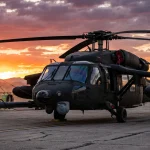
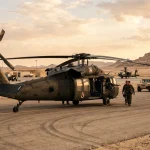
The Black Hawk helicopter is not just a remarkable flying machine; it’s a symbol of versatility and resilience in aviation. From military missions to search-and-rescue operations, the Black Hawk has proven time and again to be a reliable partner in critical situations. As you explore the various models and capabilities of this iconic helicopter, you’ll discover how it has shaped modern aviation and influenced countless careers. Whether you’re an aspiring pilot or simply fascinated by aircraft, understanding the Black Hawk’s significance opens the door to a world of aerial innovation and adventure. Join us as we delve into the rich history, technical specifications, and notable variants of the Black Hawk, illuminating its profound impact on both military and civilian aviation.
What Makes the Blackhawk Helicopter Unique?
The Sikorsky UH-60 Black Hawk helicopter is a remarkable feat of engineering and design, making it one of the most versatile military helicopters in the world. What sets the Black Hawk apart is its adaptability; it can quickly convert between various roles such as troop transport, medical evacuation, and cargo lift. This multifunctionality is further enhanced by its spacious cabin, which can be modified with different seating and equipment configurations to meet mission-specific needs.
Moreover, its durability and resilience in challenging environments make the Black Hawk a dependable asset for the U.S. military and allied forces. Features such as redundant systems for critical components, advanced avionics for navigation and communications, and the ability to operate in extreme weather conditions contribute to its unique status. The helicopter’s versatility is underscored by the extensive range of operational missions it has successfully undertaken since its introduction in the late 1970s, ensuring that it remains a mainstay in the aerial combat and support segments of the armed forces.
Additionally, the helicopter’s design incorporates lessons learned from previous models, such as the UH-1 Iroquois, leading to significant improvements in safety and performance. The Black Hawk’s ability to carry heavy loads while maintaining speed and agility further solidifies its reputation. Beyond its military applications, the Black Hawk has also made its mark in popular culture and has inspired numerous adaptations and portrayals in films and television, exemplifying its status as an iconic symbol of modern aviation.
A Brief History of the Blackhawk Model
The Sikorsky UH-60 Black Hawk helicopter has a rich history marked by innovation and resilience, serving as a cornerstone of the U.S. military’s aviation capabilities since its inception. It all began in the late 1970s when the U.S. Army sought a versatile and durable aircraft to replace the aging UH-1 Iroquois. The design process was initiated in 1974, and by December 1976, the Army awarded Sikorsky the contract to develop the UH-60A model, paving the way for a new era of military aviation. The first production Black Hawk was completed in 1978, quickly showcasing its capabilities in various roles, from troop transport to medical evacuation.
Since its introduction, the Black Hawk has undergone significant advancements, adapting to the evolving demands of modern warfare. The design incorporates elements that enhance safety and performance, such as armored plating, advanced avionics, and improved rotor systems. Over the years, the Black Hawk family has expanded to include various variants tailored for specific missions, which have proven invaluable during conflicts from the Gulf War to recent operations in Afghanistan and Iraq. Each iteration has refined its capabilities, providing the flexibility needed to meet complex operational needs.
Similarly, the Black Hawk’s resilience has been tested through numerous challenging missions, and it has emerged as a reliable platform in highly demanding environments. This ruggedness is matched by a deep commitment to pilot and crew safety, with stringent design features that protect in combat situations. Acknowledging the human aspect, it’s important to remember the brave personnel who have flown and worked on these helicopters, especially those who lost their lives during daring missions.
Overall, the history of the Black Hawk helicopter reflects a legacy of continuous improvement and adaptability, making it an iconic symbol of military aviation. As it moves forward, the Black Hawk continues to evolve, maintaining its relevance in a rapidly changing combat landscape. This ability to adapt not only speaks to its engineering excellence but also underlines the dedication of those who design, operate, and support these remarkable machines.
Understanding the Different Blackhawk Variants
The Black Hawk helicopter family is impressive not only for its robust capabilities but also for the variety of specialized variants designed to meet diverse mission requirements. Each variant of the Black Hawk is uniquely tailored, making it an extraordinary platform for various military operations, disaster relief efforts, and other critical missions. Understanding these variants helps to appreciate the ingenuity and versatility of the Black Hawk design.
One of the most prominent variants is the UH-60A, which began service in the 1980s. This model laid the groundwork for future enhancements and was pivotal during conflicts such as the Gulf War. Building on the A model, the UH-60L introduced upgrades in power and avionics, enhancing its operational range and utility. The most advanced model currently in service is the UH-60M, which features state-of-the-art technology, improved survivability, and advanced avionics, making it ideal for complex missions.
In addition to the utility variants, the Black Hawk family includes specialized helicopters such as the HH-60W Combat Rescue Helicopter, designed for personnel recovery missions in hostile environments. This variant incorporates features that enhance its survivability and mission capabilities, such as advanced navigation and communication systems. The SH-60 Seahawk is another derivative, used primarily by the U.S. Navy for maritime operations and anti-submarine warfare, showcasing the Black Hawk’s adaptability to different environments and mission profiles.
Moreover, the Black Hawk’s ability to evolve is exemplified by its transformation into the UH-60V, which was recently unveiled and incorporates modern avionics systems and improved flight control technology, ensuring the helicopter remains relevant in contemporary warfare scenarios. As military needs change, the Black Hawk variants continue to adapt, solidifying their status as crucial assets in any operational theater.
Understanding these different models and their capabilities provides insight into how the Black Hawk has maintained its status as a cornerstone of military aviation for decades, fulfilling critical roles from transport and rescue to combat support. Whether for aspiring pilots or aviation enthusiasts, the breadth of the Black Hawk’s capabilities emphasizes the importance of innovation in military aviation.
Key Features of the Blackhawk Helicopter
The Black Hawk helicopter, a true icon of military aviation, is renowned for its versatility and robust design, making it a favorite among military and rescue operations worldwide. One of its primary features is its multi-mission capability, allowing it to perform various roles ranging from troop transport and medical evacuation to search and rescue. This flexibility is largely attributed to its spacious cabin, which can accommodate a wide array of configurations, depending on the mission’s demands.
Another standout characteristic is the helicopter’s advanced avionics and flight systems, particularly in the newer UH-60M model. This variant incorporates cutting-edge technology, including a digital cockpit and improved flight management systems, that increase situational awareness and operational effectiveness. Enhanced survivability features, such as ballistic-resistant armor and redundant systems, further ensure that the Black Hawk can endure in hostile environments, providing crucial support to ground troops.
Key Features
- Multirole Capability: Adapts to various tasks, including transport, medical evacuation, and search and rescue missions.
- Advanced Avionics: Equipped with modern navigation and communication systems that improve operational efficiency.
- Enhanced Survivability: Features such as armor plating and multiple redundancy systems that protect the crew and passengers.
- Versatile Cabin Space: Configurable interior allows for rapid adjustments to meet specific mission requirements.
The Black Hawk also excels in payload capacity, allowing it to carry significant weights, whether that be soldiers, medical supplies, or equipment. Specifically, it can transport up to 11 fully equipped troops or carry vital supplies in support of ground operations. This capability has made it indispensable in both combat scenarios and humanitarian missions.
As for aspiring pilots, training focuses not only on technical operation but also on the ability to execute complex missions in challenging environments. The Black Hawk’s unique attributes, such as its superior handling and performance across diverse conditions, make it a thrilling aircraft to fly, while the responsibility of ensuring mission success and crew safety is a continuous motivator for aspiring aviators. The blend of cutting-edge technology and rich legacy makes the Black Hawk an enduring symbol of power and reliability in the skies.
Blackhawk vs. Other Military Helicopters
The Black Hawk helicopter stands out in the military aviation landscape, not just for its storied history and robust capabilities, but also when compared to its contemporaries. Its adaptability makes it a go-to for various missions, but how does it stack up against other prominent military helicopters like the AH-64 Apache or the CH-47 Chinook?
When contrasting the Black Hawk with the Apache, one must realize that these helicopters serve distinct yet complementary roles. The Apache is primarily an attack helicopter, specializing in close air support and armed reconnaissance. Equipped with advanced targeting systems and a formidable arsenal, it excels in direct combat scenarios. In contrast, the Black Hawk focuses on transport, medical evacuation, and troop insertions, showcasing its versatility. The Black Hawk’s multi-mission capability allows it to reshuffle between roles, whether it’s transporting soldiers or providing critical logistical support, which is something the Apache cannot do.
Next, consider the CH-47 Chinook, known for its heavy-lift capabilities. With a tandem rotor design, the Chinook can carry larger payloads over longer distances, making it essential for moving equipment and troops in supply-chain operations. However, when it comes to tasks requiring agility and versatility in urban environments, the Black Hawk takes the edge. Its smaller size, lower operating altitude, and advanced avionics enable it to navigate complex terrains and situations, providing unique advantages, particularly in rapid-response scenarios.
Furthermore, the Black Hawk has undergone numerous upgrades, particularly in its avionics and survivability features. These improvements mean that while the helicopter retains its foundational design, it stays competitive with newer models. Enhanced systems in the latest UH-60M variants include digital cockpits and improved flight management technology, positioning it well against more modern aircraft.
In essence, while the Black Hawk may not specialize as strictly as its counterparts, its multipurpose design and adaptability allow it to meet a wide range of mission requirements-making it a versatile cornerstone of U.S. military operations. This spectrum of capability is why, across the globe, the Black Hawk remains a respected choice for military leaders facing diverse operational demands.
The Role of Blackhawk Helicopters in Modern Warfare
The UH-60 Black Hawk helicopter has cemented its role as an indispensable asset in modern warfare, showcasing unparalleled versatility and reliability in a variety of mission profiles. From high-stakes air assaults to life-saving medical evacuations, the Black Hawk is engineered to perform in hostile environments, adapting to the dynamic needs of the battlefield. Its ability to operate effectively at night and in adverse weather conditions further amplifies its strategic utility, making it a vital component of military operations worldwide.
Several key roles define the Black Hawk’s contribution to contemporary warfare:
Combat Support and Troop Transport
The Black Hawk excels in troop transport, capable of carrying up to 11 fully armed soldiers. This capacity allows swift deployment and extraction of personnel in combat zones, crucial for maintaining the mobility and effectiveness of ground forces. Its durability and speed facilitate rapid maneuvers, enabling troops to engage the enemy or retreat under fire when necessary.
Medical Evacuation (MEDEVAC)
One of the most critical functions of the Black Hawk is its role in medical evacuations. Equipped with specialized medical interiors, the UH-60 can swiftly transport injured soldiers to field hospitals, significantly increasing their chances of survival. This capability was prominently demonstrated during the conflicts in the Middle East, where the speed of MEDEVAC operations has saved countless lives.
Logistical Support
Logistics is another crucial area where the Black Hawk shines. It can carry supplies, ammunition, and equipment directly to frontline units, ensuring that troops remain sustained and effective in prolonged engagements. This logistical flexibility is vital during operations where ground transport may be compromised due to enemy activity or challenging terrain.
Reconnaissance and Situational Awareness
While primarily a transport helicopter, the Black Hawk can be outfitted with advanced surveillance and reconnaissance equipment. This adaptation allows it to gather intelligence and provide real-time situational awareness to commanders, enhancing operational planning and response strategies.
The adaptability of the Black Hawk has enabled it to meet diverse challenges in modern warfare, and its legacy continues to evolve. As military strategies become increasingly complex and technology advances, the Black Hawk remains a linchpin of U.S. military operations, illustrating a commitment to swift, effective, and versatile air capabilities on the modern battlefield.
Blackhawk Helicopter Specifications and Performance
The Black Hawk helicopter is renowned for its impressive specifications and performance, which contribute to its status as a vital asset in military aviation. Designed to perform a wide range of missions, the UH-60 Black Hawk boasts a highly capable powertrain, advanced avionics, and a robust structure to withstand the rigors of combat.
At the heart of the Black Hawk’s performance lies its dual-engine configuration. The latest UH-60M variant features two General Electric T700-GE-701D engines, each capable of producing up to 1,800 shaft horsepower. This powerful setup allows the helicopter to achieve a maximum speed of approximately 193 knots (around 222 mph) and a service ceiling of about 20,000 feet, providing operational versatility in various environments. Coupled with its advanced rotor system, the Black Hawk can hover efficiently and maneuver nimbly, even in challenging conditions.
In terms of dimensions, the Black Hawk measures approximately 64 feet long (including the rotors), has a rotor diameter of 53 feet, and stands around 16 feet high. Its sizable cabin can accommodate up to 11 soldiers in a combat configuration or transport critical supplies, enabling rapid troop movement and logistical support in the field. The versatility of the helicopter extends to various mission profiles, from carrying medical equipment for MEDEVAC operations to functioning as a command and control platform equipped with advanced communication systems.
The durability of the Black Hawk is also noteworthy. Its airframe incorporates ballistic armor and redundancies in flight systems, ensuring resilience during hostile engagements. Recent variants have been equipped with modern technology, such as Integrated Vehicle Health Management Systems (IVHMS) that monitor the helicopter’s operational status, and advanced navigation systems that enhance situational awareness, even at night or in adverse weather conditions.
In summary, the specifications and performance of the Black Hawk helicopter make it a powerhouse of military aviation. Its combination of speed, lift capacity, durability, and modern technology showcases its ability to adapt to the often-unpredictable demands of modern warfare-a testament to its enduring role in the U.S. military and beyond.
Innovative Technology Behind the Blackhawk
The Black Hawk helicopter stands out in military aviation, not just for its rugged design and performance capabilities but also for its innovative technology that drives its operational versatility. One of the key advancements is the integration of the Sikorsky MATRIX™ autonomy system, which allows for autonomous flight. This system enables the aircraft to execute missions with real-time command inputs, significantly enhancing operational efficiency and safety. For instance, military operators can use a tablet connected via a datalink to issue commands from up to 300 miles away, allowing the helicopter to navigate and complete tasks independently, without ongoing pilot input [[1]].
Advanced Avionics and Navigation Systems
The Black Hawk’s avionics suite is another area where innovation thrives. Equipped with sophisticated navigation and communication technologies, the helicopter can perform under various conditions, including low visibility or adverse weather. Advanced Integrated Vehicle Health Management Systems (IVHMS) monitor the helicopter’s operational status, providing real-time data about its systems and aiding in predictive maintenance. This capability not only enhances mission success but also ensures crew safety and reduces downtime for maintenance.
Increased Operational Capability
Recent developments have also seen transitions to more modern variants, such as the S-70UAS™ U-Hawk™ which boasts enhanced cargo space and the ability to autonomously handle logistics missions. This version allows for oversized load accommodations and a streamlined operational process, from loading cargo to computing flight plans, all managed through a simple user interface on a tablet. These technological strides exemplify how the Black Hawk continues to evolve, ensuring it remains a front-line asset in various military applications [[3]].
Overall, the innovative technology behind the Black Hawk helicopter illustrates a commitment to increasing its capabilities while prioritizing the safety and effectiveness of its missions. As the demands of battlefield operations change, the Black Hawk adapts, confirming its role as a resilient and indispensable component of military aviation.
Training and Career Paths for Aspiring Blackhawk Pilots
Aspiring to fly one of the most renowned helicopters in the world, like the Black Hawk, can ignite a passion that blends adventure with purpose. The Black Hawk helicopter, trusted by military forces worldwide, offers a demanding yet rewarding career path for pilots. To embark on this journey, specific training and qualifications are essential.
Begin by mapping out your pilot training journey. Typically, military pilots start their careers by enrolling in a military academy or an officer training program, leading to learning how to operate multi-mission helicopters. For those aiming specifically for the Black Hawk, programs focusing on a combination of flight training and tactical operations are crucial. Training options such as the Tactical Flight Instructor Program ensure that candidates not only become proficient in flying the Black Hawk but also master advanced techniques, including NVG operations and combat scenarios with ground forces [[3]].
For civilian pilots, there are specialized training centers offering H-60/S-70 Black Hawk flight training. These programs not only teach essential operation skills but also provide hands-on experience in actual Black Hawk aircraft. Facilities like Aeroluxe Aviation are dedicated to preparing pilots through customized training programs that equip them for a variety of missions, including search and rescue operations and aerial firefighting [[2]]. Aspiring pilots should also consider obtaining advanced certifications, as these can enhance job prospects and operational capabilities.
Networking within the aviation community can open doors to various career opportunities. Many ex-military pilots transition to civilian roles, applying their combat experience in sectors such as law enforcement or emergency services. As the helicopter industry continues to grow, with increasing demand for experienced pilots, there are ample opportunities in both military and civilian spheres for those willing to invest effort and training into this exciting field.
The Future of the Blackhawk Helicopter
The Black Hawk helicopter has firmly established itself as a pillar of military aviation, enduring decades of service and evolution. However, as the U.S. Army and other military forces face emerging threats and technological innovations, the future of the Black Hawk is an exciting topic of discussion. Currently, the U.S. Army is focusing on maintaining and upgrading the existing fleet of UH-60 Black Hawks while looking towards next-generation aircraft to meet future operational needs. This dual approach shows a commitment to harnessing the Black Hawk’s proven capabilities while preparing for advancements in aerial warfare.
To ensure the Black Hawk remains relevant, the Army is investing in upgrades that enhance its functionalities, including advanced avionics, improved weapon systems, and integration with unmanned aerial systems. These enhancements aim to equip the helicopter with the capabilities needed for a range of missions from tactical troop transport to search and rescue operations. Emerging technologies such as autonomous systems are also being explored to alleviate pilot workload and improve mission efficiency. The objective is to support current engagements while future-proofing the Black Hawk for scenarios that may arise over the coming decades, ensuring it can meet the demands of modern warfare through 2030 and beyond [[3]].
Moreover, the Army’s Future Long-Range Assault Aircraft (FLRAA) program, which includes new aircraft like the Bell V-280 Valor, indicates a strategic shift towards new platforms. However, the Black Hawk will still play a vital role in bridging current capabilities with future requirements. As the Army transitions into the next generation of aviation assets, the operational experience and legacy of the Black Hawk will significantly influence its ongoing evolution in both military and civilian contexts.
In popular culture and civilian applications, the Black Hawk continues to capture imaginations and represents cutting-edge aviation technology. The impact of the helicopter on modern warfare, rescue operations, and even media portrayals showcases its versatility and significance. As the Black Hawk adapts to new challenges while retaining its storied reputation, future pilots and enthusiasts can expect ongoing innovation and a commitment to excellence in this remarkable aircraft.
Blackhawk Helicopters in Popular Culture
The Black Hawk helicopter has not only proved its worth in military operations but has also etched itself into the fabric of popular culture. Its silhouette has become synonymous with cutting-edge aeronautics, showcasing remarkable versatility that captivates both enthusiasts and casual observers alike. From blockbuster films to video games and television shows, the Black Hawk is often depicted as a formidable warrior of the skies, embodying the heroics of military aviation.
Film and Television Appearances
The Black Hawk gained significant fame through its portrayal in films such as “Black Hawk Down,” which depicts the harrowing 1993 Battle of Mogadishu. This production brought to light the intense real-life events involving U.S. forces, emphasizing the courage and sacrifice of those who flew these helicopters. Such stories resonate deeply, honoring the lives lost and the valor displayed during combat missions. The film not only showcased the Black Hawk’s capabilities but also sparked interest in military aviation among viewers worldwide.
Video Games and Merchandise
In the realm of video games, the Black Hawk helicopter consistently serves as a beloved choice among players in titles like “Call of Duty” and “Battlefield.” These games frequently feature detailed models of the UH-60, allowing players to experience the thrill of aerial combat firsthand. Accompanying the gaming phenomenon are various merchandise items, from model kits to apparel, solidifying its status as a cultural icon. Such representations ensure that the essence of the Black Hawk transcends the battlefield, appealing to a broad audience.
Symbol of Heroism and Innovation
Moreover, the Black Hawk stands as a symbol of heroism, showcasing the bravery of pilots and crew members who undertake perilous missions. Documentaries and news segments have complemented its cinematic portrayals, emphasizing real-life operations where Black Hawks played crucial roles, such as disaster relief and medical evacuations. This dual representation solidifies the helicopter’s identity not only as a military asset but also as a lifeline in times of crisis.
The narrative surrounding the Black Hawk helicopter is multifaceted, engaging diverse audiences while reflecting the technological innovations that define modern military aviation. Whether through entertaining stories or educational content, the Black Hawk continues to inspire, attracting new generations of aviation enthusiasts and aspiring pilots eager to understand and engage with its legacy and capabilities.
Maintenance and Upgrades for the Blackhawk Model
Maintenance is crucial in keeping the Black Hawk helicopter operational and safe, ensuring it continues to meet the demanding standards of military missions. From routine checks and replacements to advanced upgrades, the maintenance process protects the helicopter’s intricate systems and enhances its longevity and performance.
Regular maintenance tasks generally include oil and filter changes, inspections of vital components, and repair of wear and tear. Technicians must follow a detailed checklist and adhere to strict guidelines to ensure that each Black Hawk is in top condition before it takes to the skies. For example, the airframe and rotor systems are subjected to inspections for structural integrity, while avionics are updated regularly to ensure all navigational and communication systems are operational.
Upgrades and Innovations
As technology advances, so does the need for upgrades. Black Hawk helicopters can be retrofitted with the latest avionics, weapon systems, and defense mechanisms, enhancing their capabilities. Upgrades might include improved night vision systems, advanced weather radar, or even new survivability enhancements. These modifications are essential, allowing the helicopters to maintain a competitive edge in various environments and mission types.
Emerging systems also rely on robust maintenance protocols. For example, the integration of the H-60 Crash Damage Repair System utilizes a Laser Tracker Aircraft Alignment Fixture. This system ensures precise alignment and damage assessment post-mission, allowing for efficient repair and less downtime, which is vital in military operations where every moment counts [[1]].
Additionally, the Black Hawk’s ability to undergo major modifications makes it a versatile platform. The military can adapt it for various roles-such as medical evacuation or logistical support-by modifying internal configurations without a complete redesign. This adaptability is a testament to its functional design and maintenance philosophy, underscoring the importance of innovative upgrades to extend the helicopter’s operational lifespan in changing warfare dynamics.
In summary, diligent maintenance paired with strategic upgrades ensures that the Black Hawk helicopter remains a reliable asset in military operations. Whether through routine processes or the integration of cutting-edge technology, the commitment to keeping these aircraft at peak performance is what defines their legendary status in aviation history.
Frequently asked questions
Q: What is the history of the Blackhawk helicopter?
A: The Blackhawk helicopter, officially known as the Sikorsky UH-60, was introduced into service in 1979. Designed primarily for the U.S. Army, it has participated in numerous missions worldwide, demonstrating versatility and reliability in combat and humanitarian operations. For more detailed history, refer to the section on “A Brief History of the Blackhawk Model.”
Q: What are the primary uses of the Blackhawk helicopter?
A: The Blackhawk helicopter is primarily used for troop transport, medical evacuation, and cargo transport. Its versatility allows it to perform various missions, from special operations to search and rescue. Explore “The Role of Blackhawk Helicopters in Modern Warfare” for more insights.
Q: How does the Blackhawk compare to other military helicopters?
A: The Blackhawk stands out due to its advanced technology, payload capacity, and ability to operate in diverse environments. Compared to other military helicopters, it offers superior maneuverability and multi-role capabilities. More comparisons can be found in “Blackhawk vs. Other Military Helicopters.”
Q: What are the different variants of the Blackhawk helicopter?
A: The Blackhawk helicopter comes in several variants, including the UH-60A, UH-60L, and UH-60M, each designed for specific missions and enhancements. These variants feature improvements in avionics, performance, and payload capacity. For details, refer to “Understanding the Different Blackhawk Variants.”
Q: What is the maximum cargo capacity of a Blackhawk helicopter?
A: The Blackhawk helicopter can carry a maximum weight of up to 8,000 pounds (approximately 3,628 kg) for external loads, while the internal troop capacity varies based on mission configuration. Check out “Blackhawk Helicopter Specifications and Performance” for more specifications.
Q: What are the key features that make the Blackhawk unique?
A: Key features of the Blackhawk include its twin-engine configuration, advanced avionics, and high agility. It also has a distinctive design that allows for versatility in various operational roles, from combat to logistical support. For an in-depth look, see “Key Features of the Blackhawk Helicopter.”
Q: What pilot training is required to fly a Blackhawk helicopter?
A: Pilots must complete military flight training, which includes basic flight maneuvers, helicopter systems, and advanced operational tactics on the Blackhawk helicopter. Specific training programs vary by military branch. For details on career paths, explore “Training and Career Paths for Aspiring Blackhawk Pilots.”
Q: What advancements are expected for future Blackhawk helicopters?
A: Future enhancements for Blackhawk helicopters are expected to focus on more advanced avionics, improved fuel efficiency, and autonomous flight capabilities. These upgrades aim to further enhance their operational effectiveness in modern warfare. For future insights, see “The Future of the Blackhawk Helicopter.”
Future Outlook
As we wrap up our exploration of the Blackhawk helicopter, it’s clear that this versatile aircraft serves crucial roles in military operations and emergency response. If you’re intrigued by its unique capabilities, consider diving deeper into our related articles on military helicopter advancements and the latest in aerial rescue technologies.
Don’t miss out on the opportunity to enhance your understanding of rotorcraft-a wealth of resources await! Whether you’re an aviation enthusiast or looking to start a career in the field, our comprehensive guides offer insights into various helicopter types and operational uses.
Stay updated by signing up for our newsletter, where you’ll receive expert tips and updates directly to your inbox. Join the conversation-share your thoughts or experiences in the comments below, and connect with fellow helicopter lovers. Your next adventure in aviation starts here!
Get our latest guides, news, and insights highlighted in your Google Search & AI Overviews.