The Bell UH-1 Iroquois, affectionately known as the “Huey,” has become synonymous with military aviation and versatility since its first flight in the 1950s. With a storied history of transporting troops and providing critical support in combat, understanding the Huey’s range is vital for enthusiasts, pilots, and military historians alike. The helicopter’s design allows it to cover considerable distances, making it crucial in both combat and humanitarian missions. As you delve into the specifics of the Huey’s flight distance data, you’ll discover how its capabilities continue to influence modern aviation and save lives. Join us in exploring the remarkable range of this iconic aircraft, and appreciate the engineering that enables it to traverse land and time.
Understanding the Huey Helicopter Range
The UH-1 Iroquois, commonly known as the Huey, is renowned for its versatility and effectiveness, making it a vital asset in various military and civilian roles. One of the most critical aspects of the Huey is its operational range, which can vary significantly based on numerous factors, including payload, altitude, and flight conditions. The standard range for a UH-1H is approximately 200 miles (about 322 kilometers) under optimal conditions, but this can fluctuate based on the aforementioned influences.
Fuel capacity plays a crucial role in determining how far a Huey can travel. The main fuel tank allows the helicopter to carry up to 220 gallons (approximately 832 liters) of aviation fuel. However, the effective range can be considerably altered by how much weight the helicopter is carrying, as well as the flight profile. For example, hovering and making sharp maneuvers generally consume more fuel and reduce distance capability compared to cruising at a steady speed and altitude.
Key Factors Influencing Flight Distance:
- Payload: Heavier loads decrease range due to increased fuel consumption.
- Altitude: Higher altitudes can lead to reduced engine performance, particularly in hot weather, affecting range negatively.
- Weather Conditions: Strong headwinds can significantly reduce effective range, while tailwinds can enhance it.
Maintaining efficient operational practices, such as regular weight assessments and planning for fuel stops during extended missions, can help pilots maximize their range. Additionally, utilizing modern upgrades and technologies can improve the Huey’s fuel efficiency, further enhancing its operational distance. Understanding the variables at play enables better mission planning and execution, ensuring that the Huey continues to serve effectively in various capacities.
Key Factors Influencing Flight Distance

The UH-1 Iroquois, widely known as the Huey, is more than just a helicopter; it embodies a unique flight experience shaped by several critical factors influencing its range. Understanding these can help pilots strategize flight plans that ensure they maximize operational efficiency. Notably, under optimal conditions, the standard flight range of a UH-1H is around 200 miles (approximately 322 kilometers), but this distance can vary widely due to several elements.
- Payload: One of the most significant influences on the Huey’s range is its payload. Heavier loads result in increased fuel consumption, which can drastically shorten the distance the helicopter can travel. Pilots must carefully manage weight, opting for lighter equipment or fewer passengers if possible, particularly for lengthy missions.
- Altitude: The performance of a Huey can vary with altitude. As altitude increases, engine efficiency may decrease, especially in hot conditions. This decrease in power can limit both the height to which the helicopter can ascend and the distance it can cover. Pilots should conduct altitude assessments to avoid unnecessary performance losses during flights.
- Weather Conditions: Weather is another crucial factor that can enhance or diminish a Huey’s effective range. Strong headwinds can severely impede travel distance, while favorable tailwinds could aid in covering more ground. Keeping a close eye on weather forecasts and adjusting flight plans accordingly can lead to more effective mission outcomes.
Ultimately, by understanding these key factors-payload management, altitude adjustments, and weather adaptability-pilots can better navigate the complexities of flight distance. This knowledge not only aids in achieving successful missions but also enhances safety and operational effectiveness in the unpredictable environments often encountered in aviation.
Comparative Analysis: Huey vs. Other Helicopters
Compared to many modern helicopters, the UH-1 Iroquois, or “Huey,” has a remarkable legacy in the aviation world, not only for its history but also for its performance and versatility. Designed for utility and combat support, the Huey typically boasts a range of approximately 200 miles (322 kilometers) under optimal conditions, a figure that invites comparison with other helicopters in its class.
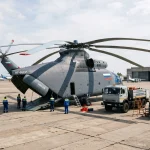
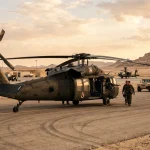
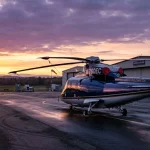
Let’s examine some key differences between the Huey and other helicopters, such as the Sikorsky UH-60 Black Hawk and the Airbus H125. The Black Hawk, a workhorse for the U.S. Army, can fly approximately 300 miles (about 483 kilometers) with a higher maximum payload capacity, making it suitable for extensive troop transport and heavy lift missions. However, its complexity and operating costs can be greater due to advanced features. Conversely, the Airbus H125 is renowned for its agility and efficiency. While its range is somewhat similar (around 300 miles), it excels in single-pilot operations, making it a favorite for utility and surveillance missions.
When discussing operational metrics, it’s essential to consider not just flight distance but also fuel efficiency and payload capabilities. The Huey, while legendary for its ruggedness and adaptability, may fall short in fuel economy compared to modern designs. This is particularly noticeable in combat scenarios where each additional mile covered can greatly deplete fuel reserves.
Moreover, modern helicopters often incorporate advanced aerodynamics and materials that further increase their operational range. For example, newer rotor designs can offer better lift and efficiency, contributing to extended flight capabilities and reduced maintenance needs.
In essence, while the Huey is a respected veteran in the sky, newer helicopters like the UH-60 and the H125 provide enhanced range, payload flexibility, and operational efficiency, making them more suitable for diverse and demanding missions today. However, the Huey’s rich history and continued use in various roles underscore its lasting significance in the evolution of rotary-wing aviation.
Real-Life Flight Distance Examples

During the Vietnam War, the Bell UH-1 Iroquois, commonly known as the “Huey,” became a lifeline for troops in the field. Many pilots and veterans recount real-life missions that pushed the helicopter’s range to its limits, showcasing its versatility and resilience in urgent scenarios. For instance, during operations in remote areas of the jungle, crews routinely flew distances of 150 to 200 miles (about 241 to 322 kilometers) to deliver supplies or evacuate wounded personnel. Under optimal flight conditions, a Huey could achieve its maximum range, but actual mileage often varied due to factors like payload and weather conditions.
In contemporary use, modern variants and upgrades to the Huey have further extended its capabilities. Reports indicate that some missions today can see a Huey covering around 250 miles (400 kilometers) with lighter payloads and advanced piloting techniques. For example, search and rescue operations often rely on the Huey’s ability to travel great distances quickly, allowing teams to reach stranded individuals or assess disaster zones beyond immediate military engagements.
It’s essential to recognize that the Huey’s operational range isn’t just about distance; it also encompasses how effectively crews plan their flights. Pilots often calculate flight distances based on fuel loads, wind conditions, and terrain, enabling them to maximize efficiency and safety. Additionally, factors like altitude greatly influence performance, with higher elevations sometimes limiting the overall range as the rotorcraft requires more power to maintain lift.
In a final note, consider the historical missions that have defined the Huey’s legacy. Combat scenarios, humanitarian aids, and transportation of military leaders all exemplify how the Huey’s range capabilities were tested and proven over decades. From the jungles of Vietnam to modern missions today, the Huey continues to be an emblem of aviation adaptability and endurance.
Maximizing Range: Tips for Pilots
Pilots seeking to maximize the range of the Bell UH-1 Iroquois, or Huey, can employ several key strategies to enhance flight efficiency and distance traveled. Understanding the interplay between weight, fuel management, and atmospheric conditions is crucial for optimal performance.
One of the primary methods to extend range is to minimize the helicopter’s weight by reducing unnecessary onboard cargo. Carefully planning the payload ensures that the Huey operates well within its weight limitations, allowing for greater fuel efficiency. Additionally, ensuring that all non-essential items are left behind can make a significant difference during long flights. Pilots should also be conscious of their fuel load; carrying just enough fuel for the mission while allowing for a safety margin can help improve range without compromising safety.
To further optimize performance, pilots should consider the flight profile they adopt. Flying at a consistent altitude and maintaining a steady speed can enhance fuel efficiency greatly. Utilizing the helicopter’s autopilot systems to maintain a steady cruising speed and altitude can help reduce fuel consumption. Furthermore, flying in favorable weather conditions, such as avoiding strong headwinds and turbulence, can allow the Huey to travel further on less fuel.
Pre-flight planning is essential as well. During the planning phase, pilots should analyze weather patterns, wind forecasting, and air temperature, as these factors directly affect lift and engine performance. Utilizing advanced navigation tools and software can also assist in planning the most fuel-efficient route.
Lastly, monitoring fuel consumption throughout the flight is vital. Pilots should remain vigilant and ready to adjust course or altitude based on real-time fuel data, ensuring they can adapt to changes and maximize their flight distance. By implementing these strategies, pilots can greatly enhance the Huey’s range and ensure successful mission outcomes, whether in military operations or search and rescue scenarios.
Operational Limitations of the Huey
The Bell UH-1 Iroquois, affectionately known as the “Huey,” has a storied legacy in aviation, particularly for its role in Vietnam. However, while the Huey is celebrated for its versatility, it is important to understand its operational limitations, which can significantly impact its range and effectiveness in various missions.
One of the primary constraints on the Huey’s operational range is its fuel capacity. With a standard fuel load of around 180 gallons, the helicopter can cover approximately 250 nautical miles at a cruise speed of about 120 knots under optimal conditions. However, factors such as *weather*, *payload*, and *flight profile* can drastically affect these figures. For example, carrying maximum personnel and equipment not only increases weight but also leads to higher fuel consumption, thus reducing overall range. Additionally, adverse weather conditions such as strong winds or turbulence can necessitate changes in flight plans, further impacting distance capabilities.
Technical Limitations
The engine performance of the Huey is another crucial factor influencing its operational capacities. While the helicopter is designed for reliable performance, high-altitude operations present a challenge. At elevations above 6,000 feet, the air density decreases, leading to reductions in lift and engine efficiency. Consequently, the Huey may struggle to maintain optimal performance, limiting its ability to carry heavy loads or combat support equipment in mountainous regions.
Furthermore, the aircraft’s design emphasizes versatility but comes at the cost of speed and agility compared to more modern helicopters. Many contemporary helicopters boast advanced technologies, higher cruise speeds, and better fuel efficiency. This disparity can make the Huey less suitable for certain missions, particularly those demanding rapid response times or significant extended range capabilities.
Other Influencing Factors
Pilot expertise is also critical in navigating these operational limitations. Experienced pilots can optimize flight profiles and fuel management strategies to extend range effectively. This includes adjusting cruising altitude to maximize lift and minimize drag, as well as proactively managing fuel consumption during flight.
Ultimately, while the Huey remains an iconic symbol of military aviation, understanding these operational limitations is essential for pilots and operators. By recognizing how factors like fuel load, weather conditions, and mechanical constraints affect performance, crews can make informed decisions that enhance the helicopter’s operational effectiveness and mission success. Whether retrieving casualties or executing search and rescue missions, being aware of these limitations allows for greater preparedness and adaptability in various flight scenarios.
The Impact of Payload on Range
The operational range of the Huey helicopter is significantly affected by its payload. As with many aircraft, the weight carried can drastically influence fuel efficiency and overall flight distance. The Bell UH-1 Iroquois, commonly known as the “Huey,” has a maximum useful load of about 6,000 pounds, which includes passengers, cargo, and equipment. When the helicopter is loaded to this capacity, it can consume fuel more rapidly, limiting its operational range and requiring more frequent refueling during missions.
One crucial aspect to consider is how payload affects fuel consumption. Heavier loads demand more power from the engines, particularly during takeoff and ascent. This increased energy expenditure can lead to a noticeable reduction in the helicopter’s effective range. For example, when carrying a full complement of troops and supplies, mission planners must account for this added weight and its implications for flight endurance. Overall, there are several factors to consider:
- Weight Distribution: Uneven loading can place additional stress on the helicopter, affecting its performance and stability.
- Type of Cargo: Different types of equipment may require specific securing methods, affecting the overall weight and balance of the helicopter.
- Mission Requirements: Depending on mission profiles, planners must determine the optimal payload to balance necessary operational capabilities with range constraints.
To maximize range while accommodating a payload, it’s essential for pilots to engage in careful pre-mission planning and weight management. By managing how much weight is carried and adjusting flight tactics, crews can optimize the Huey’s capabilities. They can achieve better fuel efficiency by planning for lighter loads whenever feasible, especially during longer missions where every mile matters.
Ultimately, while the Huey is designed for versatility, understanding the impact of payload on its range allows pilots and operators to make more informed strategic decisions, enhancing mission success and ensuring the aircraft operates within its optimal performance threshold. Whether maneuvering through treacherous terrains or carrying out search-and-rescue operations, teamwork and knowledge of payload implications can profoundly affect the outcome of any mission.
Altitude Effects on Huey Performance
Flying a UH-1 Iroquois, more commonly known as the “Huey,” at higher altitudes presents a unique set of challenges and effects that can significantly impact its performance and operational range. One of the most critical factors that pilots must consider is how altitude affects engine performance and lift capacity. As altitude increases, the density of the air decreases, which means that the rotor blades encounter thinner air. This scenario reduces the amount of lift generated, making it harder for the helicopter to maintain altitude, especially if it’s carrying a heavy payload.
When operating at higher elevations, pilots may find their Huey struggling to achieve the same performance characteristics it exhibits at sea level. The engines of the Huey rely on air density for combustion; as such, they produce less power at altitude. This limitation can require pilots to adjust their flight plan, potentially reducing the weight on board or altering the planned route to avoid high terrain. An important aspect for pilots to keep in mind is the “service ceiling” of the Huey, which generally stands at around 18,700 feet. Above this height, performance can degrade rapidly, and pilots may find it increasingly difficult to control the aircraft effectively.
### Practical Considerations for Pilots
- Flight Planning: Always account for elevation changes when planning a mission. High-altitude areas may need more substantial planning regarding fuel needs and weight considerations.
- Weight Management: Reducing payload is essential at higher elevations. Consider the type and amount of cargo when operating in such environments.
- Altitude Adjustment: Use technique variations, like descending to a lower altitude for pickups or landings, where the performance of the Huey will be more reliable.
### Real-World Example
Throughout its service, especially during the Vietnam War, Hueys routinely operated in mountainous regions, where altitude drastically affected their capabilities. Many missions required creative solutions, like dropping off troops at lower elevations and allowing ground transport to take over. This approach not only preserved the helicopter’s performance but also optimized the operational range by preventing high-altitude performance declines.
The effects of altitude on a Huey’s performance underscore the importance of thorough preparation and flexibility in mission execution. Pilots can enhance their operational effectiveness by fully understanding how altitude influences their aircraft and adjusting their strategies accordingly. As aviation continues to evolve, these insights will remain vital for current and future generations of pilots operating various helicopter types.
Exploring Fuel Capacity and Efficiency
The UH-1 Iroquois, affectionately known as the “Huey,” has long been recognized for its versatility and reliability; however, its fuel capacity and efficiency significantly influence its operational range. The standard fuel capacity of a Huey is approximately 200 gallons, enabling it to cover distances ranging from 300 to 350 nautical miles, depending on conditions and load. Understanding how fuel efficiency factors into mission planning is essential for pilots seeking to maximize their flight capabilities.
Fuel efficiency in the Huey is largely dictated by flight profile, payload, and environmental conditions. Pilots can enhance efficiency by adhering to optimal climb and descent rates, maintaining steady speeds, and minimizing abrupt maneuvers. For instance, flying at a consistent cruising speed of around 100 knots optimizes fuel consumption while sustaining significant distance. Additionally, the choice of flight altitude can impact fuel usage; generally, operating at lower elevations can improve fuel efficiency due to denser air, which aids engine performance and lift.
### Practical Tips for Fuel Management
- Pre-Flight Planning: Calculate the fuel needed based on distance, payload, and anticipated flight conditions to avoid surprises mid-flight.
- Weight Considerations: Keep an eye on payload weight. Excess weight not only consumes more fuel but also reduces the operational range of the helicopter.
- Performance Monitoring: Continuously monitor fuel levels and consumption rates during flight to make informed decisions about adjustments and potential return routes.
Advanced fuel management techniques such as utilizing auxiliary fuel tanks or incorporating modern avionics for fuel flow monitoring are gaining traction among operators who wish to extend flight duration without sacrificing performance. These innovations help ensure that every drop of fuel counts, allowing Hueys to remain reliable assets in various missions, from medical evacuations to troop transportation. Overall, effective fuel management combined with a thorough understanding of aircraft dynamics can dramatically enhance the EH-1’s operational range, making it a formidable workhorse in any aviation fleet.
Historical Missions: Range in Action
The UH-1 Iroquois, commonly known as the “Huey,” is not just a helicopter; it’s a symbol of rapid response and versatility in countless military operations. Its range and operational capabilities were put to the test in historical missions that demanded quick transport of troops, medical evacuations, and support for ground units. With a fuel capacity of around 200 gallons, the Huey could efficiently cover distances of 300 to 350 nautical miles, depending on payload and flight conditions, making it an invaluable asset in various missions across the globe.
During the Vietnam War, the Huey became synonymous with the U.S. military’s air mobility doctrine. One of the most notable missions illustrated its range in action: the evacuation of wounded personnel during the Tet Offensive in 1968. Hueys frequently flew into hostile zones under enemy fire, showcasing their ability to navigate challenging terrains while extending their operational range. Not only did they transport soldiers to the front lines, but they also provided critical support through medical evacuations that saved thousands of lives. Those brave missions would not have been possible without the Huey’s reliable range, enabling it to reach injuries quickly and transport soldiers back to safety.
Additionally, in the humanitarian realms, the Huey played a pivotal role in rescue operations after natural disasters. For instance, in the wake of the 2010 earthquake in Haiti, Huey helicopters were deployed to deliver supplies and rescue stranded survivors. Their ability to quickly traverse obstacles and maintain operational efficacy at various altitudes helped them adapt to different conditions, showcasing the Huey’s longstanding reliability in both military and civilian contexts.
As a pilot, understanding the historical context of the Huey’s missions can enhance your appreciation for its design and performance. Its operational history not only defines its capabilities but also highlights the importance of effective flight planning and fuel management. Learning from these missions offers aspiring aviators insight into how strategic decisions impact range, fuel efficiency, and overall mission success. This legacy continues to inspire current and future generations of helicopter pilots and aviation enthusiasts alike.
Upgrades and Innovations for Extended Range
The ongoing advancements in helicopter technology have significantly enhanced the operational capabilities of the Huey, allowing it to excel in various missions while maximizing its range. One notable innovation is the integration of advanced avionics and navigation systems. With features such as GPS, digital autopilot, and enhanced situational awareness displays, pilots can effectively plan longer flights and navigate complex environments with greater accuracy. This not only increases flight safety but also optimizes fuel efficiency, enabling Hueys to cover more ground during missions.
- Fuel Tanks Expansion: Some modified Hueys are equipped with extended fuel tanks, which dramatically increase their range. Instead of the standard fuel capacity, these upgrades can provide an additional 40-50 gallons, significantly extending operational reach without compromising cargo capabilities.
- Engine Upgrades: Modernized engines, such as those utilizing turbine technology, enhance performance, especially under high-load or high-altitude conditions. These upgrades allow for better fuel consumption rates, translating directly into improved range.
- Weight Reduction Techniques: Advances in materials technology have led to the use of lighter composites in the construction of various helicopter components. By reducing the overall weight, the Huey can carry more fuel or payload while still maintaining its performance, thus extending its flight distance.
- Hybrid and Alternative Fuel Technology: Research into hybrid propulsion systems is ongoing, with the potential to integrate electric or alternative fuel sources. Such technology could not only reduce dependency on traditional aviation fuels but also provide cleaner and more efficient flight options, contributing to longer ranges.
With these upgrades, the Huey is better equipped to handle diverse operations, whether in military or humanitarian contexts. For instance, during disaster relief operations, enhanced range capabilities allow for more effective distribution of supplies, reaching remote areas that may otherwise be inaccessible. Furthermore, these innovations not only reflect the engineering advancements but also the dedication of the aviation community to honor service members and improve their operational effectiveness through technology. As aspiring pilots learn about these developments, they are reminded of the profound role such enhancements play in ensuring safety and success in various missions.
Frequently asked questions
Q: What is the maximum range of a Huey helicopter?
A: The maximum range of a Huey helicopter, specifically the Bell UH-1H, is approximately 300 miles (480 kilometers). Factors such as fuel capacity and weight can affect this distance, making it essential for pilots to consider operational conditions when planning flights.
Q: How far can a Huey fly on a full tank?
A: On a full tank, a Huey helicopter can cover around 200 to 240 miles (320 to 386 kilometers) at optimal cruising altitude and speed. Pilots should monitor fuel consumption closely to ensure they maintain adequate reserves for safety.
Q: What factors affect the flight distance of a Huey helicopter?
A: Several factors influence Huey helicopter flight distance, including payload, altitude, weather conditions, and engine performance. Each of these can either enhance or limit the aircraft’s effective range during a mission.
Q: How does payload impact the range of a Huey helicopter?
A: Payload significantly impacts a Huey’s range. Heavier loads reduce fuel efficiency and overall distance. When carrying their maximum capacity, Hueys may only achieve a range of 150 to 200 miles (240 to 320 kilometers) depending on conditions.
Q: Can altitude enhance the range of a Huey helicopter?
A: Yes, flying at higher altitudes can enhance the range of a Huey helicopter. Increased altitude typically leads to lower air density, which reduces drag and allows for more efficient flight, thus extending range when conditions are favorable.
Q: What role does fuel efficiency play in a Huey’s range?
A: Fuel efficiency is crucial for maximizing a Huey helicopter’s range. Efficient flight planning, including optimal speed and altitude, along with maintaining the helicopter in good condition, can significantly extend the distance it can cover.
Q: Are there upgrades available to extend the range of a Huey helicopter?
A: Yes, various upgrades, such as advanced avionics, fuel-efficient engines, and improved rotor systems, can extend the Huey’s range. These modifications enhance flight performance, allowing the helicopter to fly longer distances under a variety of mission conditions.
Q: How does the Huey compare to other helicopters in terms of range?
A: The Huey typically has a competitive range compared to many utility helicopters. However, its range may be less than newer models that utilize more efficient engines and advanced aerodynamics, allowing them to cover greater distances with similar or less fuel usage.
Future Outlook
Understanding the range of the Huey helicopter opens the door to its strategic capabilities and operational versatility. With a flight distance that has historically supported various missions, from troop transport to medevac during critical times, the Huey’s significance is undeniable. If you’re intrigued by the iconic history of the Bell UH-1 Iroquois, explore our articles on its legendary Vietnam War service and how it changed modern military aviation.
Ready to dive deeper? Consider subscribing to our newsletter for updates on the latest in helicopter technology and history. You can also check out our section on aviation careers, where we guide aspiring pilots on their journey. Don’t hesitate to leave a comment below-share your thoughts or experiences with the Huey, and connect with fellow enthusiasts!
Remember, the world of aviation is vast and ever-evolving. Whether you’re seeking the latest data or learning about maintenance practices, we have the resources to keep your passion soaring. Thank you for exploring the range of the Huey with us, and we look forward to guiding you on your next aviation adventure!
Get our latest guides, news, and insights highlighted in your Google Search & AI Overviews.