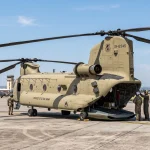
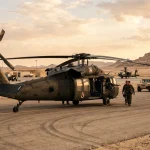
The CH-47 Chinook helicopter, renowned for its heavy-lift capabilities, has become a vital asset in military operations and disaster response initiatives worldwide. With its iconic twin-rotor design, the Chinook can transport troops, supplies, and equipment in challenging environments, making it a go-to choice for the U.S. Army and over 20 international operators. This helicopter’s remarkable versatility not only enhances logistical support during missions but also strengthens emergency response efforts, helping communities in times of crisis. As you delve into the world of the Chinook, you’ll discover how this flying workhorse has earned its reputation and the pivotal role it plays in modern aviation. Prepare to be fascinated by the engineering marvel that the Chinook is and the stories that define its legacy.
What is a Chinook Helicopter?
The Chinook helicopter, a remarkable engineering marvel, is renowned for its heavy-lift capabilities and versatility in various operational environments. With its iconic tandem rotors, this helicopter can transport oversized loads, making it an indispensable asset for military and civilian operations alike. Often viewed as a workhorse of the skies, the Chinook stands out not only for its functionality and payload capacity but also for its adaptability in extreme conditions.
Chinooks have been pivotal in logistical operations, humanitarian missions, and disaster relief efforts due to their ability to lift and carry substantial cargo. For instance, they are often employed in transporting heavy machinery, supplies, and troops to remote locations that may be inaccessible by land. The aerodynamic design and advanced rotor system allow for efficient flight, even when fully loaded, allowing them to execute complex missions in challenging terrains.
Moreover, the Chinook’s unique design features enhance its operational effectiveness. It is equipped with an advanced avionics suite, enabling precision navigation and improved safety. The helicopter is often upgraded with state-of-the-art technologies, such as enhanced engines and night vision systems, ensuring mission readiness under diverse conditions. This blend of rugged construction, interoperability, and impressive performance not only solidifies its reputation as a critical aerial asset but also inspires awe among aviation enthusiasts and professionals alike.
As you explore the fascinating world of Chinook helicopters, you’ll discover how their design innovations and robust capabilities make them a lynchpin in both military and civilian aviation. Whether you’re an aspiring pilot, a seasoned aviator, or simply an aviation admirer, understanding the intricacies of the Chinook can deepen your appreciation for this remarkable aircraft.
History and Development of the Chinook
The Chinook helicopter’s journey began in the early 1950s amidst the growing demands of modern military aviation. The design was primarily driven by the need for a versatile and powerful aircraft capable of transporting troops, equipment, and supplies in a variety of challenging environments. The CH-47 Chinook, designed by the Boeing Vertol division, first took to the skies on September 21, 1961. Its unique tandem rotor system, which consists of two large rotors mounted one in front of the other, allows for impressive lift capabilities and stability during flight, setting it apart from traditional single-rotor helicopters.
Throughout the 1960s and 1970s, the Chinook proved its mettle during the Vietnam War, where it was utilized extensively for logistical support. The helicopter’s ability to carry heavy loads-up to 26,000 pounds-made it invaluable in transporting troops and supplies into and out of combat zones. The versatility of the Chinook was a game changer; it was not just a means of transport but also a platform for various missions, including medical evacuations and search and rescue operations. Its performance in combat reinforced the strategic importance of helicopters in modern warfare, leading to an increased demand for upgrades and variants.
Over the years, ongoing development has produced several models, each improving on the last in terms of technology and capabilities. The latest variants, such as the CH-47F, boast advanced avionics, improved rotor systems, and enhanced engines providing greater power and fuel efficiency. These advancements not only enhance the Chinook’s operational capacity but also ensure that it remains relevant in an era of rapidly evolving military technology. As we examine its history, it’s clear that the Chinook’s resilience and adaptability make it a cornerstone of military aviation, continuously evolving to meet new challenges and demands.
The Chinook’s significance isn’t just grounded in its military applications. Its robust design and heavy-lift capabilities have also transitioned into civilian use, serving in humanitarian missions, firefighting efforts, and construction projects. The legacy of the Chinook is a testament to its innovative engineering and its role as a reliable workhorse of the skies, beloved by crews and aviation enthusiasts alike.
Design Features and Specifications
The Chinook helicopter is a remarkable testament to engineering excellence, designed for heavy-lift capabilities and versatility in a wide variety of missions. One of its defining features is the unique tandem rotor configuration, comprising two large rotors mounted one in front of the other. This arrangement not only provides significant lift but also enhances stability and maneuverability, particularly when carrying heavy payloads. As a result, the Chinook can transport up to 26,000 pounds of cargo, making it one of the most powerful helicopters in service today.
Specifications Overview
When examining the specifications of the Chinook, several key features stand out:
- Length: Approximately 98.7 feet (30.0 meters)
- Rotor Diameter: 60 feet (18.3 meters) for each rotor
- Max Speed: Around 170 knots (196 mph or 315 km/h)
- Range: Approximately 400 nautical miles (460 miles or 740 km)
- Ceiling: Service ceiling of about 20,000 feet (6,100 meters)
These specifications allow the Chinook not only to excel in heavy-lift operations but also to perform in diverse roles, including troop transport, medical evacuation, and disaster relief operations.
Advanced Features and Performance
The Chinook’s design incorporates modern avionics and upgraded systems that improve lethality and situational awareness. The latest model, the CH-47F, features enhanced engine performance and advanced digital cockpit displays that aid pilots in navigation and communication. The helicopter employs a sophisticated fly-by-wire system, which electronically controls the flight surfaces, providing smoother handling and responsiveness, essential in dynamic flight scenarios.
Another notable innovation is its ability to perform in challenging environments. With advanced hydraulic and electrical systems, the Chinook can operate in extreme weather conditions, maintaining reliability whether during a snowstorm or in arid deserts.
In conclusion, the design and specifications of the Chinook helicopter reflect its status as a heavy-lift workhorse, equipped to meet the rigorous demands of both military and civilian aerial operations. Its combination of power, payload capacity, and versatility have solidified its reputation as an invaluable asset in various critical missions worldwide.
How the Chinook Helicopter Works
The Chinook helicopter operates through a sophisticated integration of mechanical and aerodynamic principles that allow it to perform remarkable feats in aviation. Central to its design is the tandem rotor system, which consists of two large rotors mounted one in front of the other. This configuration not only provides substantial lift but also counteracts the torque that would typically be produced by a single rotor system, enhancing stability during flight. As both rotors spin in opposite directions, the Chinook remains steady, allowing it to carry heavy payloads-up to 26,000 pounds-without compromising control.
One of the key aspects of how the Chinook works is its dual-engine system. These powerful engines drive the rotors through a series of gearboxes and shafts. The engines can operate independently, which provides a significant safety advantage-should one engine fail, the other can maintain enough lift to allow for controlled flight or a safe landing. This redundancy is crucial for military operations, where reliability and safety are paramount.
The advanced avionics suite in the latest models, like the CH-47F, enhances the pilot’s ability to navigate and communicate effectively even in challenging environments. These systems include digital displays and fly-by-wire controls that electronically manage the flight surfaces, resulting in smoother handling and increased responsiveness. By integrating technology with classic aviation mechanics, the Chinook can operate in various conditions-from high altitude to extreme temperatures-making it a versatile choice for both military missions and civilian applications.
When it comes to maneuverability, the Chinook leverages its rotor system’s design. The unique tandem rotor configuration allows for effective control during flight, including yaw control without a tail rotor. This leads to a more streamlined and efficient design, enabling the Chinook to perform complex maneuvers while maintaining stability, whether ferrying troops or transporting cargo. Such capability underscores not just the engineering marvel of the Chinook but its essential role in modern air mobility solutions.
Key Roles and Missions of the Chinook
The Chinook helicopter stands out as a versatile heavy-lift aircraft, primarily serving in military operations and humanitarian missions around the globe. Known for its distinctive tandem rotor design, the Chinook excels at carrying large cargo loads, personnel, and equipment in situations where traditional ground transport cannot operate effectively. This capability is not just about brute strength; the Chinook’s design allows it to hover with remarkable stability while transporting vital resources, making it a pivotal asset in challenging environments.
One of the primary missions of the Chinook is troop transport, particularly in combat zones. With the ability to carry up to 55 troops or a substantial cargo, it provides critical airlift capabilities that allow for rapid deployment and evacuation of military personnel. Additionally, its speed-capable of flying at over 170 knots-enables quick response to changing battlefield conditions. Its utility goes beyond troop movement; the Chinook is also instrumental in logistical operations, delivering supplies to frontline units that rely heavily on timely resupply.
Humanitarian Efforts
In times of natural disasters, the Chinook’s role shifts towards humanitarian relief. Its capacity to deliver aid, such as food, water, and medical supplies, is essential following earthquakes, floods, and other calamities. The helicopter’s ability to transport heavy loads over rugged terrain means that it can access areas where ground vehicles might be obstructed or too slow. This responsiveness significantly enhances relief efforts, saving lives and providing support to affected populations.
Search and Rescue Operations
Aside from military and humanitarian uses, the Chinook is often involved in search and rescue missions. Equipped with sophisticated avionics and night vision capabilities, it can locate and extract stranded individuals from inhospitable environments. Its agility and capacity for precision landings make it invaluable during emergencies, ensuring that rescue crews can operate effectively even in the most difficult circumstances.
The versatility of the Chinook helicopter not only highlights its engineering prowess but also underscores its crucial role in modern aviation operations. Whether it’s moving troops into battle, delivering life-saving supplies, or conducting daring rescues, the Chinook continues to prove itself as an indispensable workhorse of the skies.
Chinook Variants: Models and Upgrades
The Boeing CH-47 Chinook helicopter has evolved significantly since its introduction, resulting in a variety of models and upgrades tailored to specific missions and operational needs. The versatility of the Chinook is reflected in these variants, which enhance its capabilities, efficiency, and adaptability across different environments and tasks.
One of the most important developments in the Chinook family is the CH-47D model, which introduced a digital cockpit and improved avionics systems, offering enhanced navigation and communication capabilities. These upgrades allow the helicopter to operate effectively in complex environments, increasing situational awareness for pilots and ground crews alike. The CH-47F variant further enhances these features with advanced systems such as the Common Avionics Architecture System (CAAS), which integrates various flight and mission systems onto a single digital platform, drastically improving operational efficiency.
In addition to these enhancements, the Chinook has undergone various modifications to accommodate specific mission profiles. The CH-47G variant features upgraded engines and rotor systems that improve lift capacity and operational range, making it even more effective for heavy-lift missions. You may also find specialized versions like the MH-47, which is used by special operations forces, equipped with stealth features, advanced radar, and aerial refueling capabilities.
While the primary focus has been on military applications, the Chinook has also seen interest in civilian roles, leading to models adapted for firefighting, transportation of oversized cargo, and even aerial crane operations. These adaptations showcase the Chinook’s remarkable ability to not only serve in military capacities but also fulfill critical roles in disaster response and humanitarian missions.
As technology progresses, the Chinook helicopter continues to receive updates that integrate innovative technologies, ensuring that it remains at the forefront of heavy-lift aviation. Whether through mission-specific upgrades or new avionics, each variant of the Chinook reflects a commitment to enhancing performance and meeting the evolving demands of its users.
The Chinook in Military Operations
The CH-47 Chinook helicopter has solidified its status as a pivotal asset in military operations across the globe. Known for its exceptional cargo-lifting capabilities and versatile design, the Chinook has been a workhorse for armed forces since its introduction in the 1960s. It has played a critical role in various military missions, ranging from troop transport to humanitarian aid and disaster relief, showcasing its adaptability in both combat and peacetime scenarios.
With its distinctive tandem rotor configuration, the Chinook can carry up to 26,000 pounds of cargo, making it one of the most prolific heavy-lift helicopters in history. This capability enables it to transport troops, vehicles, supplies, and even heavy equipment into challenging environments, including combat zones and remote areas where traditional transport methods may be impractical. For instance, during Operation Enduring Freedom in Afghanistan, Chinooks were instrumental in rapidly deploying troops and resources to support American and coalition forces on the ground, often flying at high altitudes in tough terrain.
The Chinook’s operational flexibility is further enhanced by its ability to conduct various mission profiles. It can perform medevac missions in crisis situations, delivering critically injured soldiers to medical facilities under hostile conditions. Additionally, its cargo capabilities allow it to participate in airborne operations and supply chain logistics, ensuring that forces in the field receive necessary supplies swiftly. The helicopter’s durability is also notable; it can operate effectively in extreme weather, from blistering heat to frigid snow, which proves essential for modern military operations.
Moreover, given the advancements in technology and upgrades seen with newer models like the CH-47F, the Chinook remains relevant in today’s military landscape. Features such as advanced avionics, enhanced cargo handling systems, and improved engine performance make it an even more formidable platform. As militaries continue to evolve their strategies and technologies, the Chinook stands ready to meet both current and future challenges, ensuring its legacy as one of the premier heavy-lift helicopters in military history.
Civilian Applications of the Chinook Helicopter
The Chinook helicopter is not only a staple of military operations but also plays a critical role in various civilian applications. Due to its unique design and heavy-lift capabilities, the Chinook has been adapted for tasks that demand reliable transportation of large, heavy cargo. This dual-use versatility highlights its importance both in defense environments and in aiding civilian industries.
One prominent application of the Chinook is in disaster relief and emergency response. When natural disasters strike, traditional transport options may be hindered by damaged roads or inaccessible areas. The Chinook can deliver essential supplies, medical aid, and even rescue teams to locations that are otherwise unreachable. For example, during severe weather events, Chinooks have been deployed to transport food, water, and medical supplies to affected areas, significantly speeding up relief operations.
Another significant area of civilian use is in the transport of heavy equipment, especially in sectors such as construction, logging, and mining. The helicopter can lift equipment like bulldozers, cranes, and other machinery directly to remote sites, reducing the logistical challenges associated with land transport. This capability is particularly beneficial in locations where terrain makes conventional transport impractical, allowing companies to operate efficiently and minimize downtime.
Moreover, the Chinook is also utilized for logging operations, where it can carry large logs from difficult-to-reach sites to processing areas. This method of aerial logging not only saves time but also minimizes environmental impact compared to traditional ground-based logging methods, preserving the natural landscape and ecosystem.
In addition to its practical applications, the Chinook also serves an educational purpose. Future aviators and helicopter enthusiasts can gain valuable insights into complex aviation operations and the intricacies of heavy-lift capabilities. Programs offering hands-on experiences with Chinook helicopters contribute to developing skilled professionals in the aviation field.
With its adaptability and robust performance, the Chinook helicopter continues to provide essential services beyond military operations, showcasing its critical role in civilian life. Whether through emergency response, industrial transport, or educational efforts, the Chinook proves that its capabilities are valuable far beyond the battlefield.
Chinook Helicopter Maintenance and Safety
Proper maintenance and safety protocols are crucial for the CH-47 Chinook helicopter, renowned for its heavy-lift capabilities and versatility in both military and civilian operations. With a helicopter of such complexity, understanding its maintenance requirements is essential not only for airworthiness but also for the safety of pilots and crew. The Chinook’s maintenance involves adherence to a strict schedule defined by manufacturers and operators, ensuring that all systems are functioning optimally before each flight.
Routine Maintenance Practices
Regular inspections are a cornerstone of Chinook maintenance. These inspections typically include checking the airframe, rotors, engines, and hydraulic systems for wear and damage. Key components such as the tandem rotor systems, which are vital for the Chinook’s flight stability, undergo detailed examination. Maintenance crews must be vigilant about identifying any signs of corrosion or fatigue, particularly in high-stress areas.
Additionally, each flight requires a pre-flight inspection to verify that the helicopter is ready for operation. This includes checking fuel levels, verifying electronic systems, and assessing overall helicopter integrity. The goal is to ensure that the aircraft is not only safe to fly but also in optimal condition to perform its heavy-lift missions.
Safety Protocols and Emergency Preparedness
Safety is paramount in helicopter operations, and the Chinook is no exception. Operators follow rigorous safety protocols to mitigate risks associated with flying. This includes comprehensive training for pilots and crew in emergency procedures, such as dealing with loss of power or hydraulic failure during flight. It’s crucial that every crew member understands their specific role in emergencies, ensuring swift and effective responses.
Moreover, accident investigations are taken seriously. Each incident involving a Chinook is analyzed to prevent future occurrences. For instance, the tragic events surrounding Chinook crashes highlight the importance of continuous safety training and systematic improvements in operational protocols.
Innovative Technologies for Maintenance
Advancements in technology play a significant role in enhancing maintenance and safety. For instance, the integration of health and usage monitoring systems (HUMS) allows for real-time data analysis on the performance and condition of various helicopter components. These systems can predict potential failures, enabling proactive maintenance action and significantly reducing the chances of in-flight emergencies.
Through careful adherence to maintenance schedules, safety protocols, and the adoption of innovative technologies, the Chinook helicopter continues to operate safely and effectively, living up to its reputation as a heavy-lift workhorse in both military and civilian applications. Aspiring pilots and helicopter enthusiasts should appreciate not only the remarkable capabilities of the Chinook but also the dedication to safety and maintenance that underpins every successful flight.
Training to Become a Chinook Pilot
To become a pilot of the CH-47 Chinook, one of the most versatile heavy-lift helicopters in aviation, a structured and rigorous training process is essential. Aspiring pilots must first acquire the foundational skills necessary for flying, typically starting with obtaining a private pilot license (PPL). This early training involves learning basic flight maneuvers, navigation, and safety procedures. Following this, pilots can pursue additional qualifications specific to helicopters, such as an instrument rating, which allows them to fly in more challenging weather conditions.
Military vs. Civilian Training Paths
For those looking to fly Chinooks in a military capacity, training begins with enlistment in the armed forces, where specialized flight training is conducted. Military pilots undergo a selection process that includes academic testing, physical exams, and flight aptitude assessments. The journey then takes them to a flight school focused on rotorcraft. Here, they’ll gain practical experience in basic flight operations, emergency procedures, and advanced tactics specific to the requirements of the Chinook.
Conversely, civilian aviators interested in flying Chinooks often explore roles in firefighting, search and rescue, or cargo transport. These pilots typically gain experience on smaller helicopters before transitioning to larger aircraft like the Chinook. Civilian training can vary widely, but it generally includes a combination of classroom instruction, simulator training, and hands-on flight time with guidelines set by aviation authorities.
Technical Skills Development
Throughout their training, pilots not only learn to operate the Chinook but also delve into its complex systems. Understanding the aircraft’s dual-rotor design, hydraulic systems, and flight controls is crucial for effective operation. They must also be trained in load management and cargo handling, as the Chinook is frequently used for heavy-lift missions. This includes learning how to secure payloads and execute precise hovering maneuvers.
Ongoing Training and Safety Practices
Once certified, both military and civilian Chinook pilots are required to undergo continuous training and retraining programs to stay current with safety protocols and system updates. This ongoing education includes simulator sessions to practice emergency procedures and flying under various conditions. Emphasis on safety is paramount; pilots are trained to respond effectively to emergencies, contributing to accident prevention and enhancing overall operational safety.
In summary, the path to becoming a Chinook pilot is demanding yet rewarding, involving comprehensive education, technical skills mastery, and a commitment to safety. For those passionate about aviation, the opportunity to fly such a remarkable aircraft comes with responsibilities that are taken very seriously within the aviation community. Whether in military service or civilian roles, Chinook pilots play an integral part in diverse missions, creating a lasting impact wherever they operate.
Famous Chinook Helicopter Missions in History
The CH-47 Chinook helicopter has been the backbone of military logistics and rescue operations since its inception, showcasing remarkable feats in critical missions across decades. From rescuing downed pilots to delivering supplies in hostile environments, the Chinook’s versatility and heavy-lift capacity have made it an indispensable asset. One of the most notable operations in its history was during the Vietnam War, where it conducted “Operation Frequent Wind,” the evacuation of American personnel and Vietnamese allies from Saigon in April 1975. This operation highlighted the Chinook’s capability to transport large numbers of people quickly, amid chaos, playing a crucial role in this significant historical moment.
Key Missions and Their Impact
Throughout its service, the Chinook has been involved in several prominent missions, including:
- Operation Desert Storm (1991): The Chinook was instrumental in transporting troops, supplies, and equipment during this pivotal conflict in the Gulf War, demonstrating its power in a fast-paced combat environment.
- Operation Enduring Freedom (2001): In Afghanistan, Chinooks were vital for resupply and troop movement, often flying in rugged terrain and adverse weather, proving their reliability and adaptability.
- Operation Neptune Spear (2011): During the raid on Osama bin Laden’s compound, Chinooks played a key role in transporting SEAL Team 6 into and out of the hostile environment, showcasing their utility in complex special operations.
In addition to military engagements, the Chinook has also been involved in humanitarian operations. Following the devastating earthquake in Haiti in 2010, Chinooks were deployed for disaster relief, transporting supplies and medical aid to affected regions where roads were impassable.
Honoring Lives and Lessons Learned
While celebrating the successes, it’s also important to reflect on the sacrifices made. Various incidents throughout its operational history have resulted in losses, reminding us of the inherent dangers faced by crews. For example, the crash of a Chinook in Afghanistan in 2016 tragically claimed the lives of 14 service members. Each of these events has led to improved safety protocols and aircraft enhancements, ensuring that future missions can be conducted more safely.
The Chinook’s legacy is not just one of machinery but of the people who have flown it and those whose lives were impacted by its missions. From combat readiness to humanitarian aid, the Chinook helicopter continues to be a beacon of hope and vital support wherever it is needed. As aspiring pilots and aviation enthusiasts look to the future, the Chinook stands as a testament to what can be achieved with skill, determination, and teamwork.
Innovative Technologies in Chinook Helicopters
The Chinook helicopter is a marvel of engineering, constantly evolving to incorporate cutting-edge technologies that enhance its operational capabilities and safety. One of the standout features of the CH-47 Chinook is its tandem rotor system, which improves lift and stability compared to traditional single-rotor configurations. This unique design allows the helicopter to efficiently transport heavy loads, even in adverse conditions. Modern Chinooks are equipped with advanced avionics, including a digital flight control system that simplifies navigation and enhances pilot control during complex missions.
Key Technological Innovations
Technological advancements have transformed the Chinook into a versatile platform for various military and civilian applications. Notable innovations include:
- Composite Materials: The use of lightweight and durable composite materials reduces the overall weight of the helicopter while increasing its structural integrity, resulting in improved fuel efficiency and cargo capacity.
- Integrated Cockpit Displays: Modern Chinooks feature state-of-the-art glass cockpit displays that provide pilots with real-time data, enhancing situational awareness and decision-making capabilities during missions.
- Enhanced Communication Systems: Advanced communication equipment enables secure and efficient radio transmission, ensuring that pilots can coordinate effectively with ground forces and command centers.
- Helmet-Mounted Display Systems: These systems allow pilots to access critical flight data without diverting their attention from the battlefield, greatly improving operational efficiency.
Impact on Safety and Performance
Innovative technologies in the Chinook have significantly improved its performance and safety record. Robust avionics systems help pilots navigate challenging environments, while aerodynamic improvements allow for greater speed and agility. Moreover, enhanced safety features, such as crash-worthy seats and advanced fire suppression systems, have been implemented to protect crew and passengers, especially in high-risk missions.
As the Chinook continues to adapt to the demands of modern warfare and humanitarian operations, its innovative technologies not only ensure mission success but also honor the legacy of those who have served in this iconic aircraft. For aspiring aviators, understanding these advancements can inspire a deeper appreciation for the complexities of helicopter design and operation, highlighting a path for future developments in aviation technology.
Frequently asked questions
markdown
Q: What are the primary uses of a Chinook helicopter?
A: The Chinook helicopter is primarily used for heavy-lift missions in military operations, including troop transport, equipment relocation, and battlefield resupply. It is also utilized in civil applications such as firefighting, disaster relief, and construction support, demonstrating its versatility across various sectors.

Q: How much weight can a Chinook helicopter carry?
A: A Chinook helicopter can carry a maximum external load of approximately 26,000 pounds (11,793 kilograms), making it one of the most capable heavy-lift helicopters available. This capability allows it to transport a wide range of cargo and personnel effectively.

Q: What is the maximum speed of a Chinook helicopter?
A: The maximum speed of a Chinook helicopter is around 196 knots (approximately 226 mph or 364 km/h). This speed enables it to perform rapid deployments and agile maneuvers in both military and civilian operations.

Q: Are Chinook helicopters used in civilian operations?
A: Yes, Chinook helicopters are increasingly used in civilian operations, including firefighting, search and rescue, and transportation of oversized loads. Their unique capabilities make them valuable in emergency response and logistical support roles.

Q: What types of missions does a Chinook helicopter commonly perform?
A: Common missions for Chinook helicopters include troop transport, cargo airlift, medical evacuation, and reconnaissance. Their versatility allows them to adapt to various operational demands in both military and civilian contexts.

Q: What systems contribute to the Chinook's performance and safety?
A: The Chinook helicopter is equipped with advanced avionics, multiple redundant systems for safety, and powerful twin-engine configurations to ensure high performance under challenging conditions. These systems enhance reliability during missions.

Q: How has the Chinook helicopter evolved over time?
A: The Chinook helicopter has evolved significantly since its introduction in the 1960s, with multiple variants and upgrades enhancing its payload capacity, speed, and avionics. Ongoing developments ensure it meets modern operational requirements efficiently.

Q: What training is required to become a Chinook pilot?
A: To become a Chinook pilot, candidates must undergo extensive military flight training, including classroom instruction and practical flight experience on the helicopter. This training focuses on operating techniques, navigation, and safety protocols to prepare pilots for various missions.
Future Outlook
In summary, the CH-47 Chinook helicopter stands as a vital asset in the world of heavy-lift aviation, expertly balancing power and versatility for a multitude of roles-from military operations to emergency rescue missions. If you’re inspired by its capabilities, consider exploring our detailed insights on helicopter careers or the latest advancements in military aviation technology. Your journey into the world of helicopters doesn’t have to stop here!
Ready to delve deeper? Sign up for our newsletter to stay updated on aviation advancements, or check out our related articles on the history of military helicopters and the cutting-edge technology that makes the Chinook a standout. Don’t miss the chance to share your thoughts or experiences with us in the comments below; we’d love to hear from both aviation enthusiasts and those simply curious about these magnificent machines. Your exploration of the intricacies of the Chinook-and the broader aviation world-awaits!
Get our latest guides, news, and insights highlighted in your Google Search & AI Overviews.