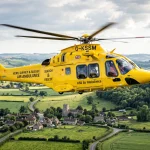
Did you know that medical helicopters can cover impressive distances, often exceeding 300 miles? This capability is crucial in emergency situations, where every second counts. Understanding how far these vital air ambulances can fly not only illuminates their operational effectiveness but also reassures families during critical moments. With ranges varying by model-like the EC 145 covering 680 km and the EC 135 reaching 620 km-these helicopters are designed to ensure rapid access to care in life-threatening scenarios. Join us as we explore the fascinating world of medical helicopter ranges and discover what makes them indispensable in the field of emergency medical services. How do these machines operate within tight timelines, and what factors contribute to their extraordinary flight capabilities? Let’s dive in!
How Medical Helicopters Are Designed for Long Distances
Designing medical helicopters for long-distance flights involves a combination of innovative engineering, specialized equipment, and operational strategies that prioritize patient care and safety. The critical features incorporated into these helicopters include upgraded fuel systems, advanced navigation technology, and robust airframes that can withstand varied environmental conditions. To support extended operations, manufacturers often focus on the following key aspects:
- Fuel Capacity: Medical helicopters are equipped with larger fuel tanks to increase their operational range, allowing for longer flights without the need for refueling stops.
- Engine Efficiency: High-performance engines are designed to maintain optimal power and efficiency, ensuring that the helicopter can operate effectively over considerable distances.
- Aerodynamic Design: Streamlined fuselages and rotor systems reduce drag, enhancing speed and fuel efficiency, which are crucial for reaching distant medical facilities swiftly.
- Advanced Avionics: State-of-the-art navigation and communication systems allow pilots to fly more accurately and safely over long distances, often in challenging conditions.
A prime example of these enhancements can be seen in helicopters like the Eurocopter EC145, which boasts capabilities for long-distance missions by integrating high-capacity fuel tanks and multi-role capabilities for emergency medical services. Additionally, improved flight management systems offer real-time data on weather and terrain, aiding in route planning and ensuring that medical personnel can reach patients promptly.
Incorporating such sophisticated design elements enhances not only the range but also the reliability and safety of medical helicopter operations, ultimately leading to better outcomes for patients in critical situations. Whether operating in remote areas or responding to emergencies in urban environments, these flying ambulances are equipped to cover impressive distances, reflecting a commitment to providing urgent medical care wherever it is needed.
Factors Affecting Medical Helicopter Flight Range

The range of a medical helicopter is influenced by various factors that play a crucial role in determining how far it can fly before refueling. Understanding these determinants is essential not only for operators and pilots but also for those involved in emergency medical services and healthcare logistics.
One of the most significant factors is fuel capacity. Medical helicopters are typically outfitted with larger fuel tanks to maximize their operational range. This enhancement allows them to cover longer distances without the need for refueling, which is vital during emergencies when time is of the essence. Coupled with this is engine efficiency; high-performance engines that operate effectively over extended periods are critical. These engines ensure that helicopters can maintain optimal speed and power while conserving fuel, allowing for greater reach.
Another important aspect is the aerodynamic design of the helicopter. Streamlining the fuselage and optimizing rotor systems reduce drag, enabling faster and more fuel-efficient flights. This design is particularly beneficial during emergency responses, where every second counts. Furthermore, weather conditions can significantly impact flight range. Wind speed and direction, temperature, and visibility are all variables pilots must navigate, as adverse weather can reduce fuel efficiency and alter planned routes.
Weight plays a crucial role as well. The more weight a helicopter carries, whether it’s medical equipment, personnel, or patients, the more fuel it consumes. Pilots must carefully assess weight limits and adjust loads accordingly to optimize performance. Lastly, advancements in navigation technology are enhancing the ability of medical helicopters to plan optimal routes, enabling more efficient flights and potentially extending their operational range. By considering these factors, medical helicopter operations can continually improve in both efficiency and effectiveness, ultimately enhancing patient care.
Types of Medical Helicopters and Their Capabilities

Medical helicopters are not just a means of transportation; they are critical assets in emergency medical services, designed to navigate various terrains and distances efficiently. Each type of medical helicopter comes equipped with specific capabilities tailored for different medical emergencies and operational environments. The choice of helicopter model can greatly influence the range and efficiency of emergency medical operations.
Types of Medical Helicopters and Their Functionalities
Among the most commonly used models for emergency medical services (HEMS) are the Bell 407 and Eurocopter EC135. The Bell 407 offers a spacious interior suitable for transporting multiple patients or specialized equipment like isolettes for neonatal care. Its powerful engines provide a range of about 350 nautical miles, making it versatile for various missions. Similarly, the Eurocopter EC135 is known for its advanced avionics and ability to accommodate a single patient or multiple cases. It also features a remarkable range, often exceeding 370 nautical miles, making it ideal for inter-facility transfers.
Another exemplary model is the Leonardo AW119Kx, utilized by services such as Life Link III. This helicopter is designed for critical care transport, featuring spacious cabins and advanced medical equipment integration. With a maximum range of approximately 400 nautical miles, it ensures timely access to remote areas, demonstrating its capability in extensive rescue operations.
Specialized Configurations and Technology
Modern medical helicopters are frequently outfitted with specialized medical equipment and technology that can enhance their operational range and mission effectiveness. For example, helicopter interiors can be customized to include features like intra-aortic balloon pumps or advanced cardiac monitoring systems, thereby providing comprehensive care during transit.
Furthermore, helicopters like the United Rotorcraft H125 and H135 offer modular interior configurations, allowing for flexibility in patient transport scenarios, including pediatric isolators and other lifesaving instruments. Such adaptations ensure that the helicopter can not only fly long distances but also deliver necessary medical interventions while in transit.
In conclusion, the diverse types of medical helicopters, equipped with specialized features and technology, define their capabilities and operational range. Understanding the strengths of different models helps healthcare providers make informed decisions, ultimately optimizing patient outcomes in emergency situations. Each flight not only represents transportation but embodies the commitment to rapid and effective medical service delivery, with every second counting toward saving lives.
Real-World Examples of Medical Helicopter Missions
When lives hang in the balance, medical helicopters serve as a lifeline, navigating vast distances to deliver critical care. Each mission tells a story of rapid response and remarkable endurance, demonstrating the incredible capabilities of air medical services. From isolated accidents in rugged terrains to urgent transfers between hospitals, these helicopters often cover substantial ranges under the most trying conditions.
One notable example includes a mission involving the Bell 407 helicopter, which was tasked to transport a critically injured hiker from a remote mountain area to a specialized trauma center. The helicopter, operating at nearly full capacity with medical personnel and necessary equipment, covered a distance of about 120 nautical miles. This flight not only exemplified the helicopter’s range but also highlighted the importance of quick medical intervention in improving patient outcomes.
In another instance, the Eurocopter EC135 played a crucial role in an urban environment during a multiple-vehicle collision. The weather was not ideal-heavy rain and limited visibility-but within minutes, the air medical team was airborne. The EC135’s advanced avionics and maneuverability enabled it to navigate the cityscape and reach the trauma center swiftly, covering a distance of approximately 30 nautical miles. This mission showcased the aircraft’s capability to operate effectively even in challenging weather conditions, underlining the resilience and expertise of the medical teams involved.
Such missions illustrate the robust design of medical helicopters. The Leonardo AW119Kx, for instance, is frequently deployed for inter-facility transfers, and a memorable mission saw it covering over 300 nautical miles to airlift a pediatric patient requiring immediate specialized care. This not only demonstrates the helicopter’s range but also highlights the versatility in handling delicate situations, particularly involving children, where time and care are of the essence.
Through these examples, it becomes clear that medical helicopters are vital assets in emergency healthcare, capable of reaching distant locations under various conditions. Their ability to effectively cover significant distances while providing lifesaving interventions is a testament to modern aviation technology and dedicated medical teams, creating stories where resilience meets hope in the skies.
Comparing Emergency Flight Ranges of Various Helicopter Models
In the fast-paced world of medical emergencies, the flight range of a helicopter can be the difference between life and death. When comparing the emergency flight ranges of various helicopter models, understanding their capabilities is crucial for effective medical transport. Helicopters are often categorized based on their range, speed, and the medical equipment they carry, influencing their suitability for different missions.
The Bell 407, for instance, is well-regarded for its performance and versatility. It boasts a flight range of approximately 300 miles, making it ideal for short to medium-distance transports. This model is frequently used for urgent medical transfers from remote locations, leveraging its speed and ability to land in tight spaces. On the other hand, the Eurocopter EC135 is known for its agility and advanced flight controls, with a range of about 330 miles. This makes it particularly effective in urban environments where rapid response is essential, allowing medical teams to reach critical patients swiftly despite potential traffic obstacles below.
The Sikorsky S-76 is another noteworthy model, with a range reaching up to 400 miles. Its robust design enables it to handle more challenging terrains and inclement weather, providing vital support in diverse conditions. This helicopter is often utilized for inter-facility transfers, allowing medical teams to quickly and safely transport patients between hospitals when immediate specialist care is necessary.
Each helicopter model’s operational factors-such as weight, fuel capacity, and onboard equipment-can significantly affect their effective range. For instance, factors like patient load, medical equipment, and even potential fuel reserves can alter the practical distance a helicopter can safely travel. Operators must remain mindful of these variables to optimize each mission’s effectiveness.
The differences in design and capabilities among medical helicopters highlight the importance of selecting the right aircraft for each unique situation. By understanding these nuances, medical teams can improve their operational efficiency and ultimately enhance patient care in critical moments.
Regulatory Guidelines Impacting Helicopter Range
The ability of medical helicopters to traverse long distances hinges significantly on the regulatory frameworks that guide their operations. Regulations set by aviation authorities dictate the standards for safety, operational limits, and performance criteria, all of which influence the effective range of these life-saving aircraft. Currently, in the United States, the Federal Aviation Administration (FAA) establishes regulations for helicopter operations, including those specific to Helicopter Emergency Medical Services (HEMS). Adherence to these guidelines ensures that operators maintain high safety standards while optimizing their flight capabilities.
One critical aspect outlined in the FAA regulations is performance requirements for different helicopter models. For instance, helicopters must demonstrate their ability to operate effectively under varying weight loads, which can change based on patient needs and medical equipment carried. Regulations also specify operational conditions, such as minimum visibility and altitude requirements, that can restrict flight range. For instance, a helicopter may need to fly above certain altitudes in Instrument Flight Rules (IFR) conditions, often requiring it to ascend to altitudes where fuel consumption increases, thereby reducing overall flight range [1].
Moreover, guidelines regarding flight crew training and emergency preparedness play a vital role in determining operational efficiency. Regular training not only ensures that pilots are adept at managing emergency situations but also at making quick decisions regarding optimal flight paths and distances. Regulatory frameworks require that medical helicopters are equipped with essential navigation and communication tools to facilitate long-distance flights, enhancing their range and efficacy in emergencies. This adherence to stringent regulations ultimately allows HEMS to provide timely interventions in critical situations, even when operating at the limits of their flight capacities [2].
In summary, understanding the regulations impacting medical helicopter operations is crucial for maximizing their flight ranges. These guidelines not only ensure safety but also empower medical teams to extend their reach, thereby enhancing patient care in the most critical moments. Whether navigating through urban landscapes or remote areas, compliance with regulatory standards paves the way for successful missions, illustrating the intricate link between aviation law and emergency medical transport.
The Role of Weather in Helicopter Flight Distance
Weather plays a pivotal role in the operational capabilities and effective range of medical helicopters. From heavy rain and fog to high winds and thunderstorms, adverse weather conditions can significantly hinder a helicopter’s ability to complete a mission. Understanding these influences not only aids in the strategic planning of medical flights but also ensures the safety of the crew and patients.
Operational limits dictated by weather conditions include visibility requirements and the capacity of helicopters to navigate during various meteorological phenomena. For instance, heavy fog can reduce visibility to levels that are unsafe for flight, while thunderstorms present risks such as turbulence and lightning, forcing pilots to make real-time decisions to avoid dangerous encounters. Medical helicopters are equipped to conduct operations under Instrument Flight Rules (IFR), which allow them to fly in limited visibility; however, this requires higher altitude maneuvers that can strain fuel consumption and range. Being aware of the forecasts is crucial, as poor weather can lead to rerouting or waiting for conditions to improve, impacting delivery times for critical patients.
The skill of flight crews in anticipating and adapting to weather changes is equally important. Pilots undergo extensive training involving various weather scenarios to ensure they can make informed decisions on the fly. They utilize advanced weather monitoring technology and tools, such as Doppler radar and onboard meteorological systems, to assess conditions continuously. This awareness enables them to execute emergency landings or alternate routing to maintain patient safety and care quality.
Additionally, specific helicopter models are designed with varying capabilities that influence their performance in different weather conditions. For example, some helicopters may have enhanced stability systems to withstand turbulent conditions, while others might be equipped for better performance in high winds. Understanding these dynamics allows medical services to select the most appropriate aircraft for their operational regions and typical weather patterns.
In essence, weather is a critical factor affecting the operational range of medical helicopters. Planning around weather forecasts and utilizing the strengths of different helicopter models can enhance mission effectiveness and safety, ensuring that life-saving assistance reaches those in need, regardless of the challenges presented by the elements.
Future Innovations in Medical Helicopter Technology
With advancements in technology revolutionizing many industries, the realm of medical helicopters is no exception. The future of medical helicopter technology holds promise not only for extending flight range but also for enhancing mission efficiency and patient care. Innovative designs and integration of cutting-edge technologies are paving the way for these aircraft to reach unprecedented operational heights, making them even more valuable in emergency medical situations.
One of the key areas of innovation is the development of hybrid and electric propulsion systems. These systems can significantly reduce fuel consumption, allowing helicopters to fly longer distances while also minimizing environmental impact. For example, manufacturers are exploring electric motors combined with traditional turbines, which not only enhance fuel efficiency but also potentially lower operating costs. Innovations in battery technology could lead to longer-lasting power sources, enabling medical helicopters to cover greater distances without the need for frequent refueling.
Advanced Navigation and Communication Systems are also becoming vital components of future medical helicopters. Enhanced avionics equipped with real-time data analysis capabilities can improve flight safety and operational efficiency. Systems that integrate telemedicine enable immediate on-board assessments and consultations, allowing paramedics to communicate with hospital staff while en route. This real-time information exchange can be critical in high-stakes situations, facilitating quicker and more accurate treatment upon arrival at the hospital.
Moreover, the incorporation of autonomous flight capabilities holds great potential for the medical aviation sector. While full autonomy may still be on the horizon, advances in automation and AI can assist pilots in navigation and decision-making, especially in challenging environments. These technologies could lead to safer flights in adverse weather conditions or complex urban airspaces, thereby extending the operational range of medical missions.
Overall, the future of medical helicopter technology is poised for exciting developments that promise to enhance emergency response capabilities. As new technologies emerge, the potential for medical helicopters to deliver life-saving care over long distances will continue to grow, ensuring that help can reach those in need-no matter where they are or the challenges they face.
Real-World Case Studies: Lifesaving Journeys
In emergency medicine, the stories of how medical helicopters have made critical, lifesaving journeys stand out as testaments to the capability of these remarkable machines. Each mission is a case study of speed, precision, and the sheer will to save lives in the most challenging conditions. For instance, when a severe car accident occurred on a remote highway, the local EMS team recognized that ground transportation would take too long. Within minutes, they dispatched a helicopter, covering over 70 miles in under 15 minutes to reach the accident site. This rapid response not only stabilized the patient on-site but also ensured that critical care commenced before arriving at the trauma center.
The diversity of medical helicopter missions emphasizes their importance across various terrains and scenarios. During natural disasters, such as hurricanes or wildfires, helicopters have been instrumental in evacuating people from hard-hit areas. A notable example is when a medical helicopter was deployed to rescue stranded residents from a flooded region. Not only did it transport patients needing immediate medical attention, but it also airlifted individuals who required assistance but had no access to ground emergency services, demonstrating the aircraft’s ability to adapt to urgent, evolving situations.
Another exemplary case is the use of helicopters in rural areas, where distances to hospitals can be considerable, often exceeding 100 miles. In one instance, a medical helicopter was tasked with transporting a newborn experiencing respiratory distress from a small-town clinic to a specialized neonatal unit in a major city. The helicopter took off at night, navigating through challenging weather conditions, yet successfully completed the mission, highlighting the essential role that medical helicopters play in bridging the gap in healthcare access.
These examples illustrate not only the far-reaching capabilities of medical helicopters but also the enduring commitment of crews who are trained to handle the pressure of life-and-death situations. Their ability to respond quickly across vast distances is crucial. Armed with advanced medical equipment and real-time communication systems, they provide a critical link between patients in need and the advanced medical care that can save lives.
Understanding Fuel Efficiency in Medical Helicopters
Operating a medical helicopter efficiently is crucial, not just for the cost-effectiveness of missions, but also for extending flight range during emergency situations. Achieving optimal fuel efficiency involves several factors, from the design of the helicopter to the operational practices of the flight crew. Modern medical helicopters are equipped with state-of-the-art avionics and engine technologies that enhance performance while minimizing fuel consumption.
One significant aspect of fuel efficiency is the rotorcraft’s aerodynamic design. Helicopters with sleek profiles can reduce drag and improve lift. Additionally, the choice of engine plays a pivotal role; engines that utilize advanced materials and technologies often provide better fuel economy. For instance, some newer models are designed to operate effectively at higher altitudes where the air is thinner, allowing them to cruise at optimal speeds while consuming less fuel.
Moreover, pilot techniques can heavily influence fuel usage. Training pilots to maintain efficient flight profiles-such as optimal angle of descent and climbing rates-can help conserve fuel during missions. The use of advanced navigation systems aids in planning the most efficient routing, avoiding congested airspace, and taking advantage of favorable winds.
Another practical strategy involves the assessment of weight. Medical helicopters must balance their payload-medical personnel, patients, and equipment-against fuel load. Knowing how to effectively distribute weight and calculate fuel needs is essential. Crews often perform detailed pre-flight checks and load calculations to ensure the aircraft operates within optimal parameters for fuel consumption.
In summary, understanding and improving fuel efficiency in medical helicopters not only enhances their range and mission capacity but also ensures that they can provide critical care swiftly and effectively during emergencies. These advancements and practices contribute significantly to the growing reliance on helicopter transport in emergency medical services, allowing for greater accessibility in various terrains and situations.
Essential Equipment That Extends Flight Range
To maximize the operational range of medical helicopters, certain essential equipment plays a pivotal role. This sophisticated technology not only enhances the flight capabilities but also ensures that critical medical services reach patients in the shortest possible time. Understanding these vital components can provide insights into how helicopter missions are executed efficiently.
One of the key pieces of equipment is the auxiliary fuel tank. These tanks allow helicopters to carry extra fuel, which significantly increases their range. In emergency medical situations where time is of the essence, the ability to extend flight distance without needing to refuel can be lifesaving. Helicopters equipped with auxiliary tanks can reach more remote locations and bring patients to specialized care facilities more swiftly.
Another crucial element is advanced avionics systems. Modern medical helicopters utilize state-of-the-art navigation systems that facilitate efficient route planning. By incorporating GPS and other navigational aids, pilots can avoid congested airspace and optimize their pathways, reducing travel time and fuel consumption. These systems can dynamically adjust the flight path in response to real-time traffic and weather conditions, ensuring the safest and fastest route possible.
The weight management system is also significant. Medical helicopters often carry heavy medical equipment and personnel, which can affect their overall flight range. Advanced load management techniques and systems allow crews to calculate and balance the weight distribution of patients, medical staff, and gear, ensuring that the helicopter operates within its optimal flight parameters. This balance not only maximizes efficiency but also enhances safety.
Additionally, onboard medical equipment itself, such as sophisticated life support systems, can impact range. Many modern helicopters are equipped with compact, high-efficiency medical devices that ensure patients receive necessary care without significantly adding to the weight. These devices are designed to work effectively in flight, allowing for continuous monitoring and intervention during transport.
In summary, the effectiveness of medical helicopters in emergency situations is largely dependent on essential equipment that extends their flight range. From auxiliary fuel tanks to advanced avionics and efficient weight management systems, each component works together to enhance the helicopter’s capabilities, ensuring that medical professionals can provide critical care wherever it is needed most.
Preparing for Long-Distance Medical Helicopter Operations
To ensure successful long-distance medical helicopter operations, thorough preparation is essential. Preparing entails meticulous planning and consideration of multiple factors that could influence the mission’s outcome. Start by gathering comprehensive information on the patient’s condition and the nature of the medical emergency. This information is pivotal in determining the urgency of the flight, necessary medical equipment, and the ideal landing location. Engaging in robust communication among the flight team, ground personnel, and medical staff ensures everyone is synchronized and ready for swift decision-making.
Key Preparatory Steps
- Route Planning: Utilize advanced mapping software to chart the safest and most efficient flight path. This includes considering available landing zones, potential hazards, and restricted airspace. Pilots must take into account both the direct route and alternate paths in case of unexpected circumstances.
- Equipment Check: Before departure, conduct a detailed inspection of all onboard medical and aviation equipment. Ensure that critical life support apparatus, including oxygen tanks and defibrillators, are in top working condition and appropriately secured.
- Weather Assessment: Weather conditions can significantly impact flight safety and distance capabilities. Regularly consult meteorological data to evaluate wind patterns, visibility, and any incoming storms. Adjust flight plans accordingly to avoid hazardous conditions.
- Training and Crew Readiness: Ensure that the entire crew, including pilots and medical personnel, is trained and prepared for high-pressure situations. Familiarity with emergency protocols and equipment usage can make a life or death difference during long-distance missions.
Understanding Limitations and Risks
Acknowledging the limitations and risks associated with long-distance medical flights is crucial for effective preparation. Factors such as altitude restrictions, helicopter performance capabilities, and weight limits must be continually monitored. The use of advanced avionics and weight management systems can help maximize operational efficiency and safety.
Incorporating these considerations into pre-flight planning enhances the readiness of medical helicopter teams, ensuring they can swiftly adapt to the dynamic nature of emergency medical transportation. By prioritizing thorough preparation, the chances of successfully completing a long-distance mission are significantly improved, ultimately leading to better patient outcomes.
Q&A
Q: How far can a medical helicopter fly in an emergency?
A: Medical helicopters typically have an emergency flight range of 150 to 300 miles, depending on the model and configuration. Factors like fuel capacity and weather conditions can influence this range, allowing rapid medical access in critical situations.
Q: What factors impact the flying distance of a medical helicopter?
A: Key factors affecting a medical helicopter’s flying distance include fuel capacity, payload, weather conditions, and flight regulations. Understanding these elements is crucial for optimizing range during urgent medical transport missions.
Q: How do different types of medical helicopters compare in range?
A: Medical helicopters vary significantly in range. For instance, twin-engine helicopters like the Airbus H145 can fly further than single-engine ones. Knowing the specifications of different models helps in choosing the right helicopter for specific medical missions.
Q: Can weather conditions affect a medical helicopter’s flying range?
A: Yes, adverse weather, such as strong winds or thunderstorms, can reduce the effective flying range of medical helicopters. Pilots assess weather reports and adapt flight plans accordingly to ensure patient safety and operational efficiency.
Q: Are there regulations that affect the helicopter flight range for medical emergencies?
A: Yes, regulatory guidelines set by aviation authorities impact allowable flight ranges and operations. Compliance with these regulations ensures that medical helicopters operate safely and efficiently, providing critical access to care within defined limits.
Q: How does fuel efficiency influence the operational range of medical helicopters?
A: Fuel efficiency directly affects how far a medical helicopter can travel. Efficient helicopters can cover greater distances without refueling, which is vital during emergencies when time is essential. Planning and managing fuel usage are critical for long-distance missions.
Q: What innovations are improving the flight range of medical helicopters?
A: Recent innovations include advanced fuel systems and aerodynamics that enhance the efficiency and range of medical helicopters. Technology improvements continue to push the limits of how far these aircraft can fly, ultimately aiding emergency response capabilities.
Q: How do medical helicopters handle long-distance emergency operations?
A: Medical helicopters are equipped with strategic planning and navigation systems that allow them to optimize routes for long-distance operations. Proper preparation helps ensure timely arrivals during emergencies, maximizing the chances of successful patient outcomes.
Closing Remarks
As we’ve explored, medical helicopters play a crucial role in emergency situations, typically flying between 250 to 500 miles without the need for refueling. Their efficiency is vital for rapid response, and understanding the limits of these flying lifelines can empower you to appreciate their capabilities even more. If you’re intrigued by the world of medical aviation, be sure to check out our articles on “How Fast Does a Medical Helicopter Fly?” and “The Impact of Weather on Helicopter Range” for deeper insights.
Don’t wait-subscribe to our newsletter for the latest in aviation news and resources! If you have any questions or stories to share about your experiences with medical helicopters, we’d love to hear from you in the comments. Together, let’s celebrate the remarkable technology that connects us to critical care when every second counts. Keep exploring, and discover how helicopters are shaping the future of medical emergencies.
Get our latest guides, news, and insights highlighted in your Google Search & AI Overviews.