Did you know that military helicopter pilots play a crucial role in everything from combat operations to search and rescue missions? If you’ve ever dreamt of soaring through the skies, controlling some of the most advanced aircraft in the world, becoming a helicopter pilot in the military could be your pathway to adventure and service. This exciting career not only offers the thrill of flight but also the opportunity to make a real difference in critical situations. Whether you’re passionate about aviation or seeking a meaningful way to serve your country, understanding how to navigate the path to becoming a military helicopter pilot is essential. In this article, we’ll explore the steps, skills, and experiences needed to embark on this rewarding journey, fueling your curiosity and ambition to take to the skies.
How to Choose the Right Military Branch for Helicopter Pilot Training
Choosing the right military branch for helicopter pilot training can significantly impact your career trajectory as a pilot. Each branch offers distinct missions, helicopter models, and training programs, catering to various interests and career goals. The U.S. Army, Navy, and National Guard all have robust aviation segments, but they differ in approach and operational focus.
In the Army, helicopter pilots often engage in ground support roles, transporting troops and supplies, conducting reconnaissance, and executing search and rescue missions. The Army Aviation branch emphasizes teamwork and adaptability, operating a range of helicopters like the AH-64 Apache and UH-60 Black Hawk. If your inclination is toward direct support and ground operations, the Army might be the right fit.
On the other hand, the Navy focuses on maritime operations, providing crucial air support to naval fleets and engaging in anti-submarine, anti-surface warfare, and search and rescue missions. As a Navy helicopter pilot, you’ll work with advanced aircraft like the MH-60 Seahawk. If you are drawn to naval aviation and the associated lifestyle, including potential deployment on aircraft carriers, the Navy could be your best choice.
The National Guard offers a unique opportunity to serve part-time while also allowing members to pursue civilian careers. Their helicopter pilots operate a variety of aircraft, often responding to domestic emergencies and state missions, making it an excellent option for those wanting to balance military service with civilian life. Each branch offers a pathway to becoming a helicopter pilot, but your decision should align with your personal aspirations, lifestyle preferences, and commitment level. Researching each service’s missions and talking to current pilots can provide invaluable insights to inform your choice.
Essential Qualifications for Helicopter Pilots in the Military
To soar through the skies as a helicopter pilot in the military, prospective aviators must meet a set of essential qualifications that not only ensure proficiency but also prepare them for the varied and often unpredictable challenges of military aviation. The pathway is rigorous and demanding, reflecting the critical nature of the roles these pilots will undertake in support of military operations.
Firstly, candidates must possess a solid educational foundation, typically requiring at least a bachelor’s degree. While degrees in engineering, aviation, or related fields are advantageous, the military also considers degrees in other disciplines, emphasizing leadership and critical thinking skills. Along with academic qualifications, it’s vital for candidates to maintain good physical health. A medical examination, including vision and hearing tests, ensures that they meet specific standards set by the military.
Age and Commitment: The age requirement is another crucial factor. Most military branches require pilot candidates to be between 18 and 33 years old at the time of application. Alongside age, a commitment to serve for a specific duration is essential. For example, the Army typically requires a ten-year service commitment after completing training, which underscores the importance of dedication among candidates.
Flight Training and Skills
Aspiring helicopter pilots must also successfully complete flight training, which encompasses both ground school and practical flying hours. This training is designed to immerse candidates in helicopter operations, covering everything from navigation and meteorology to emergency procedures. The Army, Navy, and National Guard all offer structured flight training programs, preparing pilots for the specific missions and helicopters they will operate.
Moreover, selected candidates will undergo extensive testing and evaluations, including psychological assessments, to ensure their suitability for high-stress situations. These tests gauge a range of skills, including spatial awareness, problem-solving, and decision-making abilities, essential for navigating the complexities of military aviation.
In conclusion, becoming a helicopter pilot in the military is a challenging but rewarding journey that requires a unique blend of education, physical fitness, commitment, and technical skill. By meeting these qualifications, aspiring pilots position themselves for a fulfilling career, playing a pivotal role in military operations while enjoying the thrill of flying helicopters.
A Step-by-Step Guide to Military Helicopter Training
Becoming a helicopter pilot in the military involves a carefully structured set of training steps that equip candidates with the necessary skills and knowledge for their demanding roles. The journey typically begins with a selection process where aspiring pilots must demonstrate their aptitude through rigorous testing. This initial phase assesses cognitive abilities, physical fitness, and psychological stability, ensuring that only the most capable individuals proceed to the next steps.
Once selected, candidates undergo initial training at a designated military flight school. This training includes both ground school and flight training. Ground school covers essential topics such as aerodynamics, navigation, meteorology, and aircraft systems. Simultaneously, candidates engage in flight training, where practical flying skills are developed on helicopters under the guidance of experienced instructors. This holistic approach ensures that pilots are well-prepared for real-world flying scenarios.
After completing basic training, candidates often specialize in specific helicopter models relevant to their military branch. Each model has unique characteristics and operational capabilities, influencing the type of missions pilots will undertake. Specialized training may include simulator exercises and advanced maneuvers, providing a comprehensive understanding of the aircraft they will operate.
Finally, upon successful completion of training and additional evaluations, pilots earn their military aviator wings, marking a significant milestone in their careers. This achievement opens up various paths in military aviation, including opportunities for further advancement, specialized missions, and leadership roles in air operations. The entire training process emphasizes not only technical proficiency but also the teamwork and leadership skills essential for effective military operations.
Understanding the Different Helicopter Models Used in Military Aviation
In the world of military aviation, helicopter models are crucial players, each with distinct roles and capabilities tailored to specific missions. Understanding these variations not only enriches the knowledge of aspiring helicopter pilots but also helps in choosing the right path for specialization within military aviation. Helicopters are not merely flying machines; they are versatile tools that can be employed in combat, logistics, reconnaissance, and humanitarian missions, making it essential for pilots to familiarize themselves with the specific models they might operate.
Key Helicopter Models in Military Aviation
Here are some of the most prominent helicopter models used by the military:
- AH-64 Apache: Renowned as an attack helicopter, the Apache is equipped with advanced avionics and weaponry, making it formidable in combat situations. Pilots undergo rigorous training to master its sophisticated flight systems and engage in tactical operations effectively.
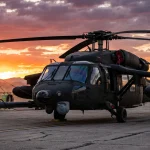
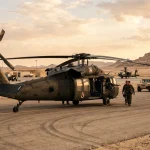
- UH-60 Black Hawk: This utility helicopter is versatile, serving roles such as troop transport, medevac, and search and rescue. Pilots training for the Black Hawk must be proficient in navigating varying environments and managing diverse mission parameters.
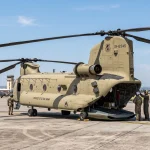
- CH-47 Chinook: Known for its heavy lift capabilities, the Chinook is primarily used for troop transport and logistical support. Pilots need a firm grasp of managing the helicopter’s twin-rotor system, which affords it remarkable lifting power and stability.
- MH-60 Seahawk: A multi-mission helicopter used by the Navy, the Seahawk is designed for anti-submarine warfare, search and rescue, and logistical support. Training for this model includes honed skills for maritime operations and precise hovering techniques.
Each helicopter model presents unique operational requirements that pilots must navigate, from flight dynamics to mission-specific strategies. The hands-on experience with various models during training not only enhances a pilot’s technical skills but also fosters a deeper understanding of the roles these aircraft play in the broader scope of military operations.
Mission Adaptability
Military pilots must be adaptable, quickly adjusting to the characteristics of each helicopter. For instance, transitioning from the agility needed to pilot an Apache to the heavy lifting techniques required for a Chinook can be challenging but is crucial for effective military service. Training often involves simulator exercises and live-flight scenarios tailored to each model’s characteristics, ensuring pilots are prepared for the diverse environments they will encounter.
Overall, recognizing the different helicopter models and their capabilities can significantly influence an aspiring pilot’s career path and specialization in the military. This knowledge not only aids in training but also arms pilots with the understanding necessary to excel in missions that vary widely in demand and complexity.
The Role of a Helicopter Pilot in Military Operations
In the realm of military aviation, helicopter pilots serve as critical assets, executing a wide array of missions that range from combat support to humanitarian aid. These aviators are not merely operators of machines; they are highly trained professionals who must display exceptional skill and adaptability in dynamic, often high-stress environments. The role of a helicopter pilot encompasses a variety of responsibilities, making them indispensable in ensuring mission success while maintaining the safety of their crew and the people they serve.
One of the key roles of helicopter pilots is conducting troop transport and medical evacuations. For example, during combat operations, pilots skillfully navigate hazardous environments to insert or extract troops, showcasing their ability to perform under pressure. Situations such as medical emergencies necessitate split-second decisions, where pilots coordinate landings in confined spaces to evacuate injured soldiers swiftly. This requires not only precise flying skills but also an acute awareness of the surrounding environment and potential threats.
In addition to transport duties, helicopter pilots are involved in reconnaissance and surveillance missions, gathering vital intelligence that informs military strategy. They operate high-tech equipment and ensure effective communication with ground forces, providing real-time updates that can change the course of operations. Their ability to interpret data from onboard systems enhances situational awareness for commanders, making them essential players in the theater of war.
Moreover, pilots are also integral to search and rescue operations. When disasters strike, whether natural or man-made, helicopter pilots often find themselves at the forefront of rescue efforts. Whether it’s navigating challenging weather conditions or executing complex pick-up maneuvers, their training prepares them to respond efficiently and effectively in crisis situations. The inherent risks associated with such missions underscore the courageous spirit and unyielding dedication of military helicopter pilots.
Ultimately, extends beyond just flying; it involves leadership, decision-making, and the ability to perform complex tasks under pressure. Their contributions are vital for ensuring mission objectives are met, while also providing crucial support to both military personnel and civilians in need. As technology and operational demands evolve, the role of these aviators will continue to grow, making it a challenging yet rewarding career for those who dare to take to the skies.
Key Skills and Attributes of Successful Military Helicopter Pilots
Becoming a military helicopter pilot requires more than just a passion for flying; it demands a unique blend of skills and attributes that set successful candidates apart from the rest. In the high-stakes environment of military operations, these aviators are not only maneuvering complex aircraft but also making critical decisions that can impact mission outcomes and the safety of their crew and others involved.
To excel as a helicopter pilot, candidates must possess exceptional spatial awareness. This skill allows pilots to navigate tight spaces and challenging terrains, especially during critical missions like troop insertions or medical evacuations. The capacity to remain calm under pressure is equally vital. Many scenarios will require pilots to make split-second decisions while managing the aircraft’s controls in adverse conditions. Effective leadership and communication skills are also paramount. Pilots must coordinate with ground forces and other aircrew members seamlessly, ensuring everyone is on the same page during operations.
Additionally, technical proficiency cannot be overlooked. Military helicopters are equipped with advanced technologies that require pilots to be adept in utilizing various systems, from navigation to defensive mechanisms. Aspiring pilots should also exhibit a strong commitment to continuous learning and adaptability, as military tactics and technologies evolve rapidly.
Finally, resilience and emotional intelligence play significant roles. The nature of military missions can place pilots in emotionally charged situations, and the ability to cope with stress while remaining focused is essential. These attributes combined create well-rounded aviators capable of executing their duties effectively while facing the unpredictable realities of military aviation.
For those looking to embark on this thrilling journey, honing these skills is just as crucial as the technical training that follows. Balancing ambition with a commitment to personal development will prepare future pilots for the demands of this exciting career path.
Navigating the Military Pilot Testing and Selection Process
To become a military helicopter pilot, candidates must navigate a rigorous testing and selection process designed to identify those best suited for the demands of military aviation. This journey begins with an application that typically involves submitting qualifications, including age, education, and physical fitness standards. Candidates must also pass a series of assessments that gauge their aptitude and potential for flight training.
Initial Requirements
The first step in this journey involves meeting certain basic requirements, which include:
- Age: Generally, candidates must be between 18 and 30 years old.
- Education: A high school diploma or GED is essential, but many branches prefer some college education or a bachelor’s degree.
- Physical Fitness: Applicants must pass a physical exam that assesses their overall health and fitness levels.
Aptitude Testing
Once requirements are met, candidates take the Army’s Standardized Aptitude Test (ASTB) or a similar examination. These tests evaluate skills critical for flying, including spatial awareness, mechanical comprehension, and mathematical ability. High scores can enhance one’s chance of selection.
Interview and Evaluation
After passing the tests, candidates typically undergo interviews with military aviation panels, where their motivation, commitment, and teamwork skills are assessed. This stage is crucial since it provides insight into how candidates handle pressure and their fit within military culture.
Comprehensive Selection Process
Successful candidates move on to a final selection phase, which may include further evaluations and background checks. Typically, this culminates in a ranking system that prioritizes candidates based on their performances in testing and interviews. Those selected will then be formally notified and can begin their flight training journey, an exciting phase filled with advanced instruction in piloting various military helicopters.
By staying informed and prepared throughout the testing and selection process, aspiring helicopter pilots can increase their chances of success and embark on a fulfilling military aviation career.
Financial Considerations: Costs of Becoming a Military Helicopter Pilot
Becoming a military helicopter pilot is not just a journey through rigorous training and testing; it also involves navigating financial considerations that can significantly impact your decision-making process. While the military provides a unique opportunity for aspiring pilots, understanding the costs associated with this career path is essential for anyone considering this exciting venture.
The military typically covers the costs of flight training, which can exceed hundreds of thousands of dollars if pursued through civilian means. In fact, the cost of training to become a helicopter pilot is part of the comprehensive investment the military makes in its personnel. This financial commitment includes tuition, instructor salaries, fuel, maintenance, and the use of sophisticated training equipment. Therefore, as a candidate, you will not incur these costs upfront, but it’s important to recognize that your service obligation following training is substantial, often requiring several years of active duty.
While there aren’t direct costs for training, potential recruits should be aware of indirect expenses that may arise. These might include costs for commuting to the training base, uniforms, and personal upkeep during training. Additionally, if you choose to pursue private pilot training before enlistment, these expenses can accumulate quickly, with flight hours and certifications running into the thousands of dollars.
In terms of long-term financial benefits, military helicopter pilots typically enjoy competitive salaries and benefits, including health care, housing allowances, and retirement plans. According to data, military pilots can expect to earn a base salary that varies by rank but can be quite lucrative over the course of a career. For example, seasoned pilots with several years of service may earn well over $100,000 annually, especially when factoring in bonuses for specialized skills or assignments.
Understanding these financial nuances-both the absence of significant upfront costs and the potential returns throughout a military career-will help aspiring helicopter pilots make informed decisions about their future in military aviation. With careful planning and commitment, the dream of flying helicopters for the military can become a rewarding reality.
What to Expect During Military Flight School
The journey through military flight school is both challenging and exhilarating, designed to transform passionate individuals into proficient helicopter pilots. Aspiring pilots can expect a demanding yet rewarding experience that blends intense academic training with practical flight instruction. The environment here is often high-stakes, fostering a deep sense of responsibility and camaraderie among cadets.
Training typically begins with a rigorous academic phase, which covers subjects such as aerodynamics, navigation, and aircraft systems. Cadets must absorb a wealth of information in a short period. Success in this phase is crucial, as it lays the foundation for flight operations. It’s not uncommon for students to engage in extensive study groups-sharing knowledge and strategies helps forge strong bonds that last long after training ends.
Once the academic fundamentals are grasped, students progress to flight training. This stage includes both simulator sessions and actual flight hours, working under the supervision of experienced instructors. Here, cadets will familiarize themselves with various helicopter models and learn essential flying maneuvers, emergency procedures, and mission planning. Throughout this process, students should be prepared for both exhilarating successes and challenging setbacks. Each flight is an opportunity for growth, helping to develop quick thinking and adaptability-key attributes for any military pilot.
In addition to technical skills, physical fitness plays a significant role during training. Candidates are expected to maintain a certain level of fitness to meet the demands of military operations, including rigorous physical training sessions. The importance of teamwork cannot be overstated as well, as many flight missions require coordination with other crew members and support personnel. By the end of flight school, cadets not only emerge as skilled pilots but also as resilient individuals with strong leadership qualities, ready to take on the complexities of military aviation.
Post-Training Opportunities: Career Paths for Military Helicopter Pilots
Becoming a military helicopter pilot opens up a wide array of exciting career opportunities after training. Graduates from military flight school find themselves well-equipped not just with flying skills but with leadership experience, technical knowledge, and the unique ability to perform under pressure. These qualities can lead to diverse career paths both within the armed forces and in civilian sectors.
Military Career Tracks
Many pilots continue their service in the military, often advancing to leadership positions or specialized roles. Options include piloting advanced aircraft like the AH-64 Apache or the UH-60 Black Hawk, where they contribute to missions involving surveillance, transport, and tactical operations. The skills developed during training-such as strategic planning and teamwork-become even more critical as they rise through the ranks, potentially leading to roles in operational command or aviation safety.
Civilian Opportunities
Transitioning to civilian life, former military helicopter pilots are well-positioned for various rewarding careers. Common paths include:
- Emergency Medical Services (EMS): Pilots can work for air ambulance services, providing critical care under high-pressure situations.
- Law Enforcement: Many pilots serve with police forces, operating helicopters for surveillance and search-and-rescue missions.
- Firefighting: Helicopter pilots play vital roles in aerial firefighting, dropping water and retardant on wildfires.
- Private Sector Aviation: Opportunities exist with companies that require aerial support for construction, oil and gas exploration, and tourism.
The civilian aviation industry values the comprehensive training and operational experience that military pilots bring to the table, offering competitive salaries and benefits. With the rigorous training and discipline honed in the military, these pilots often distinguish themselves in any aviation environment they choose.
Overall, whether advancing within military ranks or transitioning to civilian roles, helicopter pilots who have trained in the military enjoy a multitude of career paths that leverage their skills and experiences. The journey after training is not just about flying; it’s about leadership, crisis management, and making a significant impact, no matter the arena.
Life as a Helicopter Pilot in the Military: Challenges and Rewards
Life as a helicopter pilot in the military combines exhilarating experiences with unique challenges, creating a career that is both rewarding and demanding. Every flight is not just a job; it’s a vital part of a larger mission, whether that’s conducting search-and-rescue operations, providing logistical support during deployments, or engaging in combat missions. The thrill of flying advanced helicopters, such as the UH-60 Black Hawk or the AH-64 Apache, is matched by the responsibility of ensuring the safety of your crew and mission success.
Challenges are an integral part of military aviation. Helicopter pilots must navigate not only the physical complexities of flying but also the psychological demands of high-stakes environments. Factors like weather conditions, equipment malfunctions, and tactical threats can all play a role in any given flight. Additionally, pilots often work irregular hours and face the stress of being deployed for extended periods, which can take a toll on personal relationships and mental well-being. Training prepares pilots for these stressors, but real-world experience continually tests their resilience and adaptability.
Despite these challenges, the rewards of being a military helicopter pilot are profound. There’s a sense of purpose that comes with serving one’s country and making a tangible impact in various missions, from humanitarian efforts to combat operations. The camaraderie among crew members helps forge strong bonds, making even the most difficult deployments manageable. Moreover, the skills acquired during training-like leadership, quick decision-making, and crisis management-are invaluable and highly regarded, both in military careers and civilian aviation roles.
Ultimately, a career as a military helicopter pilot is about more than just flying. It’s about embracing the adventure, facing challenges head-on, and finding fulfillment in the essential role that helicopters play in modern warfare and humanitarian efforts alike. For those with a passion for aviation and a desire to serve, the journey is both thrilling and transformative, setting the stage for lifelong skills and experiences.
Transitioning from Military to Civilian Helicopter Aviation
can be an exciting yet challenging journey, marking a significant shift in responsibilities, environments, and expectations. Many military-trained pilots find that their skills are highly transferable, but understanding the nuances of civilian aviation is crucial for a successful transition.
One of the first steps in this transition is to secure the necessary certifications. Military pilots often hold various licenses, but they may need to obtain civilian ratings like the FAA Commercial Pilot License (CPL) or even an Airline Transport Pilot (ATP) certificate, depending on their career goals. Engaging in a structured transition program can streamline this process. Programs such as the Rotor Transition Program by Frontier Airlines specifically assist military-trained helicopter aviators in obtaining fixed-wing training and the relevant certifications, paving the way for positions in commercial aviation [[1]](https://www.flyfrontier.com/careers/pilot/rotor-transition-program/?mobile=true).
Moreover, building a professional network is essential. Connecting with other veterans and civilian pilots through organizations such as the Aircraft Owners and Pilots Association (AOPA) or attending aviation career fairs can open up job opportunities that may not be widely advertised. Utilizing platforms like LinkedIn allows veterans to showcase their unique experiences in the military, which can be a significant advantage in civilian job markets.
The civilian aviation landscape is also different in terms of work culture and schedules. Military pilots are accustomed to strict protocols and sometimes chaotic environments. In contrast, civilian pilots often deal with commercial aviation regulations and customer service aspects. Learning to adapt to these new dynamics can significantly enhance a pilot’s employability. Pilots should also be prepared for various airlines’ interview processes, which often emphasize soft skills and cultural fit alongside technical abilities.
Finally, the financial implications of the transition should be carefully considered. While military pilots typically have their flight training funded, transitioning to civilian flight roles may involve costs. Exploring various funding options, sponsorship deals, or veteran benefits can help mitigate these expenses. Organizations often provide resources to help veterans navigate the complexities of civilian aviation and its required certifications.
In summary, requires a strategic approach-securing necessary certifications, building a strong network, adjusting to a new work culture, and understanding financial responsibilities. With careful planning and support, military pilots can successfully embark on rewarding civilian aviation careers.
FAQ
Q: What are the medical requirements to become a helicopter pilot in the military?
A: To become a helicopter pilot in the military, candidates must meet specific medical standards. This includes passing a Class 1 Flight Physical, which assesses vision, hearing, and overall health. Conditions like color blindness or certain chronic illnesses may disqualify candidates. It’s crucial to consult the military’s medical guidelines early in the process.
Q: How long does it take to train as a military helicopter pilot?
A: Training to become a military helicopter pilot typically takes 18 to 24 months. This period includes initial officer training, flight school, and specialized helicopter training. The duration can vary based on the military branch and the specific aircraft involved.
Q: What types of helicopters do military pilots train on?
A: Military helicopter pilots train on various aircraft, including the UH-60 Black Hawk, AH-64 Apache, and CH-47 Chinook. Training often begins on smaller, dual-control helicopters before progressing to more advanced models, ensuring pilots gain necessary skills gradually.
Q: What is the role of a helicopter pilot in military operations?
A: Helicopter pilots play critical roles in military operations, including troop transport, medevac missions, reconnaissance, and support during combat. They must be adept at navigating diverse terrains and executing precision maneuvers under pressure.
Q: Can you become a helicopter pilot without a college degree in the military?
A: Yes, it is possible to become a military helicopter pilot without a college degree. However, meeting other qualifications, such as completing Officer Candidate School or Aviation Officer Training, and demonstrating exceptional aptitude in flight training is crucial.
Q: What are the advantages of becoming a helicopter pilot in the military?
A: Becoming a helicopter pilot in the military offers significant advantages, including specialized training, career advancement opportunities, and the chance to serve your country. Additionally, military experience can provide a strong foundation for transitioning to civilian aviation careers.
Q: Is there a financial cost associated with helicopter pilot training in the military?
A: Military helicopter pilot training is generally funded by the military, meaning there are no direct costs to the candidate. However, candidates may incur expenses for optional training opportunities. Financial incentives often include signing bonuses and benefits for service commitments.
Q: How can I prepare for the military pilot selection process?
A: Preparing for the military pilot selection process involves studying for the Armed Services Vocational Aptitude Battery (ASVAB) and participating in physical fitness training. Gaining flight experience through civilian aviation can also enhance your competitive edge. Consider reviewing the selection criteria detailed in the article for specific guidance.
Future Outlook
As you embark on your journey to become a helicopter pilot in the military, remember that every step is a chance to move closer to an exhilarating career that combines adventure, leadership, and skill. Whether you’re just exploring your options or ready to take the plunge, now is the perfect time to take action. Don’t hesitate to check out our detailed guide on military flight training eligibility and financing your pilot education to navigate through your next steps confidently.
Feel free to share your thoughts or ask questions in the comments below-we love hearing from aspiring pilots like you! Dive deeper into related topics, such as the benefits of helicopter pilot training and the different aircraft models you could be flying, as this knowledge can enhance your decision-making. Join our newsletter for more insights, tips, and resources tailored for future aviators. Together, let’s take flight towards your military aviation dream. The sky is waiting!
Get our latest guides, news, and insights highlighted in your Google Search & AI Overviews.