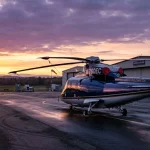
Did you know that the path to becoming a helicopter pilot can take anywhere from a few months to several years, depending on your goals and dedication? Understanding how long helicopter pilot training lasts is vital for aspiring pilots, as it directly impacts not only your timeline but also your career prospects. Whether you’re dreaming of flying rescue missions, providing aerial tours, or working in law enforcement, knowing the structured steps and time commitments involved can help you set realistic expectations and achieve your goals. In this guide, we will explore the complete timeline of helicopter pilot training, highlighting essential milestones and what you can expect along the way. So, buckle up as we take you through this exciting journey into the world of helicopter aviation!
How Helicopter Pilot Training Works
Successfully becoming a helicopter pilot requires dedication, time, and a structured training regimen that encompasses both theory and practical experience. The journey begins with ground school, where aspiring pilots learn about aerodynamics, navigation, meteorology, regulations, and helicopter systems. This theoretical foundation is crucial-not only does it prepare students for written examinations, but it also enhances their understanding of the helicopter’s operation during flight training.
After completing ground school, students transition to flight training, which involves hands-on practice in a real helicopter under the supervision of a certified flight instructor. Training typically starts with basic maneuvers such as takeoffs, landings, and hovering, gradually escalating to more complex operations like emergency procedures and night flying. Throughout this phase, flight hours accumulate towards the required minimum for licensing, which varies depending on the type of certification being pursued (private, commercial, etc.). Real-time feedback from instructors is invaluable, as it helps refine skills and build the confidence necessary to operate safely in varied conditions.
Effective helicopter pilot training is often complemented by simulator sessions. Simulators provide a risk-free environment to practice emergency scenarios or challenging flying conditions that might be impractical to replicate in the air. These tools enhance decision-making abilities and allow for repetition without the logistical challenges of actual flight.
The training timeline varies; for instance, achieving a private pilot license may take anywhere from 3 to 6 months with full-time commitment, while commercial pilots often require additional hours and advanced training that can extend this timeline significantly. Ultimately, the combination of structured ground school learning, practical flight experience, and the use of simulators creates a comprehensive educational experience designed to prepare future pilots for the skies.
Timeline for Helicopter Pilot Training
Becoming a helicopter pilot is an exciting journey filled with a mix of rigorous training, invaluable hands-on experience, and a deep understanding of aerodynamics. The timeline for training can vary significantly based on the type of license sought and the intensity of commitment. Generally, aspiring pilots can anticipate a structured pathway, typically broken into two primary phases: ground school and flight training.
For those pursuing a private pilot license, the timeline often spans 3 to 6 months if attending full-time. During this period, students immerse themselves in ground school, where they learn essential topics such as aviation regulations, navigation skills, and aircraft systems. Following this foundational phase, students step into the cockpit to apply their knowledge and hone their flying skills under the guidance of certified instructors. Flight training tends to encompass about 40 to 60 hours of flight time, which includes mastering basic maneuvers, emergency protocols, and ultimately, solo flights.
In contrast, obtaining a commercial pilot license requires a longer commitment, often extending beyond 6 months to over a year. This encompasses more complex training, demanding a minimum of 150 hours of flight experience, alongside an emphasis on advanced maneuvers and night flying. Many flight schools offer both accelerated and traditional training programs, with accelerated paths significantly shortening the timeline by providing intensive, immersive training schedules.
To sum up, while the path to becoming a helicopter pilot can be time-consuming, each phase is designed to equip you with vital skills and confidence needed to navigate the skies. Whether you’re considering a full-time or part-time training approach, understanding the timeline can help you better prepare for this rewarding aviation journey.
Essential Requirements to Become a Helicopter Pilot
To embark on the adventurous journey of becoming a helicopter pilot, several essential requirements must be met, ensuring not only the safety of the pilot but also the passengers and the aircraft. One of the foremost prerequisites is reaching a minimum age of 17 years to apply for a private pilot license (PPL), and 18 for a commercial pilot license (CPL). This age requirement reflects the maturity needed to handle the complexities of flying a helicopter.
In addition to age, prospective pilots must obtain a medical certificate from an authorized aviation medical examiner, confirming they meet the necessary health standards. The medical exam assesses vision, hearing, and overall physical and mental health. Passing this exam is crucial as it ensures pilots can handle the stresses of flight and respond to emergencies effectively.
Equally important is the necessity of completing a structured training program, which typically includes both ground school and flight training. During ground school, students acquire critical knowledge about aerodynamics, navigation, weather patterns, and regulations. This foundational learning is paired with flight training, where students accumulate flight hours under the supervision of certified instructors, honing their piloting skills in real-world scenarios.
Lastly, developing a strong passion for aviation is perhaps the most invaluable asset for aspiring helicopter pilots. This passion fuels the dedication needed to navigate the rigorous training process, foster resilience during challenging situations, and embrace a lifelong learning approach in a constantly evolving field. With these requirements in hand, aspiring pilots can look forward to an exhilarating and rewarding career in aviation.
Different Types of Helicopter Pilot Licenses
Becoming a helicopter pilot opens up a pathway to a thrilling career, and understanding the various types of pilot licenses is essential for anyone looking to take to the skies. There are several licenses that one can pursue, each serving distinct purposes and offering unique opportunities within the aviation field.
Private Pilot License (PPL)
The journey typically begins with the Private Pilot License (PPL), which allows individuals to operate helicopters for non-commercial purposes. With a PPL, pilots can take friends and family for a ride, but they cannot charge for their services. To obtain this license, a minimum of 40 flight hours is usually required, which includes both flight training and solo flying. The PPL is not just about accumulating hours; aspiring pilots must also pass a written exam and a practical flight test to demonstrate their flying skills.
Commercial Pilot License (CPL)
For those wishing to make flying their career, the next step is the Commercial Pilot License (CPL). This license allows pilots to be compensated for their flying services, broadening the spectrum of job opportunities available, from emergency medical services to aerial photography and beyond. The CPL mandates a minimum of 150 flight hours, which must include specific flight experience and advanced maneuvers. Pilots must also pass a more rigorous written exam and practical test.
Flight Instructor License (CFI)
Another rewarding avenue is the Certified Flight Instructor (CFI) license. Obtaining this license not only qualifies a pilot to teach others how to fly but also allows them to build flight hours, which is crucial for advancing in their aviation careers. To become a CFI, pilots must already hold a CPL and complete additional training. This route can be particularly attractive for those looking to gain experience while earning a living.
Additional Ratings and Endorsements
Beyond these primary licenses, pilots can also pursue additional ratings, such as instrument ratings, which allow them to fly in various weather conditions using instruments for navigation. There are also type ratings for specific helicopter models, especially larger or more complex aircraft, which may be required by employers.
In summary, the progression through these licenses and ratings not only enhances a pilot’s skills but also expands their job prospects in the exciting world of aviation. Each license represents a significant milestone in a pilot’s career, paving the way for diverse and fulfilling opportunities in various sectors.
Costs Associated with Helicopter Pilot Training
The financial commitment involved in helicopter pilot training is significant and can vary widely based on several factors, including the type of training program, location, and personal goals. Understanding these costs is essential for aspiring pilots as they plan their journey to the skies.
When considering helicopter pilot training, here are the major expense categories one should anticipate:
- Flight Hours: The cost of flight training is often calculated by the hour. For example, renting a helicopter may range from $200 to $500 per hour, depending on the model and location. To obtain a Private Pilot License (PPL), pilots typically need a minimum of 40 flight hours, although most students log between 60 and 100 hours before testing for their license.
- Ground School: Ground school covers crucial theoretical knowledge, including navigation, weather conditions, and regulations. This can cost anywhere from $300 to $1,500, depending on whether it’s conducted online or in-person and if it’s part of a package deal.
- Additional Equipment and Fees: Pilots may need to invest in essentials like headsets (costing around $100 to $1,000), textbooks, course materials, and exam fees. Health and medical exams, required for licensing, add more to the total cost.
- Type Ratings and Endorsements: For those pursuing specialized careers or flying specific aircraft, additional training may be necessary. This can significantly increase costs, as type rating training for complex helicopters can run from $5,000 to $10,000 or more.
The total cost for obtaining a PPL can range from about $10,000 to over $20,000, while a Commercial Pilot License (CPL) may push the total closer to $30,000 or more, depending on the pilot’s flight hours and the specific training path.
Choosing a flight school can impact costs as well. Some schools might offer financing or pay-as-you-go options. Discounts may also be available for blocks of hours purchased up front. Aspiring pilots should look for schools that offer good value, including experienced instructors and modern equipment, as these can make for a more efficient training process.
It’s wise to budget for unexpected expenses as well. Helicopter pilot training can be complex, and it may take longer than initially planned due to factors like weather, student progress, and helicopter availability. Being prepared for fluctuations in time and budget can help smooth the journey to becoming a licensed helicopter pilot.
Choosing the Right Flight School for You
Choosing a flight school is one of the most critical decisions aspiring helicopter pilots will face on their journey to becoming licensed aviators. With a variety of schools offering different curricula, aircraft, and costs, finding the right fit can feel overwhelming. A well-chosen school can significantly enhance your training experience, fostering both skill development and passion for flying.
When evaluating potential flight schools, consider the following crucial factors:
Accreditation and Reputation
Start by researching schools that are accredited by recognized aviation authorities. Focus on institutions with a solid reputation within the industry. Look for reviews from former students and data on their graduation rates, job placement rates, and overall satisfaction. An engaging and supportive environment can impact your learning process and future career opportunities.
Instructor Experience
The quality of your flight instructors can drastically affect your training. Look for schools where instructors have extensive experience, particularly those with a background in both flight instruction and operational flying. A passionate and knowledgeable instructor can offer insights that go beyond textbooks, turning complex concepts into relatable lessons.
Fleet and Facilities
The diversity and condition of the school’s fleet are also vital. A modern fleet with a range of helicopter types not only enhances your learning experience but also ensures safety. Additionally, check the availability of simulators and other learning aids. Enhanced training tools can lead to a deeper understanding of helicopter mechanics and navigation.
Transparent Pricing and Financing Options
Understanding the cost structure of your training program is essential. Some schools may lump everything into a single price, while others may have hidden fees for materials, tools, and additional flight hours. Look for schools that offer clear breakdowns of all associated costs. Financing options can also ease the financial burden; inquire about scholarships, payment plans, or loans to help cover the costs of your training.
Having established these criteria, schedule visits to a few schools to get a feel for their environment and culture. Observing a class in action can provide invaluable insights, allowing you to see how instructors interact with students and how well students engage with the material.
Choosing the right flight school is not just about meeting licensing requirements; it’s about preparing for a fulfilling career in aviation. With the right guidance, tools, and resources, you’ll be well on your way to mastering the skills necessary to soar through the skies.
Benefits of Helicopter Pilot Training
Embarking on the journey to become a helicopter pilot is not just about mastering the aircraft; it’s about embracing a unique lifestyle filled with diverse opportunities and fantastic experiences. Helicopter pilot training offers numerous benefits that extend beyond obtaining a license-turning your passion for flying into a rewarding career.
One of the most significant advantages of helicopter pilot training is the ability to operate in environments where fixed-wing aircraft cannot. Helicopters can land in tight spaces and navigate complex urban landscapes, making them essential for various industries such as medical transport, agriculture, firefighting, and law enforcement. This versatility opens up numerous career paths that can suit a wide range of interests and lifestyles.
Additionally, helicopter pilots are often at the forefront of emergency response. Operating air ambulances and rescuing individuals in remote or dangerous locations can be incredibly fulfilling, knowing that you are making a difference in critical situations. The skills learned during training-such as precise control, situational awareness, and quick decision-making-are invaluable in these high-stakes environments.
Moreover, the network and camaraderie formed during training can be life-changing. Engaging with fellow students and seasoned instructors creates a supportive community that fosters lifelong friendships and professional connections. Sharing experiences, challenges, and triumphs enhances both personal and career growth, making the journey to becoming a pilot not just an educational endeavor but a deeply enriching experience.
In terms of personal development, helicopter pilot training instills discipline, confidence, and a sense of achievement. Completing training programs and overcoming obstacles helps develop a resilient mindset, essential not only in aviation but in any life pursuit. Ultimately, the can transform your passion into a purposeful and exciting career.
Training Curriculum: Ground School vs. Flight Training
Diving into the training curriculum for aspiring helicopter pilots reveals a dynamic blend of ground school fundamentals and hands-on flight training. Each component is essential, but they serve different purposes in preparing pilots for the skies. Ground school lays the theoretical foundation necessary for understanding flight mechanics, navigation, regulations, and safety protocols, while flight training offers the practical application of that knowledge through real-world flying experience.
In ground school, students engage in various subjects that are crucial for a successful flying career. Key topics include:
- Aerodynamics: Understanding how lift and drag work is fundamental to flying helicopters.
- Navigation: Learning to read maps, use instruments, and navigate using both visual and instrument methods.
- Meteorology: Understanding weather patterns and how they affect flight conditions and safety.
- Aircraft Systems: A comprehensive look at helicopter components, from rotor systems to avionics.
- Federal Aviation Regulations (FAR): Knowledge of the regulations that govern all aspects of aviation.
This theoretical instruction is complemented by flight training, where students put their knowledge into action. Flight training is typically conducted in dual-control helicopters, allowing both the instructor and student to operate the aircraft. During these sessions, students learn vital skills such as:
- Pre-flight checks: Inspections to ensure everything is in working order before takeoff.
- Basic maneuvers: Practicing takeoffs, landings, and hovering.
- Emergency procedures: Training to handle unexpected flight situations safely.
- Navigation skills: Applying classroom knowledge in practical navigation and flying skills.
Balancing ground and flight training is critical; students often find themselves oscillating between the classroom and the cockpit. This integration is vital for reinforcing learning and ensuring that students can translate knowledge into practice effectively. While ground school might provide the theoretical expertise needed, it’s the time spent subject to the forces of flight that truly builds a pilot’s confidence and skill.
To illustrate this connection, consider a student who learns about aerodynamics in ground school and then goes on to experience the sensation of lift during flight training. This immediate application helps solidify their understanding in a way that textbooks alone cannot achieve. Ultimately, each student’s path through this dual training process is designed to build a well-rounded pilot who is ready to tackle the diverse challenges of flying helicopters in various environments.
Real-Life Experiences from Helicopter Pilots
Aspiring helicopter pilots often find inspiration in the thrilling stories shared by those who have already navigated the skies. These real-life experiences provide valuable insights into the journey of becoming a pilot, revealing both the challenges and triumphs along the way. For many, the road to obtaining a helicopter license is filled with unforgettable moments, from the first solo flight to the satisfaction of successfully executing emergency procedures.
One pilot recalls the exhilaration of their first solo flight. After extensive training, mastering maneuvers, and countless hours in simulated flight scenarios, the moment finally arrived. As they lifted off with just the hum of the rotor blades and the wind rushing past, a mix of fear and joy surged through them. That solo experience not only marked a significant milestone in their training timeline but also solidified their passion for flying. It’s a common thread among pilots that these singular moments of achievement-like successfully navigating through challenging weather conditions or completing advanced maneuvers-are often the highlights of their early training days.
As pilots advance in their training, they frequently confront real-life scenarios that test their skills. One pilot shared an experience where they had to perform an emergency landing during a training session. What began as a routine practice flight turned into a tense situation when an altitude warning signal rang out. Drawing on their training, the pilot calmly assessed the situation and executed a successful landing, reflecting on how crucial their education in emergency protocols had been. Such experiences emphasize the importance of rigorous training and preparedness, reinforcing the pivotal role of both ground school and hands-on flight instruction.
Moreover, the camaraderie among student pilots can enhance the learning experience. For instance, training at a flight school often involves close collaboration with fellow students, sharing insights, and celebrating each other’s successes. This supportive environment fosters a sense of community, where everyone understands the challenges inherent in helicopter training. Mentorship from seasoned pilots also plays a crucial role, as they impart wisdom and share stories from their careers, providing motivation and a clearer picture of what life can hold for those who persevere through training.
These narratives not only illustrate the diverse experiences pilots face but also serve as a testament to the dedication required to embark on this career path. The journey to becoming a helicopter pilot is not merely about mastering technical skills; it’s also about embracing the journey, learning from each experience, and building a network of support along the way.
Accelerated vs. Traditional Training Programs
Choosing between accelerated and traditional helicopter pilot training programs can significantly influence your journey to becoming a licensed pilot. Both paths have unique advantages and considerations, catering to varying needs and circumstances of aspiring aviators. Understanding these differences can help you make an informed decision that aligns with your goals, learning style, and timeframe.
Accelerated training programs are designed for those who prefer an intense, immersive experience. Typically, these programs condense the training timeline to complete the necessary flight hours and ground school education in a shorter period, often within a few months. This fast-paced approach is ideal for individuals who can dedicate significant time to flying and studying, as these programs often involve daily flight lessons and extensive study schedules. For example, an accelerated program may require you to fly several times a week, which increases your proficiency more quickly than less frequent training. Those who thrive in high-pressure environments or have a strong background in aviation concepts may find this route appealing, as it often leads to quicker entry into the workforce.
In contrast, traditional training programs offer a more gradual approach, allowing for a manageable learning pace. These programs typically spread training over a longer duration, often a year or more. This slower pace can be beneficial for individuals balancing other commitments, such as work or family obligations. Traditional programs provide time to digest complex information, reinforce skills through practice, and develop a deeper understanding of helicopter systems and operations. This method can also allow for flexible scheduling of flights, accommodating students who may not be able to fly consistently due to external factors.
Both training approaches have their merits, so consider the following factors when making your choice:
- Time Commitment: How much time can you realistically dedicate to training?
- Learning Style: Do you prefer an accelerated pace or do you learn better over an extended period?
- Career Goals: Are you aiming to enter the workforce quickly, or can you afford to take your time?
- Financial Considerations: What are your budget constraints, and how do they affect your choice of program?
Ultimately, both accelerated and traditional programs can lead to successful careers in aviation. The decision comes down to personal circumstances, learning preferences, and career aspirations. By carefully weighing these factors, you can choose the training path that aligns best with your ambitions and lifestyle, setting you up for a fulfilling and successful career as a helicopter pilot.
What to Expect During Your Flight Training
Entering the world of helicopter flight training is a thrilling journey, promising both excitement and a demanding educational experience. As you step into the cockpit for the first time, expect a mixture of exhilaration and nervousness-emotions shared by countless aspiring pilots before you. Flight training is structured to build your skills progressively, ensuring a solid foundation in both theory and practical application.
During your flight training, you’ll typically engage in a combination of ground school and flight instruction. Ground school covers essential theoretical topics, such as aerodynamics, meteorology, navigation, and helicopter systems. This knowledge is vital for making informed decisions while flying. Expect to spend hours studying, both independently and in classroom settings. Flight instruction complements this learning by providing hands-on experience in the air, where you’ll practice everything from basic maneuvers to emergency procedures.
Your Flight Experience
In the cockpit, your instructor will guide you through different flight phases, starting with basic hovering before progressing to takeoffs, landings, and various in-flight maneuvers. You’ll accrue flight hours, which are critical for meeting licensing requirements, while honing your skills in communication and coordination. Expect to undergo various simulation exercises that mimic real-world scenarios, including bad weather and equipment malfunctions. These exercises are intended to develop your problem-solving skills and your ability to remain calm under pressure.
Building Proficiency
Your training will generally follow a structured syllabus, allowing you to track your progress and identify areas where you may need extra practice. As you gain proficiency, you might also start preparing for specific check rides, assessments conducted by designated pilot examiners to evaluate your skills and knowledge.
After completing your flight training, this journey doesn’t just end with obtaining your license. You’ll learn that ongoing education and practice are essential, as aviation is a field where continuous learning is key to safety and skill enhancement. Each flight will present new challenges and experiences, further refining your ability as a pilot.
Overall, expect a rigorous yet rewarding experience, filled with moments of triumph and learning opportunities that will shape your career as a helicopter pilot. Enjoy every flight and stay committed to your passion for aviation!
Career Opportunities After Helicopter Training
Individuals who complete helicopter pilot training unlock a variety of dynamic and rewarding career opportunities in diverse sectors. The skills acquired during training are not just about flying; they prepare pilots for critical roles in industries ranging from emergency services to tourism. With the aviation industry continually evolving, the demand for skilled helicopter pilots is expected to grow, particularly in specialized fields.
Potential Career Paths
Many graduates find fulfilling careers in the following areas:
- Emergency Medical Services (EMS): Pilots in this field transport patients quickly to hospitals, playing a vital role in saving lives during critical situations.
- Aerial Firefighting: Helicopter pilots are essential in combating wildfires, using their aircraft to drop water or fire retardant substances on flames.
- Law Enforcement: Police departments use helicopters for surveillance, pursuit, and rescue missions, making pilot expertise crucial for public safety.
- Tourism: Scenic flights are popular in tourist areas, where pilots offer breathtaking views and unique experiences to visitors.
- Oil and Gas Industry: Helicopters are used for transporting personnel and equipment to offshore rigs, requiring skilled pilots to manage these complex operations.
- Utility Services: Power companies often employ helicopter pilots for inspection and maintenance of power lines and transmission towers.
Advancing Your Career
As you gain experience, you can pursue additional certifications, such as an instrument rating or flight instructor rating, which can enhance job prospects and increase earning potential. Many seasoned pilots also explore opportunities in corporate flying, providing transportation for executives, or engage in flight instruction, passing their expertise onto the next generation of pilots.
Every flight offers unique challenges, and learning from real-life experiences can further shape your capabilities. For example, pilots in challenging weather conditions develop a deeper understanding of navigation and flight safety, while those in emergency services refine their decision-making skills under pressure.
In summary, completing your helicopter pilot training opens up numerous pathways, each offering opportunities to make significant contributions in various fields. The journey doesn’t just end with obtaining a license; it evolves as you pursue specialized roles or advanced certifications, ensuring a fulfilling career that can inspire both you and those around you.
Faq
Q: How long does it take to become a helicopter pilot?
A: Becoming a helicopter pilot typically takes between 6 months to 2 years, depending on the training program and hours of flight experience. Full-time students usually complete their training faster, while those training part-time may take longer. For a detailed timeline, refer to the “Timeline for Helicopter Pilot Training” section of the article.
Q: What are the main stages of helicopter pilot training?
A: Helicopter pilot training consists of several stages: ground school, simulator training, and flight training. After accumulating enough flight hours, students complete a check ride to obtain their license, usually outlined in the “Training Curriculum” section of the article for more insights.
Q: What are the minimum flight hours required for a helicopter pilot license?
A: To obtain a Private Pilot License (PPL) for helicopters, you need at least 40 flight hours, which usually includes both dual instruction and solo hours. This is specific to the FAA regulations; please check the “Essential Requirements to Become a Helicopter Pilot” section for more details.
Q: Can I complete helicopter pilot training online?
A: While some ground school components can be completed online, actual flight training must be conducted in-person. Hybrid programs may offer the best of both worlds, combining online learning with practical flight experience. More information can be found in “Choosing the Right Flight School for You.”
Q: How much does helicopter pilot training typically cost?
A: Helicopter pilot training costs can range from $15,000 to over $100,000, depending on factors like flight school choice and type of license. For a breakdown of costs associated with different flight training programs, refer to the “Costs Associated with Helicopter Pilot Training” section.
Q: What are the different types of helicopter pilot licenses?
A: There are several types of helicopter pilot licenses, including Private Pilot License (PPL), Commercial Pilot License (CPL), and Airline Transport Pilot License (ATPL). Each has specific requirements and allows for different aviation privileges. Explore the “Different Types of Helicopter Pilot Licenses” section for more detailed insights.
Q: Is there an age minimum to train as a helicopter pilot?
A: Yes, you must be at least 17 years old to obtain a Private Pilot License. However, you can start training earlier, often at 16, as long as you meet other requirements. This topic is discussed in more detail in the “Essential Requirements to Become a Helicopter Pilot” section.
Q: What factors can affect the duration of helicopter pilot training?
A: Many factors can influence the duration of helicopter pilot training, including weather conditions, the frequency of training flights, and individual learning pace. For a comprehensive overview, check the “Accelerated vs. Traditional Training Programs” section for additional insights.
For more information on helicopter pilot training and its benefits, feel free to explore the full article.
Wrapping Up
As you embark on your journey to become a helicopter pilot, understanding the timeline of your training is crucial for setting expectations and preparing for what’s ahead. From the initial ground school to hands-on flight hours, each step is a significant investment in your future career. Remember, the sooner you start, the closer you are to soaring in the skies!
To dive deeper into your next steps, check out our comprehensive guides on helicopter flight costs and common career paths in aviation. If you’re still unsure about training options, don’t hesitate to reach out for personalized consultations that can help answer any lingering questions.
Join our newsletter to stay updated on the latest in helicopter training and aviation news. Your adventure in the skies starts now-let’s take flight together!
Get our latest guides, news, and insights highlighted in your Google Search & AI Overviews.