Did you know that helicopter pilots in the Air Force play a crucial role in a variety of missions, from search and rescue to combat operations? These skilled aviators operate advanced helicopters that are essential for modern military operations. Understanding the roles and responsibilities of Air Force helicopter pilots not only illuminates the complexities of military aviation but also highlights potential career paths for aspiring pilots. Whether you are a passionate aviation enthusiast or someone considering a career in the military, exploring the world of Air Force helicopter pilots unveils the unique challenges and exhilarating experiences they face. Join us as we delve into the diverse roles these pilots fulfill and the invaluable contributions they make to their teams and missions.
Does the Air Force Employ Helicopter Pilots?
The United States Air Force does indeed employ helicopter pilots as an integral part of its aviation operations. These skilled aviators are responsible for a diverse range of missions that capitalize on the unique capabilities of helicopters, from troop transport to medical evacuation and search and rescue. The versatility of helicopters allows the Air Force to execute critical missions in various operational environments, often where fixed-wing aircraft cannot operate effectively.
Helicopter pilots in the Air Force are trained to navigate complex scenarios, handle various aircraft models, and coordinate with personnel on the ground and in the air. The demands of the role require not only advanced flying skills but also a strong understanding of teamwork, communication, and tactical operations. These pilots play a key role in ensuring that critical support is provided to ground forces, which can make a significant difference in mission success and the safety of troops on the field.
Furthermore, aspiring helicopter pilots have specific training pathways they must follow, which includes rigorous flight school programs, specialized training in different aircraft types, and ongoing education to stay updated on the latest aviation technologies and tactics. The Air Force offers various career advancement opportunities, allowing pilots to take on leadership roles within their units or transition to other areas of aerospace operations.
Overall, the employment of helicopter pilots within the Air Force is vital for modern military operations, where speed, agility, and the ability to operate in challenging conditions can dramatically influence the outcome of missions.
Understanding the Types of Helicopters Used
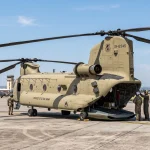
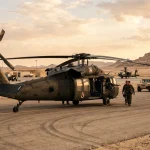
The diverse range of helicopters used by the United States Air Force showcases the unique capabilities that these aircraft bring to military operations. Each model has been designed with specific functions in mind, contributing to the effectiveness of various missions. Among the most notable helicopters in the Air Force’s inventory are the HH-60 Pave Hawk, utilized for combat search and rescue operations, and the CH-47 Chinook, which excels in troop transport and logistical support.
Types of Helicopters
The Air Force employs several helicopter models, which can be categorized based on their primary functions:
- Utility Helicopters: These are versatile, multi-role aircraft designed to perform various missions, including troop transport and cargo lift.
- Attack Helicopters: Such as the AH-64 Apache, these helicopters are used in direct support of ground troops, engaging enemy forces with precision weapons.
- Rescue Helicopters: The HH-60 Pave Hawk is specifically engineered for search and rescue operations, equipped with advanced avionics and medical support capabilities.
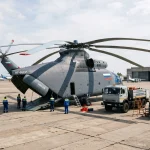
- Heavy-Lift Helicopters: Examples include the CH-53E Super Stallion, which is tasked with moving large payloads and providing logistical support in the field.
Significance of Various Models
Each type of helicopter plays a critical role in the operational success of the Air Force. For instance, the utility helicopters are essential for maximizing troop deployment flexibility, capable of swiftly transporting personnel and equipment to strategic locations. Meanwhile, the attack helicopters provide vital air support during ground engagements, significantly enhancing combat effectiveness. Rescue helicopters not only focus on retrieving personnel from hostile environments but also contribute significantly to humanitarian missions, demonstrating the versatile nature of these aircraft.
As technology evolves, future helicopter designs will likely incorporate advanced materials, improved avionics, and greater automation, further enhancing mission capabilities and safety. Understanding the roles and types of helicopters used by the Air Force not only highlights their importance in modern warfare but also provides aspiring pilots with insights into potential career paths within military aviation.
Key Roles of Helicopter Pilots in the Air Force
Helicopter pilots in the Air Force play a pivotal role in a variety of mission profiles, reflecting their versatility and critical importance to operational success. These skilled aviators are tasked with flying advanced rotorcraft that engage in missions ranging from combat support to humanitarian aid, each requiring not only flying prowess but also strategic thinking and situational awareness.
A primary responsibility of Air Force helicopter pilots is troop transport, where they are tasked with moving soldiers quickly and efficiently to and from combat zones. This is commonly seen with the use of utility helicopters like the HH-60 Pave Hawk. In these high-stakes situations, pilots must execute precise landings in potentially hostile environments, ensuring that personnel are deployed safely while minimizing exposure to enemy fire.
In addition to troop transport, helicopter pilots conduct complex rescue operations, often in dire circumstances. For example, during search and rescue missions, they work closely with ground teams to locate and extract injured or trapped personnel. This not only showcases their flying skills but also their ability to remain calm and make critical decisions under pressure.
Moreover, Air Force helicopter pilots also engage in reconnaissance and surveillance missions. Equipped with advanced technology, they gather intelligence that is crucial for mission planning and execution. This role often requires them to operate in challenging conditions, providing real-time data that enhances the overall effectiveness of military operations.
Overall, the diversity of roles undertaken by helicopter pilots in the Air Force highlights their essential contribution to the military’s operational capabilities. With every mission, they embody the spirit of adaptability and resilience that is fundamental to Air Force values, ensuring that they can meet the demands of modern warfare while also supporting humanitarian efforts when needed.
Training Pathways for Aspiring Helicopter Pilots
Aspiring helicopter pilots in the Air Force embark on a challenging yet rewarding journey that combines rigorous training, technical knowledge, and flying skills. The pathway to becoming an Air Force helicopter pilot typically begins after completing a bachelor’s degree, which is a basic requirement for most candidates. While the degree can be in any field, subjects like aviation, aerospace engineering, or engineering technology are advantageous. Prospective pilots also need to pass the Air Force Officer Qualifying Test (AFOQT), demonstrating their aptitude for pilot training.
Once officer candidates are selected, they enter the specialized Air Force Pilot Training Program. This program is intense and covers various aspects of aviation, including flight maneuvers, navigation, and operational procedures. Candidates gain experience on basic trainer aircraft before progressing to advanced aircraft training specific to helicopter operations. The training typically lasts about a year and includes both classroom instruction and hands-on flight training.
Hands-On Training and Specialized Skills
After completing the initial training, candidates attend specialized helicopter training at locations such as Fort Rucker, Alabama, where they learn to operate various helicopter models, including the UH-60 Black Hawk and the HH-60G Pave Hawk. The training encompasses tactical maneuvers, emergency procedures, and night flying, all under the guidance of experienced instructor pilots. Students are evaluated regularly, and their performance in training directly influences their assignments upon graduation.
To prepare for the multifaceted nature of their roles, pilots also engage in simulations that replicate real-world scenarios they might encounter during missions. This training equips them with the critical thinking and situational awareness necessary for making quick decisions in high-pressure situations.
Continuous Learning and Development
Even after becoming certified pilots, Air Force helicopter pilots undergo continual training and evaluation throughout their careers. Regular updates on new technology, tactics, and safety standards ensure that they remain proficient and capable of meeting mission requirements. This ongoing commitment to education reflects the dynamic nature of military aviation and the need for pilots to adapt to ever-changing environments and threats.
For those passionate about aviation and eager to serve, pursuing a career as an Air Force helicopter pilot offers a unique blend of adrenaline, responsibility, and the opportunity to make a meaningful impact. Embracing this pathway not only allows for personal growth and adventure but also positions pilots to play critical roles in various humanitarian and combat operations throughout their service.
Daily Responsibilities of Helicopter Pilots
Helicopter pilots in the Air Force operate in a dynamic environment where each day brings new challenges and responsibilities. The role requires a unique blend of technical skill, situational awareness, and leadership. On any given day, a helicopter pilot could navigate complex flight operations, conduct maintenance checks, and coordinate with ground teams, making their work both varied and critical to mission success.
One of the primary responsibilities is pre-flight preparation, which includes thorough checks of the helicopter’s systems and equipment. Pilots meticulously review maintenance logs and inspect the helicopters to ensure everything is functioning correctly. This preparation extends beyond mechanical checks; they also assess weather conditions, evaluate flight plans, and communicate with air traffic control to ensure safety during operations.
During operational missions, pilots are responsible for executing a variety of tasks. From troop transport and medical evacuations to reconnaissance and aerial gunnery, their versatility is vital. They must remain focused and adaptable, often making split-second decisions that impact the success of missions. In addition, teamwork is crucial; pilots work closely with crew members such as co-pilots, flight engineers, and tactical operations officers to ensure coordinated efforts in achieving objectives.
After missions, pilots engage in debriefing sessions to discuss what went well and identify areas for improvement. This collaborative review process is essential for continuous improvement and maintaining high operational standards. Furthermore, they often devote time to simulator training, refining their skills in a controlled environment to prepare for various scenarios that may arise in the field.
In summary, daily activities for Air Force helicopter pilots blend rigorous preparation, execution of diverse missions, and ongoing training. Their commitment to both flight safety and operational effectiveness underscores their pivotal role within military aviation, helping them navigate not only the skies but the complexities of modern combat and humanitarian operations.
Unique Missions Undertaken by Air Force Helicopter Pilots
Helicopter pilots in the Air Force engage in a myriad of unique missions that highlight their versatility and crucial role in military operations. From combat support to humanitarian assistance, these missions demand not only exceptional flying skills but also strong decision-making abilities and teamwork.
One of the most critical missions undertaken by Air Force helicopter pilots is medical evacuation (MEDEVAC). When lives are on the line, these pilots must swiftly transport injured soldiers from the battlefield to medical facilities. This often entails flying under adverse conditions, navigating through hostile territory, and executing precise landings in tight spaces. The ability to perform these high-stakes flights can mean the difference between life and death, making this mission particularly impactful.
Another important mission is tactical troop transport. Helicopter pilots facilitate the movement of special operations forces and other military personnel into and out of combat zones, ensuring they can execute their missions effectively. This involves not only flying to strategic locations but also coordinating closely with ground commanders to do so safely and efficiently. The dynamic nature of these missions requires pilots to be adaptable and skilled in managing various operational scenarios that can arise.
Humanitarian missions also play a significant role in showcasing the capabilities of Air Force helicopter pilots. During natural disasters, they are often deployed to deliver aid, such as food and medical supplies, to affected areas. These missions can involve flying into areas without established infrastructure, navigating through challenging weather conditions, and working alongside various agencies to ensure assistance reaches those in need. This not only highlights the helicopter’s versatility as a tool for good but also reinforces the pilots’ essential skills in crisis situations.
Additionally, search and rescue operations are another vital area of focus. Air Force pilots frequently participate in missions aimed at locating and recovering individuals in distress, whether military personnel or civilians in perilous situations. These missions may take them into challenging terrains, such as mountains or oceans, requiring high proficiency in navigation and emergency response protocols.
In summary, the are as diverse as they are challenging. These pilots must harness a combination of technical skills, situational awareness, and leadership capabilities to succeed in roles that are crucial to both combat operations and humanitarian efforts. Whether saving lives on the battlefield or providing assistance in disaster zones, their contributions are indispensable to the effectiveness of the Air Force.
Career Opportunities and Advancement in Helicopter Units
The Air Force offers a variety of career opportunities for helicopter pilots, making it an exciting field for those passionate about aviation and military service. Joining the ranks as a helicopter pilot means being part of elite units that operate advanced aircraft in diverse and challenging environments. Pilots can expect to engage in combat missions, disaster relief operations, and crucial medical evacuations, all of which play a vital role in national defense and humanitarian efforts.
Career Advancement Potential
Progression within the Air Force helicopter units can be very dynamic. New pilots typically begin by flying smaller helicopters, moving on to larger, multi-role aircraft as they gain experience. With time, exceptional pilots have opportunities to ascend to leadership positions such as flight commander or squadron leader. Beyond operational roles, pilots can also transition into specialized fields, such as training future pilots or working with military technology development teams focused on enhancing helicopter capabilities.
Essential Skills Development
Helicopter pilots in the Air Force are trained to develop a myriad of skills essential for their roles. Key competencies include advanced flight techniques, emergency response, and tactical decision-making. Regular training ensures pilots maintain proficiency and adapt to evolving technologies and mission profiles. This ongoing education is crucial, as it prepares them not only for current challenges but also gives them a competitive edge for future roles within the military or in civilian aviation careers.
Networking and Community Support
The community aspect of being an Air Force helicopter pilot is another significant advantage. Pilots often collaborate closely with a diverse range of professionals, from engineers to ground troops. This network can provide mentorship opportunities and build lifelong connections that may enhance career prospects both within the military and after transitioning to civilian life. Programs aimed at fostering camaraderie and support can also provide resources for professional development and personal growth.
The career trajectory for helicopter pilots in the Air Force is rich with opportunities for personal and professional growth. From tactical missions that save lives to leadership roles that shape future aviators, the journey is highly rewarding. For those looking to make a significant impact while enjoying the thrill of flying, the Air Force offers a pathway filled with excitement and purpose.
The Importance of Helicopter Pilots in Modern Warfare
In the dynamic landscape of modern warfare, helicopter pilots play an indispensable role that bridges various facets of military operations. Their versatility allows them to engage in a wide range of missions from combat support to humanitarian aid, emphasizing their significance on today’s battlefield. Whether conducting troop transport, medical evacuations, or close air support, helicopter pilots are often the pivotal players that enhance operational effectiveness and save lives.
Helicopters provide crucial tactical advantages, allowing forces to maneuver quickly and access hard-to-reach locations. For instance, during ground operations, they can insert and extract troops with remarkable speed, outpacing traditional ground vehicles. Their ability to hover in place and execute precision landings enhances not only combat efficiency but also enables rapid response in emergency situations, such as disaster relief efforts after natural calamities. In scenarios where time is of the essence, the swift deployment of helicopters can mean the difference between life and death.
Multi-Role Capabilities
The importance of helicopter pilots is further underscored by the multi-role capabilities of the helicopters themselves. Modern military helicopters, such as the Apache and Black Hawk, are equipped with advanced technologies, including night vision, missile systems, and communication tools, allowing pilots to execute diverse missions effectively. Each mission type demands specific skills and strategies from pilots, who must remain adaptable to the unique challenges presented by different operational environments.
Furthermore, helicopter pilots often work closely with ground forces, providing necessary air support and intelligence while ensuring the safety of personnel on the ground. This synergy between air and ground units maximizes the overall effectiveness of the military’s operational strategies, reinforcing the critical nature of helicopter pilots in contemporary combat paradigms. Their role is not just to fly but to be integral members of a larger team, contributing to mission success through cooperation and dedicated service.
In conclusion, helicopter pilots are vital to modern military operations, exemplifying agility and resilience in the face of evolving challenges. Their ability to adapt to various mission demands, coupled with the advanced technology of their aircraft, underscores the essential role they play in shaping the outcomes of modern warfare. For aspiring pilots, understanding this significance opens a pathway to not only pursue a career in aviation but also engage in meaningful service that impacts lives across the globe.
Comparing Air Force and Civilian Helicopter Pilot Roles
Helicopter pilots play vital roles in both the military and civilian sectors, but their experiences, missions, and work environments can differ significantly. In the Air Force, pilots operate military helicopters designed for combat, rescue, and transport, often in high-stakes scenarios where lives are on the line. Civilian helicopter pilots, on the other hand, may find themselves engaged in tasks across various industries, including medical airlift, search and rescue, tourism, and aerial photography, which tend to prioritize different skill sets.
One of the primary distinctions lies in the training and certification process. Air Force pilots undergo rigorous military training, where they not only learn to fly but also to tactically deploy aircraft in various combat situations. They must understand the specifics of military operations, technology, and teamwork, often requiring advanced decision-making skills under pressure. Civilian pilots typically pursue Federal Aviation Administration (FAA) regulations and certifications, focusing on flight safety, navigation, and operational procedures that may vary based on the type of commercial service they offer.
Furthermore, career progression can differ markedly between the two paths. In the military, advancement often comes with increased responsibilities, leadership roles, and specialized missions. For example, a helicopter pilot in the Air Force may move from flying routine transport missions to commanding a unit tasked with complex rescue operations. Meanwhile, civilian pilots might progress through various roles in companies, transitioning from flight operations to management or specialized positions, such as flight instructing or corporate aviation.
The work-life balance also shows divergence; military pilots may face frequent relocations and rigorous deployment schedules, which can affect family life and stability. In contrast, civilian helicopter pilots might enjoy more predictable schedules and opportunities for advancement within their companies or the chance to operate independently. Each path offers unique rewards and challenges, catering to different aspirations within the realm of aviation.
In summary, while both Air Force and civilian helicopter pilots share a deep passion for flying, the contexts in which they operate diverge greatly in mission focus, training, career development, and personal lifestyle. Understanding these distinctions can help aspiring pilots make informed decisions about their professional journeys-whether they aim to protect and serve as military aviators or want to explore the vast possibilities of civilian aviation.
Challenges Faced by Air Force Helicopter Pilots
Flying helicopters in the Air Force brings immense responsibility and excitement, but it also involves facing various challenges that can shape a pilot’s career and personal life. The high-stakes environment of military operations means that helicopter pilots must continually adapt to evolving tactics and technology while maintaining peak performance under pressure. One major challenge is the demanding nature of the job, which often requires extended deployment periods in hostile environments where every mission can result in life-or-death situations.
Furthermore, helicopter pilots grapple with the intricacies of teamwork and coordination in complex operations. They must collaborate closely with ground troops, air traffic control, and other aviation assets to ensure mission success. This can lead to intense pressure and the need for effective communication, especially during time-sensitive missions such as search and rescue operations or combat support. The ability to make rapid decisions in uncertain conditions is not just a skill; it’s a necessity that can greatly affect the outcome of a mission.
Another significant challenge is the potential for physical and mental strain. Pilots can face long hours and irregular schedules, which can lead to fatigue. The nature of military missions frequently entails high levels of stress, and the psychological toll can be substantial. To combat this, the Air Force provides resources and programs aimed at mental resilience, emphasizing the importance of mental health for performance and safety. Adapting to these challenges requires a strong support system, ongoing training, and a commitment to personal well-being.
Lastly, the balance between personal and professional life can be particularly challenging for Air Force helicopter pilots. Frequent relocations and the unpredictability of deployment schedules often strain family relationships and personal commitments. Pilots must learn to navigate these complexities, prioritizing communication and stability for their families. Ultimately, while the challenges are significant, they also contribute to the growth and resilience of those who choose this demanding path, making their dedication to service all the more admirable.
Helicopter Technology: Innovations Impacting Pilot Roles
The evolution of helicopter technology has profoundly transformed the roles and responsibilities of pilots in the Air Force. With advancements in avionics, rotorcraft design, and automated systems, today’s helicopter pilots are equipped to handle increasingly complex missions with greater efficiency and safety. For instance, modern helicopters feature sophisticated flight control systems that allow pilots to maintain stability with less manual input, enabling them to focus more on mission objectives and situational awareness.
One significant innovation is the integration of Fly-by-Wire systems. These electronic controls replace traditional mechanical linkages, providing increased precision and responsiveness. Pilots can execute maneuvers more fluidly, critical during high-stress operations like medical evacuations or combat support. Additionally, terrain management systems and advanced navigation aids, such as GPS and weather radar, enhance mission planning and execution, allowing pilots to navigate challenging environments with ease.
Furthermore, advancements in rotor design, such as variable-geometry rotors, improve fuel efficiency and performance in various flight conditions. This not only extends the operational range of missions but also reduces the logistical burden on support teams. Pilots can, therefore, engage in more prolonged missions without the immediate need for refueling, increasing their effectiveness in scenarios where time is of the essence.
The incorporation of artificial intelligence (AI) in helicopter operations is another area reshaping pilot roles. AI systems assist in data processing, threat detection, and even predictive maintenance, allowing pilots to focus on decision-making and execution rather than routine flight management tasks. For instance, during search and rescue missions, AI can analyze vast amounts of data in real-time, identifying patterns that help to locate targets more swiftly and accurately.
In the realm of safety, innovations such as crashworthy systems and enhanced avionics contribute to pilot confidence and mission success. Continuous simulation and training processes leverage these technologies to prepare pilots for real-world challenges, fostering an adaptive mindset necessary for future operations. As the Air Force evolves, helicopter pilots must embrace these technological advancements, honing new skills that ensure they remain at the forefront of aerial capabilities in modern warfare.
Insights from Experienced Air Force Helicopter Pilots
Experienced helicopter pilots from the Air Force often share invaluable insights that shed light on the complexities and rewards of their profession. One common sentiment expressed is the unique camaraderie developed among crew members during high-pressure missions. Pilots speak of the unbreakable bonds formed through shared experiences in both challenging and routine situations, emphasizing how teamwork is vital to successful operations. “You rely on your crew in ways you can hardly articulate until you’re in the thick of it,” shares a veteran pilot. This deep connection not only fosters effective communication in the cockpit but also creates a supportive environment that can be crucial during times of stress or crisis.
Training is another focal point of discussion. Many pilots note that the rigorous initial training and the continuous education they undergo is not merely about learning technical skills; it’s a transformative journey. For aspiring helicopter pilots, understanding the breadth of training-from flight simulations to real-world exercises-is essential. They often highlight the importance of adaptability and learning to make quick decisions, citing scenarios where rapid changes in mission scope required them to adjust tactics and strategies on the fly. “Becoming a pilot is just the starting point; constantly evolving in response to new technology and mission requirements is the real challenge,” reflects another pilot.
Safety is paramount in aviation, and experienced helicopter pilots often emphasize their commitment to it, both for themselves and their crew. They frequently share stories of near misses that serve as reminders of the importance of vigilance and adherence to protocols. These narratives, while serious, also highlight the innovative technologies and systems designed to enhance safety in modern rotorcraft. Those interested in this career path should maintain a curiosity about technology and a proactive approach to training, as every flight presents opportunities to learn and improve.
Ultimately, the experiences shared by seasoned Air Force helicopter pilots showcase a blend of technical expertise, dedication to safety, and the extraordinary bonds formed through shared missions. Their stories serve as a motivating pulse for those who aspire to follow in their footsteps, encouraging future pilots to approach their careers with passion and persistence.
Frequently asked questions
Q: What are the primary responsibilities of Air Force helicopter pilots?
A: Air Force helicopter pilots are tasked with various essential duties including conducting search and rescue missions, transporting personnel and supplies, and providing support during combat operations. These roles are crucial for mission success and the safety of ground forces, highlighting their importance within the Air Force.
Q: How does one become an Air Force helicopter pilot?
A: To become an Air Force helicopter pilot, candidates must first complete the initial officer training program, followed by specialized flight training. This rigorous process prepares aspiring pilots for various helicopter operations, ensuring they meet the high standards required for military aviation.
Q: What types of helicopters do Air Force pilots operate?
A: Air Force helicopter pilots operate several types of helicopters, including the HH-60 Pave Hawk for rescue missions and the CH-53 Super Stallion for heavy lifting. Each helicopter serves specific roles within military operations, enhancing the versatility of the Air Force’s air capabilities.
Q: What challenges do Air Force helicopter pilots face during missions?
A: Air Force helicopter pilots encounter numerous challenges, including harsh environmental conditions, enemy fire during combat, and the need for precise coordination with ground troops. These challenges require high levels of skill, adaptability, and teamwork to overcome successfully.
Q: Are there advancement opportunities for Air Force helicopter pilots?
A: Yes, Air Force helicopter pilots have various advancement opportunities, including a progression to command positions or specialized roles such as instructor pilots or operational planners. Continued professional development is encouraged, enabling pilots to enhance their skills and career trajectories.
Q: What is the importance of helicopter pilots in modern warfare?
A: Helicopter pilots are vital in modern warfare as they provide rapid mobility, critical logistics support, and reconnaissance capabilities. Their ability to navigate difficult terrain and respond quickly to evolving battlefield scenarios makes them indispensable assets in military operations.
Q: How do Air Force helicopter pilots compare to civilian helicopter pilots?
A: Air Force helicopter pilots typically undergo more rigorous training and operate in higher-stress environments compared to civilian pilots. While both roles involve flying helicopters, military pilots focus on combat missions and tactical operations, whereas civilian pilots concentrate on commercial and private aviation.
Q: What helicopter technologies are currently impacting Air Force pilot roles?
A: Current innovations such as advanced avionics, improved rotor designs, and unmanned aerial systems are significantly impacting Air Force pilot roles. These technologies enhance operational efficiency and open new avenues for mission capabilities and pilot training programs.
The Conclusion
As we’ve explored, the Air Force indeed employs skilled helicopter pilots, each fulfilling vital roles from combat operations to humanitarian missions. If you’re inspired by the dynamic opportunities in military aviation, consider diving deeper into related fields like flight training essentials or the pathways to becoming a pilot. Don’t miss out-subscribe to our newsletter for the latest insights and tips on aviation careers.
Feeling motivated? Explore our guide on helicopter types and capabilities, or read about the experiences of current Air Force pilots. Your journey into the world of aviation doesn’t have to end here! Join the conversation in the comments below and share your thoughts or questions. Together, let’s uncover the thrilling possibilities that await you in the skies!
Get our latest guides, news, and insights highlighted in your Google Search & AI Overviews.