The Vietnam War marked a pivotal moment in aviation history, with helicopters becoming indispensable to military operations. Did you know that the iconic UH-1 Huey, often referred to as the “workhorse” of the conflict, played multiple roles from troop transport to medical evacuations? Understanding the multifaceted uses of helicopters during this tumultuous era not only sheds light on their significant impact but also highlights the bravery of the men and women who flew them. Whether you’re a history buff, an aviation enthusiast, or simply curious about how technology influenced warfare, exploring the various functions of helicopters in Vietnam reveals compelling stories of innovation, strategy, and sacrifice. Join us as we delve deeper into the critical role helicopters played in shaping the course of the Vietnam War.
What Types of Helicopters Were Used in Vietnam?
The Vietnam War is often termed the “Helicopter War” due to the extensive use of helicopters in various roles throughout the conflict. Helicopters revolutionized military operations during this era, providing unmatched flexibility and speed in battlefield logistics. The U.S. military deployed several types of helicopters, each serving unique purposes tailored to the challenging operational environment of Vietnam.
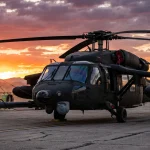
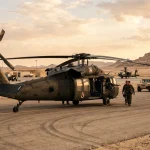
One of the most iconic helicopters was the Bell UH-1, popularly known as the “Huey.” This versatile utility helicopter became synonymous with the Vietnam War, transporting troops, supplies, and performing medical evacuations. More than 7,000 Hueys were used in Vietnam, primarily due to their ability to operate in diverse conditions, including landing in tight spaces and navigating through dense jungles. Their distinct sound and presence became a symbol of American military might during the war.
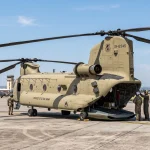
Another significant helicopter was the CH-47 Chinook, a twin-rotor heavy-lift aircraft that played a crucial role in transporting larger groups of troops and equipment. The Chinook’s ability to carry substantial payloads made it invaluable for logistics and supply chain operations in rugged terrains. It could ferry troops into combat zones and extract them rapidly, which was critical for maintaining operational tempo.
Additionally, helicopters like the AH-1 Cobra, a dedicated attack helicopter, provided essential air support for ground troops. These gunships were heavily armed and designed to engage enemy forces directly, demonstrating how helicopters evolved from transport roles to offensive capabilities. The presence of attack helicopters significantly altered battle dynamics, allowing ground forces to receive close air support in real time.
As the Vietnam War progressed, the adaptability and operational effectiveness of helicopters became apparent. They were not only pivotal for troop and supply movement; they also played a vital role in reconnaissance missions, search and rescue operations, and medevac services, showcasing the myriad ways helicopters transformed military strategies and tactics during the conflict.
Key Roles of Helicopters in the Vietnam War
The Vietnam War is often remembered as a turning point in military aviation, primarily due to the crucial roles played by helicopters in various operational capacities. These flying machines were not just modes of transportation; they were integral to the success of military campaigns and the survival of troops in the harsh environments of Vietnam. From troop transport to combat support, helicopters transformed how ground operations were conducted, influencing strategies that are still employed in modern warfare.
One key role of helicopters was troop transport. The Bell UH-1 Iroquois, commonly known as the “Huey,” was the backbone of this operation. Its versatility allowed it to ferry troops quickly to and from the battlefield, often in life-threatening situations. The ability to land in confined spaces and navigate dense jungles made the Huey essential for sustaining ground forces. Moreover, it enabled rapid deployment and extraction, aspects that directly influenced mission success and soldier morale.
In addition to transport, helicopters were vital for medical evacuations. The term “medevac” became synonymous with the swift airlifts of injured soldiers from combat zones to medical facilities. Helicopters like the HH-43 Huskie were specifically designed for rescue missions, showcasing the compassionate side of air operations. These missions, often executed under enemy fire, demonstrated the bravery of pilots and crews who risked their lives to provide critical care and save wounded soldiers.
Furthermore, helicopters evolved into attack platforms that dramatically altered combat dynamics. The AH-1 Cobra, an attack helicopter, showcased this transition by providing close air support to ground troops. With its ability to carry advanced weaponry, including rockets and machine guns, the Cobra could engage enemy positions and offer a protective screen for vulnerable forces. This evolution underscored a shift in tactics; helicopters became not only transport vehicles but also crucial elements of offensive operations.
Ultimately, helicopters brought about an unprecedented change in warfare during the Vietnam War. Their ability to conduct reconnaissance, support ground troops, and carry out quick response missions allowed military planners to adopt new strategies that emphasized speed and adaptability. The legacy of these helicopters and their roles in the Vietnam War continues to influence military tactics and aviation technology today.
The Evolution of Helicopter Tactics During Vietnam
The Vietnam War marked a dramatic evolution in helicopter tactics, reshaping military operational strategies and air combat. As ground troops faced the challenges of dense jungles and hostile terrain, helicopters emerged as the ultimate tool for maneuverability and rapid deployment. This transformation was influenced largely by the unique demands of the combat environment, where traditional methods fell short.
One significant development was the transition from purely logistical uses-like troop transport and resupply-to offensive capabilities. The introduction of gunships, such as the AH-1 Cobra, revolutionized how helicopters supported ground operations. These aircraft were outfitted with advanced weaponry and armor, allowing them to dive into combat zones and provide close air support when soldiers faced overwhelming enemy fire. This shift meant that helicopters became integral to the offensive posture of U.S. forces, empowering them to engage the enemy from the air and provide critical firepower during ground assaults.
Furthermore, the adoption of tactics like the “air assault” mission highlighted the helicopters’ role in direct infiltration and extraction. Rather than simply ferrying troops to frontlines, units could be inserted deep into enemy territory in a matter of minutes. The capability to land in tight, improvised landing zones allowed for surprise attacks and quick withdrawals, which were essential in an unpredictable battlefield. This tactical evolution also introduced the use of “aerial reconnaissance,” wherein helicopters would scout ahead of ground forces, providing real-time intelligence that significantly affected operational planning.
By integrating helicopters into nearly every aspect of warfare-from transport to attack roles-military strategists developed new doctrines that underscored the importance of speed, flexibility, and responsiveness. This evolution not only enhanced the effectiveness of U.S. military operations but also set the groundwork for future conflicts where helicopter warfare would play a pivotal role. The lessons learned during Vietnam continue to inform modern aerial strategies, signaling an enduring legacy.
Notable Helicopter Models and Their Features
The Vietnam War showcased several helicopter models that became iconic for their versatile capabilities and significant contributions to military operations. Among these, the Bell UH-1 Iroquois, often affectionately referred to as the “Huey,” stands out. Introduced in the late 1950s, the Huey was designed primarily for air mobility and troop transport, but quickly evolved into a symbol of the war. Its distinctive design featured a two-bladed main rotor system and a single-engine turbine, allowing it to operate effectively in the challenging jungle terrain of Vietnam.
Key Helicopter Models and Their Features
Among the most notable helicopters used during the Vietnam War were:
- Bell UH-1 Iroquois (Huey)
– Role: Troop transport, medical evacuations, and support operations
– Features: Fast deployment capabilities, spacious interior accommodating up to 14 soldiers, and versatility in various missions. Equipped with machine guns and rocket pods, it also provided significant fire support when needed.
- Boeing CH-47 Chinook
– Role: Heavy-lift transport
– Features: Twin-rotor design that provided exceptional lift capacity and stability, making it ideal for moving troops, artillery, and supplies. Its ability to perform in rough weather conditions made it an invaluable asset for logistical operations.
- Lockheed AH-56 Cheyenne
– Role: Attack helicopter
– Features: Designed for close air support with advanced avionics and an array of armaments, including rockets and machine guns. Although it saw limited service during Vietnam, its development reflected the military’s shift towards dedicated attack helicopters.
- AH-1 Cobra
– Role: Attack helicopter
– Features: Sleek design carried a complement of weaponry, including anti-tank missiles and rockets, and provided close air support for ground forces. Its tandem cockpit allowed for better visibility and a streamlined design that enhanced maneuverability in combat.
These helicopters did not just serve as means of transportation; they represented a new era of aerial warfare. The evolution of helicopter designs and their integrations in battlefield tactics transformed military strategies by allowing rapid troop movements and effective engagement of enemy forces.
Legacy and Cultural Significance
The helicopters of the Vietnam War have left a lasting legacy in both military strategy and popular culture. They have been depicted in numerous films, books, and documentaries, often serving as symbols of the bravery and complexities of war. This representation is not just about their mechanical features, but also highlights the human stories and sacrifices associated with their operation. The lessons learned from helicopter use during Vietnam continue to shape military aviation practices today, reflecting an enduring connection to the history of warfare.
As technology evolves, the fundamental role of helicopters as versatile tools for tactical operations remains, illustrating their pivotal place in modern military arsenals. For aspiring pilots and aviation enthusiasts alike, understanding these helicopters’ histories opens up a world of possibilities for future innovations and explorations in aviation.
Air Assault: Impact of Helicopters on Ground Forces
The Vietnam War era marked a revolutionary shift in how ground forces operated, largely due to the integration of helicopters into military tactics. This adaptation not only enhanced mobility but also fundamentally transformed engagement strategies. The ability of helicopters to swiftly transport troops, equipment, and supplies directly into combat zones allowed armies to execute operations with unparalleled speed and efficiency, minimizing travel time and maximizing the element of surprise against enemy forces.
Helicopters such as the Bell UH-1 Iroquois (Huey) became iconic symbols of this new approach, facilitating air assault operations that redefined ground warfare. Troops could be rapidly ferried to and from hot zones, often inserting them directly behind enemy lines or in difficult-to-reach areas. This capability enabled units to conduct ambushes and guerrilla warfare tactics that were particularly effective in Vietnam’s densely forested landscapes. Moreover, the psychological impact of these air assaults-accompanied by the distinctive sounds of helicopter blades-often demoralized enemy troops, creating a fearsome aura around their deployment.
The tactical flexibility provided by helicopters also extended to resupply missions, medical evacuations, and close air support. The Boeing CH-47 Chinook, for instance, played a critical role in logistics operations, moving heavy artillery and troops where they were most needed. Simultaneously, helicopters equipped with weaponry-like the AH-1 Cobra-provided suppressive fire during engagements, further protecting ground units and enhancing their operational effectiveness. This synergy between air mobility and ground assault not only increased the American forces’ operational scope but also shifted the strategic dynamics of battle in real-time.
Despite these advancements, the helicopter also introduced new challenges. Pilots and crews faced treacherous conditions and risks inherent in flying into hostile environments. Each mission carried the weight of uncertainty, with lives often hanging in the balance. The legacy of these air operations is thus dual-faceted: a testament to technological innovation and a somber reminder of the sacrifices made in the pursuit of tactical advantage. The impact of helicopters in the Vietnam War continues to resonate in military strategies, influencing modern combat practices and inspiring a new generation of aviators.
Helicopters in Medical Evacuations: Medevac Missions
In the chaos of the Vietnam War, helicopters emerged as lifesaving assets, particularly in medical evacuation missions. The rapid deployment of helicopters allowed for swift extraction of wounded soldiers from the battlefield, significantly increasing their chances of survival. Before this innovation, ground forces often faced delays in accessing medical care, resulting in unnecessary fatalities. By utilizing helicopters, medical personnel could reach injured troops in difficult terrains, transporting them to hospitals with unprecedented speed.
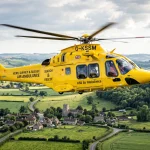
The Bell UH-1 Iroquois, commonly known as the Huey, became synonymous with these vital Medevac operations. Its ability to hover and land in confined areas allowed medics to retrieve casualties quickly, often under fire. The LIGHTNING III, another helicopter variant used extensively in these missions, was distinguished by its rapid response time, which could be crucial when dealing with life-threatening injuries. As soon as a call for evacuation was received, aircrews scrambled to respond, demonstrating remarkable dedication and skill.
Key Aspects of Medevac Operations
- Response Time: The goal was to reach injured personnel within the “golden hour”-the critical time frame post-injury when survival chances are highest with medical intervention.
- Onboard Medical Care: Helicopters often carried trained medics, who provided immediate care during transit, stabilizing patients en route to hospitals.
- Tech and Tactics: Advancements in helicopter design and communication technology enhanced coordination between ground forces and air support, ensuring effective operations.
The psychological impact of these missions extended beyond just tactical advantages; they imbued troops with hope. Seeing a helicopter approach could lift morale, offering a lifeline in dire circumstances. The bravery of medical evacuation crews, who frequently faced hostile fire, is a testament to the commitment to saving lives. While the Vietnam War tragically claimed many lives, the innovations in helicopter Medevac operations set a standard that would influence military medical practices in subsequent conflicts. In modern warfare, these lessons continue to shape how combat medics and aviation units collaborate to ensure the rapid transport of the injured, embodying both a legacy of courage and a commitment to the humane treatment of soldiers.
How Helicopters Transformed Warfare Strategies
The introduction of helicopters during the Vietnam War marked a pivotal shift in military tactics and strategies, fundamentally transforming how warfare was conducted. No longer were forces solely dependent on ground transportation and fixed-wing aircraft for movement and combat operations. Helicopters provided unparalleled flexibility, mobility, and rapid response capabilities that changed the face of battlefield dynamics.
One of the most significant impacts of helicopters was their ability to move troops and supplies quickly, allowing for more rapid and adaptable military operations. The Bell UH-1 Iroquois, or “Huey,” famously utilized for troop transport, could land in confined areas and extract or deploy soldiers directly into combat zones. This capability enabled a strategy of air mobility, where infantry units could be inserted deep into enemy territory, creating a more fluid and fast-paced combat situation. The efficacy of helicopter deployment led to the implementation of “air assaults,” where troops could bypass heavily defended positions, catch the enemy off guard, and engage in swift, coordinated attacks.
Moreover, helicopters played a vital role in logistics and resupply, ensuring that troops operating in remote locations received the necessary provisions to sustain their operations. This air resupply not only maintained combat efficiency but also reduced the need for vulnerable ground convoys, which often faced ambushes and minefields.
The psychological impact on both soldiers and the enemy was profound. The sound of helicopter rotors became a harbinger of support and reinforcement, lifting morale among friendly forces while instilling fear in adversaries. The sight of helicopters also conveyed a sense of the U.S. military’s commitment and presence in the area, altering perceptions of the conflict. Notably, the emphasis on aerial operations during Vietnam set the stage for modern combined-arms warfare, integrating air power with ground forces in a way that is still prevalent today.
In summary, helicopters revolutionized tactics during the Vietnam War, enhancing mobility, logistical support, and psychological warfare. Their influence persists in contemporary military strategy, demonstrating how innovation in technology can significantly reshape the art of war. The legacy of Vietnam’s helicopter operations not only highlights the effectiveness of aerial tactics but also honors those who flew and fought in these complex and challenging environments.
The Psychological Impact of Helicopter Warfare
The roar of helicopter blades slicing through the dense Vietnamese jungle was more than just an auditory backdrop; it was a profound psychological phenomenon that shaped the experience of war for soldiers on both sides. As helicopters like the Bell UH-1 Iroquois, known affectionately as the “Huey,” became synonymous with U.S. military presence, their sound evoked a spectrum of emotions. For American troops, the approach of a Huey often signified hope-a sign that reinforcement, medical assistance, or air support was on the way. This auditory cue provided a significant morale boost, reminding ground forces they were not alone in inhospitable terrain.
Conversely, for the North Vietnamese and Viet Cong, the sound of helicopters heralded a significant threat. Helicopters’ capabilities in troop transport and tactical air support changed the nature of confrontations on the ground, as they often signified impending assaults and invasive operations. This relentless presence of helicopters not only instilled fear but also disrupted the psychological state of the opposing forces, making them acutely aware that they were subject to a powerful aerial strategy that could strike quickly and unexpectedly.
The visibility of helicopters in combat zones transformed perceptions of military engagement. They became symbols of U.S. commitment, manifesting America’s technological supremacy and operational strategy in a way that ground troops could witness firsthand. This visibility was particularly impactful during the “air assault” tactics, where helicopters delivered troops directly into combat, often bypassing enemy defenses. Such audacious maneuvers embodied an aggressive military posture aimed at unsettling the enemy while boosting the confidence of allied forces.
In documentaries and films, the portrayal of helicopter warfare has cemented its psychological impact on popular culture, symbolizing both desperation and heroism. The duality of this imagery-where helicopters are shown as saviors to some and harbingers of destruction to others-explores not just the physical implications of their use, but also the lasting mental scars left on those who lived through these experiences. As we reflect on this historical narrative, it’s essential to remember the human stories behind these flying machines-each flight was not just a tactical maneuver but an event laden with hope, fear, and the complexities of warfare.
Iconic Helicopter Missions That Shaped History
The Vietnam War is often referred to as the “Helicopter War,” a title that reflects the profound role helicopters played in shaping the course of this conflict. Among the most iconic missions was the Tet Offensive in January 1968, where helicopters were instrumental in transporting troops swiftly to battle zones, enhancing the ability of U.S. and South Vietnamese forces to respond to surprise attacks. This offensive highlighted the strategic advantage of air mobility, as helicopters inserted troops into critical locations, enabling the ground forces to mount an effective counteroffensive against a surprise enemy onslaught.
Another significant mission was Operation Frequent Wind in April 1975, the final evacuation of U.S. personnel and vulnerable South Vietnamese from Saigon before the city’s fall. Helicopters, especially the iconic Bell UH-1 “Huey,” became the lifelines for those seeking escape amid chaos. Thousands were airlifted to ships offshore, illustrating the helicopters’ ability to perform in high-stakes scenarios and serve as a vital means of rescue.
The use of helicopters for medical evacuations (medevacs) also shaped history, defining the humanitarian aspect of warfare. Operations such as Operation Crazy Horse in 1967 demonstrated the life-saving speed of medevac missions. Integral in securing emergency care for the wounded, these helicopters flew into hostile territory under enemy fire, embodying bravery and urgency. The efficiency of these operations not only saved countless lives but also contributed to changing the perceptions of battlefield medicine and trauma care.
In addition to their tactical roles, helicopters helped establish Air Cavalry Units, like the 1st Cavalry Division, which pioneered air assault tactics. The famous Battle of Ia Drang in November 1965 showcased the effectiveness of using helicopters to deliver troops directly into combat. The helicopters transported infantry to the front lines rapidly, allowing for strategic surprise attacks. This new methodology marked a transformative shift in military tactics, emphasizing speed and mobility over traditional ground troop deployments.
The legacy of these iconic missions continues to resonate in military strategy and popular culture, reminding us of the complex interplay between technology, warfare, and humanity. Helicopters in Vietnam not only changed how battles were fought but also affected the lives of those who witnessed their impact firsthand. Each flight carried with it stories of valor, desperation, and resilience, making them enduring symbols of the Vietnam War.
Challenges and Risks of Flying in Vietnam
Flying helicopters in Vietnam was fraught with peril, characterized by a unique array of challenges and risks that tested the mettle of pilots and crews alike. From navigating treacherous terrain to evading enemy fire, the environment demanded not only exceptional flying skills but also a deep understanding of the volatile ground conditions below. Many missions encountered unpredictable weather patterns, which could shift rapidly, turning a clear day into a battle against torrential rain or fog that obscured vision. These natural challenges often complicated flight plans and required quick adaptation on the part of the pilots.
The threat of enemy anti-aircraft fire was a constant concern. Helicopters like the Bell UH-1 “Huey” and the CH-47 Chinook were vulnerable during low-level flights, as they often had to operate near tree lines or in close proximity to ground forces. The North Vietnamese forces employed a range of weapons, including small arms fire, surface-to-air missiles (SAMs), and artillery, to target these flying machines. Each mission required careful planning and coordination to minimize the risk of ambush, and some missions resulted in heartbreaking losses, due to both enemy action and mechanical failures.
In addition to enemy threats, the physical toll on pilots and crews was considerable. Long hours in the cockpit, combined with the stress of combat, led to fatigue that could impair judgment and reaction times. Each flight was a delicate balance of maintaining operational readiness and managing the psychological impacts of war. Many veterans of the conflict describe the constant adrenaline rush and the weight of responsibility for their crew and the soldiers being lifted into combat.
Ultimately, the legacy of flying in Vietnam is one of bravery and resilience. Crews faced grievous accidents and tragedies that deeply affected their lives and the families of those lost. Recognizing these risks and honoring those who served acknowledges the broader narrative of courage and sacrifice that defined helicopter operations during this tumultuous period in history. The stories of heroism and loss continue to resonate, reflecting the very human experience of war intertwined with the technological advances of aviation.
Legacy of Vietnam War Helicopters Today
The legacy of helicopters from the Vietnam War resonates powerfully with both military historians and aviation enthusiasts today. These machines not only transformed the battlefield dynamics of their time but continue to shape modern military and civilian aviation practices. The innovative tactics developed during this era, particularly the extensive use of helicopters for troop transport, reconnaissance, and medical evacuations, laid the groundwork for how airpower is integrated into military operations across the globe today.
One significant contribution of these helicopters is their role in establishing the concept of air mobility, which emphasized swift, flexible responses to ground engagements. This capability reshaped military strategies, making rapid troop deployment and evacuation possible in previously unreachable locations. The Bell UH-1 Iroquois, commonly known as the “Huey,” became a symbol of this evolution, demonstrating how helicopters could provide not just logistical support, but also direct combat assistance and medevac services. The operational success of these tactics has inspired current military forces to develop advanced rotorcraft designed for similar versatile roles, adapting lessons learned from the Vietnam experience.
Commemoration and Cultural Impact
Today, the legacy of Vietnam War helicopters is honored in various ways, from memorials dedicated to the brave crews who served to cultural representations in films, documentaries, and literature. Iconic films like *Apocalypse Now* and *Platoon* have portrayed the dramatic and often harrowing experiences of helicopter pilots and the pivotal roles they played in combat scenarios, fostering a broader understanding of their impact on the Vietnam War.
In addition to the honor and remembrance, these helicopters fuel interest in aviation careers among younger generations. Many aspiring pilots view the technological marvels developed for and during the Vietnam War as the foundation upon which they wish to build their flying careers. The excitement surrounding flight simulators and aviation education programs actively engages this new generation, encouraging them to explore the vital roles helicopters play in modern society, from search and rescue to firefighting and law enforcement.
The resilience of these aircraft, their operators, and the fierce camaraderie among crews reflect a historical narrative that honors not only the machines themselves but also the lives they saved and the sacrifices made in the line of duty. As we continue to study this crucial period in aviation history, we simultaneously celebrate and learn from the spirit of ingenuity and bravery that defined the helicopter’s role during the Vietnam War. The lessons learned and the reverence established for these flying machines remain etched in both military strategy and popular culture.
Cultural Representations of Helicopters in Media
The portrayal of helicopters in films, literature, and popular media has significantly shaped public perception of their role during the Vietnam War. These works capture the duality of their service-while they played critical roles in combat and troop transport, they have also become symbols of the tumultuous and tragic nature of the conflict. Iconic films like Apocalypse Now and Full Metal Jacket highlight the helicopters’ dramatic presence in combat scenarios, using their whirring blades as harbingers of both hope and despair. In these narratives, helicopters serve as essential lifelines for troops on the ground, illustrating the urgency and chaos of war.
The emotional weight of these representations resonates deeply with audiences. In Apocalypse Now, for instance, the famous helicopter scene set to Wagner’s “Ride of the Valkyries” epitomizes the overwhelming power and intimidation these machines embodied. The imagery not only signifies the might of American military prowess but also evokes a profound sense of the psychological impacts of warfare. This blend of awe and dread has influenced how generations perceive the Vietnam War and its legacy. Documentaries and literature further explore these themes, detailing the experiences of pilots and ground troops, thus offering a more nuanced understanding of their heroism and the realities of military life in hostile environments.
Importantly, these cultural representations also encourage deeper exploration of aviation careers among younger audiences. By showcasing the technology and skills required to operate helicopters, they spark curiosity and enthusiasm for aviation. Aspiring pilots can look beyond the pop culture gloss to discover the technical skills, challenges, and opportunities associated with flying such aircraft. This interest is supported by initiatives like flight simulators that allow individuals to experience the thrill of flying, instilling both respect for the craft and an appreciation for its historical significance.
In honoring those lives impacted by helicopter warfare, films and media ensure that the stories of sacrifice and bravery are not forgotten. They remind viewers of the human stories entwined with these powerful machines, serving as a tribute to the resilience of those who served. As we continue to reevaluate the Vietnam War’s narrative, these cultural interpretations help preserve the legacy of helicopters as both vital instruments of military strategy and symbols of the complex human experiences encapsulated within a historic and often painful conflict.
Frequently Asked Questions
Q: What were the main roles of helicopters during the Vietnam War?
A: Helicopters had several key roles in the Vietnam War, including *transporting troops*, providing *air support*, conducting *medical evacuations*, and engaging in *reconnaissance*. Their versatility transformed battlefield tactics, enabling quick responses and improving logistical capabilities, particularly in rugged terrain.
Q: How did helicopters impact ground forces in Vietnam?
A: Helicopters significantly enhanced ground forces’ effectiveness by providing rapid troop mobility and logistical support. They facilitated *air assault operations*, allowing for swift insertions into combat zones, which improved overall tactical advantage during engagements against the enemy.
Q: What challenges did pilots face when flying helicopters in Vietnam?
A: Helicopter pilots faced numerous challenges, including intense heat and humidity that *reduced lift capacity*, complex navigation in hostile environments, and threats from ground fire. These factors created a highly risky flying environment, necessitating exceptional skill and situational awareness.
Q: What types of helicopters were most commonly used in the Vietnam War?
A: The most commonly used helicopters in Vietnam included the *Bell UH-1 Iroquois (Huey)* for troop transport and medevac missions, the *CH-47 Chinook* for heavy lifting, and the *AH-1 Cobra* for direct fire support. Each type played specific roles tailored to the war’s demands.
Q: Why were helicopters crucial for medical evacuations in Vietnam?
A: Helicopters were crucial for medical evacuations due to their speed and maneuverability, allowing them to reach remote areas quickly. The *Medevac* helicopter operations often saved lives by delivering injured soldiers to medical facilities faster than traditional ground transport.
Q: How did helicopter warfare change military strategies during the Vietnam War?
A: Helicopter warfare revolutionized military strategies by introducing *air mobility*, which allowed for rapid repositioning of troops and resources. This shift emphasized *maneuverability and flexibility* in combat, deeply influencing future military operations in various conflicts.
Q: What were the psychological effects of helicopter presence in the Vietnam War?
A: The constant presence of helicopters had profound psychological effects, instilling both fear and reassurance among troops. Their ominous sound signified imminent danger for enemies while providing U.S. forces with a sense of *security* and support during combat operations.
Q: What is the legacy of helicopters from the Vietnam War?
A: The legacy of Vietnam War helicopters is evident in today’s military aviation, shaping modern tactical air support and evacuation methods. Their performance has influenced the design and operational concepts of contemporary helicopters, making them essential in modern warfare strategies.
To Conclude
As you reflect on the critical roles helicopters played during the Vietnam War, remember their impact on both military strategy and the lives on the ground. From troop transport to medevac missions, these flying machines were a game-changer. If you’re eager to learn more about specific helicopter models like the iconic UH-1 Huey or delve into the personal stories of veterans, check out our related articles on Vietnam aviation history and helicopter technology advances.
Don’t miss out-subscribe to our newsletter for the latest insights into military aviation, or explore our extensive guides on helicopter careers and DIY projects to fuel your passion. Your journey into the fascinating world of helicopters doesn’t end here-join the conversation by sharing your thoughts in the comments below, or connect with fellow enthusiasts on our forums. Together, let’s honor the legacy of these incredible aircraft and the brave individuals who flew them.
Explore more, engage with us, and let your curiosity take flight!
Get our latest guides, news, and insights highlighted in your Google Search & AI Overviews.