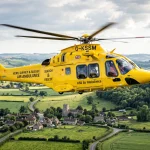
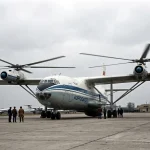
When it comes to military operations, the choice of helicopter can be a game-changer. Did you know that helicopters have evolved incredibly since their inception, becoming vital assets on the battlefield? In this article, we will explore the top five combat helicopter models, examining not only their capabilities but also their impact in military missions worldwide. Whether you’re an aviation enthusiast, a budding pilot, or someone interested in military technology, understanding these formidable machines can provide insight into modern warfare and defense strategies. Join us as we delve into the specifications, roles, and standout features of these incredible aircraft, and discover what truly makes a military helicopter the best in its class. Your journey into the dynamic world of combat helicopters starts here!
What Makes a Military Helicopter the Best?
Military helicopters are remarkable machines that blend advanced engineering with tactical capabilities, making them invaluable in various combat scenarios. From versatility in operations to superior maneuverability, several factors distinguish the best military helicopters. For instance, their ability to engage in rapid troop deployment, close air support, and reconnaissance missions showcases their multifaceted roles on the battlefield.
One of the key attributes of top military helicopters is their robust design, which includes features such as stealth technology and advanced avionics. Stealth capabilities reduce radar signatures, allowing helicopters to operate in hostile environments with minimal detection. Additionally, modern helicopters are equipped with sophisticated navigation systems and weapons guidance technologies that enhance their combat effectiveness. Performance metrics, including speed, range, and payload capacity, also play critical roles in defining a helicopter’s superiority.
Another essential aspect is the integration of cutting-edge materials and technologies that improve survivability. For instance, lightweight composite materials reduce overall weight, enhancing speed and fuel efficiency while maintaining structural integrity. These enhancements, coupled with armor plating and self-defense systems, offer crews a better chance of surviving hostile engagements.
Ultimately, the best military helicopters are those that can adapt to the rapidly changing dynamics of modern warfare. They not only support ground troops but also engage in vital intelligence, surveillance, and reconnaissance (ISR) missions. This adaptability, combined with technological advancements and strategic versatility, ensures that military helicopters remain at the forefront of aerial combat operations.
Key Features of Top Combat Helicopters
In the world of military aviation, combat helicopters are critical assets that combine speed, agility, and firepower. Their effectiveness on the battlefield can often hinge on a few key features that set the best models apart from the rest. Top combat helicopters are designed with several advanced elements that enhance their capabilities, ensuring they can perform a variety of missions efficiently.
One standout feature of elite combat helicopters is advanced avionics. This includes integrated systems that provide pilots with superior situational awareness, enabling them to navigate complex environments and respond to threats rapidly. Enhanced navigation systems, such as GPS and terrain-following radar, allow pilots to fly low and fast while avoiding obstacles, which is crucial during combat operations. The inclusion of robust communication systems also facilitates seamless coordination with ground troops and other air support units.
Equally important is the helicopter’s armament. The most capable models offer a diverse range of weapons, from guided missiles to cannons, which can be tailored for different mission profiles. For instance, helicopters like the AH-64 Apache are equipped with long-range Hellfire missiles and a 30mm chain gun, providing a formidable punch in both close air support and anti-armor roles. Additionally, the ability to carry external fuel tanks increases endurance, allowing for prolonged operations without the need to return to base frequently.
Survivability is another crucial aspect. Modern combat helicopters often incorporate composite materials in their construction, which not only reduce weight and enhance speed but also improve survivability due to their resistance to small arms fire and shrapnel. Many models are also outfitted with advanced self-defense systems, including flare dispensers and electronic countermeasures that disrupt enemy targeting systems. This combination of armor and evasion strategies significantly boosts a crew’s chance of returning safely after engagements.
Ultimately, the best military helicopters embody a blend of speed, firepower, and survivability. Their innovative designs and capabilities continue to evolve, reflecting the changing nature of war and the necessity of adapting to new threats and technologies. Whether it be through technological integration or a focus on multi-mission flexibility, these helicopters play an indispensable role in modern military operations.
Comparing the Top 5 Military Helicopters
In the realm of military aviation, a select few helicopters have stood out not just for their design, but for their remarkable performance in various theaters of warfare. Each model has unique strengths and capabilities, making a direct comparison essential for enthusiasts and military strategists alike. Below, we delve into five of the best military helicopters that have made their mark in combat.
1. AH-64 Apache
The AH-64 Apache is arguably the most famous attack helicopter in the world. With its tandem cockpit, advanced avionics, and versatile armament options-including Hellfire missiles and a 30mm chain gun-the Apache excels in both close air support and anti-armor roles. It’s renowned for its ability to operate in a variety of conditions, from desert terrain to dense urban environments, maintaining superiority thanks to its superior reconnaissance capabilities.
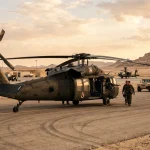
2. UH-60 Black Hawk
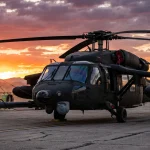
A backbone of U.S. Army aviation, the UH-60 Black Hawk is known for its versatility and reliability. This multi-role helicopter can perform various missions, including troop transport, medical evacuation, and combat search and rescue. Its impressive speed, range, and ability to operate in difficult conditions make it indispensable in both combat and humanitarian operations. Its ruggedness is particularly noteworthy, allowing it to sustain operations in harsh environments.
3. CH-53E Super Stallion
The CH-53E Super Stallion stands out in heavy lift capability, making it the largest and most powerful helicopter in the U.S. military. With its ability to transport heavy loads-including artillery and supplies-across amphibious and airborne operations, it plays a crucial role in supporting ground forces. Its advanced technology allows for operations in extreme weather, ensuring that critical missions are completed even when conditions are less than ideal.
4. AH-1Z Viper
The AH-1Z Viper is a modern evolution of the classic Cobra, designed for marine operations. It features a sleek design and advanced avionics, making it one of the deadliest helicopters in the sky. With a suite of weapons ranging from air-to-ground missiles to rockets, it can engage in direct combat while providing essential support to troops on the ground. Its agility and speed make it a formidable opponent in any combat scenario.
5. Bell 407
While often overlooked in favor of larger attack platforms, the Bell 407 has proven itself as a capable reconnaissance and light attack helicopter. Its low operating costs and high performance in diverse environments make it a popular choice for special operations forces. The Bell 407 is particularly effective for rapid insertion and extraction missions, highlighting its role in modern warfare where speed and agility are essential.
| Helicopter Model | Primary Role | Key Features |
|——————|———————|————————————–|
| AH-64 Apache | Attack / Recon | Tandem cockpit, multi-role armament |
| UH-60 Black Hawk | Transport | Multi-role capability, reliable |
| CH-53E Super Stallion | Heavy Lift | Largest U.S. military helicopter |
| AH-1Z Viper | Close Air Support | Advanced avionics, agility |
| Bell 407 | Light Attack / Recon | Low operating costs, high versatility |
Ultimately, each of these helicopters brings unique strengths to the battlefield, tailored for specific missions and environments. By understanding their capabilities and roles, military planners and enthusiasts alike can appreciate the profound impact these machines have had on modern warfare.
Insights into Combat Helicopter Technology
The evolution of combat helicopter technology has been nothing short of revolutionary, reshaping the landscape of modern warfare. With advancements in design, avionics, and weapon systems, helicopters now play a pivotal role on the battlefield, serving various functions from close air support to troop transport and reconnaissance. One of the most significant factors contributing to their effectiveness is the integration of advanced sensors and targeting systems, which allow for precision engagement of targets even in challenging environments.
Helicopters like the AH-64 Apache utilize a sophisticated suite of sensors, including infrared targeting systems and advanced radar, enabling pilots to detect and engage ground targets at night or in adverse weather conditions. This level of situational awareness is crucial for mission success, as it allows pilots to operate effectively while minimizing risk to troops on the ground. Moreover, the use of data link systems enables real-time sharing of intelligence between helicopters and ground forces, enhancing coordinated operations and improving overall battlefield visibility.
Another technological leap is seen in the materials and design strategies used in helicopter construction. The incorporation of composite materials not only reduces weight but also enhances the structural integrity of the airframe. This results in improved maneuverability and survivability against enemy fire. For instance, helicopters like the UH-60 Black Hawk feature a crashworthy design and ballistic protection, which increases the chances of crew survival in the event of an attack.
In terms of armament, modern combat helicopters boast an array of weaponry that can be tailored to specific mission profiles. From air-to-ground missiles and machine guns to rockets and precision-guided munitions, combat helicopters have become formidable platforms for engaging both static and mobile targets. The AH-1Z Viper, for example, showcases a range of weapons that make it effective in supporting ground troops while also carrying out direct assaults on enemy positions.
As helicopter technology continues to advance, so too will the strategies for their use in combat. Innovations such as unmanned aerial systems (UAS) and hybrid propulsion technologies are on the horizon, promising to further enhance the capabilities of military aviation. This ongoing development underscores the importance of combat helicopters not only in current engagements but also in shaping future military operations.
The Role of Helicopters in Modern Warfare
The helicopter’s ability to hover, maneuver, and rapidly deploy means it has become an indispensable asset in modern warfare. These airborne machines are not only designed for attack but also play crucial roles in transport, reconnaissance, and medical evacuation. In conflicts ranging from urban warfare to remote battlefield scenarios, helicopters provide flexible, responsive support to ground troops, enhancing their operational effectiveness.
One of the most important functions of helicopters in military operations is their role in close air support. Models like the AH-64 Apache and the AH-1Z Viper are equipped with advanced weaponry and targeting systems that allow them to engage enemy forces while offering real-time surveillance. Their agility and speed mean they can respond quickly to emerging threats, often turning the tide in critical situations. In many instances, the close coordination between helicopter crews and ground forces enables precise strikes that minimize collateral damage, a priority in contemporary military engagements.
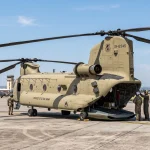
In addition to their offensive capabilities, helicopters serve as vital logistical support. The CH-47 Chinook, for instance, is famous for its heavy-lift capacity, allowing it to transport troops, equipment, and supplies to areas inaccessible by ground vehicles. This capability significantly enhances logistical operations, especially in challenging terrains where time and access are crucial. Moreover, medical evacuation helicopters, such as the HH-60 Pave Hawk, are equipped to extract wounded personnel swiftly, demonstrating the crucial life-saving role helicopters fulfill on the battlefield.
As military tactics evolve, so does the technology that underpins helicopter operations. Innovations in avionics and weapon systems continue to shape how helicopters are utilized in combat. Enhanced digital communication systems allow pilots to receive and relay critical information in real time, improving decision-making processes and situational awareness. This blending of technology and tactical application enables armies to use helicopters not just for combat but also for strategic planning and execution, transforming them into multifaceted tools of modern warfare.
In summary, the significance of helicopters in military operations cannot be overstated. Their versatility, speed, and lethal capabilities position them as key assets in various combat scenarios, proving indispensable in both offensive and support roles. As the landscape of warfare continues to change, helicopters will undoubtedly adapt, ensuring they remain at the forefront of military aviation.
User Experiences: Real-World Performance Reviews
With rapid advancements in technology and changing combat dynamics, user experiences with military helicopters provide invaluable insights that go beyond specifications and design. Pilots and crew often highlight attributes like responsiveness, ease of repair, and adaptability as crucial for operational success. For instance, many users laud the AH-64 Apache for its exceptional firepower and precision, calling its targeting systems “game-changing” in engagements. Users note that during high-pressure situations, the helicopter’s cockpit design allows for intuitive operation, enabling pilots to maintain situational awareness while engaging targets effectively.
Conversely, real-world performance reviews also address challenges. The CH-47 Chinook, revered for its heavy-lift capabilities, has been criticized for its size and vulnerability when operating in hostile environments. Pilots recount experiences where the Chinook’s bulk made it an easier target, requiring careful planning and tactical support to mitigate risks. Addressing these concerns, users advocate for enhanced protective measures and support systems that could extend the helicopter’s operational capability in high-threat areas.
Moreover, the stories of service members using the HH-60 Pave Hawk during medical evacuations highlight the emotional stakes involved in helicopter missions. Pilots recount harrowing nights where they flew under fire to save wounded comrades, emphasizing that speed and reliability can mean the difference between life and death. These firsthand accounts not only underscore the helicopter’s vital role in saving lives but also serve as a testament to the courage and skill of its crews.
The insights gathered from these experiences are not just anecdotes; they drive ongoing discussions about training and operational protocols. Veterans and active pilots often share wisdom on navigating different helicopter types, fostering a culture of learning that is crucial for aspiring pilots. For anyone considering a career as a helicopter pilot, engaging with seasoned veterans for mentorship can be an invaluable step, providing practical advice and insider knowledge that classroom environments rarely cover.
Cost Analysis: Investment in Military Helicopters
Investing in military helicopters is a significant financial commitment, often reaching into the billions of dollars. The capital outlay for these advanced machines includes initial acquisition costs as well as ongoing maintenance, operational training, and upgrades. Understanding the cost dynamics is crucial for military planners and policymakers, as they weigh the benefits of cutting-edge technology against the budgetary constraints of defense spending.
The price tag for top combat helicopters varies widely based on their capabilities, sophistication, and roles. For example, the AH-64 Apache is one of the most iconic attack helicopters, costing approximately $35 million each. Its advanced avionics and weaponry provide unmatched battlefield performance, which justifies the investment. In contrast, larger transport helicopters like the CH-47 Chinook can exceed $38 million, but their heavy-lift capabilities are essential for troop movements and logistics in active conflict zones.
Cost Considerations
When analyzing the investment in military helicopters, several key factors come into play:
- Acquisition Costs: This includes the purchase price, initial training, and any customizable options to tailor the helicopter to specific missions.
- Operating Costs: Ongoing expenses like fuel, maintenance, and parts replacement must be factored in. These costs can escalate rapidly; for instance, the annual operating cost of an Apache may reach over $1 million.
- Lifecycle Costs: Helicopters typically have lifespans of 20-30 years, during which technological upgrades and structural repairs need to be budgeted to maintain effectiveness in modern warfare.
- Personnel Training: Effective operation of advanced helicopters requires extensive training for pilots and ground crew. Budgeting for this training is essential to ensure readiness.
To gain a clearer understanding of how these cost elements stack up, here’s an overview of some of the top military helicopters and their associated costs:
| Helicopter Model | Estimated Cost (USD) | Role |
|---|---|---|
| AH-64 Apache | $35 million | Attack |
| CH-47 Chinook | $38 million | Transport |
| UH-60 Black Hawk | $5 million | Utility |
| HH-60 Pave Hawk | $5.6 million | Search & Rescue |
Each helicopter’s cost is justified by its operational utility and contribution to mission success. Advanced features such as improved avionics, enhanced combat capabilities, and superior safety measures all play a role in justifying these expenditures. As military strategies evolve, continued investment in helicopter technology remains essential for maintaining tactical advantages in diverse operational environments.
Future Trends in Military Helicopter Design
The future of military helicopter design is poised to embrace groundbreaking advancements that enhance operational efficiency, effectiveness, and safety. As defense agencies worldwide grapple with evolving warfare dynamics and budgetary constraints, innovation in helicopter technology is becoming paramount. Next-generation helicopters are expected to integrate advanced materials, cutting-edge avionics, and artificial intelligence, leading to a transformation in capability and performance.
One significant trend is the increasing investment in uncrewed aerial vehicles (UAVs) and hybrid systems. These technologies offer the potential to execute high-risk missions without putting pilots in harm’s way. For instance, hybrid rotorcraft, which combine characteristics of helicopters and fixed-wing aircraft, can provide versatility in various operational scenarios. This includes rapid troop transport and reconnaissance missions, making them essential for future military strategies.
Another vital area of innovation is the development of stealth capabilities. Future helicopters are likely to employ conformal designs and advanced radar-absorbing materials to reduce their radar cross-section, thereby enhancing their survivability in hostile environments. For example, the Sikorsky-Boeing Defiant X, designed for the U.S. Army’s Future Long-Range Assault Aircraft program, showcases innovations aimed at reducing its detectability while maintaining high-speed performance.
Moreover, automation and AI are set to play integral roles in future helicopter operations. Automated flight systems can assist pilots in real-time decision-making, manage complex navigational tasks, and even optimize mission planning. This shift not only improves combat effectiveness but also reduces the cognitive load on pilots, enabling them to focus on tactical operations rather than routine flying tasks.
As the military landscape evolves, the role of helicopters will expand, necessitating adaptable platforms that can seamlessly integrate with other military assets. Future designs will likely leverage modular construction principles, allowing for rapid reconfiguration to meet mission-specific requirements. This flexibility is beneficial for responding to diverse threats and ensuring that armed forces can effectively project power in any operational environment.
The journey into the next generation of military helicopters is not just about technology but also involves shaping skilled professionals. Aspiring helicopter pilots and engineers will need to familiarize themselves with these advancements, making the pursuit of careers in military aviation more exciting and essential. The ability to maneuver and maintain increasingly sophisticated aircraft will be paramount in future combat scenarios.
In summary, the future of military helicopter design promises to be thrilling, driven by innovation and the changing face of warfare. As these machines evolve, they will incorporate advanced technologies that enhance capabilities while ensuring the safety of those who operate them.
Famous Military Helicopter Missions in History
Throughout history, military helicopters have played pivotal roles in various operations, showcasing their versatility and tactical significance. One of the most iconic missions occurred during the Vietnam War, where the Bell UH-1 Iroquois, affectionately known as “Huey,” became emblematic of aerial support. This helicopter was instrumental in troop transport, medevac operations, and close air support, demonstrating its adaptability in challenging terrains and combat scenarios.
Another notable mission was the Iranian hostage rescue operation, known as Operation Eagle Claw, in 1980. Though ultimately unsuccessful due to mechanical failures and adverse weather conditions, this mission highlighted the complexities and risks associated with helicopter operations in hostile territories. It underscored the need for continuous evolution in helicopter technology and operational strategy, influencing future combat helicopter designs.
Additionally, the rescue of Navy SEALs during the Battle of Mogadishu in 1993 illustrated the critical role of helicopters in ground operations. Black Hawk helicopters were deployed to provide air support and quick evacuation. Despite facing heavy fire, the resilience and capabilities of these helicopters were put on full display, although this mission was also marked by tragedy, leading to lessons learned regarding tactical planning and support in hostile environments.
Modern helicopter missions continue to showcase their importance. For instance, the Sikorsky CH-53E Super Stallion has been extensively used in combat and humanitarian efforts, demonstrating the essential role helicopters play beyond traditional military applications. They are pivotal in swift troop deployments, logistics, and lifesaving missions, linking ground forces with air support to enhance operational effectiveness.
Understanding these historic missions contributes to appreciating what makes a military helicopter effective. Each operation informs current design considerations and strategic roles, leading to innovations that ultimately shape the future of aerial military capabilities. For aspiring pilots and aviation enthusiasts, reviewing these missions offers invaluable insights into the evolving landscape of military aviation.
Training and Careers: Becoming a Helicopter Pilot
To follow your dreams of soaring through the skies as a military helicopter pilot, you’ll need to navigate a rigorous yet rewarding path. Helicopter pilots in the military operate some of the most powerful machines on the planet, like the Boeing AH-64 Apache and the Sikorsky CH-53 Sea Stallion. But what does it take to join their ranks?
Path to Becoming a Military Helicopter Pilot
The journey typically begins with enlisting in one of the armed forces, such as the Army, Navy, or Air Force. Each branch has its own specific requirements and training programs, but all paths share core similarities:
- Basic Training: Upon enlistment, candidates undergo basic training to develop essential military skills and discipline.
- Flight School: After basic training, aspiring pilots attend a military flight school. This phase includes ground school, where they learn aviation theory, followed by actual flight training, often involving simulators to master flying techniques.
- Advanced Helicopter Training: Once candidates complete initial training, they receive specialized instruction on specific helicopter models. For instance, Army pilots often train on the TH-67 Creek before transitioning to more advanced helicopters like the UH-60 Black Hawk or AH-64 Apache.
- Active Duty Experience: Following training, pilots serve in various capacities, gaining real-world experience through missions, simulations, and further qualifications.
Costs and Commitment
While becoming a military helicopter pilot can be financially beneficial-given the government covers the cost of training-there is a significant commitment involved. Typically, you will need to sign a contract serving 5 to 10 years, depending on your branch and role. This commitment can be daunting, but for many, the opportunity to fly high-tech helicopters in defense of their country and provide crucial support in combat situations makes it worth it.
Aspiring pilots should also focus on maintaining physical fitness and passing the necessary medical examinations, which are critical due to the demanding nature of military flying.
Real-World Impact
The role of helicopter pilots extends beyond combat. They are often integral during humanitarian missions, search and rescue operations, and disaster relief efforts. These experiences not only provide invaluable skills but also a profound sense of purpose-knowing their work helps save lives and protect those in need.
Becoming a military helicopter pilot is challenging, with a mix of rigorous training and a commitment to service. However, for those who have the passion and persistence, the rewards of flying high while serving their country can be incredibly fulfilling. Whether engaging in intense combat scenarios or executing life-saving missions, there’s a deep camaraderie and honor in the skies for those who answer the call.
Essential Helicopter Maintenance Practices
Ensuring the safety and effectiveness of military helicopters requires stringent maintenance practices. These machines, such as the AH-64 Apache and the UH-60 Black Hawk, are subjected to extreme conditions while performing critical missions. A failure due to neglected maintenance can have dire consequences, not only for the aircrew but also for the missions they support.
One of the key aspects of helicopter maintenance is the pre-flight inspection. This thorough evaluation includes checking various components such as rotor systems, fuel levels, hydraulic systems, and avionics. Pilots, along with dedicated maintenance personnel, must ensure that all systems are operational before each flight. Regularly scheduled maintenance checks are classified into different categories: daily, weekly, and monthly checks. These intervals cover a range of inspections from routine oil changes to detailed examinations of structural integrity and electronics.
Another vital practice involves component replacement. With helicopters operating in diverse environments, parts undergo wear and tear that can compromise performance. Adhering to the manufacturer’s recommendations for replacing parts, like blades or engine components, is essential. This proactive approach helps mitigate the risk of in-flight failures. Maintenance crews utilize a strict logbook system to track maintenance timelines, inspections, and repairs, ensuring compliance with military regulations.
Moreover, training is pivotal in maintenance practices. Personnel must be well-trained not only in routine checks and repairs but also in recognizing potential issues that may not be immediately apparent. Continuous education regarding new technologies or modifications to existing systems keeps maintenance teams well-equipped to deal with the evolving demands of military aviation.
In summary, the success of military helicopter operations hinges on meticulous maintenance practices that prioritize safety and reliability. These practices are designed not only to extend the lifespan of these critical machines but also to honor the lives entrusted to them during every mission. A robust maintenance culture fosters both operational readiness and a commitment to safeguarding those who serve.
Helicopter Innovations: What’s Next for the Military?
The future of military helicopters is poised for transformative innovations, driven by advancements in technology and the evolving landscape of warfare. As defense needs change, engineers, and designers are increasingly focusing on enhancing capabilities and improving safety. This commitment to progress ensures that helicopters not only remain essential assets on the battlefield but also adapt to new operational demands.
One of the most exciting areas of development lies in autonomy and unmanned aerial vehicles (UAVs). Military forces worldwide are exploring the use of autonomous helicopters that can conduct reconnaissance missions, supply deliveries, and even combat support without risking human lives. These advanced systems can be equipped with AI to navigate complex environments, making split-second decisions on the move. Innovations like the Bell V-280 Valor, which blends the functionalities of helicopters and airplanes, exemplify the push toward hybrid designs that offer speed and versatility while maintaining low profiles.
Moreover, stealth technology is gaining momentum in helicopter design. Future models are expected to incorporate features that reduce radar signatures, making them less detectable during critical missions. This includes the use of advanced materials and innovative shapes that minimize noise and visibility. Coupled with enhancements in sensor technology, helicopters will become vital assets, able to gather intelligence and provide situational awareness in contested environments effectively.
Another significant focus is on sustainability and energy efficiency. As military operations confront environmental challenges, innovations like hybrid-electric propulsion systems are being researched to reduce the carbon footprint of military aviation. These systems not only promise to lower operational costs but also extend the range and endurance of missions, allowing helicopters to operate longer while consuming less fuel.
Finally, the integration of advanced training technologies cannot be overlooked. Virtual reality (VR) and augmented reality (AR) are being adopted to enhance pilot training programs, providing immersive experiences that simulate real-life scenarios without the risks associated with actual flights. These technologies are crucial for developing the next generation of skilled pilots ready to take on the complex challenges of modern warfare.
Military helicopters are on the brink of an exciting evolution. As these innovations take flight, they will redefine the capabilities and applications of helicopters in combat scenarios, ensuring that they continue to play a pivotal role in defense strategies across the globe.
Frequently asked questions
Q: What are the top military helicopters used today?
A: The top military helicopters currently in use include the AH-64 Apache, UH-60 Black Hawk, CH-47 Chinook, AH-1Z Viper, and MH-60R Sea Hawk. Each model possesses unique features tailored for combat, transport, support, and reconnaissance missions, making them indispensable in modern warfare.
Q: How does the AH-64 Apache compare to other military helicopters?
A: The AH-64 Apache is renowned for its advanced targeting systems, speed, and attack capabilities, setting it apart from many other models. Its versatility in both reconnaissance and direct attack roles makes it favored among armed forces globally.
Q: What features make a combat helicopter effective?
A: Key features that enhance a combat helicopter’s effectiveness include stealth capabilities, advanced weapon systems, maneuverability, and real-time communication technology. These elements are critical for multi-role missions in various combat environments.
Q: Why is the UH-60 Black Hawk popular among military forces?
A: The UH-60 Black Hawk is favored for its reliability, versatility, and ability to perform in various roles, such as medical evacuation, troop transport, and logistics support. Its robust structure allows for operation in diverse environments.
Q: What advancements are being made in military helicopter technology?
A: Advancements in military helicopter technology focus on autonomous flight systems, enhanced weapon integration, improved rotor designs for better efficiency, and modern avionics. These innovations aim to increase mission effectiveness and reduce pilot workload.
Q: How do military helicopters impact modern warfare strategies?
A: Military helicopters significantly impact modern warfare by providing real-time air support, troop mobility, and logistical capabilities. Their ability to perform various roles enhances operational flexibility and speed, making them essential in conflict zones.
Q: What are the costs associated with military helicopters?
A: The costs of military helicopters can vary significantly; for instance, the AH-64 Apache can cost around $35 million each, while transport helicopters like the CH-47 Chinook are roughly $38 million. Budget considerations include purchase price, maintenance, and operational expenses.
Q: What helicopter models have renowned combat missions?
A: Helicopters like the AH-64 Apache and the UH-60 Black Hawk have become famous due to their involvement in missions such as Operation Desert Storm and rescue operations in various conflicts, showcasing their effectiveness and reliability in high-stakes environments.
Key Takeaways
As we explored the top 5 combat helicopters, it’s clear that each model brings unique capabilities to the battlefield, making them essential assets for modern military operations. Whether you’re a passionate aviation enthusiast or considering a career in the field, understanding these machines can elevate your appreciation for their engineering and tactical significance. Now is the perfect time to dive deeper-check out our insights on helicopter technology advancements and pilot training programs that can pave your way into the skies.
Don’t miss out on the opportunity to stay updated-subscribe to our newsletter for the latest trends in military aviation and innovative designs. Have thoughts or questions? Share them in the comments below; we love hearing from fellow helicopter aficionados! Continue exploring our site for more engaging content about military operations, aircraft comparisons, and the future of aviation. Your next adventure in learning starts here!
Get our latest guides, news, and insights highlighted in your Google Search & AI Overviews.