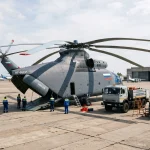
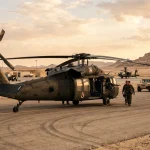
The Apache helicopter, officially known as the AH-64 Apache, is a formidable attack aircraft renowned for its advanced technology and combat versatility. Developed by Boeing, it stands as a key asset in modern warfare, equipped with cutting-edge weaponry and sophisticated avionics. This helicopter not only dominates the battlefield but also draws the interest of aviation enthusiasts and aspiring pilots alike.
While its technical prowess is fascinating, the Apache has a rich history marked by both triumphs and tragedies, reflecting the complex nature of military aviation. Understanding the Apache’s capabilities, its role in various conflicts, and the stories behind its operations helps demystify this incredible machine. Whether you’re an aviation fan, a hobbyist, or simply curious about military technology, exploring what makes the Apache helicopter a vital force across the skies will engage you. So, buckle up as we dive into the mechanics, history, and impact of this iconic attack helicopter.
What Makes the Apache Helicopter Unique?
The Apache helicopter stands out in the world of military aviation due to its unparalleled versatility and robust design. Often celebrated for its capabilities as an attack helicopter, the Apache serves not only as a formidable aerial weapons delivery platform but also as an advanced reconnaissance tool. Its dual-seat configuration allows for a pilot and a co-pilot/gunner, enabling effective coordination and tactically efficient operations. This unique crew arrangement enhances situational awareness during combat, making it a preferred choice for complex missions.
One of the defining features of the Apache is its powerful rotor system and advanced avionics. Equipped with a wide array of weaponry, including guided missiles and a 30 mm chain gun, the Apache can engage ground targets with precision while maintaining air superiority. Its ability to carry out missions in various environments-from urban warfare to open combat zones-demonstrates its adaptability. The helicopter’s modular design, which allows for quick modifications and upgrades, ensures it remains relevant against evolving threats.
In addition to its technical prowess, the Apache’s role in military operations is enhanced through its advanced sensors and targeting systems. With the ability to operate at night or in poor visibility conditions, the Apache’s targeting capabilities include infrared cameras and laser range finders, providing pilots with vital information for precision strikes. This exceptional combination of technology and design underscores what makes the Apache helicopter truly unique, allowing it to maintain its legacy as a critical asset in modern military forces worldwide.
The History and Evolution of the Apache Helicopter
The Apache helicopter’s origins trace back to the 1970s when the U.S. Army recognized the need for a dedicated attack helicopter to counter evolving battlefield threats. In 1972, the Army awarded a contract to Hughes Helicopters to develop a helicopter that would eventually become the AH-64 Apache. This groundbreaking machine was designed to incorporate advanced technology and weaponry capable of engaging a variety of land and air targets, marking a significant evolution in military aviation.
The Apache made its first flight in 1975, showcasing not only its sleek design but also its impressive capabilities. By the early 1980s, it began entering operational service, quickly proving itself in various military conflicts. The helicopter’s design allowed for exceptional speed, agility, and firepower, complemented by advanced features such as night vision systems and digital avionics. This technological edge was particularly notable during the Gulf War in 1991, where Apaches played a pivotal role in the swift destruction of Iraqi armored units, demonstrating their effectiveness as a modern combat platform.
As the Apache continued to evolve, subsequent models incorporated significant enhancements. The AH-64D Longbow variant introduced a fully integrated avionics suite and advanced radar systems, enabling it to engage targets while remaining a safe distance away. The helicopter has undergone numerous upgrades over the decades, including improvements to its weapons systems, engine performance, and survivability features. These adaptations have ensured that the Apache remains at the forefront of aerial warfare, capable of meeting new challenges on the battlefield.
In recent years, the Apache has been retrofitted with even more sophisticated technologies, including unmanned aerial systems (UAS) capabilities and improved data links for better communication and coordination with other military units. This relentless pursuit of innovation reflects not only a commitment to excellence in military aviation but also a respect for the lives and sacrifices of those who operate these machines. As the Apache helicopter meets future challenges, its rich history speaks to a legacy of ingenuity, resilience, and operational success.
Key Features and Specifications of Apache Helicopters
The Apache helicopter is a remarkable fusion of power, technology, and agility, making it one of the most formidable aerial attack platforms in modern warfare. One of its most striking features is its advanced avionics system, which includes digital displays, synthetic aperture radar, and integrated targeting systems, enabling pilots to identify and engage targets with precision even in low-visibility conditions. With a top speed of around 182 mph (or 293 km/h) and a maximum range of approximately 300 miles (480 km), the Apache can swiftly respond to threats on the battlefield.
The armament systems of the Apache are designed to ensure superiority in combat scenarios. It typically carries a combination of weapons, including the M230 Chain Gun, AGM-114 Hellfire missiles, and rockets that can be tailored for anti-tank or air-to-ground missions. This versatility allows the helicopter to engage various targets, from enemy armored vehicles to personnel in fortifications. The multi-role capability is enhanced by its ability to carry up to 16 Hellfire missiles in its weapons system, giving it an edge in precision-strike capabilities.
Key Specifications
| Specification | Details |
|---|---|
| Length | 58.3 ft (17.8 m) |
| Height | 15.24 ft (4.65 m) |
| Max Takeoff Weight | 20,260 lbs (9,200 kg) |
| Powerplant | 2 × Honeywell T55-GA-714A turboshaft engines |
| Power | 1,890 hp (1,406 kW) each |
| Maximum Speed | 182 mph (293 km/h) |
| Range | 300 miles (480 km) |
This powerful aircraft is also equipped with advanced defensive systems, including radar-absorbing materials and flares to counter heat-seeking missiles, ensuring its survivability during missions. The low-profile design helps it avoid detection, while its agility allows for rapid maneuvers in complex combat environments. Together, these features create a helicopter that not only excels in offensive roles but also demonstrates a remarkable ability to evade enemy defenses, showcasing the perfect blend of might and technology that defines the Apache helicopter.
How Apache Helicopters Operate in Combat
In the heat of battle, Apache helicopters exemplify tactical prowess, often serving as the backbone of modern aerial assault operations. Their ability to combine speed, precision, and firepower enables them to engage a variety of ground targets effectively. When an Apache enters combat, it operates under a well-coordinated strategy that maximizes its advanced systems to support ground troops and secure air dominance.
Apache helicopters utilize sophisticated avionics that enhance situational awareness and targeting capabilities. These systems include high-tech displays and sensor suites that allow pilots to visualize the battlefield in real-time. For example, the Longbow Apache variant features a millimeter-wave radar system that enables it to detect and engage targets from significant distances, even in adverse weather conditions. This capability significantly reduces the risk to pilots while allowing for effective precision strikes against enemy armor or fortified positions.
The operational tactics of Apache helicopters often involve a combination of low-altitude maneuvering and use of terrain for cover. Pilots are trained to fly at low heights to avoid radar detection, employing terrain masking to shield themselves from enemy observation. During an engagement, Apaches typically operate in groups, providing mutual support and concentrated fire against strategically important targets. The crew consists of two members: a pilot and a co-pilot/gunner, each trained extensively in combat flight and systems operation, ensuring they can quickly adapt to changing battlefield conditions.
To enhance their effectiveness, Apache helicopters are equipped with a versatile arsenal that allows them to engage multiple types of targets. They can carry a mix of weapons including the devastating AGM-114 Hellfire missiles, which can be launched against enemy vehicles, and the M230 Chain Gun, effective against infantry and lighter armored threats. Additionally, the versatility of the Apache is showcased in its ability to utilize rockets capable of being tailored for specific mission profiles.
Apache helicopters thrive in combat scenarios not only for their firepower but also for their survivability strategies. They employ advanced countermeasures against incoming threats, such as flares and electronic warfare systems. This combination of offensive and defensive capabilities makes the Apache a formidable adversary on the battlefield, embodying the pinnacle of modern military aviation technology.
The Role of Apache Helicopters in Modern Warfare
In the landscape of modern warfare, Apache helicopters stand as an iconic symbol of aerial combat power and flexibility. Their role extends beyond mere firepower; they serve as integral components of military strategy, combining advanced technology with tactical prowess to shape the outcomes of engagements on the battlefield. Notably, their ability to operate in various environments and adapt to diverse missions makes them a crucial asset in both offensive and defensive operations.
Apache helicopters excel in close air support, a mission that requires quick response times and precision targeting. They protect ground troops, engage enemy positions, and provide reconnaissance. Equipped with advanced avionics and targeting systems, Apaches can engage multiple threats simultaneously while coordinating with ground forces. Their ability to carry both laser-guided munitions and precision missiles allows them to strike with lethal accuracy, devastating enemy formations and fortifications without putting ground personnel at risk.
Coordination with Ground Forces
The effectiveness of Apache helicopters is heightened through their integration with infantry and armored units. Communication is key; Apaches often operate alongside joint terminal attack controllers (JTACs) who provide real-time targeting information. This synergy allows Apache crews to rapidly adjust their tactics based on evolving battlefield conditions. The Apache’s versatility also enables it to shift roles during operations, from attacking armored vehicles to conducting search and rescue missions.
Adaptability in Conflict Zones
In contemporary conflict zones, Apaches are deployed in various roles beyond traditional combat. They engage in counterinsurgency operations, offering support in urban environments where conventional warfare tactics have evolved. Their capacity for reconnaissance and intelligence gathering enhances situational awareness, allowing military planners to make well-informed decisions. The Apache’s ability to operate in hostile territories, often at low altitudes, helps reduce vulnerability while maximizing effectiveness.
The technological advancements of Apache helicopters continue to redefined their role in modern warfare. As military tactics evolve, so too do the systems aboard these aircraft, including improved sensor capabilities and enhanced data-sharing capabilities among units. The Apache’s role, marked by its formidable firepower, adaptability, and integration with overall military strategy, ensures that it remains a key player in the future of aerial combat. Whether striking decisively in open conflict or supporting peacekeeping missions, Apaches embody the cutting edge of military aviation.
Comparison with Other Military Helicopters
When it comes to military helicopters, the Apache stands out not just for its striking design but also for its advanced capabilities. Comprised of the AH-64A/D/E models, the Apache is often compared to other combat helicopters like the Bell AH-1 Cobra, Mil Mi-24 Hind, and the Eurocopter Tiger. Each of these helicopters has unique features and roles within military operations, demonstrating different philosophies in design and engagement.
Apache vs. Cobra
The Bell AH-1 Cobra was one of the first dedicated attack helicopters, designed during the Vietnam War. While the Cobra is lighter and more agile, its offensive capabilities are less advanced than those of the Apache. The Apache’s avionics are state-of-the-art, incorporating sophisticated targeting systems that allow it to engage multiple threats simultaneously. Additionally, the Apache can carry a wider array of munitions, including the Hellfire missile and laser-guided bombs, giving it a more versatile role in combat.
Apache vs. Hind
The Mil Mi-24 Hind, known as “Hind” by NATO, is a powerful helicopter used primarily by Russian forces. It blends the roles of an attack helicopter and a transport utility helicopter, allowing it to carry troops alongside its combat capabilities. However, the Apache’s advanced avionics and precision weapons systems provide a significant edge in modern warfare scenarios. The Hind is more of a brute-force asset, while the Apache emphasizes precision and adaptability, making it a favorite for close air support operations.
Apache vs. Tiger
The Eurocopter Tiger, a more modern entry into the attack helicopter field, offers advanced stealth features and a digital interface but still trails the Apache in terms of operational history and proven battlefield effectiveness. The Apache’s combat experience since the Gulf War demonstrates its reliability in various environments, from desert terrain to urban warfare. The Apache’s integrated combat systems allow it to gather and relay information to ground forces, enhancing situational awareness more effectively than the Tiger in many combat scenarios.
In summary, while the Apache helicopter shares the battlefield with formidable competitors, its combination of firepower, advanced technology, and proven adaptability underlines its role as a key asset in modern military operations. Each helicopter has strengths that cater to different military strategies, but the Apache has consistently demonstrated unparalleled versatility and effectiveness in achieving mission objectives.
Famous Apache Helicopter Missions and Operations
The Apache helicopter has made a significant mark in military history with numerous renowned missions demonstrating its power, precision, and tactical versatility. One of the most notable operations took place during the Gulf War in 1991, where Apache helicopters played a critical role in the destruction of Iraqi armored forces. As part of Operation Desert Storm, Apaches were deployed in night operations, utilizing their advanced targeting systems and Hellfire missiles to achieve a remarkable success rate against tanks and other ground units. This operation effectively showcased the Apache’s ability to conduct deep strike missions while providing essential close air support to ground troops.
In more recent history, the Apache has continued to distinguish itself in various conflicts, most prominently in Iraq and Afghanistan. During the Iraq War, Apaches were vital in urban combat situations where their capabilities to engage moving targets and provide aerial reconnaissance significantly aided coalition forces. The famous “Battle of Fallujah” in 2004 saw Apaches executing close air support missions, successfully guiding ground forces through enemy positions and neutralizing threats with precision strikes. These missions solidified the Apache’s reputation as a crucial asset for ground commanders in military operations.
Despite the combat effectiveness, the Apache’s operational history is not without tragedy. Incidents involving crashes due to mechanical failure or hostile fire have resulted in the loss of lives, reminding us of the inherent risks that come with flying such complex machines. Each loss is remembered, underscoring the bravery of the pilots and crew members who operate under extreme conditions.
The Apache has become a cultural icon, often depicted in movies and video games, which reflect its formidable presence and capabilities in battle. From its riveting portrayal in films like “Black Hawk Down” to its gameplay in military simulation games, the Apache has captivated audiences worldwide, inspiring many who aspire to a career in aviation or military service. The legacy of the Apache continues to evolve with ongoing technological upgrades, ensuring that this attack helicopter remains a formidable force on the battlefield for years to come.
Technological Advancements in Apache Designs
The Apache helicopter’s design has continually evolved, integrating cutting-edge technology to maintain its status as a premier combat aircraft. From advanced avionics to enhanced weapon systems, these improvements ensure that the Apache remains effective in an ever-changing battlefield landscape. With each iteration, the Apache embraces innovations that not only enhance its operational capabilities but also improve safety and pilot effectiveness.
One of the most significant advancements in Apache technology is the introduction of the Modernized Targeting System (M-TADS). This system combines sensors that provide pilots with unparalleled targeting precision. The M-TADS includes a long-range infrared sensor, a laser rangefinder, and advanced optics, enabling the helicopter to detect and engage targets at greater distances, even in adverse weather conditions. It dramatically enhances the Apache’s capability for reconnaissance, surveillance, and target acquisition, making it vital for both offensive and defensive operations.
Additionally, the integration of Composite Rotor Blades has significantly improved durability and performance. These lighter and stronger materials allow for better flight dynamics and greater agility while reducing vibrations, which enhances pilot comfort during extended missions. The latest models, like the AH-64E Apache Guardian, feature upgraded rotor systems that provide increased lift and speed, further establishing dominance in the air.
Furthermore, the implementation of Digital Cockpit Displays reflects a shift toward more intuitive and accessible interfaces for pilots. These displays consolidate critical information, enabling quicker decision-making processes in combat scenarios. The incorporation of Helmet-Mounted Displays (HMD) allows pilots to see pertinent data directly in their line of sight, facilitating a more direct connection to the aircraft’s systems while reducing cognitive load during operations.
The Apache’s technological evolution doesn’t only pertain to combat systems; maintenance has also become streamlined through advancements in Predictive Maintenance Systems. These technologies analyze data from various sensors to assess the health of the helicopter in real-time, allowing for proactive repairs and minimizing downtime. This ensures that Apache helicopters can be mission-ready when needed most, saving lives and resources.
In essence, the ongoing investment in technological advancements ensures that Apache helicopters remain at the forefront of military aviation. As technology continues to progress, so too does the Apache’s capabilities, setting a high bar for future attack helicopters and inspiring a new generation of aviators keen on shaping the skies.
Training and Careers Related to Apache Helicopters
To operate one of the most advanced machines in military aviation, aspiring pilots and technicians must undergo rigorous training specific to Apache helicopters. The Apache, renowned for its agility and combat prowess, requires skilled individuals who can navigate its complex systems and high-stakes environments. For those eager to join this elite community, understanding the pathways to a successful career with directly linked training programs is essential.
Pilots: The Path to the Cockpit
Becoming an Apache pilot generally starts with military service. Most pilots in this role are commissioned officers in the Army, Air Force, or another branch of the military. The journey begins at a military academy or through officer training programs, followed by flight school. During flight training, candidates receive comprehensive instruction on flying techniques and operational tactics. Once pilots complete their initial training, they move on to specialized Apache systems training, where they master the intricacies of the aircraft, including avionics and weapon systems, often in simulators that replicate real combat scenarios.
Technical Careers: Supporting Apache Operations
In addition to pilots, numerous career opportunities exist for maintenance and support personnel. Aircraft maintenance engineers and avionics technicians play a pivotal role in ensuring that these helicopters remain mission-ready. Training for these positions typically combines technical education, either through military programs or civilian aviation schools, with on-the-job experience. Those in these roles must become proficient in troubleshooting, repairing, and maintaining complex systems, including the Apache’s advanced electronics and flight controls.
Continuous Education and Advancement
The world of Apache aviation is constantly evolving, necessitating ongoing training and education. Both pilots and technicians are encouraged to pursue additional certifications and advanced training modules, particularly as new systems and technologies are integrated into the Apache fleet. Whether it involves mastering new weapons systems or advanced maintenance protocols, continuous learning is key to maintaining operational readiness and effectiveness.
Honoring the People Behind the Apache
carry with them a sense of duty and responsibility. The stakes are high, and the stories of those who have operated these machines are often tinged with bravery and, at times, tragedy. Public awareness and respect for the lives at risk during both operations and training are vital. Acknowledging the dedication behind every successful mission honors not only the pilots and crews but also the families who support them.
In summary, stepping into a role within Apache helicopter operations offers a blend of excitement, challenge, and fulfillment. By understanding the pathways to these careers, aspiring pilots and technicians can better prepare for their roles in one of the most respected fields in aviation.
The Apache Helicopter in Pop Culture and Media
The Apache helicopter, with its fierce appearance and advanced capabilities, has firmly established itself in popular culture, often serving as a symbol of military power and technological supremacy. Films, television shows, video games, and other media frequently depict the Apache as the pinnacle of aerial combat, showcasing its roles in action sequences that emphasize speed, firepower, and precision. For instance, popular movies like “Black Hawk Down” and “Transformers” feature the Apache prominently, portraying it as a formidable weapon in complex military operations.
Beyond film, the Apache helicopter also finds its place in video games like “Call of Duty” and “Battlefield,” where players can pilot or engage with the aircraft in realistic combat scenarios. These games often highlight the Apache’s advanced targeting systems and weaponry, allowing players to experience the thrill of commanding this powerful machine from the cockpit. Its capabilities, such as night vision and precision-guided munitions, are celebrated in gameplay mechanics, making the Apache a fan-favorite in the gaming community.
While the depiction of the Apache helicopter often leans towards the dramatic, it’s important to approach this subject with a sense of responsibility. The realities of operating an Apache involve high-stakes scenarios and potential risks, underscoring the bravery and commitment of the pilots and crews. When media portrayals glamorize combat, they sometimes overlook the sacrifices made by those in service. As enthusiasts, celebrating the Apache’s cultural significance should also include respect for the lives lost in real-world conflicts and recognition of the serious nature of the missions carried out by these skilled operators.
In recent years, the Apache has also made appearances in various documentaries and educational programs, further bridging the gap between entertainment and real-life applications of this impressive aircraft. These productions aim not only to showcase the Apache’s technical prowess but also to provide insight into the rigorous training and operational strategies involved in utilizing such advanced aviation technology. The impact of the Apache helicopter in pop culture is a testament to its status as an icon of modern military aviation, inspiring fascination while encouraging a deeper understanding of its role and the people behind the controls.
Debunking Common Myths About Apache Helicopters
Many people hold misconceptions about the Apache helicopter, often viewing it merely as a brute force machine designed solely for destruction. However, the truth encompasses so much more. The Apache, particularly the AH-64 Apache Longbow variant, is an intricate culmination of advanced technology, strategic design, and multi-faceted roles in modern military operations. For instance, beyond its heavy firepower, it is equipped with sophisticated reconnaissance and targeting systems, enabling it to gather intelligence while coordinating with ground forces.
One prevalent myth is that the Apache operates independently in combat situations. In reality, it functions as part of a larger tactical team, often collaborating with ground troops and other air support units. The Apache’s true strength lies in its versatility-equipped to engage threats from long distances while providing cover for troops on the ground. This interconnectedness emphasizes the Apache’s role not just as a combat vehicle, but as an integral component of a comprehensive military strategy.
Furthermore, there’s a common belief that Apaches are invulnerable due to their advanced technology and armor. While they possess robust defensive capabilities, they are not impervious; they engage threats tactically with a focus on survivability and mission success rather than sheer invincibility. Pilots undergo rigorous training to handle potential crises, including evasive maneuvers against enemy fire, showcasing the importance of human skill alongside technological prowess.
Additionally, many assume that the Apache helicopter is an outdated model, but it continues to evolve with time. Ongoing upgrades and enhancements in avionics, weapon systems, and survivability features keep the Apache relevant and capable of meeting 21st-century combat challenges. Myths can shape perceptions, often leading to misunderstandings about the Apache’s true capabilities and significance. By demystifying these misconceptions, we can gain a deeper appreciation for this awe-inspiring helicopter and the dedicated individuals who operate it.
Future Developments and Upgrades for the Apache
The Apache helicopter continues to undergo significant advancements, ensuring its status as a formidable force in modern warfare. Recent upgrades focus on enhancing its capabilities across various domains, particularly in avionics, weaponry, and survivability. As military needs evolve with emerging threats, so too does the Apache’s design, integrating state-of-the-art technologies to maintain its edge.
One key area of development is the integration of advanced sensors and targeting systems. The Longbow radar system, for example, allows Apache crews to detect and engage multiple targets simultaneously under various weather conditions. Future iterations may include improved data-sharing capabilities, enabling seamless communication with ground forces and other air assets, enhancing situational awareness and operational effectiveness.
In terms of weaponry, there is a push to upgrade systems to utilize next-generation munitions, exemplifying an ongoing trend toward modularity and versatility. This includes potential enhancements like laser-guided weapons and precision-strike systems, offering increased lethality and efficiency in combat situations. The development of unmanned aerial vehicle (UAV) technology is also under consideration, providing Apaches with additional intelligence and strike capabilities without exposing pilots to unnecessary risk.
As the Apache accommodates modern warfare’s complex landscape, personnel training and simulation technologies are also advancing. Enhanced virtual reality training systems can prepare pilots for various combat scenarios, improving their decision-making and tactical skills in real time. Such innovations ensure that the talented individuals operating these helicopters are not only familiarized with the latest technology but are also adept at using it in the dynamic battlefield environment.
Ultimately, the future of Apache helicopters looks promising, driven by continuous innovation and an unwavering commitment to meet and overcome the challenges posed by modern combat. Whether you’re an aviation enthusiast or an aspiring pilot, staying informed about these developments highlights the ongoing importance and adaptability of this iconic aircraft.
Frequently Asked Questions
Q: What is the primary function of the Apache helicopter in military operations?
A: The primary function of the Apache helicopter is to provide close air support, scout enemy positions, and engage targets on the ground. Its advanced targeting systems and weaponry make it highly effective in battle, ensuring ground forces receive critical support during operations.
Q: How does the Apache helicopter compare to other attack helicopters?
A: The Apache helicopter is often praised for its superior avionics, firepower, and agility compared to other attack helicopters. Its advanced systems like the Longbow radar allow it to operate effectively in various environments, giving it a tactical advantage over competitors.
Q: What distinctive technologies do Apache helicopters use for targeting?
A: Apache helicopters utilize technologies such as the AN/APG-78 Longbow radar and Thermal Imaging Sensors for targeting. These systems enable the helicopter to detect and track multiple targets, even in low visibility conditions, enhancing its effectiveness in combat scenarios.
Q: When were Apache helicopters first deployed in combat, and what was their impact?
A: Apache helicopters were first deployed in combat during the Gulf War in 1991. Their advanced capabilities significantly disrupted enemy forces, achieving high success rates in destroying armored vehicles and providing vital support to ground troops.
Q: What types of armaments are typically equipped on Apache helicopters?
A: Apache helicopters are equipped with various armaments, including AGM-114 Hellfire missiles, a 30mm M230 chain gun, and rockets. This diverse array of weapons allows them to engage a wide range of targets effectively, from tanks to buildings.
Q: How do pilots train to operate Apache helicopters?
A: Pilots train extensively through a combination of simulator training, classroom instruction, and live flight missions. Programs emphasize aircraft systems, combat tactics, and decision-making to prepare pilots for a variety of operational scenarios.
Q: What future advancements are expected for Apache helicopter technology?
A: Future advancements for Apache helicopters may include upgrades in avionics, weapon systems, and enhanced stealth capabilities. Ongoing developments aim to improve their operational efficiency and adaptability to evolving combat environments.
Q: Why are Apache helicopters considered pivotal in modern warfare?
A: Apache helicopters are pivotal in modern warfare due to their ability to provide real-time support, engage enemy forces swiftly, and adapt to various battle conditions. Their combination of speed, firepower, and reconnaissance capabilities makes them essential assets in military operations.
Insights and Conclusions
The Apache helicopter is not just a marvel of engineering; it’s a pivotal asset in modern combat. As we’ve explored, its advanced technology and versatility make it a formidable attack platform. Want to dive deeper? Check out our article on the history of military helicopters or learn about the latest advancements in combat aviation.
Don’t miss the opportunity to join our community of aviation enthusiasts! Subscribe to our newsletter for exclusive insights and updates on all things aviation. Whether you’re an aspiring pilot or just fascinated by flight technology, there’s so much waiting for you.
Your thoughts are valuable to us-share your comments below! Together, we can explore further into the captivating world of helicopters. Let your curiosity soar as you discover related topics that could enhance your understanding and appreciation of these incredible machines.
Get our latest guides, news, and insights highlighted in your Google Search & AI Overviews.