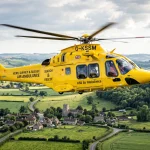
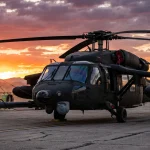
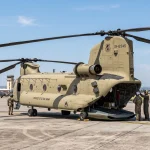
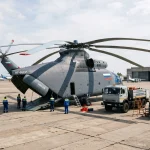
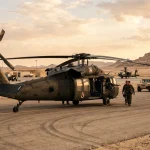
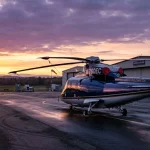
Military helicopters are remarkable machines, designed for a variety of crucial roles, from troop transport to medical evacuation and reconnaissance. Their unique shapes and features can captivate aviation enthusiasts and casual observers alike. Did you know that each military helicopter variant is engineered for specific missions, often showcasing distinctive markings and colors?
Understanding what these helicopters look like not only enhances your appreciation for their design and functionality but can also be vital in recognizing them in real-world situations. Whether you’re an aspiring pilot, a military history buff, or simply curious about aviation, this recognition guide will help you identify various military helicopters at a glance. Dive into the fascinating world of military aviation and discover the engineering marvels that play a pivotal role in defense and emergency operations!
Understanding Military Helicopter Types and Models
Understanding the various types and models of military helicopters is essential for anyone interested in aviation. Military helicopters can be broadly categorized based on their roles and capabilities, and each type plays a unique part in military operations. For instance, attack helicopters like the AH-64 Apache are designed for precision strikes and close air support, while transport helicopters such as the CH-47 Chinook focus on moving troops and equipment. Within the categories, you’ll find a variety of models that are tailored for specific missions, such as reconnaissance, medical evacuation, and heavy-lift operations.
Helicopters are distinct not only in their functions but also in their designs. For example, the iconic Bell UH-1 Iroquois, also known as the “Huey,” became synonymous with the Vietnam War, serving primarily as a utility helicopter. In contrast, modern rotorcraft like the UH-60 Black Hawk incorporate advanced technology and materials, giving them superior performance and adaptability in diverse combat environments. Military helicopters also differ in size, ranging from the compact AH-1Z Viper to the large CH-53 Super Stallion, which can transport heavy loads and operate in challenging conditions.
When identifying military helicopters, it’s crucial to consider their features such as rotor systems and tail configurations. Many helicopters employ a tandem rotor system, which enhances lift and stability for larger models, while others utilize a single-rotor design with a tail rotor for stability. Markings and paint schemes also provide insights into their roles and affiliations; for example, different branches of the U.S. military often use distinctive color patterns or insignias on their helicopters, making it easier to recognize which service operates them.
Understanding these aspects not only enriches one’s appreciation of military aviation but also enhances recognition skills, important for enthusiasts and professionals alike. Being able to differentiate between helicopter types and models opens up a deeper dialogue about their capabilities and roles in modern warfare.
Key Features to Identify Military Helicopters
Identifying military helicopters can be both an exciting and informative challenge, as various features distinguish them from one another. When observing these impressive machines in flight or on the ground, certain characteristics can provide valuable clues about their type and role. Key features to look for include their size, rotor system configurations, and specific design elements that signal their operational purpose.
Firstly, consider the size and shape of the helicopter. Military helicopters fall into categories ranging from small, agile models like the AH-1Z Viper, designed for attack missions, to larger heavy-lift helicopters like the CH-53 Super Stallion, built for transport and logistical operations. The body structure often reveals its function; for instance, attack helicopters usually have a more aerodynamic shape with a sleek fuselage, while transport helicopters feature a bulkier design to accommodate cargo and personnel.
Rotor Systems and Tail Configuration
Another critical aspect of identification is the rotor system. Different configurations serve distinct aerodynamic needs:
- Single-Rotor and Tail Rotor: Most common in multi-role helicopters like the UH-60 Black Hawk.
- Tandem Rotors: Found in larger models such as the CH-47 Chinook, enhancing lift capability by using two rotors mounted one in front of the other.
- Coaxial Rotors: Featuring two stacked rotors that turn in opposite directions; common in some attack helicopters for increased stability.
Design Elements and Markings
Visual markings and paint schemes are vital in differentiating military helicopters. Each branch of the military often has its unique insignia and color patterns. For example, the U.S. Army typically uses a dull olive drab or black, while Marine helicopters may have a distinctive sandy hue for desert operations. Understanding these visual cues not only helps in identification but also informs about the helicopter’s mission and operational environment.
By familiarizing yourself with these identifying features, you can enhance your recognition skills, whether you’re a dedicated aviation enthusiast, a budding pilot, or simply curious about military aircraft. The next time you see a helicopter overhead, you’ll be better equipped to appreciate the complexities of its design and purpose, making it a more engaging experience.
Comparing Military Helicopters: Size and Shape
When examining military helicopters, one of the most striking factors is their size and shape, which not only contribute to their aesthetic appeal but also play a critical role in their functionality. For instance, attack helicopters like the AH-1Z Viper are relatively small and agile, designed to maneuver quickly in combat zones. In contrast, heavy-lift helicopters such as the CH-53E Super Stallion boast a much larger frame. Measuring in at over 100 feet long, the Super Stallion is engineered to transport troops and equipment over significant distances, highlighting how size can directly correlate with a helicopter’s mission capabilities.
The physical design of a helicopter often reflects its operational role. Transport helicopters typically have broader, more robust bodies to accommodate cargo, while reconnaissance and attack models exhibit streamlined shapes optimized for speed and stealth. For example, the Boeing AH-64 Apache, with its sleek body and rotor setup, is crafted for engagement and agility, emphasizing its battlefield prowess. Meanwhile, the UH-60 Black Hawk serves as a versatile workhorse, balancing size and maneuverability, underscoring its multi-role functionality in various missions from troop transport to medevac.
Understanding the dimensions and proportions of these helicopters can help enthusiasts and aspiring aviators appreciate how design influences performance. When spotting helicopters, take note of their silhouette against the sky. The size difference between categories can be quite dramatic; for instance, a tandem rotor model like the CH-47 Chinook is distinctive with its two large rotors, setting it apart from the single rotor design of helicopters like the UH-1Y Venom. Recognizing these characteristics not only enhances identification skills but also deepens the appreciation for the engineering marvels that are military helicopters.
Ultimately, size and shape are key identifiers of military helicopters, informing observers about their intended roles and capabilities. Whether one is watching a sleek Apache dart through the sky or a massive Super Stallion lumbering overhead, each design is an intricate blend of form and function tailored to meet the demanding realities of military operations.
Color Schemes and Markings of Military Helicopters
The visual identity of military helicopters is significantly shaped by their color schemes and markings, which serve both functional and symbolic purposes. The primary goal of a helicopter’s color scheme is camouflage, blending in with the environments in which they operate. For example, helicopters used in woodland operations often sport dark greens and browns to mimic the forest canopy, while those in desert locations may feature sandy or muted earth tones. This strategic use of color helps reduce detectability, an essential factor during covert missions.
Standard Markings and Symbols
In addition to their base colors, military helicopters bear markings that convey important information about their function and affiliation. This can include national insignia, unit emblems, and tactical markings. Such identifiers are crucial for quick recognition in the field, both for friendly forces and in operational contexts. Typically, markings are applied in specific patterns or locations, such as:
- National Insignia: Usually found on the tail and often on the sides, the national symbol allows for immediate identification, especially during joint operations.
- Unit Emblems: These markings signify the helicopter’s squadron or group, providing a sense of pride and identity among the crews.
- Tactical Markings: These may include codes or colors that indicate the helicopter’s role (e.g., transport, assault, reconnaissance), guiding quick assessments on the battlefield.
Camouflage Techniques
Beyond simple color choices, advanced camouflage techniques are employed, especially on modern helicopters. One example is the application of distinctive patterns like “forest,” “urban,” or “snow” camouflage. Helicopters like the AH-64 Apache and the CH-53E Super Stallion might use shapes that mimic their surroundings, with flow patterns that disrupt their silhouette against the sky or land.
These patterns can be coupled with infrared-reflective paint to further decrease their visibility during night operations or against thermal imaging systems. This combination of visual camouflage and advanced materials exemplifies the continuous evolution of military helicopter design, striving to maintain a tactical edge in various operational zones.
Understanding these color schemes and markings allows enthusiasts, aspiring pilots, and even casual observers to appreciate the strategic importance behind the aesthetics of military helicopters. Recognizing these features not only enhances spotting skills but fosters a deeper connection to the roles these powerful machines play in defense and humanitarian efforts.
Design Elements: Rotor Systems and Tail Fins
The design of military helicopters is a fascinating blend of engineering and functionality, especially evident in their rotor systems and tail fins. These features are crucial for performance, agility, and stability in various operational scenarios. Understanding how these elements work not only helps in identifying different helicopter models but also enhances appreciation for their sophisticated design.
Military helicopters typically employ one of two main rotor configurations: single rotor systems with a tail rotor or tandem rotor setups. Single rotor helicopters, like the AH-64 Apache, utilize a main rotor for lift and a smaller tail rotor to counteract the torque created by the main rotor. This design allows for a compact structure, making them more maneuverable in tight spaces-ideal for urban operations. On the other hand, tandem rotor helicopters, such as the CH-47 Chinook, feature two large rotors mounted one in front of the other. This configuration provides excellent lifting capability and stability, particularly useful when carrying heavy payloads or operating in complex environments.
Equally important are the tail fins, which have a dual purpose: they provide directional stability and help manage the rotor’s aerodynamic effects. Helicopters like the OH-58 Kiowa have distinctive vertically oriented stabilizers that enhance yaw control, allowing pilots to maintain heading during flight. In contrast, other designs may incorporate horizontal stabilizers that work alongside the vertical structures to improve overall flight control and minimize vibration. These design choices are tailored to specific mission profiles, whether it’s surveillance, transport, or direct combat engagement.
Moreover, the evolution of rotor and tail fin designs reflects advancements in technology and changing operational needs. Modern military helicopters incorporate composite materials that reduce weight while increasing strength, contributing to better fuel efficiency and performance. Innovations such as fly-by-wire systems offer pilots enhanced maneuverability and responsiveness, further expanding the tactical capabilities of these aircraft.
In conclusion, the rotor systems and tail fins are not just aesthetic elements; they are functional components that play a vital role in a military helicopter’s operational effectiveness. Understanding these design features grants enthusiasts and aspiring pilots insight into the intricate balance of power, agility, and stability required for successful military missions.
The Role of Military Helicopters in Operations
Military helicopters play a pivotal role in modern military operations, serving a variety of critical functions that enhance both combat effectiveness and logistical capabilities. These agile aircraft are uniquely suited to missions requiring rapid deployment and versatile operational environments, allowing forces to engage quickly and effectively.
One of the primary roles of military helicopters is troop transport. For example, the CH-47 Chinook, known for its heavy lifting capabilities, can carry troops and equipment directly into combat zones, avoiding the vulnerabilities of ground transport. This capability is vital in situations where ground routes are compromised or too dangerous, allowing for swift insertion and extraction of personnel. Furthermore, helicopters can operate in diverse terrains-from jungles to mountains-where traditional vehicles may struggle, showcasing their adaptability to various operational needs.
Another key function is close air support (CAS). Helicopters like the AH-64 Apache are equipped with advanced targeting systems and weaponry, enabling them to provide direct fire support during ground operations. Their ability to hover and maneuver in tight spaces makes them invaluable for engaging enemy positions while minimizing collateral damage. The combination of speed, armament, and agility allows them to respond quickly to changing battlefield conditions, filling gaps that fixed-wing aircraft may not efficiently handle.
In addition to combat roles, helicopters are critical for medical evacuation (medevac) and search and rescue operations. They facilitate the rapid evacuation of injured soldiers from the front lines, ensuring timely medical treatment, which can significantly increase survival rates. The speed at which helicopters can respond to distress calls in hostile environments highlights their importance in humanitarian and rescue missions.
Finally, reconnaissance and surveillance are core functions of military helicopters. Equipped with sophisticated sensors and cameras, helicopters like the OH-58 Kiowa provide real-time intelligence to ground forces, allowing for informed decision-making during operations. Their ability to fly at lower altitudes and over wide areas makes them ideal for gathering information that can be crucial in planning tactical maneuvers.
In summary, military helicopters are versatile assets that enhance operational capabilities across various domains-transporting troops, delivering close air support, executing medical evacuations, and conducting reconnaissance. Understanding their roles not only highlights their significance in military strategy but also inspires admiration for the engineering advancements that enable them to perform these challenging tasks.
Evolution of Military Helicopter Designs
The journey of military helicopter design reflects significant advancements in technology, engineering, and battlefield requirements. From the early days of rotary-wing aircraft to today’s sophisticated helicopters, the evolution has been remarkable. For instance, the evolution can be traced from the simple, undersized helicopters of World War II, such as the Sikorsky R-4, to modern giants like the Sikorsky CH-53K King Stallion, showcasing enhancements in power, payload capacity, and versatility.
One of the most notable trends in military helicopter development is the transition from piston engines to turboshaft engines. This shift has allowed helicopters to achieve higher speeds, increased altitude capabilities, and better fuel efficiency. The introduction of composite materials has also transformed helicopter designs, making them lighter and more durable, which is crucial for high-performance needs. Helicopters like the AH-64 Apache and the UH-60 Black Hawk exemplify this evolution, as they incorporate advanced avionics, weapons systems, and enhanced survivability features.
Key Innovations
- Fly-by-Wire Systems: Modern helicopters now often use computer-based flight control systems, improving responsiveness and stability.
- Advanced Avionics: Navigation, targeting systems, and situational awareness technology have dramatically improved operational effectiveness.
- Variable-Rotor Systems: These innovations allow helicopters to adapt rotor speeds and angles, enhancing performance across various missions.
The design approach has also shifted towards multi-role capabilities to keep pace with evolving military strategies. Helicopters are now required to perform various functions, from troop transport to attack missions, medical evacuation, and reconnaissance. This adaptability makes them indispensable in combined arms operations, capable of supporting ground forces in dynamic environments. As combat scenarios become more complex, the need for helicopters that can efficiently transition between roles becomes increasingly important.
The legacy of military helicopter design is not without its challenges. Each advancement often follows lessons learned from past conflicts, especially regarding safety and performance in combat zones. Tragic incidents, such as the loss of lives in helicopter crashes, serve as reminders of the risks involved. These lessons shape future designs to minimize vulnerabilities and enhance crew and passenger protection.
Ultimately, the evolution of military helicopters not only highlights the technological ingenuity of their designers but also continues to inspire a new generation of aviation enthusiasts and aspiring pilots. Understanding the journey of these remarkable machines provides insight into how they have become integral to modern warfare and peacekeeping efforts globally.
Famous Military Helicopters Through History
The history of military helicopters is rich with innovation and legendary machines that have shaped the battlefield as we know it. From the iconic Bell UH-1 Iroquois, often referred to as the “Huey,” to the formidable AH-64 Apache, military helicopters have become integral assets in modern warfare. Each model carries a story not only of mechanical prowess but of the human experience, from heroic rescues to tragic losses.
One of the most famous helicopters is the Bell UH-1 Iroquois, which became a symbol of the Vietnam War. Its distinctive sound and utility made it a lifeline for soldiers on the ground, providing troop transport and medical evacuation. The Huey flew more than seven million flight hours during the conflict, marking its significance in military history. Unfortunately, many Hueys were lost during combat, illustrating the dangers of war and the sacrifices made by brave servicemen and women.
The AH-64 Apache, developed by McDonnell Douglas (now Boeing), redefined the role of attack helicopters. With its advanced avionics, long-range fire capabilities, and ability to operate in diverse terrains, the Apache has proven its worth in various conflicts, from the Gulf War to recent operations in Afghanistan. Its signature nose, which houses a powerful targeting system, and its ability to sustain heavy fire demonstrate how technology has evolved to keep helicopter crews safe while enhancing their combat effectiveness.
Recognition and Impact
Recognizing these helicopters can enhance our understanding of military aviation. The AH-1 Cobra is another noteworthy model, famed for its distinctive sleek design and adaptability as an attack helicopter. Its unique tandem cockpit and powerful weaponry make it recognizable to military aviation enthusiasts and casual observers alike. In contrast, the Sikorsky CH-53 Super Stallion serves as the U.S. Marine Corps’ heavy-lift transport helicopter, renowned for its size and capability to carry substantial payloads, highlighting the diverse roles helicopters fulfill in military operations.
While celebrating these remarkable machines, it’s essential to acknowledge the human stories intertwined with them. The aircrew and soldiers who have flown or worked alongside these helicopters have faced immense challenges. The loss in helicopter crashes underscores the inherent risks of military aviation, with numerous incidents requiring investigations and leading to advancements in design and safety measures. Remembering those who served and the lives lost honors their sacrifice while fostering a deeper appreciation for the engineering marvels they operated.
In examining the legacy of military helicopters, we gain insight into not only their capabilities and technical specifications but also their profound impact on history and the lives of countless individuals. As technology continues to evolve, these flying machines remain critical to many military strategies, ensuring they will continue to play a vital role in shaping global conflict and peacekeeping efforts.
How to Spot Different Military Helicopter Variants
Spotting different military helicopter variants requires a keen eye and an understanding of their unique characteristics. For enthusiasts and professionals alike, recognizing the subtle differences between models can enhance appreciation for these remarkable machines and their roles in military operations. Each helicopter variant comes with distinct features, from cockpit layout and rotor types to body shape and color schemes.
To successfully identify military helicopters, consider the following key aspects:
Distinctive Features
- Body Shape and Size: Not all helicopters are created equal. For instance, the sleek, elongated frame of the AH-64 Apache contrasts sharply with the robust and bulky design of the CH-53 Super Stallion. Noticing these differences can help you narrow down the model.
- Rotor Configuration: Some helicopters, like the UH-60 Black Hawk, have a traditional two-blade rotor, while others, like the V-22 Osprey, utilize a tiltrotor system, which allows for vertical takeoff and landing. Understanding these rotor designs will aid in faster identification.
- Cockpit Design: Pay attention to the cockpit configuration. For example, the tandem cockpit of the AH-1 Cobra is a distinctive feature compared to the side-by-side seating in many utility helicopters, such as the UH-1 Iroquois.
Color Schemes and Markings
Military helicopters often sport specific color schemes and markings that can provide clues about their intended mission or service branch. For example, a desert-tan paint job may indicate the helicopter is designed for desert operations, while dark green and brown may signify a model intended for forest environments. Additionally, insignias or unit markers can reveal more about the helicopter’s operational history or role.
Engagement in the Field
Another effective way to recognize military helicopter variants is by observing their operational context. For instance, attack helicopters like the AH-64 Apache are often seen in combat zones, armed to the teeth and performing strike missions, whereas transport helicopters like the CH-47 Chinook are typically operating in support roles, ferrying troops or supplies. Watching how these aircraft move and interact can help reinforce your knowledge and recognition skills.
As you engage with various military helicopters, remember to appreciate not just their technical specifications but also the rich stories behind their flights. Each machine carries a legacy tied to the bravery of their crews and the sacrifices made in service. Whether you’re a seasoned observer or a budding enthusiast, the world of military aviation is full of wonder and complexity, offering endless opportunities for learning and exploration.
Military Helicopter Recognition in Combat Scenarios
In combat scenarios, recognizing military helicopters can be a critical skill. Each aircraft serves distinct tactical roles, and their appearances often reflect these operational purposes. For example, the heavily armed AH-64 Apache stands out with its signature dual-rotor blades and missile launchers, while the CH-47 Chinook, known for its unique side-by-side twin rotor design, is typically seen transporting troops or supplies. Awareness of these characteristics not only enhances identification skills but can also inform tactical decisions in military engagements.
Understanding the context in which these helicopters operate is vital for recognition. For instance, you might observe an attack helicopter like the AH-64 in an offensive position, armed and operational above the battlefield, whereas a utility helicopter may be seen hovering near a landing zone, assisting with troop movements. Each model displays unique silhouettes, profiles, and colors, which can vary based on their mission type-camouflage for operational stealth or bright insignia for identification during allied exercises.
Furthermore, observing movements and formations during missions can aid in recognition. Attack helicopters often fly in tight formations to maximize their effectiveness, while transport helicopters usually maintain more spread-out patterns to avoid landing zone congestion. The methods used for landing, takeoff, and hovering can further distinguish the agile maneuverability of attack helicopters from the more stable flight patterns of transport models.
Whether you are a casual observer or an aspiring aviator, the more you experience military engagements, the more adept you’ll become at recognizing the unique features and roles of various helicopters. This recognition is not just about identifying machines but also about understanding the intricate dance of military operations where these remarkable aircraft play pivotal roles-all rooted in their design and operational purpose.
Civilians and Military Helicopter Spotting Tips
Recognizing military helicopters can be an exhilarating endeavor, whether you’re a seasoned aviation enthusiast or a casual observer. Each model has its distinct features that make identification easier, but spotting them can still be a challenge, especially in dynamic environments. One of the best ways to enhance your spotting skills is to familiarize yourself with the unique shapes, sounds, and movements of various helicopters.
To start, pay attention to the helicopter’s silhouette and rotor configuration. For example, the CH-53 Sea Stallion has a large, bulky frame with a distinctive triple-blade rotor system, while the agile AH-64 Apache showcases a more streamlined profile with its tandem rotor blades and elongated fuselage. Using online resources, such as the FM 44-80 Visual Aircraft Recognition, can provide you with detailed images and descriptions to bolster your knowledge.
When observing helicopters in the wild, context is key. Note where you see them: are they part of a training exercise, a public event, or responding to an emergency? Additionally, the sound of the helicopter can be a significant identifier. Each model has a unique sound signature; for example, the rotary thump of a Huey helicopter is iconic. If you’re local to military bases or airshows, consider bringing binoculars for a closer look and a notebook to jot down your observations.
For those wishing to engage with the community, joining helicopter spotting groups or online forums can enhance your experience. These platforms allow enthusiasts to share tips, post sightings, and discuss various helicopter models. Remember, while safety is paramount and respecting no-fly zones is crucial, engaging with fellow spotters will deepen your appreciation for these complex machines and their operational roles. Whether you aspire to fly one yourself or simply enjoy observing from the ground, there’s always something new to discover in the world of military helicopters.
Engaging with the Military Helicopter Community
opens up a wealth of knowledge, camaraderie, and shared passion for aviation enthusiasts. Whether you’re a dedicated spotter or a casual observer, participating in community-driven activities can enhance your understanding and appreciation of these remarkable machines. Join local or online helicopter spotting groups, where members share sightings, trade spotting tips, and discuss the intricacies of various helicopter types. This collaborative environment encourages learning and fosters friendships among like-minded individuals who share your enthusiasm.
Volunteering at air shows and military events can also provide hands-on experiences and insider knowledge. Many aviation enthusiasts find joy in assisting at these events, where they can meet pilots and crew members, witness flight demonstrations, and even explore helicopters up close. Such experiences deepen your appreciation for the aircraft and the skilled professionals who operate them. Additionally, engaging with the community can unveil unique opportunities, such as organized flyovers or amphibious landings, which are both thrilling to watch and educational.
Moreover, online forums and social media groups serve as vibrant platforms for discussion and learning. Sharing photographs, stories, and experiences can help you recognize different helicopter models and their operational roles. For example, identifying the differences between the AH-1Z Viper and the AH-64 Apache based on community contributions can sharpen your recognition skills. As you interact with others, you may discover resources like digital quizzes or articles that help solidify your helicopter knowledge, making it both fun and engaging.
As a helicopter enthusiast, remember to stay updated on safety regulations, especially during events or when approaching military installations. Be respectful of no-fly zones and military protocols, ensuring that your hobby doesn’t infringe on operational security. By embracing the community around you and sharing your passion for military helicopters, you contribute to a culture of respect and learning that benefits all aviation fans, whether they aspire to fly, want to capture breathtaking images, or simply enjoy spotting helicopters in action.
Frequently asked questions
markdown
Q: What are the main types of military helicopters?
A: The main types of military helicopters include attack helicopters like the AH-64 Apache, transport helicopters such as the CH-47 Chinook, and utility helicopters like the UH-60 Black Hawk. Each type serves specific roles in military operations and has distinct design features that enhance their functionality and performance.

Q: How can I tell the difference between military and civilian helicopters?
A: You can differentiate military helicopters from civilian ones by looking for distinctive features such as camouflage paint, unique markings, and sometimes different rotor designs. Military helicopters also often have reinforced structures for durability during combat situations, while civilian helicopters focus more on comfort and efficiency.

Q: What are the color schemes of military helicopters?
A: Military helicopters typically use camouflage color schemes designed to conceal them in various environments. Common colors include shades of green, brown, and gray, depending on the operational landscape. Specific units may have unique markings to denote identification, indicating affiliation and country of origin.

Q: Why do military helicopters have different rotor configurations?
A: Military helicopters feature various rotor configurations to enhance performance and maneuverability in combat scenarios. Common setups include single main rotors with a tail rotor for stability, and tandem rotors for increased lift capacity. Each design optimally suits the helicopter's intended mission profile.

Q: What role do military helicopters play in combat scenarios?
A: Military helicopters play several pivotal roles in combat, including transporting troops, conducting reconnaissance, providing air support, and executing search and rescue operations. Their versatility makes them essential assets for operational flexibility in warfare.

Q: How do military helicopter designs evolve over time?
A: Military helicopter designs evolve through advancements in technology, materials, and aerodynamics to enhance performance and reduce vulnerabilities. Historical experience in warfare and battlefield requirements also significantly influence these developments to improve mission effectiveness.

Q: Where can I spot military helicopters in action?
A: You can spot military helicopters at military bases, during air shows, and in operational areas during training exercises. Additionally, public events like aviation festivals often feature military displays, giving civilians a chance to see these helicopters up close.

Q: What are some famous military helicopters in history?
A: Some famous military helicopters include the Bell UH-1 Iroquois, known for its role in the Vietnam War, and the AH-64 Apache, widely regarded for its attack capabilities. Each helicopter has unique contributions to military aviation history and operational success.
Final Thoughts
Now that you have a clearer understanding of what military helicopters look like, you’re better equipped to identify their unique features and capabilities. From the sleek silhouettes of Apache attack helicopters to the efficient designs of Chinooks, every model has a story to tell. Remember, the world of military aviation is vast and constantly evolving, so stay curious!
For a deeper dive into the latest developments, check out our articles on the Future of Military Helicopters and how uncrewed technologies are transforming the battlefield [2]. If you’re interested in a career in aviation or aviation technology, be sure to explore our resources on aviation careers that can take you to the skies [1].
Don’t miss out on the chance to expand your knowledge further! Subscribe to our newsletter for updates, insights, and exclusive content about military aviation and more. Your input matters-share your thoughts in the comments below about your favorite military helicopter or any topics you’d like to see covered next!
Get our latest guides, news, and insights highlighted in your Google Search & AI Overviews.