How do you create a simple attack helicopter sketch? To draw an accurate attack helicopter sketch in four simple steps: (1) Foundation: Sketch a narrow, elongated fuselage oval with a tapered rear tail boom; (2) Canopy: Add stepped tandem cockpit windows with the pilot seated higher than the gunner; (3) Weapon Hardpoints: Extend angled stub wings carrying cylindrical rocket pods; (4) Rotor & Turret: Draw a four-bladed main rotor disc on the upper mast and mount a 30mm chain gun beneath the chin.
Design Proportion Tip: The tail boom should measure roughly twice the length of the forward cockpit compartment to preserve authentic aerodynamic balance.
Drawing a military helicopter can be an exciting blend of creativity and technical skill, especially when capturing the powerful combat style that defines these impressive machines. Did you know that military helicopters have revolutionized aerial warfare and support operations since their inception? Whether you’re an aspiring artist or simply someone who admires the engineering behind these vehicles, learning how to accurately depict their unique structures can deepen your appreciation for aviation. This tutorial will guide you step-by-step, helping you master the intricacies of their design while igniting your artistic potential. Ready to take flight on this creative journey? Let’s dive in and explore the art of drawing military helicopters!
Understanding Military Helicopter Types and Features
Military helicopters are marvels of engineering, designed for a multitude of missions ranging from reconnaissance to direct combat support. Their unique aerodynamic designs, rotor systems, and avionics allow them to perform in various environments, often under challenging conditions. Understanding the different types of military helicopters and their features is vital for any artist aiming to depict them accurately in their drawings.
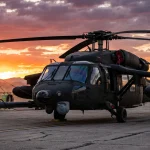
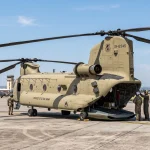
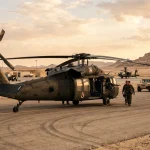
There are several categories of military helicopters, each engineered for specific roles. For instance, utility helicopters like the UH-60 Black Hawk are versatile and can transport troops, medical evacuations, and logistical support. In contrast, attack helicopters, such as the AH-64 Apache, are equipped with powerful weaponry and advanced targeting systems designed to engage enemy threats directly. Transport helicopters, like the CH-47 Chinook, are characterized by their dual-rotor system, which allows for heavier lifting and greater stability, ideal for troop movements and cargo transport.
When sketching these aircraft, pay attention to key features that define each type. For attack helicopters, the narrow fuselage and aggressive stance communicate their designed purpose of engaging in combat. Utility helicopters typically have a broader body to accommodate personnel and equipment. Notably, the shape and arrangement of the rotor blades vary significantly – a detail crucial for realism. Taking time to study these distinctions not only enhances the accuracy of your drawings but also instills a deeper appreciation for the function and form of these incredible machines.
Incorporating research on the latest rotorcraft technology, such as stealth features and advanced avionics, will also enrich your art. Furthermore, consider the operational environment of military helicopters; different camouflage patterns and color schemes are used based on whether they are deployed in desert, forest, or urban settings. By combining these insights with your artistic techniques, you can create compelling and authentic representations of military helicopters that resonate with both aviation enthusiasts and the general audience.
Essential Tools and Materials for Drawing Helicopters
To effectively capture the dynamic nature of military helicopters in your drawings, having the right tools and materials at your disposal is crucial. A well-equipped artist will find that the quality of their art can be profoundly influenced by the supplies they use. Whether you’re sketching a sleek Apache helicopter or a robust Chinook, the correct toolkit allows you to express the unique details and technical features that define these machines.
Begin with a good set of drawing pencils, ranging from hard (H) to soft (B) grades. The hard pencils are fantastic for precise lines and outlines, while softer pencils provide depth and shading, essential for adding dimension to your drawings. Alongside pencils, a quality eraser-both a regular one for general use and a kneaded eraser for more delicate adjustments-will become your best friends as you refine your work. Sketch paper or a high-quality drawing pad is equally important; choose papers that can withstand erasing and layering without tearing or warping.
For artists seeking to incorporate color into their helicopter drawings, colored pencils offer a versatile option. Opt for brands known for their blendability and pigmentation. Markers and watercolors can also serve to enhance your pieces if you’re comfortable with those mediums. Remember to explore blending stumps for smoother transitions and shading, particularly on fuselage surfaces and around rotor systems.
In addition to traditional materials, investing in a few digital tools can expand your artistic horizons. Drawing tablets and stylus pens supported by software like Procreate or Adobe Illustrator enable you to manipulate colors and forms easily, allowing for quicker adjustments and layering. Such tools can simulate various textures and effects, emulating the metallic surfaces or camouflage patterns seen on real military helicopters, enhancing the authenticity of your work. By carefully selecting your art supplies, you’ll be well on your way to creating striking representations of military helicopters that honor their intricate designs and impressive capabilities.
Step-by-Step Guide to Sketching Basic Shapes
To draw a military helicopter effectively, understanding the basic shapes that comprise its structure is crucial. Military helicopters, like the Apache or Black Hawk, are often built from geometric forms such as cylinders, boxes, and cones. By simplifying the helicopter into these fundamental shapes, you can create a solid foundation for your artwork, making it easier to refine details later.
Begin by sketching a large oval for the fuselage, which serves as the main body of the helicopter. This oval can be refined into a more streamlined shape as you progress. Next, add a rectangle extending from the oval’s back to represent the tail section. Don’t forget to draw a smaller oval or rectangle at the front, signifying the cockpit area. These primary shapes provide a framework that helps maintain proportion as you add features like rotor assemblies and landing skids.
Once your basic shapes are in place, focus on the rotor system. Start with two long, thin rectangles extending outward from the top of the fuselage for the rotor blades. At the center, draw a small circle or square to create the rotor hub. This simple combination will establish the helicopter’s essential silhouette. Make adjustments as needed to capture the specific rotor design of the helicopter you’re drawing.
After solidifying the main configuration, it’s time to define the shapes further. Use light, smooth lines to connect the basic shapes, creating a more cohesive look. Remember to maintain the dynamic lines that characterize military helicopters, avoiding any rigid or static appearances. Once satisfied with your outline, you can move on to detailing and adding texture, enhancing the overall look of your military helicopter with features like camouflage patterns and weathering effects that give it a realistic combat style.
Creating Realistic Combat Helicopter Profiles
Capturing the essence of military helicopters requires attention to their imposing profiles, which are designed for both functionality and stealth. The shape of combat helicopters like the Apache or the Black Hawk is not just for aesthetic purposes; it reflects their engineering designed to optimize performance in critical environments. When sketching these aircraft, start by observing their sleek lines and angular features that convey speed and power. A well-defined silhouette is essential, as it sets the tone for the realism of your artwork.
To create realistic combat helicopter profiles, focus on key design elements such as the cockpit design, rotor blades, and tail fins. The cockpit of many military helicopters tends to be more angular and flattened compared to civilian models, often incorporating bulletproof glass. This gives the aircraft a fierce look. Pay attention to how the rotor blades emerge from the hub; they often have a unique tilt or curvature that is crucial to their aerodynamics. You might choose to highlight how the tail section tapers off dramatically, which enhances the helicopter’s agility in the air.
Furthermore, consider the environment your helicopter might be operating in. Visualize dust clouds from a desert landing or shadows cast on the ground during a night operation. Incorporating dynamic backgrounds can elevate your profile sketches beyond mere representations to narrative art that tells a story. Positioning the helicopter against a backdrop of mountains or urban settings helps establish context, making your drawing engage viewers more effectively.
As you finalize your profiles, pay meticulous attention to details such as panel lines, rivets, and any markings unique to specific models or missions. These aspects not only add realism but also give your artwork a professional finish. Explore the textures that could suggest weathering or camouflage, mimicking the effects of various operational conditions. Each feature emphasizes the helicopter’s role as a machine of the battlefield, inviting admirers to appreciate the artistry of aviation and military engineering alike.
Detailing Rotors: Techniques for Precision
Creating highly detailed and precise rotor blades in your military helicopter illustrations is crucial for capturing the essence of these formidable machines. The rotor system is not just a functional aspect of flight; it embodies the intricate engineering that allows helicopters to perform in combat scenarios. Understanding the rotor’s design and mechanics enhances the authenticity of your artwork and lends a dynamic quality to your sketches.
To begin with, observe the unique characteristics of the rotor blades in various military helicopters. Most combat helicopters utilize dual or even multi-blade systems, each engineered for different performance attributes. Pay attention to the rotor’s length, shape, and angle of attack – elements that are critical for lift and maneuverability. When sketching, use reference images to capture the subtle curves and tips of the blades, which can often taper off to help minimize drag. Highlighting the rotor blades’ pitch, which can shift during flight, can add a sense of movement and realism to your work.
For detailing, implement a mix of shading techniques to portray the effects of light and shadow on rotor blades. Use lighter shades towards the edges to represent light reflecting off the metal surface, and darker tones along the sides to suggest depth and thickness. Experimenting with cross-hatching can also accentuate the textures of the metal, making the blades appear robust. Don’t overlook the mechanical fittings; including elements like bolt heads or rivets on the hub where the blades connect to the helicopter can add intricacy and authenticity.
Lastly, consider the environmental context when depicting rotor motion. Sketching rotors in a blurred motion effect can create a sense of dynamism indicative of a helicopter in rapid flight. You might show dust swirling around the base, emphasizing the thrust generated by the rotors. This thoughtful approach not only enhances the visual impact of your drawings but also pays homage to the power and precision of military aviation. With these techniques, your illustrations will capture both the technical aspects of helicopter rotors and the awe-inspiring performance they contribute to military missions.
Mastering Military Camouflage Patterns
To truly bring your military helicopter illustrations to life, mastering the art of camouflage patterns is essential. Camouflage is not just an aesthetic choice; it serves a vital tactical purpose in real-life military operations. The right pattern can significantly aid in reducing visibility against varied terrains, making it a crucial aspect for any helicopter artist to understand and depict accurately. Drawing military helicopters requires an appreciation of these patterns and how they function within different environments, from forests and deserts to urban settings.
Understanding Camouflage Patterns
Military helicopters often utilize complex camouflage designs that can include a blend of colors and shapes. These patterns are specifically tailored to environments where the helicopters operate. Common colors include shades of green, brown, and gray, with patterns that can range from disruptive to pixelated designs. Here are some of the most prevalent types:
- Forest Camouflage: Typically features a mix of greens and browns that break up the helicopter’s outline among trees and foliage.
- Desert Camouflage: Comprised of lighter neutral tones like tan and beige, suited for arid environments.
- Urban Camouflage: Involves grays and blacks, designed to blend in with concrete and other urban landscapes.
- Multi-Terrain Camouflage: This is a versatile option with a range of colors that can adapt to various environments.
Techniques for Drawing Camouflage
To effectively reproduce these patterns in your illustrations, start by analyzing real helicopter images from various angles, paying close attention to how these colors and shapes interact with light and shadow. Here are some practical steps you can take:
- Layering Colors: Use a combination of base and overlay colors when drawing. Start with a solid base color that matches the dominant shade of the helicopter, then build upon it with lighter and darker tones to establish depth and texture.
- Shape and Form: Camouflage patterns often consist of irregular shapes that disrupt the silhouette. Practice sketching these forms in various sizes and orientations to create a sense of randomness that enhances the camouflage effect.
- Blending Techniques: Use techniques such as smudging or stippling for soft transitions between colors, which will help mimic the organic look of real camouflage.
Experiment with these techniques to see how they change the look of your artwork. Incorporating dynamic elements associated with military operations, such as dust or smoke, can also strengthen the context and realism of the camouflaged helicopter in your drawings.
Understanding and effectively rendering camouflage patterns can enhance both the technical execution and the visual impact of your military helicopter art, inviting viewers to appreciate the operational realities of these powerful machines. It’s not just about making your illustrations look realistic; it’s about capturing the essence of military aviation and its strategic intricacies.
Using Shading to Enhance Dimension and Depth
To create lifelike military helicopter illustrations, understanding how to use shading effectively can elevate your artwork from flat representations to dynamic renderings that showcase dimension and depth. Shading is not only about the use of dark and light; it’s about capturing the way light interacts with the helicopter’s forms, creating a visual narrative that conveys realism and detail.
One key technique in effective shading is to observe how light hits the helicopter in real life. Military helicopters often have complex shapes that can cast various shadows. Begin by determining your light source; this will guide where you accentuate highlights and where shadows fall. For example, the cockpit and rotor blades may reflect more light, while the body and undercarriage often remain more subdued. Use gradient shading to transition smoothly between light and dark areas, which adds a three-dimensional feel to your workbook.
Another practical approach is to utilize hatching and cross-hatching techniques. Lightly stroke your pencil or pen to create fine lines that mimic the texture of the helicopter’s surface. Vary the density and direction of your strokes to suggest curves and angles. Areas that are closer to the viewer usually require more detail and darker tones, while those receding into the background can be softer and lighter.
Experimentation is crucial. Don’t hesitate to test different shading pencils or digital brushes if working digitally. Strengthening shadows around contours, such as the edges of the rotor blade or the landing gear, can provide a sharper finish and help define those features distinctly. Remember, shading should support the overall composition, guiding the viewer’s eye through the piece while enhancing the realism of your helicopter illustration.
As you practice these techniques, refer to real-life photographs and take note of how various lighting conditions affect the appearance of helicopters. An understanding of these nuances will not only refine your skill but will also allow you to convey the power and agility of military helicopters artfully and convincingly.
Incorporating Dynamic Action Poses
To truly capture the essence of military helicopters in action, incorporating dynamic poses into your drawings can elevate your artwork significantly. Military helicopters are often depicted in intense scenarios such as combat, rescue missions, or tactical maneuvers, and portraying them in motion brings a sense of realism and excitement. When sketching these vehicles in action, it’s essential to understand their unique characteristics and the ways they interact with the environment.
First, always consider the helicopters’ stance and orientation. Their rotors are a dead giveaway of movement, and the angle of the blades can indicate various speeds and actions. For instance, a helicopter in a steep banking turn will have its rotor blades tilted at an angle, while one hovering will show blades oriented parallel to the body. Using references can greatly enhance your understanding of these positions. Look at images or videos of military helicopters in flight to observe how they behave in various scenarios.
When sketching, think about the dynamic elements that surround the helicopter. Adding background elements, such as clouds or the landscape rushing by, reinforces the action, while a contrasting foreground can help to ground the helicopter in its environment. Employing lines of motion or speed lines can suggest fast movements, enhancing the action-packed feel of your drawing. Additionally, consider including other elements like flares or gunfire that signal engagement, creating a narrative that pulls the viewer into the scene.
Incorporating these dynamic action poses not only adds excitement but also allows for the exploration of different perspectives. Experiment with views from above, below, or even at an angle that showcases the helicopter’s profile. This not only gives depth to your illustration but also provides a fresh take on familiar subjects. As you practice, aim to evoke a sense of power and agility, which are hallmarks of military aviation. The more you engage with different poses and contexts, the more your skill will flourish, allowing you to create compelling artworks that celebrate the incredible capabilities of military helicopters.
Tips for Adding Backgrounds and Context
Incorporating backgrounds and context into your helicopter drawings can significantly enhance their overall impact and storytelling. A well-defined background not only provides a sense of place but also situates the helicopter within a narrative, conveying the emotions and movements of the scene. For instance, depicting a helicopter flying through stormy skies can evoke tension and urgency, while one soaring over serene landscapes offers a sense of calm and freedom.
To create a dynamic backdrop, consider elements that complement the action and features of the helicopter. Use layered compositions to maintain visual interest-this can include distant mountains, trees, or urban architecture that frames the helicopter. Balance detail and simplicity; while it’s important to have interesting elements, overly complex backgrounds can distract from your main subject. Strive for a harmonious blend where the helicopter remains the focal point.
Engaging with Contextual Elements
Adding contextual elements, like military personnel or equipment on the ground, can deepen the narrative of your drawing. For instance, illustrating troops preparing for an airlift beneath the helicopter adds realism and context to your scene. Consider depicting aerial maneuvers, such as flares or smoke trails, to suggest action and movement. This not only enriches your illustration but also portrays the helicopter’s role in a broader operational environment.
When it comes to enhancing the emotional tone, thoughtfully apply color palettes related to the environment. Warmer tones might suggest a sunset backdrop, enhancing the drama, while cooler colors can evoke a high-stakes situation in a nighttime setting. Texture plays a key role as well; using rough brush strokes for clouds can convey turbulence, while smooth gradients may suggest a peaceful sky. Overall, blending background elements seamlessly with the helicopter helps create a cohesive and compelling piece of art that resonates with your audience.
Exploring Famous Military Helicopter Models
The world of military helicopters is vast and fascinating, with each model offering unique capabilities and design features that enhance their operational effectiveness. Understanding these legendary machines is not only essential for appreciation but also for creating accurate drawings. One iconic example is the AH-64 Apache, renowned for its attack capabilities and advanced avionics. This helicopter features a sleek, aggressive design, characterized by its twin-engine configuration and distinctive cockpit silhouette, perfect for sketching with dynamic angles and perspectives.
Another remarkable model is the UH-60 Black Hawk, which has become emblematic of modern military operations. Its versatile design allows for troop transport, medical evacuation, and logistical support. When drawing the Black Hawk, pay close attention to its distinctive rotor system and the unique shape that sets it apart from other helicopters. Capture its robust frame and the array of equipment often mounted on board, from rescue hoists to weapons systems.
For a historical perspective, the Bell UH-1 Iroquois, famously known as the “Huey,” represents a pivotal moment in aviation history. Its classic shape, with a rounded cabin and a single rotor, evokes nostalgia and the spirit of the Vietnam War era. Including details like the skids and the open door for troops is essential for accuracy. Each of these helicopters offers not only design challenges but also rich stories of the missions they’ve undertaken, allowing you to infuse your drawings with deeper meaning.
Lastly, as you sketch these models, consider incorporating elements that reflect their operational environment, like battle scenes or scenic landscapes. Remember, when you infuse actual history and functionality into your art, you not only enhance the aesthetic appeal but also engage viewers with the operational significance of these incredible machines. Happy drawing!
Common Drawing Mistakes and How to Fix Them
When embarking on the artistic journey of sketching military helicopters, many aspiring artists encounter a few common pitfalls that can hinder their progress. These mistakes often stem from misunderstandings of form, perspective, and detail, which are crucial elements in accurately representing these complex machines. Recognizing and addressing these errors can greatly enhance your drawing skills and bring your helicopter art to life.
One frequent oversight is the lack of attention to proportion. Many artists may unintentionally misjudge the size of rotor blades or the dimensions of the cockpit in relation to the body of the helicopter. To rectify this, consider starting with basic shapes-using circles for the rotor and rectangles for the fuselage-before adding details. By keeping a reference image nearby, you can check proportions and make adjustments as you go.
Another common mistake involves perspective, especially when drawing helicopters in action poses. Artists might struggle to convey depth and movement, resulting in flat or awkward-looking images. To improve your perspective techniques, practice sketching the helicopter from various angles. Use guidelines to help maintain linear perspective, ensuring that all components align correctly. Additionally, adding elements in the foreground or background-like clouds or other aircraft-can create context and enhance the sense of dynamics in your artwork.
Detailing is also an area where many artists falter. It’s easy to overlook the intricacies of a helicopter’s design, such as the texture of the rotors or the equipment mounted on the sides. To handle this, break down details into manageable sections and focus on one area at a time. Techniques like cross-hatching can be particularly effective for adding realistic shading and texture, while maintaining clarity in your drawing.
By being aware of these common mistakes and applying practical strategies to fix them, you can elevate your helicopter sketches from basic representations to detailed and dynamic works of art. Remember, every artist confronts challenges; learning to overcome them is part of the creative process. Embrace your journey with the same curiosity and enthusiasm that these aircraft exemplify!
Showcasing Your Military Helicopter Art: Display Tips
Displaying your military helicopter art can elevate your creations to new heights, turning them from personal drawings into compelling visual statements. Finding the right way to showcase your work not only highlights the effort you put into your sketches but also connects with others who appreciate the beauty and engineering of these powerful machines. Consider these tips to ensure your art gets the attention it deserves.
Presentation Styles
There are various ways to display your military helicopter art, and each method brings its unique flair. Here are a few popular options:
- Framing: Use sleek, modern frames for a professional look. Consider using mats that complement the colors in your artwork, enhancing its overall appeal. Glass or acrylic surfaces can protect your art and offer a polished finish.
- Canvas Printing: Transferring your drawings onto canvas can provide a textured, gallery-like look. This option is particularly suited for larger pieces, making them stand out as focal points in any room.
- Digital Displays: For tech-savvy artists, creating a digital slideshow of your art can be a dynamic way to showcase your work during exhibitions or online platforms. This format enables you to reach a wider audience through social media.
Creating an Engaging Display
The context in which your artwork is presented can significantly influence viewer engagement. Here are some strategies to consider:
- Curated Collections: Group your artworks by theme, such as different helicopter models or combat styles. This not only creates a narrative but also helps viewers appreciate the variety in your work.
- Interactive Elements: If possible, include detailed descriptions or even short videos explaining your creative process. This can pique interest and give depth to your exhibition.
- Background and Settings: When showcasing physical pieces, think about the environment. A military-themed background or settings like an airfield or hangar can enhance the authenticity and attractiveness of your display.
By implementing these display tips, you can effectively showcase your military helicopter art and foster a deeper appreciation for both your talent and the incredible machines you portray. Embrace this opportunity to share your passion with fellow enthusiasts and the wider community!
Faq
Q: How can I find reference images for military helicopters when drawing?
A: You can search for reference images on websites dedicated to military aviation or use image search engines. Try to look for different angles and operational scenarios to enhance the realism of your artwork. Additionally, the “Understanding Military Helicopter Types and Features” section in our tutorial provides insights for choosing suitable references.
Q: What are the best digital tools for drawing military helicopters?
A: The best digital tools include drawing tablets like Wacom or iPad with Procreate for detailed artwork. Software like Adobe Illustrator or CorelDRAW is excellent for vector illustrations. Check the “Essential Tools and Materials for Drawing Helicopters” section for recommendations on both digital and traditional tools.
Q: What are some common mistakes to avoid when drawing military helicopters?
A: Common mistakes include incorrect proportions, neglecting details like camouflage patterns, and poor positioning of rotors. Refer to the “Common Drawing Mistakes and How to Fix Them” section for strategies to enhance accuracy and prevent these common pitfalls.
Q: How do I shade a military helicopter for realistic depth?
A: To shade a military helicopter realistically, identify the light source and apply darker tones on the opposite side. Use gradients to create depth, particularly around rotors and engines. The “Using Shading to Enhance Dimension and Depth” section offers specific shading techniques to improve your drawings.
Q: What poses work best for drawing action scenes with military helicopters?
A: Dynamic action poses, such as a helicopter in a banking turn or in a hover with blades in motion, create excitement. Explore the “Incorporating Dynamic Action Poses” section for tips on enhancing movement in your helicopter art.
Q: Can I draw military helicopters in different styles, like cartoon or realistic?
A: Yes, military helicopters can be depicted in various styles. Just adjust your detailing and proportions based on the intended style. The article encourages versatility in artistic expression, and you may find inspiration in the “Creating Realistic Combat Helicopter Profiles” section.
Q: What features define a combat helicopter versus a transport helicopter?
A: Combat helicopters are characterized by weaponry, armored fuselage, and enhanced maneuverability, while transport helicopters prioritize space and capacity. For a detailed comparison, check the “Understanding Military Helicopter Types and Features” section in our guide.
Q: How can I practice drawing military helicopters effectively?
A: Regular practice and studying various military helicopter models can significantly enhance your skills. Utilize the step-by-step guides and tips provided in the article to structure your practice sessions effectively. Consider also sharing your art for feedback to improve further!
Insights and Conclusions
Congratulations on completing the “How to Draw a Military Helicopter: Combat Style Tutorial!” You’ve gained valuable skills to create realistic and dynamic helicopter drawings that truly capture their powerful essence. If you’re eager to expand your artistic repertoire, check out our tutorials on “Drawing Advanced Aircraft Models” and “Creating Realistic Military Vehicles” for further inspiration and techniques.
We encourage you to share your drawings in the comments below and connect with other aviation enthusiasts. Remember, practice makes perfect, so keep refining your skills! For more insights into helicopter engineering and aviation art, explore our blog-your next masterpiece is just a click away. Don’t forget to subscribe for updates and join our community of aspiring artists and aviation lovers. Your journey in artistic expression is just getting started!
Simple Attack Helicopter Sketch: Step-by-Step Blueprint and Proportion Guide
Mastering a simple attack helicopter sketch requires understanding the functional purpose of combat rotorcraft anatomy. Unlike bulbous transport or sightseeing helicopters, dedicated attack gunships (such as the AH-64 Apache or Bell AH-1Z Viper) are engineered with ultra-narrow, angular fuselages designed to present the smallest possible radar and visual cross-section to enemy ground forces.
Drafting Anatomy and Proportions Table
Break down your drawing by focusing on these essential mechanical components in order of execution:
| Anatomy Feature | Base Geometric Shape | Proportion & Placement | Detailing Elements |
|---|---|---|---|
| Main Fuselage Core | Streamlined Oval / Capsule | Center 40% of overall airframe length | Armor panel seams, engine intake scoops, exhaust heat suppressors |
| Tandem Cockpit Canopy | Stepped Trapezoid | Nose section; co-pilot/gunner forward, pilot elevated aft | Flat-plate ballistic glass facets, canopy frame struts |
| Tail Boom & Fin | Tapered Cone + Vertical Wedge | Extends backward 50% of total length | Horizontal stabilator fin, tail rotor gearbox, drive shaft cover |
| Stub Weapon Wings | Anhedral (Downturned) Trapezoids | Mid-fuselage beneath rotor mast | Cylindrical Hydra 70 rocket pods, AGM-114 Hellfire missile rails |
| Chin Gun Turret & Sensors | Rotational Cylinder + Slender Barrel | Underbelly directly below the forward cockpit | 30mm muzzle brake, FLIR targeting optics ball |
Shading, Line Weight, and Realism
To transform your line sketch into a convincing technical illustration, apply heavy line weights along the underside shadows of the fuselage, stub wings, and rocket pods. Cross-hatch the recessed cockpit interior while leaving bright white diagonal highlights across the canopy glass. Explore authentic military rotorcraft profiles in our military helicopter encyclopedia and learn about rotary flight engineering in our flight basics guide.
Get our latest guides, news, and insights highlighted in your Google Search & AI Overviews.